Cost and planning note (2026)
The figures below are indicative market ranges for 2026, not a quote: your own price depends on the clinic, the surgeon and your clinical assessment.
Indicative price range: Gastric Sleeve: 3,500 – 5,500 USD | Gastric Bypass: 4,500 – 7,500 USD | Gastric Balloon: 2,000 – 3,000 USD
Facility standards: In Türkiye, any facility treating international patients must hold the Ministry of Health’s international health tourism authorisation; hospitals and medical centres must also be accredited by TÜSKA, and complication insurance is compulsory for procedures carried out in an operating theatre (Regulation of 26 April 2025). Ask us for the authorisation of the facility you are matched with.
Currency: USD / EUR / GBP accepted.
Cost and planning note (2026)
The figures below are indicative 2026 market ranges, not a quote.
Indicative costs in Türkiye: Gastric sleeve 3,500 – 5,500 USD · Gastric bypass 4,500 – 7,500 USD · Gastric balloon 2,000 – 3,000 USD |
Facility standards: In Türkiye, any facility treating international patients must hold the Ministry of Health’s international health tourism authorisation; hospitals and medical centres must also be accredited by TÜSKA, and complication insurance is compulsory for procedures carried out in an operating theatre (Regulation of 26 April 2025).
Bariatric Surgery and Sleep Apnea: Why Many Patients Stop Using CPAP after Turkey
Obstructive Sleep Apnea (OSA) is a common and serious disorder affecting millions worldwide. It’s frequently associated with obesity, and Continuous Positive Airway Pressure (CPAP) therapy is often the primary treatment. However, a growing number of patients undergoing bariatric surgery in Turkey are reporting a significant reduction – or complete cessation – of their sleep apnea, leading them to discontinue CPAP use. This article explores the connection between these procedures and the resolution of OSA, with a specific focus on the standards and affordability of bariatric surgery in Turkey.
Understanding the Link Between Obesity, Sleep Apnea, and Bariatric Surgery
OSA occurs when the upper airway becomes blocked during sleep, interrupting breathing. Excess weight is a major risk factor, as it contributes to increased tissue around the neck, narrowing the airway. Bariatric surgery, encompassing procedures like gastric sleeve, gastric bypass, and gastric balloon placement, aims to induce significant and sustainable weight loss.
The efficacy of bariatric surgery in resolving OSA is well-documented. As patients lose weight, the fat deposits around the neck decrease, opening the airway and often eliminating or drastically reducing the frequency and severity of apnea events. This can lead to a diminished reliance on – or complete freedom from – CPAP therapy.
Bariatric Surgery Options and Costs in Turkey
Turkey has become a popular destination for bariatric surgery due to its high-quality medical facilities, experienced surgeons, and significantly lower costs compared to many Western countries. Here’s a breakdown of common procedures and associated expenses:
- Gastric Sleeve: 3,500 – 5,500 USD
- Gastric Bypass: 4,500 – 7,500 USD
- Gastric Balloon: 2,000 – 3,000 USD
These costs generally include the surgery itself, pre-operative evaluations, hospital stay, and initial post-operative care.
Eligibility for Bariatric Surgery
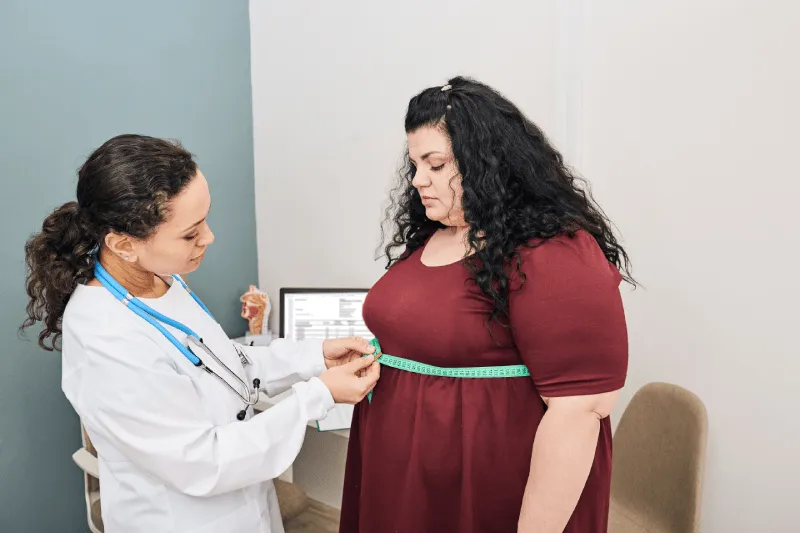
Not everyone is a candidate for bariatric surgery. The general requirement for consideration is a Body Mass Index (BMI) greater than 35, or a BMI greater than 30 with co-morbidities such as type 2 diabetes, high blood pressure, or, importantly, Obstructive Sleep Apnea.
Medical Standards and Considerations in Turkey
Patients considering bariatric surgery in Turkey can be assured of generally high medical standards. Hospitals offering these procedures are typically JCI (Joint Commission International) Accredited and regulated by the Turkish Ministry of Health. This ensures adherence to internationally recognized quality and safety protocols.
Important logistical details include:
- Currency Focus: Surgeons and hospitals readily accept USD, EUR, and GBP.
- Visa Information: An E-visa is available for most UK/US/EU citizens, allowing for a 90-day stay.
- Recovery Hubs: Popular recovery locations include Istanbul (known for its city and boutique hotels), Antalya (offering resort and beachside recuperation), and Izmir (providing an Aegean/thermal recovery experience).
Cost and planning note (2026)
The figures below are indicative 2026 market ranges, not a quote.
Indicative costs in Türkiye: Gastric sleeve 3,500 – 5,500 USD · Gastric bypass 4,500 – 7,500 USD · Gastric balloon 2,000 – 3,000 USD |
Facility standards: In Türkiye, any facility treating international patients must hold the Ministry of Health’s international health tourism authorisation; hospitals and medical centres must also be accredited by TÜSKA, and complication insurance is compulsory for procedures carried out in an operating theatre (Regulation of 26 April 2025).
Bariatric Surgery and Sleep Apnea: Why Many Patients Stop Using CPAP after Turkey
For individuals struggling with both obesity and obstructive sleep apnea (OSA), the road to better health can be complex. Continuous Positive Airway Pressure (CPAP) machines are often prescribed for OSA, but compliance is notoriously low. Interestingly, a growing number of patients undergoing bariatric surgery in Turkey are reporting they are able to discontinue CPAP therapy post-surgery. This article will detail the procedure, explore the link between weight loss and sleep apnea resolution, and outline what potential patients can expect when choosing Turkey for their weight loss journey.
Understanding the Connection: Obesity and Sleep Apnea
Obesity is a major risk factor for obstructive sleep apnea. Excess weight around the neck contributes to narrowing of the upper airway during sleep, causing repeated pauses in breathing. This leads to disrupted sleep, daytime fatigue, and increased risk of serious health problems like heart disease and stroke. A Body Mass Index (BMI) of > 35, or > 30 with co-morbidities, typically qualifies a patient for bariatric surgery consideration.
Bariatric Procedures Available in Turkey
Turkey has become a popular destination for bariatric surgery due to its qualified surgeons, modern facilities, and competitive pricing. Here’s an overview of common procedures:
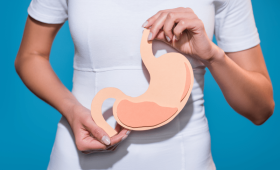
- Gastric Sleeve: This involves removing a significant portion of the stomach, limiting food intake and reducing the production of hunger hormones. Costs range from 3,500 – 5,500 USD.
- Gastric Bypass: This procedure creates a small stomach pouch and connects it directly to the small intestine, bypassing a portion of the stomach. Costs range from 4,500 – 7,500 USD.
- Gastric Balloon: A temporary, minimally invasive procedure involving the insertion of a balloon into the stomach to promote feelings of fullness. Costs range from 2,000 – 3,000 USD.
The Patient Journey: A Detailed Procedure Overview (Gastric Bypass as an Example)
Let’s walk through a typical patient journey for a Gastric Bypass procedure in Turkey. This is a general outline and individual experiences may vary.
Phase 1: Pre-Operative Assessment & Preparation (1-2 weeks before travel)
- Initial Consultation: A virtual consultation with the surgeon to discuss medical history, current health status, and suitability for surgery. This includes reviewing the patient’s CPAP usage and OSA severity.
- Medical Tests: Blood tests, ECG, and potentially sleep study review are required. These may be performed locally for convenience.
- Dietary Preparation: A low-calorie diet is typically prescribed for 2-4 weeks before surgery to reduce liver size and prepare the stomach.
- Travel Arrangements: Booking flights and accommodation. Turkey offers options in Istanbul (City/Boutique), Antalya (Resort/Beach), and Izmir (Aegean/Thermal) for recovery. An E-visa is available for most UK/US/EU citizens, allowing a 90-day stay.
Phase 2: Hospital Stay & Surgery (5-7 days)
- Arrival & Check-in: Upon arrival, patients are transferred to the hospital and undergo a final medical evaluation.
- Pre-Op Instructions: Detailed instructions regarding fasting and the surgical process are provided.
- Gastric Bypass Procedure: The surgery, performed under general anesthesia, typically takes 2-4 hours.
- Post-Op Monitoring: Patients are closely monitored in the ICU for 24-48 hours, followed by a stay in a private room.
- Leak Test: A crucial step to ensure the integrity of the new stomach connections.
Phase 3: Recovery & Follow-Up (4-6 weeks)
- Dietary Progression: A liquid diet is gradually advanced to pureed, soft, and then solid foods over several weeks. A registered dietitian provides personalized guidance.
- Pain Management: Pain medication is prescribed as needed.
- Walking & Activity: Encouraged to walk and gradually increase physical activity.
- Remote Follow-Up: Regular virtual follow-up appointments with the surgeon and dietitian to monitor progress and address concerns.
Patient Persona: Meet Sarah
Sarah, 48, from the UK, struggled with obesity and severe obstructive sleep apnea for years. She relied heavily on her CPAP machine, but found it uncomfortable and difficult to travel with. Her BMI was 38, and she had high blood pressure. After researching options, she chose a Gastric Bypass procedure in Istanbul, Turkey. She was attracted by the cost (approximately 6,000 USD) and the JCI accreditation of the hospital. Six months post-surgery, Sarah has lost over 60kg and, crucially, has successfully completed a sleep study showing a significant reduction in her Apnea-Hypopnea Index (AHI), allowing her to discontinue CPAP therapy. She reports feeling more energetic and enjoying a vastly improved quality of life.
Why CPAP Usage Decreases Post-Surgery
Significant weight loss following bariatric surgery often leads to a reduction in the amount of fat around the neck, improving airflow. This can result in:
- Reduced AHI: The Apnea-Hypopnea Index, a measure of sleep apnea severity, often decreases dramatically.
- Improved Oxygen Saturation: Blood oxygen levels during sleep improve.
- Discontinuation of CPAP: Many patients, like Sarah, find they no longer require CPAP therapy after reaching a healthier weight.
It’s important to note that not everyone will be able to stop using CPAP, and ongoing monitoring by a sleep specialist is crucial.
Turkey’s Medical Standards & Considerations
When considering bariatric surgery in Turkey, it’s essential to choose a facility that meets international standards. Look for hospitals that are JCI (Joint Commission International) Accredited and regulated by the Ministry of Health. This ensures a high level of patient safety and quality of care. Costs in Turkey are typically paid in USD, EUR, or GBP.
Cost and planning note (2026)
The figures below are indicative 2026 market ranges, not a quote.
Indicative costs in Türkiye: Gastric sleeve 3,500 – 5,500 USD · Gastric bypass 4,500 – 7,500 USD · Gastric balloon 2,000 – 3,000 USD |
Facility standards: In Türkiye, any facility treating international patients must hold the Ministry of Health’s international health tourism authorisation; hospitals and medical centres must also be accredited by TÜSKA, and complication insurance is compulsory for procedures carried out in an operating theatre (Regulation of 26 April 2025).
Bariatric Surgery and Sleep Apnea: Why Many Patients Stop Using CPAP after Turkey
Obesity is a significant risk factor for Obstructive Sleep Apnea (OSA). For many patients, Continuous Positive Airway Pressure (CPAP) therapy becomes a lifelong necessity to manage this condition. However, a growing number of individuals undergoing bariatric surgery in Turkey are finding they can discontinue CPAP use after surgery. This article explores this phenomenon, outlining recovery timelines, associated costs, and what patients should expect.
Recovery Timeline Following Bariatric Surgery in Turkey
The initial recovery period after bariatric surgery in Turkey typically spans approximately 1-2 weeks. The first few days are spent in the hospital for monitoring and pain management. Patients are usually encouraged to begin walking shortly after surgery to aid recovery and prevent complications.
- Week 1-2: Liquid diet, focusing on hydration and protein intake. Gradual increase in activity levels. Hospital stay generally concludes within 3-7 days.
- Week 2-4: Transition to pureed foods, then soft foods. Continued increase in physical activity. Follow-up appointments with the surgeon.
- Month 1-3: Return to a mostly normal diet, focusing on healthy, portion-controlled meals. Regular exercise is crucial. Sleep apnea symptoms may begin to diminish.
- Month 3-6: Most patients experience significant weight loss and a noticeable reduction in OSA symptoms. A formal sleep study is often recommended around the 6-month mark to assess the need for CPAP.
- Month 6+: For many, the sleep study will indicate a resolution of OSA, allowing them to discontinue CPAP use under the guidance of their physician.
It’s important to note that individual recovery times vary based on the type of surgery performed, overall health, and adherence to post-operative guidelines.
Costs of Bariatric Surgery in Turkey
Turkey has become a popular destination for bariatric surgery due to its combination of high-quality medical care and relatively lower costs. Here’s a breakdown of estimated procedure costs (as of 2026):
- Gastric Sleeve: 3,500 – 5,500 USD
- Gastric Bypass: 4,500 – 7,500 USD
- Gastric Balloon: 2,000 – 3,000 USD
These costs typically include the surgery itself, hospital stay, and initial follow-up appointments. Additional expenses to consider are airfare, accommodation, and pre-operative tests. Currency accepted generally includes USD, EUR, and GBP.
Eligibility and Medical Standards
Generally, patients considered for bariatric surgery in Turkey must meet the following requirement: BMI > 35 or > 30 with co-morbidities. The country maintains high general standards, with facilities frequently being JCI (Joint Commission International) Accredited and regulated by the Ministry of Health. Popular recovery hubs include Istanbul (City/Boutique), Antalya (Resort/Beach), and Izmir (Aegean/Thermal).
Patients should thoroughly research their chosen surgeon and facility to ensure they meet international standards. A valid e-visa is available for most UK/US/EU citizens, allowing for a 90-day stay.
Free Consultation
Fill out the form below to get your free medical travel plan and price quote.
Sources and how to verify this yourself
- Eisenberg D, et al. 2022 ASMBS and IFSO Indications for Metabolic and Bariatric Surgery. — surgery is recommended at BMI ≥35 regardless of co-morbidity, and considered at BMI 30–34.9 with metabolic disease (lower thresholds for Asian populations). source
- Ministry of Health, Regulation on International Health Tourism and Tourist Health, Official Gazette 26 April 2025, No. 32882 — authorisation requirement for facilities and intermediaries, TÜSKA accreditation, compulsory complication insurance (deadline 31 December 2025 for insurance, 31 December 2026 for accreditation). source
- Ministry of Health, Regulation on Promotion and Information Activities in Health Services, Official Gazette 12 November 2025, No. 33075 — treatment promises and guarantees are prohibited; price and campaign announcements are permitted only within international health tourism. source