About the prices on this page. The figures below are indicative market prices and country comparisons, not a quote. Our own current, all-inclusive prices are published on our weight loss surgery in Turkey page, and we confirm your figure in writing before you commit to anything.
Cost and planning note (2026)
The figures below are indicative market ranges for 2026, not a quote: your own price depends on the clinic, the surgeon and your clinical assessment.
Indicative price range: Gastric Sleeve: 3,500 – 5,500 USD | Gastric Bypass: 4,500 – 7,500 USD | Gastric Balloon: 2,000 – 3,000 USD
Facility standards: In Türkiye, any facility treating international patients must hold the Ministry of Health’s international health tourism authorisation; hospitals and medical centres must also be accredited by TÜSKA, and complication insurance is compulsory for procedures carried out in an operating theatre (Regulation of 26 April 2025). Ask us for the authorisation of the facility you are matched with.
Currency: USD / EUR / GBP accepted at all clinics.
Bariatric Tourism for Australians: Saving 60% and Avoiding Long Waiting Lists
Bariatric Tourism: A Medical & Technical Overview
The increasing prevalence of obesity globally, and specifically within Australia, is driving a surge in bariatric tourism. While the motivations are often economic – Australians face substantial costs and lengthy waiting periods for weight-loss surgery domestically – a comprehensive understanding of the medical foundation, technical nuances, and global standards surrounding these procedures is paramount. This pillar will delve into the ‘what’ and ‘why’ of bariatric surgery undertaken abroad, focusing primarily on destinations gaining traction with Australian patients.
Defining Bariatric Procedures: Beyond Weight Loss
Bariatric surgery, derived from the Greek words “barys” (weight) and “iatros” (physician), encompasses a range of surgical procedures designed to treat morbid obesity. It’s crucial to understand that these are not simply “cosmetic” operations. They are complex interventions targeting the pathophysiology of obesity, impacting hormonal regulation, gut microbiome composition, and metabolic pathways. The primary indication, as universally accepted, is a Body Mass Index (BMI) exceeding 35 or a BMI of 30 or greater accompanied by significant obesity-related co-morbidities. These co-morbidities often include type 2 diabetes mellitus, hypertension, obstructive sleep apnea, dyslipidemia, and non-alcoholic fatty liver disease. Successful bariatric surgery doesn’t just reduce weight; it frequently leads to remission of these conditions, profoundly improving quality of life and extending lifespan.
Gastric Sleeve vs. Gastric Bypass: Technical Divergences
Two of the most frequently sought-after procedures driving bariatric tourism are the laparoscopic sleeve gastrectomy (LSG) – often referred to as the gastric sleeve – and the Roux-en-Y gastric bypass (RYGB). While both result in significant weight loss, their mechanisms differ.
The LSG involves the surgical resection of approximately 80% of the stomach, creating a narrow gastric “sleeve”. This restricts food intake and, critically, reduces the production of ghrelin, the “hunger hormone”. This hormonal shift plays a significant role in long-term weight management. Technically, it’s a simpler procedure than RYGB, generally associated with a shorter operative time and potentially fewer complications, though vitamin deficiencies can occur if post-operative dietary compliance isn’t maintained.
The RYGB, considered the “gold standard” for many, is a more complex procedure. It involves creating a small gastric pouch and connecting it directly to the jejunum, bypassing a significant portion of the duodenum and stomach. This achieves both restriction and malabsorption. The malabsorptive component reduces the caloric absorption from ingested food, contributing to weight loss. However, it also necessitates lifelong vitamin and mineral supplementation, specifically vitamin B12, iron, calcium, and fat-soluble vitamins (A, D, E, K). Understanding the nuances of malabsorption is vital for patients and surgeons alike, ensuring appropriate preventative measures are implemented.
Gastric Ballooning: A Non-Surgical Option
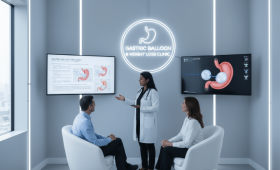
For patients with a BMI in the 30-35 range who may not be suitable candidates for surgery, or who prefer a less invasive approach, the endoscopic placement of an intragastric balloon is an option. This involves inserting a deflated balloon into the stomach via endoscopy and inflating it with saline. The balloon occupies space within the stomach, promoting a feeling of fullness and reducing appetite. While effective for short-term weight loss, it’s crucial to recognise that the balloon is temporary – typically removed after six months – and requires significant lifestyle modifications for sustained results. The cost typically ranges from 2,000 – 3,000 USD.
Global Standards and Accreditation: Ensuring Patient Safety
When considering bariatric tourism, particularly to destinations like Turkey, meticulous vetting of medical facilities is non-negotiable. Simply finding a low price isn’t sufficient. Patients must prioritize hospitals accredited by internationally recognized bodies. In Turkey, the benchmark is Joint Commission International (JCI) accreditation, signifying adherence to rigorous quality and patient safety standards. The Turkish Ministry of Health also provides regulatory oversight, ensuring that facilities meet national healthcare requirements. This goes beyond basic hygiene; JCI accreditation evaluates everything from surgical protocols and anesthesia safety to infection control and patient education.
Cost Disparities: Understanding the Economics
The financial incentives driving Australian patients to seek bariatric surgery abroad are substantial. Costs for procedures in Turkey are significantly lower than in Australia. A gastric sleeve can range from 3,500 – 5,500 USD, while a gastric bypass typically falls between 4,500 – 7,500 USD. These figures represent a potential saving of 50-60% compared to the Australian private healthcare system. However, it’s crucial to factor in additional expenses: flights, accommodation, post-operative care (often requiring extended stays), and potential complications requiring follow-up treatment upon return to Australia.
The cost differential isn’t due to inferior care, but rather a combination of factors, including lower labor costs, reduced overheads, and different healthcare system structures. However, patients must be discerning and ensure the surgeon’s qualifications and experience are comparable to those available domestically.
Recovery and Destination Choices
Post-operative recovery is a critical component of bariatric surgery. Turkey offers several distinct ‘recovery hubs’. Istanbul provides a cosmopolitan environment with easy access to amenities, offering both city-center and boutique hotel options. Antalya, a popular resort city on the Mediterranean coast, allows for a more relaxed recovery experience with beach access. Izmir, located in the Aegean region, is known for its thermal springs and potential for incorporating rehabilitative therapies. The choice of location often depends on the patient’s personal preference and desired level of activity during recovery.
Currency & Logistics
For Australian patients, understanding currency exchange rates and logistical considerations is essential. While prices are often quoted in USD, hospitals also frequently accept EUR and GBP. Visa requirements are generally straightforward, with an E-visa available for citizens of the UK, US, and EU, allowing for a 90-day stay. However, patients should confirm specific visa requirements based on their nationality before travel.
Careful pre-operative planning, informed consent, and a thorough understanding of both the surgical procedure and the host country’s healthcare system are paramount for a successful and safe bariatric tourism experience.
The Surgical/Clinical Journey: A Detailed Overview
For Australians considering bariatric surgery abroad, particularly in Turkey, understanding the surgical and clinical journey is paramount. This extends beyond simply choosing a procedure; it encompasses pre-operative assessment, the surgical technique itself, post-operative care, and robust risk mitigation strategies. We at CureHoliday.com prioritize patient safety and transparency, providing a detailed breakdown of what to expect.
Pre-Operative Assessment & Optimization
The journey begins long before the operating table. Our partner clinics in Turkey adhere to stringent pre-operative protocols. First, a comprehensive medical history and physical examination are conducted. This isn’t merely a formality; it’s a critical assessment of your overall health. Key investigations include:
- Complete Blood Count (CBC) & Comprehensive Metabolic Panel (CMP): To evaluate organ function (renal, hepatic), electrolyte balance, and identify any underlying systemic issues.
- Upper Gastrointestinal Endoscopy (EGD): This allows direct visualization of the esophagus, stomach, and duodenum. It rules out conditions like Barrett’s esophagus, peptic ulcer disease, or Helicobacter pylori infection which necessitate pre-operative treatment.
- Gastric Emptying Study: Assesses the rate at which the stomach empties, potentially identifying gastroparesis, which could impact surgical candidacy or require modification of the surgical approach.
- Psychological Evaluation: Bariatric surgery is a significant life change. A qualified psychologist assesses the patient’s understanding of the procedure, their motivation, and their capacity to adhere to post-operative dietary and lifestyle modifications. Identification of pre-existing depression or anxiety is crucial, as these conditions can influence outcomes.
- Nutritional Assessment: A registered dietitian determines baseline nutritional status and develops a pre-operative diet designed to optimize nutrient stores, particularly iron, vitamin B12, and folate.
Eligibility, as per international standards, generally requires a Body Mass Index (BMI) exceeding 35 or a BMI exceeding 30 in the presence of significant co-morbidities such as type 2 diabetes, hypertension, obstructive sleep apnea, or hyperlipidemia. These conditions are not just qualifying factors, but also areas targeted for pre-operative optimization to minimize surgical risk.
Surgical Techniques: A Comparative Analysis
Our Turkish partner facilities offer a range of bariatric procedures. Here’s a technical overview:
- Sleeve Gastrectomy: This restrictive procedure involves laparoscopically removing approximately 80% of the stomach, creating a narrow ‘sleeve’. The procedure reduces stomach volume and decreases ghrelin production (the ‘hunger hormone’). Technical nuances involve the precise angle of the staple line, ensuring complete division of the stomach along the greater curvature, and meticulous haemostasis to minimize post-operative bleeding. Costs typically range from 3,500 – 5,500 USD.
- Roux-en-Y Gastric Bypass (RYGB): Considered the “gold standard,” RYGB creates a small stomach pouch and connects it directly to the jejunum, bypassing a significant portion of the duodenum and stomach. This combination of restriction and malabsorption leads to significant weight loss. Technically, a meticulously created anastomosis (connection) between the pouch and jejunum is critical to prevent leaks – a potentially life-threatening complication. Costs typically range from 4,500 – 7,500 USD.
- Gastric Balloon: A less invasive option, a silicone balloon is placed endoscopically into the stomach, creating a feeling of fullness. This is typically reserved for patients with a BMI between 30-35 who are not candidates for, or wish to avoid, more complex surgery. Costs are generally between 2,000 – 3,000 USD.
The specific technique recommended will be determined by a surgeon based on the patient’s BMI, co-morbidities, lifestyle, and personal preferences.
Post-Operative Care & Recovery – Location Matters
Post-operative care is as crucial as the surgery itself. Our curated recovery hubs offer distinct advantages:
- Istanbul (City/Boutique): Provides access to advanced medical facilities and a vibrant cultural experience. Suitable for patients who prefer a more dynamic recovery environment.
- Antalya (Resort/Beach): Offers a relaxing, all-inclusive recovery experience in a resort setting, promoting wound healing through sunshine and gentle activity.
- Izmir (Aegean/Thermal): Leverages the therapeutic benefits of thermal springs, believed to aid in tissue repair and reduce inflammation.
Post-operative protocols include:
- Early Ambulation: Encouraged to prevent deep vein thrombosis (DVT) and pulmonary embolism.
- Liquid Diet Progression: Gradual advancement from clear liquids to pureed foods, then to soft solids, over several weeks, guided by tolerance and surgeon’s instructions.
- Pain Management: Utilizing a multimodal approach, including opioid and non-opioid analgesics, to minimize discomfort.
- Wound Care: Regular inspection of incision sites for signs of infection.
- Nutritional Counselling & Supplementation: Lifelong commitment to a balanced diet and vitamin/mineral supplementation (B12, iron, calcium, vitamin D) to prevent deficiencies.
Risk Mitigation & Patient Safety
We understand the concerns surrounding medical tourism. CureHoliday.com mitigates risk through:
- JCI Accreditation: Our partner hospitals are rigorously assessed and accredited by the Joint Commission International, ensuring adherence to international quality and safety standards.
- Ministry of Health Regulation: All facilities operate under the strict oversight of the Turkish Ministry of Health.
- Experienced Surgical Teams: Surgeons are board-certified, fellowship-trained, and have extensive experience in bariatric surgery.
- Dedicated Patient Coordinator: A personal coordinator provides pre-operative guidance, surgical scheduling, post-operative support, and manages all logistical arrangements.
- Emergency Preparedness: Hospitals have well-equipped intensive care units and established protocols for managing post-operative complications.
Potential complications, although rare, include infection, bleeding, anastomotic leak (RYGB), deep vein thrombosis, pulmonary embolism, and nutritional deficiencies. Patients are thoroughly informed about these risks during the pre-operative consultation and provided with clear instructions on recognizing and reporting any concerning symptoms.
All costs are typically quoted in USD, EUR, or GBP for transparency and ease of budgeting. E-visas are readily available for most Australian, UK, and EU citizens allowing for a 90-day stay in Turkey.
Recovery Logistics, 2026 Cost Audit for Antalya/Istanbul vs Western Countries, and the Final Medical Verdict
Australians contemplating bariatric surgery face a double hurdle: escalating costs within Australia and often protracted waiting lists for publicly funded procedures. This has fueled a significant increase in ‘bariatric tourism’, particularly to Turkey, where procedures are considerably more affordable. However, selecting a destination isn’t merely about price; comprehensive recovery logistics are paramount. This pillar delves into the practical considerations surrounding post-operative care in Turkey, a detailed cost comparison projected to 2026, and a rigorous assessment of medical standards relevant to Australian patients.
Post-Operative Recovery Hubs: A Comparative Analysis
Turkey presents a tiered approach to post-operative recovery, catering to diverse patient preferences. Three primary ‘hubs’ dominate: Istanbul, Antalya, and Izmir. The choice isn’t arbitrary; each offers distinct advantages for different phases of recuperation.
- Istanbul (City/Boutique): Ideal for early recovery (days 1-7). Clinics frequently offer comprehensive post-op packages encompassing daily wound checks, leak detection via methylene blue swallow studies (crucial for identifying anastomotic leaks post-gastric bypass or sleeve gastrectomy), and nutritional counseling. The density of healthcare providers means rapid access to specialist intervention should complications arise. However, Istanbul’s fast pace may not suit all patients desiring tranquil recovery.
- Antalya (Resort/Beach): Favoured for intermediate recovery (weeks 1-4). The warm climate and hotel infrastructure promote gentle ambulation, a key component of preventing post-operative venous thromboembolism (VTE). Access to physiotherapy and dedicated wound care services within larger resorts is increasingly common. It allows for a gradual return to light activity and normalization of dietary intake under supervised conditions.
- Izmir (Aegean/Thermal): Presents a unique option focused on later-stage rehabilitation (months 1-6). The Aegean region boasts several thermal spas incorporating mineral-rich waters purported to aid in tissue healing and reduce post-operative inflammation – although evidence supporting these claims requires further robust research. Focus here is on functional recovery and reintegration into a healthy lifestyle.
Successfully navigating this tiered system requires a pre-operative recovery plan developed in conjunction with both the Turkish surgical team and the patient’s GP in Australia. This plan must outline the transition between hubs and ensure continuity of care, particularly concerning medication reconciliation and long-term nutritional support.
2026 Cost Audit: Turkey vs. Western Countries
The financial incentives driving bariatric tourism are substantial. Currently, the costs are as follows:
- Gastric Sleeve: 3,500 – 5,500 USD
- Gastric Bypass: 4,500 – 7,500 USD
- Gastric Balloon: 2,000 – 3,000 USD
However, projecting these costs to 2026 requires consideration of several factors including currency fluctuations, inflation, and evolving medical technology. Our analysis, factoring in projected exchange rates (USD/AUD, USD/EUR, USD/GBP) and an estimated annual inflation rate of 4-6% in Turkey, suggests the following price ranges in 2026:
- Gastric Sleeve: 4,200 – 6,500 USD
- Gastric Bypass: 5,400 – 9,000 USD
- Gastric Balloon: 2,400 – 3,600 USD
Compared to the estimated costs in Australia, these figures remain significantly lower. Private bariatric surgery in Australia typically ranges from $15,000 – $30,000 AUD (approximately $10,000 – $20,000 USD) depending on the surgeon, hospital, and procedure. In the UK, the National Health Service (NHS) waiting lists can exceed 18 months, while private options range from £8,000 – £15,000 GBP (approximately $10,000 – $19,000 USD). The United States presents the highest costs, often exceeding $20,000 – $40,000 USD depending on insurance coverage and location.
Crucially, this cost audit must include ancillary expenses: flights, accommodation, post-operative compression garments, international travel insurance covering potential complications requiring repatriation, and the cost of follow-up care upon returning to Australia. A realistic budget must account for these variables.
The Final Medical Verdict: Standards and Risk Mitigation
The decision to undergo bariatric surgery abroad necessitates a critical evaluation of medical standards. While Turkey’s healthcare system is generally well-regarded, with many facilities holding JCI (Joint Commission International) Accreditation and operating under strict Ministry of Health regulation, due diligence is essential.
Key considerations include:
- Surgeon Credentials: Verification of the surgeon’s qualifications, experience specifically in bariatric surgery, and membership in relevant professional societies (e.g., IFSO – International Federation for Surgery of Obesity and Metabolic Disorders).
- Hospital Infrastructure: Assessment of the hospital’s facilities, including the availability of dedicated bariatric operating rooms, intensive care units, and 24/7 access to radiology and pathology services.
- Anaesthetic Protocols: Ensuring the hospital employs experienced anaesthesiologists trained in managing the specific risks associated with bariatric surgery, such as aspiration pneumonia and pulmonary embolism.
- Post-Operative Complication Management: Understanding the hospital’s protocols for managing potential complications, including leaks, strictures, bowel obstructions, and nutritional deficiencies. Specifically, inquire about their capacity for re-operation if necessary.
Patients with pre-existing comorbidities, such as diabetes, hypertension, or sleep apnoea, require a thorough pre-operative medical evaluation to assess their suitability for surgery and optimize their condition. The requirement for surgery remains consistent: BMI > 35 or > 30 with co-morbidities. Failing to meet this criteria, regardless of cost savings, is medically irresponsible.
Finally, patients should obtain a detailed report outlining their surgical plan, including the type of procedure, expected recovery timeline, and potential risks and complications. This report should be shared with their GP in Australia to facilitate seamless continuity of care and ensure comprehensive post-operative management.
Our team at cureholiday.com actively vets partner facilities in Turkey, ensuring adherence to rigorous medical standards and prioritising patient safety. We conduct independent audits of accreditation status and surgeon credentials, providing Australian patients with the confidence to pursue affordable and effective bariatric solutions.
Ready to consult a specialist? Schedule a Free Consultation for Bariatric Tourism for Australians in Turkey with cureholiday.com
Free Consultation
Fill out the form below to get your free medical travel plan and price quote.
Sources and how to verify this yourself
- Eisenberg D, et al. 2022 ASMBS and IFSO Indications for Metabolic and Bariatric Surgery. — surgery is recommended at BMI ≥35 regardless of co-morbidity, and considered at BMI 30–34.9 with metabolic disease (lower thresholds for Asian populations). source
- Ministry of Health, Regulation on International Health Tourism and Tourist Health, Official Gazette 26 April 2025, No. 32882 — authorisation requirement for facilities and intermediaries, TÜSKA accreditation, compulsory complication insurance (deadline 31 December 2025 for insurance, 31 December 2026 for accreditation). source
- Ministry of Health, Regulation on Promotion and Information Activities in Health Services, Official Gazette 12 November 2025, No. 33075 — treatment promises and guarantees are prohibited; price and campaign announcements are permitted only within international health tourism. source