The Growing Appeal of Breast Augmentation in Turkey
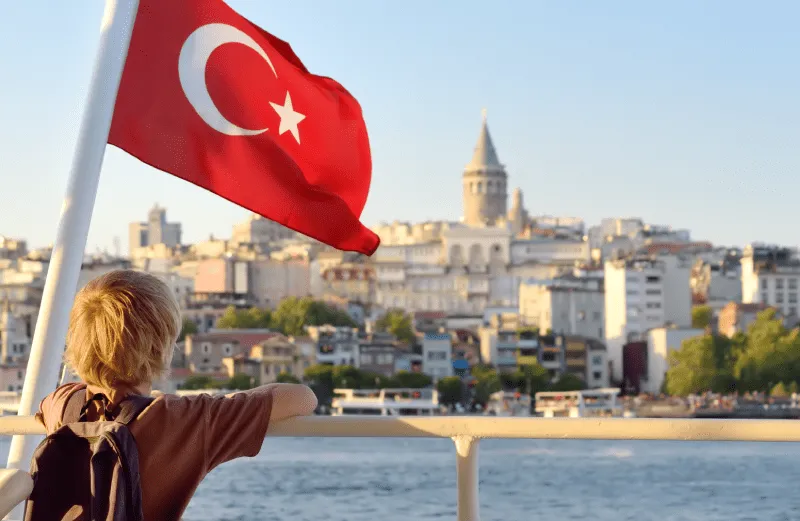
Turkey has rapidly become a world-leading destination for medical tourism, particularly in the field of aesthetics. Attracting patients globally, it consistently ranks among the top countries for cosmetic procedures, with Istanbul and Antalya emerging as key centers for high-quality, affordable care. Beyond the stunning landscapes and rich culture, Turkey offers a compelling combination of factors driving this trend. Notably, patients can expect savings of 50-70% compared to the costs of similar procedures in the US and the UK. This significant financial benefit doesn’t compromise quality; many of the top clinics are internationally JCI accredited, demonstrating adherence to rigorous safety and service standards. While procedures like Vaser Liposuction and FUE Hair Transplant are incredibly popular, breast augmentation remains a consistently high-demand treatment. A typical recovery period often requires just 3-7 days spent in-country, allowing patients to recuperate in a beautiful location before returning home. This article delves into the specifics of breast augmentation in Turkey, focusing on the critical choice between silicone and saline implants.
Understanding Breast Implants: A Core Decision
Deciding to undergo breast augmentation is a significant step, and one of the most important choices a patient will make is the type of implant. Both silicone and saline implants have been used for decades, and both offer effective solutions for achieving desired breast size and shape. However, they differ significantly in their composition, feel, and potential complications. Choosing the right implant type isn’t a one-size-fits-all process; it demands careful consideration of individual anatomy, aesthetic goals, and personal preferences.
Saline Implants: The Traditional Choice
Saline implants have been around the longest. They consist of a silicone outer shell filled with sterile saltwater (saline) after insertion. This ‘fill-in-place’ characteristic means that the incision can sometimes be slightly smaller as the implant isn’t pre-filled. Historically, saline implants were favored due to concerns surrounding early silicone implant safety, but modern silicone implants have undergone extensive research and development, largely alleviating those anxieties.
- Composition: Silicone shell filled with sterile saline.
- Feel: Often described as slightly less natural-feeling than silicone, potentially feeling firmer to the touch.
- Rupture: If a saline implant ruptures, the saline is safely absorbed by the body, causing the breast to deflate. This deflation is usually noticeable, allowing for prompt attention.
- Ideal For: Patients with concerns about silicone, those desiring a firmer feel, or those seeking a potentially more easily detectable rupture.
Silicone Implants: Mimicking Natural Tissue
Silicone implants are pre-filled with a cohesive silicone gel. This gel is designed to mimic the texture and movement of natural breast tissue, providing a more natural look and feel. The consistency of silicone gel has evolved significantly, with newer generations offering improved cohesion—meaning the gel is less likely to migrate if a rupture occurs.
- Composition: Silicone shell pre-filled with cohesive silicone gel.
- Feel: Generally considered to feel more natural and softer than saline implants.
- Rupture: A silicone implant rupture may be less immediately noticeable (“silent rupture”) as the gel remains contained within the fibrous capsule that forms around the implant. Regular MRI scans are often recommended to monitor the integrity of silicone implants.
- Ideal For: Patients seeking a natural look and feel, those desiring a softer breast texture, and those comfortable with the need for potential long-term monitoring.
Implant Profiles and Projection
Beyond the filling material, understanding implant profiles is crucial. Implants come in various profiles—low, moderate, and high—which refer to how far the implant projects forward from the base. A low-profile implant will provide subtle enhancement, while a high-profile implant will create more significant projection. Your surgeon will assess your chest wall dimensions, breast tissue, and desired aesthetic outcome to recommend the most suitable profile. The chosen implant size and profile will dramatically influence the final result, emphasizing the importance of a thorough consultation.
Why Choose Turkey for Your Breast Augmentation?
Beyond the cost savings, Turkey offers a compelling package for medical tourism. The quality of care is exceptional, with JCI accredited facilities adhering to international standards. The surgeons specializing in breast augmentation are highly experienced and skilled, and the recovery experience is often enhanced by the beautiful climate and welcoming culture. With a typical recovery period of just 3-7 days in-country, you can combine your medical journey with a short and rejuvenating vacation.
Planning your breast augmentation journey can be overwhelming. At cureholiday.com, we simplify the process, connecting you with reputable clinics, arranging consultations, and providing comprehensive support throughout your entire experience. We handle all the logistics, from airport transfers to accommodation, allowing you to focus on your wellbeing and achieving the results you desire. Let cureholiday.com be your trusted partner in realizing your aesthetic goals in Turkey.
Breast Implants in Turkey: Silicone vs. Saline – Part 2
Turkey has rapidly become a leading destination for cosmetic surgery, attracting patients from around the globe with its combination of highly skilled surgeons, Ministry of Health–authorised facilities, and significantly lower costs – often 50-70% less than procedures in the US or UK. Istanbul and Antalya are particularly renowned centers for aesthetic treatments, with breast augmentation consistently ranking among the most sought-after procedures. This growing popularity isn’t just about affordability; it’s a testament to the quality of care and expertise available. While Vaser Liposuction and FUE Hair Transplant often grab headlines, breast augmentation represents a substantial portion of medical tourism in Turkey, consistently delivering excellent patient outcomes.
Delving Deeper: Technical Aspects of Breast Augmentation
Choosing between silicone and saline implants isn’t simply an aesthetic preference; it involves understanding the nuanced differences in materials, surgical techniques, and potential complications. This section provides a detailed exploration of the technical aspects of each implant type, preparing you for a productive discussion with your surgeon.
Surgical Procedure: Saline Implants
The procedure for inserting saline implants typically involves a smaller incision compared to silicone. This is because the implant is filled after it’s already inside the breast pocket. The surgeon creates the pocket – either under the pectoral muscle (submuscular) or directly behind the breast tissue (subglandular) – and inserts an empty silicone shell. Using a special valve, the implant is then filled with sterile saline solution, allowing the surgeon to precisely control the volume and achieve the desired size. The incision is then closed with sutures. The process is relatively straightforward, and, due to the smaller incision, often results in less post-operative scarring.
Surgical Procedure: Silicone Implants
Silicone implant insertion requires a slightly larger incision to accommodate the pre-filled implant. The surgeon creates the breast pocket (submuscular or subglandular) and carefully inserts the silicone implant. Precise placement is critical to ensure symmetry and a natural-looking result. Following insertion, the surgeon meticulously closes the incision, paying attention to minimizing tension on the sutures. The cohesive gel within the silicone implant helps maintain its shape and provides a more natural feel. Careful handling of the implant throughout the procedure is paramount to prevent damage to the shell.
Side-by-Side Comparison: Saline vs. Silicone
To aid in your decision-making process, the following table provides a detailed comparison of saline and silicone implants, highlighting key differences:
| Feature | Saline Implants | Silicone Implants |
|---|---|---|
| Filling Material | Sterile Saline Solution | Cohesive Silicone Gel |
| Feel | May feel less natural; prone to rippling, especially with smaller amounts of tissue coverage. | More closely mimics the texture and feel of natural breast tissue. |
| Appearance | Can sometimes appear less natural, particularly in thinner patients. | Generally provide a more natural-looking result, with better shape retention. |
| Rippling | More prone to visible or palpable rippling. | Less prone to rippling, even with minimal tissue coverage. |
| Deflation | If a saline implant leaks, the saline is safely absorbed by the body, leading to visible deflation. | A silicone implant leak can be more subtle; however, regular MRI screenings (as previously mentioned) are often recommended to monitor the integrity of the implant. |
| Incision Size | Typically smaller incision. | Typically slightly larger incision. |
| Weight | Lighter than silicone implants. | Heavier than saline implants. |
Implant Placement: Submuscular vs. Subglandular
Beyond the filling material, the placement of the implant significantly impacts the final aesthetic and recovery process. Submuscular placement involves positioning the implant beneath the pectoral muscle. This provides a more natural look, better support, and typically reduces the visibility of implant edges. However, it can be more painful initially and may require a longer recovery period. Subglandular placement, placing the implant directly behind the breast tissue, offers a quicker recovery but may be more prone to visible rippling and less natural-appearing results. Your surgeon will consider your anatomy and desired outcome to recommend the optimal placement technique.
Planning Your Journey with cureholiday.com
Choosing to undergo breast augmentation is a significant decision, and selecting the right location and care provider is paramount. Turkey provides a unique combination of affordability, quality, and expertise. At cureholiday.com, we understand the complexities of medical tourism and are dedicated to simplifying the process for you. We collaborate with Ministry of Health–authorised clinics boasting experienced surgeons specializing in breast augmentation. We handle all logistical details – from arranging consultations and pre-operative assessments, to securing comfortable accommodation and seamless airport transfers. A typical recovery period in Turkey is only 3-7 days, allowing you to recover in a beautiful setting and enjoy a rejuvenating experience.
Let cureholiday.com be your trusted partner, guiding you through every step of your breast augmentation journey in Turkey. We offer personalized support and ensure you receive the highest standard of care, allowing you to focus on achieving your aesthetic goals with confidence. for a free consultation and discover how we can help you transform your vision into reality.
Optimizing Your Breast Augmentation Outcome: Filling & Placement Considerations
Turkey has rapidly become a leading global destination for aesthetic procedures, attracting patients from across the world with its high-quality care and significantly reduced costs – often 50-70% lower than in the US or UK. Cities like Istanbul and Antalya are bustling centers of medical tourism, and while procedures like Vaser Liposuction and FUE Hair Transplants are exceptionally popular, breast augmentation consistently ranks among the most sought-after treatments. Understanding the nuances of the procedure itself, beyond just the attractive price point, is vital to ensuring a successful outcome. This includes carefully considering both the type of implant filling and its placement within the breast.
Silicone vs. Saline Implants: A Detailed Comparison
The choice between silicone and saline implants is a primary decision in breast augmentation. Both have their pros and cons, and the ‘best’ option is highly individualized.
| Feature | Silicone Implants | Saline Implants |
|---|---|---|
| Filling | Cohesive silicone gel | Sterile saline (salt water) |
| Feel | Generally feels more natural, closely mimicking breast tissue. | Can sometimes feel less natural; may have a slight “water balloon” feel. |
| Appearance | Provides a more natural shape and projection. Less prone to visible rippling. | May be more prone to rippling, particularly in individuals with less breast tissue. |
| Rupture Risk | “Silent rupture” is possible – the gel may leak without immediate noticeable symptoms. Requires MRI monitoring. | Rupture is typically obvious as the saline is absorbed by the body. |
| MRI Monitoring | Recommended every few years to detect silent ruptures. | Not usually required. |
| Longevity | Generally, require replacement after 10-15 years, but can last much longer. | May require replacement slightly more frequently than silicone. |
| Weight | Slightly heavier than saline. | Lighter than silicone. |
It’s crucial to remember that the feeling and appearance of either implant type are greatly influenced by implant size, shape, and the individual’s existing breast tissue. A thorough consultation with a qualified surgeon is essential to determine the most appropriate choice for your anatomy and goals.
Submuscular vs. Subglandular Implant Placement: Refining the Aesthetic
Once the implant filling is decided, the placement technique plays a critical role. Two primary methods are employed: submuscular and subglandular.
Submuscular Placement: In this approach, the implant is positioned beneath the pectoral muscle. This offers several advantages. The muscle provides a natural “sling” effect, supporting the implant and contributing to a more natural-looking breast shape. It also minimizes the visibility of implant edges, reducing the risk of rippling, especially for those with thinner breast tissue. However, submuscular placement can result in greater post-operative pain and a longer recovery period, as the muscle requires time to heal around the implant.
Subglandular Placement: Here, the implant is positioned directly behind the breast tissue, without being covered by the muscle. This technique typically leads to a quicker and less painful recovery. However, it may be more likely to exhibit visible rippling, particularly in patients with minimal natural breast tissue. The implant is also potentially more susceptible to displacement over time. The aesthetic outcome can sometimes appear less natural compared to submuscular placement.
| Feature | Submuscular Placement | Subglandular Placement |
|---|---|---|
| Recovery Time | Longer (potentially several weeks for full recovery) | Shorter (typically 3-7 days in Turkey) |
| Post-Operative Pain | Generally more painful | Generally less painful |
| Natural Look | More natural appearance and better support | May appear less natural |
| Rippling Risk | Lower risk of rippling | Higher risk of rippling, especially with limited breast tissue |
| Implant Displacement | Less likely to displace | Potentially more prone to displacement |
Planning Your Seamless Recovery with cureholiday.com
Turkey offers a compelling combination of advanced surgical expertise and exceptional value for breast augmentation procedures. With costs significantly lower than in North America or Western Europe, you can achieve your desired aesthetic goals without compromising on quality. However, navigating medical tourism can be daunting.
At cureholiday.com, we specialize in simplifying the process. We partner with Ministry of Health–authorised clinics and highly experienced surgeons dedicated to providing the highest standard of care. We understand the importance of a stress-free experience, handling all logistical arrangements, including pre-operative consultations and assessments, comfortable accommodation in vetted hotels, and convenient airport transfers. A typical recovery period in Turkey is approximately 3-7 days, allowing you to recuperate in a beautiful and relaxing environment.
Let cureholiday.com be your dedicated partner in transforming your vision into reality. We offer personalized support, ensuring a smooth and successful breast augmentation journey in Turkey. for a free consultation and discover how we can help you achieve the beautiful, confident results you deserve.
Navigating Your Recovery: A Turkish Advantage
Turkey has firmly established itself as a leading global destination for aesthetic procedures, attracting patients from across the globe with its blend of highly skilled surgeons, state-of-the-art facilities, and significantly reduced costs. Clinics consistently achieve JCI accreditation – a testament to their commitment to international quality standards – and offer procedures at a cost that is, on average, 50-70% lower than equivalent treatments in North America or Western Europe. Cities like Istanbul and Antalya are at the forefront of this medical tourism boom, becoming hubs for not only breast augmentation but also popular procedures like Vaser Liposuction and FUE Hair Transplant. This competitive landscape translates directly into accessible, high-quality care for patients seeking transformative results. A key component of this appealing package is the streamlined recovery process; a typical stay in Turkey post-surgery is frequently around 3-7 days.
Choosing between silicone and saline implants isn’t just about the filling material; it’s also about how that choice impacts your recovery experience. As detailed in the comparison table above, saline implants generally correlate with a shorter initial recovery period and often involve less post-operative pain. However, this shouldn’t be the sole determining factor. The overall recovery experience depends heavily on individual anatomy, surgical technique, adherence to post-operative instructions, and the surgeon’s expertise.
Understanding the Post-Operative Phase in Turkey
Following breast augmentation surgery in Turkey, regardless of implant type, you’ll be closely monitored in a recovery room within the clinic for a specified period. This initial observation allows medical staff to manage any immediate post-operative discomfort and address any concerns. Pain management is a priority, typically achieved through prescribed medication. Compression garments are essential; these provide support, minimize swelling, and help the implants settle into their desired position.
The first few days typically involve restricting strenuous activities. While the 3-7 day in-country recovery is common, it’s vital to understand that complete healing takes several weeks to months, even after returning home. Bruising and swelling are normal, peaking around 2-3 days post-surgery and gradually subsiding. Follow-up appointments with your surgeon are crucial to monitor healing and ensure optimal results.
Why Choose cureholiday.com for a Seamless Experience?
Embarking on medical tourism requires careful planning and reliable support. cureholiday.com removes the complexities, providing a comprehensive service designed to ensure a stress-free breast augmentation journey in Turkey. We meticulously vet all partner clinics, guaranteeing JCI accreditation and adherence to the highest standards of surgical excellence. Our experienced surgeons are dedicated to achieving natural-looking, long-lasting results tailored to your unique anatomy and aesthetic goals.
We go beyond just connecting you with a surgeon. cureholiday.com manages every logistical detail, from pre-operative consultations and medical assessments (often conducted remotely for your convenience) to comfortable accommodation in carefully selected, high-quality hotels. Convenient airport transfers are included, eliminating the worry of navigating a new city post-surgery. We also provide dedicated aftercare support, helping you navigate the continued recovery process once you return home.
Frequently Asked Questions
- What is the best time of year to have breast augmentation in Turkey? The spring and autumn months generally offer pleasant weather, making it easier to recover comfortably and enjoy a relaxed environment.
- What should I pack for my recovery in Turkey? Comfortable, loose-fitting clothing, supportive bras, any prescribed medications, and personal hygiene items are essential.
- Will I be able to communicate with my surgeon if I don’t speak Turkish? All surgeons we partner with at cureholiday.com are fluent in English or have dedicated translators available.
- What if I have complications after I return home? cureholiday.com provides comprehensive aftercare support, including communication channels with your surgeon for any post-operative concerns.
- How long will the breast implants last? Modern breast implants are designed to last for many years, potentially a lifetime. However, monitoring is recommended to detect any subtle changes.
- Is it safe to travel soon after surgery? Your surgeon will assess your recovery and determine when it’s safe for you to travel, generally allowing for adequate healing and stability.
- What types of payment are accepted? cureholiday.com offers flexible payment options, including credit cards and bank transfers.
- What is included in the package offered by cureholiday.com? Our packages typically include the surgery itself, anesthesia fees, hospital stay, accommodation, airport transfers, pre- and post-operative care, and a dedicated case manager.
Don’t leave your health and aesthetic goals to chance. Let cureholiday.com be your trusted partner in achieving the beautiful, confident results you deserve. for a free consultation and a personalized treatment plan tailored to your needs. We will guide you every step of the way, ensuring a safe, comfortable, and rewarding experience in Turkey.
Silicone vs. Saline Implants: A Detailed Comparison for Turkish Breast Augmentation
Turkey has rapidly become a leading destination for medical tourism, particularly in the field of aesthetics. With Ministry of Health–authorised clinics offering procedures at costs 50-70% lower than those in the US and UK, it’s no surprise that cities like Istanbul and Antalya are buzzing with individuals seeking quality cosmetic surgery. Breast augmentation remains one of the most sought-after procedures, and a pivotal decision in this process is choosing between silicone and saline implants. This section will delve into the nuances of each type, empowering you to make an informed choice with the guidance of cureholiday.com.
Understanding the Core Differences
Both silicone and saline implants consist of an outer shell, typically made of silicone, but the filling differs significantly. Saline implants are filled with sterile saltwater, while silicone implants are filled with cohesive silicone gel. This seemingly simple difference impacts the look, feel, and potential complications associated with each type.
Silicone Implants: A Natural Feel
Silicone implants are renowned for providing a more natural look and feel. The gel mimics the texture of breast tissue, resulting in a softer, more realistic appearance. They tend to maintain their shape better than saline implants, even in thinner patients. Modern silicone implants, often referred to as “gummy bear” or cohesive gel implants, hold their shape exceptionally well and are less likely to ripple or deflate visibly.
Saline Implants: Adjustability and Detection
Saline implants, while less natural in feel, offer certain advantages. Their primary benefit is adjustability; the volume of saline can be altered after placement to fine-tune the breast size. Additionally, if a saline implant leaks, the saline is safely absorbed by the body, and the deflation is usually readily apparent. This makes leak detection often easier than with silicone implants.
Comparing Key Features: A Table for Clarity
| Feature | Silicone Implants | Saline Implants |
|---|---|---|
| Feel | More natural, softer | May feel slightly firmer, less natural |
| Appearance | Natural shape and fullness | Can sometimes appear less natural, especially in thinner patients |
| Leakage Detection | Leakage may be subtle; requires regular MRI screening (recommended every few years) | Leakage is usually readily apparent due to deflation |
| Adjustability | Not adjustable after placement | Volume can be adjusted after placement |
| Rippling | Less prone to rippling, especially with cohesive gel implants | More prone to rippling, particularly in patients with less breast tissue |
| Cost | Generally slightly more expensive | Generally slightly less expensive |
Potential Complications and Lifespan
While both implant types are generally safe, complications can occur. Capsular contracture, where the scar tissue around the implant tightens, is a potential risk with both types. Implant rupture is also a possibility, although the likelihood and presentation differ as outlined above. The lifespan of breast implants is not indefinite, and monitoring is crucial. Modern implants are designed to last for many years, potentially a lifetime, but regular check-ups are vital.
Frequently Asked Questions
- Can I choose implant size and shape during my consultation with cureholiday.com?
- What type of incision is used for breast augmentation in Turkey?
- How long is the recovery period after breast augmentation in Turkey?
- Will I have visible scarring after surgery?
- Is MRI screening necessary with saline implants?
- What is the role of my case manager with cureholiday.com?
- How do I prepare for surgery?
Absolutely! Our surgeons will work with you to determine the ideal implant size and shape based on your anatomy, desired outcome, and lifestyle.
Several incision options are available, including inframammary (under the breast), periareolar (around the nipple), and transaxillary (under the arm). Your surgeon will recommend the best approach based on your individual case.
Recovery typically involves 3-7 days in-country, with full recovery taking several weeks to months. cureholiday.com provides comprehensive post-operative care to ensure a smooth recovery.
All surgical procedures result in some scarring, but our surgeons prioritize minimizing scarring through meticulous technique and placement. Scars typically fade over time.
MRI screening is primarily recommended for silicone implants to detect silent ruptures. While not typically necessary with saline implants due to visible deflation, your surgeon may recommend it in certain cases.
Your dedicated case manager will be your point of contact throughout the entire process, from initial consultation to post-operative care, ensuring a seamless and stress-free experience.
You will receive detailed pre-operative instructions, including guidelines on medication, diet, and lifestyle adjustments.
Choosing between silicone and saline implants is a deeply personal decision. cureholiday.com is committed to providing you with the information and support you need to make the right choice for your body and goals. We offer access to highly skilled surgeons, state-of-the-art facilities, and comprehensive packages designed to deliver exceptional results and a rewarding medical tourism experience in Turkey.
Navigating Your Medical Tourism Journey: Beyond the Implants
Turkey has rapidly become a global leader in aesthetic procedures, attracting patients from around the world with its blend of highly skilled surgeons, Ministry of Health–authorised facilities, and significantly lower costs – often 50-70% less than those in the US or UK. Cities like Istanbul and Antalya are bustling centers for medical tourism, offering a comprehensive range of treatments, with breast augmentation consistently ranking among the most sought-after. Beyond breast implants, Turkey also excels in procedures like Vaser Liposuction and FUE Hair Transplants, making it a convenient destination for comprehensive wellness and aesthetic enhancements. Recovery times are generally short, typically requiring just 3-7 days spent comfortably in-country.
Understanding Comprehensive Packages with cureholiday.com
Choosing to undergo breast augmentation abroad requires careful planning and a reliable partner. cureholiday.com doesn’t just facilitate surgery; we curate complete packages designed to minimize stress and maximize your positive experience. These packages typically include:
- Pre-Operative Assessment: A thorough online consultation with a qualified surgeon to assess your suitability, discuss your goals, and determine the optimal implant type and size.
- Accommodation: Hand-picked, comfortable accommodation in reputable hotels near the surgical facility.
- Airport Transfers: Seamless and private transportation to and from the airport, hospital, and hotel.
- Surgical Fees: All associated surgical costs, including the surgeon’s fee, anesthesia, and facility charges.
- Post-Operative Care: Regular follow-up appointments with your surgeon, prescribed medications, and detailed aftercare instructions.
- Dedicated Case Manager: A personal point of contact available 24/7 to address any concerns and ensure a smooth, hassle-free experience.
Post-Surgical Recovery in Turkey: What to Expect
Following your breast augmentation, a period of recovery is crucial. Typically, you’ll spend 3-7 days in Turkey under the care of your surgical team. This allows for initial monitoring and management of any discomfort. Your cureholiday.com case manager will be instrumental in coordinating your post-operative care, including:
- Pain Management: Providing prescribed pain medication and instructions on managing discomfort.
- Wound Care: Guiding you through proper wound care techniques to ensure optimal healing.
- Compression Garment: Ensuring you are fitted with and understand how to wear a supportive compression garment.
- Follow-up Appointments: Scheduling and accompanying you to all necessary post-operative appointments.
- Travel Guidance: Offering advice on safe travel arrangements and comfortable return to your home country.
Frequently Asked Questions
- How long will I need to stay in Turkey after the surgery?
Typically, we recommend a stay of 7-10 days, allowing for initial healing and follow-up appointments. Your surgeon will provide personalized recommendations based on your recovery progress. - What are the risks associated with breast augmentation?
As with any surgical procedure, breast augmentation carries inherent risks, including infection, bleeding, changes in nipple sensation, capsular contracture (scar tissue formation around the implant), and implant rupture. Your surgeon will thoroughly discuss these risks with you during your consultation. - Will I have visible scarring?
The extent of scarring depends on the incision technique used. Your surgeon will strive to minimize scarring by placing incisions strategically in inconspicuous locations. - When can I return to normal activities after surgery?
You’ll need to avoid strenuous activities and heavy lifting for several weeks. Light activities can usually be resumed after a few days, but your surgeon will provide specific guidelines based on your individual recovery. - What is the typical lifespan of breast implants?
Breast implants are not lifetime devices and may require replacement or revision surgery at some point. Silicone implants generally last longer than saline implants. Regular monitoring with MRI scans is recommended to detect silent ruptures. - Can I combine breast augmentation with other procedures?
Yes, many patients choose to combine breast augmentation with other cosmetic procedures, such as liposuction or abdominoplasty, to achieve their desired aesthetic goals. cureholiday.com can help coordinate combined procedures. - What payment methods are accepted?
cureholiday.com accepts a variety of payment methods, including credit cards, bank transfers, and PayPal.
Your Journey to Confidence Starts with cureholiday.com
Embarking on medical tourism is a significant decision. With cureholiday.com, you’re not just choosing a surgical procedure; you’re choosing a comprehensive, supportive, and worry-free experience. We are dedicated to delivering exceptional results, ensuring your safety and comfort, and helping you achieve the body you’ve always dreamed of. Our commitment to quality, combined with the cost advantages of Turkey, makes cureholiday.com the ideal partner for your breast augmentation journey. for a free consultation and let us guide you towards a confident new you.
Schedule a consultation for Breast Implants in Turkey Silicone in Turkey with cureholiday.com
Free Consultation
Fill out the form below to get your free medical travel plan and price quote.
Sources and how to verify this yourself
- Howe M-S, Keys W, Richards D. Long-term (10-year) dental implant survival: a systematic review and sensitivity meta-analysis. Journal of Dentistry, 2019 — pooled 10-year implant survival 96.4% (95% CI 95.2–97.5%); conservative sensitivity estimate 93.2%. source
- Ministry of Health, Regulation on International Health Tourism and Tourist Health, Official Gazette 26 April 2025, No. 32882 — authorisation requirement for facilities and intermediaries, TÜSKA accreditation, compulsory complication insurance (deadline 31 December 2025 for insurance, 31 December 2026 for accreditation). source
- Ministry of Health, Regulation on Promotion and Information Activities in Health Services, Official Gazette 12 November 2025, No. 33075 — treatment promises and guarantees are prohibited; price and campaign announcements are permitted only within international health tourism. source