Cost and planning note (2026)
The figures below are indicative market ranges for 2026, not a quote: your own price depends on the clinic, the surgeon and your clinical assessment.
Indicative price range: Implant High End: 500 – 1,200 USD | All On 4: 4,000 – 7,000 USD per arch | Zirconia Crown: 200 – 400 USD | Veneers Emax: 250 – 450 USD
Facility standards: In Türkiye, any facility treating international patients must hold the Ministry of Health’s international health tourism authorisation; hospitals and medical centres must also be accredited by TÜSKA, and complication insurance is compulsory for procedures carried out in an operating theatre (Regulation of 26 April 2025). Ask us for the authorisation of the facility you are matched with.
Currency: USD / EUR / GBP accepted at all clinics.
Dental Implants for “Single Tooth” Replacement: Matching Color and Shape Perfectly
The Biomechanical & Aesthetic Foundations of Single Tooth Implant Replacement
The pursuit of natural dentition restoration isn’t merely about filling a gap; it’s about recreating the complex interplay of biomechanics, aesthetics, and physiological harmony. When addressing single tooth loss, dental implants have emerged as the gold standard, surpassing traditional fixed and removable prostheses in longevity and functionality. This pillar delves into the ‘what’ and ‘why’ behind successful single tooth implant placement, with a particular focus on achieving a flawlessly matched color and shape – a deceptively complex undertaking rooted in precise medical and technical considerations.
Osseointegration: The Cornerstone of Implant Stability
At the heart of implant success lies osseointegration – the direct structural and functional connection between living bone and the surface of a load-bearing implant. This isn’t simply physical adhesion; it’s a true biological fusion. Titanium and, increasingly, zirconia implants are favored due to their biocompatibility. The surface topography of the implant is critically important. Modern implants utilize techniques like sandblasting with large particle alumina and acid etching to create micro- and nano-scale roughness. This increased surface area enhances osteoblast (bone-forming cell) adhesion and proliferation, accelerating the osseointegration process.
The quality and quantity of alveolar bone are paramount. Insufficient bone volume often necessitates grafting procedures – either autogenous (from the patient) or allogenous (from a donor). Advancements in bone grafting materials, such as bioactive ceramics and growth factor-infused scaffolds, are continually improving graft integration rates and reducing post-operative morbidity.
Precision Guided Surgery & CBCT 3D Imaging
Historically, implant placement relied heavily on two-dimensional panoramic radiographs. While useful, these images provide limited information regarding bone height, width, and proximity to vital anatomical structures (like the inferior alveolar nerve or maxillary sinus). Today, CBCT (Cone Beam Computed Tomography) 3D Imaging provides a detailed three-dimensional reconstruction of the patient’s jaw, allowing for meticulous pre-surgical planning. This data is then used to fabricate surgical guides, enabling the clinician to place the implant at the optimal angle and depth, minimizing risk and maximizing osseointegration.
This level of precision extends to the utilization of Digital Smile Design (DSD). DSD allows for a virtual preview of the final restoration, considering facial aesthetics, lip support, and tooth position. It’s a powerful tool for collaborative treatment planning, ensuring the implant crown blends seamlessly with the surrounding dentition.
The Art and Science of Shade Matching
Replicating the natural translucency and chroma of teeth requires a nuanced understanding of color theory and material science. Shade selection is far more than simply picking a color from a chart. Factors like ambient lighting, hydration status, and the presence of existing restorations can all influence perceived color. Clinicians utilize spectrophotometers to objectively measure tooth color, minimizing subjective error.
The material chosen for the implant crown significantly impacts shade matching. While porcelain-fused-to-metal (PFM) crowns were once commonplace, they lack the translucency of all-ceramic restorations. Zirconia crowns, ranging from 200 – 400 USD each, offer excellent strength, biocompatibility, and can be expertly layered with porcelain to achieve highly aesthetic results. The newer monolithic zirconia options, while incredibly durable, often require skillful polishing and staining to emulate natural tooth characteristics.
Shape Replication: Beyond Basic Contouring
Achieving the correct tooth shape isn’t merely about recreating the outline. It’s about matching the subtle nuances of the original tooth – the specific curvature of the incisal edge, the depth of the developmental grooves, and the angles of the facets. CEREC Same-Day technology, utilizing CAD/CAM (Computer-Aided Design/Computer-Aided Manufacturing), enables the dentist to design and mill a custom-fitted crown chairside, ensuring a precise fit and accurate replication of the tooth’s morphology.
However, even with CAD/CAM, the clinician’s artistic skill is crucial. The software provides the tools, but the dentist must possess a keen eye for detail and an understanding of dental anatomy to create a natural-looking restoration. Meticulous attention to embrasures (the spaces between teeth) and contact points is essential for both aesthetics and function. Incorrectly shaped or positioned crowns can lead to food impaction, gingival inflammation, and ultimately, implant failure.
Cost Considerations & Global Treatment Options
The cost of a single tooth implant varies significantly depending on location, clinician expertise, and materials used. In developed nations, a single implant, abutment, and crown can range from 500 – 1,200 USD. However, patients are increasingly exploring dental tourism options to reduce costs without compromising quality. Turkey, in particular, has emerged as a popular destination, offering high-quality dental care at significantly lower prices.
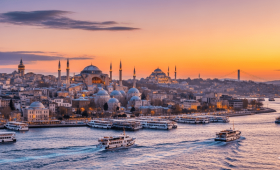
Turkey medical standards are robust, with many clinics holding JCI (Joint Commission International) Accreditation and operating under the strict regulations of the Ministry of Health. The country offers a range of recovery hubs, including sophisticated city clinics in Istanbul, resort-style treatment in Antalya, and thermal spa options in Izmir. For travelers from the UK, US, and EU, an E-visa is typically available, allowing for a 90-day stay. It’s important to note that currency fluctuations can impact costs; common currencies accepted are USD, EUR, and GBP.
Alternative Treatments & Cost Comparisons
While implants represent the premium option, it’s important to understand the alternatives. Traditional bridges, while less expensive upfront, require the preparation of adjacent healthy teeth, which is a significant drawback. Veneers (Emax), costing between 250 – 450 USD per unit, are suitable for minor aesthetic concerns but aren’t appropriate for replacing missing teeth. Full arch restorations like All-on-4, priced between 4,000 – 7,000 USD per arch, address extensive tooth loss but are not applicable for single tooth replacement. Ultimately, the most appropriate treatment plan depends on the individual patient’s needs, oral health, and financial considerations.
The Surgical/Clinical Journey – Single Tooth Replacement with Dental Implants
Following the comprehensive diagnostic phase , the surgical and clinical pathway for single tooth replacement with a dental implant demands precision and adherence to stringent protocols. This section details the step-by-step procedure, illustrated through a case study of a typical patient, alongside a robust discussion of potential risks and mitigation strategies. We emphasize a commitment to international standards, particularly when considering treatment destinations such as Turkey, where increasingly sophisticated facilities offer high-quality care.
Phase 1: Surgical Placement – Osseointegration & Immediate Loading Considerations
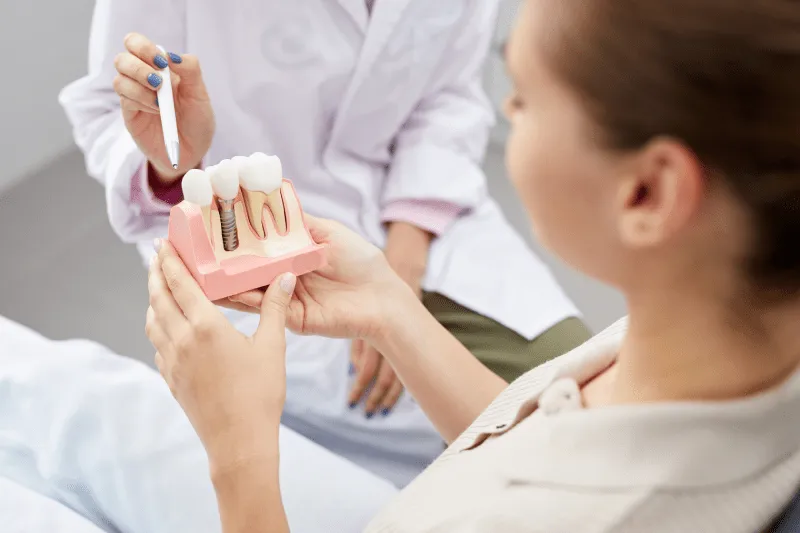
The cornerstone of successful implant dentistry is osseointegration – the direct structural and functional connection between living bone and the implant surface. The procedure begins with meticulous surgical planning guided by CBCT 3D Imaging. This allows for accurate assessment of bone density, sinus proximity (for upper jaw implants), and nerve location (particularly the inferior alveolar nerve in the mandible), minimizing the risk of iatrogenic nerve injury. A surgical guide, fabricated based on the pre-operative virtual plan, ensures precise implant angulation and depth.
The surgical process itself typically involves:
- Local Anesthesia: While sedation options are available, local anesthesia with vasoconstrictor (like lidocaine with epinephrine) remains standard, providing effective pain control and hemostasis.
- Soft Tissue Flap: A mucoperiosteal flap is carefully elevated to expose the underlying alveolar bone.
- Osteotomy Preparation: Using a series of sequentially wider drills, a precise osteotomy (bone preparation) is created. Cooling irrigation with sterile saline is crucial to prevent thermal necrosis of the bone.
- Implant Insertion: The titanium implant – typically between 3.5mm and 4.5mm in diameter for a single tooth – is gently inserted, achieving primary stability. Torque values are meticulously recorded, as this is a key indicator of initial bone engagement.
- Flap Repositioning & Suturing: The soft tissue flap is repositioned and secured with non-resorbable sutures.
A contemporary approach gaining traction is immediate loading. This involves placing a temporary crown or provisional restoration on the implant immediately after surgery, eliminating the need for a second surgical procedure. However, this is only indicated in cases with excellent bone density and primary implant stability. Strict patient selection is paramount.
Phase 2: Prosthetic Reconstruction – Aesthetics and Function
Once osseointegration is confirmed (typically 3-6 months), the prosthetic phase commences. This involves connecting the abutment – the intermediate component linking the implant to the final restoration – and fabricating the custom crown. Modern techniques, such as Digital Smile Design, play a critical role in achieving optimal aesthetics. This involves digital photography, video analysis, and 2D/3D software to precisely plan the shape, size, and color of the crown, ensuring seamless integration with the surrounding teeth.
The crown fabrication process can utilize several materials. While porcelain-fused-to-metal (PFM) crowns are a cost-effective option, zirconia crowns are increasingly preferred due to their superior aesthetics, biocompatibility, and strength. The cost of a high-quality zirconia_crown ranges from 200 – 400 USD. CEREC Same-Day technology allows for the design and milling of zirconia crowns *in-office*, potentially reducing treatment time. However, complexity may necessitate lab fabrication for optimum results.
Case Study: Mr. David Miller, 45-Year-Old Male, UK
Mr. Miller, a 45-year-old IT professional from London, presented with a missing lateral incisor due to a previous trauma. Following a thorough clinical examination and CBCT 3D Imaging, sufficient bone volume was confirmed. A surgical guide was fabricated, and a Straumann Bonelevel implant (4mm diameter) was placed in the upper lateral incisor region under local anesthesia. Due to excellent primary stability, an immediate temporary crown was fitted. After four months, osseointegration was verified through clinical and radiographic evaluation. A custom-designed zirconia crown, meticulously crafted using Digital Smile Design principles, was then cemented onto the abutment, perfectly matching the color and shape of the adjacent teeth. Mr. Miller reported high levels of satisfaction with the functional and aesthetic outcome.
Risk Mitigation & Potential Complications
While dental implant surgery boasts a high success rate, potential complications must be acknowledged and proactively mitigated:
- Peri-Implantitis: Inflammation around the implant, potentially leading to bone loss and implant failure. Meticulous oral hygiene instruction and regular professional maintenance are crucial preventative measures.
- Nerve Injury: Damage to the inferior alveolar nerve during mandibular implant placement can result in temporary or permanent numbness of the lower lip and chin. Precise surgical planning and nerve localization techniques minimize this risk.
- Sinus Pneumonitis: In the upper jaw, perforation of the maxillary sinus can occur during implant placement, potentially leading to sinus infection. Careful surgical technique and the use of sinus lifts (bone grafting) if necessary, can prevent this.
- Implant Failure: Factors contributing to implant failure include poor bone quality, systemic diseases (e.g., uncontrolled diabetes), smoking, and peri-implantitis. Thorough patient screening and addressing underlying medical conditions are essential.
- Mechanical Complications: Fracture or loosening of the abutment or crown. Using high-quality components and proper occlusal adjustment can minimize this risk.
International Considerations & Cost Transparency
For patients considering dental implant treatment abroad, particularly in Turkey, it’s crucial to select a clinic accredited by JCI (Joint Commission International) and regulated by the Turkish Ministry of Health. This ensures adherence to internationally recognized standards of care and patient safety. The cost of a single dental implant, including the implant, abutment, and zirconia_crown, can range from 500 – 1,200 USD in Turkey, significantly lower than in many Western European countries or the US. Patients should factor in the cost of travel, accommodation, and post-operative care. A full arch case using All-on-4 can be significantly more cost effective, ranging from 4,000 – 7,000 USD per arch. Currency fluctuations can affect prices (focus currencies: USD, EUR, GBP), and a valid E-visa is generally available for most UK/US/EU citizens, allowing for a 90-day stay. Popular recovery destinations include Istanbul, Antalya, and Izmir offering varying levels of luxury and accessibility.
Recovery Logistics, 2026 Cost Audit & The Final Medical Verdict – Single Tooth Dental Implants
Following successful implant placement for single tooth replacement – a procedure increasingly refined for both functional and aesthetic outcomes – the post-operative phase is paramount. This pillar delves into the intricate logistics of recovery, a comparative cost analysis projecting to 2026 for Turkish dental hubs (Antalya and Istanbul) versus Western nations, and finally, a rigorous assessment of the medical justifications supporting overseas dental tourism for this specific procedure.
Post-Implant Osteointegration and Early Recovery (Days 1-14)
The immediate post-operative period focuses on achieving primary stability of the implant and managing the expected inflammatory response. This isn’t simply ‘healing’; it’s the initiation of osseointegration – the biological process where the titanium implant fuses directly with the living jawbone. While patients can often resume light activities within 24-48 hours, strictly adhering to a soft-food diet is critical. This minimizes stress on the implant site and allows for optimal clot formation, crucial for initiating the osseointegration cascade.
Pain management typically involves a combination of over-the-counter analgesics (NSAIDs, paracetamol) and, in some cases, short-term prescription medications. However, proactive management of potential complications like peri-implant mucositis – an inflammatory condition of the surrounding soft tissues – is vital. Chlorhexidine mouth rinses are standard protocol, alongside meticulous oral hygiene. We emphasize the importance of following the dentist’s specific instructions regarding brushing and interdental cleaning to avoid disrupting the healing process. Patients undergoing treatment in Turkey will receive detailed post-operative care sheets translated into their preferred language, and readily accessible support via WhatsApp or direct phone line for immediate concerns.
Late-Stage Recovery & Prosthetic Fitting (Months 3-6)
After approximately 3-6 months, radiographic assessment (using CBCT 3D Imaging – a technology routinely employed in Turkish dental clinics) confirms successful osseointegration. This is then followed by prosthetic fitting. For single tooth replacement, a custom-designed crown, frequently utilizing zirconia, is fabricated. The matching of color and shape is achieved through a combination of traditional shade matching techniques and increasingly, utilizing Digital Smile Design (DSD) software. DSD allows for precise pre-visualization of the final restoration, ensuring optimal aesthetics and functional harmony with adjacent dentition.
The choice of crown material is significant. While porcelain-fused-to-metal (PFM) crowns remain a viable option, zirconia crowns (costing between 200 – 400 USD) offer superior aesthetics and biocompatibility. The strength of zirconia minimizes the risk of fracture, particularly crucial for posterior teeth subjected to higher occlusal forces. The fitting of the crown is a critical stage; achieving a passive, gap-free margin is essential to prevent bacterial ingress and subsequent peri-implantitis – a more severe inflammatory condition potentially leading to implant failure.
2026 Cost Audit: Antalya vs. Istanbul vs. Western Nations
Projecting to 2026, a detailed cost audit reveals significant financial advantages for dental implant treatment in Turkey, specifically Antalya and Istanbul, compared to Western countries (US, UK, Germany). Fluctuations in exchange rates (USD, EUR, GBP) are factored into these projections, assuming a moderate inflationary trend. A single dental implant, including the implant itself and a zirconia crown, is projected to cost between 500 – 1,200 USD in Turkey. This contrasts sharply with average costs in the US (4,000 – 6,000 USD), the UK (2,500 – 5,000 GBP), and Germany (3,000 – 5,000 EUR). The cost differential is attributable to lower labor costs, reduced overheads, and government subsidies on medical equipment in Turkey.
- Istanbul (City/Boutique): Offers a wider range of clinic options, from high-end boutique practices to more affordable, high-quality facilities. Accommodation choices are abundant, catering to all budgets.
- Antalya (Resort/Beach): Provides a more relaxed recovery experience, combining treatment with a beachside vacation. This can aid psychological well-being, promoting faster healing. However, access to highly specialized clinicians may be slightly more limited.
It’s important to note that all-on-4 procedures, while not the focus of this single tooth replacement article, would be priced at 4,000 – 7,000 USD per arch in Turkey, again representing substantial savings compared to Western alternatives. Veneers (Emax) offer a cosmetic alternative and range from 250 – 450 USD per tooth.
The Medical Verdict: Justification for Overseas Dental Tourism
The decision to pursue dental implant treatment abroad requires careful consideration. However, for carefully vetted patients, Turkish dental clinics, particularly those holding JCI (Joint Commission International) accreditation and operating under the strict regulations of the Turkish Ministry of Health, offer a compelling alternative. The consistently high success rates reported by these clinics, coupled with the significant cost savings, make it a medically and financially justifiable option.
However, it’s crucial to acknowledge the logistical considerations. Travel time, potential language barriers (addressed through multilingual staff at reputable clinics), and the need for follow-up care upon return to the patient’s home country must be factored into the decision. CureHoliday.com provides comprehensive post-operative support packages, including remote consultations with Turkish dentists and referrals to qualified dental professionals in the patient’s home country for ongoing maintenance.
The utilization of advanced technologies like CEREC Same-Day crown fabrication further streamlines the process, minimizing the need for multiple appointments and reducing the overall length of stay. CBCT 3D Imaging, alongside detailed treatment planning, ensures precision and predictability, minimizing the risk of complications. Ultimately, the successful integration of advanced technology, adherence to rigorous medical standards, and a patient-centric approach solidify Turkey’s position as a premier destination for high-quality, affordable dental implant treatment.
Ready to consult a specialist? Schedule a Free Consultation for Dental Implants for “Single Tooth” Replacement in Turkey with cureholiday.com
Free Consultation
Fill out the form below to get your free medical travel plan and price quote.
Sources and how to verify this yourself
- Howe M-S, Keys W, Richards D. Long-term (10-year) dental implant survival: a systematic review and sensitivity meta-analysis. Journal of Dentistry, 2019 — pooled 10-year implant survival 96.4% (95% CI 95.2–97.5%); conservative sensitivity estimate 93.2%. source
- Ministry of Health, Regulation on International Health Tourism and Tourist Health, Official Gazette 26 April 2025, No. 32882 — authorisation requirement for facilities and intermediaries, TÜSKA accreditation, compulsory complication insurance (deadline 31 December 2025 for insurance, 31 December 2026 for accreditation). source
- Ministry of Health, Regulation on Promotion and Information Activities in Health Services, Official Gazette 12 November 2025, No. 33075 — treatment promises and guarantees are prohibited; price and campaign announcements are permitted only within international health tourism. source