About the prices on this page. The figures below are indicative market prices and country comparisons, not a quote. Our own current, all-inclusive prices are published on our cosmetic surgery in Turkey page, and we confirm your figure in writing before you commit to anything.
Cost and planning note (2026)
The figures below are indicative market ranges for 2026, not a quote: your own price depends on the clinic, the surgeon and your clinical assessment.
Indicative price range: Rhinoplasty: 2,800 – 4,500 USD | Facelift Deep Plane: 4,500 – 8,000 USD | Liposuction Vaser: 2,500 – 4,000 USD | Mommy Makeover: 6,000 – 10,000 USD
Facility standards: In Türkiye, any facility treating international patients must hold the Ministry of Health’s international health tourism authorisation; hospitals and medical centres must also be accredited by TÜSKA, and complication insurance is compulsory for procedures carried out in an operating theatre (Regulation of 26 April 2025). Ask us for the authorisation of the facility you are matched with.
Currency: USD / EUR / GBP accepted at all clinics.
Liposuction for “Ankle Fat”: Specialized Leg Contouring in Istanbul Hubs
Liposuction for Ankle & Leg Contouring: A Deep Dive into the Medical Foundations
The demand for refined body contouring extends beyond traditional areas like the abdomen and thighs. Increasingly, patients are seeking targeted solutions for localized fat deposits in the legs and ankles – often referred to colloquially as “ankle fat.” This article, part of Cureholiday.com’s comprehensive guide to medical tourism in Turkey, delves into the medical underpinnings of liposuction for lower leg and ankle contouring, establishing the technical definitions, procedures, and adherence to global standards within Istanbul’s burgeoning cosmetic surgery hubs.
Understanding Lower Leg & Ankle Anatomy & Fat Distribution
Successful liposuction relies on a thorough understanding of the underlying anatomy. The lower leg’s aesthetic contour is determined by a complex interplay of muscle groups (gastrocnemius, soleus, tibialis anterior & posterior), tendons (Achilles, peroneal), and subcutaneous fat compartments. “Ankle fat,” while a common descriptor, isn’t a singular entity. It typically presents as localized deposits around the medial and lateral malleoli (ankle bones), and can also accumulate in the supra-malleolar regions. Contributing factors include genetics, lymphatic drainage inefficiencies, hormonal fluctuations, and even footwear choices. It’s crucial to differentiate between true fat accumulation and edema (fluid retention), as treatment approaches vary drastically. A pre-operative assessment, including a comprehensive physical examination and potentially lymphatic drainage imaging, is therefore paramount.
Technical Approaches: Beyond Traditional Liposuction
Traditional tumescent liposuction, while effective in many areas, can be less predictable in the lower leg due to the relatively thin subcutaneous layer and proximity to neurovascular structures. This is where advanced techniques like Vaser Hi-Def liposuction come into play. Vaser (Vibration Amplification of Sound Energy at Resonance) utilizes ultrasound energy to emulsify fat cells before their removal, providing greater precision and minimizing trauma to surrounding tissues. This is particularly important in the lower leg where preserving lymphatic function is critical to prevent seroma formation and prolonged swelling. The technique allows for sculpting of the calf muscle appearance, subtly enhancing definition and creating a more athletic profile.
Furthermore, direct visualization techniques, sometimes employed adjunctively, involve small incisions and the use of specialized cannulas with integrated cameras, allowing the surgeon to accurately target fat pockets and avoid damage to superficial veins and nerves. Another consideration is the use of power-assisted liposuction (PAL), which can reduce surgeon fatigue and improve the efficiency of fat removal, particularly in fibrous areas. However, PAL must be used judiciously in the lower leg to avoid over-excavation and contour irregularities.
Specific Considerations for Ankle Contouring
Liposuction around the ankle requires exceptional skill and a delicate approach. The saphenous vein and surrounding nerve plexus are prominent in this area, demanding meticulous surgical planning and technique. Small-volume, targeted liposuction is typically performed, often in conjunction with a lymphatic drainage protocol. Surgeons will often utilize a “compartmental” approach, addressing specific fat pockets sequentially to achieve a balanced and natural result. A key aspect is the preservation of the natural curve of the ankle and the avoidance of creating a hollow or “dented” appearance. Pre-operative 3D imaging can be instrumental in visualizing fat distribution and planning the surgical strategy. Post-operative compression garments, specifically designed for the lower leg, are crucial to minimize swelling and support tissue retraction.
The Role of Adjunctive Therapies
Optimizing results often necessitates a multi-faceted approach. Prior to liposuction, manual lymphatic drainage (MLD) can help reduce pre-existing edema and prepare the tissues for surgery. Post-operatively, MLD continues to play a vital role in minimizing swelling, reducing bruising, and accelerating recovery. Additionally, radiofrequency (RF) skin tightening can be employed to improve skin elasticity and address any mild skin laxity that may occur following fat removal. In some cases, particularly with patients who have poor skin tone, a combination of liposuction and RF therapy can yield superior results. The timing of RF treatments is crucial; they are typically initiated several weeks after the acute post-operative phase.
Istanbul’s Position as a Medical Hub: Standards & Accreditation
Istanbul has rapidly become a leading destination for cosmetic surgery, attracting patients from across the globe due to its combination of skilled surgeons, advanced technology, and competitive pricing. The cost of liposuction_vaser ranges from 2,500 – 4,000 USD in Turkey, significantly lower than in many Western European or North American countries. However, price should never be the sole determining factor. Selecting a surgeon affiliated with a JCI (Joint Commission International) Accredited facility is paramount. JCI accreditation signifies adherence to rigorous international standards for patient safety and quality of care. Furthermore, all medical practices in Turkey are regulated by the Ministry of Health, ensuring a baseline level of competence and oversight.
Practical Considerations for International Patients
For patients travelling to Turkey for liposuction, logistical planning is essential. The typical recovery period is 7-10 days in Turkey, with final results visible after 3-6 months. Patients should be aware of the currency options available – USD, EUR, and GBP are widely accepted – and the visa requirements. An E-visa is available for most UK/US/EU citizens, allowing for a 90-day stay. Cureholiday.com offers comprehensive assistance with travel arrangements, accommodation in established recovery_hubs such as Istanbul (City/Boutique), Antalya (Resort/Beach), and Izmir (Aegean/Thermal), and post-operative care coordination. It’s critical to discuss realistic expectations with the surgeon and understand the potential risks and complications associated with any surgical procedure.
Alongside liposuction, other popular procedures within the same medical tourism circuit include rhinoplasty (2,800 – 4,500 USD), facelift_deep_plane (4,500 – 8,000 USD), and mommy_makeover (6,000 – 10,000 USD), often sought in combination to achieve comprehensive aesthetic goals.
Liposuction for Ankle & Leg Contouring: A Surgical Deep Dive
The pursuit of aesthetic refinement increasingly extends to the lower legs and ankles, areas traditionally resistant to diet and exercise. While generalized lower body liposuction is common, achieving a naturally sculpted, proportionate lower leg – specifically targeting ‘ankle fat’ – requires a specialized approach. Istanbul has emerged as a leading destination for this nuanced procedure, combining advanced surgical techniques with comprehensive patient care. This pillar details the surgical journey, a case study highlighting patient outcomes, and critical risk mitigation strategies.
Step-by-Step Surgical Technique: Precision Liposuction of the Ankle & Lower Leg
Liposuction for ankle and lower leg contouring is not a single technique, but a series of precisely executed steps tailored to the individual patient’s anatomy and fat distribution. Unlike larger volume liposuction, this procedure emphasizes meticulous sculpting rather than simply removing fat. We predominantly utilize Vaser Hi-Def (2,500 – 4,000 USD) technology, given its ability to selectively target adipose tissue while preserving vascular and neural structures.
- Pre-operative Marking & Tumescent Anesthesia: The patient is standing during pre-operative marking. This is crucial to visualize fat distribution *dynamically* – how fat bulges or shifts with movement. We use a tumescent solution containing lidocaine (local anesthetic), epinephrine (vasoconstrictor), and saline. Epinephrine minimizes blood loss and swelling, allowing for greater precision during fat removal. The ratio of lidocaine to epinephrine is carefully calibrated based on patient weight and medical history.
- Infiltration & Incision Planning: The tumescent solution is infiltrated into the targeted areas: the medial and lateral malleoli (ankles), the distal calf, and potentially the posterior aspect of the leg. Incisions, typically 2-3mm in length, are strategically placed in natural skin creases to minimize visible scarring. The number and placement depend on the volume of fat to be removed and the desired sculpting effect.
- Vaser Hi-Def Application: Ultrasound energy is delivered via small probes inserted beneath the skin. This selectively disrupts the membranes of fat cells (adipocytes) without damaging surrounding tissues. The emulsified fat is then easier to remove. We employ a specific frequency and power setting for the delicate tissues around the ankle to avoid thermal injury.
- Liposuction & Sculpting: A small cannula, connected to a suction device, is inserted through the incisions. Gentle, sweeping motions are used to remove the emulsified fat. This is *not* simply bulk removal; the surgeon sculpts the lower leg, creating definition and improving the natural curves. Emphasis is placed on creating a smooth transition between the calf and ankle, avoiding divots or asymmetries.
- Closure & Compression: Incisions are closed with absorbable sutures. A compression garment is immediately applied to minimize swelling, support the tissues, and aid in skin retraction. The garment is typically worn for 4-6 weeks, with a phased reduction in wear time.
Persona Case Study: Ms. Eleanor Vance, 45, UK
Ms. Vance, a 45-year-old from the UK, presented with a history of athletic activity (regular running) but persistent, localized fat deposits around her ankles. Despite her dedication to fitness, these deposits created an undesirable visual disproportion and impacted her confidence in wearing fitted footwear. Her BMI was 24.8, classifying her as within a healthy weight range, however, localized fat was resistant to conventional methods. She opted for Vaser Hi-Def liposuction in Istanbul.
Pre-operative Assessment: Comprehensive medical history, physical examination, and 3D imaging were performed. The 3D imaging allowed for accurate volume estimation and surgical planning. We identified areas of localized fat and discussed realistic expectations with Ms. Vance. Her vascular supply was assessed with Doppler ultrasound to ensure optimal tissue health.
Surgical Procedure: Ms. Vance underwent bilateral ankle and lower leg liposuction utilizing Vaser Hi-Def. 400cc of fat was removed from each leg, focusing on the medial and lateral malleoli. The procedure lasted approximately 2.5 hours under tumescent anesthesia with mild sedation.
Post-operative Course: Ms. Vance remained in Istanbul for 7 days for initial recovery and monitoring. She experienced mild bruising and swelling, managed with pain medication and the compression garment. Follow-up appointments were conducted via telemedicine at 1, 3, and 6 months post-surgery. At her 6-month follow-up, Ms. Vance reported significant improvement in leg contour and increased confidence. 3D imaging demonstrated a visible reduction in localized fat and improved proportionality.
Risk Mitigation & Complication Management
As with any surgical procedure, liposuction carries inherent risks. However, meticulous surgical technique and proactive risk management can significantly minimize complications. Our Istanbul facilities adhere to stringent JCI (Joint Commission International) accreditation standards and are fully regulated by the Ministry of Health.
- Thrombovenous Events (DVT/PE): Lower leg liposuction carries a slightly elevated risk of DVT (deep vein thrombosis) and PE (pulmonary embolism). We utilize prophylactic measures including sequential compression devices during surgery, early ambulation post-operatively, and consideration of pharmacoprophylaxis (blood thinners) for high-risk patients.
- Seroma & Hematoma: Fluid accumulation (seroma) and blood collection (hematoma) are potential complications. We employ meticulous hemostasis during surgery and utilize drainage catheters if necessary.
- Skin Irregularities & Asymmetry: Uneven fat removal or inadequate skin retraction can lead to contour irregularities. Precise surgical technique, appropriate cannula selection, and consistent compression garment use are crucial to minimize this risk. 3D imaging is vital for pre-operative planning and post-operative assessment.
- Nerve Damage: Peripheral nerve injury is a rare but potential complication. Careful dissection and avoidance of aggressive manipulation minimize this risk. We conduct thorough pre-operative nerve mapping where indicated.
- Infection: Strict adherence to sterile technique and prophylactic antibiotics reduce the risk of infection.
All patients undergo a thorough pre-operative medical evaluation, including blood tests and electrocardiogram, to identify and address any potential risk factors. Post-operative care includes regular wound checks, monitoring for signs of infection, and management of pain and swelling. We provide patients with detailed post-operative instructions and 24/7 access to our medical team for any concerns.
We offer package deals incorporating accommodation (7-10 days in Turkey), airport transfers and post-operative garment – allowing clients to choose from recovery hubs in Istanbul (City/Boutique), Antalya (Resort/Beach), and Izmir (Aegean/Thermal). Currency options include USD, EUR, and GBP.
Recovery Logistics, 2026 Cost Audit, and the Final Medical Verdict – Liposuction for Ankle/Leg Contouring
The increasing demand for targeted lower leg contouring, specifically addressing “ankle fat” (medically referred to as medial and lateral malleolar deposits), is driving a surge in medical tourism to Turkish hubs like Istanbul and Antalya. This pillar details the recovery process, a projected cost analysis for 2026, and a final medical assessment of this procedure performed within the Turkish healthcare system. CureHoliday.com prioritizes patient safety and informed decision-making, offering a nuanced perspective beyond simple price comparisons.
Post-Operative Recovery Protocol: A Detailed Timeline
Recovery following liposuction, even when focused on smaller areas like the ankles and lower legs, requires a meticulous approach. While patients generally spend 7-10 days in Turkey post-operation, adherence to a stringent recovery schedule is paramount for optimal results and minimizing complications. The initial 24-48 hours involve hospitalization for observation of fluid drainage, pain management (typically analgesics and non-steroidal anti-inflammatory drugs), and monitoring for signs of hematoma or seroma formation. Compression garments, crucial for reducing swelling and sculpting the results, are applied immediately and must be worn consistently for at least 6 weeks.
Following discharge, the recovery period is typically divided into phases. The first week focuses on wound care, pain control, and gentle ambulation (walking). Lymphatic drainage massage, initiated after the initial swelling subsides (approximately day 5-7), is critical. This manual technique stimulates fluid reabsorption, minimizing fibrosis and promoting skin retraction. The parameters for manual lymphatic drainage (MLD) differ subtly between Istanbul and Antalya recovery facilities; boutique facilities in Istanbul generally provide more intensive, individualized MLD sessions performed by certified therapists, while Antalya’s resort-based options often incorporate MLD as part of a broader wellness package.
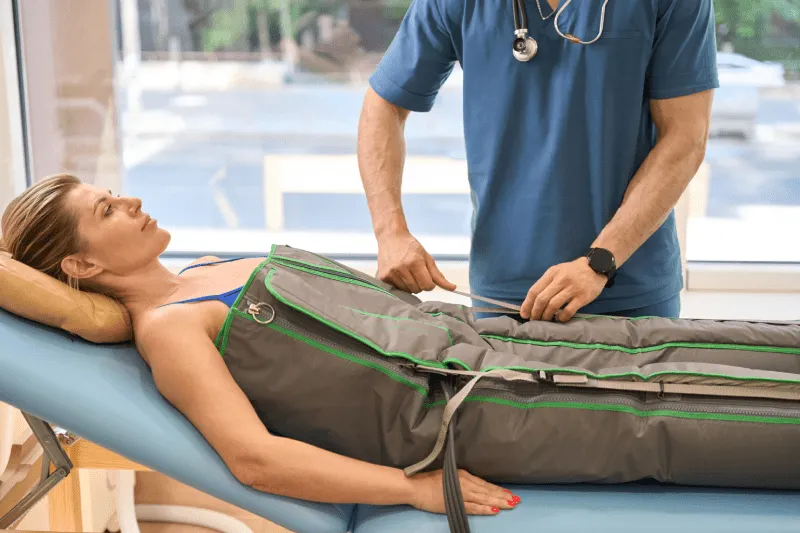
The subsequent 2-4 weeks involve continued compression, MLD, and a gradual return to light activity. Patients are advised to avoid strenuous exercise for at least 6-8 weeks to allow tissues to heal and stabilize. A key factor often overlooked is the impact of prolonged sitting or standing. Edema (swelling) in the lower legs is exacerbated by gravitational forces, requiring frequent elevation and compression even during periods of rest. Clinics specializing in ankle/leg contouring often recommend intermittent pneumatic compression devices (IPC) for home use to further enhance lymphatic drainage.
Final results are typically visible within 3-6 months, though subtle changes may continue for up to a year as the skin fully adapts to the new contours. Scar maturation is also an ongoing process, and patients are advised to minimize sun exposure and utilize silicone sheeting or topical scar treatments to optimize aesthetic outcomes.
2026 Cost Projections: Istanbul vs. Antalya vs. Western Nations
Analyzing the economic landscape, we project a moderate increase in medical tourism costs in Turkey by 2026, influenced by inflation and evolving exchange rates. Currently, Vaser liposuction, a commonly employed technique for ankle and leg contouring, ranges from 2,500 – 4,000 USD. We anticipate this increasing to 3,000 – 5,000 USD by 2026. However, Turkey remains significantly more affordable than comparable procedures in Western countries.
- United States: Liposuction targeting the lower legs typically ranges from $6,000 – $12,000+ depending on the extent of the procedure and geographic location.
- United Kingdom: Costs generally fall between £4,000 – £8,000+ (approximately $5,000 – $10,000 USD at current exchange rates).
- Western Europe (Germany, France, Italy): Expect costs ranging from €4,000 – €9,000+ (approximately $4,300 – $9,700 USD).
Antalya, positioning itself as a more comprehensive medical-resort destination, is implementing package deals that bundle liposuction with post-operative recovery stays at 5-star hotels and wellness therapies. These packages, while potentially increasing the overall cost slightly (expect a premium of $500 – $1,500 USD), offer enhanced comfort and convenience. Istanbul, conversely, focuses on specialized boutique clinics offering highly personalized care, potentially at a marginally lower price point but requiring more independent logistical planning. Comparing related procedures, rhinoplasty currently costs 2,800 – 4,500 USD, a deep plane facelift 4,500 – 8,000 USD, and a mommy makeover 6,000 – 10,000 USD – these figures also predict moderate inflation by 2026. Payment is commonly accepted in USD, EUR, and GBP.
The Final Medical Verdict: Assessing Risk and Quality in Turkey
Turkey’s burgeoning medical tourism industry is underpinned by a robust regulatory framework. Clinics are required to be either JCI (Joint Commission International) Accredited or adhere to stringent standards set by the Turkish Ministry of Health. This ensures a baseline level of quality and patient safety. However, CureHoliday.com emphasizes the importance of due diligence.
Specifically regarding lower leg liposuction, several medical considerations are crucial. The superficial and deep venous systems in the legs require meticulous mapping prior to the procedure to minimize the risk of venous thromboembolism (VTE). Surgeons must also be acutely aware of the anatomy of the peroneal nerve and the tibial nerve to avoid iatrogenic nerve injury, which can lead to numbness or weakness. Utilizing advanced techniques like Vaser Hi-Def, which employs ultrasound energy to selectively disrupt fat cells, can reduce trauma to surrounding tissues and improve precision. Piezo Rhinoplasty and Deep Plane Facelift technologies demonstrate the level of surgical innovation present, reflecting positively on the overall skill base.
Furthermore, realistic expectations are essential. Liposuction is not a weight-loss solution; it is a body contouring procedure designed to remove localized fat deposits. Patients with poor skin elasticity may experience skin laxity following liposuction, necessitating additional procedures like skin tightening.
CureHoliday.com recommends patients prioritize clinics with demonstrable experience in lower leg contouring, board-certified surgeons with a proven track record, and a comprehensive post-operative recovery program. The availability of certified lymphatic drainage therapists and access to prompt medical care in case of complications are also critical factors to consider.
Ready to consult a specialist? Schedule a Free Consultation for Liposuction for “Ankle Fat” in Turkey with cureholiday.com
Free Consultation
Fill out the form below to get your free medical travel plan and price quote.
Sources and how to verify this yourself
- Ministry of Health, Regulation on International Health Tourism and Tourist Health, Official Gazette 26 April 2025, No. 32882 — authorisation requirement for facilities and intermediaries, TÜSKA accreditation, compulsory complication insurance (deadline 31 December 2025 for insurance, 31 December 2026 for accreditation). source
- Ministry of Health, Regulation on Promotion and Information Activities in Health Services, Official Gazette 12 November 2025, No. 33075 — treatment promises and guarantees are prohibited; price and campaign announcements are permitted only within international health tourism. source