About the prices on this page. The figures below are indicative market prices and country comparisons, not a quote. Our own current, all-inclusive prices are published on our dental treatment in Turkey page, and we confirm your figure in writing before you commit to anything.
Cost and planning note (2026)
The figures below are indicative market ranges for 2026, not a quote: your own price depends on the clinic, the surgeon and your clinical assessment.
Indicative price range: Implant High End: 500 – 1,200 USD | All On 4: 4,000 – 7,000 USD per arch | Zirconia Crown: 200 – 400 USD | Veneers Emax: 250 – 450 USD
Facility standards: In Türkiye, any facility treating international patients must hold the Ministry of Health’s international health tourism authorisation; hospitals and medical centres must also be accredited by TÜSKA, and complication insurance is compulsory for procedures carried out in an operating theatre (Regulation of 26 April 2025). Ask us for the authorisation of the facility you are matched with.
Currency: USD / EUR / GBP accepted at all clinics.
Dental Implants vs. Bridges: Making the Right Choice for Your Health and Budget
Dental Implants: A Bioengineered Foundation for Restoration
The loss of a tooth, or teeth, extends beyond aesthetic concerns. It initiates a cascade of physiological changes impacting masticatory function, phonetics, and even skeletal integrity. While bridges have historically offered a viable solution, dental implants represent a paradigm shift – a bioengineered approach to tooth replacement that more closely mimics the natural dental structure and its biomechanical role. This pillar will dissect the ‘what’ and ‘why’ of dental implants, focusing on the underlying medical foundation, technical advancements, and adherence to global standards, setting the stage for informed patient decision-making.
Osseointegration: The Core Principle
At the heart of implant success lies a biological process called osseointegration. This isn’t merely physical fixation; it’s the direct structural and functional connection between living bone and the surface of a load-bearing implant. Implants are typically crafted from titanium or zirconia, biocompatible materials chosen for their exceptional ability to facilitate this process. The implant, surgically placed into the jawbone (typically the edentulous ridge – the area where a tooth is missing), initiates an inflammatory response. However, unlike chronic inflammation, this acute response triggers osteoblast activity – the cells responsible for bone formation. Over a period of 3-6 months, depending on bone density and patient factors, the bone actually grows *into* the microscopic pores of the implant surface, achieving a robust and permanent anchorage.
The surface topography of the implant is critically important. Modern implants feature engineered surfaces – often referred to as “roughness” – designed to maximize bone-to-implant contact. Techniques like acid etching, sandblasting, and even bioactive coatings (hydroxyapatite) increase surface area and create preferential attachment points for osteoblasts. The degree of roughness is measured using parameters such as Sa (arithmetic mean height) and Sd (mean square deviation), and is a key factor in implant longevity.
Technical Advancements in Implant Dentistry
Contemporary implant dentistry is deeply integrated with digital technologies. Digital Smile Design (DSD) is no longer a luxury, but an essential pre-operative planning tool. DSD allows clinicians to virtually map out the implant placement, restorative crowns, and overall aesthetic outcome *before* any surgery commences. This minimizes surprises and ensures predictable results. The integration of CBCT (Cone Beam Computed Tomography) 3D Imaging is pivotal for accurate assessment of bone volume, nerve location, and sinus proximity. Traditional 2D radiographs provide limited information; CBCT generates a detailed three-dimensional model of the patient’s anatomy, enabling precise implant planning and minimizing the risk of iatrogenic (treatment-induced) damage.
Furthermore, CEREC Same-Day technology, although more commonly associated with crowns, is increasingly used for fabricating immediate temporary restorations after implant placement. This streamlines the treatment process and provides the patient with functional and aesthetic dentition immediately following surgery. The advent of guided surgery, utilizing surgical templates created from CBCT data, enhances precision and minimizes invasiveness. These templates guide the drill and implant placement, ensuring optimal angulation and depth.
Implant Systems and Prosthetic Options
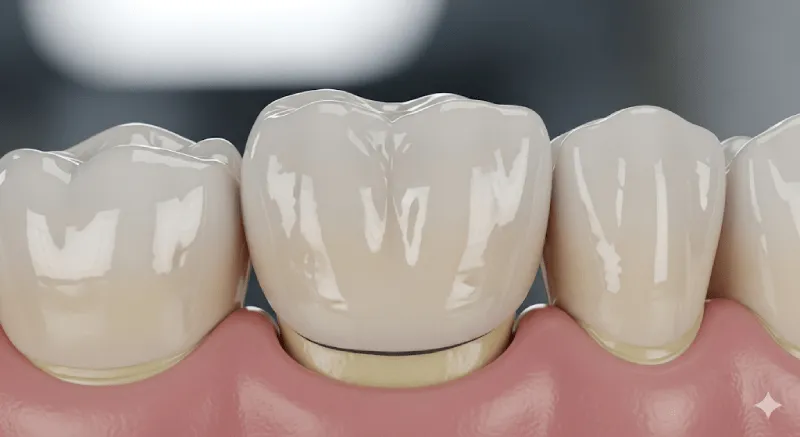
The implant itself isn’t a monolithic entity. Numerous manufacturers offer a variety of implant systems, each with slightly different designs, materials, and connection types. Common connection types include internal hex, external hex, and conical connections. The prosthetic component – the abutment and crown – is crucial. Abutments connect the implant to the crown, and can be custom-milled to achieve optimal emergence profiles and aesthetic outcomes. Crowns themselves are fabricated from various materials. While porcelain-fused-to-metal (PFM) crowns remain a cost-effective option, zirconia crowns offer superior aesthetics and biocompatibility, with costs ranging from 200 – 400 USD per unit.
For patients with extensive tooth loss, All-on-4 offers a compelling solution. This technique involves supporting a full arch of prosthetic teeth on just four strategically placed implants. The cost typically falls between 4,000 – 7,000 USD per arch, a potentially more affordable alternative to multiple single implants. However, meticulous planning and precise surgical execution are paramount for All-on-4 success. The long-term viability relies on adequate bone density and the patient’s commitment to rigorous oral hygiene.
Global Standards and International Considerations
Cureholiday.com prioritizes patient safety and quality. When considering dental implant treatment abroad, adherence to recognized global standards is non-negotiable. In Turkey, a popular destination for dental tourism, clinics are increasingly JCI (Joint Commission International) Accredited and stringently regulated by the Ministry of Health. This ensures that facilities meet international benchmarks for hygiene, sterilization, and clinical competence. Currency considerations are also important; pricing is typically quoted in USD, EUR, or GBP, facilitating easier budgeting for international patients. A standard tourist e-visa is available for citizens of most UK, US, and EU countries, granting a 90-day stay.
Popular recovery hubs in Turkey include Istanbul (renowned for sophisticated city-center clinics and boutique accommodations), Antalya (offering resort-style recovery with beach access), and Izmir (located in the Aegean region, known for its thermal springs and potential for post-operative rehabilitation). It’s crucial to remember that implant treatment is not just about the surgery; it’s a holistic experience encompassing pre-operative assessment, surgical planning, post-operative care, and long-term maintenance. Choosing a qualified and experienced implantologist, coupled with adherence to international standards, is paramount for achieving predictable and lasting results.
While veneers_emax (250 – 450 USD) can address minor aesthetic concerns, they are not a substitute for addressing underlying tooth loss with a robust and biologically integrated solution like dental implants.
The Surgical/Clinical Journey: Dental Implants & Bridges
Following careful diagnostic assessment (covered in this section), the surgical and clinical pathway for dental implants and bridges diverges significantly. This pillar details those differences, focusing on technical procedures, a patient case study, and vital risk mitigation strategies. Understanding these nuances is critical for informed consent and achieving optimal long-term outcomes.
Dental Implant Procedure: A Step-by-Step Technical Overview
The placement of a dental implant is a biomechanically sophisticated procedure. It’s not simply ‘drilling a hole in the jaw.’ The journey begins with meticulous pre-surgical planning utilizing CBCT 3D Imaging. This allows the clinician to assess bone volume, density, and the proximity of vital anatomical structures – the inferior alveolar nerve, maxillary sinus, and adjacent teeth – in a three-dimensional space. This data drives the selection of implant size, angulation, and potentially the need for pre-surgical bone grafting procedures, like a sinus lift or alveolar ridge augmentation, performed using biomaterials to create a solid foundation.
- Surgical Phase: Under local anesthesia (often supplemented with conscious sedation for patient comfort), a full-thickness mucoperiosteal flap is elevated to expose the alveolar bone. A pilot drill is used, followed by a series of progressively larger osteotomy drills, guided by surgical stents generated from the CBCT data. The implant fixture, typically constructed from titanium or zirconia, is carefully inserted and achieving primary stability – crucial for osseointegration.
- Osseointegration: This is the biological process where bone directly apposes and fuses with the implant surface. It typically requires 3-6 months in the mandible (lower jaw, denser bone) and 4-9 months in the maxilla (upper jaw, less dense bone). The implant is usually submerged under soft tissue during this period.
- Second-Stage Surgery (if required): Some implant systems utilize a two-stage approach. Once osseointegration is confirmed (assessed via clinical stability and radiographic analysis), a cover screw is removed to expose the implant abutment.
- Digital Impression & Prosthetic Design: Utilizing Digital Smile Design principles, a precise digital impression is captured using intraoral scanners. This eliminates the need for messy conventional impressions. The data is then used to design the final restoration – a custom-made crown, bridge, or denture – using CAD/CAM technology.
- Final Restoration: The designed restoration, often crafted from materials like zirconia, is then either milled in-house with CEREC Same-Day technology (allowing for immediate loading in certain cases) or fabricated externally by a dental laboratory. It’s finally cemented or screwed onto the abutment, completing the process.
Bridge Procedure: A Conservative Alternative
Bridges, while less invasive initially, demand a different level of clinical preparation. The procedure necessitates the reduction (reshaping) of the adjacent healthy teeth to serve as abutments – supporting structures for the bridge. This is irreversible damage to otherwise sound dental tissue. The process involves:
- Abutment Preparation: The adjacent teeth are prepared to receive crowns that will anchor the bridge. This involves removing enamel and dentin to create space for the restorative materials.
- Impression & Laboratory Fabrication: Impressions are taken of the prepared teeth and sent to a dental laboratory. A model is created, and the bridge is fabricated – typically consisting of pontics (artificial teeth) fused to crowns.
- Bridge Cementation: Once the bridge is returned from the lab, it’s carefully tried in to ensure proper fit, occlusion (bite), and aesthetics. Finally, it’s permanently cemented onto the prepared abutment teeth.
Persona Case Study: Mr. David Miller, 45, UK
Mr. Miller, a 45-year-old office worker from London, presented with a failing root canal treatment on his upper right first premolar, leading to a periapical lesion and increasing discomfort. He was in good general health but expressed concern about both the cost and downtime associated with treatment. After a thorough clinical and radiographic examination, including CBCT scanning, both implant and bridge options were presented.
Considering his desire for a long-term, predictable solution and his willingness to travel for more affordable care, we recommended a single-tooth implant in Turkey. The treatment plan included a dental implant fixture (500-1,200 USD), a zirconia crown (200-400 USD), and a 7-day stay in Istanbul, combining the surgical procedure with post-operative monitoring. The total cost, including travel and accommodation, was significantly lower than equivalent treatment in the UK. He opted for the implant, and the procedure was performed smoothly under the care of a JCI-accredited specialist. Post-operative recovery was managed with analgesics and chlorhexidine mouthwash, with regular remote monitoring by the UK-based case manager.
Risk Mitigation: A Comprehensive Approach
Both procedures carry inherent risks, though they differ in nature.
- Implant Risks: Peri-implantitis (inflammation around the implant), nerve damage (during surgery), sinus perforation (in the upper jaw), implant failure (due to poor bone quality, infection, or systemic factors), and prosthetic complications (screw loosening, fracture of the restoration). Mitigation includes meticulous surgical technique, comprehensive pre-operative assessment, prophylactic antibiotics (when indicated), and regular post-operative maintenance appointments.
- Bridge Risks: Caries (decay) under the bridge crowns, abutment tooth sensitivity, fracture of the bridge, cement washout, and periodontal disease affecting the abutment teeth. Mitigation includes strict oral hygiene protocols, regular dental check-ups, and careful prosthetic design to ensure proper cleaning access.
International Considerations: For patients considering dental tourism – particularly in locations like Turkey – selecting a reputable clinic adhering to international standards is paramount. We partner with facilities accredited by JCI (Joint Commission International) and regulated by the Turkish Ministry of Health, ensuring consistently high medical standards. Patients should also be aware of visa requirements – an E-visa is available for most UK/US/EU citizens, allowing a 90-day stay. We offer a choice of recovery hubs – from the bustling city life of Istanbul to the resort atmosphere of Antalya or the thermal springs of Izmir – catering to diverse patient preferences.
Post-surgical care is vital. We provide detailed aftercare instructions, including dietary recommendations and oral hygiene protocols. Remote monitoring and ongoing support are offered through our UK-based team, ensuring continuity of care even after the patient returns home.
Recovery Logistics, 2026 Cost Audit & The Final Medical Verdict – Dental Implants vs. Bridges
Having established the clinical suitability of dental implants and bridges and explored the aesthetic and functional considerations , this pillar delves into the practicalities of post-operative recovery, a comprehensive cost analysis for 2026 factoring in Turkish dental tourism, and a culminating medical verdict designed to empower informed patient decision-making. The focus shifts from the *what* and *why* to the *how* and *where* of restoring your smile. We’ll examine recovery nuances specific to each procedure, logistical considerations for international patients, and a detailed forecast of costs comparing Turkish dental centres – specifically in Antalya and Istanbul – with those in Western countries.
Post-Operative Recovery: A Comparative Analysis
Following either implant placement or bridge fitting, a period of adaptation and healing is crucial. While both procedures are considered relatively safe, recovery protocols differ significantly. Bridge placement, typically involving preparation of adjacent teeth for support, generally results in a shorter immediate recovery period. Patients can usually resume a normal diet (avoiding excessively hard or sticky foods) within a few days, experiencing mild sensitivity which subsides within a week or two. The primary long-term consideration with bridges is maintaining meticulous oral hygiene around the abutment teeth to prevent peri-implantitis or decay.
Dental implant recovery is a staged process. Osseointegration – the biological fusion of the implant with the jawbone – is paramount. This process typically takes 3-6 months in the mandible (lower jaw) due to higher bone density, and 4-9 months in the maxilla (upper jaw). During this time, a temporary restoration, often a removable denture or partial denture, is employed to maintain aesthetics and function. Patients are advised to adhere to a soft-food diet during the initial healing phase (approximately 2 weeks post-surgery) to minimise stress on the implant site. Post-operative discomfort is typically managed with analgesics, and meticulous attention to oral hygiene – including chlorhexidine mouth rinses and gentle brushing – is essential to prevent infection.
Technological advancements, such as CBCT 3D Imaging used for pre-operative planning, directly impact recovery outcomes. Precise implant placement minimises trauma, reduces healing time, and optimises osseointegration. Furthermore, the advent of guided surgery, utilizing digitally fabricated surgical guides based on CBCT scans, enhances precision and predictability, leading to a smoother recovery trajectory. Failure of osseointegration, while relatively uncommon (approximately 2-5%), necessitates implant removal and potential bone grafting, significantly delaying the restoration process.
2026 Cost Audit: Turkey (Antalya/Istanbul) vs. Western Nations
The financial implications of dental restoration are substantial. A 2026 cost audit reveals significant price differentials between dental care in Turkey and Western countries. This is primarily driven by lower operating costs, skilled labour, and favourable exchange rates.
- Single Dental Implant (including abutment & zirconia crown): In Western Europe/North America, this ranges from $3,000 – $6,000 USD. In Antalya or Istanbul, the cost is estimated at $500 – $1,200 USD.
- All-on-4 Implant Solution (per arch): Western prices typically fall between $20,000 – $35,000 USD per arch. In Turkey, patients can expect to pay $4,000 – $7,000 USD per arch.
- Traditional Dental Bridge (3-unit porcelain-fused-to-metal): Western pricing averages $2,000 – $3,500 USD. In Turkey, the equivalent treatment is available for approximately $800 – $1,500 USD.
- Zirconia Crown: $800 – $1,500 USD in Western countries versus $200 – $400 USD in Turkey.
- Emax Veneers: $1,000 – $2,000 USD per tooth in Western countries, compared to $250 – $450 USD in Turkey.
These figures are estimates and can vary depending on the complexity of the case, the dentist’s experience, and the materials used. It’s crucial to note that the cost of accommodation, flights, and living expenses in Turkey must also be factored into the overall budget. However, even with these expenses, significant savings are achievable.
Currency fluctuations (USD, EUR, GBP) will play a role in overall cost. Utilizing currency exchange services and pre-booking accommodation can mitigate financial risks. Clinics increasingly offer bundled packages encompassing treatment, accommodation, and airport transfers, simplifying financial planning.
Recovery Hubs & Logistical Considerations
Turkey offers distinct recovery experiences based on location. Istanbul (City/Boutique) provides access to vibrant cultural attractions and a wide range of accommodation options. This is ideal for patients who wish to combine treatment with sightseeing. Antalya (Resort/Beach) offers a more relaxed recovery environment, allowing patients to recuperate by the Mediterranean Sea. The warm climate and proximity to beaches facilitate post-operative healing and stress reduction. Izmir (Aegean/Thermal) provides a unique combination of historical sites and thermal spas, potentially beneficial for patients seeking adjunctive therapies to aid recovery.
Logistically, patients travelling to Turkey for dental treatment should be aware of visa requirements. An E-visa is available for most UK/US/EU citizens, permitting a 90-day stay. It’s essential to check specific visa requirements based on nationality before travel. Post-operative care is typically provided by the dental clinic, with follow-up appointments scheduled to monitor healing and ensure treatment success. Clinics prioritizing patient care often offer remote consultation services following the patient’s return home.
The Final Medical Verdict: Choosing the Right Path
The optimal choice between dental implants and bridges depends on individual clinical circumstances, aesthetic preferences, and financial considerations. Bridges represent a more conservative and cost-effective solution for patients with healthy adjacent teeth and minimal bone loss. However, they require the alteration of adjacent teeth and have a limited lifespan (typically 8-15 years). Dental implants, while a more significant investment upfront, offer a long-term, durable, and biocompatible solution, preserving the integrity of surrounding teeth and stimulating bone growth.
The increasing sophistication of dental technology, particularly Digital Smile Design and CEREC Same-Day crown fabrication, is revolutionising the field, offering patients faster, more predictable, and aesthetically pleasing results. For patients considering dental tourism, Turkey presents a compelling option, combining high-quality dental care with significant cost savings and the opportunity to experience a rich cultural destination. However, thorough research, selection of a Ministry of Health–authorised clinic regulated by the Turkish Ministry of Health, and careful consideration of logistical factors are paramount to ensure a successful and rewarding experience. A detailed pre-treatment plan, incorporating a comprehensive assessment of bone density, oral health, and aesthetic goals, remains the cornerstone of informed decision-making.
Ready to consult a specialist? Schedule a Free Consultation for Dental Implants vs. Bridges in Turkey with cureholiday.com
Free Consultation
Fill out the form below to get your free medical travel plan and price quote.
Sources and how to verify this yourself
- Howe M-S, Keys W, Richards D. Long-term (10-year) dental implant survival: a systematic review and sensitivity meta-analysis. Journal of Dentistry, 2019 — pooled 10-year implant survival 96.4% (95% CI 95.2–97.5%); conservative sensitivity estimate 93.2%. source
- Ministry of Health, Regulation on International Health Tourism and Tourist Health, Official Gazette 26 April 2025, No. 32882 — authorisation requirement for facilities and intermediaries, TÜSKA accreditation, compulsory complication insurance (deadline 31 December 2025 for insurance, 31 December 2026 for accreditation). source
- Ministry of Health, Regulation on Promotion and Information Activities in Health Services, Official Gazette 12 November 2025, No. 33075 — treatment promises and guarantees are prohibited; price and campaign announcements are permitted only within international health tourism. source