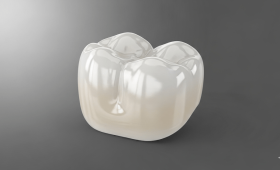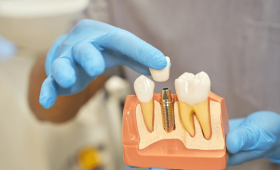
What Is Composite Bonding And What Role Does It Play In Tooth Restoration?
Composite bonding is an aesthetic dentistry procedure where a tooth-colored resin material, known as composite resin, is applied to the tooth surface to improve its shape, color, or overall size. It is widely considered the “gold standard” for restoring teeth that are broken, cracked, or significantly worn down. During this procedure, the dentist removes minimal tooth structure, and in many cases, no drilling or shaving of the natural tooth is required at all. The dentist skillfully shapes this putty-like material by hand and hardens it using a specialized high-intensity light. The final result is a restoration that integrates perfectly with the patient’s natural tooth structure, making it virtually impossible to distinguish from the original enamel.
Why Should Composite Bonding Be Chosen For Broken Teeth?
The primary reason for selecting composite bonding for broken teeth is the remarkable speed and cost-effectiveness of the treatment. Unlike porcelain veneers or zirconium crowns, bonding does not require a laboratory process, meaning it can usually be completed in a single session, often in less than an hour. Furthermore, it is a conservative approach that preserves the health of the tooth enamel. By intervening only in the damaged area and keeping the natural tooth structure intact, it leaves the door open for other treatments in the future. From an aesthetic perspective, modern composites possess light-reflecting properties so similar to natural enamel that it becomes difficult to see where the restoration begins and the natural tooth ends.
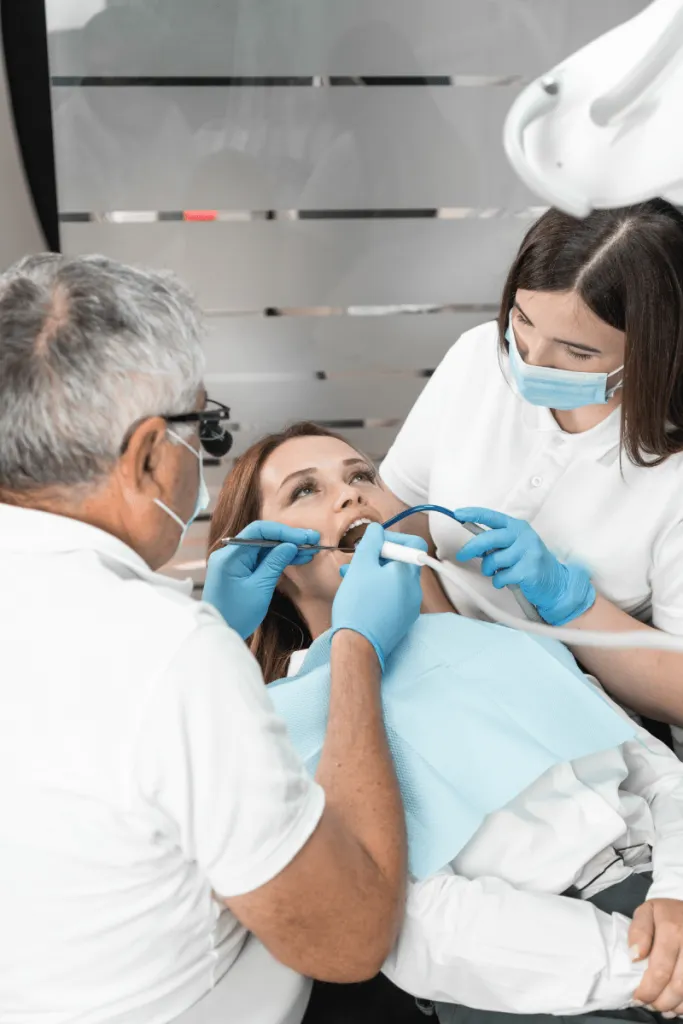
Which Types Of Dental Damage Provide The Most Effective Results With This Method?
Composite bonding delivers exceptional results, particularly in cases of incisal edge fractures caused by trauma, fixing crooked or gapped teeth (diastema), and extending the length of short teeth. It is also frequently used to cover shallow surface cracks and mask permanent discolorations on the tooth surface. As long as a significant portion of the tooth (e.g., more than half) has not been lost, bonding is usually sufficient to return the tooth to both its functional and aesthetic prime. While it can be used on posterior teeth where chewing forces are higher, it truly shines on the anterior teeth, where aesthetic expectations are at their peak and natural translucency is vital.
How Long Does The Composite Bonding Treatment Process Take?
Although the treatment time varies depending on the number of teeth involved and the extent of the damage, it generally takes about 30 to 60 minutes per tooth. Since there is no laboratory phase involved, patients can walk into a clinic with a broken tooth and walk out the same day with a perfect smile. In cases where multiple teeth need to be restored, the total duration may extend to 2-3 hours, yet the convenience of completing it in a single appointment remains a significant benefit. This factor makes it an invaluable option for individuals with busy schedules or those requiring urgent aesthetic intervention before major events like weddings or job interviews.
Will The Patient Feel Any Pain Or Discomfort During The Procedure?
In the vast majority of cases, the composite bonding procedure is completely painless and does not require local anesthesia. This is because the process typically takes place on the outermost layer of the tooth, the enamel, which does not contain nerve endings. However, if the fracture is very close to the nerve or if underlying decay needs to be removed, a mild local anesthetic can be administered to ensure the patient’s total comfort. There is no recovery period required after the procedure; if no anesthesia was used, the patient can eat immediately and return to their normal activities. The risk of post-operative sensitivity is very low, making bonding an ideal choice for patients with dental anxiety.
What Are The Preparation Stages For Broken Tooth Restoration?
The restoration process begins with a detailed clinical examination and the taking of X-rays. The dentist evaluates the depth of the fracture and the vitality of the tooth. If the root and nerve tissues are unharmed, the decision to proceed with bonding is finalized. The first stage of preparation involves a professional cleaning to remove plaque and tartar from the tooth surface. Subsequently, the appropriate shade of composite is selected. This stage is critical; the dentist may mix several different tones to replicate the subtle color gradients found in the patient’s natural teeth. The tooth surface is then lightly roughened to help the bonding agent adhere, though this is usually limited to the enamel layer.
How Is The Tooth Surface Technically Prepared For The Bonding Process?
The preparation of the tooth surface is carried out through a process called “etching.” A gel containing 37% phosphoric acid is applied to the tooth surface and left for approximately 15-20 seconds. This process creates microscopic pores on the enamel, increasing the surface area for bonding. Once the gel is rinsed off and the tooth is dried, the enamel takes on a matte, chalky white appearance. This stage ensures that the composite resin can bond chemically and mechanically to the tooth with great strength. The meticulousness of this preparation process directly determines the longevity of the restoration. A correctly prepared surface minimizes the risk of the bonding falling off or leaking over time.
What Are The Technical Specifications Of The Composite Material Used?
Modern dental composites are hybrid structures consisting of an organic resin matrix (usually Bis-GMA) and inorganic filler particles such as quartz, glass, or ceramic. Thanks to nanofill technology, these materials offer both high durability and excellent polishability. Their light-reflecting and refractive indices have been harmonized with natural tooth enamel. Furthermore, they are produced in varying levels of “opacity,” allowing the dentist to mimic the dark color of the internal dentin or the transparency of the outer enamel. These biocompatible materials are resistant to the moisture and temperature fluctuations typically found within the oral environment, ensuring a stable and safe restoration.
How Are Color Selection And A Natural Appearance Achieved In The Restoration?
Color selection must be performed under natural daylight and while the teeth are moist. Dentists use standard shade guides like the “VITA” scale but often rely on a “layering” technique for the best results. They use more yellowish composites for the neck of the tooth, more opaque ones for the middle, and more translucent (blue/grey tones) for the incisal edges. This creates a sense of depth. The “halogen” effect and incisal translucency of a natural tooth can only be replicated through the artistic skill of an expert dentist. When the correct color match is achieved, the restoration becomes so natural that not only the patient but even another dentist might struggle to identify it with the naked eye.
How Is The Bonding Agent Applied To The Tooth Surface And What Is Its Function?
A specialized liquid known as a “bonding agent” or “adhesive” is applied to the etched and dried surface. This liquid seeps into the microscopic pores created during the etching process. The application is typically done using a small brush, followed by a gentle puff of air to ensure the agent is spread evenly across the surface. Then, the bonding agent is cured with a blue light (polymerization lamp). This layer acts as a “double-sided adhesive” between the tooth tissue and the solid composite resin that will follow, ensuring the restoration clings tightly to the tooth. It is vital that no saliva contamination (moisture) occurs during this stage to ensure success.
How Is The Composite Resin Placed And Shaped On The Tooth?
The composite resin is added to the prepared base in small portions. The dentist uses specialized hand instruments to shape the material, adhering strictly to the original form of the tooth. When restoring a broken tooth, the dentist uses the shape of the adjacent tooth as a reference to ensure perfect symmetry. While the material is still soft, it is adapted to the tooth to ensure there are no marginal leaks. If the layering technique is used, each layer is placed and shaped individually. The dentist works like a sculptor, recreating the fine lines, ridges, and grooves (morphology) of the tooth. This stage determines the functional success as much as the aesthetic outcome.
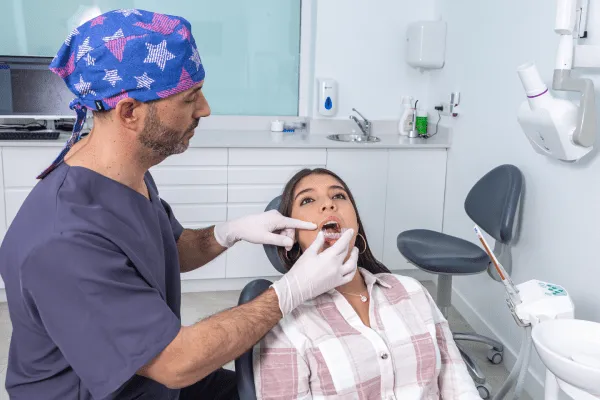
How Does The Light Curing Process Occur And How Long Does It Take?
The composite material polymerizes and hardens when exposed to a specific wavelength of blue light, thanks to the photo-initiators contained within it. This process is generally performed using LED or halogen light devices. Each layer is exposed to the light for 10 to 20 seconds, depending on its thickness. Once hardening occurs, the material immediately becomes resistant to chewing forces. Light curing is a controlled process that gives the dentist the freedom to shape the material as much as needed before setting it. To prevent the minimal shrinkage that occurs during hardening (polymerization shrinkage), high-end resins with low shrinkage rates are preferred in modern practices today.
Why Are Finishing And Polishing Procedures Of Critical Importance?
Once hardened, the composite initially has a rough and matte surface. During the finishing stage, fine-tipped diamond or carbide burs are used to check the height of the restoration and adjust the bite (occlusion). Then, the surface is smoothed using sanding disks, rubber cups, and specialized polishing pastes. Polishing is not just for aesthetics; it is also critical for gum health. A smooth surface makes it difficult for bacterial plaque to adhere and prevents external stains from tea or coffee from accumulating, thereby extending the life of the restoration. A well-polished bonding is indistinguishable from natural tooth enamel when touched with the tongue.
What Is The Functional And Aesthetic Appearance Of The Tooth After Treatment?
Once the procedure is complete, the broken area is fully restored to its original form. The tooth’s chewing function is instantly regained. Aesthetically, a restoration crafted with the correct play of light and color possesses the natural luster and hue of a real tooth. The patient feels no artificiality when smiling or speaking. The bonded tooth is in perfect harmony with the adjacent teeth in terms of both length and width. Thanks to modern bonding techniques, the problem of the “grey line” often seen at the edges of older restorations has been eliminated, providing a seamless transition where the material fuses perfectly with the natural tooth.
How Durable Is A Composite Bonding Restoration?
The lifespan of composite bonding usually ranges between 5 to 7 years, depending on the quality of the material used, the dentist’s application technique, and the patient’s oral hygiene. In some cases, with excellent care, this period can extend up to 10 years. However, composite material is not as hard as porcelain; therefore, it can wear down over time or suffer small chips. Additionally, due to its porous nature, it may show some degree of color change over the years. The advantage, however, is that if it becomes damaged or discolored, it can be easily repaired or repolished without the need to replace the entire restoration, unlike more invasive options.
What Are The Differences Between Porcelain Veneers And Composite Bonding?
The most fundamental differences lie in the material and the application process. Porcelain veneers are manufactured in a laboratory, are more durable, and are completely resistant to color changes, but they are more expensive and require the removal of some tooth tissue. Composite bonding is performed directly in the clinic, is more economical, and usually requires no shaving of the tooth. While porcelains can last 15-20 years, bondings may require more frequent maintenance. Aesthetically, both provide wonderful results, but the greatest advantage of bonding is that it is a reversible procedure and can be completed in a single visit.
Should Bonding Or Crowning Be Preferred For Broken Teeth?
This decision is made based on the amount of tooth loss and the health of the remaining tooth structure. If the fracture is small or medium-sized and the majority of the tooth is healthy, bonding is definitely the primary choice. However, if a large portion of the tooth is missing, there is structural weakness, or the tooth has undergone root canal treatment, a full ceramic crown (zirconium or E-max) might be more sensible to protect the tooth. Crowns encircle the entire tooth, providing more support. Your dentist will evaluate your biting forces and aesthetic expectations to recommend the most long-lasting solution for your specific case.
What Should Be Considered In Daily Life After The Procedure?
You can return to your normal life immediately after the bonding procedure. However, for the first 48 hours—when the restoration is most susceptible to staining—it is recommended to avoid staining substances such as tea, coffee, red wine, cola, and cigarettes. One should avoid directly biting into very hard foods (ice, hard candy, nutshells) with the bonded tooth. Habits like nail-biting or biting on pens significantly shorten the lifespan of the restoration. For daily oral care, standard brushing and flossing are sufficient; however, avoiding “whitening” toothpastes with high abrasive content helps maintain the surface luster for a longer period.
Do Teeth With Bonding Change Color Over Time?
Yes, composite resins can change color over time due to external factors. Frequent consumption of tea, coffee, cigarettes, and colored sauces can cling to the microscopic pores on the surface of the material, causing the restoration to appear matte or darker compared to natural teeth. However, this situation can be largely remedied through the “polishing” process performed during professional dental cleanings. The restoration itself does not respond to whitening gels; therefore, if you are considering whitening your teeth, you should do so before the bonding procedure and plan the restoration according to your new tooth shade.
Which Habits Can Cause Permanent Damage To A Bonding Restoration?
The habit of grinding and clenching teeth, known as “bruxism,” is the greatest threat to bonding restorations. In individuals who clench their teeth at night, the excessive stress placed on the composite material can cause the restoration to crack or fall off. Such patients must use a night guard. Additionally, excessive consumption of acidic beverages can damage the polish of the material. Opening packages with your teeth, biting sewing thread, or chewing on hard objects can cause irreversible damage to both your natural teeth and the bonding. Avoiding these habits is the best way to protect your investment for years to come.
Can A Broken Or Cracked Bonding Filling Be Repaired?
One of the most loved features of composite bonding is that it is “repairable.” If a corner of the restoration breaks or a crack forms on its surface, the entire filling does not need to be removed. The dentist can lightly roughen the damaged area and add new bonding agent and composite to restore the tooth to its former state within minutes. This is a level of flexibility not possible with porcelain restorations (which usually require complete replacement if they break). This economical and practical repair possibility makes bonding a safe option, especially for athletes or active children who are more prone to dental trauma.
What Factors Affect The Costs Of The Treatment?
The price of composite bonding varies depending on the number of teeth to be treated, the size of the fracture, and the quality of the material used. Additionally, the dentist’s experience and the clinic’s technological equipment are factors that influence the cost. As a general rule, bonding costs about one-third or half of the price of porcelain veneer or zirconium crown treatments. The restoration of a single tooth is quite accessible. When long-term durability and aesthetic success are considered, the bonding procedure is evaluated as a highly cost-effective treatment method relative to the quality of the result provided.

Can The Composite Bonding Procedure Be Applied To All Age Groups?
Yes, composite bonding can be safely applied at any age. In children, especially during fractures of the front teeth that occur while playing, porcelain treatments cannot be performed because tooth and jaw development are not yet complete; in these cases, bonding is a lifesaver. It is also ideal for masking developmental dental deficiencies during adolescence. In adults and the elderly, it is used to repair tooth wear or close spaces (black triangles) resulting from gum recession. The lack of an age limit and its tissue-friendly nature make this method popular in everything from pediatric dentistry to geriatric dentistry.
How Does Bonding Provide Aesthetics In Front Tooth Fractures?
The front teeth are the center of a person’s smile design. A fracture here directly affects a person’s self-confidence. Bonding allows for “invisible restorations” in this area. Light-cured filling technology mimics the way light passes through and reflects back from the tooth (opalescence) so well that the restoration shines like natural enamel. The dentist gives a slight transparency to the incisal edges and reflects the natural indentations and protrusions on the tooth surface, giving the tooth a three-dimensional depth. This aesthetic touch changes not only the patient’s tooth but their entire facial expression and smile dynamics for the better.
Can Composite Bonding Be Used On Posterior Teeth?
Although composite bonding is generally known as an aesthetically focused procedure, it is also successfully used for small and medium-sized fractures or the treatment of decay in the posterior (back) teeth. The composites used in posterior teeth are special high-fill materials that are more resistant to chewing pressure. Unlike amalgam fillings, they bond chemically to the tooth, thereby increasing the tooth’s resistance to fracture. However, in cases of very large material loss or where the entire tooth is under heavy chewing load, more durable porcelain fillings (inlays-onlays) or crowns may be preferred.
Does The Bonding Procedure Cause Permanent Damage To Tooth Enamel?
No, composite bonding is one of the most conservative procedures in dentistry. Since tooth tissue is not removed or is removed only minimally (at the level of roughening), the integrity of the tooth enamel is not compromised. Because the nerve tissue (pulp) of the tooth is not interfered with, the vitality of the tooth is preserved. If one decides to give up the bonding restoration in the future, the material can be removed by an expert dentist without damaging the tooth, and the tooth can return to its original state. This “reversible” feature is the healthiest aspect that distinguishes bonding from invasive porcelain procedures.
Is There A Risk Of Allergic Reaction To Bonding Materials?
Modern dental composites and bonding agents are biocompatible materials. The incidence of a true allergic reaction to these resins used in dentistry is extremely low. However, some individuals may have a rare sensitivity to acrylate compounds. If you have a known chemical allergy, it is beneficial to consult your dentist. Temporary redness that may occur in the gums after application is usually due to physical irritation during the finishing stage of the material and passes on its own within a few days. Generally, no systemic side effects have been detected on overall health.
How Does Gum Health Affect Bonding Success?
A healthy restoration can only be built on a healthy foundation. It is difficult to perform a bonding procedure on a tooth with gum recession, bleeding, or inflammation (gingivitis); because blood or gingival fluid can prevent the bonding agent from adhering to the tooth. Additionally, the harmony of the restoration edges with the gums is critical for long-term gum health. If the restoration is left in a way that puts pressure on the gums or is rough, plaque accumulates there and leads to gum disease. Therefore, having a dental cleaning before bonding and ensuring the gums are healthy directly increases the success and lifespan of the treatment.
How Does Home Dental Care Extend The Life Of Bonding?
You should care for your bonded teeth just as you do your own teeth, but a little extra attention is required. Brushing should be done at least twice a day with a soft-bristled toothbrush and fluoride toothpaste. Using dental floss is of vital importance to prevent decay at the edges of the restoration. Harsh movements should be avoided during brushing, and cleaning should be done by massaging the gum line. Since long-term use of alcohol-containing mouthwashes can soften the surface structure of some composite materials, alcohol-free alternatives should be preferred for the best maintenance.
Does Professional Dental Cleaning Damage The Bonding Restoration?
No, on the contrary, professional dental cleaning extends the life of the restoration. However, you should inform your dentist or dental hygienist that you have bonding. Ultrasonic devices used during cleaning should not be brought too close to the restoration edges, and very harsh abrasive powders (air-polishing) should not be aimed directly at the bonding. Your dentist will repolish the bonding surface with special soft rubbers and polishing pastes after the cleaning, ensuring the restoration returns to its first-day luster. These routine check-ups allow for the early detection of any small cracks.
How Do Smoking And Coffee Consumption Affect The Restoration Aesthetically?
Tar and nicotine in cigarettes, and the intense pigments in coffee, tea, and red wine, can easily cling to the composite resin surface. Composite tends to absorb more color compared to natural enamel. This situation can cause the color of the tooth to yellow over time or brown lines to form at the restoration boundaries. If these habits cannot be given up, rinsing the mouth with water or brushing the teeth after each consumption can slow down the staining process. For patients with very high aesthetic expectations who cannot compromise on these habits, porcelain veneers may be a more suitable option.
What Are The Advantages Of Dental Treatment With Cure Holiday?
The dental treatment process requires expertise and technology, especially when aesthetic restorations are involved. Cure Holiday offers health services at international standards, promising its patients not just a treatment but also a comfortable experience. Patients considering composite bonding for broken tooth restoration find the chance to be treated with world-standard materials in Turkey’s most elite clinics through Cure Holiday. Producing permanent and aesthetic solutions in a short time by using all the possibilities of modern medicine is the greatest difference of Cure Holiday. Additionally, planning the treatment process in the style of a holiday minimizes the stress of the patients.
Why Should You Choose Cure Holiday Experts?
Restoring a broken tooth is not just a technical procedure but also an artistic skill. The dentists serving within Cure Holiday have deep experience in aesthetic dentistry and composite bonding techniques. While recreating the natural form, color, and function of the tooth, the layering methods used result in outcomes indistinguishable from natural teeth when combined with the sensitivity of our experts. Cure Holiday offers personalized treatment plans suitable for each patient’s facial features and smile character. Our expert team uses the latest technologies to provide the most aesthetic and long-lasting solution, even in the most complex cases.
How Is The Medical Tourism Experience With Cure Holiday?
Planning dental treatment can sometimes be challenging for patients coming from abroad; however, Cure Holiday manages this process from end to end. Every detail is professionally organized, from airport pick-up to accommodation, from transfer services to post-treatment follow-up. While your broken tooth restoration is being done, you can simultaneously discover the historical and touristic beauties of Turkey. Cure Holiday is the address of trust in health tourism with its transparent pricing policy and high success rates. When your treatment is finished, you return home not just with healthy teeth, but with unforgettable memories. You feel safe and privileged at every step with us.
How Can You Renew Your Smile By Making An Appointment Right Away?
You do not have to live with a broken tooth. Taking the first step to achieve an aesthetic smile and self-confidence is very easy. You can request a free preliminary consultation by reaching us through the Cure Holiday website or our communication channels. With the preliminary evaluation to be made over your photos, detailed information about treatment options and costs specific to you is provided. Contact our professional consultants to reach your dream smile in a single session and experience the Cure Holiday privilege. Create your appointment today, smile at the world with confidence tomorrow; because your smile is our priority.
Free Consultation
Fill out the form below to get your free medical travel plan and price quote.
Sources and how to verify this yourself
- Howe M-S, Keys W, Richards D. Long-term (10-year) dental implant survival: a systematic review and sensitivity meta-analysis. Journal of Dentistry, 2019 — pooled 10-year implant survival 96.4% (95% CI 95.2–97.5%); conservative sensitivity estimate 93.2%. source
- Ministry of Health, Regulation on International Health Tourism and Tourist Health, Official Gazette 26 April 2025, No. 32882 — authorisation requirement for facilities and intermediaries, TÜSKA accreditation, compulsory complication insurance (deadline 31 December 2025 for insurance, 31 December 2026 for accreditation). source
- Ministry of Health, Regulation on Promotion and Information Activities in Health Services, Official Gazette 12 November 2025, No. 33075 — treatment promises and guarantees are prohibited; price and campaign announcements are permitted only within international health tourism. source