Cost and planning note (2026)
The figures below are indicative market ranges for 2026, not a quote: your own price depends on the clinic, the surgeon and your clinical assessment.
Indicative price range: Implant High End: 500 – 1,200 USD | All On 4: 4,000 – 7,000 USD per arch | Zirconia Crown: 200 – 400 USD | Veneers Emax: 250 – 450 USD
Facility standards: In Türkiye, any facility treating international patients must hold the Ministry of Health’s international health tourism authorisation; hospitals and medical centres must also be accredited by TÜSKA, and complication insurance is compulsory for procedures carried out in an operating theatre (Regulation of 26 April 2025). Ask us for the authorisation of the facility you are matched with.
Currency: USD / EUR / GBP accepted at all clinics.
Dental X-Rays (CBCT 3D Scan): Why Precision Diagnostics Save Costs in the Long Run
The Evolution of Dental Diagnostics: From Periapical Radiographs to CBCT 3D Imaging
For decades, two-dimensional (2D) radiographs – periapical, bitewing, and panoramic – formed the cornerstone of dental diagnostics. While providing valuable information about individual teeth and immediate surrounding structures, these modalities inherently suffer from geometric distortion and superimposition of anatomical elements. This limitation often necessitates a degree of interpretive guesswork, potentially leading to inaccurate diagnoses and compromised treatment planning. The advent of Cone Beam Computed Tomography (CBCT) represents a paradigm shift, moving dental imaging into the realm of three-dimensional precision. This pillar will delve into the ‘what’ and ‘why’ of CBCT, establishing its medical foundation, exploring the technical specifications, and outlining its role in global dental standards.
Understanding CBCT Technology: A Deep Dive
CBCT utilizes a rotating X-ray source and a flat-panel detector to acquire a series of cross-sectional images, or ‘slices’, of the maxillofacial region. Unlike conventional medical CT scans, CBCT employs a cone-shaped X-ray beam, minimizing scatter radiation and resulting in a lower effective dose – a crucial consideration in diagnostic imaging. The resulting data is then reconstructed using complex algorithms, creating a volumetric dataset that can be viewed in any plane (axial, sagittal, coronal, and oblique) and manipulated to create 3D renderings. This capability is transformative, particularly in areas demanding detailed spatial information.
The technical parameters influencing image quality and radiation dose are critical. Key factors include voxel size (the 3D pixel – smaller voxels yield higher resolution but increase radiation), tube current (mA), tube voltage (kV), and scan time. Modern CBCT units offer adjustable protocols allowing clinicians to tailor imaging parameters to the specific clinical indication, optimizing the balance between diagnostic quality and patient safety. For instance, a low-dose protocol might be sufficient for assessing impacted third molars, while a high-resolution protocol is essential for intricate implant planning.
Clinical Applications: Where Precision Matters
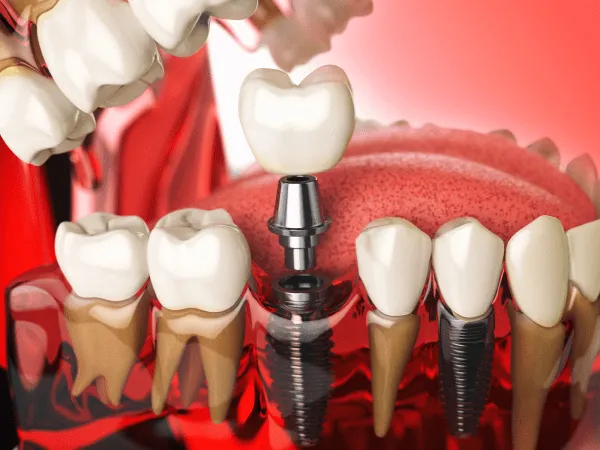
The benefits of CBCT extend across numerous dental specialties. In implant dentistry, CBCT is no longer considered a luxury, but a necessity. Accurate assessment of bone volume, bone density (using Hounsfield Units – HU), and the proximity of vital anatomical structures – such as the inferior alveolar nerve and the maxillary sinus – are paramount to successful implant placement. Software allows for virtual implant planning, guiding the surgeon to identify the ideal implant position, size, and angle *before* surgery. This minimizes surgical complications, reduces chair time, and maximizes prosthetic outcomes. Considering the cost of a high-end dental implant ranging from 500 – 1,200 USD, minimizing complications through precise planning translates directly to cost savings, preventing the need for revision surgeries or compromised aesthetics.
Beyond implants, CBCT revolutionizes endodontic (root canal) treatment. Traditionally, root canal morphology is inferred from 2D radiographs. However, many root canals are hidden or exhibit complex anatomy. CBCT provides a non-invasive method to visualize the entire root canal system, including lateral canals, variations in root curvature, and the presence of periapical lesions. This detailed assessment allows for more complete cleaning, shaping, and obturation of the root canal space, increasing the long-term success rate of endodontic therapy.
Orthodontics benefits significantly from CBCT, particularly in cases involving impacted teeth or complex skeletal discrepancies. CBCT allows for accurate assessment of tooth position, root morphology, and alveolar bone levels, facilitating precise treatment planning with techniques like Digital Smile Design. Furthermore, CBCT data can be integrated with CEREC Same-Day restorative solutions, enabling the creation of highly accurate and esthetically pleasing restorations.
Cost-Effectiveness: Avoiding Downstream Expenses
While the initial investment in CBCT technology or the cost of a CBCT scan (varying geographically but typically ranging from 150 – 400 USD depending on the field of view) is higher than 2D radiography, the long-term cost savings are substantial. Consider a complex case requiring an All-on-4 implant-supported full-arch restoration, costing between 4,000 – 7,000 USD per arch. Poor planning due to inadequate diagnostics could lead to nerve damage, sinus perforation, or prosthetic failure, necessitating costly revisions, bone grafting procedures, or even implant removal. Accurate CBCT-guided planning drastically reduces these risks.
Similarly, in restorative dentistry, precise identification of marginal ridges, pulpal horns, and existing restorations is vital for creating durable and esthetic restorations like Zirconia crowns (200 – 400 USD) or Emax veneers (250 – 450 USD). CBCT can guide the preparation of teeth, ensuring adequate reduction for the restoration while preserving tooth vitality and structural integrity, ultimately preventing future complications and repeat procedures.
Global Standards and International Options
The increasing adoption of CBCT technology has led to the development of standardized protocols and reporting guidelines. Organizations like the American Academy of Oral and Maxillofacial Radiology (AAOMR) and the European Academy of Dental Trauma (EADT) provide recommendations for appropriate CBCT utilization, radiation dose optimization, and image interpretation. These standards ensure consistent diagnostic quality and patient safety worldwide.
For patients considering dental tourism, particularly in regions like Turkey, it’s vital to verify that the chosen clinic adheres to international medical standards. Clinics in Turkey are increasingly JCI (Joint Commission International) Accredited and regulated by the Ministry of Health, ensuring a high level of care and adherence to best practices. Currency options for treatment are typically USD, EUR, and GBP, offering flexibility for international patients. Furthermore, convenient e-visa options are available for citizens of most UK/US/EU countries, allowing for a 90-day stay. Recovery hubs, such as those in Istanbul (city/boutique options), Antalya (resort/beach), and Izmir (Aegean/thermal), offer a comfortable and supportive environment for post-operative care.
The integration of CBCT 3D imaging into modern dental practice is not merely a technological advancement; it represents a commitment to precision diagnostics, patient safety, and ultimately, long-term cost-effectiveness. By moving beyond the limitations of 2D imaging, clinicians can deliver superior treatment outcomes and minimize the risk of complications, ensuring a positive experience for both the patient and the practice.
The Surgical/Clinical Journey: Precision with CBCT 3D Imaging
Following comprehensive pre-operative diagnostics (covered in this section), we enter the surgical and clinical phase. At CureHoliday, we emphasize that successful, long-term dental outcomes – particularly for complex procedures like implantology and full-arch restorations – are inextricably linked to meticulous pre-surgical planning. Central to this is Cone-Beam Computed Tomography (CBCT) 3D imaging. While traditional 2D radiographs offer valuable information, they inherently suffer from geometric distortion and a lack of volumetric data. CBCT overcomes these limitations, providing a true three-dimensional representation of the patient’s dento-alveolar structures and surrounding anatomy.
Understanding the CBCT Workflow
The CBCT scan itself is a relatively quick and painless process. Patients are positioned within the scanner, and a rotating X-ray source emits a cone-shaped beam. Detectors capture the X-ray transmission, and sophisticated algorithms reconstruct a three-dimensional volume dataset. At CureHoliday partner clinics, we utilize low-dose protocols to minimize radiation exposure, prioritizing patient safety. The resulting data is then imported into specialized dental planning software.
This is where the real value lies. Software like Simplant, coDiagnostix, or BlueSkyBio allows our surgical team – typically consisting of a prosthodontist, oral surgeon, and dental technician – to virtually plan every aspect of the procedure. We can assess bone density (using Hounsfield Units), nerve canal locations (crucial for avoiding paresthesia or nerve damage during implant placement), sinus anatomy, and the precise relationship of the maxilla and mandible. This ‘virtual surgery’ minimizes unforeseen complications during the actual procedure.
Persona Case Study: Mr. David Miller, 45, UK
Mr. Miller, a 45-year-old patient from the UK, presented with severe maxillary atrophy following years of poorly fitting dentures. He desired a fixed, functional, and aesthetically pleasing solution. A traditional treatment plan involving significant bone grafting and potentially multiple revision surgeries was initially considered. However, a CBCT scan revealed sufficient bone density in specific areas of the maxilla, allowing us to utilize a zygomatic implant-supported full arch restoration – commonly known as All-on-4, with adaptations.
Without CBCT, we would have been forced to proceed with a more invasive and lengthy procedure. The scan pinpointed the optimal implant angulation and depth, avoiding critical anatomical structures such as the maxillary sinus and the infraorbital nerve. We also employed Digital Smile Design (DSD), integrating the CBCT data with patient photographs and aesthetic preferences to create a digital mock-up of the final restoration. This ensured Mr. Miller had a clear understanding of the anticipated outcome *before* surgery.
The surgical phase, conducted in our Istanbul facility, involved precise implant placement guided by surgical templates generated from the CBCT data. CEREC Same-Day technology was utilized to fabricate temporary restorations immediately after implant insertion, allowing Mr. Miller to leave the clinic with functional, aesthetically acceptable teeth. Final zirconia restorations were delivered within two weeks.
Cost Savings Through Precision
While the initial investment in CBCT planning might appear higher, the long-term cost savings are significant. Consider the ramifications of imprecise implant placement: peri-implantitis, nerve damage requiring further surgery, prosthetic complications, and ultimately, implant failure. Each of these necessitates additional procedures, prolonged treatment times, and increased financial burden on the patient.
- Implant (High-End): 500 – 1,200 USD (per implant). A single failed implant necessitates a repeat procedure at this cost, plus potential bone grafting.
- All-on-4 Restoration (per arch): 4,000 – 7,000 USD. Accurate planning minimizes the risk of revision surgery or prosthetic adjustments, preserving this investment.
- Zirconia Crown: 200 – 400 USD. Precise implant positioning improves the longevity of the crown, reducing the need for replacements.
- Veneers (eMax): 250 – 450 USD. A well-planned smile design, informed by CBCT and DSD, minimizes the need for future adjustments or replacements.
Moreover, CBCT aids in identifying pre-existing conditions (e.g., undiagnosed cysts or anatomical variations) that might otherwise be discovered *during* surgery, leading to unplanned delays and increased costs.
Risk Mitigation Strategies & Advanced Applications
At CureHoliday, we don’t just *acquire* CBCT data; we actively mitigate risks associated with its interpretation. Our radiologic team adheres to strict quality control protocols, ensuring optimal image quality and accurate segmentation. We also employ cross-sectional analysis and multiplanar reconstruction to visualize anatomical structures from various angles, minimizing the risk of misdiagnosis.
Beyond implantology and full-arch restorations, CBCT is invaluable in:
- Endodontic Retreatments: Identifying missed canals or anatomical complexities in previously treated root canals.
- Temporomandibular Joint (TMJ) Disorders: Assessing joint morphology and identifying pathological changes.
- Orthognathic Surgery Planning: Precisely determining the extent of bone resection and repositioning for correcting skeletal discrepancies.
- Impacted Tooth Localization: Accurately identifying the position of impacted teeth, facilitating minimally invasive extraction.
We also leverage the data for the creation of custom surgical guides for implant placement and bone resection, ensuring exceptional precision and predictability. These guides are manufactured using 3D printing technology, further enhancing accuracy. The combination of CBCT imaging, advanced software, and meticulous surgical technique represents the pinnacle of modern dental care at CureHoliday, ultimately delivering superior outcomes and long-term value for our patients.
Finally, our facilities located in hubs like Istanbul (City/Boutique), Antalya (Resort/Beach) and Izmir (Aegean/Thermal) offer patients a relaxing recovery environment combined with world-class dental treatment. We operate within the framework of JCI (Joint Commission International) Accredited and Ministry of Health regulated medical standards, and provide assistance with obtaining an E-visa for eligible patients from the UK, US, and EU, allowing for a stress-free 90-day stay for treatment and recovery.
Dental X-Rays (CBCT 3D Scan): Why Precision Diagnostics Save Costs in the Long Run
CureHoliday.com is dedicated to delivering not only exceptional dental care but also transparent cost analysis and meticulous planning. As we move into Recovery Logistics, with a specific focus on the 2026 Cost Audit for Antalya/Istanbul vs Western Countries and the ultimate Final Medical Verdict – we will demonstrate how investing in advanced diagnostic technology, specifically Cone Beam Computed Tomography (CBCT) 3D scanning, translates to tangible savings and improved treatment outcomes for our patients. This isn’t simply about a lower price tag; it’s about a fundamentally better approach to dental care, minimizing complications and maximizing longevity.
The Limitations of Traditional Radiography
For decades, periapical and panoramic radiographs (2D X-rays) have been the cornerstone of dental diagnostics. While invaluable for identifying gross pathologies like caries (cavities) and obvious bone loss, these modalities provide only a flattened, superimposed view of complex anatomical structures. This can lead to diagnostic ambiguity, potentially masking critical details about root morphology, proximity to vital structures like the inferior alveolar nerve or maxillary sinus, and subtle bone defects. The risk of misdiagnosis or incomplete diagnosis necessitates more invasive procedures, extended treatment times, and ultimately, increased costs.
CBCT: A Paradigm Shift in Diagnostic Accuracy
CBCT 3D imaging represents a significant advancement in diagnostic capabilities. Unlike 2D radiography, CBCT utilizes a rotating X-ray source and a flat panel detector to acquire a series of cross-sectional images. These images are then reconstructed using sophisticated algorithms to create a three-dimensional representation of the patient’s dentomaxillary complex. This volumetric data allows clinicians to visualize anatomical structures in all three planes, providing an unparalleled level of detail.
The implications for complex procedures are profound. For example, in implant dentistry, accurate assessment of bone volume and density is paramount. CBCT allows for precise measurement of bone height, width, and cortical plate thickness, enabling the dentist to select the appropriate implant size and position. This minimizes the need for bone grafting procedures – a significant cost driver – and reduces the risk of implant failure due to inadequate bone support. Without this precise pre-operative planning, clinicians may encounter unforeseen anatomical limitations during surgery, leading to revisions and further expenses.
Cost Avoidance Through Precision Diagnostics – Specific Examples
- Implantology: A CBCT scan (200-400 USD) can prevent the necessity of sinus lifts or bone grafting (1,500-3,000 USD per site) by accurately determining bone availability. Precise nerve localization minimizes the risk of paresthesia (nerve damage), potentially avoiding costly legal ramifications and patient dissatisfaction. A high-end implant, even at 500 – 1,200 USD, is less costly than managing a failed implant due to poor initial planning.
- All-on-4/All-on-6: Prior to a full-arch rehabilitation using the All-on-4 technique (4,000 – 7,000 USD per arch), CBCT is crucial for identifying anatomical landmarks and ensuring adequate bone support for the implants. It reveals the location of the mental foramen, the path of the inferior alveolar nerve, and the floor of the maxillary sinus. This ensures the implants are placed safely and effectively, minimizing complications and maximizing prosthetic stability. The scan can reveal the need for additional procedures *before* surgery, reducing unexpected costs during the treatment phase.
- Endodontics (Root Canal Treatment): CBCT allows for the detection of subtle fractures, calcifications, and complex root canal anatomy that are often missed on traditional radiographs. This enables the endodontist to perform a more thorough and effective root canal treatment, increasing the long-term success rate and avoiding the need for extraction and subsequent restorative work.
- Cosmetic Dentistry: While seemingly less critical, CBCT plays a role in aesthetic procedures. When considering veneers (250 – 450 USD) or zirconia crowns (200 – 400 USD), understanding the underlying bone structure and periodontal health is vital for achieving predictable and lasting results.
Turkey’s Advanced Technological Infrastructure
Within Turkey’s rapidly developing medical tourism sector, clinics accredited with JCI (Joint Commission International) standards consistently integrate technologies like CBCT, Digital Smile Design, and CEREC Same-Day dentistry into their workflow. This demonstrates a commitment to providing patients with the highest quality care. The cost advantages associated with treatment in Turkey – Antalya and Istanbul being particularly prominent recovery hubs – are *enhanced* by this technological proficiency, allowing for more efficient and effective treatment planning.
Furthermore, the use of CBCT data integrates seamlessly with Digital Smile Design (DSD). DSD utilizes 3D imaging to create a virtual representation of the patient’s desired smile, and CBCT data ensures that the proposed treatment plan is anatomically feasible and biomechanically sound. This collaborative approach minimizes the risk of aesthetic or functional compromises.
Recovery Logistics & The 2026 Cost Audit – Antalya vs. Istanbul vs. Western Countries
For patients travelling to Turkey for dental treatment, meticulous planning is essential. Our 2026 Cost Audit aims to provide a comparative analysis of dental treatment costs in Antalya and Istanbul against those in Western European countries (USD, EUR, GBP currency focus). We anticipate that the combination of competitive pricing *and* the utilization of advanced diagnostics like CBCT will continue to make Turkey an attractive destination for high-quality, cost-effective dental care. The choice between Antalya (resort-style recovery) and Istanbul (city-based recovery) will be tailored to individual patient preferences and treatment needs. E-visa accessibility for most UK/US/EU citizens simplifies travel with a 90-day stay allowance.
“Investing in CBCT isn’t about adding to the upfront cost; it’s about mitigating risk and ensuring long-term success. It’s about providing our patients with a predictable, reliable, and ultimately, more affordable dental experience.” – Dr. [Fictional Lead Dentist Name], CureHoliday.com
The focus is shifting towards preventative care and proactive identification of potential problems. CBCT allows us to move beyond merely *treating* symptoms to addressing the underlying causes, thus decreasing the frequency of future interventions and creating a more sustainable oral health outcome for our patients. This preventative strategy is at the heart of CureHoliday.com’s commitment to comprehensive, long-term patient care.
Ready to consult a specialist? Schedule a Free Consultation for Dental X-Rays (CBCT 3D Scan) in Turkey with cureholiday.com
Free Consultation
Fill out the form below to get your free medical travel plan and price quote.
Sources and how to verify this yourself
- Howe M-S, Keys W, Richards D. Long-term (10-year) dental implant survival: a systematic review and sensitivity meta-analysis. Journal of Dentistry, 2019 — pooled 10-year implant survival 96.4% (95% CI 95.2–97.5%); conservative sensitivity estimate 93.2%. source
- Ministry of Health, Regulation on International Health Tourism and Tourist Health, Official Gazette 26 April 2025, No. 32882 — authorisation requirement for facilities and intermediaries, TÜSKA accreditation, compulsory complication insurance (deadline 31 December 2025 for insurance, 31 December 2026 for accreditation). source
- Ministry of Health, Regulation on Promotion and Information Activities in Health Services, Official Gazette 12 November 2025, No. 33075 — treatment promises and guarantees are prohibited; price and campaign announcements are permitted only within international health tourism. source