Cost and planning note (Mommy Makeover 2026)
The figures below are indicative market ranges, not a quote: your own price is confirmed after a clinical assessment.
Indicative price range: Standard Package: 4,500 – 7,500 USD | Advanced Combination: 8,000 – 12,000 USD | Tummy Tuck: 3,000 – 5,000 USD | Breast Lift: 2,500 – 4,500 USD | Liposuction Per Area: 500 – 1,500 USD | Bbl Fat Transfer: 3,500 – 5,500 USD
Facility standards: In Türkiye, any facility treating international patients must hold the Ministry of Health’s international health tourism authorisation; hospitals and medical centres must also be accredited by TÜSKA, and complication insurance is compulsory for procedures carried out in an operating theatre (Regulation of 26 April 2025).
Recovery Focus: Post-pregnancy body restoration & safety first.
Currency: GBP, EUR, USD accepted.
Flying after a Tummy Tuck: When is it Truly Safe to Head Home?
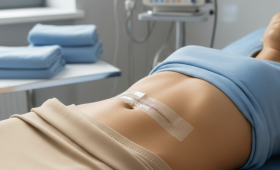
The period following a major reconstructive procedure, such as a abdominoplasty (tummy tuck) combined with breast augmentation or diastasis recti repair, is a delicate window of physiological stabilization. For patients traveling internationally to Turkey for a “Mommy Makeover,” the most critical question is not just about the surgery itself, but about the logistics of the return flight. The intersection of post-surgical healing and the atmospheric changes of high-altitude travel presents a unique set of clinical considerations that every patient must navigate with precision.
The Physiological Impact of Flight on Post-Surgical Healing
Flying involves exposure to hypobaric conditions—reduced atmospheric pressure—which can influence the interstitial fluid dynamics within the body. Following an abdominoplasty, the body is already managing significant localized edema (swelling). As cabin pressure drops during ascent, the expansion of gases and fluids can potentially exacerbate postoperative swelling, putting undue tension on fresh incision lines and the underlying abdominal fascia.
More critically, the primary clinical concern for patients undergoing extensive contouring—particularly those involving Vaser Liposuction for high-definition contouring—is the risk of Venous Thromboembolism (VTE), which includes Deep Vein Thrombosis (DVT). The prolonged immobility required during long-haul flights, combined with the localized inflammatory response triggered by surgical trauma, necessitates a highly calculated departure timeline. The goal is to ensure that the patient has reached a stage of hemodynamic stability where the risk of blood clots is minimized.
“The decision to fly must be predicated on more than just the closing of the incision; it requires the mitigation of all systemic risks associated with venous stasis and pressure fluctuations.”
The Complexity of Post-Pregnancy Reconstruction
A successful “Mommy Makeover” is rarely a singular procedure; it is a sophisticated orchestration of various surgical techniques designed to restore the anatomical integrity lost during pregnancy. Understanding these technical nuances is essential for assessing flight readiness.
- Diastasis Recti Repair: This is a fundamental component of abdominal reconstruction. It involves the internal corset suturing of the abdominal fascia to close the separation of the rectus abdominis muscles. Because this procedure involves deep, structural tension, the patient’s ability to manage abdominal pressure during flight is paramount.
- Abdominoplasty Variations: Depending on the degree of skin laxity and muscle separation, surgeons may utilize a Full, Mini, or Extended (360) tummy tuck. An Extended (360) tuck, which addresses the flanks as well as the abdomen, requires a more conservative flight timeline due to the increased surface area of the surgical site.
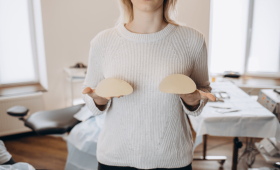
- Breast Augmentation and Lift: To restore volume and position, surgeons utilize high-quality, JCI-approved implants, such as Mentor, Motiva, or Polytech. The stability of these implants and the integrity of the submuscular or subglandular pocket are vital during the early inflammatory phase.
- Advanced Contouring: The use of Vaser Liposuction allows for precise fat removal with minimal disruption to surrounding tissue, which can aid in a smoother recovery, though the risk of fluid shifts during flight remains a consideration.
The Safety Benchmark: The 7-to-10 Day Rule
When planning a medical journey to Turkey, the recovery timeline is non-negotiable. The standard protocol for patients flying from major hubs like Istanbul (IST) or Antalya (AYT) involves a mandatory period of local convalescence. The recommended duration is 7-10 days in Turkey before attempting a long-haul flight.
This initial period allows the surgical team to monitor for complications such as seromas (fluid accumulation) or hematomas (blood collection) in a controlled environment. During this time, the patient is often situated in 5-star recovery suites with companion stay included, ensuring that the transition from the operating theatre to the flight is managed with professional oversight. While full exercise return may take up to 6 weeks, the immediate focus is on the stabilization of the surgical site and the prevention of postoperative complications during transit.
The Logistics of Global Excellence in Turkey
Turkey has emerged as the global epicenter for advanced aesthetic reconstruction, not merely due to cost-efficiency, but because of a highly integrated medical-logistical ecosystem. The seamlessness of the patient journey is designed to reduce the physiological stress of travel, which is a key component of post-operative safety.
Upon arrival, patients are met with VIP private transfers from the airport to the clinic, eliminating the physical strain of navigating unfamiliar transit systems. This level of care extends to the pre-operative phase, where free online video assessments with board-certified plastic surgeons allow for precise surgical planning and a realistic understanding of the post-flight recovery requirements before the patient even leaves their home country.
The Economic Landscape of Aesthetic Reconstruction
The ability to access premium surgical techniques and luxury recovery care in Turkey is made possible by the significant cost differentials compared to Western healthcare systems. For patients planning their restoration, understanding the investment required for different levels of care is essential.
Below is a breakdown of the estimated investment for common reconstructive configurations:
- Standard Package (e.g., Breast Lift + minor contouring): 4,500 – 7,500 USD
- Advanced Combination (e.g., Full Tummy Tuck + Breast Augmentation + Liposuction): 8,000 – 12,000 USD
- Standalone Tummy Tuck: 3,000 – 5,000 USD
- Standalone Breast Lift: 2,500 – 4,500 USD
- Liposuction (per area): 500 – 1,500 USD
- BBL (Brazilian Butt Lift/Fat Transfer): 3,500 – 5,500 USD
By integrating high-level surgical expertise—such as the precision of Vaser Liposuction and the structural integrity of internal corset suturing—with a robust logistical framework, Turkey provides a safe, medically-sound environment for patients to undergo transformative post-pregnancy restoration and safely navigate the journey back home.
The Physiological Implications of Post-Operative Air Travel
The primary concern for any patient planning a flight following an abdominoplasty (tummy tuck) is the risk of Venous Thromaembolism (VTE), which encompasses Deep Vein Thrombosis (DVT) and Pulmonary Embolism (PE). In the immediate post-operative period, the body is managing significant inflammatory responses, subcutaneous edema, and the physiological stress of surgical trauma. The altered hemodynamics and the atmospheric pressure changes within a pressurized cabin can exacerbate venous stasis—a condition where blood flow slows down in the lower extremities.
To mitigate these risks, the clinical recommendation for patients undergoing significant reconstructive procedures is to avoid long-haul flights for a specific window. While the internal healing of the Diastasis Recti repair—which involves the intricate, internal corset suturing of the abdominal fascia—begins immediately, the external stability of the wound and the reduction of swelling are much slower processes. For most patients, a period of 7-10 days in Turkey is the essential baseline to ensure that the risk of postoperative hematoma or uncontrolled edema is minimized before facing the physiological rigors of flight.
The Surgical Transformation: Anatomy of a Combination Procedure
Modern aesthetic surgery has moved beyond single-site corrections toward “Advanced Combination” protocols. These procedures are designed to address the full contour of the midsection and flanks, rather than just the anterior abdominal wall. The technical complexity of these surgeries relies on the synergy of different technologies:
- Abdominoplasty Variations: Depending on the patient’s skin laxity and muscle separation, surgeons may perform a Full, Mini, or Extended (3LT) tummy tuck. The Extended (360) approach is particularly effective for patients requiring circumferential contouring.
- Vaser Liposuction: Unlike traditional mechanical suction, Vaser technology uses ultrasound to emulsify subcutaneous adipose tissue. This allows for high-definition contouring with significantly less trauma to the surrounding interstitial structures, resulting in minimal bruising and a more streamlined recovery.
- Structural Reconstruction: The hallmark of a high-quality tummy tuck is the Diastasis Recti repair. By suturing the separated rectus abdominus muscles back to the midline, the surgeon restores the “internal corset,” providing a flatter, more stable abdominal wall.
- Augmentation and Integration: Often, the abdominal sculpture is paired with breast reconstruction using JCI-approved implants such as Mentor, Motiva, or Polytech, or paired with BBL fat transfer to redistribute harvested adipose tissue to the gluteal region.
Case Study: The Journey of a 34-Year-Old Irish Mother
To understand the patient journey, consider the case of a 34-year-old mother of three from Ireland. Following multiple pregnancies, she presented with significant abdominal ptosis (sagging) and lateral flank heaviness. Her initial goal was a simple abdominoplasty, but after a free online video assessment with board-certified plastic surgeons, her surgical plan was evolved into a comprehensive body contouring strategy.
Her procedure utilized an Advanced Combination approach. The surgeons addressed the abdominal skin laxity via an extended tummy tuck, performed Diastasis Recti repair to tighten the core, and utilized Vaser Liposultion on the flanks to refine the waistline. Because she was traveling from Ireland, the logistics were seamlessly integrated into her recovery. Upon arrival at Istanbul (IST) or Antalya (AYT), she was met with VIP private transfers that transported her directly from the airport to her 5-star recovery suite.
Her recovery period was structured to prioritize safety. During her 7-10 days in Turkey, she remained in a controlled environment where her postoperative monitoring was paramount. This period allowed the initial inflammatory phase of the surgery to subside before her return flight to Ireland. By the time she reached the 6 weeks for full exercise return milestone, the structural integrity of her abdominal fascia was stable, and the risk of travel-induced complications had significantly decreased.
Financial Investment in Aesthetic Excellence
The complexity of these combined procedures reflects the specialized skill and advanced technology required. Patients must weigh the standard surgical options against the comprehensive nature of combination packages. Below is a breakdown of the typical investment required for these transformative procedures:
- Standard Package (Single Area): 4,500 – 7,500 USD
- Advanced Combination (Multi-area contouring): 8,000 – 12,000 USD
- Tummy Tuck (Standalone): 3,000 – 5,000 USD
- Breast Lift (Mastopexy): 2,500 – 4,500 USD
- Liposuction (Per targeted area): 500 – 1,500 USD
- BBL (Fat Transfer to Gluteal Region): 3,500 – 5,500 USD
JCI Standards: The Foundation of Patient Safety
When planning international surgery, the clinical environment is as critical as the surgeon’s skill. Adhering to JCI (Joint Commission International) safety standards ensures that the surgical theatre, sterilization protocols, and post-operative care units meet a global benchmark of excellence. For the patient, this means that every aspect of the transformation—from the handling of Motiva or Polytech implants to the management of anesthesia—is subject to rigorous, standardized audits.
This high level of clinical oversight is why the recovery period in Turkey is not merely a vacation, but a vital component of the surgical outcome. The presence of 5-star recovery suites with companion stay included allows for a level of personalized post-operative care that is often difficult to achieve in a domestic setting. This proximity to the surgical team during the most vulnerable days of healing is the ultimate safeguard against the complications of early travel.
The Physiological Imperative: Why Flight Timing is Non-Negotiable
The period following an abdominoplasty—whether you are undergoing a Mini, Full, or Extended (360) tummy tuck—is characterized by significant physiological adjustments. The primary concern for any patient planning to fly is the risk of Venous Thromboembolism (VTE), specifically Deep Vein Thrombosis (DVT). Post-surgical inflammation and the period of reduced mobility can increase blood viscosity, making the pressurized, seated environment of a long-haul flight a clinical risk.
While the biological healing of the skin surface may appear stable within a few days, the deeper structural changes require more time. For instance, the Diastasis Recti repair, which involves the intricate internal corset suturing of the abdominal fascia, creates a period of heightened sensitivity to intra-abdominal pressure changes. The cabin pressure fluctuations during a flight from Istanbul (IST) or Antalya (AYT) back to the UK or USA can theoretically impact localized edema (swelling).
To mitigate these risks, the clinical standard for patients traveling to Turkey involves a mandatory 7-10 days in Turkey for supervised recovery. This window allows for the initial stabilization of the surgical site, the management of any seroma formation, and the commencement of essential mobility exercises to prevent stasis. While you may be cleared to fly after this period, please note that 6 weeks for full exercise return is the standard benchmark for ensuring the integrity of the fascia and the subcutaneous sutures.
The Technical Complexity of the Recovery Window
The complexity of your post-operative itinerary is directly proportional to the technical specifications of your procedure. Patients opting for high-definition contouring using Vaser Liposuction face a different inflammatory profile than those undergoing a traditional abdominoplasty. Vaser technology uses ultrasonic frequencies to emulsify fat cells with minimal bruising, yet the sheer volume of liposuction can still lead to significant postoperative fluid shifts.
When procedures are combined—such as a tummy tuck paired with BBL fat transfer or breast augmentation—the recovery logistics become more demanding. If your surgery involves breast implants (using JCI-approved brands such as Mentor, Motiva, or Polytech), the management of lymphatic drainage and postural restrictions becomes a priority. This is why the “recovery villa” model is becoming the gold standard in Turkey.
“Post-operative success is not merely defined by the surgeon’s skill in the operating theatre, but by the controlled environment in which the patient’s body is allowed to settle before the stressors of international travel are introduced.”
Optimizing Post-Operative Logistics and Childcare
One of the most significant hurdles for patients traveling from the UK or USA is the logistical “re-entry” into daily life. The transition from a 5-star recovery suite back to a household with domestic responsibilities requires meticulous planning. In Turkey, the recovery package is designed to alleviate this burden through highly structured care.
The use of 5-star recovery suites with companion stay included is a cornerstone of the Turkish medical tourism model. Having a companion present is not a luxury; it is a clinical necessity for monitoring vitals, assisting with the use of compression garments, and managing early post-operative mobility. For patients with young children, the “fly-home” timeline must account for a period of “restricted domesticity.” You should not plan for heavy lifting, bending, or strenuous childcare for at least the first few weeks of your return.
Furthermore, the logistical ease provided in Turkey—ranging from VIP private transfers from airport to clinic to free online video assessments with board-certified plastic surgeons—ensures that the patient’s focus remains entirely on physiological healing. This seamless transition reduces the cortisol levels that can otherwise impede the wound-healing process.
2026 Cost Breakdown: Turkey vs. UK/USA
As we look toward 2026, the economic disparity between elective surgery in Turkey and the UK or USA remains substantial. However, the value must be measured against the “all-inclusive” nature of the Turkish model, which incorporates luxury accommodation, transfers, and specialized aftercare that are rarely included in Western medical quotes.
The following breakdown outlines the projected costs for 2026, highlighting the transparency of the Turkish surgical packages:
- Standard Package (Comprehensive Recovery): 4,500 – 7,500 USD
- Advanced Combination (e.g., Tummy Tuck + BBL/Lipo): 8,000 – 12,000 USD
- Standalone Abdominoplasty (Full/Extended): 3,000 – 5,000 USD
- Breast Augmentation (Motiva/Polytech/Mentor): 2,500 – 4,500 USD
- Liposuction (Per targeted area): 500 – 1,500 USD
- BBL (Fat Transfer component): 3,500 – 5,500 USD
When compared to the UK or USA, where a single abdominoplasty can easily exceed 15,000 USD without including the high cost of post-operative nursing care or premium accommodation, the Turkish model offers a significant reduction in total expenditure. For those seeking to optimize their 2026 surgical budget, it is essential to view these figures through the lens of the total recovery ecosystem—including the VIP transfers, the 5-star suites, and the professional aftercare that ensures a safe journey home.
Considering a Mommy Makeover in Turkey? Get a Free Quote for your Flying after a Tummy Tuck Transformation with cureholiday.com
Free Consultation
Fill out the form below to get your free medical travel plan and price quote.
Sources and how to verify this yourself
- Ministry of Health, Regulation on International Health Tourism and Tourist Health, Official Gazette 26 April 2025, No. 32882 — authorisation requirement for facilities and intermediaries, TÜSKA accreditation, compulsory complication insurance (deadline 31 December 2025 for insurance, 31 December 2026 for accreditation). source
- Ministry of Health, Regulation on Promotion and Information Activities in Health Services, Official Gazette 12 November 2025, No. 33075 — treatment promises and guarantees are prohibited; price and campaign announcements are permitted only within international health tourism. source