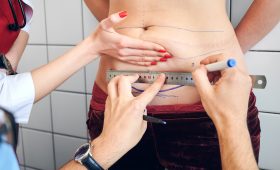
Cost and planning note (Mommy Makeover 2026)
The figures below are indicative market ranges, not a quote: your own price is confirmed after a clinical assessment.
Indicative price range: Standard Package: 4,500 – 7,500 USD | Advanced Combination: 8,000 – 12,000 USD | Tummy Tuck: 3,000 – 5,000 USD | Breast Lift: 2,500 – 4,500 USD | Liposuction Per Area: 500 – 1,500 USD | Bbl Fat Transfer: 3,500 – 5,500 USD
Facility standards: In Türkiye, any facility treating international patients must hold the Ministry of Health’s international health tourism authorisation; hospitals and medical centres must also be accredited by TÜSKA, and complication insurance is compulsory for procedures carried out in an operating theatre (Regulation of 26 April 2025).
Recovery Focus: Post-pregnancy body restoration & safety first.
Currency: GBP, EUR, USD accepted.
How to Spot “Low-Cost Traps”: Warning Signs of Cheap vs. Value Clinics
The Illusion of the Bargain: Distinguishing Surgical Value from Medical Risk
In the era of medical tourism, the digital landscape is saturated with “too-good-to-be-true” pricing for Mommy Makeovers. For a patient seeking post-pregnancy restoration, the temptation to opt for the lowest quote is significant. However, in aesthetic surgery, price is rarely a measure of simple savings; it is a reflection of the surgical methodology, the quality of the biomaterials used, and the level of perioperative care provided. A “low-undercut” clinic often achieves its margins by compromising on the technical complexity of the procedure or by utilizing inferior, non-standardized consumables.
True medical value is found in the transparency of the surgical plan. When evaluating a clinic, one must look past the headline figure and interrogate the clinical specifics. Are you being offered a basic excision, or a sophisticated reconstruction? Is the surgeon performing a superficial contouring, or a deep-tissue restoration?
The Anatomy of a Technical Compromise: Beyond the Surface
The primary danger of “low-cost traps” lies in the omission of essential reconstructive steps. Post-pregnancy restoration often requires much more than skin removal; it requires the correction of structural musculoskeletal changes. For example, a common “trap” is a clinic offering a “tummy tuck” price that excludes Diastasis Recti repair. Authentic abdominal contouring involves more than just an abdominoplasty; it requires the internal corset suturing of the abdominal fascia to close the separation of the rectus abdominis muscles. Without this foundational step, the patient may experience persistent bulging or a lack of core stability, rendering the aesthetic result superficial and structurally unsound.
Furthermore, the complexity of the abdominoplasty itself varies significantly. High-value clinics provide tailored options based on the patient’s anatomical needs, specifically:
- Mini Abdominoplasty: Focused on the lower abdomen, suitable for minimal skin laxity.
- Full Abdominoplasty: Addressing the entire abdominal wall from the pubic area to the ribcage.
- Extended (360) Tummy Tuck: A comprehensive approach that includes the flanks, often paired with liposuction to create a seamless circumferential contour.
Similarly, in breast augmentation and lifting, the “trap” often manifests in the use of non-standardized or unverified implants. A premium surgical standard necessitates the use of JCI-approved implants, such as Mentor, Motiva, or Polytech. These brands are globally recognized for their shell integrity and cohesive gel technology. A clinic that cannot explicitly name their implant manufacturer—or offers prices that seem impossible given the cost of these high-end devices—is a significant red flag.
Decoding the Financial Architecture of Quality Care
To avoid the pitfalls of predatory pricing, patients must understand the standard market rates for high-tier, all-inclusive medical packages. The following figures represent the benchmark for comprehensive, high-value care in Turkey’s premier medical hubs, where the economy of scale allows for lower costs without sacrificing surgical excellence:
Standard Post-Pregnancy Packages:
- Standard surgical package: 4,500 – 7,500 USD
- Advanced combination (e.g., Tummy Tuck + Breast Lift + Lipo): 8,000 – 12,000 USD
When analyzing individual components, the pricing should align with the technical difficulty of the procedure. If a quote for a tummy tuck falls significantly below 3,000 – 5,000 USD, or a breast lift is offered far below 2,500 – 4,500 USD, the clinic may be omitting critical costs such as anesthesia, surgical theatre fees, or post-operative compression garments. For localized contouring, liposuction per area typically ranges from 500 – 1,500 USD, while the more complex BBL (Brazilian Butt Lift) fat transfer—which involves delicate cannulation and precise subcutaneous injection—is valued between 3,500 – 5,500 USD.
Why Turkey Remains the Global Benchmark for Value-Driven Excellence
The reason Turkey has emerged as the global epicenter for Mommy Makeovers is not due to “cheap labor,” but rather due to a highly sophisticated medical infrastructure designed for high-volume, high-standard care. The “Value” model in Turkey leverages a seamless integration of medical expertise and luxury hospitality, creating a standard of care that is often difficult to replicate in Western private practices.
The hallmark of a high-value Turkish clinic is the precision of its technology. Instead of traditional, more traumatic cannula methods, premier facilities utilize Vaser Liposuction. This ultrasonic technology allows for high-definition contouring with minimal bruising, as it uses low-frequency ultrasound to emulsify fat cells without damaging the surrounding vascular or neural structures. This precision is vital for the “post-baby” patient who requires a rapid return to their daily routine.
The logistical excellence of the Turkish medical model further distinguishes it from the “low-cost” traps. A professional medical itinerary includes:
- Seamless Logistics: Arrival via Istanbul (IST) or Antalya (AYT) with VIP private transfers from the airport directly to the clinic or hotel.
- Recovery Environment: Accommodation in 5-star recovery suites, often with companion stay included, ensuring the patient has a sterile, comfortable, and supported environment for the immediate post-operative period.
- Pre-Operative Transparency: The ability to undergo free online video assessments with board-certified plastic surgeons, allowing for a detailed anatomical review long before the patient leaves their home country.
The Recovery Benchmark: Setting Realistic Expectations
A final warning sign of a low-cost trap is the promise of an impossibly fast recovery. High-quality surgical care respects the biological timeline of tissue healing. Following a complex procedure involving abdominoplasty and breast reconstruction, the standard clinical protocol requires 7-10 days in Turkey for the initial healing phase and close monitoring by the surgical team. However, patients must be informed that a full return to intense physical exercise typically requires 6 weeks to ensure the structural integrity of the internal sutures—particularly the abdominal fascia—is not compromised.
When evaluating your surgical options, prioritize the clinic that provides a detailed breakdown of surgical techniques, implant brands, and a realistic physiological recovery timeline. In the pursuit of restoration, the most expensive surgery is the one that must be performed a second time to correct a failed first attempt.
The Illusion of the “Bargain” Surgery: Decoding the Low-Cost Trap
In the realm of medical tourism, the most dangerous predator is not a lack of skill, but the illusion of an unbeatable price. Patients often enter the market searching for the lowest possible quote, inadvertently entering a “low-cost trap.” These traps are characterized by clinics that slash prices by compromising on the three pillars of surgical safety: surgeon accreditation, implant integrity, and anesthetic oversight. A “cheap” clinic may offer a tummy tuck for a fraction of the market rate, but the cost is often hidden in the fine print—unspecified implant brands, lack of specialized liposuction technology, or the absence of JCI (Joint Commission International) accredited surgical environments.
True “value” is not defined by the lowest number on an invoice, but by the comprehensiveness of the surgical protocol. A value-driven approach ensures that the surgeon is not merely performing an aesthetic change, but a structural restoration. For instance, a budget procedure might focus solely on skin excision, whereas a high-value procedure addresses the underlying Diastasis Recti repair, which involves the intricate internal corset suturing of the abdominal fascia to restore core stability.
Red Flags vs. Gold Standards: How to Audit Your Surgeon
To avoid the pitfalls of predatory pricing, patients must look beyond the initial quote and audit the technical specifications of the proposed surgery. Use the following checklist to differentiate between a high-risk “budget” clinic and a premium, value-oriented facility.
- Implant Provenance: Avoid clinics that refuse to name their manufacturer. Premium clinics only utilize JCI-approved implants from industry leaders such as Mentor, Motiva, or Polytech. Using unbranded or “generic” silicone is a critical red flag for potential capsular contracture and long-term rejection.
- Technology Integration: Low-cost clinics often rely on traditional, manual liposuction, which can lead to significant trauma and unevenness. Value-driven surgeons utilize Vaser Liposuction, a specialized ultrasound-assisted technology designed for high-definition contouring with minimal bruising and enhanced fat cell preservation.
- Surgical Scope: A “cheap” tummy tuck may only address the dermis. A comprehensive, value-based approach offers various levels of complexity, including Full, Mini, or Extended (360) options to address the entire circumference of the torso.
- Anesthetic Safety: Always verify that the facility operates under JCI standards, ensuring that the anesthesiologist is board-certified and that the operating theater meets international sterilization protocols.
Case Study: Restoring Confidence through Structural Transformation
To understand the difference between a superficial procedure and a transformative journey, consider the case of a 34-year-old Irish mother of three. Following three pregnancies, she presented with significant abdominal wall separation and loss of uterine-related skin elasticity. Her primary goal was not merely “flatness,” but a functional restoration of her midsection.
Her journey began with a free online video assessment with a board-certified plastic surgeon, where the surgeon identified that a simple skin tightening would be insufficient. The clinical recommendation was an advanced combination surgery. This complex procedure integrated a tummy tuck to address skin laxity, Vaser Liposuction to contour the flanks, and Diastasis Recti repair to suture the abdominal fascia.
“The transition from the initial consultation to the post-operative recovery was seamless. The focus wasn’t on the lowest price, but on the technical roadmap provided during our video assessment.”
Her logistics were handled with precision: arriving at Istanbul (IST), she was met via VIP private transfers and escorted to a 5-star recovery suite, which included a companion stay to assist with her post-operative care. Her recovery timeline was clearly defined: 7-10 days in Turkey for initial wound monitoring and swelling management, followed by a 6-week period before she was cleared for a full return to exercise.
The Financial Anatomy of Value: Transparent Pricing Structures
Transparency is the hallmark of a reputable surgical provider. Low-cost traps often use “teaser rates” that exclude essential components like anesthesia, medications, or post-operative garments. To assist in your planning, the following breakdown represents the industry standard for high-value, comprehensive surgical packages. When comparing quotes, ensure that the following components are explicitly included in the stated price.
- Standard Surgical Package: 4,500 – 7,500 USD (Typically covering single-area procedures with basic aftercare).
- Advanced Combination Surgery: 8,000 – 12,000 USD (The gold standard for patients requiring multi-area contouring, such as tummy tuck combined with liposuction).
- Abdominal Contouring (Tummy Tuck): 3,000 – 5,000 USD (Depending on whether the procedure is Full, Mini, or Extended 360).
- Breast Augmentation/Lift: 2,500 – 4,500 USD (Utilizing Mentor, Motiva, or Polytech implants).
- Liposuction (Per Area): 500 – 1,500 USD (When utilizing Vaser technology).
- BBL (Brazilian Butt Lift/Fat Transfer): 3,500 – 5,500 USD (Involving the harvest and precise placement of adipose tissue).
When a quote falls significantly below the 3,000 USD mark for a tummy tuck or 2,500 USD for a breast lift, it is imperative to ask: “What has been removed from this package to achieve this price?” Is it the surgeon’s experience? Is it the use of Vaser technology? Or is it the JCI-approved quality of the implants? In surgical transformation, the “savings” found in a low-cost trap are almost always paid for in the currency of physical complications and much higher revision costs.
For patients navigating these complex decisions, Cure Holiday specialists recommend prioritizing the surgical technique and the accreditation of the facility over the initial sticker price. True value lies in the intersection of advanced medical technology, surgeon expertise, and a seamless, luxury recovery experience.
The Anatomy of a “Low-Cost Trap”: Distinguishing Price from Value in Turkish Plastic Surgery
In the landscape of medical tourism, the allure of a bottom-dollar price point can be psychologically overwhelming. When comparing surgical quotations, the primary danger lies in the “Low-Cost Trap”—a scenario where a quote appears significantly lower than the market average because essential components of the surgical standard of care have been omitted. True value in Turkey is not found in the lowest price, but in the comprehensive integration of surgical precision, high-specification medical hardware, and a seamless recovery ecosystem.
A “cheap” clinic often operates on a high-volume, low-margin model that may compromise the complexity of the procedure. For instance, a quote that fails to specify the surgical technique—such as whether a tummy tuck is a Full, Mini, or Extended (306) procedure—is a significant red flag. Similarly, the absence of clarity regarding the management of Diastasis Recti (the separation of the abdominal muscles) suggests a lack of surgical depth. High-value clinics prioritize the internal corset suturing of the abdominal fascia to ensure long-term structural integrity, a detail often overlooked in budget-driven quotations.
Technical Integrity: The Indicators of Surgical Value
To identify a value-driven clinic, one must look beyond the initial quote and audit the technical specifications of the surgery. The quality of the technology used directly impacts your post-operative morbidity and the aesthetic longevity of the results. When evaluating providers, look for the following benchmarks of excellence:
- Advanced Liposuction Modalities: Premium clinics utilize Vaser Liposuction. Unlike traditional mechanical liposuction, Vaser uses ultrasound energy to emulsify fat cells, allowing for high-definition contouring with significantly reduced trauma to the surrounding tissue and minimal bruising.
- Prosthetic Standardization: The safety profile of breast augmentation is inextricably linked to the device’s regulatory status. Ensure the clinic utilizes JCI-approved implants, specifically from reputable manufacturers such as Mentor, Motiva, or Polytech.
- Complexity of Reconstruction: For abdominal procedures, a value-driven clinic will differentiate between simple skin excision and complex reconstruction involving Diastasis Recti repair to ensure the midsection is structurally reinforced.
“The difference between a budget procedure and a premium surgical intervention is often found in the invisible details: the suture material used for fascial closure, the specific technology for fat emulsification, and the regulatory accreditation of the implants.”
202able Cost Breakdown: Transparent Pricing vs. Hidden Fees
A transparent clinic will provide a breakdown that accounts for the entire surgical episode. Low-cost traps often present a “surgical fee” that excludes the essential components of the recovery package, leading to “sticker shock” once logistics are added. Below is a realistic breakdown of the current market rates for high-standard, value-based care in Turkey:
Standard Comprehensive Packages: 4,500 – 7,500 USD (Includes surgery, 5-star accommodation, and transfers)
Advanced Combination Packages: 8,000 – 12,000 USD (Multiple procedures, e.g., Liposuction combined with BBL or Tummy Tuck)
Individual Procedure Benchmarks:
- Tummy Tuck (Abdominoplasty): 3,000 – 5,000 USD
- Breast Lift (Mastopexy): 2,500 – 4,500 USD
- BBL (Brazilian Butt Lift) with Fat Transfer: 3,500 – 5,500 USD
- Liposuction (Per targeted area): 500 – 1,500 USD
When a quote falls significantly below these ranges, it is imperative to ask: What has been excluded? Are the 5-star recovery suites included? Is the companion’s stay covered? Is the VIP private transfer from Istanbul (IST) or Antalya (AYT) accounted for?
The Logistics of Recovery: The Post-Op Ecosystem
The “Value” in a premium clinic is heavily weighted toward the post-operative period. Surgery is only 50% of the result; the remaining 50% is managed through meticulous aftercare and recovery logistics. A low-cost provider often treats the patient as a “transaction” to be flown home as quickly as possible, whereas a value-driven provider manages your biological healing timeline.
The Recovery Timeline:
The standard protocol for a safe transition involves a 7-10 day period in Turkey. This window is critical for the initial inflammatory phase of healing, allowing for the monitoring of surgical sites, management of drains (if applicable), and the prevention of early complications such as seromas or hematomas. Following this, patients should plan for a 6-week period of restricted activity before a full return to strenuous exercise.
Premium Aftercare Amenities:
High-end recovery in Turkey is centered around 5-star recovery suites. These are not merely hotels, but medically-adjacent environments designed for healing. A hallmark of a value-based package is the inclusion of a companion stay, recognizing that post-operative mobility is limited and having a trusted individual present is vital for both physical and psychological recovery.
Seamless Transportation:
The transition from Istanbul (IST) or Antalya (AYT) airports to your recovery suite should be frictionless. Premium clinics provide VIP private transfers, ensuring that the physical stress of travel is minimized. This prevents unnecessary physiological strain during the sensitive early stages of the healing process.
Strategic Planning: Consultations and Continuity of Care
Before committing to any surgical itinerary, the first step in verifying a clinic’s value is the pre-operative assessment. Avoid clinics that rely solely on WhatsApp photos without a clinical dialogue. High-value providers offer free online video assessments with board-certified plastic surgeons. This allows for a technical discussion regarding your anatomical suitability for Vaser Liposuction or the necessity of an Extended (360) Tummy Tuck.
By utilizing these video consultations, you can audit the surgeon’s approach to Diastasis Recti repair and confirm the use of JCI-approved implants long before you depart your home country. This level of transparency is the ultimate safeguard against the “Low-Cost Trap,” ensuring that your investment is directed toward surgical excellence and a secure, luxurious recovery.
Considering a Mommy Makeover in Turkey? Get a Free Quote for your How to Spot “Low-Cost Traps” Transformation with cureholiday.com
Free Consultation
Fill out the form below to get your free medical travel plan and price quote.
Sources and how to verify this yourself
- Ministry of Health, Regulation on International Health Tourism and Tourist Health, Official Gazette 26 April 2025, No. 32882 — authorisation requirement for facilities and intermediaries, TÜSKA accreditation, compulsory complication insurance (deadline 31 December 2025 for insurance, 31 December 2026 for accreditation). source
- Ministry of Health, Regulation on Promotion and Information Activities in Health Services, Official Gazette 12 November 2025, No. 33075 — treatment promises and guarantees are prohibited; price and campaign announcements are permitted only within international health tourism. source