About the prices on this page. The figures below are indicative market prices and country comparisons, not a quote. Our own current, all-inclusive prices are published on our cosmetic surgery in Turkey page, and we confirm your figure in writing before you commit to anything.
Cost and planning note (2026)
The figures below are indicative market ranges for 2026, not a quote: your own price depends on the clinic, the surgeon and your clinical assessment.
Indicative price range: Rhinoplasty: 2,800 – 4,500 USD | Facelift Deep Plane: 4,500 – 8,000 USD | Liposuction Vaser: 2,500 – 4,000 USD | Mommy Makeover: 6,000 – 10,000 USD
Facility standards: In Türkiye, any facility treating international patients must hold the Ministry of Health’s international health tourism authorisation; hospitals and medical centres must also be accredited by TÜSKA, and complication insurance is compulsory for procedures carried out in an operating theatre (Regulation of 26 April 2025). Ask us for the authorisation of the facility you are matched with.
Currency: USD / EUR / GBP accepted at all clinics.
Liposuction for Mature Skin: How Turkish Surgeons Combine Fat Removal with Skin Tightening
Liposuction for Mature Skin: A Technical Overview
The demand for body contouring procedures continues to rise across all age demographics. However, performing liposuction on mature skin—defined here as patients typically over 55 exhibiting decreased elasticity—presents unique challenges. This pillar will delve into the technical aspects of how Turkish surgeons are approaching liposuction in this patient population, specifically focusing on the crucial integration of fat removal techniques with concurrent skin tightening strategies. Simply removing subcutaneous fat in patients with compromised dermal support can exacerbate ptosis and create an undesirable aesthetic outcome.
Understanding the Physiological Changes in Mature Skin
With age, the dermis undergoes significant structural alterations. Collagen and elastin fiber production declines, resulting in reduced skin thickness, diminished elasticity, and decreased tensile strength. The subcutaneous fat layer also thins, although regional fat distribution often shifts, contributing to areas of localized excess. Critically, the superficial fascia, which anchors the skin to the underlying muscle, can become attenuated and lose its structural integrity. This physiological change is paramount when considering liposuction; traditional techniques alone may yield suboptimal, or even detrimental, results.
The Role of Vaser Hi-Def Liposuction
Turkish surgeons specializing in mature patient care are increasingly utilizing Vaser Hi-Def liposuction (2,500 – 4,000 USD) as a cornerstone technique. This ultrasound-assisted liposuction (UAL) modality offers several advantages over traditional liposuction. Vaser utilizes specific frequencies to selectively emulsify fat cells while sparing surrounding tissues, including blood vessels and nerves. This results in less trauma, reduced swelling, and a quicker recovery period. However, the key benefit for mature skin lies in Vaser’s ability to create precise tissue planes, minimizing blunt dissection and preserving the delicate dermal architecture.
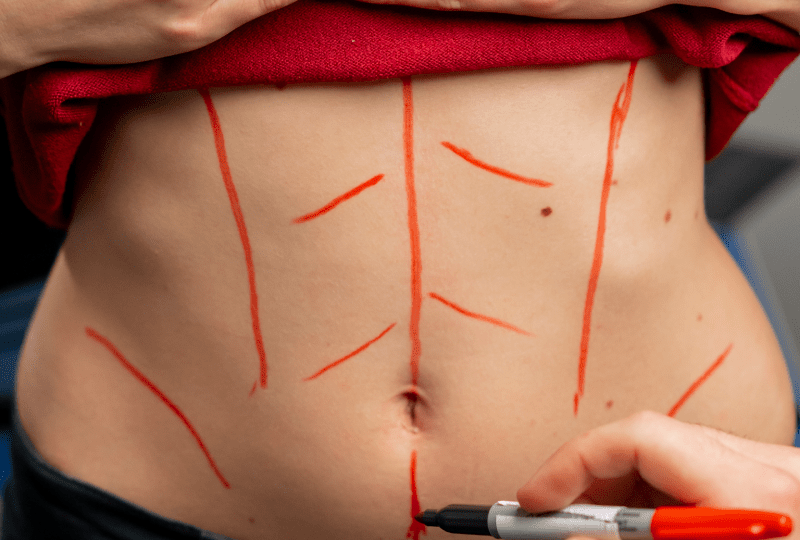
The technique involves careful mapping of the subcutaneous fat compartments and strategic application of Vaser energy. This allows for targeted fat removal without significant disruption of the connective tissue septae that provide structural support to the skin. A key difference in mature skin is the avoidance of aggressive, large-volume fat extraction in a single session. Instead, staged procedures, spaced several months apart, are often preferred. This allows the skin to adapt to the volume reduction and minimizes the risk of skin laxity.
Combining Liposuction with Skin Tightening Technologies
The true innovation lies in the concurrent employment of skin tightening modalities. Turkish surgeons recognize that liposuction in mature skin is rarely, if ever, a standalone procedure. Several approaches are utilized, often in combination:
- Radiofrequency (RF) Assisted Liposuction: Integrating RF energy during the liposuction process delivers controlled heat to the deeper dermal layers. This stimulates collagen and elastin neo-collagenesis, promoting skin contraction and improving elasticity. The RF handpiece is often used immediately following fat removal in the same surgical plane.
- Plasma Pen Technology: Post-liposuction, a Plasma Pen can be utilized to further stimulate collagen remodeling. This non-invasive technology creates micro-perforations in the skin, triggering a wound healing response that results in tightening and improved texture. The depth of penetration is carefully calibrated to avoid damage to the underlying tissues.
- Subdermal Collagen Stimulation: Injectable collagen stimulators, such as poly-L-lactic acid (PLLA), are frequently administered after liposuction. These substances provide a scaffold for new collagen growth, gradually improving skin thickness and firmness over several months.
- Deep Plane Facelift Considerations: For patients with significant skin laxity and facial volume loss, a concurrent Deep Plane Facelift (4,500 – 8,000 USD) can address the overall facial rejuvenation goals and provide synergistic benefits with the body contouring procedure. This approach aims to restore the underlying support structures of the face while simultaneously refining the body shape.
Technical Nuances & Surgical Planning
Pre-operative assessment is crucial. Surgeons employ tools such as the Biophotogrammetric Imaging System (BIS) to quantify skin elasticity and accurately predict post-operative skin laxity. This data informs the surgical plan, guiding the volume of fat removed and the selection of appropriate skin tightening modalities.
During the procedure, meticulous hemostasis is paramount. The use of tourniquets and careful coagulation techniques minimize blood loss and swelling, contributing to faster recovery and improved aesthetic outcomes. Furthermore, the surgeon must pay close attention to the preservation of the superficial fascia. In cases of significant fascial attenuation, a fascial release or suspension technique may be employed to provide additional support to the skin. This is a more advanced technique requiring specialized surgical skill.
Post-Operative Protocol and Recovery
Post-operative care is critical for optimizing results. Compression garments are worn for an extended period (typically 6-8 weeks) to minimize swelling and support the newly contoured tissues. Lymphatic drainage massage is also recommended to further reduce edema and promote skin contraction. The average recovery time in Turkey is 7-10 days, with final results typically visible after 3-6 months. Patient adherence to post-operative instructions is strongly emphasized.
Turkish Medical Standards and Considerations
Turkey has become a prominent destination for medical tourism, attracting patients seeking high-quality cosmetic procedures at competitive prices. Facilities offering these procedures are increasingly adhering to international standards, with many being JCI (Joint Commission International) Accredited and fully regulated by the Ministry of Health. Patients can expect a high level of medical expertise and a commitment to patient safety. The preferred currencies are USD, EUR, and GBP, and an E-visa is available for most citizens of the UK, US, and EU, allowing for a 90-day stay. Recovery can be tailored to suit patient preferences, with options ranging from bustling Istanbul (City/Boutique) to relaxing Antalya (Resort/Beach) or the therapeutic environment of Izmir (Aegean/Thermal).
It is important to note that the success of liposuction in mature skin is heavily dependent on realistic expectations and a comprehensive surgical plan tailored to the individual patient’s anatomy and skin characteristics.
Liposuction for Mature Skin: A Combined Approach by Turkish Surgeons
As we age, the subcutaneous tissues lose elasticity, and the dermal support structure weakens. This manifests as skin laxity, even in individuals of normal weight. Traditional liposuction, while effective at removing fat, can sometimes exacerbate this issue in mature patients, leading to suboptimal aesthetic results. Turkish surgeons are at the forefront of addressing this challenge by integrating advanced fat removal techniques with concurrent skin tightening procedures, optimizing outcomes for patients seeking body contouring at any age. This pillar delves into the surgical journey, technical details, a patient case study, and meticulous risk mitigation strategies employed in these combined procedures.
Surgical Techniques: Beyond Simple Fat Extraction
The approach to liposuction in mature skin isn’t merely about volume reduction; it’s about restoring structural support. Surgeons in Turkey frequently utilize Vaser Hi-Def liposuction (2,500 – 4,000 USD), an ultrasound-assisted liposuction (UAL) technique. Unlike traditional tumescent liposuction which relies on physical dislodgement of fat cells, Vaser utilizes precisely calibrated ultrasonic energy to selectively liquefy adipocytes while sparing surrounding tissues – nerves, blood vessels, and importantly, the fibrous septae. Preservation of these septae is crucial as they provide vital dermal support and contribute to skin retraction post-procedure.
However, Vaser alone isn’t always sufficient for patients with significant skin laxity. Here’s where complementary techniques come into play:
- Radiofrequency (RF) Assisted Liposuction: Integrating RF energy delivery during liposuction promotes collagen neo-collagenesis. The RF energy heats the deeper dermal layers, stimulating fibroblast activity and initiating a tightening effect during the procedure.
- Skin Tightening with Laser/Energy Devices: Immediately following liposuction, or as a staged procedure within the recovery period, surgeons utilize fractional CO2 laser resurfacing or other energy-based modalities like Morpheus8. These technologies further enhance collagen remodeling and improve skin texture and elasticity. The timing is critical; the post-liposuction inflammatory phase is conducive to maximal collagen synthesis.
- Mini-Abdominoplasty/Lower Body Lift Considerations: For patients with moderate to severe skin excess, particularly in the lower abdomen and thighs, a limited abdominoplasty or lower body lift may be incorporated. This involves excising redundant skin and directly tightening the abdominal fascia and underlying tissues. The extent of the procedure is minimized to align with the goals of liposuction and avoid excessive scarring.
The selection of these adjuncts depends on a thorough assessment of the patient’s skin quality (assessed via the Fitzpatrick scale and tissue elasticity measurements), the degree of laxity, and the desired aesthetic outcome. A critical component of the surgical plan is creating a precise “vector” of fat removal that complements the natural contours of the body and optimizes skin redraping.
Persona Case Study: Sarah, 45, UK Resident
Sarah, a 45-year-old woman from the UK, presented with localized fat deposits in her abdomen and flanks despite maintaining a healthy lifestyle. She expressed concern about potential skin laxity following liposuction, having observed negative outcomes in acquaintances. Her pre-operative assessment revealed mild-to-moderate skin laxity and good overall health.
The surgical plan involved Vaser Hi-Def liposuction of the abdomen and flanks, combined with immediate post-operative treatment with a fractional CO2 laser. During the Vaser procedure, meticulous attention was paid to preserving the dermal septae. The surgeon also employed a specific sculpting technique to enhance the natural waistline. Immediately after the liposuction, the fractional CO2 laser was applied to the treated areas to stimulate collagen production and initiate skin tightening. Sarah also received a course of post-operative lymphatic drainage massage, a crucial component of reducing swelling and optimizing skin contraction.
Post-operative images at 3 months showed a significant improvement in body contour, with minimal skin laxity. Sarah reported high satisfaction with the results, noting a more defined waistline and smoother skin texture. She stayed in Antalya for 7-10 days post-op to facilitate initial recovery and benefit from the resort setting.
Risk Mitigation & Post-Operative Management
While technologically advanced, this combined approach isn’t without potential risks. Diligent risk mitigation is paramount.
- Seroma Management: Post-liposuction fluid accumulation (seroma) is a common occurrence. Prophylactic placement of drainage tubes, combined with compression garments, minimizes this risk.
- Skin Necrosis: While rare with meticulous technique, skin necrosis can occur, particularly in smokers or patients with compromised vascular supply. Pre-operative smoking cessation is strongly advised. Intraoperative monitoring of tissue perfusion is essential.
- Nerve Injury: Peripheral nerve injury is a potential complication of any liposuction procedure. Precise technique, low energy settings with Vaser, and careful tissue dissection minimize this risk.
- Asymmetry & Contour Irregularities: Achieving symmetry requires meticulous planning and precise fat removal. The surgeon should utilize 3D imaging to visualize the anatomy and anticipate potential asymmetries.
- Infection: Strict adherence to sterile technique and prophylactic antibiotics reduce the risk of infection.
Post-operative care is equally crucial. Patients are prescribed compression garments to be worn continuously for 4-6 weeks. Lymphatic drainage massage, as demonstrated in Sarah’s case, is initiated early to reduce swelling and promote healing. Regular follow-up appointments are scheduled to monitor progress and address any concerns. Patients are also advised on a healthy diet and exercise regimen to maintain their results.
Turkish medical facilities offering these procedures adhere to stringent standards, with many holding JCI (Joint Commission International) accreditation and operating under the regulation of the Ministry of Health. The cost of combined procedures, while varying based on the extent of work, generally falls within the range of 6,000 – 10,000 USD if a mini-abdominoplasty is also incorporated – comparable to costs in Western Europe and the US, but potentially lower when factoring in accommodation and travel expenses. Visas are readily available for citizens of the UK, US, and EU, allowing for a stay of up to 90 days. Recovery can be undertaken in various hubs throughout Turkey, including the cosmopolitan atmosphere of Istanbul, the resort amenities of Antalya, or the serene Aegean coast around Izmir.
Liposuction for Mature Skin: Navigating Recovery, Cost & Expertise in Turkey
Liposuction remains a highly sought-after procedure, even amongst mature patients. However, the realities of skin elasticity diminish with age, creating a unique set of challenges. Turkish surgeons are increasingly recognized for their combined approach – expertly removing subcutaneous fat while simultaneously addressing skin laxity, maximizing aesthetic outcomes. This pillar focuses on the practicalities of this process, specifically outlining recovery logistics, a cost comparison between Turkey and Western nations (specifically focusing on Antalya and Istanbul), and delivering a considered medical verdict.
Understanding the Physiological Shift in Mature Skin
As we age, the dermal layer of skin experiences a demonstrable decline in collagen and elastin production. These proteins are vital for maintaining structural integrity and recoil. Following liposuction, even with techniques like Vaser Hi-Def, mature skin has a reduced capacity to contract around the newly sculpted contours. This can result in residual skin laxity, leading to an unsatisfactory aesthetic result – a deflated or uneven appearance. Consequently, surgeons practicing in Turkey routinely incorporate adjunct procedures and meticulously tailored techniques to mitigate this risk.
Unlike younger patients who can often rely on inherent skin recoil, mature individuals benefit from procedures that actively stimulate neocollagenesis. These can range from radiofrequency (RF) treatments applied intra-operatively, to post-operative skin tightening technologies such as Morpheus8, or, in cases of significant laxity, a concurrent mini-facelift to address the specific area treated with liposuction. The objective is not simply fat removal, but a comprehensive rejuvenation of the treated region.
Recovery Logistics: Antalya vs. Istanbul
Post-liposuction recovery, regardless of location, typically follows a defined timeline. However, the environment and available support systems can significantly impact patient comfort and adherence to the recovery protocol. The standard recovery period in Turkey is 7-10 days, with final results visible after 3-6 months, though subtle improvements can continue for up to a year.
- Istanbul (City/Boutique): Istanbul offers a diverse range of recovery options, from luxury boutique hotels with dedicated nursing care to more affordable city-center accommodations. The benefit lies in accessibility to specialist follow-up appointments, immediate access to hospitals in case of complications, and a bustling urban environment for distraction. However, the pace of city life may not be conducive to complete rest, crucial in the initial post-operative phase. Compression garments are mandatory for at least six weeks, and frequent lymphatic drainage massage is highly recommended to minimize swelling and fibrosis.
- Antalya (Resort/Beach): Antalya presents a contrasting recovery experience. All-inclusive resorts offer a more tranquil setting, with readily available amenities and assistance. The warmer climate and access to the Mediterranean Sea (although swimming is prohibited during the initial recovery phase) can be psychologically beneficial. However, access to specialized post-operative care may be limited compared to Istanbul, necessitating careful planning and pre-arranged follow-up appointments. The focus in Antalya leans towards a more relaxed, holiday-style recovery, potentially requiring proactive self-management of wound care.
- Izmir (Aegean/Thermal): A less-travelled, but emerging, option is Izmir. Known for its thermal spas, Izmir offers a unique recovery environment focusing on holistic wellness, potentially aiding in reducing inflammation and promoting tissue healing.
Regardless of the chosen location, patients should anticipate the need for a compression garment worn consistently (except for showering) for a minimum of six weeks. Manual Lymphatic Drainage (MLD) is critical, typically starting 24-48 hours post-surgery and continuing for several weeks. Surgeons frequently recommend at least six sessions, but individual needs vary.
2026 Cost Audit: Turkey vs. Western Countries
The financial incentive of medical tourism in Turkey remains significant. However, a nuanced cost analysis must account for all associated expenses, including flights, accommodation, post-operative garments, and potential follow-up care upon return to the patient’s home country. The following provides a comparative overview:
- Liposuction (Vaser): In Turkey, the cost ranges from 2,500 – 4,000 USD. Comparable procedures in the US or UK typically range from $8,000 – $15,000 USD and £6,000 – £12,000 GBP, respectively.
- Deep Plane Facelift (Concurrent): If skin tightening surgery is required, a Deep Plane Facelift in Turkey costs 4,500 – 8,000 USD, significantly lower than the $12,000 – $20,000 USD (US) or £9,000 – £16,000 GBP (UK).
- Rhinoplasty (Often Combined): Many patients opt for combined procedures. Rhinoplasty in Turkey ranges from 2,800 – 4,500 USD, while similar procedures in Western countries cost $5,000 – $10,000 USD / £4,000 – £8,000 GBP.
- Mommy Makeover (Combined Liposuction + Abdominoplasty/Breast Lift): A comprehensive Mommy Makeover in Turkey costs 6,000 – 10,000 USD, significantly undercutting the $15,000 – $25,000 USD (US) or £12,000 – £20,000 GBP (UK) price range.
These costs are estimates and can vary based on the surgeon’s experience, the extent of the procedure, and the chosen facility. It’s imperative to scrutinize packages and understand exactly what is included (hospital stay, pre-operative tests, post-operative medications, follow-up consultations). Currency fluctuations in USD, EUR, and GBP should also be considered when budgeting.
The Final Medical Verdict: Why Turkish Surgeons Excel with Mature Skin
Turkish surgeons have garnered a reputation for addressing the challenges of liposuction in mature patients through a combination of technical skill, a proactive approach to skin tightening, and meticulous post-operative care. The routine incorporation of advanced technologies like Vaser Hi-Def, which minimizes trauma and stimulates collagen production, alongside the willingness to combine procedures – such as a mini-facelift or RF treatments – demonstrates a patient-centric philosophy.
Furthermore, the JCI accreditation and regulation by the Turkish Ministry of Health assure a baseline level of medical standards comparable to Western nations. The availability of e-visas for citizens of the UK, US, and EU, combined with the cost savings, makes Turkey an increasingly attractive destination for mature individuals seeking effective and affordable body contouring. However, thorough research, selecting a board-certified surgeon with demonstrable experience in mature skin, and realistic expectations are paramount to achieving optimal results.
Ready to consult a specialist? Schedule a Free Consultation for Liposuction for Mature Skin in Turkey with cureholiday.com
Free Consultation
Fill out the form below to get your free medical travel plan and price quote.
Sources and how to verify this yourself
- Ministry of Health, Regulation on International Health Tourism and Tourist Health, Official Gazette 26 April 2025, No. 32882 — authorisation requirement for facilities and intermediaries, TÜSKA accreditation, compulsory complication insurance (deadline 31 December 2025 for insurance, 31 December 2026 for accreditation). source
- Ministry of Health, Regulation on Promotion and Information Activities in Health Services, Official Gazette 12 November 2025, No. 33075 — treatment promises and guarantees are prohibited; price and campaign announcements are permitted only within international health tourism. source