About the prices on this page. The figures below are indicative market prices and country comparisons, not a quote. Our own current, all-inclusive prices are published on our dental treatment in Turkey page, and we confirm your figure in writing before you commit to anything.
Cost and planning note (2026)
The figures below are indicative market ranges for 2026, not a quote: your own price depends on the clinic, the surgeon and your clinical assessment.
Indicative price range: Implant High End: 500 – 1,200 USD | All On 4: 4,000 – 7,000 USD per arch | Zirconia Crown: 200 – 400 USD | Veneers Emax: 250 – 450 USD
Facility standards: In Türkiye, any facility treating international patients must hold the Ministry of Health’s international health tourism authorisation; hospitals and medical centres must also be accredited by TÜSKA, and complication insurance is compulsory for procedures carried out in an operating theatre (Regulation of 26 April 2025). Ask us for the authorisation of the facility you are matched with.
Currency: USD / EUR / GBP accepted at all clinics.
Dental Tourism Hazards: How to Avoid “Veneer Tech” Scams and Choose Real Clinics
Understanding the Landscape of Dental Tourism: A Foundation for Safe Treatment
Dental tourism, the practice of travelling abroad for dental procedures, has experienced exponential growth. While cost savings are a significant driver, a lack of understanding regarding medical foundations, technical capabilities, and global standards can expose patients to considerable risk. This pillar establishes a crucial baseline of knowledge, particularly concerning the burgeoning issue of substandard practices masquerading as legitimate dental care – what has become known as “Veneer Tech” schemes. We will dissect the ‘what’ and ‘why’ behind these risks, alongside a detailed exploration of the technologies and standards defining quality dental care.
The Rise of “Veneer Tech” and the Erosion of Expertise
The term “Veneer Tech” refers to individuals, often lacking formal dental qualifications, who offer cosmetic procedures – primarily veneers – directly to patients, frequently through social media marketing. They operate outside the established regulatory frameworks of legitimate dental clinics. While seemingly offering appealing prices, these providers often bypass essential pre-treatment assessments, proper diagnosis, and utilize materials of questionable origin and quality. This isn’t merely a case of low cost; it’s a fundamental compromise of the entire restorative process.
The danger lies in the lack of comprehensive dental education. A qualified dentist undergoes years of training covering oral anatomy, physiology, pathology, occlusion (bite), and a thorough understanding of biomaterials. “Veneer Techs” typically focus *solely* on veneer application, neglecting crucial aspects like temporomandibular joint (TMJ) health, periodontal disease screening, and the long-term biological compatibility of the chosen materials. Incorrect veneer placement can lead to pulpal necrosis (death of the tooth pulp, requiring root canal treatment), accelerated periodontal disease, and irreversible damage to the bite, potentially necessitating extensive and costly corrective procedures back home. Furthermore, the lack of asepsis and appropriate sterilization protocols creates significant risks of post-operative infection.
Defining Competence: Beyond Cosmetic Application
Genuine competence in aesthetic dentistry extends far beyond simply bonding a veneer. It requires a nuanced understanding of:
- Occlusal Analysis: Evaluating the forces of occlusion to ensure veneers don’t create imbalances or excessive stress on adjacent teeth. Utilizing articulator-based models and digital occlusion analysis are critical.
- Gingival Biology: Proper management of the soft tissues around the teeth to ensure aesthetic and biological harmony. This includes understanding keratinized tissue dimensions and the impact of veneer margins on periodontal health.
- Material Science: Choosing the appropriate veneer material (e.g., feldspathic porcelain, E-max lithium disilicate, zirconia) based on individual patient needs, aesthetic demands, and functional requirements.
- Pre-treatment Evaluation: A complete oral examination including radiographs (panoramic and periapical views) to rule out underlying pathology.
Technological Advancements and the Modern Dental Clinic
Modern, reputable dental clinics leverage cutting-edge technologies to enhance precision, predictability, and patient outcomes. Understanding these tools helps discerning patients identify genuine expertise. Key technologies to look for include:
- Digital Smile Design (DSD): A comprehensive diagnostic and planning process utilizing 2D and 3D imaging to create a personalized treatment plan. DSD allows patients to visualize the projected results *before* treatment commences. It’s a dynamic process based on facial aesthetics, dental anatomy and functional requirements.
- CEREC Same-Day Dentistry: Chairside Economical Restoration of Esthetic Ceramics. This technology utilizes intraoral scanning and computer-aided design/computer-aided manufacturing (CAD/CAM) to fabricate single-unit crowns and veneers in a single appointment. While convenient, the quality depends heavily on the dentist’s skill in using the software and selecting appropriate materials.
- CBCT 3D Imaging: Cone-Beam Computed Tomography provides a three-dimensional view of the patient’s jaw, teeth, and surrounding structures. Essential for accurate implant planning, assessment of bone density, and detection of hidden pathology. This technology moves beyond traditional 2D X-rays, offering vital diagnostic data.
Beyond these, a clinic demonstrating proficiency in digital impressioning (using intraoral scanners instead of traditional molds) and utilizing CAD/CAM technology for all-ceramic restorations is a strong indicator of advanced capabilities. The integration of these technologies signifies an investment in precision and a commitment to delivering predictable results.
Navigating Costs and Currency Considerations
While cost is a primary motivator for dental tourism, understanding relative pricing is vital. Here’s a snapshot of typical costs (as of late 2023/early 2026):
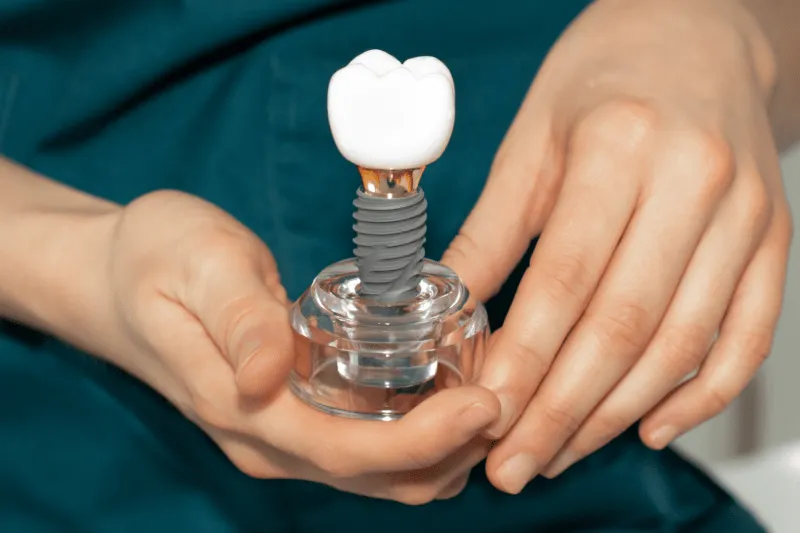
- Dental Implant (High-End): 500 – 1,200 USD (This range typically includes the implant, abutment, and crown, but can vary significantly based on the implant system and materials used).
- All-on-4 Implant Solution (Per Arch): 4,000 – 7,000 USD (This full-arch restoration involves placing four implants to support a fixed denture. The cost is significantly influenced by the number of teeth requiring replacement and the materials used for the prosthetic).
- Zirconia Crown: 200 – 400 USD (Zirconia is a highly durable and aesthetically pleasing material, making it a popular choice for crowns).
- E-max Veneers: 250 – 450 USD (E-max lithium disilicate offers excellent aesthetics and strength, ideal for veneers).
Clinics catering to international patients typically accept multiple currencies, with USD, EUR, and GBP being the most common. Be sure to inquire about exchange rates and potential bank fees associated with international transactions. Transparent cost breakdowns are crucial to avoid hidden charges.
Understanding Standards and Accreditation in Turkey
Turkey has become a popular destination for dental tourism, and while quality varies, reputable clinics adhere to international standards. The primary benchmarks to look for are:
- JCI (Joint Commission International) Accreditation: This signifies a commitment to rigorous quality standards in healthcare delivery, encompassing patient safety, clinical expertise, and facility management.
- Ministry of Health Regulation: All dental clinics in Turkey are regulated by the Turkish Ministry of Health, ensuring minimum standards of hygiene and patient care. Verify the clinic’s registration with the Ministry.
Beyond these formal accreditations, consider the clinic’s affiliations with international dental organizations and the qualifications of the dental team. A comprehensive online search, coupled with independent patient reviews, can provide valuable insights.
Destination Considerations and Recovery
Different regions within Turkey offer distinct advantages for dental tourists:
- Istanbul (City/Boutique): Offers a vibrant cultural experience and access to a wide range of clinics, from boutique practices to larger, more established facilities.
- Antalya (Resort/Beach): Provides a relaxing recovery environment with beautiful beaches and resort amenities. Ideal for patients undergoing more extensive procedures requiring a longer recovery period.
- Izmir (Aegean/Thermal): Known for its thermal springs and quieter atmosphere, Izmir offers a more laid-back recovery experience.
A 90-day stay is permitted for most UK/US/EU citizens with an E-visa, allowing ample time for treatment and recovery. Careful consideration of the destination and its suitability to your post-operative needs is essential.
The Surgical/Clinical Journey: From Initial Assessment to Final Restoration
Dental tourism, while offering significant cost savings, demands a meticulous understanding of the clinical process. This pillar delves into the surgical and restorative stages, focusing on best practices, technological advancements, and critical risk mitigation strategies for patients considering procedures abroad – specifically within the Turkish dental landscape. We’ll examine the journey through the eyes of a typical patient, and highlight how to distinguish a legitimate, high-quality clinic from those employing questionable “Veneer Tech” shortcuts.
Initial Assessment & Diagnostic Precision
The foundation of any successful dental procedure, particularly those undertaken during dental tourism, is a comprehensive pre-operative assessment. This extends beyond a simple visual examination. Reputable clinics prioritize a multi-faceted diagnostic approach.
- CBCT 3D Imaging: Cone-Beam Computed Tomography (CBCT) is non-negotiable for implant planning and complex restorative cases. This technology provides a three-dimensional view of the patient’s jawbone, sinuses, and nerve pathways. It allows the surgeon to virtually plan implant placement, ensuring optimal bone density, avoiding vital structures like the inferior alveolar nerve (potentially causing permanent numbness), and assessing the need for bone grafting procedures like Sinus Lifts or Split Ridge techniques. Simple 2D radiographs are insufficient for modern treatment planning.
- Digital Impressions & Digital Smile Design (DSD): Gone are the days of messy, uncomfortable impressions. Digital intraoral scanners capture precise models of the patient’s dentition. These scans are then integrated into Digital Smile Design software. DSD isn’t merely aesthetic; it’s a diagnostic tool. It allows the patient and dentist to collaboratively visualize the final outcome, addressing functional and aesthetic concerns *before* any tooth preparation begins. This minimizes surprises and ensures patient satisfaction.
- Periodontal Evaluation: A thorough assessment of gum health is paramount. Probing depths, bleeding scores, and radiographic analysis identify any existing periodontal disease (gum disease). Untreated periodontitis compromises treatment outcomes, particularly with implants, and *must* be addressed prior to any surgical intervention.
Persona Case Study: David, 45, UK – All-on-4 Treatment
David, a 45-year-old from the UK, was experiencing significant difficulty with his deteriorating dentition and an ill-fitting denture. He researched dental tourism as a viable solution for All-on-4 treatment, hoping to regain functionality and aesthetics. His journey highlighted the importance of rigorous pre-operative planning.
David’s initial consultation (conducted remotely via detailed questionnaire and panoramic radiograph review) revealed advanced bone loss in the maxilla. A reputable clinic insisted on a CBCT scan *prior* to his arrival. The scan revealed the need for a Sinus Lift and bone grafting to provide adequate bone volume to support the All-on-4 arch. This added approximately $800 – $1,500 USD to the overall cost, but was crucial for long-term stability. A less scrupulous clinic might have proceeded without addressing the bone loss, leading to implant failure and a compromised outcome. His treatment plan was meticulously detailed, including prosthetic design using DSD, and a clear timeline.
Surgical Procedures: Implants, Crowns, and Veneers – Technical Considerations
The surgical phase requires adherence to stringent sterile protocols and the use of high-quality materials.
- Dental Implants: The cost of dental implants in Turkey can range from $500 – $1,200 USD per implant, depending on the brand, material (titanium or zirconia), and complexity of the case. Focus on clinics using established implant systems (e.g., Nobel Biocare, Straumann, Osstem). The surgical technique employed – immediate loading vs. delayed loading – should be discussed and justified based on bone quality and patient needs.
- All-on-4/All-on-6: This full-arch rehabilitation involves strategically placed implants to support a fixed prosthetic bridge. Proper planning requires detailed surgical guides fabricated from the CBCT scan and DSD plan. The prosthetic itself should be designed with appropriate occlusal schemes and emergence profiles to ensure long-term functionality and aesthetics. Costs range from $4,000 – $7,000 USD per arch.
- Zirconia Crowns & Emax Veneers: Zirconia crowns offer excellent strength and aesthetics, with costs between $200 – $400 USD. Emax (Lithium Disilicate) veneers are a popular choice for their translucency and natural appearance, priced at $250 – $450 USD per unit. However, beware of clinics offering excessively low prices for veneers. This often indicates the use of inferior materials or minimal tooth preparation – which can compromise the long-term bond and lead to chipping or debonding.
Identifying “Veneer Tech” Scams & Mitigating Risks
The rise of “Veneer Tech” – unqualified individuals performing veneer treatments – is a serious concern. Signs of a potentially problematic clinic include:
- Aggressive Marketing focusing *only* on Veneers: A legitimate clinic offers a comprehensive range of services.
- Extremely Low Prices: Prices significantly below the average suggest compromised quality.
- Lack of Qualified Dentists: Verify the dentist’s qualifications and experience. Look for membership in recognized dental associations.
- Minimal or No Diagnostic Imaging: A refusal to perform CBCT scans or a thorough clinical examination is a red flag.
- Excessive Veneer Preparations: Aggressive tooth reduction significantly weakens the teeth and increases the risk of sensitivity and pulp exposure.
Post-Operative Care & Follow-Up
Post-operative instructions must be clear and comprehensive. This includes information on oral hygiene, dietary restrictions, pain management, and signs of potential complications (infection, nerve damage). While clinics often provide initial post-operative care, long-term follow-up is crucial. Discuss with the clinic their approach to remote monitoring and potential complications. Many clinics offer complimentary virtual consultations post-treatment.
Practical Considerations for Dental Tourists
- Currency: Clinics generally accept USD, EUR, and GBP. Understand the exchange rates and any associated fees.
- Visa Requirements: An E-visa is available for most UK/US/EU citizens, allowing a 90-day stay.
- Recovery Locations: Turkey offers various recovery hubs. Istanbul provides a vibrant city experience, while Antalya offers a resort/beach setting, and Izmir features Aegean coastline and thermal spas.
Choosing a reputable clinic and understanding the complexities of the surgical/clinical journey are paramount for a successful dental tourism experience. Prioritize thorough planning, comprehensive diagnostics, and qualified professionals to avoid pitfalls and achieve lasting results.
Navigating Recovery Logistics & the 2026 Cost Audit: Dental Tourism in Turkey
Following meticulous pre-operative planning and the procedure itself, the recovery phase of dental tourism in Turkey – specifically Antalya and Istanbul – demands careful consideration. This pillar focuses on optimizing post-operative care, outlining potential complications, and forecasting the economic landscape for dental procedures in Turkey versus Western nations through a projected 2026 cost audit. Beyond financial benefits, discerning patients require assurance that chosen clinics possess the diagnostic capabilities and adhere to international standards of care. The rise of “Veneer Tech” operations, prioritizing aesthetics over sound periodontal and occlusal principles, necessitates a keen eye for genuine expertise.
Post-Operative Protocols & Complication Management
Regardless of the procedure – from single zirconia crowns (200 – 400 USD) to full-arch reconstructions like All-on-4 (4,000 – 7,000 USD per arch) – adhering to post-operative instructions is paramount. We advise patients to proactively discuss potential complications *before* traveling. While statistically rare in properly vetted clinics, these can include peri-implantitis (inflammation around a dental implant), mucositis (inflammation of the gum tissue), nerve damage (particularly during implant placement requiring mandibular canal proximity assessment via CBCT 3D Imaging), and occlusion discrepancies. Clinics should provide 24/7 access to a local contact for emergency support and a detailed post-operative care plan translated into the patient’s native language.
Specifically, following implant procedures, initial recovery necessitates a soft-diet regime to minimize stress on osseointegration (the biological fusion of the implant with the jawbone). Chlorhexidine mouthwash is typically prescribed to maintain a sterile environment and prevent bacterial colonization. Patients receiving veneers (Emax: 250 – 450 USD) need to be vigilant regarding parafunctional habits like bruxism (teeth grinding). Nightguards, custom-fabricated after a thorough occlusal analysis, can mitigate the risk of veneer fracture or debonding. Failure to address bruxism will not be covered under standard warranty provisions at many reputable clinics.
Antalya vs. Istanbul: Recovery Hub Differentiation
The choice between Istanbul and Antalya as a recovery base significantly impacts the patient experience. Istanbul, a vibrant metropolis, offers a broader spectrum of accommodation options, from boutique hotels to serviced apartments. However, the fast-paced urban environment might not be conducive to complete rest and recovery. Antalya, on the other hand, provides a more relaxed, resort-style atmosphere, ideal for patients requiring a tranquil recovery period. Accessibility to post-operative check-ups must factor into the decision. Clinics in Istanbul are plentiful, facilitating easy follow-up appointments. In Antalya, while excellent clinics exist, travel time to and from the clinic for routine checks needs to be considered.
Izmir, gaining traction as a third recovery hub, offers a unique blend of Aegean coastline scenery and thermal spas. The latter provides potential therapeutic benefits for post-operative discomfort, but access to specialized dental care may be more limited compared to Istanbul or Antalya. Clinics actively utilizing Digital Smile Design (DSD) frequently offer digital post-operative assessments utilizing teledentistry – a valuable resource for patients returning home.
The 2026 Cost Audit: Projected Trends & Economic Factors
A projected cost audit for 2026 reveals several key trends impacting dental tourism in Turkey. While currency fluctuations play a significant role – with current rates favoring the USD, EUR, and GBP – increasing domestic demand for advanced dental procedures within Turkey is expected to exert upward pressure on pricing. We anticipate a 5-10% increase in costs across most procedures compared to 2026 levels, *however*, Turkey will likely still retain a significant cost advantage over Western countries. For example, a high-end dental implant currently costing between 500 – 1,200 USD could realistically reach 550 – 1,320 USD by 2026.
This projected increase is partially attributable to the rising cost of materials – particularly zirconia and titanium alloys – and the adoption of advanced technologies like CEREC Same-Day crown fabrication. Clinics investing in these technologies often justify higher prices by offering faster turnaround times and superior aesthetics. However, beware of clinics solely touting technology without demonstrating a robust understanding of biomechanics and long-term dental health. A properly executed treatment plan prioritizes function *before* aesthetics.
Discerning Genuine Expertise: Identifying & Avoiding “Veneer Techs”
The proliferation of clinics focused solely on veneer placement – often dubbed “Veneer Techs” – presents a significant risk to unsuspecting patients. These operations often lack comprehensive diagnostic capabilities, neglecting essential pre-operative assessments like periodontal charting, occlusal analysis, and radiographic evaluation. They may prioritize rapid veneer application over addressing underlying dental issues such as caries (cavities), gum disease, or malocclusion (bite misalignment).
“A truly comprehensive dental evaluation goes beyond superficial aesthetics. It necessitates a detailed assessment of the entire oral health ecosystem – from the periodontal tissues to the temporomandibular joint – to ensure long-term stability and functionality.”
Patients should meticulously verify the dentist’s qualifications, ensuring they are registered with the Turkish Dental Association and possess experience in restorative dentistry beyond purely cosmetic procedures. Requesting access to pre- and post-operative photographs of similar cases allows for a realistic assessment of the dentist’s skill and aesthetic sensibility. Furthermore, insist on a detailed treatment plan outlining all procedures, materials used, and associated risks. Clinics adhering to JCI (Joint Commission International) accreditation and regulated by the Turkish Ministry of Health generally demonstrate a commitment to higher standards of care and patient safety. Finally, be wary of clinics offering unrealistically low prices; quality dental work requires skilled labor and premium materials, and these costs cannot be significantly undercut without compromising standards.
The emphasis should always be on finding a dentist who views your oral health as a holistic system, not just a canvas for cosmetic enhancement.
Ready to consult a specialist? Schedule a Free Consultation for Dental Tourism Hazards in Turkey with cureholiday.com
Free Consultation
Fill out the form below to get your free medical travel plan and price quote.
Sources and how to verify this yourself
- Howe M-S, Keys W, Richards D. Long-term (10-year) dental implant survival: a systematic review and sensitivity meta-analysis. Journal of Dentistry, 2019 — pooled 10-year implant survival 96.4% (95% CI 95.2–97.5%); conservative sensitivity estimate 93.2%. source
- Ministry of Health, Regulation on International Health Tourism and Tourist Health, Official Gazette 26 April 2025, No. 32882 — authorisation requirement for facilities and intermediaries, TÜSKA accreditation, compulsory complication insurance (deadline 31 December 2025 for insurance, 31 December 2026 for accreditation). source
- Ministry of Health, Regulation on Promotion and Information Activities in Health Services, Official Gazette 12 November 2025, No. 33075 — treatment promises and guarantees are prohibited; price and campaign announcements are permitted only within international health tourism. source