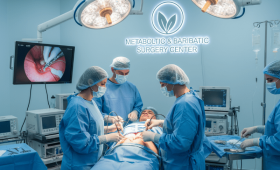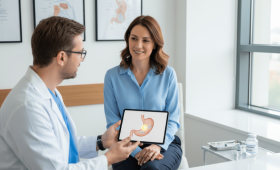
What Exactly Is Obesity Surgery?
Obesity surgery is the general name for surgical interventions applied to patients whose body mass index is above a certain limit and who are struggling with health problems caused by excess weight. Known as bariatric surgery in medical literature, these methods are basically based on two mechanisms: restricting food intake or reducing the absorption of nutrients. While some surgeries aim only to reduce the stomach volume, others both shrink the stomach and limit absorption by making changes in the structure of the small intestine. These surgeries should not be confused with liposuction procedures performed for aesthetic purposes; obesity surgery is a serious treatment protocol that changes metabolism and aims for permanent weight loss.
What Should the Body Mass Index Be for Obesity Surgeries?
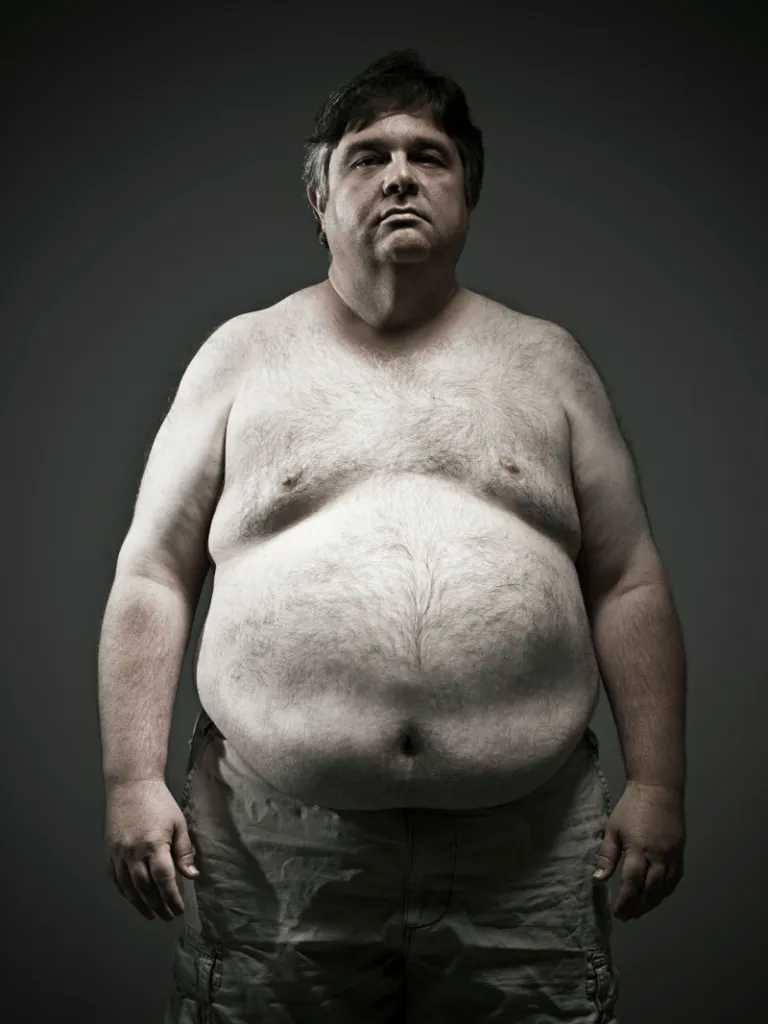
The most basic criterion when determining suitability for obesity surgery is the Body Mass Index (BMI) value. According to the guidelines set by the World Health Organization and international surgical associations, patients with a BMI of 40 and above (morbidly obese) are accepted as direct candidates for surgery. However, individuals with a BMI between 35 and 40 but with comorbidities related to obesity such as diabetes, high blood pressure, sleep apnea, or fatty liver are also suitable candidates for surgery. With updates made in recent years, the BMI limit for Type 2 diabetes patients who cannot be controlled can be lowered to the 30-35 range in some cases, but this decision requires a detailed metabolic evaluation.
In What Age Range Is Obesity Surgery Performed?
The generally accepted age range for bariatric surgery operations is between 18 and 65 years old. However, these limits are not precise and immutable rules; they can be stretched considering the patient’s physiological condition and the benefit they will derive from the surgery. Especially with the increase in childhood obesity, surgery can be performed for young people under the age of 18 who have completed puberty and are experiencing serious health problems, with parental consent and the decision of pediatric endocrinology specialists. Similarly, patients over the age of 65 can undergo these operations if they have heart and lung performance that can handle anesthesia and if it is predicted that the surgery will increase their quality of life. The determinant here is not the calendar age, but the patient’s biological age and general health status.

How Is Sleeve Gastrectomy Performed?
Sleeve Gastrectomy, also known as “stomach reduction” among the public, is the most frequently applied bariatric surgery method today. During this procedure, the large curvature of the stomach, that is, approximately 75-80% of it, is surgically removed. A stomach with a significantly reduced volume, resembling a banana or a thin tube in shape, is left behind. The effect of this procedure on weight loss is two-fold: First, since the stomach volume shrinks, the patient gets full with a very small amount of food (restrictive effect). Second and more importantly, the level of the “Ghrelin” hormone, which is secreted from the removed dome part of the stomach and triggers appetite, drops significantly. Thus, the patient feels full quickly physiologically and experiences the feeling of hunger much less hormonally.
To Whom Is the Gastric Bypass Method Recommended?
Gastric Bypass is a combined surgical method that both reduces stomach volume and reduces the absorption of nutrients. In this surgery, the stomach is made into a small pouch and connected to the stomach by skipping (bypassing) the beginning part of the small intestine. This method is accepted as the “gold standard” especially for patients who have been Type 2 diabetic for a long time, whose insulin reserves have decreased, or who have severe reflux complaints. It creates a stronger metabolic effect compared to sleeve gastrectomy and gives faster results in blood sugar control. In addition, since it causes a discomfort called “Dumping Syndrome” in patients with a habit of eating sweets, keeping them away from sweets, it is frequently recommended for sweet-addicted obesity patients.
Which Tests Are Performed Before Obesity Surgeries?
After the surgery decision is made, a very comprehensive “check-up” process begins for the patient to be taken into the operation safely. In this process, complete blood count, liver and kidney function tests, vitamin and mineral levels, blood coagulation tests, and hormone profile are examined in detail. In addition, endoscopy is required to see the internal structure of the stomach and detect the presence of possible gastritis, ulcers, or bacteria. ECG and, if necessary, ECHO are performed for heart health, and a respiratory function test and lung X-ray are taken for lung functions. All these results are evaluated by internal medicine, cardiology, chest diseases, anesthesia, and psychiatry specialists, and a joint council decision is made regarding whether the patient is suitable for surgery.
Is Smoking an Obstacle for Obesity Surgeries?
Although smoking is not a direct obstacle to surgery, it is a factor that significantly increases surgical risks, and surgeons strictly request that it be quit before surgery. Cigarettes contain harmful substances that impair tissue healing, slow down blood circulation, and reduce lung capacity. Especially in stomach surgeries, the healing of cut and sutured tissues (stapler line) is vital; smoking can increase the risk of “leakage” by reducing blood supply in this area. In addition, the risk of experiencing respiratory complications during and after anesthesia, getting pneumonia, and developing infection at the wound site is much higher in smokers. Therefore, it is strongly recommended that patients quit smoking at least 2-4 weeks before surgery and not use it during the recovery period.
How Long Do Obesity Surgeries Take?
The duration of obesity surgery operations varies according to the type of surgery to be performed, the experience of the surgeon, and the patient’s anatomical structure (previous abdominal surgeries, intra-abdominal adhesions, etc.). A standard Sleeve Gastrectomy surgery is usually completed between 45 minutes and 90 minutes. Surgeries such as Gastric Bypass, which are more technical and require small intestine connections, can take between 1.5 and 2.5 hours on average. These times do not include the patient’s preparation for anesthesia and the awakening stages after surgery. With the development of technology and laparoscopic (closed) methods becoming standard, surgery times have shortened, which has accelerated recovery by reducing the patient’s exposure time to anesthesia.
Are Obesity Surgeries Performed with the Closed Method?
Today, almost all obesity surgeries are performed laparoscopically, that is, with the closed method. In this technique, instead of making a large incision in the abdominal area, 4 or 5 small holes varying in size between 0.5 cm and 1 cm are opened. A high-resolution camera and special surgical instruments are sent inside through these holes. The surgeon performs the operation by watching from a monitor. The advantages of the closed method for patients are countless: It provides much less pain, smaller scars, very low risk of infection, reduced risk of abdominal hernia, and the opportunity to be discharged from the hospital in a much shorter time. Open surgery is preferred only in very rare and specific situations where the closed method is technically not possible or in emergency complications.
How Many Days Is It Necessary to Stay in the Hospital After Obesity Surgeries?
The hospital stay after a successful obesity surgery is usually 2 or 3 nights. The day of surgery is important for close monitoring of the patient and recovery from the effects of anesthesia. On the first day after surgery, the patient is made to stand up and walk, and checks called “leak tests” are performed. If the patient’s general condition is good, they have started drinking water, pain control is provided, and there are no signs of complications, they are usually discharged on the morning of the 3rd day. However, if the patient has additional diseases, the recovery process is progressing slower than expected, or they have come from a distant city, this period can be extended by one or two more days by the physician’s decision to ensure safety.
Is Pain Felt After Obesity Surgeries?
As with any surgical intervention, it is natural to have some pain after obesity surgeries, but this pain is usually not as severe as patients fear. Since the surgery is performed with the laparoscopic (closed) method, the absence of large muscle incisions keeps the pain at a minimum level. The pain felt by patients is mostly in the form of an ache as if they have done intense sit-ups in the abdominal muscles or gas pain. Especially the pressure caused by the gas used to inflate the abdomen during surgery can cause temporary pain in the shoulders and back. During the hospital stay, the patient’s comfort is kept at the highest level with strong painkillers given intravenously. Upon returning home, simple painkiller tablets are usually sufficient, and the pain complaint disappears completely within 3-4 days.
When Does the Return to Work Process Begin After Obesity Surgeries?
The time to return to work varies according to the nature of the job the patient does and their personal recovery speed. People who work at a desk and do jobs that do not require physical strength can usually return to their jobs 7 to 10 days after surgery. However, since they will still be on a liquid or puree diet during this process, they need to adjust their eating habits at work accordingly. Patients who work with physical strength, lift heavy loads, or work in jobs requiring intense physical activity are recommended to rest for at least 3-4 weeks, ideally 1 month. Lifting heavy loads in the early period can create a risk of hernia by increasing intra-abdominal pressure. It is important for patients not to rush in order not to feel tired and to get used to the new nutrition order.
How Should Nutrition Be After Obesity Surgeries?
Nutrition after obesity surgery is one of the most critical factors determining the success of the surgery and requires a gradual transition process. In order to ensure the healing of the stomach and not to strain the suture line, nutrition progresses gradually. The first 15 days are generally called the “clear liquid period”; in this process, grain-free soups, sugar-free compotes, protein milk, and plenty of water are consumed. In the second 15-day process, the “puree period” begins; eggs, cheese, vegetables, and meats are consumed in the consistency of baby food by passing them through a blender. After approximately the 1st month, a transition to the “solid period” is made, but the rule of chewing foods very well and eating slowly continues for a lifetime. Feeding mainly on protein (meat, fish, chicken, eggs) instead of carbohydrates is essential to prevent muscle loss and lose weight healthily.
How Long Does the Liquid Period Last After Obesity Surgeries?
The liquid period is the first phase where the stomach is most sensitive after surgery and healing begins. Although this period varies according to the surgeon’s protocol, it usually covers the first 2 weeks (the first 14-15 days) after surgery. The aim of the liquid period is to allow the stomach to heal without being under any digestive load and to ensure the body’s hydration (water balance). The liquids consumed in this period must be clear, grain-free, gas-free, sugar-free, and caffeine-free. Patients do not feel hunger during this period, but they should take liquid intake sip by sip and at frequent intervals to both not tire their stomachs and meet their daily liquid needs. Protein powder or protein milk is definitely added to the diet to prevent muscle loss in this period.
Which Foods Does the Puree Period Include After Obesity Surgeries?
The puree period, which comes after the liquid period and usually covers the 3rd and 4th weeks, is the bridge in the stomach’s adaptation process to solid foods. In this period, foods should be soft enough to be mashed with a fork or passed through a blender. In the puree period, the priority is again on protein sources. Boiled eggs, labneh cheese, curd cheese, well-cooked and blended chicken or fish meat, and vegetable purees are the basic foods of this period. The consistency of the foods should be like baby food or thick yogurt. Solid, hard, fibrous, and sticky foods (such as fresh bread, chunks of meat, raw vegetables) should be avoided. Eating speed is also very important in the puree period; patients should stop eating the moment they feel the satiety signal (for example, runny nose, pressure in the chest, or hiccups).
Why Are Carbonated Drinks Prohibited After Obesity Surgeries?
Carbonated drinks are at the top of the list of foods that patients who have undergone obesity surgery should completely remove from their lives or stay away from for a very long time. Drinks such as cola, soda, fizzy drinks, beer, and even mineral water cause expansion and pressure in the stomach due to the carbon dioxide gas they contain. When the reduced stomach is exposed to this pressure, severe pain, discomfort, and a risk of straining the suture line in the early period may occur in the patient. In the long term, continuous consumption of carbonated drinks can pave the way for the stomach volume to grow (expand) again, causing weight gain. In addition, since most of these drinks contain high amounts of sugar or sweeteners, they are sources of “empty calories” and disrupt the weight loss process. For these reasons, preferring non-carbonated drinks for a lifetime is recommended.
When Does Coffee and Tea Consumption Start After Obesity Surgeries?
Although coffee and tea are indispensable drinks in our society, their consumption is limited in the early period after surgery. Caffeine increases water excretion from the body due to its diuretic effect. In the first weeks when patients can already take a limited amount of liquid after obesity surgery, losing water with caffeine also creates a risk of dehydration. In addition, caffeine can increase stomach acid, irritate the sensitive inner surface of the stomach, and increase the risk of ulcers. Generally, coffee consumption is not recommended for the first 1 month after surgery. Tea, on the other hand, can be consumed in small amounts after the 10th day, provided it is light and warm. After the 1st month, patients can start consuming coffee, provided they do not exceed 1-2 cups a day and drink plenty of water, but it should be preferred without milk and sugar.
Is Vitamin Use Mandatory After Obesity Surgeries?
Yes, taking vitamin and mineral supplements after obesity surgery is a vital necessity and usually must continue for many years, if not for a lifetime. With the reduction of portions after surgery, the amount of vitamins taken from foods decreases. In addition, in surgeries that impair absorption (such as Bypass), the body cannot take enough vitamins from foods. Deficiencies of Vitamin B12, iron, calcium, Vitamin D, and folic acid are frequently seen. If these deficiencies are not treated, they can lead to serious health problems such as anemia, osteoporosis, neurological problems, hair loss, and extreme fatigue. Patients use multivitamins in chewable or liquid form in the first months after surgery, and in later periods, they continue with supplements in pill form arranged by their doctors according to blood test results.
Is Hair Loss Experienced After Obesity Surgeries?
One of the issues patients are most worried about after surgery is hair loss. Yes, significant hair loss can be seen in patients approximately 3-4 months after obesity surgery. However, this situation does not mean permanent baldness; it is a physiological and temporary process. This condition, called “Telogen Effluvium,” occurs as a result of hair follicles entering the resting phase due to rapid weight loss, anesthesia stress, and dietary changes. Since the body directs its energy to vital organs, it puts structures such as hair and nails in the background. Sufficient protein intake and the use of supplements such as biotin and zinc alleviate this process. From the 6th-9th months, when weight loss pauses and the body regains its new balance, stronger and livelier hair begins to grow in place of the shed hair.
Does Skin Sagging Occur After Obesity Surgeries?
As in every case where rapid and high amounts of weight loss are experienced, skin sagging can also occur after obesity surgery. The degree of sagging varies greatly from person to person depending on the patient’s age, the amount of weight lost, genetic skin elasticity, smoking, and whether they do sports or not. While sagging is seen less in young patients and those with tight skin, sagging can occur in the arms, inner legs, abdomen, and chest area in patients who come down from very high weights or are older. Drinking plenty of water, feeding mainly on protein, and especially doing muscle-building exercises (pilates, swimming, weight training) are very important to minimize sagging. Despite this, if disturbing sagging remains, aesthetic surgery recovery operations can be performed after weight loss has completely stopped (usually after 18-24 months).
When to Start Doing Sports After Obesity Surgeries?
An active lifestyle is indispensable for the success of the surgery. Patients are asked to start walking in the hospital corridor 3-4 hours after surgery. Even after being discharged, the most ideal sport for the first 1 month is light-paced walking. Walking both accelerates metabolism and reduces the risk of blood clotting (embolism). Swimming and light-paced cardio exercises can be started at the end of the 1st month after surgery. For more intense and resistance exercises such as sit-ups, weight lifting, and pilates that strain the abdominal muscles, it is generally expected to complete the 3rd month. Sports are critically important not only for burning calories but also for preserving muscle mass and helping the sagging skin recover. In patients who do not do sports regularly, the weight loss rate may slow down.
When Does the Weight Loss Process Stop After Obesity Surgeries?
The weight loss process after obesity surgery occurs fastest in the first 6 months. Patients lose a large part of their excess weight during this period. Weight loss continues decreasingly and usually pauses at a point between 12 and 18 months, and the body reaches a new balance point. At the end of this period, the patient reaches their ideal weight or a weight close to it. After the 18th month, weight loss is generally not expected; the aim after this stage is to maintain the weight reached. When the weight loss process will stop depends on the patient’s metabolism, age, gender, and diet/sports compliance. Some patients may have “plateau periods”; weight loss may stop for a few weeks and then continue again. This is a normal process and should not lower motivation.
Is There a Risk of Regaining Weight After Obesity Surgeries?
Obesity surgery is not a miracle, but a powerful tool. There is always a risk of regaining weight in patients who do not use this tool correctly. The anatomical effect of the surgery (small stomach) supports the patient for approximately 1-1.5 years. However, during this time, if the patient does not change their eating habits, feeds on high-calorie liquids, snacks constantly (grazing), does not introduce sports into their life, and continues alcohol consumption, the stomach volume may expand somewhat and weight gain may begin. Scientific data shows that 10-15% of patients who have surgery regain some of the weight they lost in the long term. Although returning to the morbid obesity level again is rare, it is possible. Therefore, dietician and psychologist follow-up after surgery is essential for the sustainability of success.
Does the Stomach Grow Again After Obesity Surgeries?
The stomach is a flexible organ by nature. Although a large part of the stomach is removed during surgery, the remaining stomach tissue has a certain stretching capacity. In the post-operative period, if patients do not pay attention to the solid-liquid distinction, try to eat until they are stuffed at meals, or consume carbonated drinks a lot, there may be some expansion in stomach volume. However, it is anatomically impossible for the stomach to reach its old gigantic dimensions. The real danger here is that the patient prefers “high-calorie even if eating less” foods rather than the volumetric growth of the stomach. In other words, some growth of the stomach is natural and tolerable, but if this growth is combined with uncontrolled eating behavior, weight gain becomes inevitable. Stomach volume can be maintained at an ideal level with a disciplined diet.
How Long Should One Wait for Pregnancy After Obesity Surgeries?
Obesity surgery is a treatment that significantly increases fertility in women who experience infertility problems and have polycystic ovary syndrome (PCOS). After losing weight, hormones become regular and the probability of getting pregnant increases. However, experts recommend not getting pregnant for the first 12-18 months after surgery. The reason for this is that the mother loses weight rapidly and nutrient intake is limited during this period. In the rapid weight loss process, the developing baby may not get enough vitamins, minerals, and energy from the mother; this can lead to developmental retardation. In addition, the mother’s health may also be at risk. A pregnancy planned after the 18th month, when weight loss stops and vitamin levels stabilize, will be much healthier and safer for both the mother and the baby.
What Is the Effect of Obesity Surgeries on Diabetes Disease?
Obesity surgery creates revolutionary results, especially in the treatment of Type 2 diabetes. Post-operative blood sugar levels can sometimes return to normal even before the patient is discharged from the hospital. While the rate of diabetes improvement is around 60-70% in sleeve gastrectomy surgery, this rate can go up to 80-90% in surgeries that impair absorption such as gastric bypass. This effect is explained not only by weight loss but also by hormonal changes in the digestive system (breaking insulin resistance, increase in incretin hormones). Many diabetes patients stop insulin injections and medications completely or reduce their doses greatly after surgery. However, the rate of this success depends on the patient’s insulin reserves and how many years diabetes has existed (how much the pancreas is worn out).
Do Obesity Surgeries Fix Sleep Apnea Problem?
Sleep apnea is a serious disease directly related to obesity and characterized by the cessation of breathing during sleep. Excess weight causes lubrication in the neck area and narrowing of the airway, leading to snoring and apnea. With the weight lost after obesity surgery, the fat tissue around the neck decreases, the airways relax, and lung capacity increases. In the vast majority of patients (85-90%), sleep apnea complaints disappear completely or decrease significantly in the first months after surgery. Many patients stop using the CPAP (sleep mask) device they had to use before surgery shortly after surgery. This situation increases the patient’s sleep quality, relieves daytime fatigue, and positively affects heart health.
Do Obesity Surgeries Cure High Blood Pressure?
Hypertension (high blood pressure) is one of the most common cardiovascular problems caused by obesity. Atherosclerosis and the excessive effort of the heart to pump blood to the body raise blood pressure. After obesity surgery, with weight loss, vascular resistance decreases, the load on the heart lightens, and hormonal balance is achieved. As a result of these changes, blood pressure values return to normal limits in approximately 60-70% of patients. Many patients stop blood pressure medications completely or go for dose reduction. However, whether blood pressure will improve completely depends on how long the disease has existed and whether permanent damage has occurred in the vessels. Nevertheless, even if medication continues to be used, it becomes much easier to control blood pressure.
What Is Dumping Syndrome After Obesity Surgeries?
Dumping Syndrome is a condition that usually occurs after surgeries where the bowel structure is changed, such as Gastric Bypass, resulting from the very rapid passage of foods from the stomach to the small intestine. It especially occurs when sugary, carbohydrate-rich, or excessively fatty foods are consumed. Symptoms include sudden cramps, abdominal pain, diarrhea, dizziness, cold sweat, palpitations, and fainting occurring immediately after eating. This syndrome actually acts as a “warning mechanism” for the patient; it keeps the patient away from harmful and sugary foods. To prevent dumping syndrome, it is necessary to avoid sugary foods, not consume liquids with meals, and feed mainly on protein instead of carbohydrates. Its incidence is much less in sleeve gastrectomy surgery.
Is It Possible to Fast After Obesity Surgeries?
The issue of fasting, which is important for Muslim patients, is evaluated according to the time elapsed since the surgery. Fasting for the first 1 year, or sometimes even 1.5 years, after obesity surgery is not medically recommended. The reason for this is that patients need to drink water and take protein frequently throughout the day. Long-term hunger and thirst can cause dehydration, kidney problems, muscle loss, and slowing of metabolism in a newly operated body. In addition, eating fast and a lot at iftar poses a great risk for the small stomach. After 1-1.5 years have passed since the surgery, the patient can fast with a careful nutrition plan after consulting with their physician and having their blood values checked. However, the first year is risky in terms of health.
When Does Alcohol Use Start After Obesity Surgeries?
Alcohol is a subject that needs to be approached carefully after obesity surgery. Alcohol should strictly not be taken for the first 6 months after surgery. There are several reasons for this: First, alcohol is high in calories and can stop weight loss. Second, it can cause ulcers by irritating the stomach mucosa. Third and most importantly, due to the changed metabolism, alcohol mixes into the blood much faster. A patient who used to get drunk on 3 glasses can experience the same effect on half a glass after surgery (alcohol tolerance decreases). In addition, the risk of susceptibility to alcohol addiction (addiction transfer) may increase. Although allowed in very limited amounts after the 6th month, carbonated and sugary cocktails and beer should be avoided; drinks like wine should be preferred. However, the healthiest option is to stay away as much as possible.
How Is Constipation Problem Solved After Obesity Surgeries?
One of the digestive problems most frequently experienced by patients in the post-operative period is constipation. The decrease in food intake, insufficient liquid consumption, and not eating fibrous foods in the first period slow down bowel movements. The most basic rule to prevent constipation is to increase water consumption; at least 1.5-2 liters of water should be drunk per day. In addition, walking mobilizes the intestines. In nutrition (during the allowed period), vegetables that are sources of fiber and natural softeners such as apricot compote can be included. In necessary cases, probiotic supplements or drugs containing magnesium can be used with a doctor’s recommendation. If constipation lasts long and causes abdominal pain, a physician must be consulted, and strong laxatives should not be used on one’s own.
Is Psychological Support Necessary After Obesity Surgeries?
Obesity is a disease with not only physical but also psychological origins. Patients with “emotional eating” disorders may continue to experience “brain hunger” even if their stomachs shrink after surgery. The disappearance of the pleasure given by eating can create a feeling of emptiness, depression, or anger in patients. In addition, adapting to the rapidly changing body perception may not always be easy. Therefore, receiving professional psychological support before and after surgery is very valuable for the success of the process. Psychologists help the patient reorganize their relationship with food, develop coping methods for stress, and adapt to the new lifestyle. Long-term success rates are higher in patients receiving support.
Which Obesity Surgery Should Those with Reflux Have?
Gastric reflux (GERD) is a common problem in obesity patients. The presence and severity of reflux play a decisive role when making a surgery choice. Sleeve gastrectomy surgery can exacerbate reflux or cause new reflux formation in some patients because it increases the internal pressure of the stomach. Therefore, Gastric Bypass surgery is preferred instead of Sleeve Gastrectomy in patients with severe reflux, damage to the esophagus (Barrett’s esophagus), or hiatal hernia. Gastric Bypass treats reflux at a rate of 90% because it both shrinks the volume of the acid-producing stomach and prevents bile passage. In patients with mild reflux, sleeve gastrectomy can be performed together with hiatal hernia repair, but the decision depends on the surgeon’s detailed examination.
Is Gastric Balloon Different from Obesity Surgeries?
Yes, gastric balloon and obesity surgery are completely different procedures. Gastric balloon is a non-surgical method. A silicone balloon is placed in the stomach via endoscopy and inflated; this balloon provides a feeling of satiety by taking up space in the stomach. However, the gastric balloon is a temporary solution; it usually needs to be removed after 6 months or 1 year. After the balloon is removed, the patient’s appetite returns to its former state, and if diet discipline is not provided, the weight is regained rapidly. Obesity surgery, on the other hand, makes permanent anatomical changes and provides hormonal effects. Gastric balloon is used as a “bridge treatment” for those who are afraid of having surgery, do not meet the surgery criteria (BMI), or extremely obese patients who need to lose weight to reduce risk before surgery.
Do Gallstones Form After Obesity Surgeries?
Every diet or surgical process where rapid weight loss is experienced increases the risk of gallstone formation in the gallbladder. While body fats melt rapidly, cholesterol balance changes and prepares the ground for the formation of biliary sludge or stones. Gallstones can develop in approximately 30% of patients undergoing obesity surgery. However, not all of these stones give symptoms or require surgery. To reduce the risk, protective drugs containing “Ursodeoxycholic acid” may be prescribed by doctors in the post-operative period. If the patient already has gallstones before surgery, the surgeon may prefer to perform both stomach surgery and gallbladder surgery in the same session. In case of severe pain under the right rib after surgery, the gallbladder must be checked.
Is the Suture Scar Permanent After Obesity Surgeries?
Since obesity surgeries are performed with the laparoscopic (closed) method, they are quite advantageous in terms of aesthetics. There are usually 4 or 5 very small incisions (0.5 – 1 cm) in the abdominal area. These incisions are closed with aesthetic sutures or special adhesives. During the healing process, these scars first turn red, then pink, and over months turn to skin color and become indistinct. In the vast majority of patients, these scars become almost unnoticeable at the end of 1 year. The permanence of the scars also depends on the patient’s skin structure and wound healing potential. Scars may be slightly more prominent in skins prone to making keloids (raised scars). It is beneficial to use scar removal creams recommended by the doctor to minimize scars and to protect the wound site from the sun in the first months.
Is the Risk of Death High in Obesity Surgeries?
Every surgical procedure (for example, gallbladder, cesarean section, or heart surgery) has its own risks, and “zero risk” is not in question in medicine. However, thanks to developing technology, experienced surgeons, and equipped hospitals today, the risk of death in obesity surgery is quite low. According to statistics, the risk of death in obesity surgeries is around 1 in a thousand (0.1%). This rate is similar to the risks of gallbladder surgery or hip replacement surgery. On the other hand, the death risk created by morbid obesity itself (due to heart attack, stroke, cancer, etc.) is much higher than the surgery risk. In other words, remaining overweight is more dangerous than having surgery. To minimize the risk, it is essential that the surgery be performed in an equipped center and by an expert team.
What Is Leakage Risk After Obesity Surgeries and How Is It Understood?
Leakage is one of the most feared but rarely seen complications of obesity surgery. It is the situation where leakage occurs into the abdomen from the points where the stomach is cut and stapled (stapler line) or where the intestine is joined. Its incidence is around 1-2% in experienced hands. It usually occurs within the first 10 days after surgery. Symptoms include severe and persistent abdominal pain, high fever, high pulse (tachycardia), shortness of breath, and deterioration in general condition. Early diagnosis is vital. In case of suspicion, diagnosis is made by taking a tomography. Its treatment is done according to the size of the leak; sometimes only with antibiotics and stopping feeding, sometimes by inserting an endoscopic stent, and sometimes by providing drainage with surgery again.
What Is Revision Surgery After Obesity Surgeries?
Revision surgery is “correction” or “second chance” surgeries applied to patients who have previously undergone obesity surgery but could not lose the desired weight, regained the weight they lost, or experienced medical complications. For example, gastric bypass or duodenal switch, which are stronger methods, can be applied to a patient who has had sleeve gastrectomy surgery and whose stomach has expanded and gained weight. Or, the band of a patient who has had a gastric band (clamp) inserted and is experiencing problems can be removed and switched to another method. Revision surgeries are technically more difficult and risky operations than the first surgeries; therefore, they must be performed by very experienced surgeons after a detailed evaluation. Revision is not performed on every patient who gains weight; first, the underlying causes (diet error or technical error?) should be investigated.
Which Medicines Are Prohibited After Obesity Surgeries?
Since the stomach mucosa is sensitive after surgery, it is necessary to avoid some drug groups. Especially the painkiller group known as “Non-steroidal anti-inflammatory drugs” (NSAIDs) (drugs with Aspirin, Ibuprofen, Naproxen active ingredients, etc.) increases the risk of stomach ulcers and bleeding, so they should be used carefully for a lifetime and should not be preferred if possible. Paracetamol group painkillers can be used safely instead of these drugs. In addition, since large tablets or capsules can cause difficulty swallowing in the first months, drugs may need to be crushed or taken in syrup form. Doses of patients using blood thinners, blood pressure, or diabetes medications should be readjusted by their doctors after surgery; old doses may be too much for the underweight body.
When Does Sexual Life Return to Normal After Obesity Surgeries?
Obesity surgery positively affects sexual life in the long run. With weight loss, self-confidence increases, mobility improves, and libido (sexual desire) rises because hormonal balance improves. However, in the early period after surgery, there may be sexual reluctance due to the healing process and low energy. Physically, it is generally recommended to wait 2-3 weeks after surgery for the healing of intra-abdominal wounds and the passing of pain. After this period, the patient can return to their sexual life when they feel ready. It is only recommended to avoid positions that will strain the abdominal area in the first months. In men, significant improvement is observed in erectile dysfunction related to obesity as weight is lost.
Does SSI or Insurance Cover Obesity Surgeries?
In Turkey, the Social Security Institution (SSI) can cover obesity surgeries in state hospitals and university hospitals if certain and strict criteria are met. General conditions include; the patient’s BMI being over 40, documenting that they could not lose weight with diet and exercise under endocrinology follow-up for a certain period, and committee report approval. In private hospitals, SSI payment usually covers a very small part of the surgery cost, so patients pay the majority of the fee themselves. Private health insurances vary according to the policy scope; although most insurances exclude “obesity surgery,” some comprehensive policies or complementary insurances may make payments under certain conditions. For this, it is necessary to discuss in detail with the insurance company.
How Should I Decide to Have Obesity Surgery?
This decision is a big step that will change the rest of your life and should not be rushed. First of all, you should make sure that you have tried all non-surgical methods such as diet and sports. If your weight threatens your health, lowers your daily quality of life, and disrupts your psychology, it is time to meet with an obesity surgery specialist. Looking only at “before-after” photos on social media when deciding can be misleading. You should openly discuss all risks, difficulties waiting for you after surgery, nutrition rules, and lifelong follow-up with your doctor. Obesity surgery is not an easy way, it is a tool that requires discipline. If you are mentally ready for this discipline and lifestyle change, this surgery may be the right option for you.
Free Consultation
Fill out the form below to get your free medical travel plan and price quote.
Sources and how to verify this yourself
- Eisenberg D, et al. 2022 ASMBS and IFSO Indications for Metabolic and Bariatric Surgery. — surgery is recommended at BMI ≥35 regardless of co-morbidity, and considered at BMI 30–34.9 with metabolic disease (lower thresholds for Asian populations). source
- Ministry of Health, Regulation on International Health Tourism and Tourist Health, Official Gazette 26 April 2025, No. 32882 — authorisation requirement for facilities and intermediaries, TÜSKA accreditation, compulsory complication insurance (deadline 31 December 2025 for insurance, 31 December 2026 for accreditation). source
- Ministry of Health, Regulation on Promotion and Information Activities in Health Services, Official Gazette 12 November 2025, No. 33075 — treatment promises and guarantees are prohibited; price and campaign announcements are permitted only within international health tourism. source