What is the Main Difference Between Porcelain and Zirconia Crowns?
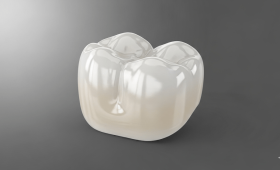
The most important difference between porcelain and zirconia crowns is the main material used. Porcelain crowns are generally produced with metal support, while zirconia crowns are made from a special ceramic called zirconium oxide, without the need for any metal. Zirconium is naturally white, which offers a more aesthetically superior appearance. They also have different properties compared to porcelains in terms of durability, biocompatibility, and light transmission. These differences determine which material is more suitable for which situations.
Why Are Zirconia Crowns Considered Aesthetically Superior?
Zirconia crowns are considered aesthetically superior because they have the ability to reflect and transmit light like natural teeth. The metal substructure of metal-supported porcelain crowns can cause a dark line to form at the gum line over time. This does not happen with zirconia due to its white color. This transparency and sense of depth allow for a more natural and vibrant result, especially in the front teeth. For this reason, they are frequently preferred in smile design applications where aesthetics are a priority.
Which is Superior in Terms of Durability and Fracture Resistance?
Zirconia is a much more durable and stronger material than porcelain. Although zirconium oxide is a ceramic material, it has very high fracture resistance. This provides a great advantage, especially in the back teeth, where chewing forces are intense. While porcelain crowns carry the risk of cracking or breaking under impact or excessive pressure, zirconia crowns are more resistant to such situations. This durability extends the life of the crown and ensures the patient has fewer long-term problems.
What are the Cost Differences?
The cost difference between porcelain and zirconia crowns generally stems from the production process and technological requirements of the material. The production of zirconia crowns requires special CAD/CAM (Computer-Aided Design/Computer-Aided Manufacturing) technology and more sophisticated equipment, so they are generally more expensive than porcelain crowns. Metal-supported porcelain crowns have a simpler production process and are therefore more affordable. However, considering the long-term aesthetic and durability advantages, zirconia crowns are seen as a worthwhile investment for many patients.
Why Are Zirconia Crowns More Economical in Antalya?
Zirconia crowns in Antalya can be more economical than in Europe and America. The main reason for this is the lower operational costs and general living expenses in Turkey. While high-quality dental implant brands, modern technological equipment, and highly experienced dentists provide services at Western standards, the general expenses are lower. In addition, the exchange rate advantage, especially for patients using foreign currencies like Euros, Dollars, or Pounds, makes the treatment costs even more attractive and provides access to high-quality service at more affordable prices.
How Do They Compare in Terms of Biocompatibility?
Biocompatibility is the ability of a material to be compatible with the body and not cause adverse reactions. Zirconium oxide is considered very safe biologically because it is highly compatible with body tissues and the possibility of causing allergic reactions is almost non-existent. Metal-supported porcelain crowns, on the other hand, can cause a metal allergy in some patients. This can lead to redness, swelling, or itching in the gums. Therefore, zirconia is a better option for patients with metal allergies or sensitive gums.
In Which Cases Might Porcelain Crowns Be a Better Option?
Porcelain crowns, especially metal-free all-porcelain crowns (like E-max), are an excellent option in cases where aesthetics are a priority and the tooth’s durability is not very high. These materials have a light-transmitting property very similar to natural teeth, which gives very successful results in the restoration of a single tooth or a small group of front teeth. They are also a suitable alternative for patients looking for a more economical solution. If aesthetic expectations are high but the budget is limited, metal-supported porcelains can also be preferred.
For Which Teeth Are Zirconia Crowns More Suitable?
Zirconia crowns are a suitable option for both front and back teeth. Since they offer a combination of durability and aesthetics, they are ideal for areas in the back teeth that are exposed to intense chewing forces. They are also an excellent material for bridge prostheses because they are strong enough to connect multiple teeth. For front teeth, they are often preferred by patients with aesthetic concerns due to their natural appearance. Zirconia crowns can meet both functional and aesthetic expectations.
What are the Effects on Gum Health?
Zirconia crowns have more positive effects on gum health because they do not contain metal. The metal part of metal-supported porcelain crowns can cause a gray or bluish discoloration at the gum line over time. This does not happen with zirconia due to its white color, and the gum line looks healthier and more natural. Zirconia’s biocompatibility allows the gum to adapt better to the crown and reduces the risk of gum recession.
Why is the Translucency of Crowns Important?
Translucency is an important factor that determines how similar a crown will be to a natural tooth. Natural teeth exhibit a vibrant and deep appearance by transmitting light. Zirconia crowns successfully reflect and transmit light by imitating this property. This makes it difficult to distinguish the crowns from natural teeth, especially in the front teeth. Metal-supported porcelain crowns, on the other hand, do not transmit light due to the opaque structure of the metal, which can lead to a more matte and artificial appearance.
What Factors Affect the Lifespan of Crowns?
The lifespan of crowns depends on the material used, the patient’s oral hygiene, chewing habits, and regular dental check-ups. Zirconia crowns can last longer than porcelain crowns due to their natural strength. However, good oral hygiene and regular brushing protect the gum health around the crown and extend its life. Avoiding biting hard foods and using a night guard for habits like teeth grinding also extends the life of the crowns.
Is There a Difference in Tooth Preparation and the Amount of Reduction?
Although tooth preparation for crowns is similar for both materials, there may be small differences depending on the thickness of the material used. Traditional porcelain crowns may require more tooth reduction for the crown to be of sufficient thickness. Thanks to the strong structure of zirconia, thinner crowns can be produced. This means that less tooth tissue is reduced, which is a great advantage for the health of the tooth. However, this difference may vary depending on the design of the crown and the technology used by the clinic.
Do Porcelain and Zirconia Crowns Carry an Allergy Risk?
Porcelain and zirconia crowns are generally materials that do not carry an allergy risk. Zirconia’s biocompatibility is very high, and since it does not contain metal, it is ideal for patients with a metal allergy. Metal-supported porcelain crowns, however, can rarely cause a reaction in patients with an allergy to metals such as nickel. If you have a predisposition to such an allergy, it is important to inform your dentist.
Do Crowns Discolor Over Time?
Neither porcelain nor zirconia crowns discolor like natural teeth. They do not stain due to beverages, smoking, or food and retain their original color for many years. This prevents the patient from worrying about the aesthetics of the crowns. However, since the natural teeth around the crown can change color over time, the color of the crown may differ from the natural teeth. This is why regular dental cleaning is important.
Which Material is Easier to Repair?
Porcelain crowns can be easily repaired by a dentist in the event of minor cracks or fractures. The dentist can restore the crown by adding a special composite filling material to the damaged area. This eliminates the need for the crown to be completely replaced and provides a cost advantage. Zirconia crowns, on the other hand, are extremely hard, so the risk of them breaking is low, but if they do break, they usually cannot be repaired and must be replaced.
What Other Costs Might There Be Besides the Crown Cost?
In addition to the cost of the crown, there may be additional costs for the patient’s treatment. These costs may arise from additional procedures such as root canal treatment, gum treatment, fillings, additional X-rays, or 3D tomography. The treatment package usually only includes the crown and its placement. Therefore, it is important to ask your clinic for a detailed price breakdown and treatment plan before starting the treatment to avoid unexpected costs.
What is the Quality of Clinics in Antalya?
Antalya is known for its modern clinics that offer dental services at international standards. Many clinics use state-of-the-art equipment (CAD/CAM systems, 3D tomography, etc.) and work with dentists who have international accreditations. These clinics place great importance on hygiene and safety standards. Therefore, having treatment in Antalya means getting services at more affordable prices without compromising on the quality of Western countries.
Which Material Provides Better Chewing Function?
Both porcelain and zirconia crowns successfully restore chewing function. However, thanks to zirconia’s exceptional durability, it is more resistant to chewing forces. This feature provides a more reliable solution, especially in the back teeth, for the function of crushing and grinding food. Since zirconia does not carry the risk of breaking or cracking, it allows the patient to chew comfortably and remains functional throughout the life of the crown.
Is the Production Process of Zirconia and Porcelain Crowns Different?
Yes, the production processes of porcelain and zirconia crowns are different. While porcelain crowns are obtained by adding porcelain layer by layer and firing them in dental laboratories, zirconia crowns are designed in a computer environment using digital scanning and CAD/CAM technology and are produced by carving from a single block in special milling machines. This digital process provides faster and more precise production. This allows zirconia crowns to be delivered to the patient in a shorter time.
Do Zirconia Crowns Harm Natural Teeth?
Zirconia crowns are biologically compatible materials that do not harm natural teeth. The dentist reduces the tooth before placing the crown, but thanks to the thin structure of zirconia, the amount of reduction can be kept to a minimum. The crown is bonded to the tooth and helps to protect the tooth tissue. When applied correctly, zirconia crowns preserve the health of the natural tooth and support it.
Do Zirconia Crowns Cause Gum Recession?
No, properly placed zirconia crowns do not cause gum recession. In fact, thanks to its metal-free structure and biocompatibility, the gum adapts very well to the zirconia crown. The metal part of metal-supported porcelain crowns can irritate the gum and lead to recession in some cases, while zirconia does not carry this risk. This is an important advantage for gum aesthetics and health in the long run.
What Should Be Considered When Getting Zirconia Crowns in Antalya?
The most important factors to consider when getting zirconia crowns in Antalya are the technology used by the clinic, the experience of the dentist, and the brand of the material used. Make sure that the clinics use modern technologies like CAD/CAM and that the dentist is an expert in this field. Also, ask about the origin and quality of the zirconia blocks used. Reviewing references and patient reviews will help you choose the right clinic.
Is the Maintenance of Zirconia Crowns Difficult?
No, the maintenance of zirconia crowns is like that of natural teeth and does not require special effort. Brushing teeth at least twice a day, flossing, and regular dental check-ups are sufficient. Since the crowns are resistant to staining, there is no need for a special cleaning product. Good oral hygiene is vital to protect the health of both the crowns and your other teeth.
Do Porcelain Crowns Have the Advantage of Being Repairable?
Porcelain crowns can be easily repaired by a dentist in the event of minor cracks or fractures. The dentist can restore the crown by adding a special composite filling material to the damaged area. This eliminates the need for the crown to be completely replaced and provides a cost advantage. Zirconia crowns, on the other hand, are extremely hard, so the risk of them breaking is low, but if they do break, they usually cannot be repaired and must be replaced.
Which Material is More Frequently Preferred for Front Teeth?
Since aesthetic appearance is very important in the front teeth, zirconia crowns or all-porcelain crowns are generally preferred. Zirconia’s light translucency similar to natural teeth and its ability not to create a dark color at the gum line make it stand out aesthetically. While all-porcelain crowns can also give great aesthetic results, the strength and durability provided by zirconia offer a safer option for the front teeth in the long run.
Is Sensitivity Experienced After the Crown is Placed?
It is normal to experience slight sensitivity for the first few days after the crown is placed. This sensitivity usually disappears on its own within a few days. However, if the sensitivity continues or increases, there may be a problem such as the crown being too high. In this case, you should consult your dentist. Sensitivity can be experienced with both porcelain and zirconia crowns.
How is the Color of the Crown Determined?
The color of the crown is determined to match the patient’s natural teeth. The dentist uses a special color scale to analyze the color of the patient’s teeth and selects the most suitable shade for the crown. Zirconia crowns can be produced in different shades and can be stained to the desired color. Porcelain crowns also offer a wide range of colors. This ensures that the crown is in harmony with the natural teeth.
Are Zirconia Crowns Thinner Than Traditional Porcelains?
Yes, zirconia crowns can be produced thinner than traditional porcelain crowns due to their durable structure. This allows the dentist to perform less reduction on the natural tooth, which is a great advantage for the health of the tooth. A thinner crown helps to preserve the tooth’s structure and reduces the risk of tooth sensitivity.
What are the Disadvantages of Metal-Supported Porcelain Crowns?
The biggest disadvantage of metal-supported porcelain crowns is their aesthetic appearance. Due to the metal substructure inside, they do not transmit light and look more opaque than natural teeth. When gum recession occurs over time, the metal edge can become visible and cause aesthetic discomfort. In addition, there is a risk of causing allergic reactions in some patients.
Do All-Porcelain Crowns Have Weaknesses?
Although all-porcelain crowns give very good aesthetic results, they are not as strong as zirconia. Therefore, they may not be suitable for back teeth where chewing forces are high. The risk of cracking and breaking is higher. For this reason, all-porcelain crowns are generally preferred in the front teeth where aesthetics are a priority and the force is lower.
Which Material is More Suitable for People with Teeth Grinding Problems?
For patients with teeth grinding (bruxism) problems, zirconia crowns may be a more suitable option. Zirconia’s durability and hardness make it more resistant to grinding forces. Porcelain crowns can crack or break more easily under these forces. In addition, using a night guard is important to protect both your natural teeth and your crowns.
Has Zirconia Crowns Received Any Negative Feedback?
Zirconia crowns generally receive very positive feedback. However, some negative comments may stem from the hardness of the material. Since zirconia is very hard, it can cause wear on the opposing natural teeth. To prevent this, it is important for the dentist to adjust the correct material thickness and shape.
Does a Low Price Affect Quality?
A lower price in Antalya does not mean that the quality is low. Thanks to intense competition and low operational expenses, clinics can offer high-quality service at more affordable prices. To be sure of the quality, it is important to research the clinic’s references, the experience of the dentists, and the brands of the materials used. Clinics that offer a transparent pricing policy and a detailed treatment plan demonstrate reliability.
Free Consultation
Fill out the form below to get your free medical travel plan and price quote.
Sources and how to verify this yourself
- Howe M-S, Keys W, Richards D. Long-term (10-year) dental implant survival: a systematic review and sensitivity meta-analysis. Journal of Dentistry, 2019 — pooled 10-year implant survival 96.4% (95% CI 95.2–97.5%); conservative sensitivity estimate 93.2%. source
- Ministry of Health, Regulation on International Health Tourism and Tourist Health, Official Gazette 26 April 2025, No. 32882 — authorisation requirement for facilities and intermediaries, TÜSKA accreditation, compulsory complication insurance (deadline 31 December 2025 for insurance, 31 December 2026 for accreditation). source
- Ministry of Health, Regulation on Promotion and Information Activities in Health Services, Official Gazette 12 November 2025, No. 33075 — treatment promises and guarantees are prohibited; price and campaign announcements are permitted only within international health tourism. source