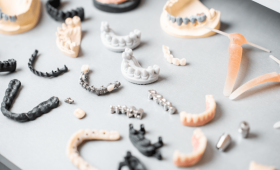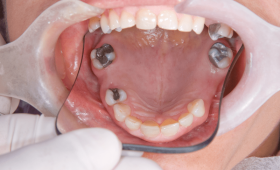
What is Zirconium Dental Veneer?
Zirconium dental veneers have become one of the most popular solutions for patients seeking both aesthetics and durability in modern dentistry today. This innovative material, which has replaced metal-supported porcelains, offers a look closest to the natural tooth structure thanks to its light transmittance. However, when patients start researching prices, they realize that there are sometimes huge gaps between the offer given in one clinic and another. The reasons behind these price differences are not just about profit margins, but are based on a very wide range of criteria ranging from the technology used to the artistic skill of the physician. In this article, we will examine in detail why zirconium prices are so variable.
How Does Zirconium Material Quality Affect the Price?
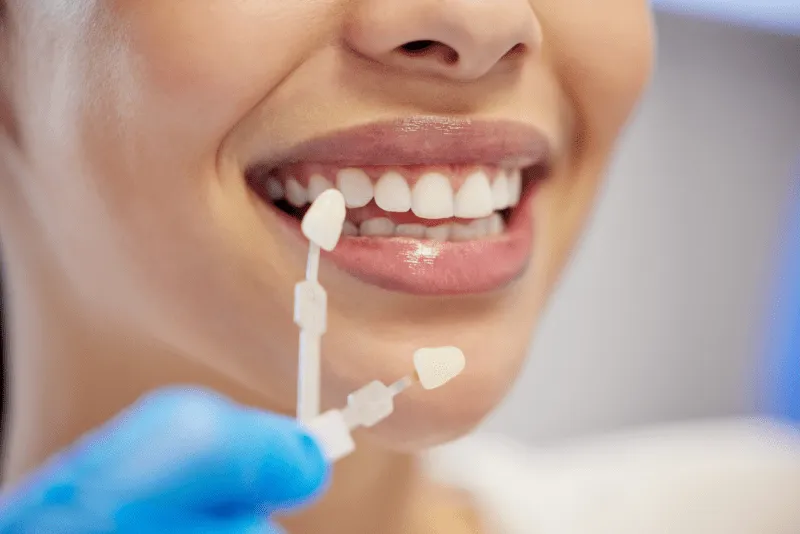
The raw material used in zirconium veneers is supplied in blocks, and the quality of these blocks is the most fundamental factor determining the price. There are many different zirconium brands of European, American, and Far Eastern origin in the market. Top-segment zirconium blocks have higher fracture resistance and a more natural translucency (light transmittance) feature. Low-quality blocks may change color over time or show structural weaknesses. Therefore, the prestige of the zirconium brand used by the clinic and the material certificate is a factor that directly increases or decreases the treatment cost. Quality material means a long-lasting investment.
What is the Role of Laboratory Technology in Pricing?
The production of a zirconium tooth is a technical process that starts with the dentist taking the impression from the mouth and going to the laboratory. Most modern clinics use CAD/CAM (Computer-Aided Design and Manufacturing) systems that minimize the margin of error. The investment costs and annual maintenance expenses of these devices are quite high. While laboratories working with traditional methods, i.e., with lower technology, can offer more affordable services; laboratories working with digital scanners and precision milling units guarantee the perfect fit of the tooth to the gum. This precision both protects gum health and extends the life of the veneer, which is reflected in the price.
Does the Dentist’s Expertise Change the Price?
Dentistry is not just a medical intervention, but also an artistic application. A prosthetic specialist (Prosthodontist) or a dentist who has gained long years of experience in aesthetic dentistry takes many details into account such as the patient’s facial line, smile symmetry, and skin color when performing case analysis. The manual labor and clinical vision of an experienced physician is the most critical point determining the success of the treatment. The fact that there is a difference between the price schedule to be applied by a newly graduated or less experienced physician in this field and a specialist who has signed thousands of successful cases is an expected situation in terms of the quality of the service provided.
How Does the Clinic’s Location Affect Prices?
Operating costs of clinics show great changes according to the location where they are located. The rent, personnel, and general expenses of clinics located in the central points or prestigious neighborhoods of metropolitan cities are much higher. This situation causes general overhead costs to be reflected in treatment prices. For example, the price difference between a clinic in Istanbul’s Nişantaşı district and a clinic in a smaller city in Anatolia does not necessarily mean a difference in material quality; it is often directly related to operating costs and the expectations of the patient profile reached by the physician.
Is Digital Smile Design an Additional Cost?
Digital Smile Design is an indispensable process for patients with high aesthetic expectations. In this process, before the teeth are cut, photographs are taken, videos are recorded, and the finished state is shown to the patient in a digital environment. The license fees of these softwares, professional photography equipment, and the time spent by the specialist who will make this design are added to the total treatment cost. While the patient can only see the finished state of the teeth during the trial phase in traditional methods, clinics offering digital design offer a guarantee to the patient. This comfort and planning stage is reflected as an additional item in the total price.
Is the Quality and Use of Temporary Teeth Important?
The zirconium veneer process begins with the abrasion of the teeth, and temporary teeth are fitted until the permanent teeth arrive so that the patient does not experience sensitivity and their aesthetics do not deteriorate. While some clinics prepare simple temporaries from standard acrylic material, some produce special temporaries from more durable and aesthetic composite or PMMA materials so that the patient does not interrupt their social life. The comfort of temporary teeth, their ability to continue the chewing function, and their quality as a rehearsal for permanent teeth show the quality of service offered by the clinic. Quality temporary tooth production also creates a price difference due to material and workmanship costs.
Do Gum Treatments Increase the Total Cost?
The most important condition for a healthy zirconium veneer is that the gums are healthy. If the patient has inflammation, recession, or level disorder in their gums, it must be treated before the veneer. Laser-assisted interventions such as gingivoplasty (gum shaping) may be required. While some clinics include these additional treatments in the package price, some charge for each procedure separately. A zirconium veneer made by ignoring gum health will cause bruising and falling off in a short time, no matter how high quality it is. The meticulousness of these preliminary preparations is among the hidden factors determining the price.
Why is Adhesive Quality Important?
Zirconium teeth are fixed to the natural tooth tissue with special resin cements called adhesives. The price difference between world-famous brands of these adhesives and generic brands is large. A high-quality adhesive provides sealing between the tooth and the veneer at a microscopic level; thus, it prevents the tooth under the veneer from decaying and minimizes hot-cold sensitivity. Low-quality adhesives may lose their tissue-friendly properties over time or cause the veneer to come off. The clinic’s choice of the best material in these details increases the total treatment price slightly but guarantees patient satisfaction in the long run.
Are After-sales Services Included in the Price?
The process after the zirconium treatment is over also affects the pricing. Some institutional clinics give guarantees for certain periods such as 5 or 10 years against the prostheses they make. This guarantee covers the commitment of free replacement in case of any breakage or color change. Providing such a assurance is a result of the clinic’s trust in the material used and its physician. In addition, the fact that post-treatment regular checks (re-call) are done free of charge or the possibility of rapid intervention in case of possible small adjustment problems increases the service quality of the clinic. This “assurance package” is naturally added to the initial price as a cost.
Does Technology Investment Increase the Treatment Fee?
The technological infrastructure of a clinic directly affects the diagnosis and treatment processes. Intraoral scanners, 3D dental tomographies, and tooth cuts made under a microscope bring the margin of error close to zero. These devices require investments of hundreds of thousands of dollars. Being treated in a clinic with high technological equipment means a more comfortable impression process (without nausea) and a faster treatment time. When patients prefer this comfort and precision, it is inevitable that the prices applied by the clinics to sustain these investments will be slightly higher.
How Does Technician Workmanship Affect Esthetics and Price?
The heart of the zirconium veneer beats in the laboratory. The dentist does the preparation, but the person who shapes the tooth is the dental technician. Will a technician just give the tooth a white color or will he imitate that transparent, cracked, and lively structure of the natural tooth by stacking porcelain with brush strokes on it? This is entirely an artist’s skill. Clinics working with “Master” level dental technicians get much more natural and aesthetic results. The workmanship fee of an artistic technician is much more than a laboratory that does mass production, and this difference ensures that the patient gets a result that does not look “artificial” in their teeth.
Is There a Discount as the Number of Teeth Increases?
Zirconium veneer prices are usually calculated “per tooth.” However, in multi-tooth restorations such as the whole mouth or upper jaw, the approach of the clinics may change. The preparation time and laboratory logistics allocated for a single tooth veneer differ from the process allocated for 20 teeth in terms of cost. Some clinics can offer more attractive packages for the patient by lowering the unit price in high-volume works. However, the excessive drop in price should arouse suspicion that workmanship or material quality has been compromised. Although the total cost increases as the number increases, it is an expected situation to optimize the cost per unit.
Do Examination Fees Vary from Clinic to Clinic?
One of the first items encountered while doing price research is the examination fee. While some clinics perform the first examination for free and try to win the patient, some demand an examination fee by making the physician’s time and expertise valuable. Detailed analyzes, X-ray recordings, and the planning process performed during the examination reflect the professional stance of the clinic. In places offering free examination, this cost is usually tucked into the treatment fee when the treatment is approved. Clinics that perform paid examinations are generally places that provide more boutique services and maximize the time allocated to the patient.
How Do Imaging Techniques Affect the Price?
Before zirconium treatment, it is essential to see the root health and bone structure of the teeth. An examination performed only with the eye may overlook a cyst at the root tip or a problem in the canal. Panoramic X-ray in modern clinics or 3D dental tomography requested in advanced cases increases the accuracy of the diagnosis. The presence of these devices in the clinic and their interpretation by an expert is an additional cost. Clinics using such advanced imaging techniques in the diagnosis stage base the treatment plan on more solid foundations and prevent surprise extra costs that may occur in the future.
Is Anesthesia and Sedation Subject to an Extra Fee?
Some patients may feel extreme anxiety in the dentist’s chair or their gag reflex may be severe. In this case, clinics may offer sedation or general anesthesia options other than local anesthesia. Such procedures require the presence of an anesthesiologist doctor and a specially equipped room. If such additional services are provided for the comfort of the patient, the costs of the anesthesia team and the drugs used will increase the treatment budget. While only local anesthesia is applied in a standard clinic, prices differ in centers with wide surgical and anesthesia facilities due to this professional support.
How Do Imported Brands Determine Prices?
Turkey is largely dependent on imports for dental materials. Zirconium blocks, cements, and laboratory equipment are usually purchased in Euros or Dollars. Therefore, the prices of clinics using world-renowned German, Swiss, or American brands are instantly affected by fluctuations in exchange rates. Clinics using domestic production or more economical Far Eastern brands can offer more stable and affordable prices. However, it should not be forgotten that brands that meet international standards for aesthetics and durability always come with a higher cost.
How Standards of Hygiene Affect the Cost?
One of the elements that are generally not noticed by patients but affect the cost the most is sterilization. The quality of disposable materials (cups, aprons, saliva ejectors, etc.) and the sterilization of surgical sets in autoclave devices after each patient is a serious expense. Top-level clinics apply the most modern disinfectants and sterilization protocols to reduce the risk of contamination to zero. This meticulousness both protects the patient’s health and ensures the complication-free healing of the treatment. Costs may seem low in places that compromise hygiene standards, but this situation carries a great health risk for the patient.
Are Fast Treatment Options More Expensive?
The zirconium veneer process is completed within 1 week to 10 days under normal conditions, with a few trials. However, there are clinics that offer “Same Day Dentistry” service for patients coming from abroad or who have limited time. The production of teeth on the same day thanks to the milling devices in the clinic, the laboratory working only for that patient that day, and the acceleration of the process increase the labor costs. In cases where time is more valuable than money, this express service is charged at a higher price than standard treatment.
Are Post-treatment Checks Paid?
Dentistry is not a process that ends with the completion of treatment. The adaptation of the teeth in the mouth, the response of the gum to the veneer, and the chewing balance should be followed over time. Clinics providing quality service call their patients for free checks at periods such as the first 6 months and 1st year after treatment. Any roughness or difficulty in getting used to it is corrected in these checks. The operational costs of clinics that establish such a follow-up system and do not leave their patients alone after the treatment is over will be higher than the institutions that do not show this interest.
Does the Cutting Technique Affect the Life of the Veneer?
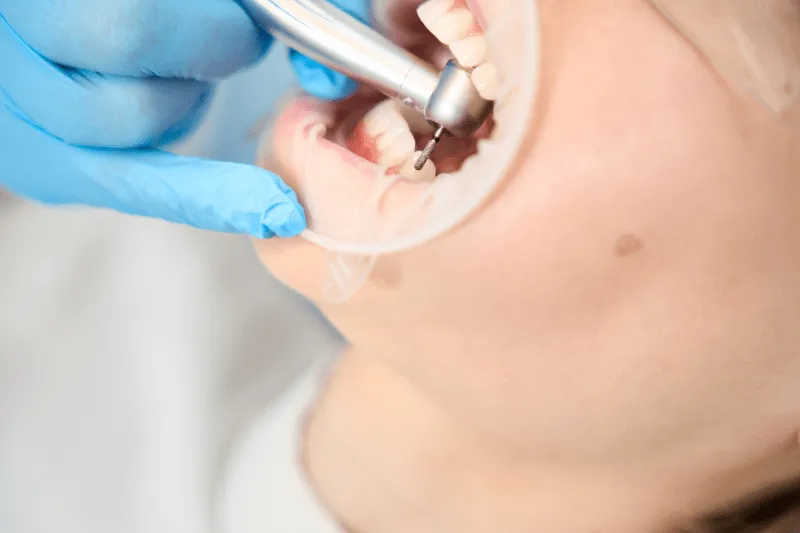
The tooth must be reduced in order to apply zirconium veneer. During this cutting process, it is very important not to damage the pulp (nerve chamber) of the tooth and to correctly determine the gum line (stepped cut). Faulty cuts lead to the tooth losing its vitality or bacteria accumulating under the veneer. The technique called “stepped cut”, which determines the most ideal limit for the technician, takes longer and requires high concentration. The sensitivity of the physician at this stage and the quality of the burs (cutters) used is one of the technical details determining the life and price of the veneer.
How Does Lab Selection Determine the Price?
While some large clinics have laboratories within their own structure, some work with independent laboratories outside. Having the clinic’s own laboratory maximizes communication between the physician and the technician, providing the possibility of correcting errors immediately, but increases fixed costs. External laboratories can offer competitive prices. However, the critical thing here is whether the clinic chooses the cheapest laboratory or the laboratory that does the best work. The best laboratories work using the highest quality porcelain powders and zirconium blocks, which directly determines the invoice reflected to the clinic and thus the price given to the patient.
Do Personal Expectations Increase the Cost?
Every patient’s expectation is different. While some patients want very white and smooth teeth called “Hollywood Smile”, some demand a look that is natural enough not to be distinguished from their existing teeth, slightly irregular and characterized. Working on such personal aesthetic details can increase the number of trials and requires the technician to give form to each tooth by hand. The cost of a “boutique” work designed specifically for the patient’s face cannot be the same as teeth coming out of a standard mold. These processes, which are labor and time-intensive, are one of the biggest reasons for price differences.
Why Do Exchange Rates Change Prices?
Exchange rates play a vital role when determining zirconium veneer prices in countries like Turkey. Zirconium blocks are generally imported on a Euro basis. When the costs of clinics to renew their material stocks rise with the increase in exchange rates, this situation is directly reflected in treatment prices. While some clinics can maintain old prices for a while because they work with stock, some may have to reflect current costs instantly. This situation is an economic fact explaining why even offers received from different clinics within the same week can change.
Does Clinic Comfort Create a Price Difference?
Some dental clinics offer not just a health service, but also an experience to their patients. Services such as VIP transfer services, luxury waiting rooms, the possibility of watching movies during treatment, or consultants who speak foreign languages increase the brand value of the clinic and thus the service fee. Although such details do not directly increase the medical quality of the treatment, they maximize the psychological comfort and satisfaction of the patient during the treatment process. In places that adopt a boutique and luxury service approach, prices are positioned in the higher segment in this direction.
Is the Whitening Process Included in the Package?
Zirconium veneers are usually applied to the teeth in the smile line. However, sometimes the color of the natural teeth that are on the side and will not be veneered can remain too dark compared to the new zirconium teeth to be made. In this case, whitening (bleaching) may need to be applied to other teeth to ensure harmony. While some clinics give one session of whitening as a gift within the zirconium package, some charge it as an additional treatment. These kinds of additional aesthetic touches made to ensure color integrity in the mouth are among the items that change the price in total budget planning.
How Do Additional Treatments Affect the Budget?
If there is an old root canal treatment under the tooth to be veneered or if there is a deep cavity in the tooth, these problems must be eliminated before the zirconium is fitted. Procedures such as renewing the root canal treatment, strengthening the tooth with a fiber post are costs that are independent of the price of the zirconium veneer but are part of the treatment process. How meticulously the clinic performs these structural repairs ensures that you do not encounter problems such as “toothache” or “decay under the veneer” in the long run. The quality of these infrastructure works are factors that increase the price but save your tooth.
Are Filling Renewal Procedures Paid?
Old and leaking fillings on the tooth prepared for zirconium veneer may need to be cleaned and replaced with modern composite fillings. These “build-up” (reconstruction) procedures performed to make the form of the tooth suitable for the veneer create an additional cost in terms of material and time used. While these procedures are included in the price in some clinics, in some they are invoiced separately under the tooth preparation item. Sitting the tooth on a solid foundation before treatment is critically important for the stability of the veneer.
Who Covers the Cost of the Night Guard?
Many people grind their teeth at night (bruxism) without realizing it. Even though zirconium is very durable, an uncontrolled force can damage the veneer or the opposing tooth. A custom-made “night guard” must be prepared for patients who carry this risk at the end of treatment. Whether the clinic makes this guard or includes it in the price affects the total cost. This protective measure, which is vital for the protection of veneers, must be included in the treatment termination protocol of a professional clinic.
Do Color Selection and Trials Increase the Price?
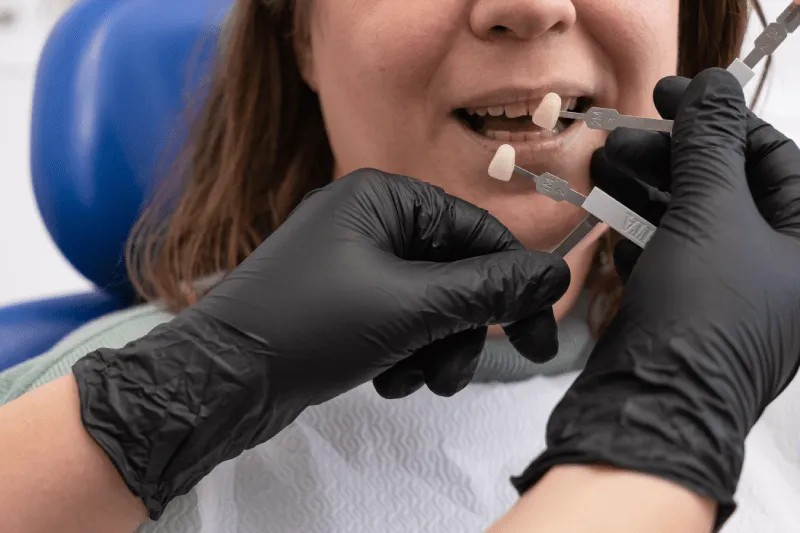
The most challenging part of zirconium veneers, especially if a single tooth is being made, is to match the color of that tooth exactly with the natural teeth next to it. This process can sometimes require more than one trial. Situations such as the technician coming to the clinic and performing color analysis in the patient’s mouth or the patient going to the laboratory fall within the scope of “personalized service”. While choosing a number from a standard color scale and moving on reduces the cost, the labor spent to imitate the micro color transitions on the tooth explains why the price is higher.
Why is Digital Impression More Costly?
Taking an impression with the traditional method is done by placing dough-like substances in the patient’s mouth. This method is both uncomfortable for the patient and carries a margin of error at a micro level due to reasons such as shrinkage of the material. Digital impression is the scanning of teeth with the help of a camera; it is much more precise and is instantly transferred to the computer. The high technology cost of digital scanners is reflected in the prices of clinics using this method. However, since the harmony of teeth produced with digital impression is much higher, the risk of gum problems that may occur in the future is significantly reduced.
Is Staff Quality Reflected in the Price?
A dental clinic does not just consist of the physician. The education level and professionalism of the auxiliary staff, oral health technicians, and sterilization officers determine the service quality. A well-trained team reduces the margin of error and ensures that the patient is informed correctly throughout the process. The operational expenses of clinics that provide regular training to their staff and offer high-standard working environments are higher. This situation manifests itself in pricing as a part of the “trouble-free service” experience offered.
Does Brand Prestige Increase the Price?
Some clinics in the market have become “brands” with their advertising efforts and social media awareness. Institutions with high brand awareness allocate serious marketing budgets to sustain this popularity. In addition, because they see heavy demand, their appointment calendars are always full. This situation may cause prices to be determined higher due to the “supply-demand” balance. However, what the patient should pay attention to here is whether the high price is asked only for advertising or for a truly proven success and quality.
What Do Health Tourism Packages Cover?
If the clinic provides service to patients coming from abroad, the additional coordination services provided for these patients (reception, hotel reservation, interpretation, etc.) affect the costs. In centers focused on health tourism, prices are usually offered in the form of package programs. While this is sometimes perceived as higher prices for local patients, the rapid solution ability and technological opportunities offered by these clinics can also create an advantage for local patients. The certification and accreditation expenses brought by serving at international standards are also a part of the price difference.
Is Zirconium Veneer Economical in the Long Run?
When evaluating zirconium veneer prices, it is important to choose the one that offers the “highest value”, not the “cheapest”. An poor quality application preferred because it is affordable today can lead to much larger expenses a few years later due to reasons such as gum recession, the falling off of the veneer, or the decaying of the tooth underneath. In a quality clinic, a treatment performed by a specialist physician using the best materials can be used for decades without any problems. From this perspective, the initial price difference actually means saving from possible future treatment expenses and securing oral health.
Free Consultation
Fill out the form below to get your free medical travel plan and price quote.
Sources and how to verify this yourself
- Howe M-S, Keys W, Richards D. Long-term (10-year) dental implant survival: a systematic review and sensitivity meta-analysis. Journal of Dentistry, 2019 — pooled 10-year implant survival 96.4% (95% CI 95.2–97.5%); conservative sensitivity estimate 93.2%. source
- Ministry of Health, Regulation on International Health Tourism and Tourist Health, Official Gazette 26 April 2025, No. 32882 — authorisation requirement for facilities and intermediaries, TÜSKA accreditation, compulsory complication insurance (deadline 31 December 2025 for insurance, 31 December 2026 for accreditation). source
- Ministry of Health, Regulation on Promotion and Information Activities in Health Services, Official Gazette 12 November 2025, No. 33075 — treatment promises and guarantees are prohibited; price and campaign announcements are permitted only within international health tourism. source