What is bichectomy and how is facial slimming achieved?
Bichectomy, known in medical literature as buccal fat removal, is an aesthetic intervention that provides a thinner, sharper, and “V-shaped” appearance to the face. During this procedure, excess fat tissues located in the deep layers of the cheeks, called “Bichat” fat pads, are surgically removed. The removal of these excesses in the middle part of the face ensures that the cheekbones become more prominent and the jawline appears sharper. In individuals who have genetically chubby cheek structures, removing these fats that do not disappear with diet or exercise improves facial symmetry and creates a much more aesthetic profile.
Who are the suitable candidates for bichectomy surgery?
The most suitable candidates for bichectomy surgery are individuals whose body mass index is within normal limits but whose facial features are disproportionately round or chubby. Individuals over the age of 18 who want their facial features to become more distinct, feel that their cheekbones are overshadowed, and complain about the fullness in the cheek area can be evaluated for this procedure. Generally, patients in their late 20s or early 30s are preferred because facial fat tissue fully settles during this period. However, this procedure may not be suitable for people with very thin faces or those experiencing volume loss due to signs of aging; therefore, a preliminary examination by a specialist surgeon is essential.
What is the role of bichectomy in facial contour aesthetics?
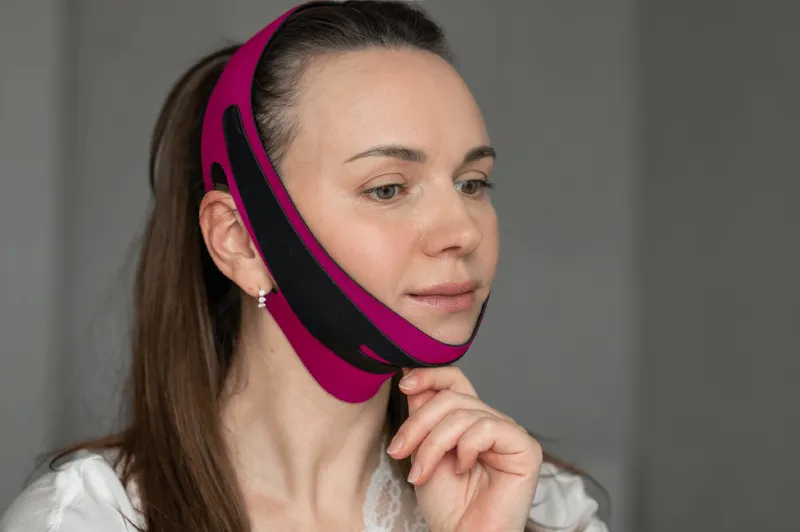
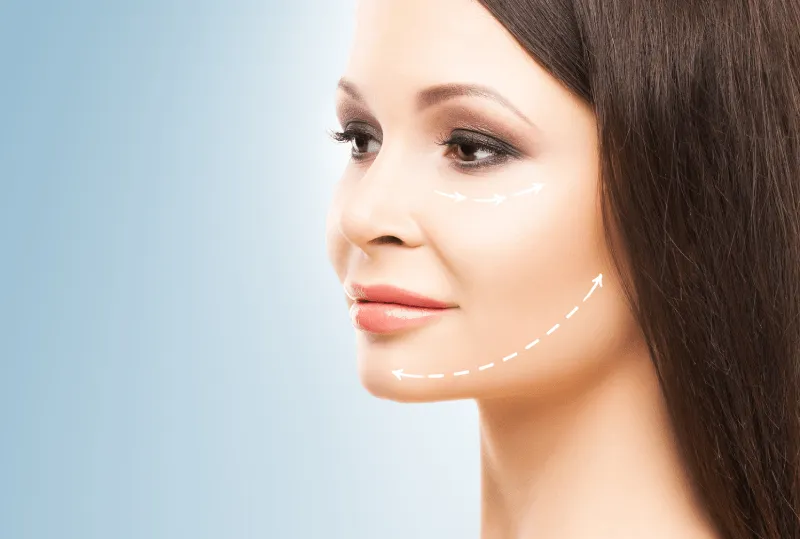
In facial contour aesthetics, bichectomy is a key operation that enables the transition of the face from a “U” form to a “V” form. In modern beauty standards, the inverted triangle appearance between the cheekbones and the chin tip is quite popular. Bichectomy reduces the volume in the inner part of the cheeks to capture this aesthetic golden ratio. Thus, shadowing on the face occurs naturally, eliminating the patient’s need for constant contour makeup. This thinning in the middle part of the face gives the person a more attractive, younger, and more dynamic expression, while providing a more sophisticated look by eliminating the heaviness in the general structure of the face.
What should be done before bichectomy surgery?
The pre-operative preparation process is a critical phase that directly affects the success of the operation and the speed of recovery. As a first step, a detailed medical history of the patient should be taken, and expectations should be clearly shared with the surgeon. Blood thinners, herbal teas, and vitamin supplements should be stopped at least one week before the operation. Additionally, smoking must be stopped before the operation as it delays tissue healing and increases the risk of infection. Alcohol consumption should also be limited as it can increase the risk of bleeding. Paying attention to oral hygiene on the day of surgery and staying hungry for the specified period before the operation is extremely important for the anesthesia process and post-operative health.
How long does the bichectomy procedure take?
Bichectomy is a practical and effective surgical procedure that is often described as “lunchtime aesthetics” because it is short. Although the duration of the procedure varies depending on the experience of the surgeon and the density of the amount of fat in the patient’s cheek structure, a typical bichectomy procedure is completed in a total of 30 to 45 minutes for both cheeks. The fact that the procedure is this short allows patients to return to their social lives quickly. After a short observation period following the surgery, patients can be discharged on the same day. Being a rapid intervention is a significant advantage that ensures surgical stress remains low and helps the patient get through the process more comfortably psychologically.
How is anesthesia used during the surgery?
Bichectomy surgery is generally performed under local anesthesia for the comfort of the patient and to allow the surgeon to work precisely. When local anesthesia is applied, the patient is awake but does not feel any pain or ache in the cheek area. In some cases, especially if the patient is very excited or if additional aesthetic procedures are to be performed at the same time, general anesthesia or sedation may also be preferred. The choice of anesthesia is determined during the pre-operative planning phase, taking into account the surgeon’s recommendation and the patient’s general health status. In both methods, the main goal is to ensure the patient has a completely painless experience and to maximize surgical comfort.
Where and how are bichectomy incisions made?
One of the biggest advantages of bichectomy surgery is that there are no visible stitches or scars from the outside. The incisions are made in the form of a small line of approximately 1 to 2 centimeters in the oral mucosa, on the inner part of the cheeks. The surgeon reaches the Bichat fat pads through this tiny incision and gently removes the fat tissue. These incisions made from the inside do not harm the outer skin at all and are quite difficult to notice even inside the mouth when healing is complete. Generally, self-dissolving stitches are used to close the incisions; this prevents the patient from the trouble of having stitches removed, making the process much more comfortable.
How does bichectomy make cheekbones more prominent?
The prominence of the cheekbones is largely related to the volume of the cheek area beneath them. When the cheeks are very full, the cheekbones get lost within this volume, and the face takes on a flat, non-characteristic structure. When the excess fat tissue in the inner part of the cheek is removed with bichectomy, the area just below the cheekbones becomes hollow. This natural hollowing changes the reflection of light on the face, bringing the cheekbones to the fore and adding depth to the facial features. As a result, even without any fillers being applied to the cheekbones, a more prominent, more distinct, and more attractive mid-face appearance emerges spontaneously thanks to the thinning in the cheeks.
How is the Hollywood cheek look achieved?
Hollywood cheeks is a concept that describes the sharp, attractive, and aristocratic facial expression that world stars possess. The most basic way to achieve this look is bichectomy surgery. The negative volume created in the cheeks with bichectomy ensures that the jawline appears sharper and the cheekbones appear higher. This aesthetic balance creates a thinner and more elegant profile throughout the face. Not only fat removal, but sometimes jawline fillers or cheekbone contouring can be added to this process to maximize the “Hollywood cheek” effect. This procedure takes away the soft and childish expression on the face and replaces it with a more mature, self-confident, and eye-catching expression.
Does bichectomy provide a permanent result?
The results obtained with bichectomy surgery are largely permanent. This is because the Bichat fat pads removed from the deep layers of the cheek have a different structure than the fat deposits in other parts of the body. These fat pads generally do not show a significant increase in volume even if the person gains weight. Therefore, once these tissues are removed, the same fullness in the cheek area is not expected to return. However, excessive weight gain after the operation may cause thickening in other tissues of the face and the subcutaneous fat layer, which may slightly shadow the sharp appearance created by the bichectomy. A healthy lifestyle and weight maintenance ensure that bichectomy results remain at their best for a lifetime.
What is the recovery process like after surgery?
The recovery process after bichectomy generally proceeds quite quickly and smoothly. It is normal to have a slight swelling and sensitivity in the cheeks immediately after the operation; this situation starts to decrease within a few days. Applying ice for the first 24 hours is the most effective method to minimize edema formation. Since the incisions inside the mouth are very small, they close quickly, but it may take about a week to heal completely. During this process, it is important for the patient to avoid heavy exercises, protect the face from impacts, and use the medications recommended by the doctor regularly. Most patients can comfortably return to their normal social and professional lives only 2-3 days after the operation.
What should the diet be like after bichectomy?
Post-operative nutrition is of vital importance in terms of protecting the stitches inside the mouth and preventing the risk of infection. For the first 2-3 days, it is recommended to feed on liquid and warm foods without grains; soups, fruit juices, purees, and yogurt are ideal options for this period. Very hot or very cold drinks should be avoided because the mucosa is in a sensitive state. Additionally, acidic drinks and spicy meals can irritate the incision sites inside the mouth, so such foods should be avoided during the healing process. From the fourth day onwards, soft solid foods can be gradually introduced. Using the recommended mouthwash solutions to ensure oral hygiene after every meal is a fundamental step that supports the healing process.
When do the swellings subside after surgery?
As with any surgical intervention, it is inevitable that some swelling occurs due to edema in the tissues after bichectomy. These swellings usually peak on the second or third day of the operation and then start to go down quickly. At the end of the first week, a large part of the swelling disappears, and the patient returns to a state similar to their pre-operative appearance. However, it generally takes 4 to 6 weeks for the tissues to heal completely and for the edema to be fully expelled so that the facial features become clear. In some patients, it may take up to a few months for the final result to settle. Being patient during this process and following the doctor’s advice strictly will help the edema to be expelled in the fastest way possible.
How is pain managed after bichectomy?
Bichectomy surgery is generally not described as a painful procedure, but it is natural to feel a slight throbbing or ache during the recovery period. This situation can usually be easily controlled with simple painkillers prescribed by the surgeon. Sticking to the dose and frequency of use of the medications is the most fundamental rule for pain management. Additionally, cold compress applied at regular intervals during the first 48 hours after the operation both reduces the sensation of pain and provides relief by slightly numbing the nerve endings. If unexpected symptoms such as unbearable pain, severe bleeding, or fever are seen, the surgeon who performed the operation should be contacted without losing time.
What are the risks and side effects of bichectomy?
Although bichectomy is a safe operation, it carries some potential risks as in all surgical procedures. These may include infection, bleeding, formation of asymmetry, and very rarely, damage to the salivary gland ducts or facial nerves. The most effective way to prevent such complications is to have the operation performed by an experienced and expert plastic surgeon. In the post-operative period, not paying attention to oral hygiene can trigger the risk of infection. Side effects are usually temporary and manifest as mild bruising, swelling, or a feeling of tension inside the mouth. Following the surgeon’s instructions is the key to achieving a successful result by minimizing risks.
How does bichectomy sharpen the jawline?
One of the most striking side effects of the bichectomy operation is that the jawline gains a much clearer and more distinct appearance. When the fullness in the cheeks decreases, the visual clutter at the bottom of the face is eliminated and the bone structure comes to the fore more. The thinning of the cheek area from top to bottom ensures that the chin tip is perceived as more distinct and the edges of the jawbone appear sharper. This situation adds a more masculine or a stronger feminine expression to the face. This “lift” effect achieved with bichectomy prevents the face from appearing dull and contributes to the improvement of the profile as a whole by supporting the extension of the jawline towards the underside of the ear with an aesthetic curve.
Why is the age factor important for bichectomy?
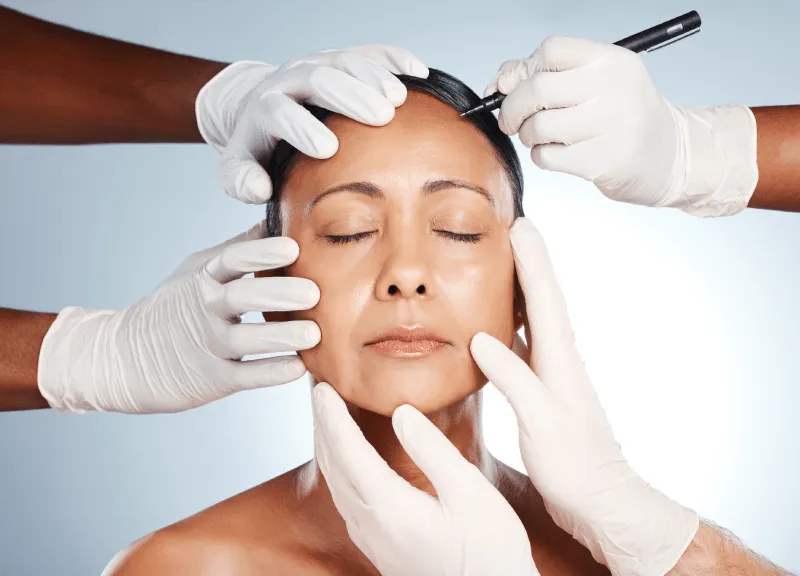
The age factor in bichectomy surgery is a critical variable for the success of aesthetic results and long-term appearance. Facial fat tissue is denser at younger ages, but as age progresses, natural fat tissues in the face start to decrease on their own. If these fats are removed at a very young age before the facial features have settled, the face may look excessively sunken and old in later years. For this reason, surgeons generally prefer to wait until the patient is in their late 20s. On the other hand, in patients over the age of 45, sagging may occur in the skin after fat removal because skin elasticity decreases. The ideal candidate is individuals in the age group where the skin can recover itself and the facial volume is stable.
Can bichectomy be combined with filler procedures?
Yes, bichectomy surgery generally gives much more impressive and balanced results when combined with other aesthetic filler applications. Especially in patients who want a “V-Line” facial design, jawline filler or cheekbone filler can be applied simultaneously while the cheeks are thinned with bichectomy. This combination creates a perfect facial contour by reducing the excesses in the mid-region of the face while gaining volume in the needed areas. Fillers support the thinness provided by the bichectomy, making the face look more lifted and energetic. Such combined procedures provide a holistic rejuvenation and beautification by harmonizing all angles of the face and can usually be carried out with a single session planning.
How is bichectomy performed in men?
Bichectomy application in men has become quite popular in recent years with the increasing interest in masculine facial features. The main goal in male facial aesthetics is to create harder, stronger, and more angular features. Bichectomy eliminates the chubby cheek structure that causes a “baby face” expression in men, ensuring that the cheekbones are more prominent and the jawline appears more squared and authoritative. The operation technique is the same as for women, but the surgeon needs to protect the characteristic features of male facial anatomy while planning the amount of fat to be removed. Male patients usually show faster recovery and achieve both a more attractive profile and a fitter facial appearance through this procedure.
When are stitches removed after bichectomy?
The stitches used in bichectomy surgery are generally selected from self-dissolving (absorbable) materials in order to increase the patient’s comfort and facilitate the process. Such stitches are naturally broken down by the body, so there is no need for another doctor’s appointment or surgical intervention to have the stitches removed. Stitches usually disappear completely within 7 to 14 days after surgery. During this process, it is normal to have a slight feeling of tension or roughness at the stitch sites. If non-dissolving stitches are used in rare cases, these are usually removed by the surgeon after a week with a simple and painless procedure. It is sufficient for patients not to play with the stitches and to take care of oral hygiene during this process for the health of healing.
Is there a risk of scarring after surgery?
The bichectomy operation is one of the best examples of “scarless” procedures in aesthetic surgery. Since the surgical incisions are made completely inside the mouth, it is not possible for any incision, stitch, wound, or stain to form on the outer skin of the face. This situation offers a perfect advantage for patients who want the operation they have had to remain secret. The mucosal tissue inside the mouth is one of the fastest-healing tissues in the body, and the tiny incisions formed here become smooth enough not to be noticed even with the naked eye after healing. Therefore, when viewed from the outside, no evidence of surgical intervention remains; only the natural thinning of the face and the distinct lines are observed.
When can you return to work after bichectomy?
Bichectomy is a procedure that affects the patient’s social life at a minimum level. Most patients can return to their jobs on the 2nd or 3rd day after the operation. For people who do not work at a very heavy physical pace at work and do desk jobs, the recovery process is quite comfortable. Since there may be a slight swelling in the cheeks for the first few days, some patients may prefer to spend this period resting at home. This operation, which does not create any obstacle to speaking or using facial expressions, does not make it difficult for the patient to communicate. If it is necessary to hide the swellings, cold compress applications will accelerate the process and help the patient return to the work environment more confidently.
When are the full results of bichectomy visible?
The final results of bichectomy surgery do not emerge the very next day; this situation is a process that requires patience. The edema and swellings that form immediately after the operation mask the real thinness of the face for a while. When most of the edema dissipates within the first 1-2 weeks, the thinning in the face begins to be noticed. However, it usually takes between 3 to 6 months for the tissues to settle, for the skin to adapt to the new volume, and for that characteristic hollowing to become fully distinct. At the end of this period, the facial features become completely clear and that aesthetic, attractive look targeted by the operation shows itself permanently. The gradual emergence of results also helps the change to be perceived much more naturally by your surroundings.
When can exercise be resumed after bichectomy?
After the bichectomy operation, heavy exercises should be interrupted for a while so that the body can recover itself and the blood pressure is kept under control. During the first 1 week after surgery, light activities such as walking can be done, but bending, lifting heavy weights, and cardio workouts that excessively increase the heart rate should be avoided. Such activities can increase the risk of bleeding and delay the subsidence of facial swellings. After approximately 2 weeks, patients can usually return to their old sports routines slowly. However, waiting for at least 4-6 weeks for sports that require high contact and carry the risk of receiving a blow to the face is a safety measure frequently recommended by surgeons.
What are the differences between bichectomy and liposuction?
Although bichectomy and facial liposuction are frequently confused among facial thinning methods, these two procedures actually focus on completely different tissues. Bichectomy targets the “Bichat” fat pads located in the deeper parts of the cheek, and this tissue is surgically removed. Facial liposuction, on the other hand, targets the superficial fat layer just beneath the skin and is the removal of fats by vacuum method. While bichectomy creates hollowing and sharpness in the mid-cheek area, liposuction is generally used to eliminate fats in the jowl area and chin edges. Which method will be chosen depends on the patient’s facial structure and in which layer the fat is concentrated. Most of the time, these two techniques can be applied together for a more holistic result.
Can facial asymmetry be corrected with bichectomy?
Yes, bichectomy can be used as an effective tool to balance facial asymmetries. Most people have natural, slight differences between the right and left sides of their faces; however, in some cases, one cheek may be significantly fuller than the other. An experienced surgeon can correct the asymmetry by millimetrically adjusting the amount of fat taken from each cheek during bichectomy. For example, by taking a bit more fat from the chubbier side, it can be ensured that the two cheeks look more equal and symmetrical. This precise planning increases the harmony in the patient’s face and helps create a more balanced aesthetic profile. However, in cases where the asymmetry originates from the bone structure, bichectomy alone may not be sufficient.
What determines bichectomy prices?
The cost of bichectomy surgery varies depending on many different factors. One of the most important determining elements is the experience, expertise, and recognition of the surgeon who will perform the operation. Additionally, the technological equipment and provided service quality of the hospital or medical center where the surgery will be performed are also effective on prices. The anesthesia method used, and additional procedures such as fillers or liposuction to be done during the operation also increase the total cost. City and regional differences are another factor; it is possible to find competitive yet high-quality options especially in cities that are centers of health tourism like Istanbul. The healthiest price information emerges after a preliminary examination where personal needs are determined.
Why is oral hygiene critical after bichectomy?
Since bichectomy incisions are made inside the mouth, oral hygiene is the most critical issue in order to prevent the risk of infection in the post-operative period. The mouth naturally harbors many bacteria, and exposure of surgical incisions to these bacteria can lead to complications. For this reason, surgeons require the use of special antiseptic mouthwashes after every meal and at certain intervals during the day. Additionally, teeth should be brushed gently and care should be taken not to leave food residue inside the mouth. This meticulousness shown in oral hygiene for the first few days ensures that the incision sites close healthily, shortens the recovery period, and prevents the patient from experiencing any gum or mucosal problems.
Is smoking harmful after bichectomy surgery?
Smoking is a factor that seriously adversely affects the recovery process after all kinds of surgical operations, including bichectomy. Nicotine in tobacco causes blood vessels to constrict, slowing down blood circulation; this reduces the amount of oxygen going to the operation site. As a result, stitches heal later and the risk of catching an infection increases significantly. Especially in intraoral surgeries, the direct contact of cigarette smoke with the incision sites can lead to irritation of the mucosa and undesirable situations such as tissue necrosis. For this reason, surgeons strongly recommend staying completely away from cigarettes starting at least one week before the operation until the healing is complete (approximately 2 weeks).
What are the advantages of having bichectomy in Turkey?
Turkey has become one of the first countries that come to mind when aesthetic surgery and health tourism are mentioned worldwide. The biggest advantage Turkey offers for patients who want to have bichectomy is that high-standard medical service is offered at much more accessible costs. Turkish plastic surgeons are among the specialists with the highest experience and who see the most cases worldwide. Modern hospitals, state-of-the-art equipment, and patient-oriented service approach transform the recovery process into a holiday comfort. Additionally, the geographical beauties and cultural richness offered by Turkey allow patients to combine their treatment processes with a pleasant trip, providing both a physical and spiritual renewal.
What is the health tourism experience like with Cure Holiday?
Cure Holiday designs a perfect end-to-end health tourism experience for patients who want to receive treatment in Turkey. From the moment you contact us, you are included in a personalized hospitality process, not just a medical procedure. Cure Holiday meticulously organizes every detail from the airport transfers of the patients to luxury accommodation options, from surgeon appointments to post-operative follow-up processes. You are ensured to feel at home in this process conducted with professional consultants, without language barriers. Having a bichectomy in Turkey with the assurance of Cure Holiday is not just an aesthetic intervention, but also a safe, comfortable, and unforgettable journey of change.
Why should you choose Cure Holiday experts?
As Cure Holiday, we apply extremely strict quality standards when choosing the specialist surgeons we work with. The surgeons we prefer are names who have signed off on thousands of successful operations in the field of bichectomy and facial aesthetics, are internationally certified, and are accepted as authorities in their fields. For us, every patient’s facial anatomy and expectation is special; therefore, our experts carry out personalized analyses to offer you the most natural and aesthetic results. Cure Holiday experts are by your side at every stage of the recovery process, not just at the moment of the operation, answering all your questions. Thanks to our staff that combines scientific approach with aesthetic perspective, you can safely reach the sharp facial features you dream of.
What do Cure Holiday packages include?
The treatment packages offered by Cure Holiday have been prepared with an “all-inclusive” concept so that our patients can focus only on their own health and beauty without dealing with any details. Within the scope of these packages, the bichectomy operation to be performed in the best hospitals, all necessary tests, and examinations before the surgery take place. Additionally, accommodation in 5-star hotels, VIP transfer services between airport-hotel-hospital, and all medications and care products you will need after the operation are included in our packages. Our patient coordinators, whom you can reach 24/7, ensure that every moment you spend in Turkey is trouble-free. With Cure Holiday, you can enjoy high-level service quality and transparent pricing without encountering budget surprises.
How is the treatment process planned with Cure Holiday in Turkey?
Your bichectomy journey with Cure Holiday starts with a simple and effective planning process. In the first step, an online preliminary evaluation is made with our specialist surgeons over the photos and expectations you send to our consultants. After the most suitable treatment plan and calendar for you are determined, all your organizations are completed in line with your flight ticket. From the moment you land in Turkey, you are met with our VIP transfer vehicle and placed in your comfortable hotel. Following the face-to-face consultation you will have with your surgeon the next day, your operation is carried out. While you spend the first days of your recovery process pleasantly with the support of Cure Holiday, you are seen off to your country with your new facial line after your necessary checks are completed.
How can you achieve your dream facial features with Cure Holiday?
Achieving those sharp, attractive facial features that resemble Hollywood stars is no longer far away from you. As Cure Holiday, we are not just an intermediary for you, but your most reliable solution partner on the way to your beauty goals. While you get rid of the excesses in your cheeks with the bichectomy operation, you will find the opportunity to spare time for yourself in the fascinating atmosphere of Turkey. Our professional team is here to transform your change process into a success story with the most modern techniques and warm-hearted service approach. You too, do yourself a favor and step into a new look with the privilege of Cure Holiday; because you deserve the best results and the highest quality care.
Free Consultation
Fill out the form below to get your free medical travel plan and price quote.
Sources and how to verify this yourself
- Eisenberg D, et al. 2022 ASMBS and IFSO Indications for Metabolic and Bariatric Surgery. — surgery is recommended at BMI ≥35 regardless of co-morbidity, and considered at BMI 30–34.9 with metabolic disease (lower thresholds for Asian populations). source
- Ministry of Health, Regulation on International Health Tourism and Tourist Health, Official Gazette 26 April 2025, No. 32882 — authorisation requirement for facilities and intermediaries, TÜSKA accreditation, compulsory complication insurance (deadline 31 December 2025 for insurance, 31 December 2026 for accreditation). source
- Ministry of Health, Regulation on Promotion and Information Activities in Health Services, Official Gazette 12 November 2025, No. 33075 — treatment promises and guarantees are prohibited; price and campaign announcements are permitted only within international health tourism. source