What is Postpartum Abdominal Sagging?
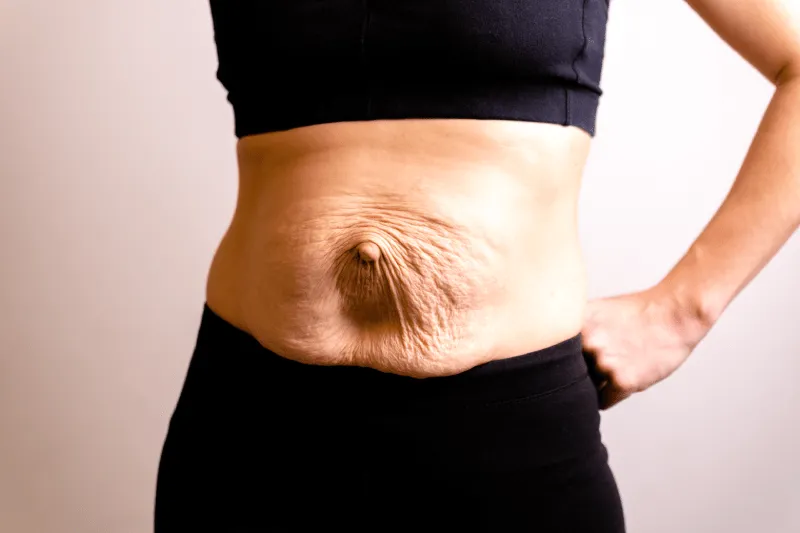
Postpartum abdominal sagging is the excess skin caused by the overstretching of the abdominal skin during pregnancy and the resulting damage to collagen and elastin fibers. This condition usually arises from a combination of factors such as the loss of skin elasticity, separation of the abdominal muscles (diastasis recti), and accumulation of adipose tissue. Sagging can negatively affect a mother’s self-confidence and may cause not only aesthetic but also physical discomforts, making it natural to seek effective solutions. The permanent effects of this condition can be too severe to be resolved solely through lifestyle changes.
Why Does the Change in the Abdominal Area Occur?
Permanent changes in the abdominal area are due to multiple factors. The greatest factor is the mechanical stretching of the skin as the uterus expands. However, pregnancy hormones also soften the connective tissue, reducing the skin’s ability to bounce back. Genetic predisposition, the total amount of weight gained during pregnancy, and multiple births are also significant factors determining the severity of sagging. These changes are a natural consequence of the mother’s body successfully completing the task of carrying a baby, but they often require supported intervention.
What is Diastasis Recti? Does It Play a Role in Abdominal Sagging?
Diastasis recti is the separation of the connective tissue (linea alba) located in the middle of the abdominal muscles due to stretching. This condition can cause not only abdominal sagging but also umbilical hernias, lower back pain, and digestive problems. Traditional abdominal exercises can worsen diastasis recti, which is why specialized physical therapy approaches or surgical repair (performed during a Tummy Tuck) offer a definitive solution. Severe muscle separation that does not close with non-surgical methods prevents internal support of the abdominal area, making the saggy appearance permanent.
What is the Effect of Collagen in the Loss of Skin Elasticity?
Skin elasticity depends on the quality and density of collagen and elastin fibers found in the dermis. Rapid weight fluctuations and prolonged stretching lead to the deterioration and tearing of the structure of these fibers. The skin’s recovery rate after pregnancy varies depending on age, genetics, and lifestyle. Proper nutrition, moisturizing, and antioxidant use are important for slowing down collagen loss, but they are insufficient to reverse severe sagging that has already occurred. This structural damage to the skin determines the limits of non-surgical solutions.
How Should You Cope with the Psychological Effects of Sagging?
Postpartum abdominal sagging is more than just a physical change; it has deep psychological effects on mothers’ body image and self-esteem. Many women may perceive their postpartum body as “foreign” or “unrecognizable.” To cope with these feelings, joining support groups, communicating openly with a partner, and seeking professional help are important. Addressing aesthetic concerns and pursuing solutions that make the individual happy are crucial steps that support mental health. Accepting this change in the body is the first step of the healing process.
Why Is Setting Realistic Expectations Important?
Before taking steps in abdominal sagging treatment, setting realistic expectations is critical to prevent disappointment. While non-surgical methods can provide tightening in mild sagging, surgical intervention is generally necessary for large amounts of excess skin and muscle separation. It is much more important to aim for a healthy, functional, and self-assured body rather than striving to return to a perfect “old body.” Consulting a specialist to determine which method is right for you is the most accurate start to this process.
What is the Importance of Proper Nutrition in Eliminating Sagging?
Nutrition serves as an internal support mechanism in the process of eliminating sagging. Sufficient protein intake supports muscle repair and skin collagen production, while healthy fats (avocado, nuts, olive oil) strengthen the skin’s moisture barrier. Avoiding processed foods, excessive sugar, and fast carbohydrates helps with weight control and speeds up the healing process by reducing inflammation in the body. These careful changes in the nutritional regimen will also increase the permanence of the results following surgical intervention.
What is the Contribution of Anti-Inflammatory Diet to Recovery?
Chronic low-level inflammation can accelerate collagen breakdown and weaken the skin’s ability to repair itself. Following an anti-inflammatory diet that includes turmeric, ginger, plenty of leafy green vegetables, and omega-3-rich foods like salmon helps slow down this process. This way of eating supports the body’s faster recovery in both the pre- and post-surgical periods, while also improving overall health. This approach, which strengthens the immune system, provides benefits both aesthetically and health-wise.
Does Water Consumption Have an Effect on Skin Elasticity?
Adequate water consumption is vital for the skin to remain plump and flexible. Dehydrated skin loses its elasticity more quickly, and the saggy appearance becomes more pronounced. Drinking at least 8-10 glasses of water a day ensures moisture reaches the deeper layers of the skin and indirectly contributes to collagen synthesis. Water also supports the general detoxification process by helping to flush metabolic waste from the body. Prioritizing pure water consumption over tea, coffee, or sugary drinks is a simple yet effective step on the path to recovery.
Is the Use of Collagen Supplements Important in Skin Sagging?
Hydrolyzed collagen or collagen peptide supplements can be used to compensate for collagen loss in the skin after childbirth. These supplements can help tighten the skin and reduce the appearance of stretch marks by supporting the body’s own collagen production. However, supplements alone should not be expected to eliminate significant sagging; they are supportive elements for a healthy lifestyle and potential surgical treatment. Consulting a physician about the correct dose and form before starting supplementation is the safest approach.
Do Targeted Exercises That Reduce Abdominal Sagging Work?
Doctor’s approval must be obtained before starting postpartum exercises. Targeted exercises for abdominal sagging aim to support the abdominal wall internally, especially by targeting the deep abdominal muscles (transversus abdominis). Traditional exercises that work the front abdominal muscles, such as sit-ups or crunches, should be avoided because they can worsen diastasis recti. Instead, breathing exercises, pelvic tilts, and modified plank positions should be preferred. Such exercises help the abdominal muscles regain their function.
Techniques for Strengthening the Transversus Abdominis Muscle
The Transversus Abdominis (TA) muscle acts as the body’s natural corset and plays a key role in tightening the abdominal wall. Exercises targeting the TA muscle include “stomach vacuum” and deep breathing techniques. These techniques can help improve the abdominal profile even in patients with diastasis recti by strengthening the muscle internally. These exercises, when performed regularly and consciously, are one of the most effective non-surgical methods for mitigating the appearance of sagging. Learning these movements with a physical therapist initially is the best approach.
Does Pelvic Floor Exercise Have an Effect on Recovery?
Strengthening the pelvic floor muscles not only solves problems like urinary incontinence but also contributes to the improvement of abdominal muscles and core stability. A strong pelvic floor helps reduce the appearance of sagging by more effectively supporting the lower abdominal muscles. Kegel exercises form the basis for strengthening this muscle group. It is essential not to neglect pelvic floor health for the holistic recovery of the postpartum body, and it is an inseparable part of abdominal recovery.
What are Safe Postpartum Cardio Routines?
Safe cardio exercises in the postpartum period support healthy weight loss and increase general energy. Activities such as walking, low-impact aerobics, or swimming are recommended initially. High-impact running and jumping should be avoided until the abdominal muscles are fully healed. Cardio exercises reduce body fat percentage, thereby minimizing fat accumulation on the abdomen and preventing the saggy skin from becoming more prominent. Starting exercise gradually and carefully monitoring the body’s reactions is very important for recovery.
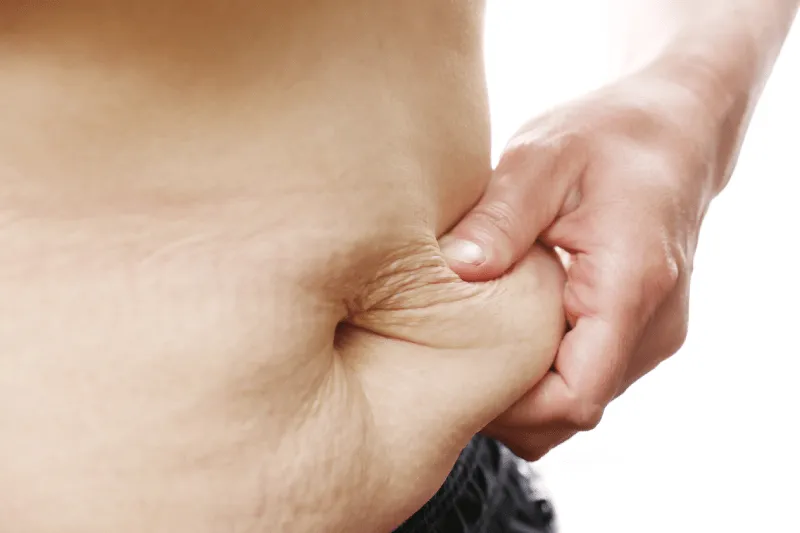
Do Weight Training Exercises Tighten the Skin?
Weight training increases muscle mass, which raises the body’s basal metabolic rate and helps increase tissue density beneath the skin. Compound movements (such as squats and deadlifts) that do not directly target the abdominal area but cover the whole body support overall strengthening and improve body composition. However, before starting these workouts, it is vital for safety to check whether there is a diastasis recti problem and, if necessary, complete surgical repair.
Do Massaging and Brushing Techniques for the Abdominal Area Eliminate Sagging?
Regular massage and dry brushing applied to the abdominal area can help support blood circulation, aid lymphatic drainage, and promote skin regeneration. These techniques help eliminate toxins while contributing to the skin looking smoother and tighter. Using moisturizing oils like Vitamin E or cocoa butter during massage plays a supportive role in alleviating sagging by increasing the skin’s elasticity. These methods are particularly beneficial for softening the appearance of stretch marks.
What Do Skin Tightening Creams and Lotions Do?
Skin tightening creams and lotions available on the market usually contain ingredients like retinoids, caffeine, or hyaluronic acid. Caffeine can temporarily tighten the skin by accelerating blood flow; retinoids aim to improve skin structure in the long term by supporting collagen production. These products can be helpful for mild sagging and evening out skin tone, but they do not have the power to fix severe excess skin or muscle separation. The effectiveness of creams depends on regular use and the skin’s potential for rejuvenation.
Does the Use of High-Pressure Girdles and Corsets Work?
Postpartum high-pressure girdles provide external support to the abdominal area, offering comfort, improving posture, and helping internal organs settle into place during the recovery process. These corsets may be recommended by physical therapists, especially in the treatment of diastasis recti. However, continuous use of the corset can lead to muscle laziness; thus, it should only be used during exercise or for specific periods as advised by a doctor. Corset use also plays a vital role in controlling post-surgical swelling.
What Are Professional Skin Tightening Methods?
Non-surgical professional skin tightening methods include Radiofrequency (RF), High-Intensity Focused Ultrasound (HIFU), and laser treatments. These treatments provide tightening and recovery by heating and stimulating collagen fibers beneath the skin. They can be particularly effective for mild to moderate sagging. Requiring multiple sessions, these methods are less invasive than surgery and have much shorter recovery times. However, it should be remembered that they do not offer results as dramatic and definitive as surgery.
What Are Non-Surgical Aesthetic Solutions?
Non-surgical aesthetic solutions offer an alternative when the severity of sagging is low or when the patient is not suitable for surgery. These solutions may also include localized slimming methods such as cryolipolysis or injection lipolysis. These procedures do not eliminate excess skin; they only target stubborn fat accumulations beneath the skin. Before starting such treatments, clarifying whether the fundamental cause of sagging is only fat or excess skin is crucial for achieving the correct result.
When Should Surgical Intervention Be Considered?
If significant and bothersome excess skin, sagging, and muscle separation of more than 2-3 fingers (diastasis recti) persist despite lifestyle changes and non-surgical treatments, surgical intervention should be considered. Surgery, especially Tummy Tuck and Mommy Makeover, is the only definitive solution that allows for both the permanent removal of excess skin and the repair of the abdominal muscles. Before deciding on surgery, it is important to be close to your ideal weight and not plan future pregnancies, as a new pregnancy can compromise the results.
What is Abdominoplasty (Tummy Tuck)?
For a permanent and effective solution to postpartum abdominal sagging and muscle separation problems, Abdominoplasty (Tummy Tuck) treatment is frequently recommended by specialists. This operation plays a critical role in resolving functional issues caused by muscle separation, in addition to aesthetic concerns. It dramatically corrects the abdominal profile and enhances the person’s quality of life by addressing excess skin, fat, and muscle laxity in the abdominal area in a single operation. Tummy Tuck is a comprehensive aesthetic surgery operation performed with a horizontal incision concealed in the bikini line in the lower abdomen and a circular incision around the navel. The surgeon removes excess skin and subcutaneous fat, then tightens the abdominal wall by joining the abdominal muscles with sutures in the midline (diastasis recti repair). The remaining skin is pulled down and a new navel is created. This procedure gives the abdominal area a flatter, tighter, and aesthetically more pleasing appearance, while also restoring muscle strength.
Diastasis Recti Repair in Abdominoplasty Surgery
One of the most important functional benefits of Tummy Tuck surgery is the permanent repair of diastasis recti. The surgeon reunites the stretched and separated rectus abdominis (six-pack) muscles to the midline with strong sutures. This internal repair provides robust support to the abdominal wall, restores core strength, improves posture, and often alleviates postpartum back pain. Thanks to this repair, the abdomen tightens and flattens not only externally but also internally.
What is the Difference Between Mini Tummy Tuck and Full Tummy Tuck?
Mini Tummy Tuck is suitable only for patients with a small amount of skin sagging below the navel and very mild muscle laxity. In this procedure, the navel is not repositioned, and the incision is shorter. Full Tummy Tuck is necessary to correct excess skin both above and below the navel, severe muscle separation, and sagging over a large area. Your surgeon will decide which technique is most appropriate for you based on the severity and extent of the sagging.
What is Mommy Makeover? What is the Difference from Tummy Tuck?
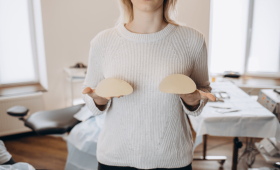
If you are experiencing changes in the breast area, such as sagging, volume loss, or asymmetry, along with abdominal sagging, the Mommy Makeover treatment offers a holistic solution. This is a comprehensive surgical package, usually combining Tummy Tuck with breast augmentation, reduction, or lift surgeries under a single anesthetic. This approach addresses the mother’s postpartum body changes all at once, providing a faster and more holistic recovery. Mommy Makeover focuses on the abdominal and breast areas affected by pregnancy and breastfeeding. While the abdomen is corrected with Tummy Tuck, sagging breasts are lifted and shaped with breast lift (mastopexy), and volume is optionally restored with implants. This combination ensures that the upper and lower body are rejuvenated in harmony, offering mothers the closest look to their pre-pregnancy form. Undergoing a single recovery period provides a great advantage in terms of time and cost.
Who is Suitable for Tummy Tuck or Mommy Makeover?
Ideal candidates for Tummy Tuck or Mommy Makeover surgery are expected to meet some basic criteria. First, the patient’s general health should be good, and they should not have a chronic illness. Being close to your ideal weight and being able to maintain this weight is also essential. Most importantly, you should not have any future pregnancy plans. Furthermore, having realistic expectations about the surgical outcomes and possessing the psychological maturity to adhere to the post-operative recovery process are critical.
Pre-Surgery Preparation Process
Once the decision for surgery is made, the pre-operative preparation process begins. During this process, your surgeon will request detailed blood tests and medical evaluations. Smokers are strongly advised to quit smoking several weeks before the surgery due to the risk of negatively affecting wound healing. The surgeon must be informed about all regularly used medications and supplements, and blood thinners must be discontinued. This preparation period directly affects the safety and success of the operation.
How Should the Post-Surgery Recovery Period Be Managed?
The recovery period after Tummy Tuck and Mommy Makeover is the key to a successful outcome. Prioritize rest during the first few weeks, and avoid heavy lifting and strenuous movements. Swelling and bruising in the surgical area are normal and will decrease over time. The special corset recommended by the surgeon should be worn regularly, and wound care should be meticulous. The healing process requires patience, and it may take months to see the final results, but adhering to your doctor’s instructions during this period is paramount.
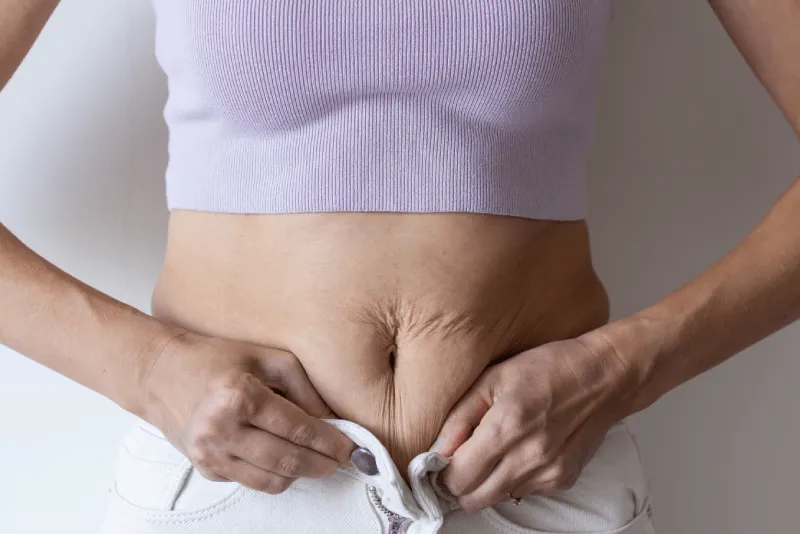
The Concept of Treatment Holiday (Cure Holiday) in Turkey
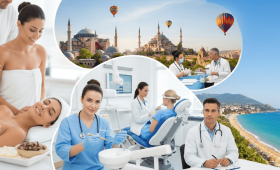
Note to Readers: If you are considering a surgical solution for your postpartum sagging, the “Treatment Holiday” (Cure Holiday) concept offered in Turkey combines high-quality medical service with a luxury vacation experience, making your recovery process unique. Turkey offers world-class aesthetic surgery operations at much more affordable costs compared to Europe and the US, while also providing opportunities for cultural enrichment and relaxation during the recovery period.
Why Should Turkey Be Preferred for Aesthetic Surgery?
Turkey has become a global center for aesthetic surgery in recent years. The fundamental reasons behind this preference are high success rates, experienced and internationally trained surgeons, state-of-the-art hospitals, and competitive pricing. Cities like Istanbul, Izmir, and Antalya allow patients to turn their recovery processes into a pleasant holiday, not only with their medical facilities but also with their historical and natural beauties. The treatment you receive in Turkey is offered in compliance with high-quality standards.
Cost Advantage of Tummy Tuck and Mommy Makeover in Turkey
The cost of Tummy Tuck and Mommy Makeover operations in Turkey is generally 50% to 70% lower compared to similar operations in Western Europe and the United States. This cost advantage stems from the lower general cost of living and labor costs in the country, without compromising the quality of the surgery. The low cost facilitates access to needed aesthetic solutions for more people and offers a budget-friendly option. In addition to the treatment cost, side expenses such as accommodation and transportation are also more economical.
The Quality of Hospitals and Clinics in Turkey
Many private hospitals and aesthetic clinics in Turkey hold international accreditations (such as JCI). These facilities are equipped with the most modern medical devices and implement the highest standards in hygiene and safety. Clinics specially designed for aesthetic surgery are created with the comfort and privacy of patients in mind. The high-quality service provided before, during, and after treatment reinforces Turkey’s reputation in medical tourism.
The Experience and Expertise of Turkish Surgeons
Turkish aesthetic surgeons are professionals who continuously improve themselves through both domestic and international training and specialize in their fields. Due to the high volume of medical tourism in Turkey, Turkish surgeons have gained extensive experience with complex operations such as Tummy Tuck and Mommy Makeover. This experience allows for the continuous perfection of surgical techniques and the delivery of customized, best possible results to patients. This level of experience and expertise should be an important criterion when choosing a surgeon.
Luxury Accommodation and Relaxation Opportunities of the Treatment Holiday
Treatment holiday packages in Turkey usually include luxury accommodation options for spending the post-operative recovery period in a comfortable and peaceful environment. This can mean staying in five-star hotels or specially equipped recovery villas. It is possible to relax in different atmospheres, such as the historic peninsula of Istanbul, the sunny shores of Antalya, or the Aegean breeze of Izmir. Spending the sensitive post-operative period without stress, focusing entirely on rest, accelerates both physical and mental recovery.
Benefits of Spending the Recovery Period in a Holiday Atmosphere
Spending the recovery period away from the stress of the home environment, in a different culture, and in a holiday atmosphere provides great psychological relief. A new environment can help shift your focus away from pain or discomfort and towards healing. Beautiful scenery, good food, and a relaxing atmosphere support the body’s repair mechanisms by lowering cortisol levels. The time spent in Turkey offers not only treatment but also a personal renewal experience.
Choosing a Reliable Clinic and Surgeon in Turkey
When seeking aesthetic surgery services in Turkey, choosing the right and reliable clinic and surgeon is the most important step. Care should be taken to ensure that clinics are approved by the Ministry of Health and that surgeons are registered with official organizations such as the Turkish Society of Plastic, Reconstructive, and Aesthetic Surgery. Examining patient reviews on the internet, social media shares, and the surgeon’s before/after photos will aid in the decision-making process. Preferring a surgeon who communicates openly and transparently is an indicator of reliability.
The Importance of International Accreditations
Having international health accreditations such as JCI (Joint Commission International) for the selected hospital or clinic is a strong indicator of the facility’s quality and safety standards. These accreditations confirm that the procedures, hygiene, and patient care at the clinic comply with globally accepted standards. Opting for facilities with such certificates guarantees that your treatment process will take place in the highest safety and quality environment and minimizes potential risks.
Strategies for Checking Reviews and References
To conduct comprehensive research on potential surgeons and clinics, examine independent patient forums, social media groups, and Google reviews. Pay attention not only to whether the reviews are positive but also to how the clinic responds to negative feedback. If possible, try to access references from real patients who have undergone Tummy Tuck or Mommy Makeover with the same surgeon. This allows you to gain a concrete idea of the surgeon’s technical skills and patient satisfaction.
Travel and Visa Process to Turkey
Before traveling to Turkey, you need to check the visa requirements for citizens of your country. An e-Visa application is available for citizens of many countries, and this process is quite fast and easy. Completing visa procedures well in advance of travel and checking the validity of your passport is important for a smooth start to your treatment holiday. It may also be beneficial to inquire with the relevant consulate about any special visa facilities for those traveling for medical purposes.
Accommodation and Transportation Arrangements
Treatment packages typically include airport transfers and accommodation where you will stay during the recovery period. The accommodation being close to the hospital and easily accessible provides great comfort, especially for the first few days after the surgery. Medical tourism companies organize all transportation and accommodation logistics, considering the patient’s mobility limitations, thereby ensuring the patient can focus solely on recovery. When selecting accommodation, it must be ensured that rest and comfort are prioritized.
Interpreter Support During the Treatment Process
Many clinics and hospitals in Turkey offer professional interpreting services for international patients. Accurate and complete communication with your surgeon, nurses, and other health personnel is critical for treatment success and patient safety. The interpreter correctly translates medical terms, helping you both convey your questions accurately and clearly understand the surgeon’s instructions. This support significantly reduces the stress associated with receiving treatment in a foreign country.
Post-Surgery Care Plan and Follow-up
Your surgeon in Turkey will provide you with a detailed post-operative care plan before discharge. This plan includes all critical information such as medication use, wound care, duration of corset use, when to shower, and when to start physical activities. Regular follow-up options are offered through online consultations with your surgeon even after you return to your country. This remote follow-up ensures your recovery process progresses smoothly and allows for rapid intervention in case of any potential complications.
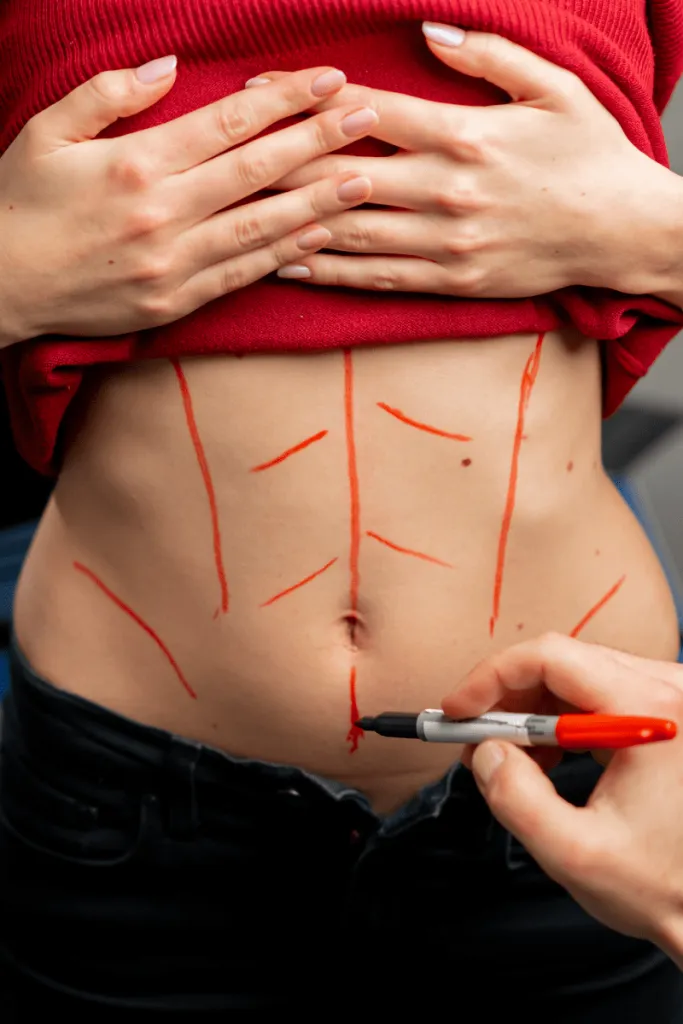
Activities to Do While Recovering in Turkey
While complete rest is essential during the first few days after Tummy Tuck or Mommy Makeover, short walks and light activities are recommended in the later stages of recovery. The beauties Turkey offers can make the recovery process enjoyable. Low-impact activities such as short walks along the Bosphorus in Istanbul, viewing historical sites from afar, or relaxing in a peaceful cafe are ideal for patients with physical restrictions. However, strenuous physical activities and standing for long periods should be strictly avoided.
Cultural Experience and Excursion Opportunities
Turkey has the potential to turn a treatment holiday into an unforgettable experience with its rich history and cultural heritage. To the extent your energy allows during your recovery, you can visit the Hagia Sophia in Istanbul, the fairy chimneys of Cappadocia, or the ancient city of Ephesus. These cultural excursions not only rest your mind but also transform this trip for aesthetic surgery into a meaningful holiday dedicated to yourself. With priority given to rest, cultural explorations contribute positively to recovery.
Maintaining Long-Term Results After Treatment
The longevity of the striking results achieved with Tummy Tuck or Mommy Makeover largely depends on the patient’s lifestyle. Maintaining healthy eating habits, regular physical activity, and paying attention to weight maintenance are essential. Although surgery repairs the muscles, new weight gain and pregnancy can cause the abdominal wall to stretch again. Therefore, the surgical results should be seen as a starting point, and a philosophy of healthy living should be adopted.
Timing the Return to Exercise Routine
The return to the exercise routine after surgery should be done gradually with your surgeon’s approval. Generally, only light walking is permitted for the first 6-8 weeks. Heavy lifting and intense abdominal exercises that strain the abdominal muscles should be avoided for at least 3-6 months. Rushing can pose a risk of sutures opening or damage to muscle repair. Listening to your body and adhering to professional advice at every stage of the recovery process is the safest approach.
Maintaining Nutritional Habits
A diet rich in protein, fiber, and vitamins should also be maintained in the post-operative period. This supports wound healing and helps maintain ideal weight. Drinking plenty of water continues to reduce swelling and maintain skin elasticity. Surgery not only changes your physical appearance but also offers you a motivational opportunity to transition to a new and healthier lifestyle. The secret to long-term success is making these habits permanent.
Is the Decision for Tummy Tuck and Mommy Makeover Right for You?
Tummy Tuck and Mommy Makeover are powerful surgical solutions that can permanently resolve postpartum sagging issues and significantly improve quality of life and self-confidence. When making this decision, you should carefully evaluate the surgical risks, costs, recovery time, and expected outcomes. To make the best decision for yourself, the most appropriate path is to have a comprehensive consultation with a reliable and expert aesthetic surgeon, get answers to all your questions, and clarify your expectations. Investing in yourself is always the most valuable investment.
Free Consultation
Fill out the form below to get your free medical travel plan and price quote.
Sources and how to verify this yourself
- Ministry of Health, Regulation on International Health Tourism and Tourist Health, Official Gazette 26 April 2025, No. 32882 — authorisation requirement for facilities and intermediaries, TÜSKA accreditation, compulsory complication insurance (deadline 31 December 2025 for insurance, 31 December 2026 for accreditation). source
- Ministry of Health, Regulation on Promotion and Information Activities in Health Services, Official Gazette 12 November 2025, No. 33075 — treatment promises and guarantees are prohibited; price and campaign announcements are permitted only within international health tourism. source