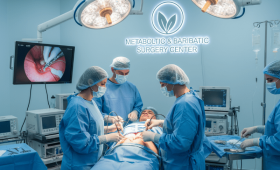
Turkey has achieved a globally competitive position in obesity treatment, both in terms of price and quality. However, this popularity has also brought with it some negative comments. We will transparently examine the truth behind these comments, many of which are on social media, without ignoring Turkey’s success in the health sector. Remember, health is the most important investment in your life, and accessing accurate information is the first step on this journey.
Turkey’s Rise in Health Tourism
Turkey has become a global health hub through massive investments in its healthcare infrastructure over the last twenty years. International patients flock to the country, especially for obesity surgery, hair transplantation, and aesthetics, due to the high quality standards offered and the comparatively affordable costs. The country’s geographical location, history, and cultural richness also support this process, offering the potential to turn the treatment into a health vacation. The most important factor underpinning this rise is the international training and experience of our doctors and hospitals.

Why the Global Interest in Obesity Treatment in Turkey?
The biggest reason patients prefer Turkey is the cost advantage, which ranges between 50% and 70% compared to similar quality treatments in Europe and America. However, this preference is not based solely on price. Turkey hosts numerous hospitals equipped with the latest technology, holding accreditations such as JCI (Joint Commission International). Furthermore, Turkish surgeons have a large pool of experience due to the high volume of cases they handle. Short waiting times and quick organization skills are also important factors that accelerate global patients’ decision-making processes.
Why Are There Negative Comments?
A large portion of the negative comments you see on the internet unfortunately stems from unauthorized individuals or “under the counter” operations that compromise quality and focus solely on low prices. It would be a great injustice to judge the overall healthcare quality of Turkey based on such isolated and unregulated incidents. Since the highly competitive environment can also trigger some unethical practices, patients must focus not only on price but also on the surgeon’s experience and the hospital’s compliance with international standards when conducting their research.
Profile of Successful Healthcare Centers in Turkey
Successful healthcare centers in Turkey specializing in obesity treatment are generally concentrated in large cities (Istanbul, Ankara, Izmir). These centers are equipped not only with surgical operating rooms but also with intensive care units, emergency response teams, and equipment specifically designed for bariatric patients. A successful profile includes an experienced surgical team, as well as a multidisciplinary team composed of nutritionists, psychologists, and physiotherapists. This holistic approach ensures the lasting success of the treatment.
Accreditation and International Standards
Many Turkish hospitals have received approval from globally recognized accreditation organizations. Chief among these is JCI, which indicates that the hospital operates according to international standards for patient safety, quality management, and clinical performance. Patients considering bariatric surgery must check whether their chosen hospital has such international approvals. Accredited institutions are better equipped to handle potential complications and tend to manage procedures more transparently.
Technological Infrastructure and Surgical Equipment
Turkish hospitals are meticulous about using the latest technology in bariatric surgery equipment. Laparoscopic (keyhole) surgical procedures, robotic surgery systems, and high-resolution imaging devices ensure that operations are less invasive, safer, and result in shorter recovery times. This use of advanced technology increases surgical success rates while helping to minimize the risks that may arise during the operation. Patients have the right to request detailed information about the technology that will be used.
Are Bad Experiences Exclusive to Turkey?
Absolutely not. In medical procedures, including bariatric surgery, a certain level of risk is always present. Complications can occur even in the most developed and expensive hospitals worldwide. Negative comments often arise from patients having unrealistic expectations, failing to follow post-surgical instructions, or choosing unauthorized places that provide low-quality service. Failures are part of the medical process, regardless of geography.
Risks That Can Be Encountered in Every Country
Bariatric surgery is a major surgical intervention and involves risks such as infection, leakage, bleeding, or reactions related to anesthesia. These risks exist everywhere, whether in London, New York, or Istanbul. What matters is the surgical team’s competence in managing these complications and the hospital’s emergency response capacity. Patients should be aware of these risks and talk openly with their surgeon to understand how prepared the hospital is for such situations.
Why Do Some Patients Experience Disappointment?
Disappointment often stems from two main factors: unrealistic expectations and inadequate post-operative support. Patients may not fully understand that surgery is not a magic wand and that weight loss requires a sustained lifestyle change. Furthermore, since some cheap packages do not include post-operative follow-up with a dietitian and psychologist, patients feel isolated and struggle to manage the process. Successful treatment is a long journey that begins after the surgery.
The Biggest Mistakes Made in Hospital Selection
The most common mistake is focusing only on the price. Places offering very low prices often have to use inexperienced surgeons, poor-quality medical supplies, or inadequate hospital infrastructure. Patients should remember that they are making a “health investment,” not just buying a product in a “health market.” Another mistake is trusting a single positive online comment without conducting thorough research. The experience of the hospital and the doctor is more important than the content of the package offered.
Inadequate Pre-operative Preparation Processes
A detailed psychological, cardiological, and endocrinological evaluation of the patient before bariatric surgery is vitally important. Inadequate preparation increases the risk of serious complications during and after the surgery. Reliable healthcare centers meticulously manage this preliminary evaluation process and ensure the patient is physically and mentally ready for the operation. Quick and rushed procedures should always be a warning sign.
The Importance of Lack of Post-operative Care
Post-operative follow-up in obesity treatment is as critical as the surgery itself. Patients’ needs for nutritional adjustments, vitamin supplements, and emotional support continue for months, even years. If the chosen center does not provide online dietitian consultations and regular doctor check-ups that the patient can access even after returning to their home country, this is a serious deficiency. A large proportion of failures results from gaps in this follow-up process.
Experienced and Expert Surgeon Staff
Turkey boasts numerous competent surgeons who have received international training and performed thousands of bariatric cases. The high volume of patients has allowed Turkish surgeons to gain expertise even in complex and revision surgeries. A surgeon’s success story is measured not only by their technical skills but also by their ability to react quickly and correctly to potential complications. This experience is a source of pride for Turkey’s healthcare services.
The Power of the Multidisciplinary Approach
Successful obesity treatment is not just a surgical procedure; it is a process where the specialties of endocrinology, psychiatry, dietetics, and general surgery work together. The best centers in Turkey have integrated teams designed to meet all the patient’s needs before, during, and after the surgery. This collaboration facilitates the patient’s adaptation to their new life, both physically and psychologically, and supports long-term success.
Patient-Oriented Service Approach
Health tourism requires not only treatment but also quality service. Turkish hospitals employ specially trained international patient coordinators and translators to help foreign patients overcome cultural and language barriers. This personalized service makes patients feel more comfortable and secure. Details such as accommodation, transfers, and management of in-hospital processes are an important part of the patient-oriented service.
Cost-Effectiveness Balance: Offering Quality Affordably
The reason Turkey can offer affordable prices in bariatric surgery is due to lower labor costs and general operating expenses compared to Western countries, not a compromise on quality. The medical materials and surgical equipment used in treatment are generally products from international brands. This cost-effectiveness allows international patients to receive high-quality service without straining their budgets, which is Turkey’s greatest competitive advantage.
Short Waiting Times and Rapid Access to Treatment
While waiting lists for bariatric surgery in Western countries can last months, patients in Turkey can usually receive their surgery date quickly after a brief evaluation process. The healthcare system has the flexibility and capacity to meet such intense demand. The opportunity to start treatment quickly without waiting for the disease to progress is a significant advantage for patients.
Ease of Getting a Second Opinion
Surgeons and centers in Turkey are open to the process of obtaining a second medical opinion to ensure patients feel safe. Patients can easily communicate with different specialists and compare their treatment plans. This transparency and accessibility increase patients’ trust in the treatment and help them make the right decision. Reliable centers do not fear competition; instead, they support the patient in making an informed choice.

The Role of Research on the Path to Treatment
Bariatric surgery is a life-changing decision and requires comprehensive research. Relying solely on online comments or social media posts is insufficient. Focus your research on the doctor’s professional background, the hospital’s accreditation, and the details of the entire service package offered. Detailed research minimizes the likelihood of encountering negative surprises.
Key Points for Reviewing a Surgeon’s CV
Find out in detail not just the name of the surgeon you choose, but their specialization, completed training, institutions they have worked at, and how many years they have been performing bariatric surgery. Most Turkish surgeons have international scientific publications and presentations; these publications are an indicator of their experience. Specifically checking whether they are experienced in “revision surgery” indicates they are prepared for potential setbacks.
Checking Hospital Accreditation Documents
International accreditations like JCI are proof that a hospital has surpassed a certain threshold regarding medical quality and patient safety. You should also research the inspection documents of the Ministry of Health of the Republic of Turkey and the hospital’s hygiene standards. A reliable center will not hesitate to present these documents transparently. Accreditation is a mechanism of assurance for you.
Quality of Surgical Materials Used
The brand and quality of the staplers and cutting devices used in bariatric surgery can directly affect the risk of leakage. Do not hesitate to ask if world-renowned, FDA-approved brands are being used. Some low-cost packages may compromise the quality of these materials, posing a risk. The quality of surgical equipment is vital to the success of the operation.
Evaluation of Patient Stories and References
Carefully examine the video or written references of previous patients of potential centers. However, pay attention that these stories describe not only the success of the operation but also the post-operative follow-up and support processes. The experiences of patients from different countries will give you an idea of whether the service offered is up to international standards.
Communication and Transparency Criteria
The speed, transparency, and honesty of communication between you and the chosen healthcare center or intermediary firm form the basis of trust. Are you receiving clear, quick, and satisfactory answers to your questions? Are you openly informed about possible risks and complications? These criteria are the biggest signs that you are working with a team that will support you whenever you feel anxious.
Definition of a Qualified Intermediary Firm
A qualified intermediary firm does more than just connect the hospital and the patient. It also accurately analyzes the patient’s medical history, recommends the most suitable and ethically operating surgeons, and manages all travel, accommodation, and hospital procedures. Most importantly, it does not leave the patient alone during the long-term post-operative follow-up process. These firms generally guarantee the high standards of the physicians they collaborate with.
Why Are Intermediary Institutions Necessary?
It can be difficult for a patient coming from abroad to understand the healthcare system in Turkey and identify reliable hospitals and surgeons. Intermediary institutions act as a filter; by contracting with authorized centers that operate ethically and have proven success, they facilitate the patient’s access to the best service. They eliminate the language barrier and allow the patient to focus only on recovery.
Additional Services Provided by Reliable Intermediaries
Reliable intermediary firms go beyond the standard surgical package. They offer additional services such as airport pick-up, VIP transfer, luxury accommodation, translation services in your own language, and, most importantly, remote medical consultation and dietitian follow-up once you return to your home country. This holistic approach significantly increases the quality of the treatment experience.
How to Distinguish Risky and Unreliable Intermediaries?
The easiest way to distinguish unreliable intermediaries is by their excessively low-price promises and commitments. Their praising only one surgeon or hospital and speaking negatively about other options is also a warning sign. Non-transparent pricing, tendency to conceal medical risks, and pressure for quick decision-making are characteristic features of firms you should avoid.
Contract Details and Warranty Conditions
Before starting treatment, the contract made with the intermediary institution should clearly state all services, costs, and the steps to be followed in case of potential complications. Warranty conditions should cover what happens if a revision is needed and how long the follow-up will last. Legal guarantees are vital to protect the patient’s rights. Carefully read every detail before signing the contract.
Intermediary’s Role in Post-treatment Follow-up
A good intermediary firm stays in regular contact with you for the first year after the surgery and plans your check-ups. They arrange your dietitian appointments and direct any medical questions you may have to the surgeon. This continuous support is one of the most valuable services that helps the patient maintain motivation and adapt to the new eating regime. Success comes not only with surgery but with follow-up.
Success of Sleeve Gastrectomy
Sleeve Gastrectomy (Tüp Mide) is the most frequently performed bariatric surgery method in Turkey, and its success rates are above the world average. The popularity of this procedure stems from its relatively shorter operation time and effective weight loss. Turkish surgeons have gained great mastery in this field. The high volume of cases has allowed for the continuous development and standardization of the surgical technique.
Gastric Bypass and Revision Surgeries
Turkey also has specialized centers for Gastric Bypass, considered a more complex procedure, and Revision Surgeries, which correct previous failed surgeries. Such advanced surgeries require high-level surgeon experience and the hospital’s advanced intensive care capacity. Determining the most appropriate surgical method according to the patient’s medical condition is carried out meticulously by multidisciplinary teams in Turkey.
Gastric Balloon and Endoscopic Methods
For patients who are not suitable for surgical intervention or who prefer a less invasive method, Turkey successfully implements methods such as Gastric Balloon and Endoscopic Sleeve Gastroplasty. These procedures are usually offered as outpatient treatment and allow a quick return to normal life. This diversity means that a solution suitable for every patient’s needs can be found.
Opportunity for Personalizing the Treatment Option
Reliable health professionals in Turkey acknowledge that every patient’s story, metabolism, and lifestyle are different. Therefore, the treatment plan is entirely personalized, taking into account the patient’s general health status, existing illnesses, and weight loss goals. Treating the patient as a holistic individual, not just a ‘case,’ is the most important factor that increases treatment success.

Integration of Aesthetic and Reconstructive Surgery
For patients who lose a significant amount of weight, aesthetic surgery constitutes the natural and often necessary final phase of treatment. Turkey is globally renowned in this field for both bariatric surgery and body contouring operations (such as abdominoplasty, arm lift, and thigh lift). After successfully completing their weight loss journey, patients can safely undergo aesthetic procedures at the same facility or at affiliated, high-standard centers. This integrated approach is a critical stage that helps patients regain not only their physical health but also their self-confidence and quality of life.
Patient’s Psychological Preparation
Psychological readiness on the path to surgery is as important as physical preparation and is a determinant of long-term success. Eating disorders, emotional eating habits, body image issues, or strategies for coping with psychological stress must be meticulously evaluated by a competent psychologist before the operation. Successful obesity treatment programs in Turkey mandate this psychological evaluation and offer supportive sessions. Mental preparation is key to the patient adapting to their new lifestyle healthily and permanently, maximizing the surgery’s effect.
Support from Dietitian and Life Coach
Strict adherence to post-operative nutritional rules and gradually increasing physical activity form the foundation for lasting and healthy weight loss. Support from a dietitian and a life coach is essential for the patient to effectively learn portion control, take vital vitamin and mineral supplements, and adopt new eating habits. Without this continuous and professional support, patients may suffer from nutritional deficiencies or revert to old habits, jeopardizing long-term success. Support is an integral part of the treatment.
Importance of Long-Term Follow-up Programs
Successful obesity treatment does not end after the surgical procedure; on the contrary, it requires regular and comprehensive follow-up lasting at least 5 years. These follow-up programs aim to periodically monitor the patient’s blood values, vitamin levels, mineral balance, and weight status to detect potential medical problems or the risk of recurrence early. Reliable centers in Turkey commit to continuing this follow-up via remote communication channels (telemedicine, online consultations) even after the patient returns to their home country, thus providing uninterrupted service to international patients.
Adaptation to Lifestyle Change
Bariatric surgery only reduces the anatomical size of the stomach; however, it does not change the brain’s and body’s years-long bad habits, eating impulses, or physical lethargy. The patient must actively start regular exercise, adopt adequate and quality sleep habits, and voluntarily commit to maintaining healthy eating for life. The ultimate success of the treatment depends 50% on surgical skill and the other 50% on the patient’s determination and efforts to comply. This challenging but rewarding transformation cannot happen without the patient’s effort.
Complication Management and Readiness
The true quality and reliability of a hospital are directly related to how prepared it is for complications. It is vital to have 24-hour ready, fully equipped intensive care units and an experienced emergency response team for situations such as leakage, bleeding, or infection, which may rarely occur during or after the surgery. The reliability of the treatment is measured not only by the success of the operation itself but also by the ability to anticipate and manage these risks quickly and effectively.
Balancing Treatment Selection
The right treatment is not found just by choosing the lowest price or the most popular surgeon; this process requires establishing a balance at the very center of four key elements: price, quality offered, surgeon’s experience, and post-operative support. Choosing only the cheapest option usually means compromising on quality, safety, and long-term follow-up. Choosing only the most expensive option, however, does not always guarantee the best outcome. The patient must consciously select a center and intermediary firm that establishes the most appropriate and ethical balance for them.
Importance of Medical Data Records
Reliable and professional hospitals meticulously record all your medical data (pre- and post-operative imaging results, detailed blood tests, surgical notes, and epicrises) and provide these records to you digitally or in print when needed. These records are of great importance when consulting with your doctors in your home country after the surgery or in any future medical situation. Transparent and systematic record-keeping procedures are the clearest indicator that the healthcare service provided adheres to international professional standards.
Management of Language and Cultural Differences
Receiving treatment in a new country can create an additional source of stress for international patients due to language barriers and cultural differences. The best health tourism teams in Turkey consist of professional coordinators and interpreters who can provide services in many languages, especially English, and are proficient in both cultural and medical terminology. It is critical for this team to accompany you and manage all communication for your treatment process to proceed smoothly and comfortably. This support ensures the patient feels safe and understood.
Insurance and Financial Processes
Before starting treatment, it is vital to obtain transparent and written information from the intermediary institution or the hospital about the basic surgical cost, as well as any potential extra costs or additional expenses that may arise in case of complications. Some intermediary firms may have agreements with international health insurance companies and can manage these processes on your behalf. Clarifying the financial process in detail from the very beginning allows the patient to focus on treatment and recovery and eliminates the stress of encountering unexpected payments during the trip.
How Can You Trust Us? (Call to the Reader)
We serve as a reliable bridge for patients seeking not only results but also ethical values and patient safety in obesity treatment. Our goal is not to match you with random options, but only with internationally accredited hospitals like JCI, equipped with the best technology, and ethical surgeons with thousands of successful case experiences. We promise transparency, honesty, and uninterrupted support at every stage of your treatment. By offering you personalized guidance, we aim to minimize, or even eliminate, the risk of negative experiences in the market.

Why Should You Choose Us to Be By Your Side?
Unlike the low-priced and allegedly risk-free packages you see in the market, we only work with institutions that have proven success stories, adhere to international JCI standards, and are transparent. When you work with us, you gain not only a surgical procedure but also a dedicated long-term dietitian, a psychologist, and an experienced patient coordinator team available 24/7. By selecting the best in Turkey for you, we prevent the risks of receiving poor-quality service and being left alone with complications.
Take Your First Step Towards Excellent Treatment
Turkey is a global success story in obesity treatment, offering expertise and technology. The negative comments you see are often the unfortunately inevitable result of poor research or choosing unethical centers. Remember, good treatment comes from good research or a good intermediary firm. If you want to feel safe, receive the highest quality service, and have uninterrupted professional support after surgery while making this life-changing decision, contact us immediately. We would be delighted to draw up the most suitable, reliable, and ethical treatment roadmap for you.
Free Consultation
Fill out the form below to get your free medical travel plan and price quote.
Sources and how to verify this yourself
- Eisenberg D, et al. 2022 ASMBS and IFSO Indications for Metabolic and Bariatric Surgery. — surgery is recommended at BMI ≥35 regardless of co-morbidity, and considered at BMI 30–34.9 with metabolic disease (lower thresholds for Asian populations). source
- Ministry of Health, Regulation on International Health Tourism and Tourist Health, Official Gazette 26 April 2025, No. 32882 — authorisation requirement for facilities and intermediaries, TÜSKA accreditation, compulsory complication insurance (deadline 31 December 2025 for insurance, 31 December 2026 for accreditation). source
- Ministry of Health, Regulation on Promotion and Information Activities in Health Services, Official Gazette 12 November 2025, No. 33075 — treatment promises and guarantees are prohibited; price and campaign announcements are permitted only within international health tourism. source