Breast augmentation surgery is one of the most popular surgeries today, chosen by women to address both aesthetic concerns and achieve a more balanced body shape. However, many women, especially those planning to become mothers in the future, have deep concerns about whether they will be able to breastfeed their babies when considering this operation.
Therefore, breastfeeding ability is the most important issue for those planning to become mothers after breast augmentation surgery. In this article, we will cover every aspect of breast augmentation surgery, from the surgical details and recovery process to the anatomical preservation of milk ducts and the luxury health tourism advantages offered by Cure Holiday in Türkiye, with scientific data and professional advice. This way, you will learn everything about breast augmentation surgery and more easily decide where and how you want to receive treatment.
What is Breast Augmentation Surgery?
Breast augmentation surgery, referred to in medical literature as “augmentation mammoplasty,” is a surgical procedure performed to increase the volume of the breasts, improve their shape, or correct existing asymmetries. This operation is generally performed by placing high-quality silicone-based implants under the breast tissue or behind the chest muscle. The surgery not only offers a physical change but is also an aesthetic and psychological intervention that significantly improves patients’ self-confidence and body image. Thanks to today’s modern surgical techniques and technological possibilities, it is now much easier to obtain a very natural appearance that is specific to each patient’s body type and difficult to notice from the outside.
What are the Types of Breast Implants?
There are two main types of implants used in breast augmentation surgeries: those containing saline (salt water) and those containing silicone gel. Silicone gel implants are the most preferred option worldwide and in Turkey because their texture and consistency are much closer to real breast tissue. In addition, these implants are divided into two types in terms of shape: “teardrop” (anatomical) and “round.” Teardrop implants offer a more natural transition, while round implants provide more fullness in the upper cleavage area. Which implant is chosen is carefully determined by measurements made by the specialist surgeon according to the patient’s shoulder width, current amount of breast tissue, skin elasticity, and ultimately the desired aesthetic result.
How is Breast Augmentation Surgery Performed?
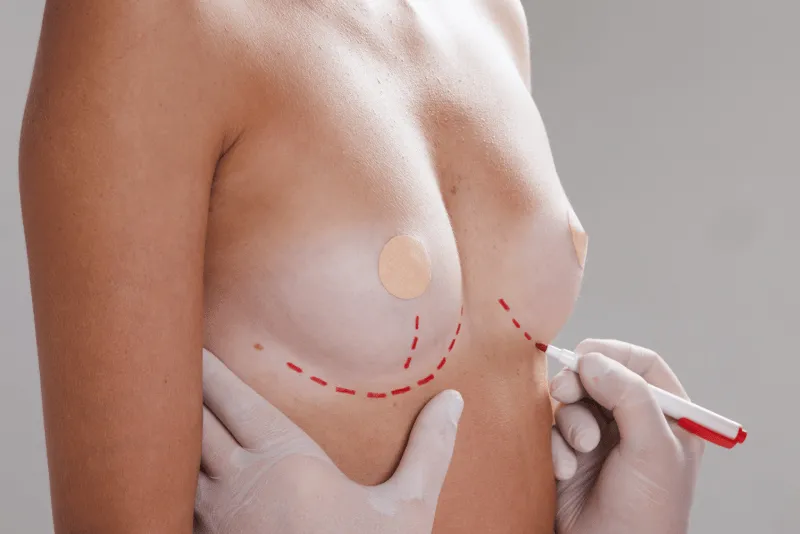
The operation process is generally applied under general anesthesia for the comfort and safety of the patient and is completed in approximately 1 to 2 hours depending on the case. The surgeon enters through the strategic incision areas planned before the surgery (usually the inframammary fold, around the nipple, or the armpit) and prepares a safe pocket for the implant within the tissue. After the implant of appropriate dimensions is placed in this prepared pocket, the stitches are closed with aesthetic methods and the process is terminated. Thanks to the microsurgical instruments and tissue-friendly techniques used in modern plastic surgery applications, the damage to the surrounding tissues is minimized; this keeps the risk of post-operative bleeding, bruising, and swelling at very low levels.
What Should be Considered Before Surgery?
The pre-operative preparation period is of vital importance for a successful and complication-free operation. At least two weeks before the surgery, smoking and alcohol consumption, which negatively affect blood circulation and slow down the healing rate, should be completely stopped. In addition, blood-thinning medications such as aspirin, some vitamin supplements, and herbal teas should be discontinued under doctor control as they may increase the risk of bleeding during surgery. In addition to these, the patient’s general health history, allergies, and chronic disease medications used regularly, if any, should be reported to the surgeon completely and honestly. Besides physical preparation, having realistic expectations for the surgery and being psychologically ready for the post-operative process is also part of the success.
How is Silicone Implant Selection Made?
Choosing the right silicone implant is a critical decision that affects not only the patient’s breast size but also all body proportions. At this stage, the surgeon considers the width of the rib cage, shoulder structure, volume of the existing breast tissue, and how much the skin can stretch. By using trial implants called “sizing” before or during the operation, the volume and projection (protrusion) most compatible with the body are determined. The main goal is to identify the most ideal implant that is suitable for the patient’s height and weight, does not cause weight while moving, does not cause back pain in the long run, and looks natural, like a natural part of the body, far from artificiality when viewed from the outside. The patient’s lifestyle (active sports, etc.) also plays a decisive role in the selection.
Where are the Incisions Placed?
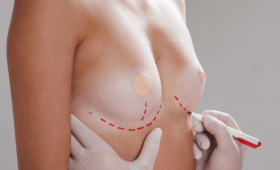
Three different incision areas are generally preferred to provide surgical access in breast augmentation operations: the inframammary fold, around the nipple (periareolar), and the armpit (axillary). The inframammary incision is the most popular method as it is the furthest area from the milk ducts and nipple nerves, causing the least damage to the breastfeeding function and where the scar is perfectly hidden in the breast fold. Although the periareolar incision is successful in hiding the scar in the color transition area, it may carry a minimal risk as it is closer to the milk ducts. The axillary incision offers an option for patients who do not want any scars on the breast; however, the placement of the implant from this area requires a bit more technical sensitivity.
Under the Muscle or Over the Muscle?
The anatomical layer where the implant will be placed should be professionally selected according to the current soft tissue thickness of the patient. Submuscular placement prevents the edges of the implant from being felt or seen from the outside, especially in thin patients with little breast tissue, and provides a more natural transition. Subglandular placement may be preferred in patients with sufficient breast tissue as it offers a faster recovery process and less post-operative muscle pain. The “dual plane” technique, which is most frequently applied today, blends the advantages of both methods and places the upper part of the implant under the muscle and the lower part under the breast tissue, providing both a natural appearance and the preservation of breastfeeding function.
How Long Does the Recovery Process Take?
In the first few days following the surgery, a slight tension, pressure sensation, and edema in the breasts are normal and expected. Patients can usually return to light-paced daily routines and office work 3 to 7 days after the operation. However, in order for the body to recover completely and for the implants to integrate with the surrounding tissue, it is essential to avoid heavy sports and forced movements that require lifting the arms for about 4-6 weeks. It usually takes 3 to 6 months for the breasts to take their actual shape, for the implants to settle completely, and for the tissues to soften. During this critical process, the regular use of special medical supportive bras recommended by the doctor day and night is of great importance for protecting the shape and reducing edema.
Who is Suitable for Breast Augmentation?
Every woman who has completed her physical development (usually individuals aged 18 and over), whose general health status is suitable for a surgical intervention, and who is not satisfied with the size or form of her breasts can be a suitable candidate for this surgery. Especially those who experience sagging in breast volume after pregnancy and breastfeeding, those who have genetically very small breasts, or those who have obvious asymmetry between the two breasts benefit most from this operation. When making a surgery decision, it is seen as the basic key to post-operative happiness and satisfaction that the person knows exactly what she expects from the operation and shares these expectations with her surgeon to develop a realistic understanding of the result.
Is There Pain After Surgery?
Thanks to the developments in anesthesia science and long-acting local anesthetics applied to the tissues by the surgeon during the operation, the severe pains feared in the past have been minimized today. Generally, for the first 48 hours, patients may feel a slight ache similar to the muscle pain that occurs after sports, mixed with a sensation of “fullness.” This discomfort can be easily controlled with standard painkillers prescribed by the surgeon. In submuscular implants, it is normal to feel a bit more sensitivity for the first few days due to the chest muscle stretching slightly to adapt to the implant; however, this situation decreases rapidly as the healing progresses, increasing the patient’s comfort and accelerating the return to normal life.
Is it Possible to Breastfeed After Surgery?
Absolutely yes; the vast majority of women who have undergone breast augmentation surgery can breastfeed their babies in a normal way and for a sufficient period of time. In modern surgical approaches, expert surgeons perform the operation using techniques that will meticulously protect the nerve endings that provide nipple sensation and the ducts that carry milk. The important point is which anatomical plane the implant is placed in and the incision area preferred by the surgeon. Many scientific researches and clinical studies conducted to date have repeatedly proven that silicone implants do not create a permanent or physiological obstacle to breastfeeding function and do not interfere with the secretion process of breast milk. Therefore, planning for motherhood after aesthetic surgery does not constitute any medical obstacle.
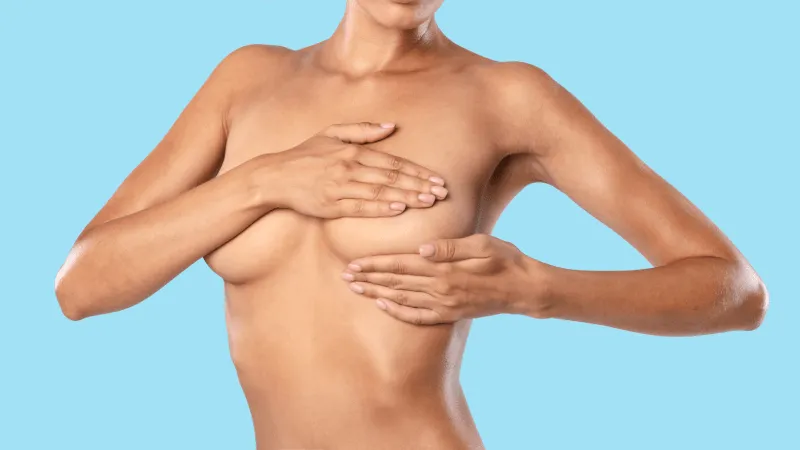
Does Silicone Prevent Milk Production?
Silicone implants are not placed inside the milk-producing glands (alveoli) and ducts anatomically; they are placed completely under these tissues or in the fascial plane behind the chest muscle. Thanks to this strategic positioning, the implant itself does not directly interfere with the milk production mechanism of the breast or hormonal signals. If the milk ducts or sensory nerves leading to the nipple have not been structurally damaged during the operation, the body continues to produce milk uninterruptedly by responding normally to the prolactin and oxytocin hormones secreted during pregnancy. The implant only provides an aesthetic form by creating a fullness behind the milk tissue, but it does not create a pressure that will overshadow the biological functioning, namely milk production.
Does the Implant Affect the Quality of Milk?
Comprehensive biochemical researches conducted for mothers who are concerned about this issue offer very relaxing results. Tests conducted on the amount of silicone in breast milk have revealed that the rate of silicone in the milk of mothers with implants is much lower than the amount of silicone in ready-made baby foods sold in markets or the level of silicone exposed through environmental pollution. The outer shell of silicone implants is produced from an extremely durable biomaterial, and it is out of the question for it to secrete any substance that will change the nutritional value, antibody content, or taste of the milk. Therefore, in terms of healthy growth and development of the baby, the milk coming from the breast with implants is completely of the same biological quality and safety as normal breast milk.
What is the Effect of the Incision Site on Breastfeeding?
The choice of incision site is one of the most decisive factors in surgical planning in terms of preserving the post-operative breastfeeding potential. In incisions made from the inframammary fold, the surgeon can place the implant by reaching the muscle tissue directly without making any contact with the milk ducts above; this is the method that preserves the breastfeeding function at the highest level and keeps the risk close to zero. However, in incisions made from the periareolar area, there is a theoretical possibility that some small milk ducts may be cut. Although this situation can rarely lead to a partial decrease in the amount of milk, most of the time other intact ducts close this gap. For this reason, the choice of surgeon and technical decisions should be evaluated in the light of future breastfeeding plans.
Is an Incision Made Around the Nipple Risky?
Incisions made around the nipple (periareolar) are highly preferred because they aesthetically hide the scar at the transition line between the areola (the dark-colored area) and the skin, but this is the most sensitive intersection in terms of breastfeeding anatomy. The incisions in this area may coincide with the main milk ducts leading to the nipple or the nerve endings that transmit the baby’s sucking reflex to the brain. If the sensory nerves in the nipple are damaged, when the baby sucks the breast, the “produce milk” signal may not be fully transmitted to the brain, and this may cause the milk secretion to remain low. For this reason, it is of great importance that patients who plan to breastfeed in the future state this situation to their surgeons before the operation and establish the risk-benefit balance together.
Are Milk Ducts Damaged During Surgery?
In operations performed by an experienced surgeon with high anatomical knowledge, the possibility of the milk ducts being damaged is extremely low. Especially in cases where the implant is placed under the muscle (submuscular), the implant is positioned completely away from and deep within the glandular tissue where the milk ducts are located. Permanent damage to milk ducts is generally seen in rare complications where very large implants that are not suitable for the tissue are used, the tissue is overstretched, or in wrong technical applications made by inexperienced hands. Modern plastic surgery exhibits a tissue-respecting approach, so the ducts are usually safely left outside the surgical field and their functional integrity is meticulously preserved.
Does Silicone Leakage Affect the Milk?
Fifth-generation silicone implants produced with today’s technology have a special technology called “cohesive gel.” This technology guarantees that even if the outer sheath of the implant is damaged or cut in some way, the silicone inside is not fluid, stays together like a jelly, and does not spread to the surrounding tissues. Thanks to this structure, it has been made practically impossible for silicone to leak and mix with the milk ducts or be included in the milk. In addition, the outer shell of new generation implants is designed with multiple layers and a leak-proof feature. While this durability aims for the implants to be used safely for life, it also incorporates the highest safety standards that will protect mother and baby health.
Does Breast Shape Change During the Breastfeeding Period?
The breastfeeding process causes natural and physiological changes in the breast structure of all women, not just those who undergo aesthetic surgery. During pregnancy and breastfeeding, milk glands grow, breast tissue gains volume, and accordingly, the breast skin stretches. When the breastfeeding process ends and the milk is cut off, while these tissues shrink, the stretched skin may not be able to fully regain its old elasticity and sagging (ptosis) can be seen in the breasts. This change in breasts with implants varies depending on the weight of the implant, the placement plan, and the patient’s genetic skin structure, but the presence of the implant neither prevents nor increases natural post-breastfeeding deformation on its own. This process is completely related to the body’s hormonal and structural responses.
How Long After Surgery Should One Get Pregnant?
There is a need for a certain period of time after breast augmentation surgery for the body to completely overcome the surgical trauma, for the stitches to gain full resistance internally and externally, and for the implants to integrate with the tissue like a natural part of the body. Experts recommend waiting at least 6 months after the operation to plan a pregnancy, and 1 full year for the most ideal biological efficiency. This waiting period ensures that the tissues are more resistant to sudden hormonal fluctuations, weight gain, and edema that pregnancy will bring. A pregnancy occurring in the early period may cause the not yet fully healed stitch lines to be strained, the implant to be displaced, or the aesthetic result obtained to be spoiled early.
Is Revision Necessary After Breastfeeding?
The loss of volume, tissue sagging, or skin loosening occurring in the breasts after the breastfeeding process is completed may lead to some patients being dissatisfied with their current aesthetic appearance. At this stage, while some women only want to carry their implants to a larger size, a revision combined with a breast lift (mastopexy) surgery may be required for patients with excessive tissue loss. This decision depends entirely on the patient’s new body form after breastfeeding and her aesthetic expectations. The displacement or deterioration of the implants due to the breastfeeding process is not a medically expected situation; aesthetic concern usually stems from the sagging of the natural breast tissue located on the implant and can be easily corrected with a professional revision.
Why Should We Have Breast Augmentation in Turkey?
Turkey has become a global excellence center in the field of aesthetic surgery and health tourism, especially in the last decade. The main reasons behind this are Ministry of Health–authorised hospitals equipped with the latest medical technologies, internationally recognized highly experienced surgeons, and the incredible cost advantage offered compared to Europe and America. However, Turkey is at the forefront not only with price but also with the quality of the service provided. While having a medical procedure here, patients also experience five-star accommodation, private transfer services, and a cultural holiday experience at the same time. Professional health service blended with “Turkish hospitality” turns the healing process into a comfortable renewal journey for the patient rather than just an operation.
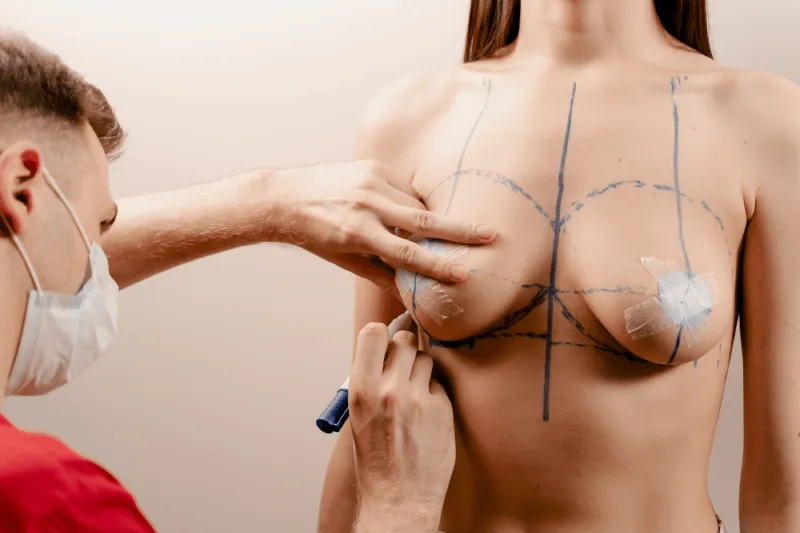
How is the Treatment Process Planned with Cure Holiday?
Cure Holiday is a trust and quality-oriented professional health tourism agency that organizes the treatment journeys of international patients in Turkey down to the smallest detail. The planning process starts with the patient’s first contact; medical history, aesthetic goals, and current photos, if any, are analyzed by expert teams. In the light of these data, the most suitable surgeon and fully equipped hospital options are presented to the patient as a portfolio. Cure Holiday manages all logistics processes from flight tickets to accommodation details, from surgery dates to post-operative appointments. Thus, all organizational burden is taken off the patient’s shoulders, allowing the person to focus only on her own health and physical change, and to have a stress-free process.
What Do Cure Holiday Health Packages Cover?
The all-inclusive health packages offered by Cure Holiday are meticulously designed for the patient to complete her process in Turkey without encountering any surprise costs. These comprehensive packages include the surgery cost in a modern hospital environment, all anesthesia and medication costs, the implant fee, all necessary medical tests, and the care during the hospital stay. In addition, private VIP transfers between the airport, hotel, and hospital, luxury hotel accommodation to stay in during the recovery period, and special corset or medication support needed after the surgery are also included in the package. Thanks to this transparent pricing, patients know their budgets clearly and enjoy the privilege of receiving VIP service far above European standards without straining their budgets.
What is the Expertise of Surgeons in Turkey?
Plastic surgeons in Turkey are shown among the experts with the highest case experience not only at the national level but also on a global scale. Many of them have been educated or worked in prestigious clinics in Europe or America at some stage of their careers and are active members of worldwide aesthetic surgery associations such as ISAPS and ASPS. These surgeons, who successfully perform thousands of international operations every year, make a difference especially with their artistic perspectives on shaping body lines and obtaining natural looks. When choosing the surgeons it works with, Cure Holiday prefers the best ones not only by their diplomas but also by their patient satisfaction rates, complication management skills, and abilities to apply current surgical trends.
What are the Advantages of Having Plastic Surgery in Istanbul?
Istanbul is not only a unique location where history and modernism meet, but also a massive health base where the heart of medical technology beats. Clinics in the city use the world’s most advanced laser and surgical systems to offer their patients the safest environment. In the post-operative period, after obtaining doctor’s approval, patients can relax accompanied by the fascinating view of the Bosphorus, taste delicacies from world cuisines, or spend time in luxury shopping centers. Thanks to Istanbul’s geographical location, it can be reached with a few hours’ flight from Europe, the Middle East, and Asia, making the city the world capital of aesthetic surgery. The health service received here is a quest for a new and aesthetic start in life rather than a medical necessity.
How is Accommodation and Transfer Service Provided by Cure Holiday?
Cure Holiday partners with luxurious, hygienic, and fully equipped boutique hotels in the most decent and central districts of the city for patients to spend their recovery period with the highest level of comfort. From the moment the patients arrive at the airport, they are welcomed by a greeting team with their names written on them and special VIP vehicles allocated specifically for them. All hospital and hotel transitions are carried out with these professional chauffeured vehicles, without experiencing traffic and road stress. In addition, an exclusive consultant who speaks the patient’s mother tongue fluently and is proficient in medical terminology accompanies the patient throughout this process. Thanks to this personalized service, the patient moves away from the anxiety that being in a foreign country can give and feels as safe as if she were at home.
What Do Breast Augmentation Surgery Prices Depend On?
The cost of breast augmentation operation is determined according to the brand of the silicone implant used (for example, world leader brands such as Motiva or Mentor), the level of expertise and recognition of the surgeon, the technological equipment of the hospital where the surgery will be performed, and the special situation of the patient (whether additional lifting is required, etc.). The main reason why these prices are much more affordable in Turkey compared to abroad is the low labor costs and the incentives provided by the state for health tourism; there is absolutely no compromise on service quality. Cure Holiday always offers its patients a transparent and detailed price breakdown, allowing them to know how much they paid for which service. This economic advantage makes it possible for patients to easily reach the highest quality implant and the best surgical service.
How is Pre-Surgery Consultation Done at Cure Holiday?
Using the possibilities offered by modern technology in the most efficient way, Cure Holiday offers a professional online consultation service to answer all the questions of patients before they come to Turkey. Patients can share their complaints and dreams by having video calls with specialist surgeons in the comfort of their own homes. The surgeon, through the current photos transmitted in this meeting, makes a preliminary assessment and explains in detail which implant type and technique might be suitable, and how to follow a path in sensitive issues such as breastfeeding. This digital bridge peeks the patient’s trust in her doctor before traveling and creates the draft of the surgery plan. When arriving in Turkey, this planning is finalized with millimetric measurements with the final face-to-face examination.
Are Post-Treatment Follow-up Services Available?
For Cure Holiday, a patient’s happiness should continue not only on the operating table but throughout the entire recovery process. For this reason, patients are continuously monitored through our digital tracking system after they return to their countries. Current information and photos regarding the healing process are requested from the patient at regular intervals; these data are examined by the surgeon who performed the operation personally. Patients can reach our support line, which serves 24/7, at any time for issues such as medication use, the status of stitches, or bra selection and get instant answers from expert consultants. This sustainable care approach ensures that the patient does not feel alone after the surgery, thus preserving long-term aesthetic success and health.
How Can You Achieve Your Dream Look with Cure Holiday?
The most important step you will take to achieve your dream body lines and self-confidence is to entrust the process to professionals. From the moment you contact Cure Holiday, the doors of a world where medical expertise meets luxury service are opened for you. Our experienced consultants create a treatment map specially designed for you and ensure that you achieve your aesthetic goals with the safest surgical techniques. By protecting the most important functions of your life, such as breastfeeding after breast augmentation surgery, you can also achieve the full and fit look you dreamed of in expert hands. This change process you will spend in Turkey with Cure Holiday will carry not only your image in the mirror but also your quality of life and your belief in yourself to the highest level.
Free Consultation
Fill out the form below to get your free medical travel plan and price quote.
Sources and how to verify this yourself
- Ministry of Health, Regulation on International Health Tourism and Tourist Health, Official Gazette 26 April 2025, No. 32882 — authorisation requirement for facilities and intermediaries, TÜSKA accreditation, compulsory complication insurance (deadline 31 December 2025 for insurance, 31 December 2026 for accreditation). source
- Ministry of Health, Regulation on Promotion and Information Activities in Health Services, Official Gazette 12 November 2025, No. 33075 — treatment promises and guarantees are prohibited; price and campaign announcements are permitted only within international health tourism. source