About the prices on this page. The figures below are indicative market prices and country comparisons, not a quote. Our own current, all-inclusive prices are published on our cancer treatment in Turkey page, and we confirm your figure in writing before you commit to anything.
Navigating Lung Cancer Diagnosis: Why Turkey?
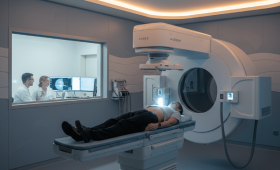
Facing a potential lung cancer diagnosis is undoubtedly a stressful experience. Early and accurate diagnosis is paramount, and increasingly, patients are looking beyond their national borders for the best possible care – both in terms of diagnostic precision and overall value. Turkey has rapidly emerged as a leading destination for medical tourism, particularly in oncology, boasting advanced technologies and world-class medical facilities. The country isn’t simply offering lower costs; it’s providing access to the very latest in cancer detection and treatment, including sophisticated imaging and interventional procedures like bronchoscopy. Hospitals in Turkey are frequently affiliated with globally renowned institutions in the United States, such as Johns Hopkins, ensuring adherence to international standards and best practices. This collaboration translates to a higher level of expertise and a commitment to cutting-edge oncology, including the utilization of technologies like CyberKnife, TrueBeam, and robotic surgery (Da Vinci), for treatment after a precise diagnosis has been achieved. This article will focus specifically on the vital diagnostic procedure of bronchoscopy when investigating potential lung cancer, and how Turkey offers a compelling option for patients seeking a swift and accurate assessment.
Understanding Bronchoscopy in Lung Cancer Diagnosis
A bronchoscopy is a minimally invasive procedure that allows a physician to visualize the airways (trachea and bronchi) within the lungs. It’s a crucial diagnostic tool when investigating symptoms suggestive of lung cancer, such as a persistent cough, shortness of breath, chest pain, or the presence of blood in sputum. Beyond simply visualizing the airways, bronchoscopy allows for the collection of tissue samples – biopsies – for pathological examination, which is ultimately necessary to confirm a cancer diagnosis and determine its specific type and stage.
The Bronchoscopy Procedure: A Step-by-Step Guide
Here’s a detailed look at what a patient can expect during a bronchoscopy in Turkey:
- Preparation: Prior to the procedure, a patient will undergo a pre-operative assessment. This includes a review of medical history, a physical examination, and potentially additional tests like a chest X-ray or CT scan. Fasting is usually required for several hours before the procedure.
- Anesthesia: Bronchoscopies are typically performed under local anesthesia with sedation to ensure patient comfort. This means the patient will be awake but drowsy and won’t feel pain during the procedure. In some cases, general anesthesia may be used, especially for more complex bronchoscopies.
- The Procedure: A thin, flexible tube with a camera and light source attached (the bronchoscope) is carefully inserted through the nose or mouth, down the throat, and into the airways. The physician navigates the bronchoscope to the area of concern, visualizing the lining of the airways.
- Biopsy & Fluid Collection: If any abnormal areas are detected, small tissue samples (biopsies) are collected using instruments passed through the bronchoscope. Fluid samples can also be collected for analysis. Modern bronchoscopic techniques, like endobronchial ultrasound-guided transbronchial needle aspiration (EBUS-TBNA), significantly enhance the accuracy of biopsy collection from lymph nodes and peripheral lung lesions.
- Post-Procedure: After the procedure, patients are monitored for a few hours to ensure there are no immediate complications. A sore throat and mild cough are common side effects. Patients will receive instructions regarding diet, activity, and potential warning signs to watch for.
Types of Bronchoscopy Used in Lung Cancer Diagnosis
Several types of bronchoscopy are utilized for diagnosing lung cancer:
- Flexible Bronchoscopy: This is the most common type, offering excellent visualization and allowing access to most of the airways.
- Rigid Bronchoscopy: Used less frequently, typically when a larger airway obstruction needs to be overcome or for specific interventions.
- Endobronchial Ultrasound (EBUS): Combines bronchoscopy with ultrasound technology, allowing for real-time imaging of lymph nodes and lung tissue, guiding precise biopsy collection.
- Autofluorescence Bronchoscopy (AFB): Uses a special light source to highlight subtle changes in airway tissue, potentially identifying pre-cancerous or early cancerous lesions.
Comparing Diagnostic Approaches: Bronchoscopy vs. Other Methods
| Diagnostic Method | Accuracy | Invasiveness | Cost (Relative) | Key Advantages | Limitations |
|---|---|---|---|---|---|
| Bronchoscopy with Biopsy | High (especially with EBUS) | Minimally Invasive | Moderate | Direct visualization, tissue sample collection, EBUS guidance. | May not reach all lung areas, potential for false negatives. |
| CT Scan | Moderate | Non-Invasive | Low | Widely available, good for initial screening. | Cannot confirm diagnosis; requires biopsy. |
| PET Scan | High for staging | Non-Invasive | High | Detects metabolic activity; useful for staging. | Cannot confirm diagnosis; expensive. |
| Surgical Biopsy | Very High | Highly Invasive | Very High | Provides definitive diagnosis; allows for extensive tissue analysis. | Risks associated with surgery, longer recovery. |
While other diagnostic methods play important roles, bronchoscopy offers a unique combination of direct visualization and tissue sample acquisition, making it a cornerstone of lung cancer diagnosis.
Choosing the right medical destination for a critical diagnostic procedure like a bronchoscopy is a significant decision. Turkey offers a unique combination of advanced technology, skilled medical professionals, and competitive pricing. cureholiday.com is dedicated to facilitating seamless medical tourism experiences, connecting patients with leading specialists and ensuring access to the highest quality diagnostic care. We handle all aspects of your journey, from initial consultation and hospital selection to accommodation and post-operative support, allowing you to focus on your health and well-being. Contact cureholiday.com today to explore your options and begin your path to a confident diagnosis and appropriate treatment plan.
The landscape of oncology is rapidly evolving, and Turkey has firmly established itself as a premier destination for advanced cancer diagnostics and treatment. Utilizing cutting-edge technologies like CyberKnife, TrueBeam radiotherapy, and the Da Vinci robotic surgical system, Turkish hospitals are at the forefront of modern cancer care. Moreover, strategic affiliations with globally renowned institutions like Johns Hopkins ensure that patients receive world-class expertise and adhere to international best practices. Combined with significantly more competitive costs compared to Western Europe and the United States, Turkey presents a compelling solution for individuals seeking high-quality, affordable diagnostic procedures, such as bronchoscopy.
Understanding the Bronchoscopy Procedure in Turkey
A bronchoscopy is a vital diagnostic procedure used to examine the airways of the lungs. It’s frequently employed in the investigation of lung cancer, helping doctors visualize the bronchial tubes and collect tissue samples for analysis. In Turkey, these procedures are performed by highly trained pulmonologists and interventional radiologists in state-of-the-art facilities.
What to Expect: A Step-by-Step Guide
The process, while generally safe, involves a degree of preparation and specific steps. Here’s a detailed overview of what a patient undergoing a bronchoscopy in Turkey can anticipate:
- Pre-Procedure Consultation: A thorough medical history review and physical examination are conducted. Your pulmonologist will discuss the risks and benefits of the procedure and answer any questions you may have. This is the ideal time to disclose any allergies, medications, or pre-existing conditions.
- Preparation: Patients are typically instructed to abstain from eating or drinking for a period (usually 6-8 hours) before the procedure. This is to minimize the risk of aspiration during anesthesia.
- Anesthesia: Bronchoscopy is usually performed under local anesthesia with sedation, allowing the patient to remain conscious but comfortable. General anesthesia may be used in certain cases, depending on the complexity of the procedure.
- The Procedure: A thin, flexible tube (the bronchoscope) equipped with a camera and light source is carefully inserted through the nose or mouth, down the throat, and into the airways. The doctor visualizes the airways on a monitor, looking for any abnormalities.
- Biopsy & Sampling: If suspicious areas are identified, small tissue samples (biopsies) are collected using instruments passed through the bronchoscope. Bronchial washings (fluid lavage) or brushings may also be performed to collect cells for analysis. Endobronchial Ultrasound (EBUS) is often used in conjunction with bronchoscopy to guide biopsy needles to lymph nodes near the airways, increasing diagnostic accuracy.
- Post-Procedure Care: Patients are monitored for a few hours after the procedure to ensure there are no complications. A mild sore throat is common and typically resolves quickly. Patients are advised to avoid strenuous activity and alcohol for a short period.
Types of Bronchoscopy Available in Turkey
Turkish hospitals offer a range of bronchoscopy techniques tailored to individual patient needs:
- Flexible Bronchoscopy: This is the most common type, utilizing a flexible fiber optic bronchoscope for detailed visualization.
- Rigid Bronchoscopy: Employing a rigid bronchoscope, this method provides a more direct and wider view of the airways, often used in cases of airway obstruction.
- Endobronchial Ultrasound (EBUS) Bronchoscopy: This advanced technique combines bronchoscopy with ultrasound, allowing for real-time imaging of structures outside the airway walls (like lymph nodes) and guiding biopsies with increased precision.
- Autofluorescence Bronchoscopy (AFB): AFB utilizes fluorescent light to detect subtle changes in the airway lining, aiding in the early detection of pre-cancerous and cancerous lesions.
Comparative Analysis of Lung Cancer Diagnostic Procedures
Understanding how bronchoscopy fits within the larger spectrum of diagnostic tools is crucial. The table below provides a comparative overview:
| Diagnostic Procedure | Diagnostic Yield | Invasiveness | Cost | Advantages | Disadvantages |
| Bronchoscopy with Biopsy | High (especially with EBUS) | Minimally Invasive | Moderate | Direct visualization, tissue sample collection, EBUS guidance. | May not reach all lung areas, potential for false negatives. |
| CT Scan | Moderate | Non-Invasive | Low | Widely available, good for initial screening. | Cannot confirm diagnosis; requires biopsy. |
| PET Scan | High for staging | Non-Invasive | High | Detects metabolic activity; useful for staging. | Cannot confirm diagnosis; expensive. |
| Surgical Biopsy | Very High | Highly Invasive | Very High | Provides definitive diagnosis; allows for extensive tissue analysis. | Risks associated with surgery, longer recovery. |
cureholiday.com simplifies the process of accessing these advanced diagnostic procedures in Turkey. We connect you with experienced pulmonologists, arrange comprehensive pre-operative evaluations, and ensure a seamless recovery experience. Our commitment is to provide you with not just a diagnosis, but peace of mind knowing you are receiving the best possible care.
Don’t navigate the complexities of medical tourism alone. Let cureholiday.com be your trusted partner in achieving a confident diagnosis and a clear pathway forward. to discuss your needs and begin planning your journey to health in Turkey.
Understanding Bronchoscopy for Lung Cancer Diagnosis in Turkey
Turkey has rapidly emerged as a leading destination for medical tourism, particularly in the field of oncology. This is driven by the adoption of cutting-edge technologies like CyberKnife, TrueBeam, and robotic surgery platforms such as Da Vinci, coupled with internationally affiliated hospitals – many maintaining close ties with renowned US institutions like Johns Hopkins. Alongside these advanced treatment options, accurate and timely diagnosis is paramount, and bronchoscopy plays a critical role. cureholiday.com facilitates access to these diagnostic capabilities, connecting patients with skilled pulmonologists and comprehensive care pathways within Turkey’s sophisticated medical infrastructure.
What is a Bronchoscopy?
A bronchoscopy is a procedure that allows a physician to examine the airways of the lungs. It’s a minimally invasive technique used to diagnose lung cancer, infections, and other respiratory conditions. The procedure involves inserting a thin, flexible tube called a bronchoscope – equipped with a camera and light source – through the nose or mouth, down the trachea (windpipe), and into the lungs. This allows the doctor to directly visualize the airways and identify any abnormalities.
The Bronchoscopy Procedure: A Step-by-Step Guide
At a high-level, here’s what a patient can expect during a bronchoscopy in Turkey, facilitated through cureholiday.com:
- Pre-Procedure Preparation: A thorough medical evaluation is performed to assess your overall health and suitability for the procedure. This evaluation, organized by cureholiday.com, includes a review of your medical history, current medications, and any allergies. You will be asked to refrain from eating or drinking for several hours before the procedure.
- Anesthesia: While some bronchoscopies are performed under local anesthesia with a numbing spray or injection, many, especially those involving biopsies, are conducted under conscious sedation to ensure patient comfort. A qualified anesthesiologist will monitor your vital signs throughout.
- Bronchoscope Insertion: After administering the anesthetic, the bronchoscope is gently inserted through your nose or mouth. You might feel some pressure or discomfort, but it is generally well-tolerated.
- Airway Examination: The physician carefully navigates the bronchoscope through the airways, visually inspecting them for any signs of abnormalities, such as tumors, inflammation, or blockages.
- Biopsy (if necessary): If suspicious areas are identified, small tissue samples (biopsies) are collected using instruments passed through the bronchoscope. These samples are then sent to a pathology lab for microscopic examination to confirm a diagnosis. Endobronchial Ultrasound (EBUS) is frequently utilized to guide biopsy needles to lymph nodes in the mediastinum, further increasing diagnostic accuracy.
- Other Interventions: Depending on the findings, other interventions may be performed during the bronchoscopy, such as removing foreign objects or placing stents to open blocked airways.
- Post-Procedure Care: You will be monitored for a few hours after the procedure to ensure there are no immediate complications. You may experience a sore throat or mild coughing, which typically resolves within a day or two.
Types of Bronchoscopy & Diagnostic Yield
Understanding the different types of bronchoscopy and their diagnostic capabilities is crucial. The following table summarizes common techniques:
| Procedure | Diagnostic Yield | Invasiveness | Complexity | Key Features | Limitations |
| Flexible Bronchoscopy | Moderate | Minimally Invasive | Low | Standard procedure for airway visualization. | Limited access to peripheral lung lesions. |
| Bronchoscopy with Biopsy | High (especially with EBUS) | Minimally Invasive | Moderate | Direct visualization, tissue sample collection, EBUS guidance. | May not reach all lung areas, potential for false negatives. |
| Endobronchial Ultrasound (EBUS) | Very High (for mediastinal lymph nodes) | Minimally Invasive | High | Real-time ultrasound imaging of airways and surrounding tissues; facilitates targeted biopsies. | Requires specialized training and equipment. |
| CT Scan | Moderate | Non-Invasive | Low | Widely available, good for initial screening. | Cannot confirm diagnosis; requires biopsy. |
| PET Scan | High for staging | Non-Invasive | High | Detects metabolic activity; useful for staging. | Cannot confirm diagnosis; expensive. |
| Surgical Biopsy | Very High | Highly Invasive | Very High | Provides definitive diagnosis; allows for extensive tissue analysis. | Risks associated with surgery, longer recovery. |
Why Choose cureholiday.com for Your Bronchoscopy in Turkey?
cureholiday.com streamlines the entire process of seeking diagnostic and therapeutic care in Turkey. We understand that navigating a new healthcare system can be daunting, especially when facing a serious diagnosis. We provide:
- Expert Pulmonologist Connections: Access to highly qualified and experienced pulmonologists specializing in lung cancer diagnosis.
- Comprehensive Pre-Operative Evaluations: Thorough medical assessments to ensure you are prepared for the procedure.
- Seamless Travel and Accommodation Arrangements: We handle all logistics, including flights, hotels, and transportation.
- Dedicated Patient Support: A dedicated case manager will be with you every step of the way, providing personalized guidance and support.
- Cost Transparency: Clear and upfront pricing with no hidden fees.
Don’t let uncertainty and logistical challenges hinder your journey to a confident diagnosis. Let cureholiday.com be your trusted partner in accessing world-class medical care in Turkey. for a free consultation and begin planning your path to health.
Understanding the Bronchoscopy Procedure: A Step-by-Step Guide
Turkey is rapidly becoming a global hub for advanced oncology treatments, leveraging cutting-edge technologies such as CyberKnife, TrueBeam, and Robotic Surgery (Da Vinci). Combined with internationally affiliated leading hospitals and cost-effective pricing compared to Western Europe and the USA, it presents a compelling destination for medical tourism, particularly for diagnostic procedures like bronchoscopy. This section will detail what patients can expect during a bronchoscopy performed in Turkey, outlining the process from preparation to recovery. cureholiday.com ensures patients receive care at facilities utilizing these advanced technologies and adhere to the highest international standards.
Pre-Procedure Preparation
Before undergoing a bronchoscopy, several preparatory steps are crucial. You will receive detailed instructions from your pulmonologist, coordinated through cureholiday.com, outlining what to do in the days leading up to the procedure. These generally include:
- Fasting: You will typically be asked to refrain from eating or drinking for at least six to eight hours before the bronchoscopy to minimize the risk of aspiration.
- Medication Review: Inform your doctor about all medications you are taking, including over-the-counter drugs and supplements. Some medications, like blood thinners, may need to be adjusted or temporarily stopped.
- Allergy Information: It’s essential to disclose any allergies, especially to medications, latex, or anesthesia.
- Pre-Procedure Consultation: A final consultation will be held to discuss the procedure, potential risks, and answer any remaining questions. cureholiday.com ensures this consultation is thorough and provides translation services if needed.
The Bronchoscopy Procedure: What to Expect
The bronchoscopy itself is typically performed in a hospital setting under moderate to deep sedation. Here’s a breakdown of the steps:
- Monitoring: You’ll be connected to monitors to track your heart rate, blood pressure, and oxygen levels throughout the procedure.
- Anesthesia: An anesthesiologist will administer sedation to help you relax and minimize discomfort. Local anesthesia is also used to numb the throat and nasal passages.
- Bronchoscope Insertion: A thin, flexible tube with a camera and light source (the bronchoscope) is gently inserted through your nose or mouth, down your throat, and into your airways.
- Visualization & Biopsy: The pulmonologist views the airways on a monitor and can identify any abnormalities. If necessary, small tissue samples (biopsies) can be taken for further examination. Fluid or mucus can also be collected.
- Procedure Duration: The entire procedure typically lasts between 30 to 60 minutes.
Post-Procedure Care and Recovery
Following the bronchoscopy, you’ll be monitored in a recovery area for a few hours until the sedation wears off. You may experience a mild sore throat, cough, or slight bleeding from the mouth. These symptoms are usually temporary.
- Rest: It’s important to rest for the remainder of the day and avoid strenuous activities.
- Hydration: Drink plenty of fluids to prevent dehydration.
- Diet: Start with clear liquids and gradually resume a normal diet as tolerated.
- Follow-Up: Your doctor will schedule a follow-up appointment to discuss the results of the biopsy and any further treatment plans. cureholiday.com will coordinate these appointments and provide ongoing support.
Potential Risks & Complications
While bronchoscopy is generally a safe procedure, there are potential risks, although they are rare. These include:
- Bleeding: Minor bleeding is common, but significant bleeding is rare.
- Infection: The risk of infection is low but can be minimized with proper hygiene and antibiotic administration if necessary.
- Pneumothorax (Collapsed Lung): This is a rare complication that can occur if the airways are punctured during the procedure.
- Respiratory Problems: Temporary breathing difficulties or a decrease in oxygen levels can occur.
Frequently Asked Questions (FAQ)
Here are some common questions patients have about bronchoscopies in Turkey, addressed by cureholiday.com:
- Q: How long does it typically take to recover from a bronchoscopy? A: Most patients feel back to normal within 24-48 hours, although some mild discomfort may persist for a few days.
- Q: What is the success rate of bronchoscopy in diagnosing lung cancer? A: The diagnostic yield of bronchoscopy varies depending on the location and size of the lesion, but it is a valuable tool in conjunction with other imaging techniques.
- Q: Is a bronchoscopy painful? A: The procedure is generally not painful due to the use of sedation and local anesthesia. You may experience some discomfort or a sore throat afterward.
- Q: Can I fly back home immediately after a bronchoscopy? A: It is generally not recommended to fly immediately after sedation. cureholiday.com will advise on safe travel arrangements.
- Q: What are the costs associated with a bronchoscopy in Turkey? A: Costs are significantly lower than in Europe or the USA, while maintaining high standards of care. cureholiday.com provides transparent and upfront pricing.
- Q: How does cureholiday.com assist with communication during my medical journey? A: We offer dedicated case managers and translation services to ensure clear communication throughout your entire experience.
- Q: What types of lung cancer can be diagnosed with a bronchoscopy? A: Bronchoscopy can help diagnose various types of lung cancer, including non-small cell lung cancer and small cell lung cancer.
{
    {
      }
    },
    {
      }
    }
  ]
}
Don’t navigate the complexities of lung cancer diagnosis alone. cureholiday.com offers a seamless, supportive, and cost-effective pathway to world-class medical care in Turkey. We handle everything from pre-operative evaluations and travel arrangements to post-operative support, allowing you to focus on your health and well-being. Contact cureholiday.com today for a free consultation and take the first step toward a confident diagnosis and personalized treatment plan.
Navigating the Diagnostic Process: What to Expect with Bronchoscopy in Turkey
Turkey has rapidly become a globally recognized destination for high-quality, affordable oncology care. Utilizing cutting-edge technologies like CyberKnife, TrueBeam, and Robotic Surgery (Da Vinci), coupled with affiliations between leading Turkish hospitals and prestigious US institutions like Johns Hopkins, patients can access world-class diagnostics and treatments at significantly reduced costs. When facing a potential lung cancer diagnosis, a bronchoscopy is often a crucial step, and undertaking this procedure in Turkey through cureholiday.com offers a compelling combination of expertise, technology, and value.
Understanding the Bronchoscopy Procedure
A bronchoscopy is a procedure that allows doctors to examine the airways of the lungs. It’s a vital tool for diagnosing lung cancer, evaluating the extent of the disease, and guiding biopsies to confirm the presence of cancerous cells. The procedure itself involves inserting a thin, flexible tube – the bronchoscope – through the nose or mouth, down the trachea, and into the bronchi. The bronchoscope is equipped with a camera and light source, providing a clear view of the airways.
There are different types of bronchoscopy:
- Flexible Bronchoscopy: This is the most common type, utilizing a flexible bronchoscope. It’s generally well-tolerated and allows for examination of a wider range of airways.
- Rigid Bronchoscopy: A rigid bronchoscope is a straight, metal tube. It provides a more direct and stable view but is generally reserved for specific situations, such as removing large obstructions or performing advanced interventions.
- Endobronchial Ultrasound (EBUS): EBUS combines bronchoscopy with ultrasound technology. This allows doctors to visualize structures outside the airway walls, such as lymph nodes, enabling targeted biopsies.
- Navigational Bronchoscopy: This utilizes advanced guidance systems to precisely navigate the bronchoscope to specific areas within the lungs, increasing the accuracy of biopsies.
The Procedure Step-by-Step
- Preparation: Prior to the bronchoscopy, you’ll receive detailed instructions regarding fasting and medication adjustments. A healthcare professional will discuss the procedure, potential risks, and answer any questions you may have.
- Anesthesia: Typically, a local anesthetic is used to numb the nose and throat. You may also receive sedation to help you relax and minimize discomfort.
- The Bronchoscopy: You’ll lie down, and the doctor will gently insert the bronchoscope through your nose or mouth. You may be asked to take deep breaths during the procedure.
- Biopsy & Fluid Sampling: If suspicious areas are identified, the doctor will use small instruments passed through the bronchoscope to collect tissue samples (biopsies) or fluid for further analysis.
- Post-Procedure: After the bronchoscopy, you’ll be monitored for a short period. You may experience a sore throat or mild cough. You’ll receive instructions on when you can resume eating and drinking and any necessary precautions.
Frequently Asked Questions About Bronchoscopy for Lung Cancer in Turkey
- Q: Is a bronchoscopy painful? A: Most patients report minimal discomfort. The local anesthetic numbs the throat, and sedation can further reduce any discomfort.
- Q: What are the potential risks associated with a bronchoscopy? A: Risks are generally low but can include bleeding, infection, pneumothorax (collapsed lung – very rare), and allergic reactions to the anesthetic or sedation.
- Q: How long does it take to receive the biopsy results? A: Biopsy results typically take 3-7 business days, depending on the complexity of the analysis and laboratory processing times.
- Q: Will I be able to speak after the procedure? A: You may have a temporary hoarseness or difficulty speaking immediately after the bronchoscopy, but this usually resolves within a few hours.
- Q: What should I do if I experience complications after the bronchoscopy? A: Contact your doctor or cureholiday.com case manager immediately if you experience severe chest pain, difficulty breathing, fever, or significant bleeding.
- Q: Can bronchoscopy detect early-stage lung cancer? A: While effective, bronchoscopy is often used to confirm suspicions raised by imaging tests. Early detection relies heavily on regular screenings and prompt investigation of symptoms.
- Q: What is the role of EBUS in lung cancer diagnosis? A: EBUS allows for real-time visualization of lymph nodes near the airways, enabling targeted biopsies and staging of the cancer.
- Q: How does cureholiday.com ensure the highest standards of care during a bronchoscopy in Turkey? A: We partner with accredited hospitals equipped with state-of-the-art technology and experienced pulmonologists. Our dedicated case managers oversee every aspect of your care.
{
    {
      }
    },
    {
      }
    },
    {
      }
    },
    {
      }
    }
  ]
}
Choosing cureholiday.com for your lung cancer diagnostic journey to Turkey means gaining access to not only advanced medical technology and skilled specialists, but also a comprehensive support system. We understand that facing a potential cancer diagnosis is overwhelming. That’s why we provide end-to-end assistance, including pre-operative evaluations, travel arrangements, accommodation, translation services, and post-operative care. Let cureholiday.com handle the logistical complexities so you can focus on what truly matters: your health. today for a free consultation and begin your path to a confident diagnosis and a personalized treatment plan in Turkey.
Navigating Your Lung Cancer Diagnosis: The Turkish Advantage & Bronchoscopy Details
For individuals facing the uncertainty of potential lung cancer, receiving a swift and accurate diagnosis is paramount. Turkey has rapidly emerged as a leading destination for medical tourism, particularly in oncology, offering patients access to world-class technology and experienced specialists at significantly competitive costs. The country’s commitment to innovation is evident in its adoption of cutting-edge techniques like CyberKnife radiotherapy, TrueBeam linear accelerators, and robotic surgery utilizing the Da Vinci system. Furthermore, prominent Turkish hospitals have forged strong affiliations with renowned US institutions, such as Johns Hopkins, ensuring adherence to international standards of care. This potent combination of advanced technology, skilled medical personnel, and cost-effectiveness makes Turkey an attractive option for those seeking comprehensive lung cancer diagnostic procedures, including bronchoscopy.
Understanding the Bronchoscopy Procedure in Turkey
A bronchoscopy is a vital diagnostic tool used to visualize the airways of the lungs and obtain tissue samples for analysis. It’s a minimally invasive procedure that allows doctors to identify abnormalities, such as tumors or inflammation, and determine the stage and type of lung cancer if present. When undergoing a bronchoscopy in Turkey through cureholiday.com, patients benefit from the latest equipment and highly trained pulmonologists dedicated to providing accurate and comfortable care.
What to Expect During a Bronchoscopy in Turkey: A Step-by-Step Guide
Here’s a detailed breakdown of what you can anticipate during a bronchoscopy in a Turkish medical facility:
- Pre-Procedure Preparation: You’ll receive detailed instructions from your physician, often including a request to abstain from eating or drinking for several hours prior to the procedure. A complete medical history review and physical examination will be conducted.
- Anesthesia & Monitoring: Prior to the bronchoscopy, a local anesthetic will be sprayed or applied to the back of your throat to numb the area. Sedation is typically administered intravenously to ensure your comfort and minimize any anxiety. Throughout the procedure, your vital signs (heart rate, blood pressure, oxygen saturation) will be continuously monitored.
- The Procedure Itself: A thin, flexible tube with a camera and light source (the bronchoscope) is gently inserted through your nose or mouth, down your throat, and into your airways. The pulmonologist will carefully navigate the bronchoscope to visualize the bronchi.
- Biopsy & Fluid Collection: If any suspicious areas are identified, small tissue samples (biopsies) will be collected using instruments passed through the bronchoscope. Fluid samples may also be taken for analysis.
- Post-Procedure Care: You will be closely monitored in a recovery area until the effects of the sedation wear off. It’s common to experience a mild sore throat or cough. You’ll receive specific instructions regarding diet, activity, and any necessary follow-up care.
Types of Bronchoscopy Available in Turkey
Turkish hospitals offer several variations of bronchoscopy tailored to specific diagnostic needs:
- Flexible Bronchoscopy: The most common type, using a flexible scope for comfortable access to airways.
- Rigid Bronchoscopy: Employed in specific cases requiring a wider scope for airway intervention, often used for removing foreign objects.
- Endobronchial Ultrasound-Guided Transbronchial Needle Aspiration (EBUS-TBNA): A sophisticated technique using ultrasound guidance to sample lymph nodes near the airways, crucial for cancer staging.
- Autofluorescence Bronchoscopy (AFB): Helps identify subtle airway changes potentially indicative of early-stage cancer.
Comparing Bronchoscopy Costs: Turkey vs. Europe/USA
| Procedure | Turkey (Approximate USD) | Europe (Approximate USD) | USA (Approximate USD) |
|---|---|---|---|
| Flexible Bronchoscopy | $800 – $1,500 | $1,500 – $3,000 | $2,500 – $5,000 |
| EBUS-TBNA | $1,500 – $2,500 | $3,000 – $5,000 | $4,000 – $8,000 |
Please note: Costs are estimates and can vary based on the hospital, physician, and specific requirements.
Frequently Asked Questions About Bronchoscopy in Turkey
- Q: Is a bronchoscopy a major surgery? A: No, it is generally considered a minimally invasive procedure.
- Q: What preparation is required before a bronchoscopy? A: Fasting for several hours and disclosing your complete medical history are essential.
- Q: How long does the procedure typically take? A: Approximately 20-60 minutes.
- Q: What are the possible complications of a bronchoscopy? A: While rare, risks include bleeding, infection, pneumothorax, and allergic reactions.
- Q: How long will I be in the hospital after a bronchoscopy? A: Typically, patients are discharged the same day, after a period of observation.
- Q: What should I do if I experience discomfort after the procedure? A: Contact your physician if you have significant pain, bleeding, or fever.
- Q: Will the biopsy results be accurate? A: Turkish hospitals employ highly skilled pathologists and utilize advanced laboratory techniques to ensure accurate results.
Facing a potential lung cancer diagnosis is undoubtedly challenging. cureholiday.com is dedicated to providing comprehensive support throughout your entire journey, from initial consultation to post-operative care. We offer streamlined travel arrangements, comfortable accommodation, and professional translation services to ensure a seamless experience. We understand the importance of a timely and accurate diagnosis, and we partner with leading medical facilities in Turkey equipped with the latest technology and staffed by expert specialists.
Let cureholiday.com alleviate the stress of navigating a foreign healthcare system so you can focus on your health and well-being. today for a free consultation and begin your path to a confident diagnosis and a personalized treatment plan in Turkey.
Free Consultation
Fill out the form below to get your free medical travel plan and price quote.
Sources and how to verify this yourself
- Ministry of Health, Regulation on International Health Tourism and Tourist Health, Official Gazette 26 April 2025, No. 32882 — authorisation requirement for facilities and intermediaries, TÜSKA accreditation, compulsory complication insurance (deadline 31 December 2025 for insurance, 31 December 2026 for accreditation). source
- Ministry of Health, Regulation on Promotion and Information Activities in Health Services, Official Gazette 12 November 2025, No. 33075 — treatment promises and guarantees are prohibited; price and campaign announcements are permitted only within international health tourism. source