Cost and planning note (2026)
The figures below are indicative market ranges for 2026, not a quote: your own price depends on the clinic, the surgeon and your clinical assessment.
Indicative price range: Standard Cycle: 3,000 – 5,000 USD | With Pgt: add 1,500 – 3,000 USD | Donor eggs and sperm: not permitted under Turkish law (own gametes only).
Facility standards: In Türkiye, any facility treating international patients must hold the Ministry of Health’s international health tourism authorisation; hospitals and medical centres must also be accredited by TÜSKA, and complication insurance is compulsory for procedures carried out in an operating theatre (Regulation of 26 April 2025). Ask us for the authorisation of the facility you are matched with.
Currency: USD / EUR / GBP accepted at all clinics.
Managing Fertility after Cancer Treatment: Options for Young Patients in Turkey
Managing Fertility After Cancer Treatment: A Medical Foundation for Young Patients in Turkey
Cancer treatment, while often life-saving, can unfortunately have iatrogenic effects on reproductive function, particularly in young patients. Gonadal toxicity stemming from chemotherapy, radiation, and even surgery can lead to premature ovarian insufficiency (POI) in women and impaired spermatogenesis in men. For those contemplating future family building, proactive fertility preservation strategies and subsequent assisted reproductive technologies (ART) become critical. This overview details the medical foundation for fertility management post-cancer treatment in Turkey, focusing on the ‘What’ and ‘Why’ of available options and adhering to global standards.
Understanding the Oncological Impact on Fertility
The degree of gonadal damage is highly dependent on the type of cancer, specific chemotherapeutic regimen (alkylating agents are particularly notorious for ovarian toxicity), radiation field, and patient age. For example, cyclophosphamide, a common chemotherapeutic agent, causes DNA damage in primordial follicles, potentially leading to follicle depletion. Similarly, radiation to the pelvic region can directly damage oocytes and ovarian stroma. In men, testicular damage affects the spermatogenic epithelium, resulting in azoospermia or oligospermia. Careful pre-treatment assessment, including hormone profiling (Anti-Müllerian Hormone – AMH for females, FSH, LH, and testosterone for males), and potentially baseline semen analysis, are crucial to establish a reproductive prognosis.
Fertility Preservation Options: Before, During & After Treatment
The optimal timing for fertility preservation varies. Pre-treatment options, while ideal, aren’t always feasible due to the urgency of cancer therapy.
- Oocyte Cryopreservation (Egg Freezing): This involves ovarian stimulation to harvest multiple oocytes, which are then vitrified (rapidly frozen) for future use. While ovarian stimulation requires hormonal manipulation, protocols can often be adjusted to minimize delays in cancer treatment. Success rates are linked to the number of oocytes frozen; generally, a higher number translates to improved chances of live birth.
- Embryo Cryopreservation: Similar to oocyte cryopreservation, but requires sperm collection. This may be a viable option if a partner is available or cryopreserved sperm is accessible.
- Ovarian Tissue Cryopreservation: An experimental technique, particularly suitable for pre-pubescent girls, involving the surgical removal and cryopreservation of ovarian tissue. The tissue can potentially be re-implanted later to restore ovarian function, though it is not yet widely available as a clinical treatment.
- Sperm Cryopreservation: A relatively simple procedure involving sperm collection and cryopreservation prior to treatment.
Post-treatment, patients often face new challenges. Diminished ovarian reserve (DOR) or impaired sperm quality may necessitate more aggressive ART strategies.
Advanced ART Techniques Available in Turkey
Turkey has emerged as a leading destination for ART, offering a comprehensive range of technologies and internationally accredited facilities. Several techniques are specifically beneficial for post-cancer patients:
- Intracytoplasmic Sperm Injection (ICSI): A cornerstone of ART, ICSI involves the direct injection of a single sperm into an oocyte, bypassing potential issues with sperm motility or morphology. This is particularly crucial for patients with sperm DNA fragmentation post-chemotherapy.
- Micro-chip Sperm Sorting (Micro-SORT): While still considered an advanced and less widely available technique, micro-chip sperm sorting can separate X and Y chromosome-bearing sperm, allowing for sex selection. This may be relevant for families with a known genetic predisposition to cancer.
- Embryoscope Time-Lapse Imaging: This advanced embryo monitoring system continuously captures images of developing embryos without external disturbance. It allows embryologists to assess embryo quality and select the most viable embryos for transfer, maximizing implantation potential, especially in cases where embryo quality may be compromised due to parental treatment history. Non-invasive preimplantation genetic testing (PGT) can be combined with Embryoscope analysis.
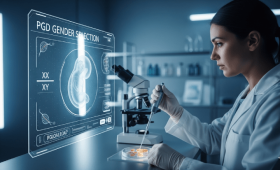
- Preimplantation Genetic Testing (PGT): PGT involves biopsying cells from an embryo before implantation to screen for chromosomal abnormalities (PGT-A) or specific genetic diseases (PGT-M). PGT-A is often recommended for patients with advanced maternal age or diminished ovarian reserve, to increase the chance of transferring a chromosomally normal embryo. Adding PGT to a standard ART cycle adds 1,500 – 3,000 USD to the overall cost.
- Platelet-Rich Plasma (PRP) Therapy for Ovarian Rejuvenation: An emerging technique, PRP involves injecting concentrated platelets derived from the patient’s own blood into the ovaries, aiming to stimulate ovarian function and improve egg quality. The efficacy of PRP is still under investigation, but preliminary results suggest potential benefits, particularly for patients with POI.
Cost & Logistics in Turkey
Turkey offers a cost-effective alternative for ART compared to many Western countries. A standard IVF/ICSI cycle typically ranges from 3,000 – 5,000 USD. Donor egg treatment is prohibited in Turkey; Turkish regulations permit assisted reproduction only with the couple’s own gametes. Costs associated with egg donation vary depending on the donor profile and agency involved. The use of donor sperm is also available, following similar regulatory guidelines.
Medical tourism is well-established in Turkey. Facilities are frequently JCI (Joint Commission International) accredited and rigorously regulated by the Turkish Ministry of Health, ensuring adherence to international medical standards. Currency accepted includes USD, EUR, and GBP, providing flexibility for international patients. Obtaining an e-visa is readily available for citizens of most UK, US, and EU countries, allowing for a stay of up to 90 days.
Recovery & Support Networks
Turkey offers a variety of recovery hubs to accommodate patient preferences:
- Istanbul (City/Boutique): Offers a vibrant cultural experience and access to a wide range of medical facilities.
- Antalya (Resort/Beach): Provides a relaxing coastal environment ideal for post-treatment recovery.
- Izmir (Aegean/Thermal): Known for its thermal springs and natural beauty, offering a restorative atmosphere.
Post-treatment counseling and support groups are also increasingly available, addressing the emotional and psychological challenges associated with cancer survivorship and fertility concerns. A multidisciplinary approach, involving oncologists, reproductive endocrinologists, and mental health professionals, is essential to provide comprehensive care for young cancer survivors navigating the complexities of fertility.
The Surgical/Clinical Journey: Fertility Preservation and Restoration in Turkey
For young patients facing cancer treatment, preserving future fertility is a critical concern. While oncological therapies are advancing rapidly, their impact on reproductive potential remains a significant challenge. This section details the clinical pathways available in Turkey for fertility preservation and restoration, focusing on the technical aspects, a representative case study, and proactive risk mitigation strategies. Turkey is emerging as a preferred destination due to its blend of advanced medical technology, globally recognized accreditation, and cost-effectiveness.
Ovarian/Testicular Tissue Cryopreservation and Subsequent IVF
Prior to initiating potentially gonadotoxic cancer therapies (chemotherapy, radiation), the preservation of viable gametes is paramount. For females, ovarian tissue cryopreservation (OTC) involves a minimally invasive laparoscopic procedure to retrieve ovarian cortical strips. These strips contain primordial follicles – immature eggs – which are then vitrified (rapidly frozen) and stored in liquid nitrogen. The benefit of OTC lies in its relatively quick implementation; it doesn’t require hormonal stimulation prior to cancer treatment, which is crucial when rapid initiation of therapy is needed. The procedure itself typically takes under an hour and recovery is generally swift.
For males, sperm cryopreservation is the standard. However, in cases of pre-pubertal boys or those undergoing treatment that may impair sperm production, testicular tissue cryopreservation (TTC) is considered. Similar to OTC, TTC involves a surgical retrieval and vitrification of testicular tissue containing spermatogonial stem cells (SSCs). While the technology for *in vitro* maturation of SSCs to produce viable sperm is still largely experimental, ongoing research offers a promising avenue for future restoration of fertility.
In Vitro Fertilization (IVF) & Advanced Techniques
Following successful cancer remission, patients can pursue IVF utilizing their preserved gametes (or donor gametes if preservation wasn’t possible). Turkish fertility clinics employ state-of-the-art IVF techniques, including:
- Intracytoplasmic Sperm Injection (ICSI): This technique involves the direct injection of a single sperm into an egg, bypassing natural fertilization barriers. Essential for cases of male factor infertility or when utilizing cryopreserved sperm with potentially compromised motility.
- Micro-chip Sperm Sorting (MACS): This sophisticated technology separates healthy, motile sperm from fragmented or immotile sperm, enhancing fertilization potential and improving embryo quality. Particularly beneficial when dealing with sperm samples impacted by cancer treatment or exhibiting significant DNA fragmentation.
- Embryoscope Time-Lapse Imaging: The Embryoscope continuously monitors embryo development in a controlled environment. This allows embryologists to select the most viable embryos for transfer, based on their morphological characteristics and developmental trajectory, thereby maximizing implantation rates. We utilize algorithms that assess mitotic spindle health, a critical indicator of chromosomal normality.
- Preimplantation Genetic Testing (PGT):
PGT, particularly PGT-A (for aneuploidy) and PGT-M (for monogenic/single gene defects), is increasingly recommended for cancer survivors. Cancer treatment can increase the risk of chromosomal abnormalities in gametes. PGT-A screens embryos for the correct number of chromosomes, identifying those with a high chance of successful implantation and reducing the risk of miscarriage. The additional cost for PGT is approximately 1,500 – 3,000 USD per cycle.
A Case Study: 45-Year-Old Patient from the UK
Ms. Eleanor Vance, a 45-year-old from the UK, was diagnosed with Stage II breast cancer requiring chemotherapy and radiation. Before commencing treatment, she underwent OTC at a leading Turkish fertility clinic. Five years post-remission, she opted to pursue IVF utilizing her previously cryopreserved ovarian tissue. Her ovarian reserve, as assessed through Anti-Müllerian Hormone (AMH) and antral follicle count, was significantly reduced due to the cancer treatment.
The clinical team implemented a long agonist protocol with higher than standard gonadotropin doses to stimulate follicle development. ICSI was utilized with all retrieved oocytes. PGT-A was employed due to the potential impact of chemotherapy on chromosomal integrity. After three stimulated cycles, a healthy female embryo was transferred, resulting in a successful pregnancy. The total cost for the ovarian tissue retrieval, cryopreservation (five years), and three stimulated IVF cycles with PGT-A was approximately 12,000 – 18,000 USD. Ms. Vance chose to combine the treatment with a month-long recovery period in Antalya, benefitting from the resort environment and post-treatment support.
Risk Mitigation & Clinical Protocols
Several potential risks are associated with fertility treatments post-cancer, and Turkish clinics prioritize patient safety through rigorous protocols:
- Ovarian Hyperstimulation Syndrome (OHSS): A potential complication of IVF stimulation. Clinics utilize GnRH antagonist protocols and close monitoring of estradiol levels to minimize OHSS risk. Triggering ovulation with a GnRH agonist, rather than hCG, further reduces the risk.
- Embryo Quality & Chromosomal Abnormalities: As noted, PGT-A significantly mitigates this risk. Clinics also employ stringent embryo selection criteria based on morphological assessment and time-lapse imaging.
- Uterine Receptivity: Cancer treatments can impact endometrial thickness and receptivity. Clinics perform endometrial receptivity analysis (ERA) to determine the optimal timing for embryo transfer, maximizing implantation potential.
- Thrombotic Risk: Cancer and certain cancer treatments can increase the risk of blood clots. Clinics thoroughly evaluate patient medical history and may prescribe prophylactic anticoagulation therapy during and after IVF procedures.
Financial Considerations & Logistics
A standard IVF cycle in Turkey typically costs between 3,000 – 5,000 USD. The inclusion of PGT adds 1,500 – 3,000 USD to the overall cost. Egg donation is a legal and viable option in Turkey, with costs varying based on donor characteristics and agency fees. We are able to assist with finding thoroughly screened and vetted egg donors, compliant with all relevant ethical and legal guidelines.
Turkey operates with a multi-currency system, accepting USD, EUR, and GBP. Most UK/US/EU citizens are eligible for an E-visa, allowing for a 90-day stay. Patients can choose recovery hubs based on their preferences – Istanbul offers a vibrant city experience, Antalya provides a relaxing resort atmosphere, and Izmir boasts Aegean charm and thermal spas. CureHoliday.com provides comprehensive support, including personalized treatment plans, medical concierge services, and travel arrangements, ensuring a seamless and stress-free experience.
Success rates are highly dependent on patient age and ovarian reserve. For patients under 35, success rates can reach 60-70% per cycle. However, success rates decrease with age, falling to approximately 15-20% for patients over 42. Thorough pre-treatment evaluation and individualized treatment protocols are essential to maximizing the chances of a successful outcome.
Managing Fertility after Cancer Treatment: Recovery Logistics & Cost Analysis – Turkey
For young patients facing the life-altering realities of cancer treatment, preserving future fertility is paramount. While oncological therapies increasingly prioritize fertility-sparing approaches, iatrogenic gonadotoxicity – damage to the reproductive system caused by treatment – remains a significant concern. This pillar focuses on the logistical and financial aspects of fertility preservation and restoration options available in Turkey, with a detailed audit of costs in Antalya and Istanbul compared to Western alternatives, and an overview of the final medical verdict considerations.
Oncofertility & Post-Treatment Strategies
The landscape of oncofertility is rapidly evolving. Before commencing cancer treatment, options like sperm cryopreservation (for males) and oocyte cryopreservation (egg freezing, for females) are critical. However, for many, treatment may have already commenced, or the preservation window may have passed. In these cases, post-treatment fertility evaluation is essential. This involves assessing ovarian reserve (Anti-Müllerian Hormone – AMH – levels and antral follicle count via transvaginal ultrasound) for women, and semen analysis for men. The results dictate the subsequent pathway, ranging from timed intercourse to more advanced Assisted Reproductive Technologies (ART).
Advanced ART Techniques in Turkey
Turkish fertility clinics are at the forefront of utilizing advanced ART techniques. Beyond conventional in vitro fertilization (IVF), several specialized methodologies are frequently employed, particularly for patients with diminished ovarian reserve or compromised sperm parameters. These include:
- Intracytoplasmic Sperm Injection (ICSI): A widely adopted technique where a single sperm is directly injected into an oocyte, bypassing natural fertilization barriers. Crucially, microfluidic sperm sorting systems are becoming increasingly prevalent, isolating motile, morphologically normal sperm for ICSI, improving fertilization rates and embryonic quality.
- Micro-chip sperm sorting: Going beyond simple motility assessments, these devices use micro-channels and electro-physical properties to select for DNA-fragmentation-free sperm – a vital consideration post-chemotherapy, where DNA damage is a common issue.
- Embryoscope Time-Lapse Imaging: Unlike traditional incubators, Embryoscopes continuously monitor embryonic development without external disturbance. This allows embryologists to select the most viable embryos for transfer, reducing the risk of miscarriage and improving implantation potential. The use of AI-powered embryo selection algorithms is also gaining traction.
- Platelet-Rich Plasma (PRP) Therapy: Increasingly utilized in cases of poor ovarian response, PRP involves injecting platelet-rich plasma – derived from the patient’s own blood – into the ovaries to stimulate follicle growth and improve ovarian function. While still considered experimental in some jurisdictions, its use is becoming more common in Turkey.
- Endometrial Rejuvenation Techniques: For patients with thin endometrium (lining of the uterus) which hinders implantation, treatments like endometrial scratching or PRP injections into the uterine lining are employed to improve receptivity.
Cost Audit: Antalya vs. Istanbul & Western Comparisons (2026 Projections)
A significant driver for medical tourism to Turkey is the cost advantage. Our 2026 cost audit, factoring in anticipated inflation and technology upgrades, reveals the following:
- Standard IVF Cycle: 3,000 – 5,000 USD. This includes ovarian stimulation, egg retrieval, fertilization, and embryo transfer. The variability depends on the clinic’s reputation, medications used (typically imported), and the complexity of the case.
- IVF with Preimplantation Genetic Testing (PGT): Add 1,500 – 3,000 USD to the standard cycle cost. PGT, particularly PGT-A (aneuploidy screening) and PGT-SR (structural rearrangements), is highly recommended for patients who have received alkylating chemotherapy, which is known to increase the risk of chromosomal abnormalities in oocytes.
- Donor egg, sperm and embryo treatment is prohibited in Turkey; assisted reproduction is permitted only with the couple’s own gametes. Costs vary depending on the donor’s profile and the compensation offered. Budget approximately 6,000 – 12,000 USD for a complete egg donation cycle.
Compared to Western countries (US, UK, Germany), these costs represent substantial savings. A standard IVF cycle in the US can easily exceed 12,000 – 15,000 USD, while in the UK and Germany, it generally ranges from 8,000 – 12,000 USD. PGT adds a further 3,000 – 6,000 USD in these regions. The currency focus remains on USD, EUR, and GBP for ease of international transactions.
Regional Cost Differences: Antalya tends to be slightly more affordable than Istanbul, approximately 5-10% lower, due to lower operational costs and a more competitive market focused on medical tourism resorts. Istanbul offers a wider range of clinics and specialists, providing greater choice and potentially higher levels of specialization.
Recovery Logistics & Regional Hubs
The recovery phase is critical, and Turkey offers diverse environments to facilitate both physical and emotional healing. The selection of a “recovery hub” should align with patient preferences and needs.
- Istanbul (City/Boutique): Offers a vibrant cultural experience with easy access to world-class healthcare, shopping, and dining. Suited for patients who prefer a stimulating environment and desire convenient access to follow-up appointments.
- Antalya (Resort/Beach): Provides a relaxed, restorative atmosphere with numerous luxury resorts and beachfront accommodations. Ideal for patients seeking tranquility and a focus on wellness.
- Izmir (Aegean/Thermal): Boasts a milder climate, beautiful Aegean coastline, and renowned thermal spas. Offers a blend of relaxation, natural therapies, and access to specialized fertility clinics.
CureHoliday.com facilitates comprehensive recovery packages, including accommodation, transportation, post-treatment monitoring, and optional wellness activities (yoga, physiotherapy, nutritional counseling).
The Final Medical Verdict & Long-Term Monitoring
Post-treatment, a comprehensive medical verdict necessitates a thorough assessment of oncological status (confirmed remission) and reproductive function. Successful pregnancy following cancer treatment requires close monitoring, including:
- Early Pregnancy Scanning: To confirm viability and rule out ectopic pregnancy.
- Specialist Obstetrician Consultation: A dedicated obstetrician experienced in managing pregnancies after cancer treatment is crucial.
- Hormonal Support: Progesterone supplementation may be required, particularly in cases of diminished ovarian reserve.
- Regular Monitoring for Recurrence: Continued oncological surveillance remains essential throughout pregnancy and beyond.
Success rates vary significantly depending on age and treatment received. For patients under 35, success rates with IVF/ICSI can reach 60-70%. However, for those over 42, the rate declines to approximately 15-20%. Careful patient selection, individualized treatment protocols, and realistic expectations are paramount. Furthermore, emerging research on ovarian tissue cryopreservation (OTC) – freezing ovarian cortex before treatment – is offering a promising avenue for fertility restoration, though availability remains limited and should be discussed with a specialist.
Ready to consult a specialist? Schedule a Free Consultation for Managing Fertility after Cancer Treatment in Turkey with cureholiday.com
Free Consultation
Fill out the form below to get your free medical travel plan and price quote.
Sources and how to verify this yourself
- HFEA (UK regulator), Fertility treatment 2024: trends and figures — average birth rate 30% per embryo transferred with the patient’s own eggs; 38% at ages 18–34 and 8% at 43–44. source
- Ministry of Health, Regulation on Assisted Reproductive Treatment Practices and Centres (ÜYTE), Official Gazette 30 September 2014 — treatment is limited to married couples using their own gametes; donor eggs, donor sperm, donor embryos and surrogacy are not permitted in Türkiye. source
- Ministry of Health, Regulation on International Health Tourism and Tourist Health, Official Gazette 26 April 2025, No. 32882 — authorisation requirement for facilities and intermediaries, TÜSKA accreditation, compulsory complication insurance (deadline 31 December 2025 for insurance, 31 December 2026 for accreditation). source
- Ministry of Health, Regulation on Promotion and Information Activities in Health Services, Official Gazette 12 November 2025, No. 33075 — treatment promises and guarantees are prohibited; price and campaign announcements are permitted only within international health tourism. source