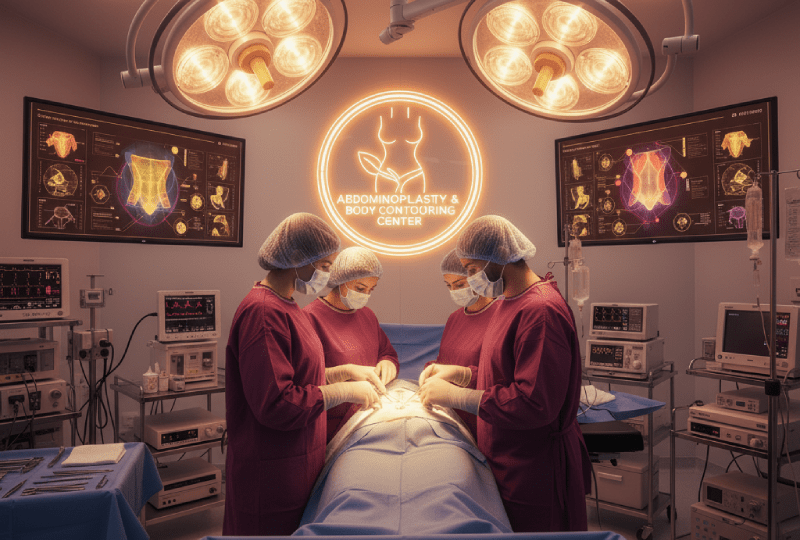
Cost and planning note (Mommy Makeover 2026)
The figures below are indicative market ranges, not a quote: your own price is confirmed after a clinical assessment.
Indicative price range: Standard Package: 4,500 – 7,500 USD | Advanced Combination: 8,000 – 12,000 USD | Tummy Tuck: 3,000 – 5,000 USD | Breast Lift: 2,500 – 4,500 USD | Liposuction Per Area: 500 – 1,500 USD | Bbl Fat Transfer: 3,500 – 5,500 USD
Facility standards: In Türkiye, any facility treating international patients must hold the Ministry of Health’s international health tourism authorisation; hospitals and medical centres must also be accredited by TÜSKA, and complication insurance is compulsory for procedures carried out in an operating theatre (Regulation of 26 April 2025).
Recovery Focus: Post-pregnancy body restoration & safety first.
Currency: GBP, EUR, USD accepted.
Managing Nausea and Anesthesia Fog: Tips for the First 24 Hours
Reclaiming the Maternal Silhouette: Advanced Foundations of Post-Pregnancy Restoration
Post-pregnancy physiological changes represent one of the most complex anatomical shifts the human body undergoes. The expansion of the uterine cavity, the significant stretching of the abdominal wall, and the subsequent loss of glandular tissue in the breasts necessitate more than mere aesthetic adjustments; they require fundamental structural reconstruction. Achieving a “Mommy Makeover” is a sophisticated surgical endeavor that integrates various disciplines of plastic surgery to address skin laxity, muscular separation, and volume depletion.
Central to this restorative process is the correction of Diastasis Recti. This condition involves the longitudinal separation of the rectus abdominis muscles, often leaving a visible protrusion or a lack of core stability. Modern surgical excellence in this area does not merely focus on skin excision but emphasizes the restoration of the abdominal wall’s integrity. The gold standard involves Diastasis Recti repair, which involves internal corset suturing of the abdominal fascia. By meticulously reapproximating the separated muscle bellies and reinforcing the linea alba, surgeons can recreate the structural tension required for a flat, stable midsection, effectively functioning as a biological corset.
Advanced Abdominal Contouring and Adipose Refinement
The approach to abdominal reconstruction is rarely one-size-fits-all. Depending on the degree of skin redundancy and the distribution of subcutaneous adipose tissue, surgeons utilize various techniques to achieve a seamless transition from the flanks to the midline. The primary modalities include:
- Full Abdominoplasty: Indicated for patients with significant skin laxity and extensive diastasis recti, involving a horizontal incision from hip to hip.
- Mini Abdominoplasty: Targeted at patients with localized concerns in the lower abdomen, preserving the upper abdominal integrity.
- Extended (360) Tummy Tuck: A comprehensive circumferential approach that addresses the anterior and lateral abdominal walls, ideal for patients undergoing simultaneous liposuction.
To complement these structural changes, Vaser Liposuction is used for high-definition contouring with minimal bruising. Unlike traditional aspiration, this ultrasonic technology emulsifies the fat cells with precision, allowing for the sculpting of the lateral abdominal borders and the oblique muscles. This ensures that the transition between the newly tightened abdomen and the flanks is natural and devoid of the “shelf” effect often seen in less advanced procedures.
“The success of a post-pregnancy restoration lies in the synergy between muscular reinforcement and cutaneous tension. It is not merely about removing excess tissue, but about rebuilding the anatomical foundation.”
Mastopexy and Volumetric Reconstruction
Post-lactation changes often result in ptosis (sagging) and a reduction in the glandular density of the breast tissue. The restoration of the mammary profile requires a delicate balance of Mastopexy (breast lift) and, if necessary, augmentation. The goal is to reposition the nipple-areola complex (NAC) to a more youthful height while restoring the projection of the upper pole.
Precision in augmentation is paramount for long-term aesthetic stability. To ensure biocompatibility and safety, the selection of implants is strictly regulated. Surgeons utilize high-quality, breast implants such as Mentor, Motiva, or Polytech (JCI approved). These implants are chosen for their sophisticated shell technology and cohesive gel consistency, which minimize the risk of capsular contracture and provide a natural tactile response.
The Economic and Clinical Landscape: Why Turkey is the Global Hub
Turkey has emerged as the undisputed epicenter for advanced aesthetic reconstruction, specifically for Mommy Makeover packages. This dominance is driven by a unique convergence of high-level surgical expertise, state-of-the-art technology, and highly optimized cost-efficiency. For patients seeking complex, multi-stage procedures, the financial advantages are substantial without compromising clinical benchmarks.
The pricing structures in Turkey allow for comprehensive surgical planning. While a standard package typically ranges from 4,500 – 7,500 USD, patients opting for more complex anatomical revisions—incorporating liposuction and abdominal wall repair—may find an advanced combination package between 8,000 – 12,000 USD. Breaking down the individual components, a tummy tuck ranges from 3,000 – 5,000 USD, while a breast lift is priced between 2,500 – 4,500 USD. For localized contouring, liposuction per area can be achieved for 500 – 1,500 USD, and BBL fat transfer is approximately 3,500 – 5,500 USD.
Beyond the surgical costs, the logistical infrastructure in Turkey is designed for a premium patient experience. The medical tourism ecosystem is built around seamless integration:
- Global Access: Major international hubs such as Istanbul (IST) or Antalya (AYT) facilitate easy global transit.
- Premium Recovery: Post-operative care is centered in 5-star recovery suites with companion stay included, ensuring that the patient has a sterile, luxurious environment for initial healing.
- Logistical Precision: Patients benefit from VIP private transfers from airport to clinic, removing the stress of navigation during the sensitive post-operative period.
- Pre-Operative Clarity: Detailed surgical planning begins with free online video assessments with board-certified plastic surgeons, allowing for remote diagnostic evaluation of skin elasticity and anatomical requirements.
Post-Operative Milestones and Safety Benchmarks
Recovery from a multi-component restoration is a phased process. The immediate post-operative window is critical for managing edema and ensuring the stability of the internal sutures. Patients should plan for a recovery period of 7-10 days in Turkey, during which they remain in a controlled, high-end environment to manage the initial inflammatory response.
While the initial wound healing occurs within the first fortnight, the internal physiological stabilization—particularly the remodeling of the fascia in diastasis recti repair—takes longer. Patients must adhere to strict activity restrictions to prevent dehiscence or seroma formation. A period of 6 weeks is required for a full return to strenuous exercise. During this time, the focus remains on gradual mobilization and the maintenance of the abdominal compression garments essential for the new anatomical architecture.
Case Study: Siobhan’s Path to Transformation
To understand the intersection of high-level surgical precision and post-operative recovery, we look at the journey of Siobhan, a 34-year-old Irish mother of three. Siobhan presented with significant abdominal laxity and lateral hip asymmetry, resulting from multiple pregnancies. Her surgical plan involved an advanced combination procedure, specifically an advanced_combination package valued between 8,000 – 12,000 USD.
“The transition from the operating theatre to the recovery suite was a blur of sensory input. While the ‘fog’ was disorienting, the immediate presence of the clinical team and the controlled environment of the 5-star recovery suite provided a sense of profound security.”
Siobhan’s procedure was not merely cosmetic but restorative. It included a Full, Mini, or Extended (360) tummy tuck, specifically designed to address her Diastasis Recti repair, which involves internal corset suturing of the abdominal fascia to restore core structural integrity. To complement this, Vaser Liposuction was utilized for high-definition contouring of the flanks, a technique chosen for its ability to achieve precise sculptural results with minimal bruising. Because her transformation required a simultaneous BBL_fat_transfer (costing between 3,500 – 5,500 USD), her physiological management during the first 24 hours required meticulous monitoring of fluid balance and hemodynamic stability.
Physiological Triggers of Postoperative Nausea and Vomiting (PONV)
Nausea in the first 24 hours is rarely a random occurrence; it is a predictable pharmacological sequela of the anesthetic regimen. The primary culprits are often the opioid analgesics used for post-operative pain management and the residual effects of volatile anesthetics on the chemoreceptor trigger zone (CTZ) in the brain.
To manage this, the surgical teams adhering to JCI safety standards utilize a multimodal antiemetic protocol. This involves the administration of various classes of drugs—such as 5-HT3 receptor antagonists or dexamethasone—to block the neurochemical pathways that signal nausea. Patients should expect a sensation of “heaviness” or “motion sickness” as the vestibular system recalibrates. For those arriving via VIP private transfers from airport to clinic in Istanbul (IST) or Antalya (AYT), the smooth, controlled transport is a vital component in preventing vestibular stimulation that could exacerbate PONV.
Mitigating the ‘Anesthesia Fog’ through JCI-Compliant Care
The “fog” or cognitive disorientation experienced upon awakening is a result of the brain’s transition from a state of chemically induced unconsciousness to full cortical activity. During this period, the patient may experience fragmented thoughts or mild confusion.
The mitigation of this disorientation is a cornerstone of the JCI-accredited care protocols. The focus is on:
- Controlled Emergence: Slow, systematic weaning of anesthetic gases to allow the central nervous system to stabilize.
- Environmental Stability: Utilizing the quiet, temperature-controlled environment of 5-star recovery suites with companion stay included to reduce sensory overload.
- Pharmacological Precision: Utilizing non-narcotic analgesic adjuncts to reduce the necessity of high-dose opioids, thereby decreasing the risk of respiratory depression and cognitive clouding.
This level of care ensures that while the patient may feel “foggy,” their vital signs and neurological responses remain within optimal parameters.
Clinical Precision and Cost Transparency
The complexity of a multi-stage transformation requires a clear understanding of the surgical components and their associated investments. The precision of the surgery—whether it is a breast_lift (2,500 – 4,500 USD) or a targeted liposuction_per_area (500 – 1,500 USD)—is matched by the rigor of the recovery protocols.
For patients undergoing significant structural changes, such as the implantation of Mentor, Motiva, or Polytech (all JCI approved) breast implants, the first 24 hours are focused on ensuring lymphatic drainage and preventing hematomas. The recovery timeline is structured: while the initial post-operative monitoring occurs in the clinic, the patient will typically spend 7-10 days in Turkey, with a requirement of 6 weeks for full exercise return.
As part of the pre-surgical preparation, Cure Holiday specialists offer free online video assessments with board-certified plastic surgeons. These consultations are vital for establishing a personalized post-operative medication plan, specifically tailored to minimize the risk of nausea and ensure the smoothest possible transition through the first 24 hours of the patient journey. By addressing the technicalities of the surgery—from the standard_package (4,500 – 7,500 USD) to complex abdominoplasty—with the same rigor applied to post-operative nausea management, the surgical outcome is both aesthetically superior and physiologically safe.
Navigating the Immediate Post-Operative Window: Pharmacological Management of PONV
The first 24 hours following a surgical procedure are characterized by the physiological “ebb and flow” of anesthesia dissipation. Patients frequently encounter Postoperative Nausea and Vomiting (PONV), a condition resulting from the pharmacodynamics of anesthetic agents such as Propofol or volatile halogenated ethers. As these agents are metabolized by the liver and excreted via the renal system, the central nervous system (CNS) undergoes a period of neurocognitive transition, colloquially known as “anesthesia fog.”
During this phase, the patient may experience disorientation, mild tremors, or chills (postoperative shivering). To mitigate nausea, clinical protocols in premier Turkish surgical centers focus on rapid-onset anti-emetics and controlled hydration. Managing this period effectively is the first step in a successful 7-10 day recovery period in Turkey. While the “fog” is a temporary state of CNS depression, the physiological stability achieved in the first 24 hours dictates the ease of your transition to your 5-star recovery suite.
The Transition to Luxury Recovery: Post-Op Villa Logistics
Once the acute anesthetic effects have subsided, the focus shifts from clinical monitoring to restorative care. For patients choosing medical tourism in Turkey, the recovery infrastructure is designed to minimize physical and cognitive stress. Unlike the standard post-operative experience in the UK or USA, which often involves isolated home recovery, our premium logistics model utilizes 5-star recovery suites with companion stay included.
This environment is critical for managing the physical demands of complex procedures. For instance, if you have undergone a Tummy Tuck (Full, Mini, or Extended 360), the structural integrity of your recovery depends on minimizing abdominal intra-abdominal pressure. Following a Diastasis Recti repair, which involves the meticulous internal corset suturing of the abdominal fascia, the ability to rest in a specialized ergonomic environment is paramount. The availability of a companion within these suites allows for assisted mobility, which is essential for preventing deep vein thrombosis (post-surgical blood clots) during the initial days of healing.
Logistical seamlessness is maintained through VIP private transfers from the airport to the clinic and subsequently to your recovery villa. Whether you arrive at Istanbul (IST) or Antalya (AYT), the movement of the patient is orchestrated to avoid the physical exertion that could compromise surgical sites, such as Vaser Liposuction areas where high-definition contouring with minimal bruising is the surgical objective.
Post-Surgical Timeline: From Turkey to Flight-Home
A common concern for international patients is the “fly-home” timeline. While the immediate surgical site requires intense monitoring, the timeline for reintegration into daily life is structured as follows:
- Days 1–3: Acute recovery phase; focus on managing swelling and anesthesia-related fatigue within the clinic or recovery suite.
- Days 4–10: Transition to light mobility; management of drains (if applicable) and commencement of gentle walking to promote circulation.
- Day 10+: Flight-home readiness, provided there are no signs of hematoma or infection.
- 6 Weeks Post-Op: The threshold for a full exercise return and the resumption of strenuous physical activities.
For patients managing childcare or professional obligations, this period requires meticulous planning. The logistical ease of having VIP private transfers and pre-arranged recovery staff allows patients to focus entirely on the physiological healing of tissues, such as the integration of Mentor, Motiva, or Polytech (JCI approved) implants during a breast augmentation or lift.
2026 Economic Analysis: Turkey vs. UK/USA
The decision to undergo surgery in Turkey is often driven by the significant disparity in healthcare expenditure. As we look toward the 2026 cost breakdown, the price gap between Turkey and Western healthcare markets remains substantial, even when factoring in the premium 5-star recovery logistics.
The following data illustrates the projected cost differences for standard surgical packages. Note that these figures represent the comprehensive care including surgical fees, anesthesia, and luxury recovery logistics:
Standard Surgical Package: 4,500 – 7,500 USD
Advanced Combination Package: 8,000 – 12,000 USD
When analyzing specific anatomical enhancements, the cost-efficiency becomes even more pronounced. For a patient in the UK or USA, the cost of a single procedure often exceeds the entire Turkish all-inclusive package. The breakdown for 2026 is projected as follows:
- Tummy Tuck (Full/Mini/360): 3,000 – 5,000 USD
- Breast Lift: 2,500 – 4,500 USD
- BBL (Fat Transfer): 3,500 – 5,500 USD
- Liposuction (Per area): 500 – 1,500 USD
- Diastasis Recti Repair: Included in abdominal packages.
This financial advantage allows patients to allocate resources toward higher-tier recovery options, such as upgrading to advanced combination packages that include more intensive post-operative lymphatic drainage and enhanced nutritional support.
Pre-Operative Planning and Remote Consultation
To mitigate the anxiety of the “anesthesia fog” and the logistics of international travel, the planning process begins long before you land at IST or AYT. We recommend utilizing free online video assessments with board-certified plastic surgeons. These digital consultations allow for a detailed review of your medical history, the technical specifics of your procedure—such as the use of Vaser Liposuction for contouring—and the logistical requirements of your stay.
By addressing the clinical and logistical variables through these assessments, patients can enter their 7-10 day Turkey stay with a clear roadmap, reducing the psychological stress that can contribute to post-operative physiological complications. Proper planning ensures that when the anesthesia begins to wear off, your only focus is on the beautiful, permanent results of your transformation.
Considering a Mommy Makeover in Turkey? Get a Free Quote for your Managing Nausea and Anesthesia Fog Transformation with cureholiday.com
Free Consultation
Fill out the form below to get your free medical travel plan and price quote.
Sources and how to verify this yourself
- Ministry of Health, Regulation on International Health Tourism and Tourist Health, Official Gazette 26 April 2025, No. 32882 — authorisation requirement for facilities and intermediaries, TÜSKA accreditation, compulsory complication insurance (deadline 31 December 2025 for insurance, 31 December 2026 for accreditation). source
- Ministry of Health, Regulation on Promotion and Information Activities in Health Services, Official Gazette 12 November 2025, No. 33075 — treatment promises and guarantees are prohibited; price and campaign announcements are permitted only within international health tourism. source