Cost and planning note (Mommy Makeover 2026)
The figures below are indicative market ranges, not a quote: your own price is confirmed after a clinical assessment.
Indicative price range: Standard Package: 4,500 – 7,500 USD | Advanced Combination: 8,000 – 12,000 USD | Tummy Tuck: 3,000 – 5,000 USD | Breast Lift: 2,500 – 4,500 USD | Liposuction Per Area: 500 – 1,500 USD | Bbl Fat Transfer: 3,500 – 5,500 USD
Facility standards: In Türkiye, any facility treating international patients must hold the Ministry of Health’s international health tourism authorisation; hospitals and medical centres must also be accredited by TÜSKA, and complication insurance is compulsory for procedures carried out in an operating theatre (Regulation of 26 April 2025).
Recovery Focus: Post-pregnancy body restoration & safety first.
Currency: GBP, EUR, USD accepted.
Managing your First Period after Surgery: Hormonal Fluctuations and Healing
Restoring the Post-Pregnancy Silhouette: The Science of Abdominal and Mammary Reconstruction
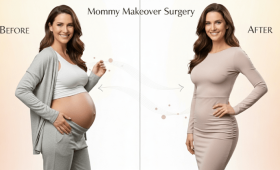
The physiological changes following childbirth often result in structural alterations that cannot be reversed through lifestyle modifications alone. For many women, the journey toward post-pregnancy restoration involves a complex interplay of addressing skin laxity, muscular separation, and glandular atrophy. The “Mommy Makeover” is not a singular procedure but a sophisticated, multi-planar surgical approach designed to reconstruct the anatomical foundations of the female form. This process requires a deep understanding of tissue tension, fat distribution, and the structural integrity of the abdominal wall.
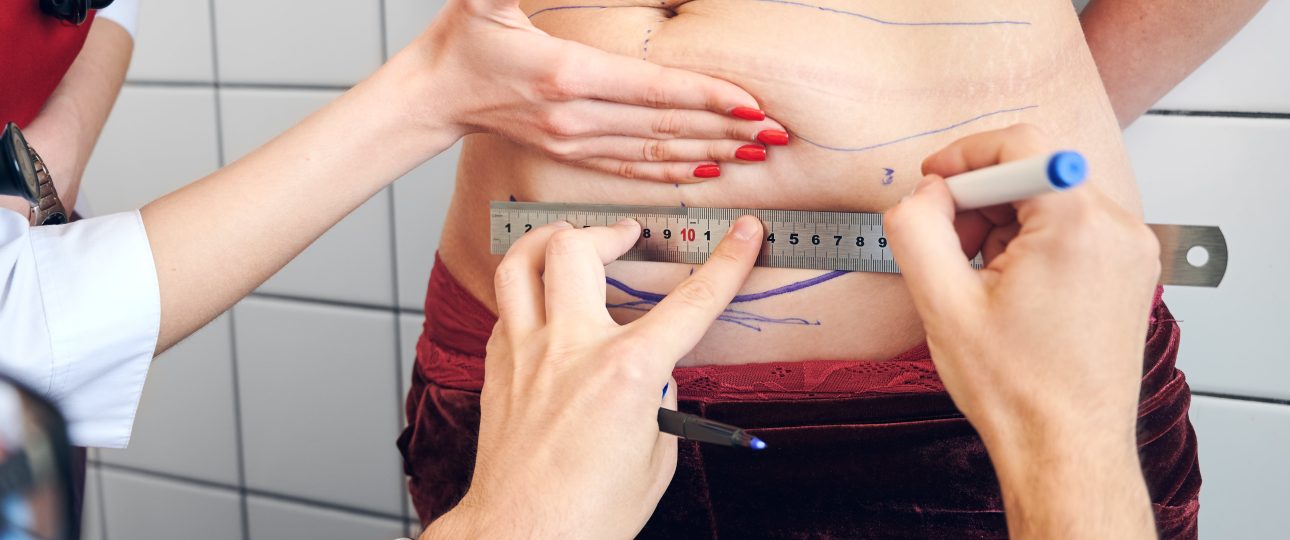
At the core of abdominal restoration is the management of Diastasis Recti. This condition, characterized by the lateral displacement of the rectus abdominis muscles, creates a loss of midline tension and a protrusion of the abdominal wall. To address this, advanced surgical techniques involve Diastasis Recti repair, which involves internal corset suturing of the abdominal fascia. By utilizing high-strength, absorbable sutures to plicate the fascia, surgeons can re-establish the “internal corset,” effectively tightening the midsection from the inside out. This structural reinforcement is essential for long-term stability and the prevention of future hernias.
Depending on the degree of skin redundancy and muscle separation, patients may opt for various tummy tuck options, including Full, Mini, or Extended (360) abdominoplasty. A Mini-abdominoplasty focuses on the infraumbilical region, whereas the Extended (360) approach provides a comprehensive circumferential tightening, addressing both the anterior and lateral flanks. For those seeking targeted contouring, Vaser Liposuction is used for high-definition contouring with minimal bruising. This ultrasound-assisted technology targets adipocytes specifically, emulsifying fat cells while preserving the surrounding neurovascular structures, which is critical for maintaining skin adherence and a smooth aesthetic outcome.
Advanced Mammary Reconstruction and Tissue Volumization
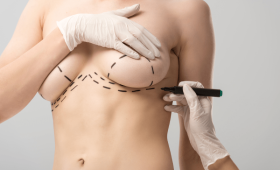
Post-pregnancy, the breasts often undergo significant changes in volume and position, a condition medically referred to as mastoptosis. The surgical objective in a breast lift (Mastopexy) is to reposition the nipple-areola complex (NAC) to an optimal anatomical height and to reduce the circumference of the inframammary fold. To restore lost projection, augmentation is frequently integrated into the procedure. The choice of implant is paramount to both safety and aesthetics; breast implants used include Mentor, Motinence, or Polytech (JCI approved), ensuring that the device integrates seamlessly with the patient’s natural tissue topography.
For patients seeking a more dramatic transformation, the integration of fat transfer can provide a more “natural” feel to the augmentation. The BBL (Brazilian Butt Lift) fat transfer technique involves harvesting adipose tissue via liposuction, processing it, and reinjecting it into the gluteal region to enhance curvature. When combined with abdominal tightening, this creates a balanced, hourglass silhouette that restores the pelvic-to-waist ratio that was lost during pregnancy.
The Global Hub: Why Turkey Leads in Post-Pregnancy Restoration
Turkey has emerged as the preeminent global destination for advanced aesthetic reconstruction, specifically for complex Mommy Makeover protocols. This dominance is not merely a result of competitive pricing but is rooted in a highly specialized medical infrastructure that merges technical precision with unparalleled patient care. The Turkish surgical model excels in the “Advanced Combination” approach, allowing patients to undergo multiple procedures—such as a tummy tuck, breast lift, and liposuction—in a single, orchestrated surgical event.
The economic advantage of seeking care in Turkey is significant, offering access to JCI-standard medical technology at a fraction of Western costs. For instance, while a tummy tuck can range from 3,000 – 5,000 USD and a breast lift from 2,500 – 4,500 USD, the efficiency of combined surgeries allows for much higher value. A standard package for foundational restoration typically ranges from 4,500 – 7,500 USD, whereas an advanced combination—encompassing abdominoplasty, mastopexy, and liposuction—can be achieved within the 8,000 – 12,000 USD range.
“The efficacy of a Mommy Makeover lies in the synergy of the procedures. By addressing the abdominal fascia and mammary ptosis simultaneously, we achieve a holistic physiological restoration that single-site surgeries cannot replicate.” — Cure Holiday specialists.
Logistical Excellence and Clinical Safety Benchmarks
The success of medical tourism in Turkey is predicated on a seamless, “white-glove” logistical framework. The patient journey begins long before arrival, through free online video assessments with board-certified plastic surgeons, ensuring that surgical plans are personalized and medically sound. Upon arrival at Istanbul (IST) or Antalya (AYT), patients are met with VIP private transfers from the airport to the clinic, ensuring a stress-free transition into the recovery phase.
Post-operative care is handled within 5-star recovery suites with companion stay included, allowing for a controlled, sterile, and comfortable environment that is essential for wound healing and monitoring for potential complications. This level of integrated care is a cornerstone of the Turkish medical model.
However, patients must adhere to strict clinical timelines to ensure the integrity of the surgical repairs. The recovery protocol generally follows these benchmarks:
- Initial Post-Operative Phase: 7-10 days in Turkey, focusing on wound care, managing edema, and initial mobility.
- Functional Recovery: A period of light activity is encouraged, but 6 weeks for full exercise return is the gold standard to prevent tension on the abdominal fascia and the newly placed breast implants.
- Liposuction Area Maintenance: While liposuction per area costs between 500 – 1,500 USD, patients must be aware that lymphatic drainage is crucial during this period to prevent seroma formation.
By prioritizing these technical and logistical benchmarks, patients can navigate the complexities of post-pregnancy reconstruction with confidence, ensuring that the physical foundation of their new silhouette is both aesthetically profound and medically enduring.
The Physiological Intersection of Endocrine Fluctuations and Post-Surgical Healing
Post-operative recovery is not merely a physical healing of incisions, but a complex systemic recalibration. For many patients, the first menstrual cycle following a major combination surgery represents a significant physiological milestone. This period is often characterized by heightened estrogen and progesterone fluctuations, which can induce increased peripheral edema (swisting) and heightened sensitivity in healing tissues. Understanding the interplay between your endocrine system and the surgical wound-healing cascade is essential for managing expectations during the transformation journey.
When the body undergoes the trauma of significant surgical restructuring, the inflammatory response is naturally elevated. The introduction of a menstrual cycle during this window can exacerbate post-operative inflammation. Patients may notice increased tension in abdominal sutures or increased heaviness in breast implants. Recognizing that this is a transient physiological response, rather than a surgical complication, is vital for psychological and physical recovery.
The Surgical Protocol: A Step-by-Step of the Advanced Combination Procedure
The transformation process, particularly for those seeking a full body contour, involves a meticulous, multi-stage surgical approach. An advanced_combination procedure—which typically ranges from 8,000 – 12,000 USD—is designed to address multiple anatomical concerns in a single anesthetic session, optimizing the recovery period.
- Abdominal Reconstruction and Diastasis Recti Repair: The foundation of the abdominal contouring involves addressing the separation of the rectus abdominus muscles. This Diastally Recti repair involves internal corset suturing of the abdominal fascia, creating a stable, structural “corset” that tightens the midsection from the inside out. Depending on the degree of skin laxity, patients may opt for a tummy_tuck (ranging from 3,000 – 5,000 USD) in a Full, Mini, or Extended (360) format.
- High-Definition Adipose Contouring: To refine the flanks and waistline, Vaser Liposuction is used for high-definition contouring with minimal bruising. This ultrasonic technology emulsifies fat cells with precision, allowing for a smoother transition between treated and untreated areas. The cost for liposuction_per_area typically ranges from 500 – 1,500 USD.
- Gluteal Augmentation via Fat Transfer: To complement the narrowed waist, the extracted adipose tissue is processed and injected into the buttocks. A bbl_fat_transfer is priced between 3,500 – 5,500 USD.
- Aesthetic Breast Enhancement: To balance the new silhouette, patients often undergo a breast_lift (2,5ary – 4,500 USD) or augmentation. To ensure long-term safety and biocompatibility, only JCI approved implants are utilized, specifically Mentor, Motiva, or Polytech.
Case Study: The Transformation of a 34-Year-Old Irish Mother of Three
To understand the real-world application of these protocols, we examine the journey of a 34-year-old patient from Ireland. After three pregnancies, she presented with significant abdominal skin laxity, muscle separation (diastasis recti), and loss of breast volume. Her goal was not merely aesthetic, but a functional restoration of her core strength and body confidence.
Her journey began with free online video assessments with board-certified plastic surgeons, allowing her to discuss the technicalities of the advanced_combination package from her home in Ireland. Upon arrival, her surgical itinerary was seamless. Following her procedure, she remained in 5-star recovery suites with companion stay included, ensuring she had the necessary support during the initial post-anesthetic phase.
During her 7-10 days in Turkey, the patient experienced the aforementioned hormonal fluctuations. Her first period arrived on day five of her recovery. While she experienced increased localized swelling in her abdominal area, her surgical team had prepared her for this possibility. By following a strict hydration and anti-inflammatory protocol, she managed the edema effectively. By the time she returned to Ireland, she was well into her 6 weeks for full exercise return, having successfully navigated the most critical phase of her surgical transformation.
Standardized Excellence: JCI Safety and Clinical Rigor
The success of such complex, multi-area surgeries depends entirely on adherence to global safety benchmarks. The surgical standards utilized in these high-end transformations are aligned with JCI (Joint Commission International) safety protocols. This includes rigorous sterilization of all surgical instrumentation, strict protocols for anesthesia monitoring, and the use of only high-specification, medical-grade materials.
“Safety in combination surgery is not found in a single moment, but in the cumulative precision of the entire surgical environment—from the caliber of the implants to the sterilization of the Vaser technology.”
When selecting a surgical pathway, patients must ensure that the facility adheres to these international accreditation standards. This encompasses everything from the quality of the VIP private transfers from airport to clinic, ensuring patient security from the moment they land at Istanbul (IST) or Antalya (AYT), to the intraoperative monitoring of vital signs. The integration of JCI approved implants like Motiva or Polytech further ensures that the physical components of your transformation are as durable and safe as the surgical technique itself.
Navigating the Post-Operative Logistics
A seamless recovery is facilitated by the logistical infrastructure surrounding the surgery. The transition from the clinical setting to a recovery environment is designed to minimize physiological stress. The use of 5-star recovery suites allows for a controlled environment where wound care and compression garment management can be monitored closely.
The logistical framework includes:
- Seamless Arrival: VIP private transfers from Istanbul (IST) or Antalya (AYT) directly to your recovery suite, minimizing the physical exertion of travel.
- Continuity of Care: The availability of Cure Holiday specialists to coordinate between the surgeon and the recovery staff.
- Structured Recovery: A disciplined timeline, moving from the immediate post-op 7-10 day intensive care period to the long-term 6-week reintegration into daily physical activity.
Physiological Disruptions: Navigating the First Menstrual Cycle Post-Surgery
The intersection of surgical trauma and endocrine regulation is a frequently overlooked aspect of post-operative recovery. When undergoing major aesthetic procedures—particularly those involving significant tissue manipulation such as a tummy tuck (Full, Mini, or Extended 360) or Diastasis Recti repair—the body undergoes a systemic inflammatory response. This physiological stressor can temporarily disrupt the hypothalamic-pituitary-ovarian (HPO) axis, leading to fluctuations in estrogen and progesterone levels. For many patients, the “first period” after surgery may manifest with increased dysmenorrhea (painful cramping) or changes in flow volume due to altered pelvic vascularity and localized subcutaneous edema.
In cases involving abdominal reconstruction, where Diastasis Recti repair involves internal corset suturing of the abdominal fascia, the increased intra-abdominal pressure during menstrual cramping requires careful management. The goal is to maintain hemodynamic stability and minimize the risk of tension on the newly sutured fascia. Understanding that hormonal fluctuations are a biological byproduct of the healing process allows patients to better prepare their recovery environment.
“Managing the endocrine-related symptoms of post-operative recovery requires a synergy between clinical aftercare and the physical environment in which the patient convalesces.”
Post-Op Villa Recovery: Optimizing the Healing Environment
The success of a surgical outcome is heavily dependent on the quality of the “convalescence window.” In Turkey, the paradigm of recovery has shifted from clinical confinement to high-end, luxury villa-based aftercare. This approach is designed to mitigate the physiological stress caused by hormonal shifts and surgical inflammation. By utilizing 5-star recovery suites with companion stay included, patients can ensure they are in a controlled, low-stimulus environment that promotes lymphatic drainage and reduces cortisol levels.
This premium level of aftercare is particularly crucial during the initial 7-10 days in Turkey. During this period, the primary focus is on managing surgical site integrity and managing the transition from acute post-operative care to ambulatory mobility. The availability of VIP private transfers from airport (either Istanbul (IST) or Antalya (AYT)) to the clinic and subsequently to recovery suites ensures that the patient avoids the physical strain of navigating complex transit systems, which is vital when managing post-surgical pelvic congestion or abdominal swelling.
Logistical Orchestration: Childcare and Fly-Home Timelines
A significant hurdle in surgical planning is the logistical management of domestic responsibilities, specifically childcare. The recovery timeline for aesthetic surgery is often bifurcated into two distinct phases: the immediate post-operative period and the long-term functional recovery. While the patient may be cleared for fly-home timelines within the first week, the physiological reality is that full exercise return typically requires 6 weeks.
Planning for this 6-week window requires meticulous coordination. Patients must arrange for secondary caregiving structures to manage children and household duties, as the physical limitations of procedures like Vaser Liposuction (used for high-definition contouring with minimal bruising) or BBL fat transfer (costing between 3,500 USD – 5,500 USD) may preclude heavy lifting or sudden movements. The complexity of managing a household while navigating the inflammatory phase of healing necessitates a “logistics-first” approach to surgical booking.
2026 Financial Projections: Global Cost Breakdown
As we approach 2026, the cost differential between the UK/USA and Turkey remains a primary driver for medical tourism. However, modern patients are no longer looking for the “cheapest” option, but rather the most comprehensive value-to-quality ratio. When budgeting for 2026, it is essential to account for the full scope of the standard_package versus more complex anatomical reconstructions.
Below is a comparative breakdown of the projected 2026 investment requirements for primary procedures:
- Standard Surgical Package: 4,500 USD – 7,500 USD (inclusive of basic aftercare and transfers).
- Advanced Combination Procedures: 8,000 USD – 12,000 USD (ideal for simultaneous lipo-sculpting and abdominal reconstruction).
- Abdominal Contouring (Tummy Tuck): 3,000 USD – 5,000 USD.
- Mastopexy (Breast Lift): 2,500 USD – 4,500 USD (utilizing JCI-approved implants such as Mentor, Motiva, or Polytech).
- Liposuction (Per Targeted Area): 500 USD – 1,500 USD.
- BBL (Fat Transfer): 3,500 USD – 5,500 USD.
When comparing these figures to the UK or USA, the savings often exceed 60%, yet the Turkish model maintains high-tier clinical standards. This is achieved through the integration of free online video assessments with board-certified plastic surgeons, allowing for precise preoperative planning and the mitigation of unexpected logistical or medical complications.
Maintaining Physiological Homeostasis
To ensure that the first post-operative period does not compromise the structural integrity of the surgical site, patients should adhere to strict hydration and nutritional protocols. The use of advanced technologies, such as Vaser Liposuction, minimizes the trauma to the interstitial space, which in turn reduces the intensity of the inflammatory cascade. By aligning the physical recovery (managing swelling and tissue tension) with the logistical recovery (managing travel and childcare), patients can achieve a seamless transition toward their new aesthetic reality.
Considering a Mommy Makeover in Turkey? Get a Free Quote for your Managing your First Period after Surgery Transformation with cureholiday.com
Free Consultation
Fill out the form below to get your free medical travel plan and price quote.
Sources and how to verify this yourself
- Ministry of Health, Regulation on International Health Tourism and Tourist Health, Official Gazette 26 April 2025, No. 32882 — authorisation requirement for facilities and intermediaries, TÜSKA accreditation, compulsory complication insurance (deadline 31 December 2025 for insurance, 31 December 2026 for accreditation). source
- Ministry of Health, Regulation on Promotion and Information Activities in Health Services, Official Gazette 12 November 2025, No. 33075 — treatment promises and guarantees are prohibited; price and campaign announcements are permitted only within international health tourism. source