About the prices on this page. The figures below are indicative market prices and country comparisons, not a quote. Our own current, all-inclusive prices are published on our orthopedic surgery in Turkey page, and we confirm your figure in writing before you commit to anything.
Cost and planning note (2026)
The figures below are indicative market ranges for 2026, not a quote: your own price depends on the clinic, the surgeon and your clinical assessment.
Indicative price range: Robotic Half Knee: 7,000 – 10,000 USD | Hip Replacement Ceramic: 9,000 – 14,000 USD | Spinal Fusion: 10,000 – 18,000 USD
Facility standards: In Türkiye, any facility treating international patients must hold the Ministry of Health’s international health tourism authorisation; hospitals and medical centres must also be accredited by TÜSKA, and complication insurance is compulsory for procedures carried out in an operating theatre (Regulation of 26 April 2025). Ask us for the authorisation of the facility you are matched with.
Currency: USD / EUR / GBP accepted at all clinics.
Orthopedic Checkup in Turkey: Preventive Screenings for Aging Joints and Bones
Orthopedic Checkup in Turkey: A Foundation of Preventive Care for Aging Joints and Bones
The proactive management of musculoskeletal health is paramount in maintaining quality of life as we age. While reactive treatment following injury or advanced degeneration is often necessary, a comprehensive orthopedic checkup serves as the cornerstone of preventive care, identifying subtle changes *before* they escalate into debilitating conditions. Turkey has rapidly emerged as a significant destination for such screenings and subsequent interventions, combining internationally recognized standards with cost-effective solutions. This pillar focuses on the ‘what’ and ‘why’ of orthopedic preventative healthcare in Turkey, detailing the diagnostic procedures, relevant technologies, and benchmarks of quality expected by international patients.
The Spectrum of Preventive Orthopedic Assessment
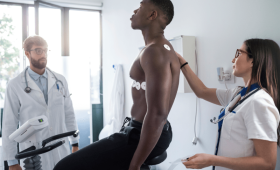
An orthopedic checkup isn’t a single test; it’s a multifaceted evaluation tailored to the individual’s age, activity level, medical history, and identified risk factors. For individuals over 50, the focus naturally shifts to conditions associated with age-related degeneration. This begins with a detailed patient history, focusing on patterns of pain, stiffness, limitations in range of motion, and family history of conditions like osteoarthritis (OA) and osteoporosis. A physical examination then assesses joint stability, muscle strength, neurological function, and gait analysis – the biomechanics of walking. Subtle gait abnormalities can be early indicators of underlying hip, knee, or foot pathologies.
However, the true power of preventative screening lies in the incorporation of advanced diagnostic imaging. While plain radiography (X-rays) remain a valuable initial step to identify gross structural changes like joint space narrowing indicative of OA, they often fail to detect early-stage disease. Therefore, advanced techniques are vital.
- Magnetic Resonance Imaging (MRI): MRI provides detailed visualization of soft tissues – cartilage, ligaments, tendons, and menisci – allowing for the detection of pre-arthritic changes, meniscal tears, and ligament sprains *before* symptoms become pronounced. Diffusion-weighted imaging (DWI) MRI is increasingly used to assess cartilage health, detecting early cartilage breakdown even before structural changes are visible on conventional MRI.
- Computed Tomography (CT) Scan: Primarily utilized for bony structures, CT scans offer higher resolution than X-rays, aiding in the assessment of complex fractures, spinal stenosis, and bone density.
- Dual-Energy X-ray Absorptiometry (DEXA) Scan: This is the gold standard for measuring bone mineral density (BMD) and diagnosing osteoporosis, a condition characterized by decreased bone mass and increased fracture risk. Early detection allows for lifestyle modifications and pharmacologic intervention (bisphosphonates, denosumab) to prevent debilitating fractures.
- Ultrasound: Musculoskeletal ultrasound is a cost-effective and readily available tool for evaluating tendons, ligaments, and muscles. It can detect tendinopathies (tendon inflammation), ligament tears, and fluid collections within joints.
Technological Advancements Driving Precision in Turkey
Turkey’s orthopedic landscape is evolving rapidly, integrating cutting-edge technologies to enhance diagnostic accuracy and treatment precision. Beyond conventional imaging, several techniques are now readily available:
- MAKO Robotic-Arm Assisted Surgery: For partial knee replacements, the MAKO Robotic-Arm utilizes a CT-based 3D model of the patient’s anatomy. The surgeon can then precisely plan the implant placement and the robotic arm ensures accurate bone resection, minimizing damage to surrounding tissues and leading to faster recovery times. Costs range from 7,000 – 10,000 USD.
- NAVIO Robotic System: Similar to MAKO, the NAVIO system aids in total and partial knee arthroplasty. It employs real-time intraoperative data to guide the surgeon, providing haptic feedback and ensuring precise implant alignment.
- Minimally Invasive Spinal Surgery (MISS): Techniques categorized under Minimally Invasive MISS utilize smaller incisions, specialized instruments, and intraoperative imaging (fluoroscopy or navigation) to perform spinal fusions and discectomies with reduced muscle damage, blood loss, and postoperative pain. Spinal Fusion procedures typically cost between 10,000 – 18,000 USD.
- High-Resolution Peripheral Quantitative Computed Tomography (HR-pQCT): While not yet universally available, several leading centers in Turkey are adopting HR-pQCT, a high-resolution CT scan specifically designed to assess bone microarchitecture. This provides more detailed information about bone strength and fracture risk than traditional DEXA scans.
Hip and Knee Health: A Targeted Focus
Given the prevalence of osteoarthritis in the hips and knees, preventative checkups often prioritize these joints. Beyond the imaging modalities mentioned above, biomarkers are increasingly being investigated as potential early indicators of cartilage degradation. Specifically, levels of cartilage oligomeric matrix protein (COMP) and hyaluronic acid in synovial fluid are being studied for their ability to predict the progression of OA.
For individuals diagnosed with early-stage hip osteoarthritis, hip preservation surgery may be an option. This includes procedures like femoroacetabular impingement (FAI) correction, labral repair, and osteoplasty, aimed at restoring normal hip mechanics and delaying the need for total hip replacement. Ceramic hip replacements, known for their longevity and biocompatibility, cost between 9,000 – 14,000 USD.
Standards and Logistics for International Patients
Turkey consistently strives to meet international benchmarks for medical tourism. The country’s healthcare system adheres to JCI (Joint Commission International) Accredited standards, ensuring quality patient care and safety. Additionally, the Ministry of Health rigorously regulates all medical facilities. Financial transactions are readily facilitated in USD, EUR, and GBP. For citizens of the UK, US, and EU, an E-visa is generally available, permitting a stay of up to 90 days. Patients can select from diverse recovery options, including sophisticated city hospitals in Istanbul, resort-style recuperation in Antalya, or the thermal spas of Izmir.
A proactive, technology-driven orthopedic checkup in Turkey offers a unique opportunity to identify and address potential musculoskeletal issues before they significantly impact an individual’s quality of life. By combining advanced diagnostics, surgical expertise, and a commitment to international standards, Turkey is positioned as a leading destination for preventative orthopedic healthcare.
The Surgical/Clinical Journey: A Detailed Examination of Orthopedic Procedures in Turkey
For patients contemplating orthopedic interventions, particularly those experiencing the natural progression of joint and bone degeneration with age, understanding the surgical/clinical journey is paramount. Turkey has emerged as a significant destination for high-quality orthopedic care, offering advanced technologies, experienced surgeons, and cost-effective solutions. This pillar delves into the specific procedural details, outlines a typical patient case, and details proactive risk mitigation strategies for individuals traveling to Turkey for orthopedic treatment.
Step-by-Step Procedural Technicals
The orthopedic surgical pathway in Turkey, mirroring international best practices, begins with a comprehensive diagnostic assessment. This typically involves advanced imaging such as Magnetic Resonance Imaging (MRI) to visualize soft tissue damage (ligaments, menisci, cartilage) and Computed Tomography (CT) scans to assess bone structure and identify osteoarthritis severity. Biomechanical analysis may be incorporated to quantify joint motion and stability, informing pre-operative planning.
Robotic-Assisted Partial Knee Replacement
For patients with isolated medial or lateral compartment osteoarthritis, robotic-assisted partial knee arthroplasty offers significant advantages. Utilizing systems like the MAKO Robotic-Arm or NAVIO Robotic System, surgeons can achieve unparalleled precision in bone resection. The process involves a pre-operative CT scan used to create a 3D virtual model of the patient’s anatomy. During surgery, the robotic arm, guided by this model, ensures accurate implant placement and bone removal, minimizing damage to surrounding healthy tissue. This translates to less post-operative pain, faster recovery, and improved long-term functional outcomes. Cost for this procedure ranges from 7,000 – 10,000 USD. Post-operatively, a regimented physiotherapy program, focusing on range-of-motion exercises and strengthening, is initiated within 24-48 hours.
Hip Replacement with Ceramic Bearings
Total hip arthroplasty (THA) remains a gold standard for end-stage hip osteoarthritis. Turkish orthopedic centers frequently utilize ceramic-on-polyethylene bearing surfaces. Ceramic bearings exhibit superior wear characteristics compared to metal-on-polyethylene, potentially extending implant longevity, especially in active individuals. The surgical approach, whether direct anterior, posterior, or lateral, is determined based on patient anatomy and surgeon preference. Precise acetabular (hip socket) and femoral component alignment, confirmed with intraoperative fluoroscopy, is critical for optimal hip biomechanics. The cost for a ceramic hip replacement typically falls within the 9,000 – 14,000 USD range. DVT prophylaxis (Deep Vein Thrombosis prevention) with pharmacological agents and mechanical compression stockings is standard post-operative care.
Minimally Invasive Spinal Fusion (MISS)
Spinal fusion, indicated for conditions such as degenerative disc disease, spinal stenosis, or spondylolisthesis, can be performed using Minimally Invasive MISS techniques. This approach utilizes specialized retractors and endoscopic visualization to access the surgical site through small incisions, reducing muscle damage and blood loss. Pedicle screw fixation, utilizing titanium implants, provides stability while bone graft (autograft or allograft) is used to promote fusion between vertebral bodies. Intraoperative neuromonitoring, using somatosensory evoked potentials (SSEPs) and electromyography (EMG), is employed to safeguard neurological function during the procedure. Spinal fusion costs range from 10,000 – 18,000 USD. Post-operative bracing and a phased rehabilitation program are essential to support spinal stability and promote bone healing.
Persona Case Study: 45-Year-Old Patient from the UK
Meet Eleanor Vance, a 45-year-old from Manchester, UK. Eleanor presented with chronic left knee pain significantly impacting her active lifestyle. She enjoyed hiking and cycling but found her knee increasingly limiting. Diagnostic MRI revealed moderate to severe medial compartment osteoarthritis. Following consultation with a UK-based orthopedic surgeon, Eleanor explored options, including potential robotic-assisted partial knee replacement in Turkey.
Eleanor chose a Ministry of Health–authorised hospital in Istanbul. Pre-operative assessments were conducted remotely via telemedicine, followed by in-person evaluation upon arrival. A MAKO Robotic-Arm procedure was recommended. The surgery was performed successfully with a 60-minute operative time. Eleanor stayed in a boutique recovery hotel in Istanbul for five days, receiving daily physiotherapy sessions focused on regaining range of motion and strengthening. She was able to walk with minimal assistance before returning to the UK on day six. At her 6-week post-operative check-up, Eleanor reported significant pain reduction and improved functional capacity, resuming light hiking and cycling activities.
Risk Mitigation Strategies
While Turkey offers a compelling value proposition for orthopedic care, potential risks must be addressed proactively:
- Pre-operative Medical Optimization: Patients with pre-existing conditions (cardiovascular disease, diabetes, etc.) require thorough medical evaluation and optimization before travel. Communication with the treating orthopedic surgeon is essential.
- Thrombotic Risk: Long-haul flights increase the risk of deep vein thrombosis (DVT). Compression stockings and prophylactic anticoagulation medication should be utilized as directed by the medical team.
- Infection Control: Adherence to strict sterile protocols during surgery and post-operative wound care is crucial. Patients should be educated on signs of infection and instructed to report any concerns immediately.
- Language Barrier: While many Turkish hospitals employ English-speaking staff, utilizing a dedicated medical tourism coordinator can facilitate clear communication and address any language-related challenges.
- Post-Operative Care Coordination: Seamless transition of care upon returning home is vital. Clear instructions regarding medication, physiotherapy, and follow-up appointments should be provided. Arrangements for remote monitoring or virtual consultations can be beneficial.
- Travel Insurance: Comprehensive travel insurance covering medical emergencies, repatriation, and potential complications is non-negotiable.
- Currency Considerations: Accepted currencies include USD, EUR, and GBP, providing flexibility for international patients.
- Visa Requirements: An E-visa is available for most UK/US/EU citizens, allowing a 90-day stay.
Furthermore, choosing a hospital with robust quality control systems, including JCI (Joint Commission International) Accreditation and strict adherence to Ministry of Health regulations, minimizes procedural and post-operative risks. Consideration of recovery hub options – Istanbul (City/Boutique), Antalya (Resort/Beach), or Izmir (Aegean/Thermal) – allows for personalized post-operative rehabilitation in a comfortable environment.
Orthopedic Checkup in Turkey: Recovery Logistics, 2026 Cost Audit & The Final Medical Verdict
As individuals age, the intricate biomechanics of the musculoskeletal system undergo inevitable changes. Proactive orthopedic checkups, particularly in a specialized environment like Turkey, offer a potent strategy for preventative care and early intervention. This pillar delves into the logistical considerations for patients choosing Turkey for orthopedic assessments and potential procedures, a 2026 cost comparison against Western healthcare systems, and the critical final medical verdict determining suitability and treatment pathways.
Recovery Hubs: Beyond Location, a Focus on Rehabilitation Protocols
Turkey presents a diverse range of recovery environments, each catering to distinct patient preferences. Beyond the commonly cited locations – Istanbul (offering a vibrant city experience and boutique recovery centers), Antalya (renowned for its resort-style rehabilitation and proximity to the Mediterranean Sea), and Izmir (benefiting from Aegean climate and thermal springs) – the quality of post-operative rehabilitation protocols is paramount. At CureHoliday.com, we prioritize facilities equipped with dedicated physiotherapy departments utilizing evidence-based practice.
- Early Mobilization: Following procedures like a robotic-assisted partial knee replacement (7,000 – 10,000 USD), early mobilization is crucial to prevent post-operative stiffness and optimize functional recovery. Turkish facilities are increasingly adopting accelerated rehabilitation programs, guided by a multidisciplinary team including physiotherapists, occupational therapists, and orthopedic surgeons. This involves controlled range-of-motion exercises initiated within 24-48 hours post-surgery.
- Proprioceptive Training: Restoring proprioception – the body’s awareness of its position in space – is vital after procedures like hip replacement (9,000 – 14,000 USD). This is achieved through specialized exercises that challenge balance and coordination, utilizing equipment like wobble boards and biofeedback systems.
- Neuromuscular Electrical Stimulation (NMES): For complex spinal fusions (10,000 – 18,000 USD), NMES can be used to stimulate weakened muscles and promote nerve regeneration, accelerating the return of strength and function.
- Hydrotherapy: Available particularly in Antalya and Izmir, hydrotherapy leverages the buoyancy of water to reduce stress on joints and facilitate movement during rehabilitation.
It’s not simply *where* you recover, but *how* you recover. Our dedicated patient liaisons ensure that the chosen facility’s rehabilitation program is meticulously aligned with the patient’s specific needs and the surgeon’s post-operative instructions. We assess facilities based on staff-to-patient ratios, the availability of advanced rehabilitation technologies, and the qualifications of the physiotherapy team.
2026 Cost Audit: Turkey vs. Western Healthcare – Projecting Value
The escalating costs of orthopedic procedures in Western countries are driving a significant increase in medical tourism. A projected 2026 cost audit reveals a sustained cost advantage for procedures performed in Turkey. However, assessing value requires more than just comparing headline figures. We analyze the total cost of care, encompassing pre-operative assessments, surgery, hospitalization, rehabilitation, and post-operative follow-up.
For instance, a robotic-assisted total hip arthroplasty in the US could easily exceed $45,000 USD, including anesthesia, hospital stay, and initial physiotherapy. A comparable procedure in Turkey, utilizing advanced technologies like ceramic implants and the MAKO Robotic-Arm or NAVIO Robotic System, typically ranges from $9,000 – 14,000 USD. The cost differential isn’t solely due to lower labor costs. Turkey benefits from streamlined administrative processes, competitive pricing on medical supplies, and a focus on high-volume, specialized orthopedic care.
Furthermore, the currency exchange rates play a critical role. We actively monitor fluctuations in USD, EUR, and GBP to provide patients with the most accurate and up-to-date cost projections. We also offer transparent pricing with no hidden fees, covering all aspects of the patient’s journey.
The Final Medical Verdict: Diagnostics & Suitability Assessment
Prior to any commitment, a comprehensive diagnostic assessment is crucial. Our network of leading orthopedic specialists in Turkey utilize cutting-edge diagnostic tools, including:
- High-Resolution MRI: Detailed imaging to assess cartilage damage, ligament tears, and bone abnormalities. We ensure access to 3 Tesla MRI scanners for optimal image quality.
- CT Scans with 3D Reconstruction: Providing detailed bone geometry for pre-operative planning, particularly important for procedures like spinal fusion.
- Diagnostic Arthroscopy: A minimally invasive procedure allowing direct visualization of the joint space to diagnose and treat various conditions.
- Gait Analysis: Evaluating walking patterns to identify biomechanical abnormalities and inform rehabilitation strategies.
Based on these assessments, a multidisciplinary team formulates a personalized treatment plan. This includes a detailed consideration of the patient’s age, activity level, overall health, and the severity of their condition. The team will explicitly outline whether the patient is a suitable candidate for a particular procedure, considering factors like bone density (assessed via DEXA scan), the presence of comorbidities (e.g., diabetes, cardiovascular disease), and any pre-existing conditions that might influence recovery.
The rise of Minimally Invasive Spine Surgery (MISS) techniques in Turkey offers a compelling alternative to traditional open spinal fusion, reducing surgical trauma, blood loss, and post-operative pain. However, not all patients are suitable candidates. Our specialists meticulously evaluate each case to determine whether MISS is the appropriate approach.
The ‘Final Medical Verdict’ isn’t simply a ‘yes’ or ‘no’ to surgery. It’s a comprehensive report detailing the diagnosis, the recommended treatment plan, potential risks and benefits, alternative options (including conservative management), and a realistic prognosis. CureHoliday.com ensures this information is presented in a clear, concise, and patient-friendly manner, empowering individuals to make informed decisions about their orthopedic health.
We emphasize that our service extends beyond simply connecting patients with surgeons. We provide ongoing support throughout the entire process, from initial consultation to post-operative follow-up, ensuring a seamless and positive experience.
Ready to consult a specialist? Schedule a Free Consultation for Orthopedic Checkup in Turkey in Turkey with cureholiday.com
Free Consultation
Fill out the form below to get your free medical travel plan and price quote.
Sources and how to verify this yourself
- Ministry of Health, Regulation on International Health Tourism and Tourist Health, Official Gazette 26 April 2025, No. 32882 — authorisation requirement for facilities and intermediaries, TÜSKA accreditation, compulsory complication insurance (deadline 31 December 2025 for insurance, 31 December 2026 for accreditation). source
- Ministry of Health, Regulation on Promotion and Information Activities in Health Services, Official Gazette 12 November 2025, No. 33075 — treatment promises and guarantees are prohibited; price and campaign announcements are permitted only within international health tourism. source