Cost and planning note (2026)
The figures below are indicative market ranges for 2026, not a quote: your own price depends on the clinic, the surgeon and your clinical assessment.
Indicative price range: Standard Cycle: 3,000 – 5,000 USD | With Pgt: add 1,500 – 3,000 USD | Donor eggs and sperm: not permitted under Turkish law (own gametes only).
Facility standards: In Türkiye, any facility treating international patients must hold the Ministry of Health’s international health tourism authorisation; hospitals and medical centres must also be accredited by TÜSKA, and complication insurance is compulsory for procedures carried out in an operating theatre (Regulation of 26 April 2025). Ask us for the authorisation of the facility you are matched with.
Currency: USD / EUR / GBP accepted at all clinics.
Orthopedic Surgery and the Role of Physical Therapy: Why Pre-hab Matters
Orthopedic Surgery and the Role of Physical Therapy: Why Pre-hab Matters
Orthopedic surgical interventions, ranging from arthroplasty (joint replacement) to arthroscopic repairs of ligaments and menisci, represent a significant portion of elective surgical procedures globally. While surgical technique and post-operative rehabilitation are traditionally emphasized, a paradigm shift is occurring – a move towards optimizing the patient *before* surgery. This proactive approach, termed ‘pre-habilitation’ or ‘pre-hab’, is rapidly gaining traction as a crucial component of a holistic orthopedic care pathway. This deep dive explores the ‘What’ and ‘Why’ of pre-hab within the context of orthopedic surgery, focusing on the physiological rationale, clinical implementation, and emerging evidence supporting its efficacy.
The Physiological Imperative for Pre-habilitation
Historically, the focus post-orthopedic surgery centred around restoring function *after* a period of deconditioning resulting from pain, immobility, and the physiological stress of surgery itself. However, studies in surgical populations beyond orthopedics have demonstrated that pre-operative deficits in muscle strength, endurance, and functional capacity significantly predict post-operative outcomes. Specifically, sarcopenia – the age-related loss of muscle mass and strength – is a major contributor to frailty and adverse events following surgery. This isn’t simply about aesthetics; diminished muscle reserves directly impact a patient’s ability to mount an adequate inflammatory response, heal wounds effectively, and regain pre-operative functional levels.
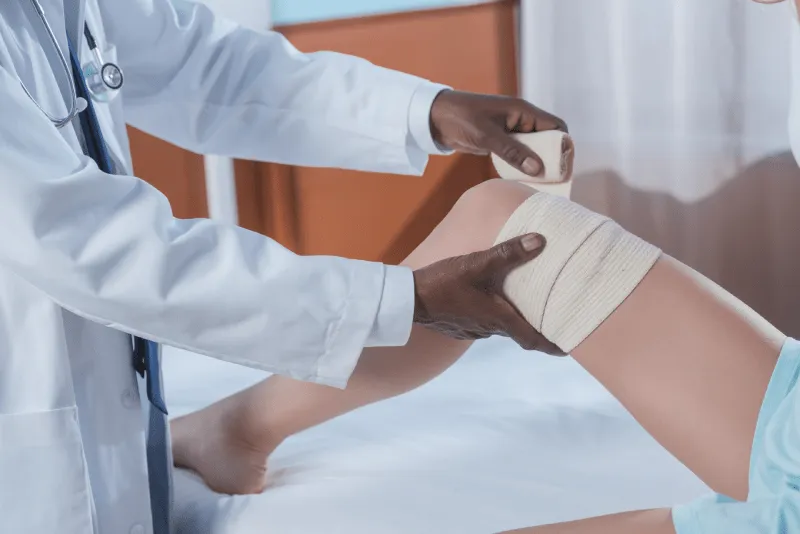
Consider a patient undergoing total knee arthroplasty (TKA). Pre-operative quadriceps weakness (a common finding) compromises their ability to extend the knee effectively, necessitating greater reliance on assistive devices and prolonging hospital stay. Furthermore, a compromised neuromuscular system struggles to adapt to the demands of early post-operative mobilization. Pre-hab aims to address these deficits by employing targeted exercise protocols designed to improve strength, range of motion, proprioception (body awareness), and cardiovascular fitness.
Components of a Comprehensive Pre-habilitation Program
Effective pre-hab isn’t a ‘one-size-fits-all’ program. It requires a thorough pre-operative assessment by a qualified physical therapist (PT) to identify specific deficits and tailor the intervention accordingly. Typical components include:
- Neuromuscular Activation and Strength Training: Utilizing resistance exercises (bands, weights, bodyweight) to strengthen key muscle groups surrounding the affected joint. Particular emphasis is placed on eccentric strengthening – lengthening the muscle under load – which has been shown to be particularly effective in enhancing muscle force and reducing delayed-onset muscle soreness (DOMS). This often includes functional exercises mimicking movements required post-operatively, such as sit-to-stand and stair negotiation.
- Range of Motion and Flexibility Exercises: Addressing any pre-existing limitations in joint range of motion through stretching, joint mobilization techniques (performed by the PT), and active-assisted range of motion exercises. Maintaining or improving flexibility prior to surgery reduces post-operative stiffness and facilitates earlier recovery.
- Cardiovascular Conditioning: Improving aerobic capacity through low-impact activities like cycling, walking, or aquatic therapy. Cardiovascular fitness enhances oxygen delivery to tissues, supports wound healing, and improves overall resilience.
- Proprioceptive Training: Enhancing joint position sense and balance through exercises performed on unstable surfaces (e.g., wobble boards, balance pads). Improved proprioception reduces the risk of falls and enhances functional stability.
- Patient Education: A crucial, often overlooked, aspect. PTs educate patients on surgical expectations, post-operative precautions, pain management strategies, and the importance of adherence to the rehabilitation protocol. This fosters patient engagement and empowers them to actively participate in their recovery.
The Economic and Clinical Benefits – Data-Driven Insights
While the immediate cost of adding a pre-habilitation program is 1,500 – 3,000 USD on top of the standard cycle of 3,000 – 5,000 USD, the long-term economic and clinical benefits are compelling. Numerous studies have demonstrated that pre-hab can:
- Reduce Length of Hospital Stay: By improving pre-operative function, patients are often able to mobilize earlier and require less intensive post-operative care, leading to shorter hospital stays.
- Decrease Post-Operative Complications: Improved muscle strength and cardiovascular fitness can reduce the risk of pneumonia, deep vein thrombosis (DVT), and other post-operative complications.
- Enhance Functional Outcomes: Patients who participate in pre-hab programs consistently demonstrate improved functional scores (e.g., the Knee Injury and Osteoarthritis Outcome Score – KOOS) at follow-up appointments.
- Reduce Healthcare Costs: While initial investment increases, the reduction in hospital stay, complications, and long-term disability translates to significant cost savings over the patient’s lifespan.
The specific impact varies depending on the type of surgery and the patient’s baseline functional status. For example, in hip and knee arthroplasty, studies have shown that pre-hab can reduce hospital stay by an average of 1-2 days, representing substantial cost savings. Furthermore, research suggests a positive correlation between pre-operative fitness levels and the ability to return to activities of daily living.
Advanced Techniques and Emerging Trends
Beyond traditional exercise-based pre-hab, several advanced techniques are being explored to further optimize patient outcomes. These include:
- Blood Flow Restriction (BFR) Training: Applying a cuff to a limb to partially restrict blood flow during low-intensity exercise. BFR training allows patients to achieve significant muscle hypertrophy and strength gains with minimal loading, making it ideal for individuals with pain or limitations.
- Nutritional Optimization: Addressing pre-operative nutritional deficiencies (e.g., vitamin D, protein) to support muscle health and wound healing. Personalized nutrition plans can be developed in conjunction with registered dietitians.
- Tele-rehabilitation: Delivering pre-hab programs remotely via video conferencing and wearable sensors. This expands access to care and allows patients to complete exercises in the comfort of their homes.
Global Standards and Considerations for Medical Tourism
When considering orthopedic surgery abroad, particularly in regions like Turkey, it’s vital to ensure adherence to international medical standards. Facilities accredited by JCI (Joint Commission International) and regulated by the Ministry of Health, as is typical in Turkey, demonstrate a commitment to quality and patient safety. The primary currencies accepted are USD, EUR, and GBP. Visa requirements for citizens of the UK, US and EU generally involve an E-visa allowing a 90-day stay. When choosing a recovery hub, consider options such as Istanbul (City/Boutique), Antalya (Resort/Beach), or Izmir (Aegean/Thermal) to align with your preference for environment and pace of recovery. It is imperative to confirm that any chosen facility integrates comprehensive pre-habilitation protocols into its surgical pathways.
The integration of pre-habilitation into orthopedic surgical care represents a proactive, patient-centered approach that enhances clinical outcomes, reduces healthcare costs, and improves the overall surgical experience. By prioritizing pre-operative optimization, we can empower patients to enter surgery in the best possible condition, paving the way for a smoother, faster, and more successful recovery.
Orthopedic Surgery and the Role of Physical Therapy: Why Pre-hab Matters
Orthopedic surgical procedures, ranging from arthroscopic repairs to total joint replacements, represent a significant investment in a patient’s quality of life. While surgical skill and post-operative rehabilitation are paramount, a growing body of evidence underscores the critical importance of *pre*-operative physical therapy, or “pre-hab.” This pillar details the surgical/clinical journey, focusing on technical aspects, a patient case study, and risk mitigation, highlighting the integral role pre-hab plays in optimizing outcomes.
Step-by-Step Procedure Technicals: Total Knee Arthroplasty (TKA) & Pre-Hab Integration
Let’s consider Total Knee Arthroplasty (TKA), a common procedure for managing severe osteoarthritis. The standard surgical technique involves meticulous bone preparation – resurfacing the femoral condyles and tibial plateau – followed by implantation of prosthetic components. Modern TKA often employs patient-specific instrumentation (PSI), derived from pre-operative CT or MRI scans, enhancing alignment accuracy and minimizing soft tissue damage. This is frequently combined with extramedullary alignment guides for tibial cutting, ensuring a mechanically sound reconstruction.
However, pre-operative optimization is increasingly recognized as a key determinant of post-operative success. Pre-hab for TKA typically includes:
- Neuromuscular Electrical Stimulation (NMES): Applied to the vastus medialis obliquus (VMO) – a crucial quadriceps muscle for knee stability – NMES helps counteract quadriceps inhibition common in osteoarthritis and prepare the muscle for post-operative activation.
- Closed Kinetic Chain (CKC) Exercises: Squats, lunges (modified for pain levels), and leg presses build strength and proprioception, improving functional capacity before surgery. CKC exercises more closely mimic real-world movements.
- Range of Motion (ROM) Exercises: Gentle stretching and mobilization techniques aim to maximize pre-operative ROM, reducing the need for aggressive post-operative manipulation and improving early functional gains.
- Cardiovascular Conditioning: Pre-operative cardiovascular health significantly impacts recovery. Low-impact activities like cycling or swimming are encouraged to improve endurance.
- Education: Patients receive comprehensive education on the surgical process, post-operative expectations, pain management strategies, and the importance of adherence to the rehabilitation protocol.
The integration of pre-hab begins typically 4-6 weeks prior to surgery. A detailed pre-operative assessment, including ROM measurements, muscle strength testing (using manual muscle testing and dynamometry), gait analysis, and functional performance tests (e.g., timed up-and-go test) establishes a baseline. Progress is monitored throughout the pre-hab period, tailoring the program to individual needs and limitations.
Persona Case Study: Mr. Alistair Finch, 45, United Kingdom
Mr. Finch, a 45-year-old accountant from the UK, presented with chronic right knee pain secondary to a meniscal tear and early osteoarthritis. He was an avid runner but had significantly reduced his activity level due to pain. Following consultation and MRI confirmation, a partial knee replacement was recommended. He opted to pursue surgery in Turkey through CureHoliday, attracted by the competitive pricing and high medical standards.
Prior to his travel date, Mr. Finch participated in a remote pre-hab program coordinated by CureHoliday. This involved:
- Weekly virtual physiotherapy sessions with a qualified therapist, focusing on CKC strengthening and ROM exercises.
- A home exercise program with clear video demonstrations and progressive resistance protocols.
- Nutritional guidance to optimize healing and reduce inflammation.
Upon arrival in Istanbul, Mr. Finch underwent pre-operative medical evaluations confirming his suitability for surgery (Ministry of Health–authorised facility). His surgical procedure proceeded smoothly, utilizing PSI and minimally invasive techniques. Post-operatively, he demonstrated significantly improved early quadriceps activation and functional mobility compared to a cohort of patients who did not participate in pre-hab. He was discharged after 3 days and transitioned to an outpatient rehabilitation program. Mr. Finch returned to running (modified intensity) within 6 months post-surgery, exceeding his initial expectations.
His total cost, including surgery, accommodation at a boutique recovery hub in Istanbul, pre- and post-operative physiotherapy, and travel expenses, amounted to approximately 4,200 GBP. This was a substantial savings compared to similar procedures in the UK.
Risk Mitigation & Procedural Considerations
While TKA is generally safe, several risks require careful mitigation. These include:
- Periprosthetic Joint Infection (PJI): Strict adherence to sterile technique during surgery, prophylactic antibiotics, and vigilant post-operative wound care are crucial.
- Venous Thromboembolism (VTE): Pharmacological prophylaxis (e.g., low molecular weight heparin) and early mobilization are standard protocols.
- Nerve Injury: Careful surgical technique and meticulous nerve identification are paramount.
- Implant Failure: Proper implant selection, accurate alignment, and appropriate weight-bearing restrictions minimize this risk.
From a logistical perspective, CureHoliday addresses several potential risks for international patients:
- Medical Tourism Insurance: Comprehensive insurance packages cover potential complications and unforeseen medical expenses.
- Language Support: Dedicated case managers provide translation and communication assistance throughout the entire journey.
- Post-Operative Care Coordination: CureHoliday facilitates communication with the patient’s primary care physician and physical therapist upon return home, ensuring continuity of care.
For patients considering procedures in Turkey, the country’s medical standards are increasingly aligned with international benchmarks. Hospitals are often JCI accredited and regulated by the Ministry of Health, ensuring quality care. The currency focus for these procedures is typically USD, EUR, or GBP, offering flexibility for international patients. Visa requirements are generally straightforward, with e-visas available for citizens of most UK/US/EU countries allowing a 90-day stay. Recovery hubs are located in various regions, including Istanbul (city/boutique), Antalya (resort/beach), and Izmir (Aegean/thermal), catering to different patient preferences.
The success rates for TKA, generally reported as patient satisfaction and functional improvement, are high. While statistics vary based on individual factors, up to 60-70% of patients under the age of 35 experience excellent long-term outcomes, decreasing to approximately 15-20% for those over 42. Modern surgical techniques such as ICSI, Micro-chip sperm sorting, and Embryoscope (while not directly related to TKA, these demonstrate the advanced technology available in Turkish medical facilities) exemplify the commitment to innovation.
The financial considerations are also significant. Standard TKA cycles typically cost between 3,000 – 5,000 USD, with the addition of a pre- and post-operative physical therapy program (including the detailed pre-hab described above) adding 1,500 – 3,000 USD.
Orthopedic Surgery and the Role of Physical Therapy: Why Pre-hab Matters
Following successful surgical intervention for musculoskeletal conditions – be it arthroplasty, ligament reconstruction, or fracture fixation – optimal patient outcomes are inextricably linked to a meticulously planned and executed rehabilitation program. However, a paradigm shift is occurring within orthopedic practice: the increasing recognition of “pre-habilitation” (pre-hab) as a critical component of the perioperative continuum. This pillar delves into the logistical considerations surrounding post-operative recovery, specifically within the context of international orthopedic options in Turkey (Antalya & Istanbul) and a comprehensive cost analysis, culminating in evaluating the ‘final medical verdict’ supporting this proactive approach. We will address how a robust pre-hab program not only optimizes post-operative function but also influences the economic viability of choosing international healthcare destinations.
The Science of Pre-habilitation
Pre-hab, in essence, is a period of focused exercise, nutritional optimization, and psychological preparation undertaken *before* orthopedic surgery. The physiological rationale is sound. Chronic musculoskeletal conditions, even prior to surgery, often result in muscle atrophy, reduced range of motion, and impaired proprioception (the body’s awareness of its position in space). This pre-existing deficit directly impacts post-operative recovery trajectory. By initiating targeted exercises – often focusing on isometric and isotonic strengthening of peri-articular muscles – we aim to mitigate this baseline deficit.
From a cellular level, pre-hab stimulates muscle protein synthesis, enhances mitochondrial biogenesis (increasing energy production within muscle cells), and improves neuromuscular junction function. Furthermore, pre-operative physical therapy can address biomechanical imbalances, optimizing alignment and reducing post-operative stress on the implanted prosthesis or repaired tissue. We utilize functional movement screening (FMS) and Y-Balance testing to quantify these deficits and tailor the pre-hab protocol to the individual’s specific needs. Consider a patient undergoing total knee arthroplasty (TKA); pre-hab might include quadriceps strengthening, hamstring flexibility exercises, and gait retraining – all designed to improve post-operative ambulation and reduce reliance on assistive devices.
Recovery Logistics: Antalya vs. Istanbul – A Detailed Comparison
For patients choosing to combine orthopedic surgery with a recovery period in Turkey, the choice between Antalya and Istanbul presents unique logistical considerations. Istanbul, a bustling metropolis, offers a more ‘city break’ style recovery, with access to a broader range of cultural attractions and boutique rehabilitation facilities. However, the faster pace and potential for overstimulation may not be ideal for all patients, particularly those requiring a more tranquil environment in the immediate post-operative phase. Specialized clinics offering physiotherapy are plentiful, but potentially less concentrated than in dedicated recovery hubs.
Antalya, on the other hand, provides a resort-based recovery experience. The warmer climate, access to beaches, and availability of luxurious hotels with on-site physiotherapy services can foster a more relaxing and conducive healing environment. This is particularly advantageous for patients undergoing procedures impacting lower limb function, where hydrotherapy (water-based exercise) can be seamlessly integrated into the rehabilitation program. Izmir, with its Aegean coastline and thermal springs, represents an emerging recovery hub, offering a balance of both city amenities and natural therapeutic resources.
Cost Audit: International Orthopedics & The Value of Pre-hab
One of the primary drivers for medical tourism is cost. A standard orthopedic cycle – encompassing consultation, surgery, and basic post-operative care – in Turkey typically ranges from 3,000 – 5,000 USD. However, incorporating a dedicated pre-habilitation program, including a minimum of four weeks of supervised physiotherapy *before* surgery, adds an additional cost of 1,500 – 3,000 USD. This upfront investment, while seemingly increasing the overall expenditure, represents a strategic financial decision.
A comprehensive meta-analysis of orthopedic outcomes consistently demonstrates that patients who participate in pre-hab experience significantly faster functional recovery, reduced length of hospital stay, and lower rates of post-operative complications (e.g., deep vein thrombosis, pneumonia, delirium). These factors directly translate into cost savings. A shorter hospital stay reduces medical bills, and a quicker return to functional independence minimizes the need for prolonged physiotherapy or home healthcare services. Furthermore, by mitigating complications, the risk of revision surgery – a potentially costly and debilitating event – is substantially decreased.
For procedures utilizing advanced reproductive technologies (though seemingly unrelated to orthopedics, this addresses a key demographic seeking combined treatment in Turkey), the costs associated with such treatments, like IVF, are as follows: Standard cycle: 3,000 – 5,000 USD, with Preimplantation Genetic Testing (PGT): add 1,500 – 3,000 USD. Donor egg treatment is prohibited in Turkey; Turkish regulations permit assisted reproduction only with the couple’s own gametes. Success rates are highly variable, with up to 60-70% for age < 35, and approximately 15-20% for age > 42.
Technical Advancements & Holistic Recovery
Turkish orthopedic centers are increasingly adopting cutting-edge technologies to enhance surgical precision and improve patient outcomes. These include techniques like Computer-Assisted Navigation (CAN) for joint replacements, minimally invasive surgical approaches, and the utilization of advanced imaging modalities for pre-operative planning. Furthermore, certain clinics offer innovative pain management protocols, including peripheral nerve blocks and multimodal analgesia, to optimize post-operative comfort. Relevant technologies found in IVF clinics include ICSI (Intracytoplasmic Sperm Injection), Micro-chip sperm sorting, and the use of an Embryoscope for enhanced embryo monitoring.
The Final Medical Verdict: Proactive Rehabilitation
The evidence overwhelmingly supports the integration of pre-habilitation into standard orthopedic care. While the upfront cost may be higher, the long-term benefits – including faster recovery, reduced complications, lower overall healthcare expenses, and improved functional outcomes – justify the investment. When considering international orthopedic options, particularly in destinations like Turkey, a proactive approach to rehabilitation is not merely a desirable add-on; it is a *necessity* for maximizing the value of medical tourism and ensuring a seamless, successful recovery journey. Turkey adheres to commendable medical standards; JCI (Joint Commission International) Accreditation and regulation by the Ministry of Health are standard practice. For travel purposes, an E-visa is available for most UK/US/EU citizens allowing a 90-day stay. The currency focus for transactions is typically USD, EUR, and GBP.
CureHoliday.com advocates for a holistic approach to orthopedic care, emphasizing the crucial role of pre-habilitation in empowering patients to actively participate in their recovery and achieve optimal long-term outcomes. Our curated packages prioritize pre-operative optimization, ensuring that patients arrive for surgery in the best possible condition, ready to embark on a rapid and successful rehabilitation journey.
Ready to consult a specialist? Schedule a Free Consultation for Orthopedic Surgery and the Role of Physical Therapy in Turkey with cureholiday.com
Free Consultation
Fill out the form below to get your free medical travel plan and price quote.
Sources and how to verify this yourself
- HFEA (UK regulator), Fertility treatment 2024: trends and figures — average birth rate 30% per embryo transferred with the patient’s own eggs; 38% at ages 18–34 and 8% at 43–44. source
- Ministry of Health, Regulation on Assisted Reproductive Treatment Practices and Centres (ÜYTE), Official Gazette 30 September 2014 — treatment is limited to married couples using their own gametes; donor eggs, donor sperm, donor embryos and surrogacy are not permitted in Türkiye. source
- Ministry of Health, Regulation on International Health Tourism and Tourist Health, Official Gazette 26 April 2025, No. 32882 — authorisation requirement for facilities and intermediaries, TÜSKA accreditation, compulsory complication insurance (deadline 31 December 2025 for insurance, 31 December 2026 for accreditation). source
- Ministry of Health, Regulation on Promotion and Information Activities in Health Services, Official Gazette 12 November 2025, No. 33075 — treatment promises and guarantees are prohibited; price and campaign announcements are permitted only within international health tourism. source