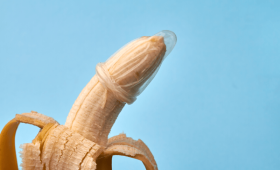
The Biological Limitation of Non-Surgical Augmentation
In the evolving landscape of aesthetic urology, a critical distinction must be made between temporary volume enhancement and true anatomical reconstruction. While the market is increasingly saturated with non-invasive options, such as hyaluronic acid (HA) fillers, these modalities operate on a principle of transient subcutaneous expansion rather than structural alteration. The physiological reality of HA fillers is that they are subject to enzymatic degradation by the body’s natural hyaluronidase. Consequently, any girth enhancement achieved through these injections is inherently temporary, typically lasting only 12-18 months before the body reabsorbs the material, necessitating repeated procedures to maintain volume.
Furthermore, fillers lack the ability to address the fundamental anatomical constraints of the penile shaft. They provide a superficial “plumping” effect that can lead to irregular contouring or “lumpiness” if the distribution is not perfectly uniform. For the patient seeking a permanent solution that alters the underlying structural framework, non-surgical interventions fail to meet the necessary threshold of permanence and anatomical stability.
The Gold Standard in Silicone Augmentation: The Penuma Interface
When discussing the pinnacle of aesthetic penile enhancement, the discussion must center on the Penuma implant. Within the global regulatory landscape, Penuma remains the only FDA-cleared silicone implant specifically designed for aesthetic penile enhancement. Unlike the transient nature of fillers, the Penuma implant is engineered to provide a consistent, durable, and smooth increase in both girth and visible length through a sophisticated integration with the surrounding subcutaneous tissue.
The technical precision required for Penuma implantation involves a meticulous subcutaneous dissection. The implant is placed within a custom-sized pocket, where it undergoes a process of biological encapsulation. As the surrounding tissue heals around the medical-grade silicone, the implant becomes a permanent component of the penile anatomy. This 2026 technical standard focuses on the “smoothness” of the interface, ensuring that the transition between the implant edge and the native tissue is imperceptible to the touch, thereby avoiding the palpable edges often associated with lower-quality aesthetic procedures.
Ligamentolysis: Unlocking Hidden Anatomical Length
One of the most significant breakthroughs in permanent anatomical reconstruction is the procedure known as ligament release, or suspensory ligamentolysis. To understand this procedure, one must understand the role of the suspensory ligament in anchoring the penile shaft to the pubic bone. This ligament is responsible for maintaining the angle of the organ during an erection, but it also “tucks” a portion of the internal shaft beneath the pubic symphysis.
By surgically releasing the tension of the suspensory ligament, surgeons can allow the internal portion of the shaft to extend outward. This is not a “growth” of new tissue, but rather an anatomical “unveiling.” Clinical data indicates that this procedure primarily increases flaccid length by 1-3 cm. When combined with other reconstructive techniques, this release provides the necessary structural foundation for a more prominent and aesthetically pleasing appearance in both flaccid and erect states.
Advanced Adipose Transfer: The Science of Autologous Fat Grafting
For patients seeking girth enhancement through biological means, the 2026 standard for fat grafting has moved far beyond simple injection. Modern surgical precision relies on the use of autologous tissue—the patient’s own fat—which has been meticulously refined via centrifugation. This process is critical for the survival of the transferred cells.
The procedure involves the following technical stages:
- Liposuction: Harvesting high-quality adipose tissue from the donor site (typically the abdomen or flanks).
- Centrifugation: Using high-speed centrifugal force to separate the pure, viable adipocytes from plasma, blood, and unwanted cellular debris (oil and lidocaine).
- Micro-fragmentation: Breaking the fat into smaller, more injectable particles to increase the surface area for revascularization.
- Stratified Injection: Injecting the refined fat in multiple, thin layers within the subcutaneous space to ensure even distribution and prevent the formation of fat necrosis or lumps.
able-to-be-processed tissue.
Because this uses the patient’s own biological material, the risk of rejection is non-existent, and the result is a natural-feeling increase in girth that integrates seamlessly with the existing anatomy.
Anatomical Revealing via Pubic Fat Pad Reduction
A frequently overlooked component of reconstructive surgery is the impact of the pubic fat pad on visible anatomy. Even with advanced techniques like ligament release, the presence of excess adipose tissue over the pubic symphysis can “bury” the base of the shaft, creating an illusion of shorter length.
Leading Turkish surgeons often combine lipo of the pubic fat pad with more complex reconstructive procedures to reveal this hidden length. By performing a targeted liposuction of the supra-pubic region, the surgeon can effectively “re-contour” the pelvic area, allowing the newly released length from the ligamentolysis to be visible. This synergistic approach—combining fat removal with structural release—is essential for achieving the maximum possible anatomical optimization.
The 2026 Standard: JCI-Accredited Excellence in Turkey
As we move into 2026, the technical standards for urological reconstruction are increasingly defined by the precision of the surgical environment and the accreditation of the medical facilities. For patients seeking high-complexity reconstructive surgery, the primary global hubs are found within JCI-Accented Urology centers in Istanbul and Antalya.
The importance of JCI (Joint Commission International) accreditation cannot be overstated. It ensures that the surgical centers in these regions adhere to the same rigorous safety, sterilization, and post-operative care protocols as the world’s leading medical institutions. These centers are equipped with the advanced centrifugation technology, high-definition endoscopic imaging, and specialized micro-surgical instrumentation required to perform delicate tasks like ligament release and Penuma placement with unparalleled precision.
Choosing a center within these specialized hubs allows patients to access a level of surgical expertise that is often unavailable in general cosmetic clinics, focusing specifically on the intricate anatomical nuances of urological reconstruction.
The Psychological Weight of Perceived Diminution
The phenomenon of “Locker Room Syndrome” is not merely a matter of vanity; it is a documented psychological burden that affects the core of masculine identity. Current clinical observations suggest that an estimated 45% of men report profound dissatisfaction with their anatomical dimensions when comparing themselves to perceived global averages. This dissatisfaction is often exacerbated by the lack of accurate benchmarks, as men frequently compare themselves to extreme outliers rather than the biological norm.
The Surgical Mechanics: A Step-by-Step Anatomical Reconstruction
The surgical procedure is a highly technical endeavor requiring precise manipulation of the corpora cavernosa and the overlying tunica albuginea. Unlike cosmetic surface procedures, the goal here is the permanent augmentation of the subcutaneous space to accommodate medical-grade expanders or permanent implants.
Phase I: Anesthesia and Site Preparation
The procedure begins with the administration of either regional spinal anesthesia or general anesthesia, depending on the complexity of the reconstructive plan. Once the patient is stabilized, the surgical field is prepared using a sterile, chlorhexidine-based solution. The surgeon meticulously maps the incision sites, typically located at the base of the shaft, ensuring that the placement will allow for a seamless, tension-free closure.
Phase II: Subcutaneous Dissection and Pocket Creation
The surgeon performs a controlled dissection of the subcutaneous plane. Using advanced electrosurgical units, the surgeon carefully separates the skin from the underlying fascia. This is a critical stage where the “pocket” is created. This space must be large enough to house the implant or expander but tight enough to prevent migration of the device. The surgeon must navigate around the dorsal nerves and superficial vasculature to ensure that neurovascular integrity is maintained, preventing any long-standing paresthesia (numbness).
Phase III: Implementation of the Augmentation Device
In cases involving permanent expansion, the medical-grade silicone device is carefully inserted into the newly created subcutaneous pocket. This involves the precise positioning of the device’s edges to ensure even distribution of pressure. The surgeon then assesses the symmetry of the tissue, manually palpating the area to ensure there are no palpable edges that could lead to visible contour irregularities. The focus here is on the uniform distribution of the device against the tunica albuginea.
Phase IV: Wound Closure and Hemostasis
The final stage involves meticulous hemostasis—the stopping of any minor bleeding—to prevent the formation of a hematoma. The incision is closed using multi-layered, absorbable sutures. This technique is essential because it supports the deeper tissue layers while the surface layer heals without leaving permanent scarring. The surgeon utilizes interrupted or continuous subcuticular stitches, which are nearly invisible once the initial healing phase is complete.
The 2026 Recovery Protocol: Precision Healing in Turkey
As we move into 2026, the recovery protocols utilized by Cure Holiday specialists in Turkey have evolved beyond simple wound care. The focus has shifted to “Bio-Integrated Recovery,” a method designed to minimize edema (swelling) and accelerate the integration of the surgical site with the surrounding native tissue.
The Acute Phase (Days 1–5): Edema Management
The first five days are critical for preventing fluid accumulation. The 2026 protocol mandates the use of advanced medical-grade compression garments. These garments are engineered with variable pressure zones that apply higher compression to the surgical site to discourage the formation of seromas (fluid collections). Patients are instructed on a strict regimen of lymphatic drainage massage techniques, which can be performed with the assistance of specialized nursing staff, to move interstitial fluid away from the incision.
The Proliferative Phase (Weeks 2–4): Tissue Integration
During this period, the body is actively synthesizing new collagen. To protect the structural integrity of the surgical pocket, patients follow a “low-tension” lifestyle. This includes avoiding any activities that increase intra-abdominal pressure, such as heavy lifting or strenuous core exercises. In the 2026 protocol, we also see the introduction of wearable bio-sensors that monitor localized skin temperature and micro-vibrations, alerting the patient via a mobile interface if there are signs of excessive inflammation or early-stage infection.
The Remodeling Phase (Weeks 6 and Beyond): Final Contouring
By week six, the primary goal is the stabilization of the new anatomy. The 2026 protocol emphasizes the gradual reintroduction of physical activity, but with a specific focus on pelvic floor stabilization. While the incision may appear healed, the internal subcutaneous pocket requires several months to fully “settle” around the device. Patients are typically advised that the final, permanent aesthetic result is not truly realized until the 6-month mark, when the tissue remodeling process has reached its plateau.
Cost and Investment in Anatomical Permanence
When evaluating the cost of surgical reconstruction, it is imperative to view it as a singular, one-time investment in a permanent anatomical change, rather than a recurring expense for temporary solutions. While non-surgical options may appear cheaper in the short term, the cumulative cost of pumps, supplements, and periodic clinical visits often exceeds the cost of a single surgical session.
In the specialized medical hubs of Turkey, the comprehensive surgical package—which includes the surgeon’s fee, the medical-grade implant, anesthesia, and the 2026 recovery protocol—typically ranges from 5,500 USD to 9,000 USD. This price point is highly competitive, especially when considering that the level of surgical precision and the advanced post-operative technology provided are often unavailable in Western European or North American private practices.
By choosing a path of surgical intervention, patients are opting for a definitive resolution to the biological and psychological discrepancies that have previously hindered their confidence. The integration of advanced surgical mechanics and the rigorous 2026 recovery standards ensures that the “Final Verdict” is not just a change in size, but a permanent restoration of anatomical symmetry and self-assurance.
The Pharmacological Fallacy: Deconstructing the Supplement Myth
In the pursuit of anatomical enhancement, the digital landscape is saturated with promises of rapid, non-invasive expansion through oral supplementation. However, from a strictly urological and physiological perspective, these products represent a fundamental misunderstanding of human biology. The biological architecture of the corpora cavernosa—the twin erectile tissues responsible for girth and length—is governed by complex hemodynamic and structural mechanisms that cannot be altered through systemic ingestion of vitamins or herbal extracts.
The scientific reality is stark: there is no clinical evidence for permanent growth associated with pills and supplements. Beyond the lack of efficacy, the medical community maintains significant concerns regarding patient safety. Many of these unregulated products contain high risk of undeclared cardiovascular stimulants. These clandestine ingredients, often hidden to bypass regulatory scrutiny, can induce acute hypertension, cardiac arrhythmias, and significant hemodynamic instability, posing a direct threat to the vascular integrity required for healthy erectile function.
The Hemodynamic Deception: The Limitations of Vacuum-Assisted Devices
Vacuum-assisted devices, colloquially known as pumps, are often marketed as a gateway to permanent tissue expansion. While these devices serve a legitimate clinical purpose in the management of Erectile Dysfunction (ED) by inducing temporary engorgement, they are fundamentally incapable of inducing permanent hypertrophy of the tunica alalia or the underlying cellular structures. The mechanism of action relies on negative pressure to pull blood into the cavernous bodies; however, this is a transient physiological event.
The physiological ceiling of these devices is dictated by the elasticity of the tunica albuginea. Without a surgical intervention to modify the structural anatomy, no permanent physiological tissue growth can occur. Relying on pumps for permanent enhancement is a pursuit of transient swelling rather than lasting anatomical change, often leading to significant patient dissatisfaction when the temporary effects inevitably subside.
The Economic Drain of Temporary Solutions: A Cost-Benefit Analysis
When evaluating the long-term efficacy of various aesthetic interventions, one must analyze the “cost-per-permanence” ratio. Non-surgical procedures, while initially appearing less daunting, often present a recurring financial burden that far outweighs the one-time investment of a surgical procedure.
Hyaluronic acid (HA) fillers represent a significant portion of the non-surgical market. While they offer a way to increase girth via subcutaneous augmentation, the body’s natural enzymatic processes eventually degrade the HA molecules. The cost for these treatments typically ranges from 700 – 4,000 EUR per session. Because the body metabolizes the filler, maintaining a consistent aesthetic requires frequent, repetitive injections. Over a multi-year period, the cumulative expenditure on filler maintenance can easily exceed the cost of a permanent surgical solution.
The Surgical Reality: Permanent Biological Integration
True anatomical reconfiguration requires the permanent modification of tissue or the introduction of medical-grade materials that the body is instructed to integrate into its own structure. Surgical modalities offer the only pathway to a definitive, non-degradable outcome.
- Autologous Fat Transfer: This procedure involves the harvesting of adipose tissue from the patient’s own body via liposuction, which is then processed and micro-injected into the shaft. This method targets girth enhancement through cellular redistribution. The costs for fat transfer grafting typically range between 2,200 – 3,500 EUR, providing a biological, self-derived augmentation that, when properly processed, offers a much more stable volume than synthetic fillers.
- Ligament Release (Suspensory Ligament Release): To address the issue of visible length, surgeons perform a meticulous dissection of the suspensory ligament. By releasing this attachment, the internal portion of the corpora cavernosa is allowed to extend externally. This is a complex structural modification with costs ranging from 2,800 – 4,000 EUR. Unlike pumps, this is a permanent anatomical shift.
- Penuma Silicone Implants: For patients seeking the gold standard of girth and structural projection, the use of medical-grade silicone implants represents the pinnacle of modern urological aesthetics. The Penuma procedure involves the placement of a highly biocompatible, flexible implant. The investment for this procedure is higher, ranging from 7,500 – 11,500 EUR, but it provides a level of permanence and quantifiable augmentation that no other method can replicate.
The Efficiency of Combined Surgical Packages
The most sophisticated approach to anatomical optimization involves the integration of multiple surgical techniques to address both length and girth simultaneously. By combining ligament release with fat transfer or implant placement, surgeons can achieve a holistic restoration of proportion. These combined packages, which typically range from 5,000 – 10,000 EUR, allow for a streamlined recovery and a single, definitive surgical event.
When the financial data is viewed through a long-term lens, the superiority of surgery becomes mathematically evident. While the upfront cost of a surgical package may appear significant, it eliminates the recurring costs of fillers, the medical risks of unregulated supplements, and the ultimate futility of vacuum devices. For the patient seeking a permanent resolution to anatomical discrepancy, the surgical path is not merely an option—it is the only clinically viable conclusion.
Medical Editor’s Note (2026 Update):
Surgical male enhancement requires specialized board-certified urological expertise. For 2026, JCI-accredited clinics in Istanbul and Antalya report the following average all-inclusive package pricing:
- Hyaluronic Acid Fillers: 700 – 4,000 EUR
- Fat Transfer Girth: 2,200 – 3,500 EUR
- Ligament Release Length: 2,800 – 4,000 EUR
- Penuma Silicone Implants: 7,500 – 11,500 EUR
- Combined Packages: 5,000 – 10,000 EUR
Note: Patient outcomes depend on physiological baseline. Clinical assessments are required to determine suitability for permanent implants vs. fillers.
Considering a transformation in Turkey? Get a Private Consultation for your Male Enhancement Journey with cureholiday.com