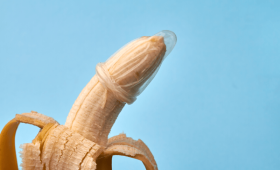
The Pathophysiological Basis of the Hourglass Deformity
In the realm of advanced reconstructive urology, the “hourglass deformity” refers to a structural asymmetry within the corpora cavernosa, where a distinct constriction or narrowing occurs along the mid-shaft of the penis. This anatomical irregularity prevents a uniform cylindrical appearance, creating a visual discrepancy between the base, the mid-section, and the glans. Achieving aesthetic symmetry requires more than simple augmentation; it necessitates a precise redistribution of volume to stabilize the tunica albuginea and smooth the contour of the shaft.
From a clinical perspective, this deformity is often characterized by an uneven distribution of the corpus spongiosum and the paired corpora cavernosa. To rectify this, surgeons in 2026 are moving away from “bulk” additions and toward “contour sculpting.” The objective is to address the specific zones of depletion using a combination of micro-fragmented fat, high-viscosity polymers, or specialized silicone interfaces to ensure that the longitudinal axis of the penis maintains a consistent diameter during both flaccid and erect states.
Autologous Fat Grafting: The Precision of Centrifugation and Tissue Refinement
For patients seeking a permanent, biological solution to mid-shaft constriction, autologous fat grafting remains the gold standard for volumetric reconstruction. This procedure involves the harvesting of adipose tissue from the patient’s own body—typically from the abdomen or flanks—through micro-liposuction. However, the efficacy of the procedure relies heavily on the post-harvest refinement process.
The modern technical standard involves the use of advanced centrifugation protocols. Once the fat is harvested, it undergoes high-speed centrifugation to separate pure, viable adipocytes from the extracellular matrix, plasma, and cellular debris. This refined, purified fat is then precisely injected into the areas of the hourglass constriction. By utilizing autologous tissue, surgeons minimize the risk of inflammatory hypertrophy or foreign body granulomas. The goal is to create a seamless integration of the graft with the existing subcutaneous layers, ensuring that the “waist” of the deformity is filled with a biological substrate that has a high survival rate for long-term stability.
Hyaluronic Acid (HA) Fillers: Non-Surgical Contour Reshaping
For patients who wish to avoid the downtime associated with surgical grafting, Hyaluronic Acid (HA) fillers offer a highly sophisticated, non-invasive alternative for correcting localized indentations. These dermal fillers act as a temporary scaffolding, providing immediate girth enhancement to the narrowed sections of the shaft.
The clinical application of HA fillers involves a layered injection technique, where the material is deposited in a way that mimics the natural anatomy of the subcutaneous tissue. This prevents the “lumpy” appearance that can occur with improper administration. It is critical for patients to understand the temporal nature of this intervention; HA fillers provide temporary girth enhancement (12-18 months) without surgery. As the body naturally metabolizes the hyaluronic acid, the volume gradually diminishes, making it an excellent tool for “testing” a new anatomical shape or for minor, localized corrections that do not require the permanence of fat grafting or implants.
The Penuma Standard: Advanced Silicone Integration
When the hourglass deformity is accompanied by a significant lack of overall girth, more substantial augmentation may be required. In these complex cases, the clinical focus shifts from volume injection to structural reinforcement. Penuma is the only FDA-cleared silicone implant for aesthetic penile enhancement, and it represents the pinnacle of engineered anatomical reconstruction.
Unlike traditional implants, the Penuma device is designed to be wrapped around the existing shaft, providing a consistent, uniform diameter from the base to the corona. This eliminates the “constriction” effect of the hourglass shape by providing a permanent, biocompatible sleeve that follows the natural contours of the corpora cavernosa. The surgical precision required for this placement involves careful dissection of the subcutaneous plane to ensure the implant is seated with optimal tension, preventing any visible edges or palpable irregularities that could disrupt the aesthetic outcome.
Synergistic Surgical Adjustments: Ligament Release and Pubic Liposuction
A complex hourglass deformity is rarely an isolated issue; it is frequently accompanied by a lack of visible length due to the “buried” appearance of the penis. To achieve a complete anatomical reconstruction, Cure Holiday specialists often recommend a multi-modal surgical approach that addresses both volume and visibility.
- Suspensory Ligament Release: To address the longitudinal component of the deformity, surgeons may perform a suspensory ligament release. This procedure involves detaching the ligament that holds the penis to the pubic bone, allowing more of the internal shaft to descend. Clinical data indicates that ligament release (Suspensory ligament) primarily increases flaccid length by 1-3 cm, providing a more prominent appearance even in a non-erect state.
- Pubic Fat Pad Contouring: In many patients, the “hourglass” appearance is exacerbated by an overdeveloped pubic fat pad that obscures the base of the shaft. Turkish surgeons often combine Lipo of the pubal fat pad to reveal hidden length. By removing this obstructive adipose tissue, the surgeon can “unveil” the true anatomy, making the corrections made via grafting or fillers appear more seamless and anatomically correct.
Global Standards in Clinical Excellence
Achieving the technical precision required for such complex anatomical reconstruction demands access to specialized surgical environments. As we approach the 2026 medical standards, the emphasis has shifted toward high-acuity, specialized care. JCI-Accredited Urology centers in Istanbul and Antalya are the primary hubs for these advanced procedures. These centers provide the necessary infrastructure—such as advanced centrifugation units and sterile surgical suites—to ensure that the integration of fat grafts or the placement of silicone implants meets international safety and aesthetic benchmarks.
For patients navigating the complexities of the hourglass deformity, the focus remains on a customized, multi-dimensional approach. Whether through the temporary refinement of HA fillers or the permanent structural changes of a Penuma implant, the goal of modern reconstructive surgery is to restore the natural, cylindrical symmetry of the human anatomy.
The Anatomical Architecture of the Hourglass Deformity
The “hourglass deformity” refers to a specific morphological irregularity characterized by a mid-shaft constriction, where the circumference of the penile shaft significantly decreases in a localized section, creating a “waist” effect. This indentation disrupts the natural, cylindrical continuity of the anatomy. From a clinical perspective, this is often not a result of a single traumatic event but rather an uneven distribution of subcutaneous tissue or a structural deficit in the underlying dermal layers. Correcting this requires more than simple volume addition; it necessitates a sophisticated redistribution of mass to restore the longitudinal axis.
The complexity of this deformity lies in the tension between the existing tissue and the newly introduced volume. To achieve a seamless transition from the base to the glans, surgeons must address the “coronal plane” irregularities. This involves precise anatomical mapping to ensure that the transition from the thickened sections to the previously constricted area is undetectable to the naked eye. When the mid-shaft lacks the necessary girth to match the base, the aesthetic and functional symmetry is compromised, often leading to significant psychological distress.
Procedural Methodology: From Volumetric Mapping to Subcutaneous Deposition
The correction of an hourglass deformity involves a highly structured, multi-stage surgical or semi-invasive workflow. While the choice between Hyaluronic Acid (HA) fillers and autologous fat grafting depends on the patient’s desired permanence and the degree of constriction, the procedural steps remain technically rigorous.
Step 1: Digital Volumetric Mapping and Pre-operative Assessment
Before any intervention, the surgeon performs a detailed volumetric analysis. Using high-resolution Doppler ultrasound or 3D digital imaging, the medical team identifies the exact depth of the constriction and the diameter of the surrounding healthy tissue. This allows for the calculation of the precise “volume deficit”—the exact amount of material (measured in cubic centimeters) required to fill the “waist” without creating an unnatural bulge in the adjacent areas.
Step 2: The Delivery Mechanism—Cannula-Mediated Deposition
Whether using highly cross-linked HA fillers or processed autologous fat, the delivery method is critical. A blunt-tipped cannula is utilized to navigate the subcutaneous interstitial space. Unlike a sharp needle, which can cause traumatic tissue disruption and bruising, the cannula allows the surgeon to glide through the sub-dermal layers, depositing the material in a “micro-layering” technique. This layering is essential to prevent “clumping” or the formation of palpable nodules, ensuring that the new volume integrates into the existing anatomical structure.
Step 3: The Grafting/Injection Phase
- For HA Fillers: The surgeon injects high-viscosity, cross-linked Hyaluronic Acid into the constricted zone. The goal is to create a structural scaffold that mimics the density of natural tissue. The material is distributed in a radial pattern to ensure the circumference is expanded uniformly.
.• For Autologous Fat Grafting: This involves a more complex two-stage process. First, lipo-aspiration is performed on a donor site (typically the abdomen or thighs). The harvested fat is then processed via advanced centrifugation to isolate pure, viable adipocytes. These cells are then meticulously injected into the hourglass “waist” using the same cannula-mediated technique described above.
Step 4: Post-Injection Sculpting and Symmetry Verification
Immediately following the deposition, the surgeon performs a manual “sculpting” phase. By applying controlled pressure to the surgical site, the surgeon ensures that the transition between the original anatomy and the newly augmented section is smooth. The final check involves evaluating the shaft under various lighting conditions to ensure no shadows or depressions remain that would indicate the presence of the deformity.
The 2026 Recovery Paradigm: Accelerated Tissue Integration and Lymphatic Management
As we move into the 2026 medical landscape, the protocols for post-operative care in Turkey have evolved from simple “rest periods” to active, bio-regenerative recovery programs. The focus is no longer just on wound healing, but on maximizing the “take” rate of fat grafts and the stability of fillers.
Phase 1: The Hyper-Acute Period (Days 1–3)
The primary goal during the first 72 hours is the management of post-operative edema (swelling). The 2026 protocol mandates the use of specialized, medical-grade compression garments designed to apply uniform, low-pressure tension across the entire shaft. This prevents the fluid from accumulating in the “newly filled” areas, which could otherwise lead to an asymmetrical result. Patients are often prescribed localized cold-compression therapy to stabilize the micro-vasculature.
Phase 2: Lymphatic Mobilization and Integration (Days 4–14)
For patients undergoing fat grafting, the survival of the transplanted adipocytes depends on rapid revascularization. Modern protocols in specialized Turkish centers now incorporate gentle, localized lymphatic drainage massage techniques. This stimulates blood flow to the area, ensuring that the new fat cells receive the oxygen and nutrients necessary to integrate into the host tissue. For filler-based procedures, this phase focuses on preventing the migration of the HA molecules.
Phase 3: Structural Stabilization (Weeks 2–6)
During this stage, the emphasis shifts to “activity titration.” While the 2026 standards allow for much faster return to sedentary work (often within **3 to 5 days**), strenuous physical activity and sexual intercourse are strictly regulated for at least **4 to 6 weeks** to prevent mechanical displacement of the newly deposited volume.
Global Perspectives on Anatomical Dissatisfaction
The drive toward correcting the hourglass deformity is often fueled by a broader phenomenon of anatomical comparison. While the deformity is a structural issue, the psychological impetus is frequently linked to perceived global standards. Statistical data reveals a significant disparity in how men perceive their own anatomy relative to international averages:
Correcting the hourglass deformity is not merely about increasing volume; it is about correcting the visual “signal” of the anatomy. By removing the constriction, the surgeon restores the natural, uninterrupted silhouette, effectively addressing both the physical deformity and the underlying psychological dissatisfaction caused by anatomical asymmetry.
The investment for these advanced reconstructive procedures in Turkey typically ranges from **2,200 USD** to **5,500 USD**, depending on the complexity of the deformity and the choice of material (HA vs. Autologous Fat). This represents a significant value compared to the costs in Western healthcare systems, without compromising the technical excellence of the 2026 recovery protocols.
The Fallacy of Pharmacological and Mechanical Expansion
In the pursuit of correcting an hourglass deformity—a condition characterized by a visible constriction or “waist” in the penile shaft—patients are frequently targeted by aggressive marketing for non-invasive “quick fixes.” To achieve true anatomical reconfiguration, one must first distinguish between temporary physiological shifts and permanent structural changes. The market for non-invasive enhancement is saturated with deceptive promises that fail to address the underlying fibrotic or anatomical causes of the deformity.
Pills and Supplements: There is no clinical evidence for permanent growth; these products carry a high risk of undeclared cardiovascular stimulants.
Pharmacological supplements, often marketed as “natural” or “herbal” solutions, operate on the false premise that biochemical stimulation can induce cellular hyperplasia in the corpora cavernosa. In reality, any perceived effect is typically limited to transient increases in localized blood flow, which does nothing to resolve the structural constriction of an hourglass shape. Furthermore, the unregulated nature of these supplements poses significant health risks, specifically regarding undecluring cardiovascular stimulants that can induce arrhythmia or hypertension.
Pumps and Extenders: Vacuum devices are designed for the treatment of Erectile Dysfunction (ED); they provide no permanent physiological tissue growth without surgical or filler intervention.
Similarly, the use of vacuum-based pumps and mechanical extenders is often misunderstood. While vacuum devices are clinically recognized tools for managing the hemodynamics of Erectile Dysfunction, they lack the mechanical force required to remodel the tunica albuginea or expand the subcutaneous tissue permanently. Any temporary expansion achieved through vacuum pressure is transient and fails to address the structural “pinching” effect of the hourglass deformity. To move beyond temporary swelling and toward a permanent, smooth silhouette, surgical or injectable intervention is the only scientifically validated pathway.
The Role of Hyaluronic Acid in Smoothing Constrictions
When the hourglass deformity is primarily a superficial issue—meaning the constriction is located within the subcutaneous layer rather than the deep tunica albuginea—Hyaluronic Acid (HA) fillers serve as an effective corrective tool. The objective of HA injection is to redistribute volume into the “indented” areas of the shaft, effectively “filling” the waist to create a continuous, cylindrical profile.
The investment for HA filler applications typically ranges from 700 – 4,000 EUR. The variance in cost is determined by the volume of material required to bridge the deformity and the specific molecular weight of the HA used to ensure long-term stability and resistance to rapid resorption.
Autologous Fat Transfer: Bio-identical Girth Enhancement
For patients seeking a more permanent and biologically integrated solution, autologous fat transfer (grafting) represents the gold standard for girth-focused correction. Unlike synthetic fillers, fat transfer utilizes the patient’s own adipose tissue, which is harvested via micro-liposuction from donor sites such as the abdomen or flanks.
The procedure involves a sophisticated process of purification, where the harvested fat is centrifuged to isolate healthy, viable adipocytes. Once purified, this fat is micro-injected into the constricted zones of the shaft. The primary advantage of this method is the potential for “take”—the integration of the graft into the existing tissue architecture. As the transferred cells undergo angiogenesis (the formation of new blood vessels), the volume becomes a permanent part of the patient’s anatomy.
This method is particularly effective at addressing the “girth” aspect of the hourglass deformity, providing a natural texture that is indistinguishable from the surrounding tissue. The cost for fat transfer procedures generally falls between 2,200 – 3,500 EUR, accounting for the dual nature of the surgery (liposuction and grafting) and the specialized processing required for high cell viability.
Surgical Reconfiguration: The Mechanics of Ligament Release
In more complex cases, the hourglass deformity is not merely a lack of volume but a structural tension issue caused by the suspensory ligament or internal fibrotic bands. In these instances, no amount of filler or fat can correct the shape because the “constriction” is anchored to the underlying pelvic anatomy.
Ligament release is a profound surgical intervention designed to address the root cause of the deformity. By surgically releasing the tension of the suspensory ligament, the surgeon allows a greater portion of the internal shaft to emerge through the pubic symphysis. This does not just increase length; it alters the projection and the structural “anchor” of the organ, effectively smoothing out the transition from the base to the shaft and eliminating the “pinched” appearance at the base.
Due to the high level of surgical precision required to manipulate the tunica albuginea and the suspensory structures without compromising erectile function, this procedure is more intensive. The cost for ligament release procedures typically ranges from 2,800 – 4,000 EUR.
Penuma Silicone Implants: The Permanent Architectural Solution
For patients demanding the most robust, permanent, and significant change in both girth and shape, the Penuma silicone implant offers a high-tier reconstructive option. This is not a “filler” in the traditional sense, but a medical-grade, highly flexible silicone sleeve that is wrapped around the corpora cavernosa.
The Penuma implant is engineered to provide a consistent, uniform diameter, essentially overriding any pre-existing anatomical irregularities or hourglass-shaped constrictions. It acts as a permanent structural scaffold, ensuring that the circumference remains uniform from the base to the glans. Because it is integrated beneath the skin but above the deep erectile tissues, it provides a significant increase in both girth and “fullness” that cannot be achieved through liquid injections alone.
The complexity of implanting a permanent silicone sleeve, combined with the necessity for advanced anesthesia and specialized surgical training, places the cost of Penuma procedures between 7,500 – 11,500 EUR.
Comprehensive Reconstructive Strategies: The Combined Approach
The most profound anatomical transformations often require a multi-modal approach. Complex hourglass deformities—where both a structural “pinch” at the base and a lack of volume in the mid-shaft are present—often necessitate a combination of techniques. For example, a surgeon may perform a ligament release to address the base constriction while simultaneously utilizing fat transfer to enhance the mid-shaft girth.
This integrated strategy allows for a total reconfiguration of the penile silhouette, addressing both the structural tension and the volumetric deficit. By combining the stability of surgical release with the natural aesthetic of autologous grafting, the surgeon can achieve a level of symmetry and uniformity that a single-modality procedure cannot match.
The investment for these combined packages, which include multi-site surgical interventions, specialized anesthesia, and advanced post-operative care protocols, typically ranges from 5,000 – 10,000 EUR. While more intensive, this approach provides the most comprehensive solution for correcting deep-seated anatomical asymmetries.
Medical Editor’s Note (2026 Update):
Surgical male enhancement requires specialized board-certified urological expertise. For 2026, JCI-accredited clinics in Istanbul and Antalya report the following average all-inclusive package pricing:
- Hyaluronic Acid Fillers: 700 – 4,000 EUR
- Fat Transfer Girth: 2,200 – 3,500 EUR
- Ligament Release Length: 2,800 – 4,000 EUR
- Penuma Silicone Implants: 7,500 – 11,500 EUR
- Combined Packages: 5,000 – 10,000 EUR
Note: Patient outcomes depend on physiological baseline. Clinical assessments are required to determine suitability for permanent implants vs. fillers.
Considering a transformation in Turkey? Get a Private Consultation for your Male Enhancement Journey with cureholiday.com