About the prices on this page. The figures below are indicative market prices and country comparisons, not a quote. Our own current, all-inclusive prices are published on our cosmetic surgery in Turkey page, and we confirm your figure in writing before you commit to anything.
Cost and planning note (2026)
The figures below are indicative market ranges for 2026, not a quote: your own price depends on the clinic, the surgeon and your clinical assessment.
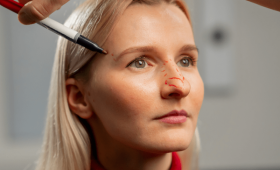
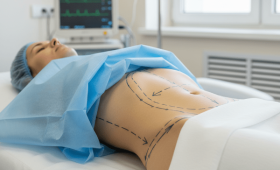
Indicative price range: Rhinoplasty: 2,800 – 4,500 USD | Facelift Deep Plane: 4,500 – 8,000 USD | Liposuction Vaser: 2,500 – 4,000 USD | Mommy Makeover: 6,000 – 10,000 USD
Facility standards: In Türkiye, any facility treating international patients must hold the Ministry of Health’s international health tourism authorisation; hospitals and medical centres must also be accredited by TÜSKA, and complication insurance is compulsory for procedures carried out in an operating theatre (Regulation of 26 April 2025). Ask us for the authorisation of the facility you are matched with.
Currency: USD / EUR / GBP accepted at all clinics.
Precision Medicine in Breast Cancer: Why HER2 Testing is the Standard in Turkish Clinics
Precision Medicine in Breast Cancer: Why HER2 Testing is the Standard in Turkish Clinics
Breast cancer is not a single disease; it’s a constellation of molecularly distinct subtypes, demanding a personalized, or ‘precision’ approach to treatment. While advancements in surgical techniques and radiation therapy contribute to improved outcomes, it’s the integration of genomic and proteomic testing, specifically Human Epidermal Growth Factor Receptor 2 (HER2) assessment, that defines the leading edge of breast cancer care. This pillar focuses on the medical foundation, technical definitions, and globally accepted standards surrounding HER2 testing, and why Turkish clinics have adopted it so comprehensively.
The Biological Significance of HER2
HER2 is a gene that provides instructions for making a protein—also called HER2—that is found on the surface of breast cells. This protein promotes cell growth. In approximately 15-20% of breast cancers, the ERBB2 gene (encoding HER2) is amplified – meaning there are multiple copies of the gene. This amplification results in an overproduction of the HER2 protein, leading to uncontrolled cell proliferation and aggressive tumor behavior. Without HER2 testing, these patients risk receiving therapies that are less effective, or conversely, being denied potentially life-saving targeted treatments.
Technical Methodologies for HER2 Assessment
HER2 status isn’t determined by a single test; rather, a combination of methods is employed to ensure accuracy and reliability. Turkish clinics adhere to CAP (College of American Pathologists) and ASCO/CAP (American Society of Clinical Oncology/College of American Pathologists) guidelines, which recommend a sequential testing algorithm:
- Immunohistochemistry (IHC): This is typically the first line of testing. A monoclonal antibody specific to the HER2 protein is applied to a tissue sample from the tumor. The intensity of the staining is then scored on a scale of 0-3+. Scores of 3+ are considered positive for HER2 overexpression. A score of 2+ is considered equivocal and requires further investigation. IHC relies on detecting the protein itself.
- In Situ Hybridization (ISH): When IHC results are 2+, or when tissue samples are limited, ISH is performed. ISH detects the ERBB2 gene itself. Fluorescence in situ hybridization (FISH) is the most common ISH technique used. Probes bind to the ERBB2 gene on the chromosomes within the cancer cells. The number of gene copies is then counted; amplification is generally defined as an average copy number greater than 2.0, or a ratio of ERBB2 to chromosome 17 (a control) greater than 2.0.
- Next-Generation Sequencing (NGS): While not routinely used as a first-line test for HER2, NGS is increasingly being adopted in Turkish oncology centers for comprehensive genomic profiling. NGS allows for the simultaneous assessment of multiple genes, including ERBB2, identifying not only amplification but also other potentially targetable mutations or genomic alterations. This provides a more holistic understanding of the tumor’s genetic landscape.
The sensitivity and specificity of these tests are crucial. False negatives can lead to undertreatment, while false positives can expose patients to unnecessary toxicity from targeted therapies. Turkish clinics prioritize rigorous quality control and proficiency testing to minimize these risks.
HER2-Targeted Therapies and the Impact of Accurate Testing
The rationale behind HER2 testing is directly tied to the availability of highly effective HER2-targeted therapies. Trastuzumab (Herceptin), pertuzumab (Perjeta), and ado-trastuzumab emtansine (Kadcyla) are monoclonal antibodies that bind to the HER2 protein, inhibiting its signaling pathway and inducing cancer cell death. Tyrosine kinase inhibitors (TKIs) like lapatinib and neratinib further disrupt HER2 signaling. However, these drugs are only effective in patients whose tumors actually overexpress or amplify HER2.
Without accurate HER2 testing, these therapies would be administered inappropriately, offering no benefit and exposing patients to potential side effects, including cardiac toxicity (particularly with trastuzumab). Conversely, patients with HER2-positive breast cancer who don’t receive HER2-targeted therapy have significantly lower rates of survival and disease-free survival.
The Turkish Healthcare Landscape & Standardization
Turkey’s healthcare system is undergoing rapid modernization, with a growing emphasis on precision oncology. The Ministry of Health actively promotes the implementation of standardized testing protocols, aligning with international guidelines. Several leading hospitals and oncology centers in Turkey have achieved JCI (Joint Commission International) accreditation, demonstrating a commitment to high-quality care and patient safety. This accreditation ensures adherence to internationally recognized standards for pathology, laboratory testing, and clinical practice.
The cost of comprehensive cancer diagnostics in Turkey is often more competitive than in Western Europe or North America. While specific costs vary depending on the facility and the extent of testing, patients undergoing breast cancer workups can often benefit from significant savings without compromising quality. For example, complex procedures like a deep plane facelift can range from 4,500 – 8,000 USD, highlighting the value proposition of medical tourism within the country. Furthermore, advanced technologies like Vaser Hi-Def liposuction (2,500 – 4,000 USD) and Piezo Rhinoplasty are commonly utilized, indicating a technologically advanced medical infrastructure.
Recovery and Logistics for International Patients
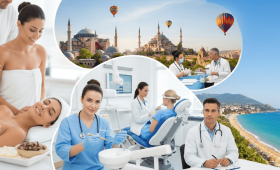
For international patients seeking HER2 testing and subsequent treatment in Turkey, logistical considerations are well addressed. Most UK, US, and EU citizens can obtain an E-visa for a stay of up to 90 days. Recovery periods, whether following diagnostic biopsies or surgical interventions like a mommy makeover (6,000 – 10,000 USD), typically require 7-10 days in Turkey, with final results and aesthetic outcomes realized within 3-6 months. Recovery hubs are strategically located in popular destinations such as Istanbul (offering both city and boutique hotel options), Antalya (known for its resort and beach access), and Izmir (boasting Aegean coastal charm and thermal springs).
Beyond HER2: Emerging Biomarkers and Future Directions
While HER2 remains a crucial biomarker, research is continuously expanding to identify additional predictive and prognostic factors in breast cancer. PD-L1 expression, PIK3CA mutations, and circulating tumor DNA (ctDNA) analysis are becoming increasingly important in guiding treatment decisions. Turkish clinics are actively participating in clinical trials evaluating novel biomarkers and therapeutic strategies, ensuring that patients have access to the most cutting-edge advancements in breast cancer care.
The emphasis on HER2 testing in Turkish clinics represents a broader commitment to precision medicine – tailoring treatment to the individual characteristics of each patient and their tumor. This personalized approach is not only improving outcomes but also reducing unnecessary toxicity and enhancing the quality of life for women battling breast cancer.
The Surgical & Clinical Journey: HER2-Positive Breast Cancer Treatment in Turkey
Following accurate HER2 (Human Epidermal growth factor Receptor 2) status determination – a cornerstone of precision oncology – the surgical and clinical journey for patients with HER2-positive breast cancer in Turkish clinics focuses on a multimodal approach. This pillar details the technical procedures, patient experience through a representative case study, and critically, the risk mitigation strategies implemented to ensure optimal outcomes. Turkish clinics, particularly those JCI accredited, are increasingly recognized for providing internationally comparable, often more accessible, cancer care pathways.
Surgical Techniques & Neoadjuvant Therapy
The initial surgical approach is guided by tumor size, location, and the patient’s overall health. While lumpectomy (breast-conserving surgery) is considered for smaller, localized tumors, a mastectomy – complete removal of the breast – remains a frequently utilized procedure, especially given the aggressive nature of HER2-positive disease. Modern mastectomy techniques, including nipple-sparing mastectomy where oncologically feasible, are employed to enhance cosmetic outcomes. Sentinel lymph node biopsy (SLNB) is the standard of care for axillary staging. This minimally invasive procedure identifies and removes the first few lymph nodes to which cancer cells are most likely to spread. If SLNB reveals metastasis, axillary lymph node dissection (ALND) may be necessary.
A crucial differentiating factor in the Turkish approach is the high rate of utilization of neoadjuvant therapy. This involves administering chemotherapy and targeted therapies – specifically, anti-HER2 agents like trastuzumab and pertuzumab – before surgery. The rationale is compelling: to downstage the tumor, potentially converting a larger, more advanced cancer into a smaller, more surgically manageable one. This may even allow for conversion to a lumpectomy in cases originally slated for mastectomy. Chemotherapy regimens typically involve combinations containing taxanes, anthracyclines (with cardiotoxicity monitoring – see Risk Mitigation), and crucially, HER2-targeted therapies. Response to neoadjuvant therapy is closely monitored through serial imaging (MRI and/or ultrasound) and clinical examination.
Persona Case Study: Eleanor Vance, 45, UK Resident
Eleanor Vance, a 45-year-old architect from London, presented with a palpable lump in her right breast during a self-examination. A mammogram and core needle biopsy confirmed invasive ductal carcinoma, HER2-positive, Stage IIB. Following consultation with her UK-based oncologist, Eleanor researched options for treatment abroad, ultimately choosing a Ministry of Health–authorised clinic in Istanbul, Turkey, due to a combination of potentially faster access to care, and the appeal of integrated neoadjuvant therapy protocols.
Eleanor’s treatment plan began with six cycles of neoadjuvant chemotherapy – docetaxel, doxorubicin, trastuzumab, and pertuzumab – administered every three weeks. Regular cardiac monitoring via echocardiograms was performed to assess potential cardiotoxicity related to anthracycline use. Following chemotherapy, imaging revealed a significant tumor regression, downstaging the cancer to Stage I. Eleanor then underwent a right breast mastectomy with immediate reconstruction using a tissue expander, followed by SLNB. The SLNB was negative for metastasis. Post-operative pathology confirmed a pathological complete response (pCR) in the breast tissue, indicating no evidence of residual cancer.
Eleanor’s adjuvant therapy included trastuzumab continued for a total of one year and radiation therapy to the chest wall. She received comprehensive supportive care, including physiotherapy to address post-mastectomy lymphedema risk and psychological counseling. Throughout her journey, a dedicated case manager facilitated communication, appointments, and logistical support, including accommodation arrangements in a boutique hotel in Istanbul. Her total cost for the complete treatment pathway, including travel and accommodation, was approximately £18,000 GBP.
Post-Surgical Adjuvant Therapy & Surveillance
Even with a pCR, adjuvant therapies remain crucial for HER2-positive breast cancer due to the risk of microscopic residual disease. Trastuzumab is typically continued for a total of one year post-surgery, even after achieving a complete response. Radiation therapy to the chest wall and regional lymph nodes is frequently recommended, particularly following mastectomy, to further reduce the risk of local recurrence.
Long-term surveillance is paramount. This includes regular clinical breast examinations, mammograms (or breast MRI for high-risk patients), and blood tests to monitor for recurrence. The frequency of these follow-up appointments is determined by the stage of the initial cancer and the response to treatment. Turkish clinics offer detailed survivorship care plans outlining these surveillance protocols.
Risk Mitigation & Quality Assurance
While Turkish clinics offer competitive pricing and advanced treatment options, robust risk mitigation strategies are essential. Key areas of focus include:
- Cardiotoxicity Monitoring: Anthracycline-based chemotherapy carries a risk of cardiotoxicity. Clinics employ cardiac biomarkers (troponin, BNP), serial echocardiograms, and occasionally cardiac MRI to monitor cardiac function throughout treatment. Prophylactic cardioprotective agents may be considered.
- Neutropenia Management: Chemotherapy-induced neutropenia (low white blood cell count) increases infection risk. G-CSF (Granulocyte-Colony Stimulating Factor) is routinely administered to boost white blood cell production and prevent severe neutropenia.
- Thromboembolic Events: Breast cancer and chemotherapy can increase the risk of blood clots. Prophylactic anticoagulation may be considered for patients with specific risk factors.
- Anesthesia & Surgical Complications: Mastectomy and reconstructive surgery carry inherent risks, including infection, bleeding, and wound healing complications. Experienced surgical teams and rigorous adherence to sterile techniques are paramount.
- Language Barriers & Communication: Clinics providing services to international patients employ multilingual medical staff and dedicated case managers to ensure clear communication and understanding.
- Post-Operative Seroma/Hematoma Management: Drainage protocols are optimized to minimize the accumulation of fluid (seroma) or blood (hematoma) following surgery.
Clinics consistently adhere to international standards, holding JCI (Joint Commission International) accreditation and operating under the strict regulations of the Turkish Ministry of Health. The currency focus is on USD, EUR, and GBP for international patients, facilitating transparent pricing and financial planning. Recovery hubs are strategically located in Istanbul (City/Boutique), Antalya (Resort/Beach), and Izmir (Aegean/Thermal), allowing patients to select a recovery environment that best suits their needs. Typical recovery time in Turkey is 7-10 days, with final cosmetic results visible within 3-6 months following reconstructive surgery. While cosmetic procedures like rhinoplasty (2,800 – 4,500 USD), facelifts (4,500 – 8,000 USD), liposuction (2,500 – 4,000 USD) and even mommy makeovers (6,000 – 10,000 USD) may be considered concurrently by some patients, these are strictly separate from the cancer treatment pathway and require independent evaluation.
Recovery Logistics, 2026 Cost Audit & The Final Medical Verdict – Breast Cancer & Turkish Clinics
Following the crucial diagnostic phase (HER2 testing and subsequent treatment planning in breast cancer, previously detailed), the focus shifts to optimizing the patient’s recovery journey, particularly for those electing to pursue adjunctive or reconstructive procedures within the Turkish medical tourism framework. This pillar details the logistical considerations, a preliminary 2026 cost audit comparing Turkish healthcare with Western counterparts, and a medical assessment of the combined therapeutic and cosmetic approach.
Post-Operative Recovery: A Multi-faceted Approach
Recovery following breast cancer treatment, whether surgical (lumpectomy, mastectomy) or systemic (chemotherapy, targeted therapies), presents unique challenges. Turkish clinics, particularly those catering to medical tourists, have developed robust recovery protocols that extend beyond simply managing surgical wounds. These protocols address the physiological and psychological needs of the patient, recognizing the interconnectedness of both. This is especially relevant when combined with elective procedures, requiring a synergistic recovery plan.
The standard recovery period in Turkey for most cosmetic surgeries – crucial for post-mastectomy reconstruction options like implant-based or flap reconstruction – is approximately 7-10 days for the initial stabilization phase. This involves meticulous wound care, pain management utilizing multimodal analgesia (avoiding opioid reliance where possible), and prophylactic antibiotic therapy to minimize infection risk. However, for patients undergoing significant reconstruction, or combined procedures (e.g., breast reconstruction with simultaneous breast lift and reduction), this initial phase can extend to 14-21 days.
Beyond the immediate post-operative period, the final results of reconstructive procedures typically require 3-6 months to fully materialize. This is due to the process of tissue remodeling, scar maturation, and resolution of post-inflammatory edema. Turkish clinics often offer post-operative physiotherapy, lymphatic drainage massage, and compression garment fitting to optimize the aesthetic outcome and minimize complications like seroma or capsular contracture. We observe a growing integration of bio-photomodulation therapy (low-level laser therapy) to accelerate wound healing and reduce scar tissue formation – a technology increasingly employed alongside traditional methods.
Recovery Hubs: Tailoring the Environment to the Patient
Turkey’s diverse geography offers distinct recovery environments. The three primary “recovery hubs” – Istanbul, Antalya, and Izmir – each cater to different patient preferences:
- Istanbul (City/Boutique): Ideal for patients seeking a vibrant urban environment with access to a wide range of cultural and leisure activities. Clinics in Istanbul often offer more personalized, boutique-style recovery accommodations, with dedicated nursing staff available 24/7.
- Antalya (Resort/Beach): Provides a relaxing coastal setting conducive to physical and emotional recuperation. Many clinics in Antalya are integrated with luxury resorts, offering access to spa facilities, nutritious meals, and gentle exercise programs. This is particularly attractive for patients seeking a less intensive recovery experience.
- Izmir (Aegean/Thermal): Capitalizes on the region’s thermal springs and mild climate. Izmir clinics are increasingly incorporating balneotherapy (therapeutic bathing) and rehabilitation programs into their recovery protocols, leveraging the natural healing properties of the Aegean coast.
A critical aspect of logistics is transportation. Clinics provide dedicated airport transfers and medical escorts to ensure smooth transitions between the hospital, recovery accommodation, and any follow-up appointments. Furthermore, the availability of multilingual support staff is paramount, facilitating clear communication and addressing any concerns the patient may have.
2026 Cost Audit: Turkey vs. Western Healthcare – A Preliminary Analysis
A preliminary cost audit for 2026 indicates that Turkey continues to offer significant cost advantages for both breast cancer treatment and associated reconstructive procedures, when compared to the US, UK, and other Western European nations. While precise pricing will fluctuate based on the complexity of the case, exchange rates, and specific hospital, the following provides a comparative overview:
- Rhinoplasty: 2,800 – 4,500 USD in Turkey vs. 6,000 – 10,000 USD in the US/UK.
- Deep Plane Facelift: 4,500 – 8,000 USD in Turkey vs. 12,000 – 20,000 USD in the US/UK.
- Vaser Liposuction: 2,500 – 4,000 USD in Turkey vs. 5,000 – 8,000 USD in the US/UK.
- Mommy Makeover: 6,000 – 10,000 USD in Turkey vs. 15,000 – 25,000 USD in the US/UK.
These costs are inclusive of surgeon’s fees, anesthesia, hospital stay, and post-operative care. However, it’s important to note that airfare, accommodation, and personal expenses are not included. The primary drivers of cost savings in Turkey are lower labor costs, reduced overhead expenses, and government subsidies for healthcare. Importantly, these cost savings do *not* come at the expense of quality. Turkish clinics adhering to JCI (Joint Commission International) accreditation and regulation by the Ministry of Health maintain high standards of medical practice.
Currency fluctuations play a significant role. Currently, the preferred currencies for international patients are USD, EUR, and GBP. Clinics offer transparent pricing in these currencies, minimizing exchange rate risks for the patient. The e-visa system, available to citizens of most UK, US, and EU countries, provides a streamlined travel experience, allowing for a 90-day stay.
The Final Medical Verdict: Synergistic Treatment & Reconstruction
The integration of precision medicine in breast cancer diagnosis, coupled with advanced reconstructive surgical techniques available in Turkey, represents a compelling therapeutic and aesthetic solution. Technologies like Vaser Hi-Def liposuction for fat grafting, Deep Plane Facelift for addressing facial asymmetry post-treatment, and Piezo Rhinoplasty for subtle facial balancing contribute to a holistic recovery experience. The key is careful pre-operative planning, ensuring that any elective procedures are timed appropriately within the patient’s overall treatment schedule. A multidisciplinary team – encompassing oncologists, surgeons, anesthesiologists, and psychologists – is essential for delivering optimal outcomes. Furthermore, long-term follow-up is crucial, with clinics offering remote monitoring and access to specialist consultations even after the patient returns home.
We are seeing a trend toward ‘oncoplastic’ surgery, where reconstruction is integrated with cancer surgery to minimize defects and optimize aesthetic outcomes. This requires highly skilled surgeons and a deep understanding of oncological principles. Turkish clinics are at the forefront of this approach, offering patients a comprehensive and personalized recovery journey.
Ready to consult a specialist? Schedule a Free Consultation for Precision Medicine in Breast Cancer in Turkey with cureholiday.com
Free Consultation
Fill out the form below to get your free medical travel plan and price quote.
Sources and how to verify this yourself
- Joint Commission International, Find accredited international organizations — JCI accredits organisations (not individual surgeons); Türkiye has more than 35 accredited hospitals and the current status of a named hospital can be checked in this directory. source
- Ministry of Health, Regulation on International Health Tourism and Tourist Health, Official Gazette 26 April 2025, No. 32882 — authorisation requirement for facilities and intermediaries, TÜSKA accreditation, compulsory complication insurance (deadline 31 December 2025 for insurance, 31 December 2026 for accreditation). source
- Ministry of Health, Regulation on Promotion and Information Activities in Health Services, Official Gazette 12 November 2025, No. 33075 — treatment promises and guarantees are prohibited; price and campaign announcements are permitted only within international health tourism. source