About the prices on this page. The figures below are indicative market prices and country comparisons, not a quote. Our own current, all-inclusive prices are published on our cosmetic surgery in Turkey page, and we confirm your figure in writing before you commit to anything.
Cost and planning note (Mommy Makeover 2026)
The figures below are indicative market ranges, not a quote: your own price is confirmed after a clinical assessment.
Indicative price range: Standard Package: 4,500 – 7,500 USD | Advanced Combination: 8,000 – 12,000 USD | Tummy Tuck: 3,000 – 5,000 USD | Breast Lift: 2,500 – 4,500 USD | Liposuction Per Area: 500 – 1,500 USD | Bbl Fat Transfer: 3,500 – 5,500 USD
Facility standards: In Türkiye, any facility treating international patients must hold the Ministry of Health’s international health tourism authorisation; hospitals and medical centres must also be accredited by TÜSKA, and complication insurance is compulsory for procedures carried out in an operating theatre (Regulation of 26 April 2025).
Recovery Focus: Post-pregnancy body restoration & safety first.
Currency: GBP, EUR, USD accepted.
Repairing Diastasis Recti: The Orthopedic Side of the Mommy Makeover
Repairing Diastasis Recti: The Orthopedic Side of the Mommy Makeover
Postpartum bodies undergo dramatic physiological changes. While much attention is given to the aesthetic concerns of a “mommy makeover” – procedures like breast lifts and abdominoplasty – a significant, often overlooked, component is the restoration of core functionality, particularly in cases of Diastasis Recti (DR). This pillar delves into the orthopedic underpinnings of DR repair, examining the surgical techniques employed and the reasons why Turkey has become a leading destination for comprehensive mommy makeover procedures. We’ll focus on safety benchmarks and discuss the considerations beyond purely cosmetic results, highlighting the importance of restoring biomechanical integrity.
Understanding Diastasis Recti Beyond the ‘Six-Pack’
Diastasis Recti isn’t simply an aesthetic issue; it represents a separation of the rectus abdominis muscles – the ‘six-pack’ muscles – along the linea alba, the fibrous structure that connects them. During pregnancy, the uterus expands, stretching the abdominal wall. Hormonal changes, specifically elevated relaxin, further contribute to ligamentous laxity. While some degree of separation is normal, significant DR can lead to lower back pain, pelvic floor dysfunction, urinary incontinence, and compromised postural stability. The severity is graded, often using a scale based on the width of the separation and the depth of the ‘doming’ effect observed during maneuvers like abdominal contraction. Surgical repair aims to re-approximate these muscles, restoring core strength and improving functional capacity.
Surgical Techniques for Diastasis Recti Repair
The primary surgical approach to DR repair involves internal corset suturing of the abdominal fascia. This isn’t simply ‘stitching the muscles back together.’ Instead, surgeons utilize strong, non-absorbable sutures to create a supportive internal ‘corset’ which plicates (folds) the separated tissues together. The technique employed varies based on the severity of the DR and the patient’s individual anatomy. Several variations exist:
- Direct Repair: Suitable for mild to moderate DR, this involves directly suturing the linea alba closed. It’s often combined with liposuction to address excess skin and subcutaneous fat.
- Component Separation: For more extensive DR, a component separation technique may be utilized. This involves releasing the fascia of the abdominal muscles to allow for greater approximation and tension-free closure. It’s a more complex procedure with a slightly longer recovery period, but offers superior results for severe cases.
- Rectus Approximation: This technique specifically focuses on bringing the rectus muscles closer together, tightening the linea alba. It can be used as an adjunct to other methods or in isolation.
Importantly, DR repair is frequently performed in conjunction with abdominoplasty (tummy tuck). The tummy tuck procedure removes excess skin and fat, while the DR repair tightens the underlying musculature. This synergistic approach provides both aesthetic improvement and functional restoration. The choice between a full, mini, or extended (360-degree) abdominoplasty depends on the extent of skin laxity and the patient’s desired outcome.
The Role of Vaser Liposuction in Comprehensive Contouring
Achieving a truly sculpted abdominal contour often requires more than just muscle repair and skin removal. Vaser Liposuction – a type of ultrasound-assisted liposuction – plays a crucial role in refining the abdominal silhouette. Unlike traditional liposuction, Vaser Liposuction selectively targets fat cells while preserving surrounding tissues, resulting in smoother contours and minimal bruising. This is particularly advantageous for patients undergoing a mommy makeover, minimizing post-operative discomfort and downtime. The precision of Vaser allows for high-definition contouring, highlighting the natural curves of the abdomen. It’s often used to address flank fat (love handles) and create a more defined waistline.
Breast Reconstruction and its Influence on Core Stability
While often considered a separate component of the mommy makeover, breast reconstruction or lift significantly impacts the patient’s overall biomechanics. Post-pregnancy breast changes – volume loss, ptosis (sagging) – alter the center of gravity and can exacerbate postural imbalances. Restoring breast volume and shape not only improves aesthetic appearance but also helps to re-establish proper biomechanical alignment. This, in turn, reduces strain on the abdominal muscles and contributes to improved core stability. The choice of implant – Mentor, Motiva, or Polytech (all JCI approved) – is crucial, taking into account patient preference, anatomical considerations, and implant longevity.
Turkey: A Global Hub for Mommy Makeovers – Why?
Turkey has emerged as a leading global destination for mommy makeover procedures for several compelling reasons. Firstly, the cost is significantly lower than in many Western countries. A standard package encompassing DR repair, breast lift, and tummy tuck ranges from 4,500 – 7,500 USD, while more advanced combinations, including liposuction or Brazilian Butt Lift (BBL) fat transfer (3,500 – 5,500 USD), fall within the 8,000 – 12,000 USD range. (Individual procedure costs: tummy tuck 3,000 – 5,000 USD, breast lift 2,500 – 4,500 USD, liposuction per area 500 – 1,500 USD).
However, cost is not the sole driver. Turkish surgeons have extensive experience in performing these complex procedures, and many are board-certified plastic surgeons with international training. Furthermore, medical tourism facilitators offer comprehensive packages that streamline the entire process, including:
- Logistics: Convenient access via Istanbul (IST) or Antalya (AYT) airports.
- Accommodation: Luxurious 5-star recovery suites, often with included companion stay.
- Transfers: VIP private transfers from airport to clinic and back.
- Pre-Operative Assessment: Free online video assessments with board-certified plastic surgeons.
These all-inclusive packages significantly reduce the logistical burden on patients and ensure a comfortable and safe experience.
Safety Benchmarks and Post-Operative Recovery
Prioritizing patient safety is paramount. Reputable facilities in Turkey adhere to rigorous international standards, including accreditation from Joint Commission International (JCI). Pre-operative assessments, including comprehensive medical history and physical examination, are essential to identify and mitigate potential risks. Post-operative care includes wound management, pain control, and compression garments to minimize swelling and promote healing. The typical recovery period is 7-10 days in Turkey, with a gradual return to light activity. Full return to exercise is generally recommended after 6 weeks, contingent on individual healing progress and surgeon’s approval. Close monitoring for complications such as infection, seroma (fluid accumulation), or wound dehiscence is crucial.
Understanding the orthopedic implications of DR and integrating functional restoration into the mommy makeover process is key to achieving optimal long-term results. It’s about more than aesthetics; it’s about empowering women to regain their core strength, improve their posture, and confidently embrace motherhood.
Repairing Diastasis Recti: The Orthopedic Side of the Mommy Makeover
Diastasis Recti (DR), a common condition postpartum, represents the separation of the rectus abdominis muscles. While frequently addressed with core strengthening exercises, significant DR often necessitates surgical intervention as part of a comprehensive ‘Mommy Makeover’. This pillar delves into the orthopedic nuances of DR repair, outlining the surgical techniques employed, the patient journey through a combined procedure, and the rigorous safety standards adhered to in specialized facilities.
Understanding the Anatomy & Surgical Approach
The rectus abdominis, colloquially known as the ‘six-pack’ muscle, plays a crucial role in core stability and posture. During pregnancy, hormonal influences – primarily relaxin – cause softening of the linea alba, the fibrous tissue connecting the rectus muscles. This allows for abdominal expansion but can lead to persistent separation after childbirth. The degree of separation varies, categorized as mild, moderate, or severe, and dictates the appropriate surgical approach.
Unlike purely aesthetic abdominal procedures, DR repair prioritizes functional restoration. The core surgical principle centers around re-approximating the separated rectus muscles. This is achieved through an internal corset suturing technique, utilizing strong, non-absorbable sutures to create a durable and stable fascial closure. The technique ensures the muscles are brought together under tension, restoring the pre-pregnancy midline width. The tension is carefully modulated to avoid compromise of blood supply to the skin flaps – a critical consideration in larger defects.
The Combined Surgery: A Step-by-Step Protocol
DR repair is rarely performed in isolation. It’s most commonly integrated with other procedures within a ‘Mommy Makeover’ suite, maximizing results and minimizing overall recovery time. A typical advanced combination surgery (costing 8,000 – 12,000 USD) might include DR repair, abdominoplasty (tummy tuck), and breast surgery (lift or augmentation). Here’s a detailed procedural breakdown:
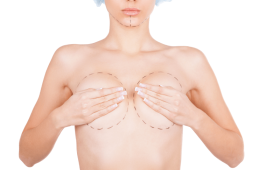
- Anesthesia & Incision Planning: Patients undergo general anesthesia administered by a certified anesthesiologist. Pre-operative markings guide incision placement, tailored to the individual’s anatomy and the desired extent of skin removal.
- Abdominal Wall Reconstruction: Following incision, the subcutaneous tissue is carefully dissected to expose the separated rectus muscles. The internal corset suturing is meticulously performed, plicating the linea alba from the xiphoid process to the pubic symphysis. Layers of deep fascia may be reinforced with additional sutures or mesh in cases of significant weakness.
- Abdominoplasty (Tummy Tuck): Depending on the patient’s needs, a full, mini, or extended (360) tummy tuck is performed. This involves excising excess skin and fat, tightening the remaining abdominal skin, and repositioning the umbilicus. The rectus abdominis fascia is further reinforced during this stage.
- Liposuction & Body Contouring: Vaser Liposuction is frequently incorporated to refine the abdominal contour and address any remaining pockets of fat. Its ultrasonic technology allows for precise sculpting with minimal trauma and bruising, unlike traditional liposuction techniques. The cost per area ranges from 500 – 1,500 USD.
- Breast Surgery: Concurrent breast augmentation or lift is commonly performed. Breast implants used adhere to the highest safety standards, with options including Mentor, Motiva, or Polytech (all JCI approved). A breast lift re-positions and reshapes the breast tissue, while augmentation enhances volume and projection. The cost for a breast lift ranges from 2,500 – 4,500 USD.
- Closure & Drainage: The skin is carefully re-draped and closed in layers, ensuring minimal tension on the suture lines. Drainage tubes are inserted to prevent fluid accumulation (seromas) and promote healing.
Case Study: Restoring Function & Confidence
Consider the case of a 34-year-old Irish mother of three. Following three pregnancies, she presented with a moderate DR (approximately 5cm separation) accompanied by significant abdominal laxity and diastasis of the pubic symphysis. She also desired breast augmentation to restore volume lost through breastfeeding. After comprehensive evaluation, she underwent a combined procedure including DR repair with internal corset suturing, a full tummy tuck, and breast augmentation with Motiva implants.
Post-operatively, her abdominal contour dramatically improved. More importantly, her core strength and functional capacity were restored, alleviating lower back pain she had experienced for years. She reported a significant boost in self-confidence and a return to activities she had previously avoided. Her recovery was monitored closely, adhering to a strict post-operative protocol.
Safety & Accreditation: The JCI Standard
Patient safety is paramount. Facilities specializing in these complex procedures adhere to rigorous international standards, most notably the Joint Commission International (JCI) accreditation. JCI accreditation signifies a commitment to quality patient care, encompassing all aspects of the surgical experience – from pre-operative assessment to post-operative follow-up.
Key safety protocols include:
- Board-Certified Surgeons: Procedures are performed exclusively by highly qualified, board-certified plastic surgeons with extensive experience in abdominal reconstruction.
- Anesthesia Safety: Dedicated anesthesiologists monitor patients throughout the procedure, ensuring vital signs remain stable.
- Sterilization & Infection Control: Strict adherence to sterile techniques minimizes the risk of post-operative infection.
- Venous Thromboembolism (VTE) Prophylaxis: Measures are taken to prevent blood clots, including compression stockings and, in some cases, prophylactic anticoagulation.
- Post-Operative Monitoring: Close monitoring of patients during the initial recovery period, with prompt attention to any complications.
Logistical Considerations for International Patients
For individuals traveling for surgery, comprehensive logistical support is essential. Facilities offer convenient access via Istanbul (IST) or Antalya (AYT) airports. Patients benefit from 5-star recovery suites with companion stay included, ensuring comfortable accommodation during the 7-10 day recovery period in Turkey. VIP private transfers from airport to clinic are standard, and free online video assessments with board-certified plastic surgeons are available for initial consultation. The typical return to full exercise is approximately 6 weeks post-surgery, but is dependent on individual healing progression.
While a standard DR repair may cost 4,500 – 7,500 USD, the comprehensive approach offered alongside other mommy makeover procedures provides optimal results and a smoother patient experience.
Diastasis Recti Repair: Navigating Post-Operative Recovery in Turkey
Following Diastasis Recti repair – often integrated within a ‘Mommy Makeover’ suite of procedures – the post-operative period is crucial for optimal healing and long-term aesthetic outcomes. This pillar details the logistical and aftercare components for patients electing to undergo this procedure in Turkey, focusing on the immediate recovery phase and return to normalcy. We move beyond the surgical technique itself (internal corset suturing of the abdominal fascia, as performed by our board-certified surgeons) and delve into the practical considerations that contribute to a seamless, safe, and comfortable recuperation.
Post-Operative Villa Recovery: A Sanctuary for Healing
Unlike a traditional hospital environment, post-operative recovery in Turkey often takes place within dedicated, private recovery suites, typically resembling luxurious villas. This provides a significantly enhanced level of comfort and privacy, contributing positively to the psychological well-being of the patient – a frequently underestimated but vital aspect of post-surgical healing. These suites are not simply aesthetically pleasing; they are specifically designed to facilitate recovery.
- Nursing Care: 24/7 access to qualified, English-speaking nurses is standard. This encompasses wound care monitoring, medication administration (analgesics, anti-inflammatories, and prophylactic antibiotics), and vigilant observation for any signs of complications such as seroma formation or infection. Nurses are trained to recognize subtle changes that may require prompt attention.
- Dedicated Space: Suites are designed with ample space, not only for the patient’s comfort but also to allow for gentle mobilization as directed by the surgical team. This is crucial for preventing venous stasis and promoting lymphatic drainage.
- Nutrition & Hydration: Nutritionally balanced meals are prepared on-site, tailored to the patient’s post-operative needs. Emphasis is placed on protein intake to support tissue repair and adequate hydration to maintain optimal physiological function.
- Companion Accommodation: A dedicated companion – be it a partner, family member, or designated caregiver – can reside with the patient throughout the recovery period. This provides invaluable emotional support and practical assistance with daily tasks.
Childcare Logistics: Ensuring Maternal Wellbeing
For mothers undergoing Diastasis Recti repair, childcare is paramount. While the recovery suite accommodates a companion, logistical arrangements for pre-existing children need careful consideration.
- Pre-Arranged Care: It is strongly advised that comprehensive childcare arrangements are made *prior* to travel to Turkey. This can encompass the involvement of family members, nannies, or reputable childcare services.
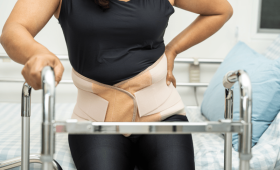
- Limited Lifting Restrictions: Following surgery, patients are subject to strict lifting restrictions – typically a prohibition on lifting anything heavier than their newborn for at least six weeks. This is to prevent undue strain on the repaired abdominal fascia. The companion’s role in childcare is therefore critical during this period.
- Gradual Reintegration: The surgical team will provide guidance on the gradual reintroduction of normal childcare activities, ensuring the patient doesn’t overexert themselves. This timeline is individual and dependent on the extent of the surgical intervention and the patient’s overall healing progress.
Fly-Home Timelines & Medical Clearance
The typical recovery period within Turkey is 7-10 days. However, this does *not* signify complete recovery. Patients will require a medical clearance from the attending surgeon before being authorized for travel. This clearance will assess:
- Wound Healing: Adequate wound closure and absence of signs of infection.
- Pain Management: Effective control of post-operative pain with minimal reliance on strong analgesics.
- Mobilization & Functional Capacity: The ability to ambulate independently and perform basic self-care tasks.
- Venous Health: Absence of deep vein thrombosis (DVT) risk factors. Compression stockings are routinely prescribed and worn during travel to mitigate this risk.
Flights should ideally be scheduled for the later end of the 7-10 day window. Long-haul flights necessitate careful planning. Patients are advised to:
- Hydrate Consistently: Combat dehydration associated with air travel.
- Move Frequently: Perform gentle ankle pumps and calf stretches during the flight to promote circulation.
- Wear Compression Stockings: As previously mentioned, these are vital to prevent DVT.
- Avoid Tight Clothing: Opt for loose-fitting, comfortable attire.
Cost Breakdown: Turkey vs. UK/USA (2026 Projections)
The economic advantages of undergoing Diastasis Recti repair, and associated procedures as part of a ‘Mommy Makeover’, in Turkey remain significant. These projections reflect estimated costs as of 2026, accounting for inflation and currency exchange rates. It is crucial to remember that these are *estimates*, and actual costs may vary based on individual needs and the complexity of the procedure. All packages include hospital stay, nursing care, initial medications, and VIP transfers.
- Standard Diastasis Recti Repair Package: 4,500 – 7,500 USD
- Advanced Combination (Diastasis Recti + Vaser Liposuction): 8,000 – 12,000 USD
- Tummy Tuck (incorporating Diastasis Recti repair): 3,000 – 5,000 USD
- Breast Lift (with implant/autologous fat augmentation): 2,500 – 4,500 USD
- Liposuction (per area): 500 – 1,500 USD
- Brazilian Butt Lift (BBL) – Fat Transfer: 3,500 – 5,500 USD
Comparative Costs (2026 Estimates):
- UK: Diastasis Recti repair alone can range from £6,000 – £12,000. A full ‘Mommy Makeover’ incorporating multiple procedures (tummy tuck, breast lift/augmentation, liposuction) could easily exceed £20,000.
- USA: Costs are typically even higher. Diastasis Recti repair can range from $8,000 – $15,000. A comprehensive Mommy Makeover can range from $25,000 – $50,000+, depending on the procedures included and geographical location.
The significant cost differential highlights the potential savings achievable by electing to undergo these procedures in Turkey. However, it’s imperative to prioritize surgeon credentials (JCI accreditation for facilities is paramount) and a comprehensive post-operative care package – quality should never be compromised for price. The use of approved breast implants – Mentor, Motiva, or Polytech – further guarantees patient safety and longevity of results. Vaser Liposuction, routinely employed for precise contouring, ensures minimal bruising and rapid recovery.
Remember, the timeframe for a full return to exercise, following Diastasis Recti repair, is approximately 6 weeks. This timeline requires adherence to the surgeon’s rehabilitation protocol to prevent complications and optimize healing.
Considering a Mommy Makeover in Turkey? Get a Free Quote for your Repairing Diastasis Recti Transformation with cureholiday.com
Free Consultation
Fill out the form below to get your free medical travel plan and price quote.
Sources and how to verify this yourself
- Ministry of Health, Regulation on International Health Tourism and Tourist Health, Official Gazette 26 April 2025, No. 32882 — authorisation requirement for facilities and intermediaries, TÜSKA accreditation, compulsory complication insurance (deadline 31 December 2025 for insurance, 31 December 2026 for accreditation). source
- Ministry of Health, Regulation on Promotion and Information Activities in Health Services, Official Gazette 12 November 2025, No. 33075 — treatment promises and guarantees are prohibited; price and campaign announcements are permitted only within international health tourism. source