Cost and planning note (2026)
The figures below are indicative market ranges for 2026, not a quote: your own price depends on the clinic, the surgeon and your clinical assessment.
Indicative price range: Rhinoplasty: 2,800 – 4,500 USD | Facelift Deep Plane: 4,500 – 8,000 USD | Liposuction Vaser: 2,500 – 4,000 USD | Mommy Makeover: 6,000 – 10,000 USD
Facility standards: In Türkiye, any facility treating international patients must hold the Ministry of Health’s international health tourism authorisation; hospitals and medical centres must also be accredited by TÜSKA, and complication insurance is compulsory for procedures carried out in an operating theatre (Regulation of 26 April 2025). Ask us for the authorisation of the facility you are matched with.
Currency: USD / EUR / GBP accepted at all clinics.
Aesthetics for Men over 50: The Most Popular Procedures in Istanbul for 2026
Aesthetics for Men Over 50: A Medical Foundation – Istanbul, 2026
The burgeoning field of men’s aesthetic surgery is experiencing significant growth, particularly amongst individuals over 50. Istanbul, Turkey has rapidly become a global hub for these procedures, driven by a confluence of highly skilled surgeons, advanced techniques, and competitive pricing. This analysis focuses on the medical underpinnings, technical nuances, and adherence to global standards that define the most popular procedures for this demographic in Istanbul, as projected for 2026. We will examine the ‘what’ and ‘why’ behind the current trends, providing a detailed understanding for discerning patients considering medical tourism.
Surgical Pillars: Procedures & Rationale
For men over 50, aesthetic goals frequently center around restoring a more youthful and vitalized appearance. This isn’t merely about vanity; it’s often linked to maintaining self-confidence, professional relevance, and an active lifestyle. The most sought-after procedures fall into categories addressing facial aging, body contouring, and, increasingly, subtle refinements to features traditionally considered “masculine”.
Rhinoplasty: Beyond Cosmetic Refinement
While often perceived as a purely aesthetic procedure, rhinoplasty (nose reshaping) for mature men increasingly addresses functional concerns alongside cosmetic ones. With age, nasal cartilage can weaken, contributing to nasal obstruction, valve collapse, and altered breathing patterns. Piezo Rhinoplasty, a technique leveraging ultrasonic vibrations to reshape the nasal bones and cartilage, is becoming the gold standard. Unlike traditional osteotomies (bone breaks), piezo surgery offers greater precision and reduced trauma, minimizing bruising and swelling. This is particularly advantageous for older patients who may have slower healing times. The cost in Istanbul is currently between 2,800 – 4,500 USD. Post-operative care is critical to avoid septal deviation and ensure functional restoration. A thorough pre-operative assessment, including nasal endoscopy, is paramount.
Deep Plane Facelift: Addressing the Underlying Architecture
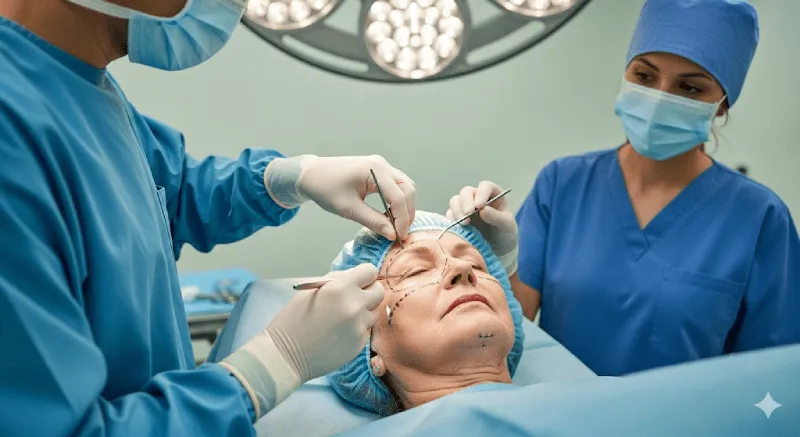
The facelift, or rhytidectomy, remains a cornerstone of facial rejuvenation. However, the emphasis is shifting towards the Deep Plane Facelift. This technique differs fundamentally from traditional SMAS (Superficial Musculoaponeurotic System) facelifts. Instead of simply tightening the SMAS layer, the deep plane approach involves releasing and repositioning the underlying musculature and connective tissues – specifically the SMAS and the parotidomasseteric ligament (PML). By addressing the deeper layers, the deep plane facelift provides a more natural and enduring lift, correcting midfacial descent and restoring lost volume. For men, the focus is often on restoring jawline definition and addressing jowls without creating an overly feminine or ‘pulled’ appearance. The current cost range is 4,500 – 8,000 USD. The surgery requires careful vascular mapping to protect facial nerves, and post-operative lymphatic drainage massage is crucial for minimizing edema.
Vaser Hi-Def Liposuction: Precision Body Contouring
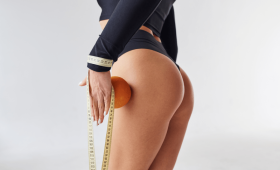
Maintaining physical fitness is a priority for many men over 50, yet age-related hormonal changes and metabolic slowdown can lead to localized fat deposits that resist diet and exercise. Vaser Hi-Def Liposuction utilizes ultrasound energy to selectively break down fat cells while preserving vascular and neural structures. This allows for precise sculpting of the abdominal muscles and chest, creating a more athletic physique. The ‘Hi-Def’ aspect refers to the technique’s ability to accentuate underlying muscular contours. Unlike traditional liposuction, Vaser offers reduced trauma, faster recovery, and tighter skin. It’s particularly effective for addressing visceral fat that accumulates around the midsection. The cost is typically between 2,500 – 4,000 USD. Post-operative compression garments are essential for minimizing swelling and achieving optimal results. Patients should be evaluated for skin elasticity; significant skin laxity may necessitate a combination with skin tightening procedures like Renuvion.
Mommy Makeover: Evolving Scope for Men
While traditionally associated with postpartum women, the concept of a ‘Mommy Makeover’ – a combination of procedures to address changes resulting from aging and lifestyle – is expanding to include men. This might involve a combination of liposuction, abdominoplasty (tummy tuck), and sometimes even lower body lift, addressing excess skin and fat accumulation in the abdominal and flank areas. The cost range is 6,000 – 10,000 USD depending on the combination of procedures. For men, the approach prioritizes restoring a flat and defined abdominal profile. It’s crucial to assess for panniculus (excess abdominal skin) and diastasis recti (separation of abdominal muscles), which may require surgical repair. This procedure requires significant recovery time and careful wound management.
Technical Standards & Patient Safety in Istanbul
Turkey’s growing reputation for medical tourism is underpinned by adherence to rigorous quality standards. Clinics in Istanbul aiming to attract international patients routinely seek JCI (Joint Commission International) Accreditation, demonstrating commitment to patient safety and quality of care. The Turkish Ministry of Health also implements stringent regulations governing medical practice. Clinics are expected to maintain detailed patient records, adhere to infection control protocols, and employ qualified anesthesiologists.
The majority of clinics cater to international patients, accepting payment in USD, EUR, and GBP, simplifying the financial process. Conveniently, an E-visa is available for most citizens of the UK, US, and EU, allowing for a 90-day stay. This facilitates recovery in Turkey, minimizing travel costs and maximizing post-operative care.
Recovery & Location Considerations
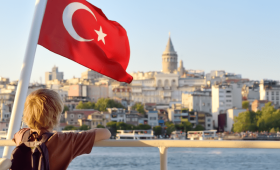
Typical recovery time for these procedures is 7-10 days spent in Turkey, with final results becoming fully apparent after 3-6 months. The choice of recovery location often influences the patient experience. Istanbul itself offers a vibrant city environment with a wide range of boutique and specialized recovery hubs. Antalya, a popular resort destination on the Mediterranean coast, provides a relaxing beachside recovery experience. Izmir, located in the Aegean region, is known for its thermal spas and offers a more tranquil and restorative setting. Clinics often partner with hotels offering post-operative care packages, including nursing support and lymphatic drainage massage.
Advanced monitoring techniques, including transcutaneous oxygen monitoring (TCOM) and continuous regional cerebral oxygen saturation (rSO2), are increasingly employed during surgery to enhance patient safety and minimize complications. Furthermore, pre-operative optimization of patient health, including addressing co-morbidities and ensuring adequate hydration, is crucial for achieving optimal outcomes.
The Surgical/Clinical Journey: A Detailed Examination
For men over 50 considering aesthetic procedures in Istanbul, understanding the surgical journey is paramount. This isn’t merely about achieving a desired outcome; it’s about navigating a complex, multi-stage process that demands meticulous planning, execution, and post-operative care. This section delves into the technical aspects of three popular procedures – Rhinoplasty, Deep Plane Facelift, and Vaser Liposuction – alongside a detailed case study and crucial risk mitigation strategies.
Technical Deep Dive: Procedures in Detail
Piezo Rhinoplasty
Traditional rhinoplasty relies heavily on manual techniques, potentially leading to greater trauma and less predictable results. Piezo Rhinoplasty, however, utilizes piezoelectric ultrasonic technology. This involves a specialized instrument that emits ultrasonic vibrations, selectively fracturing and reshaping nasal bone and cartilage with unparalleled precision. The benefit lies in minimizing soft tissue damage, reducing bruising and swelling, and allowing for far more nuanced sculpting. The procedure begins with meticulous pre-operative imaging – 3D CT scans are standard – to create a detailed surgical plan. Access is typically endonasal (through the nostrils) whenever possible, minimizing external scarring. Cartilage grafting, often utilizing the patient’s own septal cartilage, is crucial for structural support and refining the nasal tip. Costs range from 2,800 – 4,500 USD.
Deep Plane Facelift
The Deep Plane Facelift represents a significant advancement over traditional SMAS (Superficial Musculoaponeurotic System) facelifts. While SMAS lifts address skin laxity, the Deep Plane technique addresses the underlying descent of the facial muscles, specifically the buccinator, levator labii superioris, and the platysma. By releasing these muscles from their attachments to the underlying fascia, the surgeon can reposition them superiorly and secure them, restoring youthful volume and support. This results in a more natural, longer-lasting lift than SMAS techniques. The incision typically follows the natural skin creases around the ear, extending into the hairline, and is designed to be discreetly hidden. The procedure can be combined with secondary procedures like fat grafting to further augment volume loss. Expect costs between 4,500 – 8,000 USD. Particular attention is paid to nerve preservation – the greater auricular nerve and marginal mandibular nerve – to avoid facial weakness or numbness. Intraoperative neuromonitoring is increasingly utilized for enhanced safety.
Vaser Hi-Def Liposuction
Traditional liposuction simply removes fat. Vaser Hi-Def, however, employs ultrasound energy to emulsify fat cells *before* removal, selectively targeting subcutaneous fat while sparing surrounding tissues. This allows for precise sculpting and definition, revealing underlying musculature – particularly beneficial for men seeking a more athletic physique. The process involves injecting tumescent fluid (a saline solution containing local anesthetic and epinephrine) to numb the area, followed by the insertion of a small Vaser probe. The emulsified fat is then removed via cannulas connected to a suction device. The technique excels in areas like the abdomen, flanks, and chin, achieving dramatically improved body contouring. Costs typically fall within the 2,500 – 4,000 USD range, dependent on the area treated and the extent of fat removal. Lymphatic drainage massage post-operatively is crucial to reduce swelling and optimize results.
Persona Case Study: Mr. David Miller, 48, UK
Mr. Miller, a 48-year-old architect from London, presented with early signs of facial aging, specifically jowls, loss of definition in the jawline, and mild nasal asymmetry. After consultation, a combined Deep Plane Facelift and Piezo Rhinoplasty was recommended. Pre-operative assessment included a complete medical history, physical examination, and 3D facial scans.
Surgical Plan: The Deep Plane Facelift focused on releasing the SMAS layer and repositioning the facial muscles. Fat grafting was performed in the midface to restore lost volume. The Piezo Rhinoplasty addressed the dorsal hump and asymmetric nasal tip.
Procedure Day: Both procedures were performed under general anesthesia over a single session (approximately 6-8 hours). Intraoperative neuromonitoring was used during the facelift to safeguard nerve function.
Post-Operative Protocol: Mr. Miller spent 7 days in an Istanbul city recovery hub, receiving wound care, pain management, and lymphatic drainage massage. Compression garments were worn continuously for the first week, then gradually reduced. Follow-up appointments were scheduled at 1 week, 1 month, 3 months, and 6 months. At the 6-month mark, Mr. Miller exhibited significantly improved facial contours, a rejuvenated appearance, and a naturally balanced nasal profile. He reported high levels of satisfaction with the results.
Risk Mitigation: A Proactive Approach
While Istanbul offers high-quality medical care (accredited by JCI and regulated by the Ministry of Health), it’s crucial to be aware of potential risks and take proactive steps to mitigate them. These aren’t unique to Istanbul, but diligent preparation is key.
- Surgeon Selection: Verify the surgeon’s credentials, experience, and specialization. Look for board certification and membership in recognized aesthetic surgery societies.
- Pre-Operative Optimization: Manage any existing medical conditions (diabetes, hypertension, etc.). Discontinue smoking and blood-thinning medications as directed by the surgeon.
- Anesthesia Safety: Ensure a qualified and experienced anesthesiologist is involved, and that the patient’s allergy and medical history are thoroughly reviewed.
- Venous Thromboembolism (VTE) Prophylaxis: Long flights increase the risk of blood clots. Compression stockings and prophylactic anticoagulation medication may be recommended.
- Infection Control: Choose a clinic with strict sterilization protocols and adherence to infection control guidelines. Post-operative wound care instructions must be followed meticulously.
- Seroma/Hematoma Management: These fluid collections are common after surgery. The surgeon should have a clear protocol for drainage, if necessary.
- Nerve Injury Awareness: Understand the potential for temporary or permanent nerve damage, especially with facelift procedures.
- Realistic Expectations: Openly discuss desired outcomes and understand the limitations of each procedure.
Post-operative recovery in Istanbul offers options to suit different preferences. Istanbul provides city-based boutique recovery, offering convenience and cultural immersion. Antalya combines recovery with resort amenities and beach access. Izmir, known for its Aegean coastline and thermal springs, provides a more relaxing and restorative environment. The entire recovery process, including travel, typically requires 7-10 days in Turkey, with final results fully visible after 3-6 months. Payment is typically accepted in USD, EUR, and GBP.
Recovery Logistics, 2026 Cost Audit & The Final Medical Verdict – Aesthetics for Men Over 50
For the discerning gentleman over 50 contemplating aesthetic refinement in Istanbul, a meticulous understanding of the post-operative phase – the recovery logistics – is paramount. This pillar delves into the practicalities of recuperation following popular procedures in 2026, contrasts costs with those in Western nations, and provides a final medical assessment considering the evolving technological landscape.
Post-Procedural Recovery: Beyond the Initial 7-10 Days
While the standard recovery period in Turkey for procedures like rhinoplasty, facelift, and liposuction is broadly cited as 7-10 days, this timeframe represents only the initial stabilization period. For men undergoing procedures targeting mature facial structures – notably deep plane facelifts – a more nuanced understanding is crucial. Deep plane lifts, unlike superficial or SMAS lifts, dissect the SMAS (Superficial Musculoaponeurotic System) layer from the underlying musculature and release key retaining ligaments. This delivers a more profound and natural result, but necessitates a longer, albeit carefully managed, recovery.
Initially, patients can expect controlled swelling, bruising (particularly around the ears and jawline), and mild discomfort managed with prescribed analgesics. Neuropraxia, a temporary nerve irritation leading to altered sensation, is common in areas where superficial nerves are manipulated. We anticipate enhanced post-operative care protocols in 2026 incorporating low-level laser therapy (LLLT) to accelerate healing and minimize oedema. Lymphatic drainage massage, initiated once the initial inflammatory phase subsides (around day 5-7), is integral to reducing swelling and contouring the results.
For Vaser Hi-Def liposuction, while less invasive than traditional liposuction, significant lymphatic drainage is also vital. The precision of Vaser allows for targeted fat removal, sculpting the physique, but post-operative compression garments – custom-fitted in 2026 utilising 3D body scanning – must be worn consistently for 6-8 weeks to minimize seroma formation and optimize skin retraction. Delayed onset swelling can occur, particularly in the lower legs, and proactive management with compression and, if necessary, medical compression stockings is recommended.
Piezo Rhinoplasty, utilizing ultrasonic vibrations to reshape nasal bone and cartilage, minimizes trauma and bruising compared to traditional osteotomies. However, nasal splints and packing are standard, and patients must adhere to strict post-operative nasal hygiene protocols to prevent infection. The subtle refinements achievable with piezo technology necessitate diligent aftercare to maintain the desired aesthetic outcome.
2026 Cost Audit: Istanbul/Antalya vs. Western Countries
The continued economic factors driving medical tourism to Turkey in 2026 remain compelling. A detailed cost comparison reveals substantial savings for men over 50 choosing Istanbul or Antalya. Here’s a projected audit based on 2026-2026 trends:
- Rhinoplasty: 2,800 – 4,500 USD in Turkey versus 6,000 – 12,000 USD in the US/UK/Western Europe.
- Deep Plane Facelift: 4,500 – 8,000 USD in Turkey versus 12,000 – 25,000+ USD in Western countries. The price differential is primarily due to lower operating costs, reduced malpractice insurance premiums, and the absence of complex multi-payer healthcare systems.
- Vaser Hi-Def Liposuction: 2,500 – 4,000 USD per area in Turkey versus 5,000 – 10,000+ USD per area in the West. The total cost is area-dependent; a full abdominal and flank sculpting could be 8,000 – 15,000 USD in the US, compared to 5,000 – 8,000 USD in Turkey.
- Mommy Makeover (applicable to men undergoing combined procedures): 6,000 – 10,000 USD versus 15,000 – 30,000+ USD – reflecting combined costs for abdominoplasty, breast reduction/augmentation (male pectoral implants), and liposuction.
However, this cost analysis *must* include ancillary expenses: flights, accommodation (approximately 80-200 USD/night depending on the chosen recovery hub – see below), post-operative medications, compression garments, and potential follow-up appointments. Currency exchange rates (USD, EUR, GBP are all widely accepted) fluctuate, impacting the final cost. Cureholiday.com provides package options including these elements for transparent pricing.
Recovery Hubs: A Comparative Analysis
Istanbul remains the dominant hub for medical tourism, offering a vast selection of Ministry of Health–authorised facilities and specialist surgeons. However, Antalya and Izmir are gaining prominence, offering distinct advantages.
- Istanbul (City/Boutique): Ideal for patients prioritizing access to diverse cultural experiences and a vibrant urban environment. Boutique clinics offer personalized care and discreet recovery.
- Antalya (Resort/Beach): Suited for patients seeking a relaxing recovery with access to coastal amenities. Resort-based recovery allows for gentle post-operative mobilization and psychological well-being, but may lack the specialist follow-up available in Istanbul.
- Izmir (Aegean/Thermal): An emerging hub leveraging the region’s thermal springs, believed to promote healing and reduce inflammation. This offers a potentially synergistic approach to post-operative care, particularly beneficial after more invasive procedures.
The Final Medical Verdict: Technology & Long-Term Outcomes
In 2026, the integration of artificial intelligence (AI) in pre-operative planning and post-operative monitoring will be commonplace. AI-powered 3D facial scans will allow for hyper-realistic surgical simulations, enhancing precision and minimizing complications. Remote patient monitoring via wearable sensors will track vital signs and wound healing, enabling early detection of potential issues.
For the mature male patient, the long-term outcomes of aesthetic procedures are dependent on adherence to a healthy lifestyle – including sun protection, regular exercise, and a balanced diet. Non-surgical skin rejuvenation treatments, such as radiofrequency microneedling and platelet-rich plasma (PRP) therapy, should be incorporated into a long-term maintenance plan to prolong results. The key to successful aesthetic intervention isn’t merely achieving a rejuvenated appearance but maintaining it through proactive and informed self-care.
Turkey’s commitment to maintaining JCI accreditation and adherence to Ministry of Health regulations ensures a consistently high standard of medical care. However, meticulous patient selection, realistic expectations, and a collaborative approach between surgeon and patient remain the cornerstones of a positive outcome.
Ready to consult a specialist? Schedule a Free Consultation for Aesthetics for Men over 50 in Turkey with cureholiday.com
Free Consultation
Fill out the form below to get your free medical travel plan and price quote.
Sources and how to verify this yourself
- Ministry of Health, Regulation on International Health Tourism and Tourist Health, Official Gazette 26 April 2025, No. 32882 — authorisation requirement for facilities and intermediaries, TÜSKA accreditation, compulsory complication insurance (deadline 31 December 2025 for insurance, 31 December 2026 for accreditation). source
- Ministry of Health, Regulation on Promotion and Information Activities in Health Services, Official Gazette 12 November 2025, No. 33075 — treatment promises and guarantees are prohibited; price and campaign announcements are permitted only within international health tourism. source