About the prices on this page. The figures below are indicative market prices and country comparisons, not a quote. Our own current, all-inclusive prices are published on our medical travel in Turkey page, and we confirm your figure in writing before you commit to anything.
Cost and planning note (2026)
The figures below are indicative market ranges for 2026, not a quote: your own price depends on the clinic, the surgeon and your clinical assessment.
Indicative price range:
Facility standards: In Türkiye, any facility treating international patients must hold the Ministry of Health’s international health tourism authorisation; hospitals and medical centres must also be accredited by TÜSKA, and complication insurance is compulsory for procedures carried out in an operating theatre (Regulation of 26 April 2025). Ask us for the authorisation of the facility you are matched with.
Currency: USD / EUR / GBP accepted at all clinics.
Shoulder Labrum Repair: Arthroscopic Innovation for Overhead Athletes
Shoulder Labrum Repair: Arthroscopic Innovation for Overhead Athletes
The shoulder, a marvel of biomechanical engineering, is uniquely susceptible to injury, particularly in athletes whose sports demand repetitive overhead motions. Damage to the labrum – the cartilaginous rim of the shoulder socket (glenoid) – is increasingly common. This pillar will delve into the ‘what’ and ‘why’ of shoulder labrum repair, specifically focusing on the arthroscopic techniques revolutionizing treatment for overhead athletes, alongside pertinent considerations for international patients seeking care.
Understanding the Glenohumeral Labrum & Tear Patterns
The glenohumeral labrum serves multiple critical functions. It deepens the glenoid fossa, increasing the stability of the shoulder joint. It acts as an attachment point for the glenohumeral ligaments, further reinforcing stability. And, crucially, it functions as a shock absorber, distributing forces across the joint surface. Tears, frequently occurring in athletes participating in throwing sports (baseball, javelin), swimming, volleyball, and tennis, can disrupt these functions, leading to pain, instability, and diminished performance.
Several tear patterns are recognized, each dictating surgical approach. The most prevalent is the SLAP (Superior Labrum Anterior to Posterior) tear, affecting the upper portion of the labrum where the biceps tendon anchors. These can range from Type I (fraying of the labrum but stable) to Type IV (significant tear extending into the biceps tendon). Bankart lesions, resulting from anterior shoulder dislocations, involve tears of the inferior labrum, compromising anterior stability. Combined lesions are also common, requiring tailored repair strategies. Diagnosis relies heavily on detailed history, physical examination (including provocative tests like the O’Brien test and apprehension tests), and advanced imaging. MRI with contrast (arthro-MRI) is the gold standard for visualizing labral tears with high sensitivity and specificity.
Arthroscopic Repair: A Minimally Invasive Revolution
Traditionally, labrum repair required open surgical approaches, involving larger incisions and extensive soft tissue dissection. Arthroscopic techniques, however, have dramatically altered the landscape of shoulder surgery. Arthroscopy utilizes a small camera (arthroscope) and specialized instruments inserted through tiny incisions (typically 5mm or less). This allows surgeons to visualize the joint and perform the repair with minimal disruption to surrounding tissues.
The core principles of arthroscopic labrum repair involve debridement (removal of frayed or damaged tissue), mobilization of the torn labrum, and secure re-attachment to the glenoid rim. This is achieved using suture anchors – small devices inserted into the bone, providing a secure point of fixation for the sutures. Various anchor materials exist, including bioabsorbable polymers (slowly dissolving over time) and titanium, each with its own biomechanical properties and indications. The choice of anchor type, number, and placement is crucial for achieving a durable repair.
For SLAP tears, surgeons may perform a ‘repair’ or a ‘reconstruction’. Repair involves re-attaching the torn labrum to its anatomical footprint. Reconstruction, typically reserved for severe, irreparable tears, may involve the use of allograft tissue (tissue from a donor) to create a new labral structure. Bankart lesions are typically addressed with multiple suture anchors, meticulously re-establishing the inferior labral complex to restore anterior stability.
Novel Techniques and Considerations for Overhead Athletes
Beyond basic repair, several advanced techniques are employed to optimize outcomes in overhead athletes. One such technique is ‘capsular shift’, addressing underlying capsular laxity that may contribute to instability. This involves tightening the joint capsule to restore appropriate tension and improve shoulder control. Another is ‘biceps tenodesis’ – repositioning the biceps tendon to alleviate stress on the labrum, particularly in SLAP lesions. This can be performed arthroscopically, either above or below the shoulder.
Furthermore, surgeons are increasingly utilizing dynamic arthrometry – a technique that assesses shoulder stability during simulated functional movements. This helps identify subtle instability patterns that may not be apparent on static examination and guides surgical decision-making. Postoperative rehabilitation protocols are also becoming increasingly sophisticated, incorporating early range of motion exercises, progressive strengthening, and sport-specific drills designed to restore optimal shoulder function and prevent re-injury. Return to sport timelines vary depending on the tear type, surgical technique, and individual patient factors, but typically range from 6-9 months for overhead athletes.
International Patient Considerations: Turkey as a Medical Hub
For international athletes seeking high-quality, cost-effective labrum repair, Turkey presents a compelling option. The country boasts a growing reputation for medical tourism, offering advanced surgical facilities and highly qualified orthopedic surgeons.
- Medical Standards: Turkish medical facilities are increasingly accredited by international organizations, notably JCI (Joint Commission International), ensuring adherence to global quality standards. They are also rigorously regulated by the Ministry of Health.
- Cost Savings: Shoulder labrum repair in Turkey can be significantly more affordable than in the US, UK, or Western Europe. A typical arthroscopic labrum repair procedure can range from €3,500 – €6,000 (EUR) or £3,000 – £5,500 (GBP) depending on the facility and surgeon, compared to $8,000 – $15,000 (USD) in the United States.
- Visa Requirements: Obtaining a visa for medical treatment is straightforward. An E-visa is available for citizens of many UK, US, and EU countries, allowing a stay of up to 90 days.
- Recovery Hubs: Turkey offers diverse recovery environments. Istanbul provides a vibrant city experience with boutique hotel options. Antalya offers resort-style recovery on the Mediterranean coast. Izmir, on the Aegean Sea, is known for its thermal spas and relaxing atmosphere.
Furthermore, many clinics offer comprehensive packages including surgery, accommodation, physiotherapy, and translation services, simplifying the process for international patients. Post-operative rehabilitation protocols are aligned with international best practices, ensuring consistent care and optimal outcomes. It’s vital to verify surgeon qualifications, accreditation status of the hospital, and post-operative rehabilitation plans prior to making a decision.
Shoulder Labrum Repair: Arthroscopic Innovation for Overhead Athletes – The Surgical & Clinical Journey
For overhead athletes – baseball pitchers, tennis players, volleyball players, and swimmers – a shoulder labrum tear can be a debilitating injury. While conservative management can provide temporary relief, definitive repair often necessitates arthroscopic surgery. This pillar details the surgical and clinical journey a patient undertakes for a shoulder labrum repair in Turkey, focusing on technical aspects, a representative case study, and robust risk mitigation strategies. At CureHoliday.com, we facilitate access to world-class orthopedic surgeons in Turkey, offering procedures aligning with JCI accreditation and Ministry of Health regulations.
Surgical Technique: An Arthroscopic Approach
The vast majority of labral repairs are now performed arthroscopically, minimizing invasiveness, pain, and recovery time. The procedure, typically lasting between 60-90 minutes, centres around restoring the function of the glenoid labrum, a fibrocartilaginous rim that deepens the shoulder socket, providing stability. Here’s a detailed breakdown:
- Diagnostic Arthroscopy: The surgeon initially performs a diagnostic arthroscopy, inserting a small camera (arthroscope) and instruments through tiny incisions (typically 3-4 portal incisions, ~5mm each). This allows visualization of the entire glenohumeral joint, confirming the tear type and extent. Common tear patterns include SLAP (Superior Labrum Anterior to Posterior) tears, Bankart lesions (anterior-inferior instability), and posterior labral tears.
- Debridement & Preparation: Damaged or frayed labral tissue is debrided using a shaver. The glenoid surface (socket) is then prepared. In cases of significant bone loss, particularly with recurrent instability, bone grafting may be considered.
- Anchor Placement: This is arguably the most critical step. Bioabsorbable or titanium anchors are strategically placed around the glenoid rim, providing a secure fixation point for the labrum. Anchor size and type are selected based on the quality of the bone and the size of the tear. Modern techniques employ ‘knotless’ anchors, streamlining the repair and reducing suture-related complications. Precise anchor placement is facilitated by real-time visualization and navigation systems.
- Labral Reduction & Fixation: Using specialized suture passers, the torn labrum is carefully reduced (brought back) to its anatomical position on the glenoid rim. Sutures are then tied, securing the labrum to the anchors. Multiple sutures are typically used per anchor to ensure robust fixation.
- Capsular Plication (if needed): For patients with significant capsular laxity contributing to instability, a capsular plication (tightening of the shoulder capsule) may be performed concurrently to further enhance stability.
- Post-operative Irrigation & Closure: The joint is thoroughly irrigated to remove any debris. The incisions are closed with sutures or surgical tape.
Surgical costs in Turkey typically range from €3,500 – €6,000 (or equivalent in USD or GBP), inclusive of anesthesia, operating room fees, and surgeon’s fee. This represents significant savings compared to similar procedures in Western Europe or the US.
Persona Case Study: Mr. Alistair Davies – A UK Tennis Player
Alistair Davies, a 45-year-old avid tennis player from Bristol, UK, presented with insidious onset left shoulder pain exacerbated by serving. He experienced a clicking sensation and a sense of instability. MRI revealed a Type II SLAP tear with associated rotator cuff tendinopathy. After consultation through CureHoliday.com, Alistair opted for surgery with Dr. Demir, an orthopedic surgeon specializing in sports medicine at a Ministry of Health–authorised hospital in Istanbul.
Dr. Demir performed an arthroscopic SLAP repair utilizing bioabsorbable knotless anchors. Alistair stayed in a boutique recovery hotel in Istanbul for the initial 3 days post-operatively, benefitting from daily physiotherapy sessions focused on pain management and initiating range of motion exercises. He then returned to the UK, continuing physiotherapy guided by a remotely monitored protocol developed by the Turkish rehabilitation team. At 6 months post-op, Alistair reported significant pain reduction and improved shoulder function, enabling him to resume playing tennis at a recreational level. Total costs for the surgery, hotel, physiotherapy, and travel for Alistair were approximately £4,800.
Risk Mitigation & Post-Operative Protocol
While arthroscopic labrum repair is generally safe, potential risks exist. Proactive risk mitigation is paramount. These include:
- Nerve Injury: The axillary and suprascapular nerves run near the shoulder joint. Meticulous surgical technique and nerve monitoring are employed to minimize the risk of nerve injury (incidence < 1%).
- Infection: Strict sterile technique and prophylactic antibiotics are administered.
- Anchor Failure: Appropriate anchor selection, secure knot tying, and adherence to post-operative restrictions minimize the risk of anchor pull-out.
- Recurrence: Compliance with rehabilitation protocols is crucial to prevent re-tear. Patient-specific factors, such as age and activity level, also influence recurrence rates.
- Stiffness & Limited Range of Motion: Early and consistent physiotherapy is vital to prevent post-operative stiffness.
Our comprehensive post-operative protocol, customizable based on individual needs, includes:
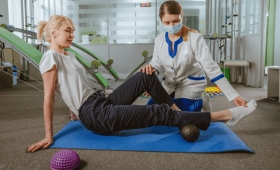
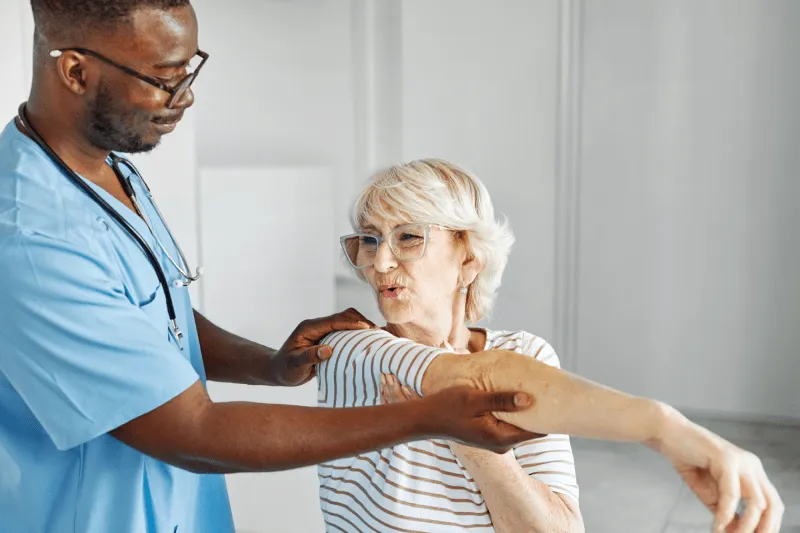
- Phase 1 (0-6 weeks): Immobilization in a sling, pain and edema control, gentle range of motion exercises, focusing on pendulum exercises.
- Phase 2 (6-12 weeks): Progressive range of motion and strengthening exercises, rotator cuff and scapular stabilization.
- Phase 3 (12-16 weeks): Return to functional activities, sport-specific training, and gradual increase in activity level.
- Phase 4 (4-6 months): Full return to sport, continued strengthening and conditioning.
CureHoliday.com provides ongoing support throughout the entire journey, including pre-operative assessment, surgeon selection, logistical arrangements (flights, accommodation, transfers), post-operative physiotherapy coordination, and 24/7 medical support. Recovery hubs in Istanbul (city/boutique), Antalya (resort/beach), and Izmir (Aegean/thermal) cater to diverse preferences, offering optimal environments for healing and rehabilitation. We ensure all medical facilities meet stringent international standards, providing peace of mind for our patients.
Shoulder Labrum Repair: Recovery Logistics & Cost Audit – A CureHoliday.com Perspective
For overhead athletes – baseball pitchers, tennis players, volleyball players, and swimmers – a shoulder labrum tear represents a potentially career-altering injury. While arthroscopic labrum repair has become the gold standard for restoring glenohumeral joint stability and function, the post-operative recovery period is critical. This pillar delves into optimized recovery logistics, particularly focusing on the burgeoning medical tourism opportunity in Turkey, and presents a detailed cost audit comparing Turkish facilities in Antalya and Istanbul against typical Western healthcare pricing. We will explore considerations beyond the surgical procedure itself, encompassing rehabilitation protocols, potential complications, and the holistic patient experience.
Post-Operative Rehabilitation: Phased Progression & Neuromuscular Re-education
Following arthroscopic labrum repair (typically involving Bankart lesion repair, SLAP repair, or a combination), a structured rehabilitation program is paramount. This isn’t merely about regaining range of motion; it’s about restoring proprioception – the body’s awareness of its position in space. This is achieved through a phased approach. Phase I (Weeks 0-6) focuses on pain and edema control, protection of the repair, and gentle range-of-motion exercises, utilizing a sling for immobilization. We emphasize early neuromuscular re-education, activating the rotator cuff and scapular stabilizers – specifically the supraspinatus, infraspinatus, teres minor, and subscapularis – even during immobilization using isometric contractions. This prevents significant muscle atrophy and primes the musculature for later phases.
Phase II (Weeks 6-12) introduces progressive strengthening, starting with isokinetic exercises and progressing to light resistance training. A key focus here is addressing potential compensatory movement patterns. Post-operative labral repair can disrupt normal biomechanics, leading to reliance on secondary muscles. Detailed biomechanical analysis, often using motion capture technology, is crucial to identify and correct these imbalances. Phase III (Weeks 12-16) focuses on advanced strengthening, plyometrics, and sport-specific training. We employ functional progression drills, simulating the demands of the athlete’s sport. Finally, Phase IV (Weeks 16+) is the return-to-sport phase, carefully monitored and individualized based on objective measures such as validated shoulder function scores (e.g., DASH, Simple Shoulder Test) and performance testing. A crucial element frequently overlooked is addressing any concurrent intra-articular pathology such as cartilage damage, potentially requiring viscosupplementation or PRP (Platelet-Rich Plasma) injections to optimize long-term outcomes.
Turkey as a Recovery Hub: Antalya vs. Istanbul vs. Izmir
Turkey is rapidly gaining recognition as a premier destination for medical tourism, offering high-quality orthopedic care at significantly reduced costs. We’ve identified three key recovery hubs, each catering to different patient preferences:
- Istanbul (City/Boutique): Ideal for patients seeking a vibrant urban environment with easy access to cultural attractions and diverse dining options. Facilities range from world-class hospitals in the city center to more intimate, boutique recovery centers offering personalized care. The density of specialist surgeons in Istanbul provides greater choice.
- Antalya (Resort/Beach): Perfect for athletes requiring a more relaxed and rehabilitative atmosphere. The Mediterranean climate and resort infrastructure facilitate outdoor rehabilitation, including hydrotherapy and controlled beach-based exercises. This environment can significantly improve patient morale and adherence to the rehabilitation program.
- Izmir (Aegean/Thermal): A growing option leveraging the region’s thermal springs. Thermal therapy can aid in pain management, reduce muscle spasms, and promote tissue healing – a valuable adjunct to traditional physiotherapy.
The choice of location depends heavily on the individual athlete’s personality, recovery goals, and preferences. CureHoliday.com offers bespoke recovery packages tailored to each hub, including accommodation, physiotherapy, nutritional support, and transportation.
2026 Cost Audit: Antalya/Istanbul vs. Western Countries
Our 2026 cost audit demonstrates substantial savings for patients opting for shoulder labrum repair and recovery in Turkey. Costs are broken down into surgical fees, anesthesia, hospital stay (average of 3-5 days), physiotherapy (estimated 6-9 months), accommodation, and associated travel expenses. All figures are estimates and subject to individual patient needs and surgeon experience.
| Procedure & Location | USD | EUR | GBP |
|---|---|---|---|
| Shoulder Labrum Repair (Istanbul) | $4,500 – $7,000 | €4,000 – €6,200 | £3,400 – £5,300 |
| Shoulder Labrum Repair (Antalya) | $5,000 – $7,500 | €4,400 – €6,600 | £3,700 – £5,600 |
| Shoulder Labrum Repair (USA) | $15,000 – $30,000+ | €13,500 – €27,000+ | £11,500 – £23,000+ |
| Shoulder Labrum Repair (UK) | $12,000 – $25,000+ | €11,000 – €22,000+ | £9,500 – £21,000+ |
| Shoulder Labrum Repair (Germany) | $10,000 – $20,000+ | €9,000 – €18,000+ | £7,800 – £15,000+ |
These figures exclude airfare, which varies significantly based on origin. However, even factoring in travel expenses, the overall cost savings remain substantial. It’s critical to note that Turkish facilities consistently meet international standards. All partner hospitals are JCI (Joint Commission International) Accredited and stringently regulated by the Turkish Ministry of Health. Furthermore, most UK/US/EU citizens are eligible for an E-visa granting a 90-day stay.
The Final Medical Verdict: Minimizing Risk & Maximizing Outcomes
While cost savings are attractive, patient safety and clinical outcomes are paramount. We rigorously vet all partner surgeons, ensuring board certification, subspecialty training in shoulder surgery, and a proven track record of successful labrum repairs. We also emphasize the importance of pre-operative optimization – addressing any underlying medical conditions, optimizing nutrition, and completing a thorough pre-habilitation program to maximize post-operative recovery potential. Post-operative monitoring, including regular telehealth consultations and access to comprehensive medical records, is included in our CureHoliday.com packages. We provide detailed discharge summaries translated into multiple languages, ensuring continuity of care upon return home.
A potential, though rare, complication to consider is post-operative stiffness, particularly in individuals with pre-existing adhesive capsulitis risk factors. Proactive range-of-motion exercises, guided by a qualified physiotherapist, are crucial for preventing this. Another consideration is recurrent instability, which may necessitate revision surgery. Careful patient selection, meticulous surgical technique, and adherence to the rehabilitation protocol minimize this risk.
Ready to consult a specialist? Schedule a Free Consultation for Shoulder Labrum Repair in Turkey with cureholiday.com
Free Consultation
Fill out the form below to get your free medical travel plan and price quote.
Sources and how to verify this yourself
- Ministry of Health, Regulation on International Health Tourism and Tourist Health, Official Gazette 26 April 2025, No. 32882 — authorisation requirement for facilities and intermediaries, TÜSKA accreditation, compulsory complication insurance (deadline 31 December 2025 for insurance, 31 December 2026 for accreditation). source
- Ministry of Health, Regulation on Promotion and Information Activities in Health Services, Official Gazette 12 November 2025, No. 33075 — treatment promises and guarantees are prohibited; price and campaign announcements are permitted only within international health tourism. source