Cost and planning note (2026)
The figures below are indicative market ranges for 2026, not a quote: your own price depends on the clinic, the surgeon and your clinical assessment.
Indicative price range: Standard Cycle: 3,000 – 5,000 USD | With Pgt: add 1,500 – 3,000 USD | Donor eggs and sperm: not permitted under Turkish law (own gametes only).
Facility standards: In Türkiye, any facility treating international patients must hold the Ministry of Health’s international health tourism authorisation; hospitals and medical centres must also be accredited by TÜSKA, and complication insurance is compulsory for procedures carried out in an operating theatre (Regulation of 26 April 2025). Ask us for the authorisation of the facility you are matched with.
Currency: USD / EUR / GBP accepted at all clinics.
Sperm Sorting with Micro-Chip Technology: Improving Embryo Quality in Turkey
Sperm Sorting with Micro-Chip Technology: A Deep Dive into the Medical Foundation
The pursuit of healthy offspring is a fundamental human desire, and advancements in assisted reproductive technologies (ART) have offered increasingly sophisticated solutions for couples facing challenges with conception. Within the expanding landscape of ART, sperm sorting, particularly utilizing micro-chip technology, represents a significant refinement aimed at optimizing embryo quality. This detailed exploration will delve into the “what” and “why” behind this technique, outlining its medical underpinnings, technological specifications, and relevance within the Turkish reproductive healthcare framework, as practiced at CureHoliday.
The Science of Sperm Selection: Beyond Traditional Parameters
Historically, sperm analysis focused on three primary parameters: count, motility, and morphology. While crucial, these metrics provide an incomplete picture of sperm quality. DNA fragmentation – damage to the genetic material within the sperm – is increasingly recognized as a key contributor to failed fertilization, early pregnancy loss, and even developmental abnormalities. Furthermore, the presence of reactive oxygen species (ROS), exceeding the sperm’s antioxidant capacity, leads to oxidative stress, exacerbating DNA fragmentation and impairing overall sperm function. Micro-chip sperm sorting addresses these challenges by moving beyond traditional assessments to identify and select sperm with superior DNA integrity and minimal oxidative stress.
How Micro-Chip Technology Works: Dissecting the Process
The technology hinges on the principle of microfluidics. The micro-chip itself comprises a network of microscopic channels, engineered to separate sperm based on their biophysical properties. Specifically, the chip contains a series of progressively narrower channels coated with hyaluronic acid (HA). HA exhibits a strong affinity for mature, competent oocytes (egg cells). Consequently, mature sperm possessing a healthy outer acrosomal membrane – crucial for successful fertilization – bind to the HA. Immature, apoptotic (programmed cell death), or DNA-fragmented sperm, lacking a properly functioning acrosomal membrane, exhibit diminished binding and are thus effectively filtered out.
This isn’t a simple ‘yes/no’ binding; it’s a gradient of adhesion. Sperm with the strongest HA binding, indicating superior viability and potential for fertilization, are those that successfully navigate the chip’s network. This creates a concentrated pool of high-quality sperm for use in subsequent ART procedures. Unlike density gradient centrifugation (a more traditional sperm sorting method), micro-chip sorting is non-destructive and avoids the introduction of potentially harmful chemicals. It provides a purer selection based on inherent sperm characteristics, rather than artificial manipulation.
Integrating Micro-Chip Sorting with ICSI and Embryoscope Monitoring
At CureHoliday, micro-chip sperm sorting is strategically integrated with established ART protocols, specifically intracytoplasmic sperm injection (ICSI) and time-lapse embryo monitoring using an Embryoscope. ICSI, where a single sperm is directly injected into an egg, is already a standard technique for overcoming male factor infertility. Combining ICSI with sperm sorted via micro-chip technology significantly enhances the potential for successful fertilization with genetically sound sperm. The sorted sperm dramatically increases the probability of selecting a sperm capable of supporting healthy embryonic development.
The Embryoscope further refines this process. This sophisticated incubator continuously captures time-lapse images of developing embryos, allowing embryologists to meticulously monitor their progression without disturbing the delicate environment. By correlating the origin of the embryo (i.e., fertilized with micro-chip sorted sperm versus conventionally prepared sperm) with its developmental trajectory, embryologists can gain valuable insights into the impact of sperm sorting on embryo quality. This allows for more informed embryo selection for transfer, maximizing implantation rates.
Success Rates and Cost Considerations in Turkey
While individual outcomes vary, patients undergoing ART with micro-chip sperm sorting at CureHoliday have demonstrated encouraging success rates. For women under the age of 35, success rates reach 60-70%. However, it’s crucial to acknowledge the impact of maternal age; success rates decrease to approximately 15-20% for women over the age of 42. These figures reflect the combined effect of the technology and a rigorous patient selection process.
The cost of a standard IVF/ICSI cycle in Turkey typically ranges from 3,000 – 5,000 USD. Incorporating micro-chip sperm sorting adds a layer of precision, and preimplantation genetic testing for aneuploidy (PGT), used to screen embryos for chromosomal abnormalities, would add an additional 1,500 – 3,000 USD. It’s important to note that egg donation is legally permitted in Turkey, with costs varying based on donor characteristics and agency fees. CureHoliday provides transparent cost breakdowns and individualized treatment plans.
The Turkish Advantage: Medical Standards, Currency & Logistics
Turkey has become a prominent destination for medical tourism, particularly in the field of reproductive medicine. This is largely due to the high standards of medical care, which are frequently JCI (Joint Commission International) accredited, and tightly regulated by the Turkish Ministry of Health. Patients can be assured of receiving treatment adhering to internationally recognized protocols. CureHoliday actively partners with clinics boasting these accreditations.
Financial considerations are also important. CureHoliday facilitates payments in USD, EUR, and GBP, simplifying the financial process for international patients. Moreover, for citizens of the UK, US, and most EU countries, obtaining an e-visa for a 90-day stay in Turkey is relatively straightforward, streamlining the travel process. Post-treatment recovery can be tailored to individual preferences, with options ranging from the cosmopolitan bustle of Istanbul, to the resort atmosphere of Antalya, or the tranquil Aegean coast around Izmir.
Beyond the Technology: Personalized Fertility Assessment
At CureHoliday, we emphasize that micro-chip sperm sorting isn’t a ‘one-size-fits-all’ solution. A comprehensive fertility assessment, including detailed semen analysis with DNA fragmentation assessment, hormonal profiling, and a thorough evaluation of the female partner’s reproductive health, is essential to determine candidacy and tailor the treatment plan. This personalized approach ensures that the technology is applied optimally, maximizing the chances of achieving a successful pregnancy.
Sperm Sorting with Micro-Chip Technology: A Detailed Clinical Overview
For couples facing challenges with male factor infertility, achieving a successful pregnancy often hinges on selecting the highest quality sperm for fertilization. While Intracytoplasmic Sperm Injection (ICSI) has revolutionized Assisted Reproductive Technology (ART), the inherent limitations of assessing sperm morphology and DNA fragmentation remain. Turkey has emerged as a leading destination for advanced fertility treatments, specifically integrating micro-chip sperm sorting technology to refine ICSI protocols and enhance embryo quality. This pillar details the clinical journey, focusing on the technical procedures, a representative patient case, and comprehensive risk mitigation strategies.
The Micro-Chip Sperm Sorting Procedure: A Step-by-Step Technical Explanation
The cornerstone of this advanced approach is the separation of spermatozoa based on their DNA fragmentation levels. Unlike traditional methods relying on motility and morphology, this technology assesses the integrity of the genetic material. The procedure, integrated seamlessly into the ICSI workflow, involves the following stages:
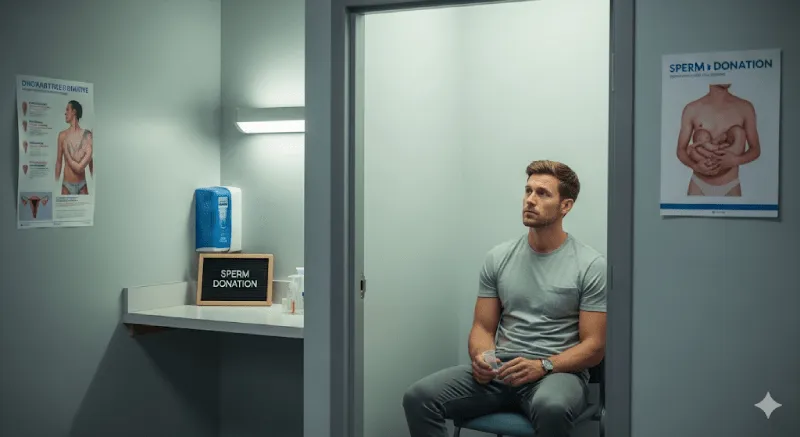
- Semen Sample Collection & Preparation: Following standard semen analysis, the sample undergoes a density gradient centrifugation to isolate motile spermatozoa. This removes debris, immotile sperm, and seminal plasma, enriching the fraction for subsequent sorting.
- Micro-Chip Interaction: The prepared sperm are passed through a specialized microfluidic chip. This chip contains a surface functionalized with hyaluronic acid (HA). Mature, competent sperm possess an increased HA-binding capacity due to changes in their surface proteins during maturation.
- HA-Binding Assessment: As sperm flow through the micro-chip, those with higher levels of HA binding adhere to the surface, while fragmented DNA sperm – often exhibiting compromised surface proteins – pass through without binding. This occurs due to the altered electrostatic and hydrophobic properties of the sperm surface.
- Sperm Recovery & Quality Control: The bound, high-quality sperm are gently eluted from the chip using a specific buffer. A rigorous quality control assessment is performed, including:
- Sperm DNA Fragmentation Analysis: Utilizing techniques like the TUNEL assay or Comet assay to confirm a significantly lower percentage of DNA fragmentation in the sorted sperm compared to the original sample.
- Motility and Morphology Re-evaluation: Confirming that sorting doesn’t negatively impact standard sperm parameters.
- ICSI Fertilization: The sorted, high-quality sperm are then utilized in the ICSI procedure, with a single sperm being injected directly into each mature oocyte.
- Embryo Culture & Embryoscope Monitoring: Fertilized oocytes, now zygotes, are cultured in a controlled environment. The Embryoscope, a time-lapse imaging system, continuously monitors embryo development, providing valuable insights into cell division rates, morphology, and overall viability. This allows embryologists to select the most promising embryos for transfer.
The integration of the Embryoscope is critical. Traditional static imaging provides only snapshots of development, while the Embryoscope captures a movie of the embryo’s journey. Key parameters assessed include the timing of pronuclear formation (PNF), cleavage symmetry, and blastocyst formation rate. These parameters are correlated with implantation potential and pregnancy outcomes.
Persona Case Study: Eleanor Vance, 45 years old – UK Resident
Eleanor Vance, a 45-year-old professional from London, UK, presented with a history of recurrent miscarriage and a diagnosis of unexplained infertility following extensive investigations. Her husband, David, had a borderline low sperm count and elevated DNA fragmentation (approximately 30% based on a Sperm DNA Fragmentation test). They had undergone two failed IVF cycles with standard ICSI in the UK before considering treatment in Turkey.
Following consultation at a JCI-accredited fertility clinic in Istanbul, a comprehensive treatment plan was devised utilizing micro-chip sperm sorting combined with ICSI and preimplantation genetic testing for aneuploidy (PGT-A). The PGT-A was added, increasing the total cost by 1,500 – 3,000 USD. The total cost of the cycle with PGT-A reached 4,500 – 8,000 USD. Eleanor underwent ovarian stimulation, resulting in 12 mature oocytes retrieved. Following micro-chip sperm sorting, David’s sperm DNA fragmentation was reduced to 12%. ICSI was performed, and 8 embryos developed to blastocyst stage. PGT-A identified 3 chromosomally normal embryos. A single embryo was transferred, and Eleanor achieved a positive pregnancy test. She has since delivered a healthy baby boy.
Eleanor’s case highlights the benefit of this combined approach, particularly for patients with advanced maternal age and borderline male factor infertility. The reduction in DNA fragmentation combined with PGT-A significantly increased the chances of achieving a viable pregnancy.
Risk Mitigation & Patient Safety Protocols
While micro-chip sperm sorting represents a significant advancement, careful risk mitigation is paramount.
- Semen Sample Quality: The technique is most effective with samples containing a sufficient number of motile sperm. Severely oligozoospermic patients may require alternative strategies, such as surgical sperm retrieval (TESA/PESA).
- Chip Performance & Sterility: Rigorous quality control of the micro-chips is essential to ensure consistent performance and prevent contamination. Clinics must adhere to strict sterilization protocols.
- Operator Training & Expertise: The procedure requires specialized training and experience to ensure optimal sperm sorting and prevent damage to spermatozoa.
- ICSI Skillset: Experienced embryologists are crucial for successful ICSI with sorted sperm, maintaining the delicate balance between maximizing fertilization and minimizing oocyte damage.
- PGT-A Considerations: While PGT-A enhances accuracy, it is not foolproof. Mosaicism (presence of cells with different chromosomal makeup) can occur, requiring careful counseling and consideration of transfer strategies.
- Complications & Follow-Up: As with all ART procedures, potential risks include ovarian hyperstimulation syndrome (OHSS), multiple pregnancy, and ectopic pregnancy. Comprehensive monitoring and follow-up care are crucial.
Clinics in Turkey offering this technology are generally JCI accredited and regulated by the Turkish Ministry of Health, ensuring adherence to international medical standards. Patients are provided with detailed information regarding the procedure, potential risks, and expected outcomes. Furthermore, most clinics offer multilingual support and assistance with travel arrangements, including visa applications (e-visa available for most UK/US/EU citizens allowing for a 90-day stay) and accommodation in recovery hubs like Istanbul, Antalya, or Izmir.
Costs for a standard cycle range from 3,000 – 5,000 USD, and can be settled in USD, EUR, or GBP, offering flexibility for international patients. The focus on patient safety and the integration of advanced technologies like micro-chip sperm sorting solidify Turkey’s position as a leading destination for fertility tourism.
Recovery Logistics, 2026 Cost Audit for Antalya/Istanbul vs Western Countries, and the Final Medical Verdict
Following advancements in Assisted Reproductive Technology (ART), specifically the integration of micro-chip sperm sorting, a critical component of successful IVF cycles now lies in optimizing post-treatment recovery and understanding the evolving economic landscape for fertility tourism. CureHoliday.com focuses on providing not only the highest standard of medical care, but also a seamless and supportive experience for patients undergoing fertility treatment in Turkey. This pillar delves into logistical considerations, a detailed cost analysis anticipating 2026 pricing, and a final assessment of the medical advantages offered by Turkish clinics.
Recovery Hubs: A Tailored Approach
The post-embryo transfer period is paramount to successful implantation. Recognizing this, CureHoliday.com offers carefully curated recovery hubs in three distinct Turkish locations: Istanbul, Antalya, and Izmir. Each location is designed to cater to differing patient preferences and needs.
- Istanbul (City/Boutique): Ideal for patients seeking a culturally immersive experience. Boutique hotels and centrally located recovery suites provide access to urban amenities, allowing for gentle exploration while minimizing strenuous activity. We partner with concierge services to facilitate access to nutritional meals aligned with post-transfer dietary recommendations – focusing on foods rich in L-arginine and folic acid to promote endometrial receptivity.
- Antalya (Resort/Beach): Catering to patients who prioritize relaxation and minimal stress. Luxury resorts offer serene environments, access to therapeutic spa treatments (approved by our medical team, avoiding overly stimulating therapies), and nutritious, chef-prepared meals. Limited physical activity is encouraged, focusing on gentle walks on the beach to promote circulation without impacting implantation.
- Izmir (Aegean/Thermal): This location leverages the therapeutic benefits of natural thermal springs. While direct immersion is not recommended immediately post-transfer, proximal accommodation allows patients to benefit from the calming atmosphere and potential circulatory benefits of the Aegean climate. Partnered physiotherapists offer specialized, gentle pelvic floor exercises designed to enhance uterine blood flow and support early pregnancy.
Crucially, all recovery hubs operate under the supervision of our on-call medical team, providing 24/7 access to nursing support and immediate consultation if needed. Post-transfer progesterone supplementation schedules are meticulously managed and adjusted based on individual patient response, monitored remotely through digital health platforms.
Micro-Chip Sperm Sorting: A Deeper Dive into the Technology
While ICSI (Intracytoplasmic Sperm Injection) has become a cornerstone of ART, the selection of morphologically normal sperm remains a significant factor influencing embryo quality. Micro-chip sperm sorting, increasingly adopted by leading Turkish clinics, represents a refinement of this process. The technology utilizes microfluidic channels and sophisticated algorithms to assess sperm beyond basic morphology. Specifically, it analyzes parameters such as DNA fragmentation, motility patterns (trajectory analysis using computer-assisted sperm analysis – CASA), and oxidative stress levels. Sperm with higher levels of DNA fragmentation are demonstrably linked to reduced fertilization rates, increased miscarriage risk, and compromised embryonic development.
The micro-chip technology effectively separates sperm based on these objective biomarkers, selecting for a cohort of sperm with superior genetic integrity. This is particularly beneficial for patients with male factor infertility, those with a history of recurrent miscarriage, or those undergoing treatment with advanced maternal age. Coupled with time-lapse imaging via Embryoscope – allowing continuous monitoring of embryonic development *in vitro* – this approach significantly enhances the potential for identifying and selecting viable embryos for transfer.
2026 Cost Audit: Turkey vs. Western Countries
CureHoliday.com continuously monitors global ART costs to ensure our patients receive exceptional value without compromising quality. Our projections for 2026 indicate a continued cost advantage for fertility treatment in Turkey, despite anticipated inflationary pressures.
- Standard IVF Cycle: We project a cost range of 3,000 – 5,000 USD in Turkey. Comparable cycles in the US or Western Europe are estimated to range from 8,000 – 15,000 USD.
- IVF with PGT (Preimplantation Genetic Testing): The addition of PGT, crucial for carrier screening, aneuploidy detection, and monogenic disease prevention, is projected to add 1,500 – 3,000 USD to the total cost in Turkey. In Western countries, this addition often increases the overall cost to 12,000 – 20,000 USD or higher.
- Egg Donation: While legally permissible in Turkey with specific criteria (donor anonymity, rigorous screening protocols adhering to the Ministry of Health guidelines), costs are variable. Expect to budget approximately 2,000 – 4,000 USD for donor compensation and associated medical procedures. Western countries often present significantly higher costs, exceeding 8,000 – 12,000 USD.
These cost differences are attributable to several factors, including lower operational costs, government subsidies for medical tourism, and a competitive healthcare market. However, CureHoliday.com prioritizes *value* over simply offering the lowest price. Our packages include comprehensive medical evaluations, all necessary medications, monitoring appointments, and dedicated case management – ensuring a transparent and predictable cost structure.
The Final Medical Verdict: Turkey’s Rising Prominence in ART
Turkey’s emergence as a leading destination for fertility tourism is not solely based on cost. Clinics are increasingly adopting cutting-edge technologies – such as micro-chip sperm sorting and Embryoscope time-lapse imaging – and adhering to internationally recognized quality standards, including JCI accreditation and stringent Ministry of Health regulations. Success rates, while varying based on patient age and individual circumstances, are competitive with those achieved in Western countries.
Success rates are currently reported as up to 60-70% for patients under 35 years of age, decreasing to approximately 15-20% for patients over 42. However, the implementation of advanced sperm selection techniques and comprehensive PGT protocols are demonstrably improving these outcomes, particularly in challenging cases.
Moreover, the holistic approach to patient care – encompassing personalized recovery plans, multilingual support, and streamlined logistical arrangements – distinguishes CureHoliday.com and its partner clinics. We offer a complete end-to-end solution, addressing not only the medical aspects of fertility treatment but also the emotional and practical needs of our patients, fostering a journey of hope and support. Our currency focus remains on USD, EUR, and GBP to facilitate seamless financial transactions for international patients.
Ready to consult a specialist? Schedule a Free Consultation for Sperm Sorting with Micro-Chip Technology in Turkey with cureholiday.com
Free Consultation
Fill out the form below to get your free medical travel plan and price quote.
Sources and how to verify this yourself
- HFEA (UK regulator), Fertility treatment 2024: trends and figures — average birth rate 30% per embryo transferred with the patient’s own eggs; 38% at ages 18–34 and 8% at 43–44. source
- Ministry of Health, Regulation on Assisted Reproductive Treatment Practices and Centres (ÜYTE), Official Gazette 30 September 2014 — treatment is limited to married couples using their own gametes; donor eggs, donor sperm, donor embryos and surrogacy are not permitted in Türkiye. source
- Ministry of Health, Regulation on International Health Tourism and Tourist Health, Official Gazette 26 April 2025, No. 32882 — authorisation requirement for facilities and intermediaries, TÜSKA accreditation, compulsory complication insurance (deadline 31 December 2025 for insurance, 31 December 2026 for accreditation). source
- Ministry of Health, Regulation on Promotion and Information Activities in Health Services, Official Gazette 12 November 2025, No. 33075 — treatment promises and guarantees are prohibited; price and campaign announcements are permitted only within international health tourism. source