Cost and planning note (Mommy Makeover 2026)
The figures below are indicative market ranges, not a quote: your own price is confirmed after a clinical assessment.
Indicative price range: Standard Package: 4,500 – 7,500 USD | Advanced Combination: 8,000 – 12,000 USD | Tummy Tuck: 3,000 – 5,000 USD | Breast Lift: 2,500 – 4,500 USD | Liposuction Per Area: 500 – 1,500 USD | Bbl Fat Transfer: 3,500 – 5,500 USD
Facility standards: In Türkiye, any facility treating international patients must hold the Ministry of Health’s international health tourism authorisation; hospitals and medical centres must also be accredited by TÜSKA, and complication insurance is compulsory for procedures carried out in an operating theatre (Regulation of 26 April 2025).
Recovery Focus: Post-pregnancy body restoration & safety first.
Currency: GBP, EUR, USD accepted.
The Role of Yoga and Pilates in Maintaining your Turkish Surgical Results
Rehabilitating the Core: The Synergy of Pilates and Surgical Reconstruction
Post-pregnancy restoration is more than a cosmetic endeavor; it is a physiological recalibration. When patients undergo procedures such as a Tummy Tuck or Diastasis Recti repair, the surgical objective is to restore the structural integrity of the abdominal wall. However, the longevity of these results depends heavily on the patient’s ability to engage the deep stabilizing musculature through disciplined movement, specifically Pilates and Yoga. While a surgeon can perform the internal corset suturing of the abdominal fascia, it is the patient’s post-operative movement patterns that determine the permanence of that tension.
In a Diastasis Recti repair, the surgeon addresses the separation of the rectus abdominis by re-approximating the torn edges of the linea alba. This technical process involves complex internal suturing to create a new, tightened “corset” effect. While this provides the immediate anatomical correction, the deep transverse abdominis (TVA) must be retrained to support this new structure. Pilates is the gold standard for this period of rehabilitation because it emphasizes pelvic stability and the activation of the TVA without the high-impact intra-abdominal pressure found in traditional crunches, which could potentially compromise the surgical sutures.
“The success of a Mommy Makeover is measured not just by the aesthetic contour, but by the restoration of functional core stability. Surgical excellence in Turkey provides the foundation, but controlled, low-impact movement provides the maintenance.”
The Science of Sculpting: Vaser Liposuction and Lymphatic Flow
For patients seeking high-definition contouring through Vaser Liposuction, the integration of gentle Yoga can be transformative. Vaser technology is a specialized form of ultrasound-assisted liposuction that uses ultrasonic energy to emulsify fat cells while sparing surrounding tissues, such as nerves and blood vessels. This precision allows for minimal bruising and a more refined aesthetic. However, the postoperative period involves managing interstitial fluid and preventing the formation of localized fibrosis.
Yoga, particularly restorative styles, promotes lymphatic drainage and enhances circulation. This is critical for patients who have undergone more extensive body contouring, such as the advanced combination packages which often range from 8,000 – 12,000 USD. By facilitating the movement of lymph, gentle stretching helps reduce post-surgical edema and ensures that the newly sculpted contours—achieved through liposuction per area at 500 – 1,500 USD—remain smooth and defined. Furthermore, for patients undergoing a BBL (Brazilian Butt Lift) fat transfer, which typically costs between 3,500 – 5,500 USD, avoiding heavy compression or direct pressure on the donor/recipient sites during the initial weeks is vital. Pilates-based movements that focus on the upper body and pelvic floor stability can be implemented once the surgical site has reached the necessary healing milestones.
Safety Benchmarks and the Recovery Timeline
Adhering to a strict recovery protocol is non-negotiable for preserving the integrity of breast implants and abdominal tension. Whether a patient chooses Motiva, Mentor, or Polytech (all JCI approved) implants for a breast lift, the initial healing phase requires absolute physical restraint. The surgical timeline is generally divided into two distinct phases:
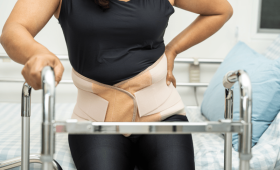
- The Acute Phase (7-10 days): During this period in Turkey, the focus is on wound healing and managing swelling. Movement should be limited to short, gentle walks within the 5-star recovery suites to prevent deep vein thrombosis (DVT).
- The Reintegration Phase (Up to 6 weeks): This is the period where the body begins to stabilize. Full return to vigorous exercise is only permitted after 6 weeks, once the surgeon has confirmed that the fascia and implants have settled into their new positions.
During this 6-week window, patients should avoid any “inverted” yoga poses (such as headstands) that increase intra-abdominal pressure, as this could potentially strain the internal abdominal sutures used in Full, Mini, or Extended (360) Tummy Tucks. The goal is to maintain a state of “active rest,” where the body is encouraged to heal without the risk of dehiscence or implant displacement.
Why Turkey Remains the Global Epicenter for Post-Pregnancy Restoration
The decision to undergo a Mommy Makeover in Turkey is driven by the convergence of world-class surgical precision and a highly specialized recovery infrastructure. The ability to access complex procedures, such as a standalone Tummy Tuck (3,000 – 5,000 USD) or a Breast Lift (2,500 – 4,500 USD), at a fraction of Western costs, is only one component of the Turkish medical advantage. The true distinction lies in the comprehensive care model.
The logistical seamlessness allows patients to focus entirely on the physiological demands of healing. Upon arrival at Istanbul (IST) or Antalya (AYT), patients are met with VIP private transfers that escort them directly to their recovery accommodations. The availability of 5-star recovery suites, which include companion stay options, ensures that the post-operative environment is one of luxury and low stress—an essential factor in lowering cortisol levels and promoting faster tissue regeneration.
Furthermore, the standard of care begins long before the patient reaches the operating theater. Through the use of free online video assessments, Cure Holiday specialists and board-certified surgeons can evaluate the degree of diastasis recti or skin laxity, providing a personalized surgical roadmap. This level of pre-operative scrutiny ensures that the patient’s exercise rehabilitation plan—including their transition into Pilates and Yoga—is customized to their specific surgical outcomes, whether they are utilizing a standard package (4,500 – 7,500 USD) or a more complex, multi-area reconstruction.
By combining the advanced technical capabilities of Turkish plastic surgery—such as Vaser-assisted contouring and high-grade JCI-approved implants—with a disciplined approach to post-operative movement, patients can achieve a permanent, functional, and aesthetic transformation that survives the rigors of an active lifestyle.
The Synergy of Structural Surgery and Somatic Movement
While the precision of a surgical intervention—such as Vaser Liposuction or a complex abdominoplasty—creates the initial aesthetic transformation, the long-term durability of these results relies heavily on the integration of somatic disciplines. For patients undergoing advanced combination surgeries, the surgical event is merely the blueprint; the subsequent physical conditioning via Pilates and Yoga serves as the structural reinforcement. To maintain the high-definition contours achieved through medical excellence, one must understand the physiological interplay between tissue healing and muscular engagement.
The objective of modern body contouring is not merely fat removal, but the permanent realignment of the body’s silhouette. When a surgeon performs a Diastasis Recti repair, they are essentially performing an internal reconstruction, where the internal corset suturing of the abdominal fascia is used to close the separation of the rectus abdominis muscles. This creates a new, tighter physiological foundation. However, without a disciplined approach to core stability—specifically through the low-impact, deep-muscle engagement found in Pilates—the mechanical stress of daily life can potentially compromise the integrity of this newly sutured fascia.
Case Study: Restoring Maternal Vitality
To understand the profound impact of combining surgical innovation with post-operative movement, consider the journey of a 34-year-old Irish mother of three. Seeking to address postpartum abdominal laxity and a loss of hip projection, she opted for an advanced combination surgery, with an investment ranging from 8,000 – 12,000 USD.
Her surgical plan was multi-faceted, designed to address both volume loss and skin redundancy. The procedure included:
- Full Abdominoplasty: Addressing the skin laxity with an extended technique, costing approximately 3,000 – 5,000 USD.
- BBL (Brazilian Butt Lift) Fat Transfer: Reintroducing harvested fat to the gluteal region, valued at 3,500 – 5,500 USD.
- Targeted Liposuction: Using Vaser Liposuction for high-definition contouring of the flanks, with costs ranging from 500 – 1,500 USD per area.
The patient’s journey began with free online video assessments with board-certified plastic surgeons, ensuring her anatomical goals were aligned with surgical possibilities. Following her arrival via VIP private transfers from Istanbul (IST), she transitioned into a 5-star recovery suite. Her recovery timeline was strictly managed: a 7-10 day stay in Turkey followed by a gradual 6-week period before a full return to intensive exercise.
“The surgery provided the silhouette, but the Pilates program provided the stability. Without the focus on pelvic floor and transverse abdominis activation, the ‘internal corset’ would have felt fragile. The movement allowed me to inhabit my new shape with confidence.”
Pilates: The Architect of the Internal Corset
For patients who have undergone abdominal procedures, Pilates is not merely an exercise; it is a rehabilitative necessity. The technical essence of Pilates lies in its focus on the “powerhouse”—the deep muscles of the abdomen, including the transversus abdominis, multifidus, and pelvic floor. This is particularly critical following a Diastasis Recti repair.
Post-operatively, the goal is to prevent the intra-abdominal pressure from stretching the newly sutured fascia. Pilates utilizes controlled, rhythmic movements that emphasize spinal alignment and breath control. Unlike traditional weightlifting, which can create significant abdominal bracing and outward pressure, Pilates promotes a “hollowing” effect. This strengthens the internal corset suturing of the abdominal fascia, ensuring that the abdominal wall remains flat and the surgical results of the tummy tuck (Full, Mini, or Extended/360) are preserved against the forces of gravity and movement.
Yoga: Lymphatic Drainage and Tissue Elasticity
While Pilates builds the structural strength, Yoga facilitates the physiological environment necessary for tissue remodeling. Following Vaser Liposuction, which uses ultrasound energy to emulsify fat cells with minimal bruising, the body undergoes a period of significant inflammation and fluid shifts. Gentle, restorative Yoga poses can act as a catalyst for lymphatic drainage, helping the body process the post-operative edema and reducing the risk of fibrosis.
Furthermore, for patients receiving breast augmentation with JCI-approved implants (such as Mentor, Motiva, or Polytech), Yoga provides the flexibility required to prevent capsular contracture. By performing gentle pectoral stretches and mobility work, patients can ensure that the implant settles naturally within the submuscular or subglandular pocket, maintaining a soft, anatomical appearance rather than a rigid, “bolted-on” look.
The Clinical Path to Long-Term Success
The transition from the surgical theatre to a sustainable lifestyle requires meticulous planning. The cost of the surgical intervention is a significant investment, whether it is a standard package (4,500 – 7,500 USD) or a complex reconstructive procedure. Therefore, the post-operative “maintenance” phase should be viewed as an extension of the surgical budget.
The following table outlines the integration of surgical milestones with movement milestones:
| Post-Op Phase | Surgical Focus | Movement Modality |
|---|---|---|
| Weeks 1-2 | Wound healing & Edema reduction | Restorative Yoga (Pranayama & Breathwork) |
| Weeks 3-6 | Fascial integration & Tissue settling | Gentle Pilates (Pelvic floor focus) |
| Week 6+ | Full muscular engagement | Advanced Pilates & Flow Yoga |
For those planning their transformation, the process begins long before the flight to Istanbul (IST) or Antalya (AYT). By engaging with Cure Holiday specialists, patients can receive guidance on how to prepare their bodies for surgery and, more importantly, how to prepare their movement practices for the journey ahead. The ultimate success of a tummy tuck, breast lift (2,500 – 4,500 USD), or BBL is measured not by the day the sutures are removed, but by the ability to move through life with a permanent, sculpted, and functional new physique.
The Biomechanics of Post-Surgical Tissue Remodeling
Following complex procedures like a Full, Mini, or Extended (360) Tummy Tuck, the abdominal wall undergoes significant structural remodeling. During the initial healing phase, the integrity of the fascia is paramount. Pilates, with its emphasis on deep core stabilization and the activation of the transversus abdominis, serves as a functional rehabilitation tool. However, this must be approached with clinical precision. While the surgical repair provides the foundational strength, the gradual reintroduction of controlled tension helps prevent the formation of hypertrophic scarring and promotes a more supple, natural transition between the treated and untreated tissues.
Similarly, for patients who have undergone Vaser Liposuction, which is utilized for high-definition contouring with minimal bruising, the role of lymphatic-focused movement is vital. The technology behind Vaser Lipo allows for precise fat cell emulsification, but the body’s ability to process the residual metabolic byproducts depends on efficient lymphatic drainage. Gentle, rhythmic movements found in restorative Yoga can stimulate the lymphatic system, reducing the risk of seromas and assisting in the smoothing of the newly contoured flanks. This is particularly crucial when the procedure involves multiple areas, where the liposuction per area cost typically ranges from 500 USD – 1,500 USD, making the maintenance of each treated zone a significant part of the patient’s total investment.
“The goal of post-operative somatic practice is not strength training, but rather the preservation of the surgical architecture through controlled, low-impact neuromuscular re-education.”
The Post-Operative Timeline: From Turkish Recovery to Global Reintegration
Managing the transition from the operating theatre to your home country requires meticulous logistical planning. The standard recovery protocol in Turkey is divided into two distinct phases. The first phase involves a 7-10 day stay in Turkey, typically spent in 5-star recovery suites with companion stay included. This period is dedicated to acute wound care, managing initial edema, and ensuring that the surgical site—whether it involves Mentor, Motiva, or Polytech (JCI approved) implants for a breast lift or augmentation—is stable. During this window, the focus is on rest and minimal movement to prevent any undue tension on the sutures.
The second phase is the transition toward “active recovery.” While patients are often cleared to fly home via Istanbul (IST) or Antalya (AYT) within the first week, the period of full physical mobilization is more extended. Patients should anticipate a 6 weeks window before a full return to high-impact exercise. It is during this 6-week window that the gradual introduction of Pilates-based core stabilization should begin, under the guidance of a medical professional, to ensure the Diastasis Recti repair or the fat transfer in a BBL (ranging from 3,500 USD – 5,500 USD) remains undisturbed by sudden intra-abdominal pressure.
Logistical Excellence: Managing Aftercare and Family Dynamics
The logistical complexity of surgical travel extends beyond the clinic. For many patients, the “aftercare” phase involves managing childcare, household responsibilities, and the physical limitations of post-op healing. This is why the concept of “post-op villa recovery” has become a cornerstone of the Turkish surgical experience. By utilizing luxury villas or premium recovery suites, patients can create a controlled environment that minimizes external stressors.
- VIP Private Transfers: Seamless movement from Istanbul (IST) or Antalya (AYT) to your recovery suite ensures that the physical strain of travel is minimized.
- Companion Integration: Many recovery packages include space for a companion, which is vital for patients managing the logistics of childcare or domestic duties upon their return home.
- Pre-Surgical Planning: Through free online video assessments with board-certified plastic surgeons, patients can discuss their post-op mobility limitations long before they arrive in Turkey, allowing them to arrange necessary home care.
2026 Fiscal Analysis: The Investment in Surgical Excellence
When planning for 2026, it is essential to view surgical costs through the lens of total value—incorporating the surgery, the luxury recovery, and the long-term maintenance. The cost differential between Turkey and the UK/USA remains significant, even when accounting for the premium 5-star aftercare and VIP logistics provided by Cure Holiday specialists.
Below is a breakdown of the projected 2026 pricing structures for common transformative procedures:
| Procedure Type | Estimated Cost (USD) |
|---|---|
| Standard Package (Comprehensive) | 4,500 – 7,500 USD |
| Advanced Combination (e.g., Lipo + BBL) | 8,000 – 12,000 USD |
| Tummy Tuck (Full/Mini/360) | 3,000 – 5,000 USD |
| Breast Lift | 2,500 – 4,500 USD |
| Liposuction (Per Area) | 500 – 1,500 USD |
| BBL (Fat Transfer) | 3,500 – 5,500 USD |
While these figures represent the surgical and local recovery investment, the primary advantage remains the ability to access world-class, JCI-approved technology and expertise at a fraction of the cost of Western healthcare systems, without compromising the luxury of the convalescence period.
Considering a Mommy Makeover in Turkey? Get a Free Quote for your The Role of Yoga and Pilates in Maintaining your Turkish Surgical Results Transformation with cureholiday.com
Free Consultation
Fill out the form below to get your free medical travel plan and price quote.
Sources and how to verify this yourself
- Ministry of Health, Regulation on International Health Tourism and Tourist Health, Official Gazette 26 April 2025, No. 32882 — authorisation requirement for facilities and intermediaries, TÜSKA accreditation, compulsory complication insurance (deadline 31 December 2025 for insurance, 31 December 2026 for accreditation). source
- Ministry of Health, Regulation on Promotion and Information Activities in Health Services, Official Gazette 12 November 2025, No. 33075 — treatment promises and guarantees are prohibited; price and campaign announcements are permitted only within international health tourism. source