Cost and planning note (Mommy Makeover 2026)
The figures below are indicative market ranges, not a quote: your own price is confirmed after a clinical assessment.
Indicative price range: Standard Package: 4,500 – 7,500 USD | Advanced Combination: 8,000 – 12,000 USD | Tummy Tuck: 3,000 – 5,000 USD | Breast Lift: 2,500 – 4,500 USD | Liposuction Per Area: 500 – 1,500 USD | Bbl Fat Transfer: 3,500 – 5,500 USD
Facility standards: In Türkiye, any facility treating international patients must hold the Ministry of Health’s international health tourism authorisation; hospitals and medical centres must also be accredited by TÜSKA, and complication insurance is compulsory for procedures carried out in an operating theatre (Regulation of 26 April 2025).
Recovery Focus: Post-pregnancy body restoration & safety first.
Currency: GBP, EUR, USD accepted.
When Can You Resume Heavy Lifting? The 6-Month Heavy Gym Rule
For many women, the physical aftermath of pregnancy is not merely about skin laxity; it is about a fundamental structural shift in the body’s anatomy. While many focus on the aesthetic “gap” in the abdominal wall, the physiological reality involves the separation of the rectus abdominis muscles and the stretching of the underlying fascia. This is why the transition back to high-intensity interval training (HIIT) or heavy weightlifting is often met with a strict medical mandate: the 6-month rule. Understanding the biological necessity of this timeline is crucial for anyone undergoing post-pregnancy restoration, particularly when procedures like abdominoplasty or diastasis recti repair are involved.
The Structural Mechanics of Diastasis Recti Repair
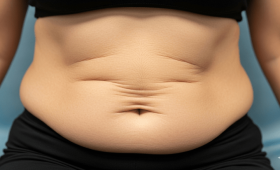
The core of post-pregnancy restoration lies in addressing Diastasis Recti—a condition where the connective tissue, known as the linea alba, thins and separates. While topical exercises or physical therapy may offer marginal improvements in mild cases, significant separation requires surgical intervention. Diastasis Recti repair involves internal corset suturing of the abdominal fascia.
During this procedure, the surgeon meticulously re-approximates the separated muscle bellies. This is not a surface-level aesthetic fix; it is an internal reconstruction of the body’s natural tension band. The “internal corset” refers to the heavy-duty, permanent sutures used to tighten the fascia, effectively recreating the structural integrity of the abdominal wall. Because this repair relies on the tension of the suture material against the biological tissue, any sudden increase in intra-abdominal pressure—such as performing a heavy deadlift or a strenuous plank—can cause the sutures to micro-tear or lead to dehiscende (the separation of the wound edges).
The complexity of the repair also dictates the surgical approach. Patients may undergo different variations of abdominoplasty depending on the degree of skin and muscle involvement:
- Mini Tummy Tuck: Focused on the lower abdomen, ideal for localized skin laxity without significant muscle separation.
- Full Tummy Tuck: An extensive procedure involving the removal of excess skin and the repair of the rectus muscles across the entire abdominal region.
- Extended (360) Tummy Tuck: A comprehensive contouring approach that addresses the abdomen, flanks, and sides, often combined with liposuction for a seamless silhouette.
“The integrity of the fascia repair is paramount. While patients often feel ‘ready’ after a few weeks, the biological remodeling of the collagen and the stabilization of the internal sutures require a much longer period of protected healing to prevent long-term failure of the repair.”
The 6-Month Rule: Why Heavy Lifting Must Wait
The distinction between “returning to movement” and “returning to heavy lifting” is where most patients err. Clinical protocols typically allow for a 6 weeks for full exercise return, which includes light cardiovascular activity and walking to promote lymphatic drainage and prevent deep vein thrombosis (ESV). However, the 6-month rule specifically targets the intra-abdominal pressure generated during resistance training.
When you lift heavy weights, you perform the Valsalva maneuver—holding your breath to stabilize the spine. This creates immense internal pressure against the newly sutured abdominal wall. For the first 6 months, the surgical site is undergoing the “remodeling phase” of wound healing. During this phase, the initial Type III collagen is being replaced by the much stronger Type I collagen. Subjecting the internal corset to extreme tension before this remodeling is complete risks stretching the repair, effectively undoing the functional benefits of the Diastasis Recti repair and potentially leading to the return of the abdominal bulge.
Reconstructing the Upper Silhouette: Mastopexy and Augmentation
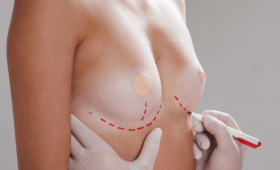
Post-pregnancy restoration is rarely limited to the abdomen. The physiological changes caused by pregnancy and breastfeeding—specifically the expansion and subsequent contraction of the mammary glands—often result in ptosis (sagging) and loss of glandular volume. To restore the upper silhouette, surgeons utilize Mastopexy (breast lift) and augmentation.
A successful breast lift focuses on repositioning the nipple-areola complex (NAC) and tightening the overlying skin envelope. When volume loss is significant, implants are integrated to provide structural projection. In Turkey’s premier surgical centers, the quality of implants is a non-negotiable standard. Surgeons exclusively utilize JCI-approved brands, including Mentor, Motiva, or Polytech, ensuring that the materials are highly biocompatible and move naturally with the chest wall.
The cost of these restorative procedures can vary significantly based on the complexity of the combination. For patients seeking a comprehensive “Mommy Makeover,” the financial breakdown often looks as follows:
- Tummy Tuck: 3,000 – 5,000 USD
- Breast Lift: 2,500 – 4,500 USD
- Liposuction (per area): 500 – 1,500 USD
- BBL (Fat Transfer): 3,500 – 5,500 USD
- Standard Package (Combined): 4,500 – 7,500 USD
- Advanced Combination (Full Reconstruction): 8,000 – 12,000 USD
Advanced Contouring with Vaser Technology
To complement the structural repairs of the core and breasts, many patients opt for advanced fat remodeling. Modern post-pregnancy restoration often utilizes Vaser Liposuction. Unlike traditional cannula methods, Vaser uses ultrasound energy to selectively emulsify fat cells while leaving the surrounding connective tissue, nerves, and blood vessels intact. This is particularly beneficial for high-definition contouring, as it allows the surgeon to sculpt the flanks and waistline with minimal bruising and much faster recovery times.
This technology is often paired with autologous fat transfer (BBL), where fat harvested via Vaser is processed and injected into the hips or buttocks to restore the “hourglass” shape that is often lost due to postpartum weight redistribution.
Turkey: The Global Hub for Complex Restoration
The reason Turkey has emerged as the premier destination for complex post-pregnancy reconstruction is the intersection of surgical expertise and logistical sophistication. The “Mommy Makeover” requires a high degree of anatomical precision that goes beyond simple aesthetics; it requires a surgeon capable of managing multi-site tissue tension.
The logistics of undergoing such a transformative procedure are designed to minimize patient stress during the critical recovery window. The experience is characterized by:
- Seamless Travel: Direct access via major international hubs such as Istanbul (IST) or Antalya (HDY).
- VIP Logistics: Upon arrival, patients are met with VIP private transfers from the airport to the clinic and accommodation.
- Premium Recovery: Post-operative care is centered around 5-star recovery suites with companion stay included, ensuring that the patient has the necessary support during the initial 7-10 days in Turkey.
- Pre-Surgical Precision: Before ever traveling, patients can undergo free online video assessments with board-certified plastic surgeons to discuss surgical plans, implant selection, and the 6-month recovery roadmap.
By prioritizing the foundational structural integrity of the abdomen and the biological timeline of healing, patients can ensure that their post-pregnancy restoration is not just a temporary aesthetic improvement, but a permanent functional reconstruction.
The Physiological Necessity of the 6-Month Rule
When discussing post-operative recovery, there is a profound difference between “healing” and “structural reintegration.” While many patients feel remarkably capable within a few weeks of a tummy tuck or breast augmentation, the underlying biological processes—specifically the remodeling of the fascia—require a much longer window. For those engaged in high-intensity resistance training, the “6-Month Heavy Gym Rule” is not a suggestion; it is a clinical necessity to prevent the failure of internal sutures.
The primary concern in abdominal reconstruction, particularly during an Extended (360) Tummy Tuck, is the repair of Diastasis Recti. This procedure involves more than just removing excess skin; it requires internal corset suturing of the abdominal fascia. This involves pulling the separated rectus abdominis muscles back together and anchoring them to the underlying structure. While the skin incision may appear closed and the superficial bruising may have faded, the tensile strength of this internal “corset” is at its most vulnerable during the first few months of remodeling. Applying sudden intra-abdominal pressure through heavy squats, deadlifts, or heavy overhead presses can lead to dehisc dehisence or the widening of the repair, effectively undoるing the anatomical precision of the surgery.
“The goal of advanced abdominal reconstruction is to restore the integrity of the abdominal wall. Heavy loading before the fascial remodeling phase is complete risks stretching the internal sutures, which can lead to permanent loss of the aesthetic and functional results achieved during surgery.”
Case Study: Siobhan’s Journey to Physical Restoration
To understand the complexity of this recovery, we look at the journey of Siobhan, a 34-year-old Irish mother of three. Following three pregnancies, Siobhan presented with significant abdominal laxity, skin redundancy, and a pronounced separation of the abdominal muscles. Her goal was not merely aesthetic; she wanted to regain the core stability required for her active lifestyle.
Siobhan’s transformation involved an advanced combination surgery, a highly complex procedure designed to address multiple anatomical areas simultaneously. Her surgical plan included a Full Tummy Tuck with Diastasis Recti repair, combined with Vaser Liposuction for high-definition contouring of the flanks, and a Breast Augmentation to restore volume lost to breastfeeding.
Her journey began with free online video assessments with board-certified plastic surgeons, allowing her to discuss the technical specifications of her procedure from her home in Ireland. This remote consultation was vital in determining that an Extended (360) approach was necessary to ensure a seamless transition from the abdomen to the flanks.
The Technical Precision of Combination Surgery
The success of Siobhan’s transformation relied on the integration of several high-specification technologies. For the contouring aspect, Vaser Liposultion was utilized. Unlike traditional liposuction, Vaser uses ultrasound energy to emulsify the fat cells, allowing for high-definition contouring with minimal bruising and much higher precision in the subcutaneous layer. This was essential for creating the “sculpted” look Siobively desired without compromising the blood supply to the skin flaps.
In the upper quadrant, the breast augmentation required the selection of high-tier, JCI-approved implants. Siobhan’s surgeons utilized Motiva or Mentor implants, known for their anatomical projection and advanced shell technology. The choice of implant is critical for long-term patient safety and the natural feel of the breast tissue.
The financial investment for such a complex, multi-area transformation is significant, but it allows for a single anesthetic event and a streamlined recovery. For a patient like Siobhan, the advanced combination package typically ranges between 8,000 – 12,000 USD. To provide context, individual components of such a journey often include:
- Tummy Tuck (Full, Mini, or Extended 360): 3,000 – 5,000 USD
- Breast Lift or Augmentation: 2,500 – 4,500 USD
- Liposuction (per area): 500 – 1,500 USD
- BBL/Fat Transfer: 3,500 – 5,500 USD
- Standard Package (single procedure): 4,500 – 7,500 USD
The Logistics of Recovery and Safety Standards
Siobhan’s recovery was managed under strict JCI safety standards, ensuring that the clinical environment met international benchmarks for surgical excellence. Her surgical journey was characterized by seamless logistical support, reducing the psychological stress that can impede healing.
Upon arrival at either Istanbul (IST) or Antalya (AYT), Siobhan was met by VIP private transfers that transported her directly from the airport to her recovery suite. Her stay was hosted in 5-star recovery suites with a companion stay included, which is vital for post-operative mobilization. The presence of a companion allowed for assistance with mobility during the first critical days of the “7-10 day” intensive recovery period in Turkey.
The recovery timeline for a patient undergoing such a transformative procedure is precise:
- Days 1–10: Intensive post-operative care in Turkey, focusing on wound management and lymphatic drainage.
- Weeks 2–6: Resumption of light, low-impact activity (e.g., walking) to prevent deep vein thrombosis (DVT).
- Week 6: The milestone for full exercise return, meaning standard gym activities like light cardio or bodyweight movements.
- Month 6: The lifting of the “Heavy Gym Rule,” allowing for maximum-load resistance training once the internal corset suturing has achieved sufficient structural maturity.
By adhering to this timeline, patients like Siobhan ensure that the aesthetic results—the high-definition contours and the tightened abdominal wall—are preserved for a lifetime, rather than compromised by premature physical strain.
The Bio-Mechanical Necessity of the 6-Month Rule
When discussing the resumption of high-intensity interval training (HIIT) or heavy resistance training following an abdominoplasty or liposuction, many patients focus solely on the visibility of the incision. However, the physiological reality of surgical healing is far more complex than skin surface closure. The “6-Month Heavy Gym Rule” is not an arbitrary guideline; it is a critical period required for the maturation of the extracellular matrix and the stabilization of deep-tissue architecture.
For patients undergoing a tummy tuck (abdominoplasty), the primary concern is the integrity of the internal corset suturing of the abdominal fascia. In cases involving Diastasis Recti repair, the surgeon must re-approximate the separated rectus abdominis muscles. This process involves deep, tension-bearing sutures that create a structural “corset” to reinforce the abdominal wall. During the first 6 to 12 weeks, the body is in the proliferative phase of wound healing, where collagen deposition is rapid but disorganized. Engaging in heavy lifting—specifically exercises that increase intra-abdominal pressure, such as heavy squats or deadlifts—can lead to surgical dehiscence (the separation of wound edges) or even a failure of the fascial repair, potentially necessitating corrective surgery.
Furthermore, the stability of Vaser Liposuction results relies on the “setting” of the subcutaneous tissue. While Vaser Liposuction is used for high-definition contouring with minimal bruising, the aesthetic precision of the sculpted musculature depends on the skin and fat layers adhering to the new underlying contours. Excessive mechanical stress or significant fluctuations in subcutaneous edema during the first few months can disrupt this adherence, leading to irregularities in the final contour.
“The transition from the proliferative phase to the remodeling phase of healing is the most critical window for surgical longevity. While superficial incisions may appear healed at 6 weeks, the tensile strength of the underlying fascia often does not reach 70-80% of its original capacity until the 6-month mark.”
Navigating the Post-Operative Timeline: From Turkey to Home
The logistics of recovery are as vital as the surgical technique itself. A successful recovery begins long before you board your flight. The process typically commences with free online video assessments with board-pre-certified plastic surgeons, allowing for a precise preoperative plan that accounts for your specific anatomical needs, whether you require Full, Mini, or Extended (360) tummy tuck options.
The immediate post-operative phase is centered around the 7-10 days in Turkey. During this window, the focus is on hemodynamic stability and managing early edema. To facilitate this, premium recovery logistics include stays in 5-star recovery suites with companion stay included. This luxury-tier aftercare is designed to mitigate the stress of recovery, providing a controlled environment where VIP private transfers from airport to clinic and back to the hotel are seamlessly managed. This eliminates the physical strain of navigating unfamiliar transport, which is crucial for patients recovering from significant procedures like a BBL fat transfer or large-scale liposuction.
As you prepare for the “fly-home” phase, the itinerary is strategically timed. Most patients depart from Istanbul (IST) or Antalya (AYT) once the acute inflammatory phase has subsided. However, the transition from the controlled environment of a Turkish recovery suite to the demands of home life—including childcare and domestic responsibilities—requires careful planning. While the 6 weeks for full exercise return marks the end of the “restricted movement” period, the true reintegration into high-impact lifestyle activities should be phased, ensuring that the breast implants (utilizing Mentor, Motiva, or Polytech JCI approved brands) and abdominal sutures are not subjected to sudden, asymmetric tension.
The 2026 Financial Architecture: Strategic Surgical Planning
Planning for elective surgery requires a dual focus on medical excellence and budgetary precision. As we look toward 2026, the cost-benefit analysis of medical tourism in Turkey remains overwhelmingly favorable compared to the UK or USA, provided the focus remains on high-specification, board-certified care. By consolidating multiple procedures, patients can leverage significant economies of scale.
When structuring your surgical budget, consider the following standardized pricing tiers for 2026 projections:
- Standard Package (Comprehensive Recovery): 4,500 – 7,500 USD
- Advanced Combination (Multi-area contouring): 8,000 – 12,000 USD
- Tummy Tuck (Full, Mini, or 360): 3,000 – 5,000 USD
- Breast Lift (Mastopexy): 2,500 – 4,500 USD
- Liposuction (Per targeted area): 500 – 1,500 USD
- BBL (Fat Transfer): 3,500 – 5,500 USD
The discrepancy in cost is not merely a difference in surgical fees but a difference in the inclusion of high-end logistics. Unlike domestic options in the UK or USA, these figures often encompass the 5-star accommodation, the VIP transfers, and the specialized post-operative monitoring essential for a safe return to physical activity. When calculating your investment, ensure you are factoring in the technical specifications of the implants and the technology used, such as the Vaser-assisted ultrasonic platform, which justifies the premium for long-term aesthetic stability.
For those managing complex recovery logistics, such as coordinating childcare or professional leave, Cure Holiday specialists recommend beginning the consultation process at least 4-6 months prior to your intended surgery date. This allows for a meticulously structured timeline that aligns your surgical arrival in Turkey with your eventual return to the gym, ensuring that the 6-month rule is respected and your surgical investment is protected.
Considering a Mommy Makeover in Turkey? Get a Free Quote for your When Can You Resume Heavy Lifting? The 6-Month Heavy Gym Rule Transformation with cureholiday.com
Free Consultation
Fill out the form below to get your free medical travel plan and price quote.
Sources and how to verify this yourself
- Ministry of Health, Regulation on International Health Tourism and Tourist Health, Official Gazette 26 April 2025, No. 32882 — authorisation requirement for facilities and intermediaries, TÜSKA accreditation, compulsory complication insurance (deadline 31 December 2025 for insurance, 31 December 2026 for accreditation). source
- Ministry of Health, Regulation on Promotion and Information Activities in Health Services, Official Gazette 12 November 2025, No. 33075 — treatment promises and guarantees are prohibited; price and campaign announcements are permitted only within international health tourism. source