About the prices on this page. The figures below are indicative market prices and country comparisons, not a quote. Our own current, all-inclusive prices are published on our cosmetic surgery in Turkey page, and we confirm your figure in writing before you commit to anything.
Cost and planning note (Mommy Makeover 2026)
The figures below are indicative market ranges, not a quote: your own price is confirmed after a clinical assessment.
Indicative price range: Standard Package: 4,500 – 7,500 USD | Advanced Combination: 8,000 – 12,000 USD | Tummy Tuck: 3,000 – 5,000 USD | Breast Lift: 2,500 – 4,500 USD | Liposuction Per Area: 500 – 1,500 USD | Bbl Fat Transfer: 3,500 – 5,500 USD
Facility standards: In Türkiye, any facility treating international patients must hold the Ministry of Health’s international health tourism authorisation; hospitals and medical centres must also be accredited by TÜSKA, and complication insurance is compulsory for procedures carried out in an operating theatre (Regulation of 26 April 2025).
Recovery Focus: Post-pregnancy body restoration & safety first.
Currency: GBP, EUR, USD accepted.
The “Skinny BBL” in Turkey: Sculpting Results for Mums with Low Body Fat
Post-Pregnancy Restoration: Foundations for a Renewed Physique
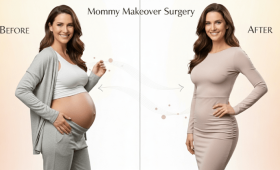
Pregnancy, while a miraculous experience, invariably alters a woman’s body. Beyond the joys of motherhood, many experience persistent changes to their abdominal wall, breasts, and overall body contour. This pillar focuses on restoring core strength and aesthetic balance post-pregnancy, specifically addressing the needs of mothers with generally low body fat who seek a refined, natural result – the increasing demand for what is being termed the “Skinny BBL” in conjunction with traditional mommy makeover procedures. This isn’t about achieving a dramatically altered silhouette, but rather about reclaiming pre-pregnancy form and function, optimized for a healthy, active lifestyle.
Understanding Diastasis Recti and Core Restoration
Diastasis Recti (DR) – the separation of the rectus abdominis muscles – is incredibly common postpartum. It occurs as the uterus expands to accommodate the growing fetus, stretching the connective tissue (linea alba) between the abdominal muscles. While often mild and resolving naturally, persistent DR can lead to a distended abdomen, lower back pain, and compromised core strength. Simple exercises can help in mild cases, but significant DR frequently requires surgical intervention.
The procedure involves a precise internal corset suturing of the abdominal fascia – a robust, multi-layered technique employed to re-approximate the separated rectus muscles. This isn’t merely pulling the muscles together; it’s a reconstruction of the anterior abdominal wall, restoring its integrity and providing a stable foundation for future core engagement. The strength of the suture material and the surgeon’s technique are paramount. Atrophy of the fascia can occur and must be addressed during repair, and the extent of the repair is tailored to the degree of separation, assessed through detailed clinical examination and often, pre-operative ultrasound imaging. A concomitant tummy tuck (abdominoplasty) often enhances the results, removing excess skin and addressing laxity.
The Evolution of the Tummy Tuck: Tailoring the Approach
The abdominoplasty, or tummy tuck, remains a cornerstone of post-pregnancy restoration. However, modern techniques have moved beyond the traditional approach. The choice between a full, mini, or extended (360-degree) tummy tuck is carefully considered based on individual anatomy and desired outcome.
- Full Tummy Tuck: Addresses significant skin excess and muscle laxity, removing skin from the pubic area to the umbilicus and re-constructing the abdominal muscles.
- Mini Tummy Tuck: Ideal for women with excess skin limited to the lower abdomen, offering a smaller scar and quicker recovery.
- Extended Tummy Tuck (360°): Encompasses the entire torso, addressing skin laxity around the flanks and back in addition to the abdomen, creating a smoother, more contoured silhouette.
Advances in surgical technique, such as component separation (where the superficial fascia is released to allow for greater muscle tightening) can be employed to achieve a more natural and durable result, especially in patients who have undergone multiple pregnancies. Dermal suspension, lifting the abdominal skin without tension on the closure, can further improve longevity and minimize seroma formation.
Breast Restoration: Addressing Volume Loss and Ptosis
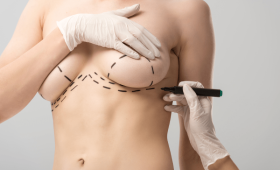
Pregnancy and breastfeeding often lead to changes in breast volume and shape, culminating in ptosis (sagging). A breast lift (mastopechsis) restores youthful contours by removing excess skin, tightening the surrounding tissues, and repositioning the nipple-areola complex.
Implants are frequently used to augment lost volume, with Mentor, Motiva, and Polytech being frequently selected JCI-approved options known for their safety and aesthetic properties. The choice of implant profile (low, moderate, high) and volume is individualized, taking into account the patient’s existing breast tissue, desired size, and body proportions. Modern techniques, such as the ‘lollipop’ mastopechsis, allow for minimal scarring and optimal breast shape. Lipofilling (fat transfer) to the breasts can be a supplementary technique, utilizing fat harvested via liposuction to add subtle volume and improve breast texture, although it’s often limited in the amount of augmentation achievable.
The “Skinny BBL” and its Integration with Mommy Makeover Procedures
The “Skinny BBL” represents a refinement in aesthetic goals. While traditional Brazilian Butt Lift (BBL) procedures focus on significant volume augmentation, the “Skinny BBL” emphasizes subtle contouring and a more natural aesthetic. In the context of a mommy makeover, this often involves targeted liposuction to remove excess fat from areas like the abdomen and flanks, combined with a modest fat transfer to the buttocks to enhance shape and proportion.
Vaser Liposuction is frequently favored for this purpose, utilizing ultrasound energy to emulsify fat before removal. This allows for highly precise sculpting, minimizing trauma to surrounding tissues and resulting in less bruising and swelling. The fat transferred is carefully harvested, processed, and injected into specific areas of the buttocks to create a natural-looking curve. It is crucial to understand that the “Skinny BBL” isn’t about adding substantial volume; it’s about redistributing existing fat for a more balanced physique.
Why Turkey is a Global Hub for Mommy Makeovers
Turkey has emerged as a leading destination for medical tourism, particularly for complex procedures like mommy makeovers. This is attributable to several factors:
- Highly Skilled Surgeons: Many board-certified plastic surgeons in Turkey have extensive experience performing mommy makeover procedures, utilizing cutting-edge techniques.
- Cost-Effectiveness: The total cost of a comprehensive mommy makeover package in Turkey, ranging from 4,500 – 12,000 USD depending on the procedures included (a standard package is typically 4,500 – 7,500 USD, while an advanced combination can reach 8,000 – 12,000 USD), is significantly lower than in many Western countries. A tummy tuck alone costs between 3,000 – 5,000 USD, a breast lift 2,500 – 4,500 USD, and liposuction per area ranges from 500 – 1,500 USD. Fat transfer for a BBL component is usually 3,500 – 5,500 USD.
- Comprehensive Packages: Most providers offer all-inclusive packages encompassing surgery, hospital stay, accommodation (typically in 5-star recovery suites with companion stay included), VIP private transfers from the airport (Istanbul (IST) or Antalya (AYT)), and pre-operative consultations.
- Advanced Facilities: Modern, well-equipped hospitals adhering to international standards ensure patient safety and comfort.
Recovery typically involves a 7-10 day stay in Turkey, followed by approximately 6 weeks for a full return to exercise. Post-operative care and compression garments are essential for optimal healing and results.
The Surgical Transformation: A Deep Dive into the “Skinny BBL” in Turkey
The demand for body contouring procedures in Turkey continues to rise, particularly amongst post-partum mothers seeking to regain their pre-pregnancy physiques. The “Skinny BBL” – a combination of techniques designed for individuals with low pre-operative body fat – has become a particularly popular option. This pillar delves into the intricacies of this surgical journey, focusing on the technical execution, patient selection, and stringent safety standards adhered to within reputable Turkish facilities.
Patient Selection & Pre-Operative Assessment
Unlike traditional Brazilian Butt Lift (BBL) procedures performed on patients with substantial fat reserves, the “Skinny BBL” requires a meticulous pre-operative assessment. Ideal candidates are typically those with a lower Body Mass Index (BMI), minimal skin laxity, and localized fat deposits that can be effectively harvested via advanced liposuction techniques. This isn’t simply about aesthetics; it’s about ensuring sufficient, viable fat for transfer and minimising the risk of complications. A key aspect of the pre-operative evaluation is the assessment of skin elasticity. Utilising ultrasound imaging can determine skin thickness and collagen density, providing surgeons with crucial data regarding post-operative skin retraction and potential for irregularities.
The assessment also includes a detailed evaluation of the abdominal musculature. Post-partum women are frequently affected by Diastasis Recti, a separation of the rectus abdominis muscles. Addressing this condition is often integral to achieving optimal results and restoring core strength. Failure to do so can lead to a persistent bulge, even after fat transfer, and compromise long-term postural stability.
The Combined Surgical Procedure: A Step-by-Step Breakdown
The “Skinny BBL” is rarely a single procedure. It’s often a sophisticated combination tailored to the patient’s specific anatomy and goals. Here’s a detailed outline:
- Step 1: Liposuction & Fat Harvesting: Vaser Liposuction is frequently employed. This ultrasound-assisted liposuction technology selectively targets fat cells with minimal trauma to surrounding tissues. This is particularly important for patients with limited fat, as it maximizes harvest volume while minimizing bruising and swelling. Surgeons meticulously map out donor areas – typically the flanks, abdomen, and back – to ensure a harmonious contour.
- Step 2: Abdominal Repair (if indicated): For patients with Diastasis Recti, the surgical plan will include repair of the abdominal fascia. This involves carefully approximating the separated rectus abdominis muscles using strong, internal sutures – effectively creating an ‘internal corset’. The extent of repair dictates whether a full, mini, or extended (360) tummy tuck is also incorporated.
- Step 3: Tummy Tuck (optional): Depending on the degree of skin laxity and abdominal contour, a tummy tuck (abdominoplasty) may be performed. A full tummy tuck addresses excess skin and fat from the lower abdomen, while a mini tummy tuck focuses solely on the infraumbilical region. An extended (360) tummy tuck provides a more comprehensive contouring of the waist and back.
- Step 4: Breast Augmentation/Lift (optional): Many mothers also desire breast augmentation or lift as part of their post-partum transformation. Implants used are sourced from JCI-approved manufacturers such as Mentor, Motiva, or Polytech, ensuring biocompatibility and longevity. A breast lift (mastopexy) can address ptosis (sagging) and restore a more youthful breast shape. Costs for a breast lift range from 2,500 – 4,500 USD.
- Step 5: BBL Fat Transfer: The harvested fat undergoes a purification process to remove fluids and damaged cells. It is then carefully injected into the buttocks using a specialized cannula. The technique involves multiple, small injections at varying depths to ensure even distribution and a natural-looking result. Precise layering is vital to avoid fat embolism and maximize graft survival.
Addressing Specific Concerns: The Role of Advanced Techniques
The “Skinny BBL” presents unique challenges. Patients with limited fat require meticulous surgical planning and the implementation of advanced techniques. For instance, the use of fat grafting with platelet-rich plasma (PRP) is gaining traction. PRP contains growth factors that can enhance fat cell survival and promote tissue regeneration.
Furthermore, surgeons are increasingly utilizing 3D imaging technology to pre-visualize the results and personalize the surgical plan. This allows them to accurately assess fat distribution, muscle anatomy, and skin laxity, minimizing the risk of asymmetry and achieving a more predictable outcome.
Safety Standards & The JCI Accreditation
Patient safety is paramount. Reputable facilities in Turkey prioritize adherence to international standards, notably those set by the Joint Commission International (JCI). JCI accreditation signifies a commitment to quality patient care, encompassing stringent protocols for infection control, anesthesia safety, surgical technique, and post-operative management.
Key aspects of safety include:
- Pre-Operative Bloodwork: Comprehensive blood tests are conducted to assess overall health and identify any contraindications to surgery.
- Thromboprophylaxis: Patients are routinely prescribed prophylactic anticoagulants to minimize the risk of deep vein thrombosis (DVT) and pulmonary embolism.
- Compression Garments: Post-operative compression garments are essential to reduce swelling, support healing tissues, and contour the body.
- Experienced Anesthesiologists: Board-certified anesthesiologists with extensive experience in cosmetic surgery are crucial for monitoring vital signs and ensuring patient comfort throughout the procedure.
Logistical Considerations & The Patient Journey
The experience extends beyond the operating room. Comprehensive packages typically include:
- Airport Transfers: VIP private transfers are provided from Istanbul (IST) or Antalya (AYT) airport to the chosen facility.
- Accommodation: Patients often benefit from staying in 5-star recovery suites designed for post-operative comfort, with options for a companion to stay alongside them.
- Post-Operative Care: Included in the package is dedicated post-operative care, often with follow-up appointments and 24/7 access to medical support.
The typical recovery period is 7-10 days in Turkey, followed by approximately 6 weeks before a full return to exercise. Regular follow-up appointments are essential to monitor healing and address any concerns.
Cost Overview
The cost of a “Skinny BBL” package in Turkey varies depending on the complexity of the procedure and the inclusion of additional treatments. Here’s a general guide:
- Standard Package (BBL only): 4,500 – 7,500 USD
- Advanced Combination (BBL + Tummy Tuck + Liposuction): 8,000 – 12,000 USD
- Tummy Tuck Only: 3,000 – 5,000 USD
- Liposuction (per area): 500 – 1,500 USD
- BBL Fat Transfer: 3,500 – 5,500 USD
It’s important to note that these are estimates, and a personalized quote will be provided following a free online video assessment with a board-certified plastic surgeon.
Post-Operative Villa Recovery & Childcare Logistics in Turkey
Following a “Skinny BBL” procedure – technically a gluteal fat transfer combined with liposuction and potentially abdominal contouring – a period of dedicated recovery is paramount for achieving optimal results and minimising complications. For mothers, this recovery phase presents unique logistical considerations, particularly regarding childcare and ensuring a comfortable, healing environment. This pillar details the sophisticated recovery logistics offered in Turkey, specifically tailored for post-partum or generally active mums undergoing this procedure, and a comparative cost analysis against procedures performed in the UK and USA in 2026, factoring in projected inflation.
The Importance of a Dedicated Recovery Environment
Unlike returning home immediately after surgery, a dedicated recovery period within Turkey provides several advantages. The initial 7-10 days post-surgery are crucial for minimising swelling, managing discomfort, and adhering to strict post-operative protocols. Returning home prematurely, even with assistance, can significantly compromise these factors, increasing the risk of seroma formation, infection, or suboptimal fat graft survival.
Modern recovery packages prioritize more than just a hospital bed. Increasingly, patients benefit from private recovery villas or dedicated suites within upscale, 5-star hotels. These facilities offer a sanctuary for healing, equipped with adjustable beds, essential medical supplies (compression garments, wound care materials), and crucially, the privacy and space required to move comfortably. The included companion stay is invaluable, not only for emotional support but also to assist with daily living activities during the initial, more vulnerable phase. This support person is essential for mums requiring assistance with childcare (discussed below).
Childcare Solutions for Mums
Arranging childcare during a medical trip abroad requires careful planning. While some facilities offer in-villa nanny services, availability and vetting processes vary. It’s vital to discuss childcare needs during the initial online consultation with the surgical team, enabling them to coordinate appropriate support. This can range from fully qualified, bilingual nannies with experience caring for infants and young children, to arranging for a trusted family member or friend to accompany the patient.
Considerations beyond basic childcare include:
- Age of Child(ren): Infants require significantly more attention and specialised care than older children.
- Medical Needs: Any pre-existing medical conditions in the child(ren) must be communicated and catered for.
- Activity Levels: The recovery period necessitates limited strenuous activity for the mother. Therefore, childcare arrangements must accommodate activities that are low-impact and manageable.
A well-planned itinerary must factor in the mother’s restricted mobility and energy levels for at least the first week. The companion’s role extends beyond childcare; they assist with medication management, wound care observation, and communication with the surgical team.
Phased Return to Activity & Fly-Home Timelines
The “Skinny BBL” procedure, involving liposuctions and fat grafting, requires a phased return to activity. Initially, lymphatic drainage massage is crucial to reduce swelling and encourage fat graft absorption. This typically commences within 48-72 hours post-op and is provided by qualified therapists.
The initial 7-10 days focus on rest, compression garment wear, and gentle mobility. Over the subsequent 2-3 weeks, patients can gradually increase their activity levels, starting with short walks and progressing to light exercises. Full return to strenuous exercise, including high-impact activities, is generally advised after approximately 6 weeks. This timeline is not absolute and is dependent on individual healing rates, assessed by the surgeon during follow-up appointments.
Flying home is contingent on surgeon approval, but generally, short-haul flights are considered safe after 7-10 days, provided the patient is cleared by their post-operative assessment and utilises a compression garment during travel. Long-haul flights are typically advised to be delayed until at least 10-14 days post-op to minimise the risk of deep vein thrombosis (DVT). Pre-flight compression stockings are essential, along with frequent hydration and in-flight movement.
Technical Considerations: Procedural Nuances & Expected Recovery
The success of a “Skinny BBL” hinges not only on surgical skill but also on understanding the underlying anatomy and employing appropriate techniques.
- Diastasis Recti Repair: For mothers who have experienced abdominal separation during pregnancy (Diastasis Recti), the procedure may incorporate internal corset suturing of the abdominal fascia. This strengthens the core and provides a stable foundation for the fat transfer, improving the overall contour.
- Vaser Liposuction: Often favoured for its precision, Vaser Liposuction utilizes ultrasound energy to dislodge fat cells before removal. This minimises trauma to surrounding tissues, resulting in less bruising and faster recovery.
- Fat Grafting Technique: The method of fat transfer is crucial. Modern techniques involve careful harvesting, purification, and multi-layered injection of fat grafts into the gluteal muscles and subcutaneous tissue.
- Implant Selection (if applicable): If breast augmentation is performed concurrently, approved implant options include Mentor, Motiva, or Polytech, all adhering to rigorous JCI (Joint Commission International) standards.
- Tummy Tuck Variations: Depending on the extent of abdominal laxity, a Full, Mini, or Extended (360) tummy tuck may be recommended.
Projected Cost Breakdown: 2026 vs. UK/USA
While costs are subject to fluctuations, here’s a projected comparative analysis for 2026, factoring in an estimated annual inflation rate of 3% (conservative estimate) for both Turkey, the UK, and the USA. All figures are approximate and may vary based on individual needs and specific surgical plan.
| Procedure | Turkey (2026) | UK (2026) | USA (2026) |
|---|---|---|---|
| Standard Package (BBL + Lipo) | 6,000 – 9,000 USD | £8,000 – £15,000 (~$10,000 – $18,800) | $15,000 – $25,000 |
| Advanced Combination (BBL + Lipo + Tummy Tuck) | 9,500 – 14,000 USD | £12,000 – £22,000 (~$15,000 – $27,500) | $22,000 – $35,000 |
| Tummy Tuck Only | 4,000 – 6,500 USD | £5,500 – £9,000 (~$7,000 – $11,300) | $10,000 – $18,000 |
| Breast Lift | 3,300 – 5,800 USD | £4,500 – £8,000 (~$5,600 – $10,000) | $8,000 – $15,000 |
| Liposuction (per area) | 650 – 1,900 USD | £800 – £1,500 (~$1,000 – $1,900) | $1,200 – $2,000 |
These figures demonstrate that even with projected inflation, Turkey remains a significantly more cost-effective destination for “Skinny BBL” procedures, without compromising on quality of care. However, it is essential to prioritize surgeon credentials, facility accreditation, and comprehensive post-operative support when making your decision.
Considering a Mommy Makeover in Turkey? Get a Free Quote for your The “Skinny BBL” in Turkey Transformation with cureholiday.com
Free Consultation
Fill out the form below to get your free medical travel plan and price quote.
Sources and how to verify this yourself
- Ministry of Health, Regulation on International Health Tourism and Tourist Health, Official Gazette 26 April 2025, No. 32882 — authorisation requirement for facilities and intermediaries, TÜSKA accreditation, compulsory complication insurance (deadline 31 December 2025 for insurance, 31 December 2026 for accreditation). source
- Ministry of Health, Regulation on Promotion and Information Activities in Health Services, Official Gazette 12 November 2025, No. 33075 — treatment promises and guarantees are prohibited; price and campaign announcements are permitted only within international health tourism. source