Cost and planning note (2026)
The figures below are indicative market ranges for 2026, not a quote: your own price depends on the clinic, the surgeon and your clinical assessment.
Indicative price range: Rhinoplasty: 2,800 – 4,500 USD | Facelift Deep Plane: 4,500 – 8,000 USD | Liposuction Vaser: 2,500 – 4,000 USD | Mommy Makeover: 6,000 – 10,000 USD
Facility standards: In Türkiye, any facility treating international patients must hold the Ministry of Health’s international health tourism authorisation; hospitals and medical centres must also be accredited by TÜSKA, and complication insurance is compulsory for procedures carried out in an operating theatre (Regulation of 26 April 2025). Ask us for the authorisation of the facility you are matched with.
Currency: USD / EUR / GBP accepted at all clinics.
Tummy Tuck and Liposuction: Why Most Turkish Surgeons Recommend the “Liposuction” Combo
Tummy Tuck and Liposuction: The Synergistic Approach Favored by Turkish Surgeons
The demand for body contouring procedures in Turkey continues to rise, driven by a combination of internationally competitive pricing, highly skilled surgeons, and increasingly sophisticated surgical techniques. While procedures like rhinoplasty (2,800 – 4,500 USD) and facelifts (4,500 – 8,000 USD) remain popular, a particularly prevalent recommendation from Turkish surgeons specializing in abdominoplasty (tummy tuck) is the concurrent use of liposuction. This isn’t merely a matter of upselling; it’s a reflection of a deeply rooted understanding of anatomical principles, optimal patient outcomes, and the complexities of achieving a naturally sculpted physique. This deep dive explores the ‘what’ and ‘why’ behind this common recommendation, focusing on the medical foundations and technical considerations.
Understanding the Anatomical Interplay
The effectiveness of combining a tummy tuck with liposuction lies in addressing distinct but interconnected aspects of abdominal contouring. A traditional abdominoplasty primarily addresses skin excess and laxity of the rectus abdominis muscle – the ‘six-pack’ muscle. Pregnancy, significant weight fluctuations, and the natural aging process can lead to diastasis recti (separation of the rectus abdominis) and ptosis (sagging) of the abdominal wall. The tummy tuck repairs these issues by tightening the muscles with sutures (a technique known as plication) and removing excess skin. However, it often *doesn’t* adequately address localized fat deposits that contribute to the protruding abdomen or create undesirable curves.
This is where liposuction, particularly advanced techniques like Vaser Hi-Def (2,500 – 4,000 USD), becomes crucial. Vaser (Vibration Amplification of Sound Energy at Resonance) uses ultrasonic energy to selectively break down fat cells while preserving surrounding tissues – including blood vessels and nerves. Unlike traditional liposuction, Vaser Hi-Def allows for more precise sculpting, enabling surgeons to accentuate underlying musculature and create a more athletic-looking abdominal profile. The synergy arises because liposuction can target fat deposits in areas the tummy tuck incision won’t reach, such as the flanks (love handles) and the suprapubic region (lower abdomen). Addressing these areas concurrently results in a smoother, more balanced, and aesthetically pleasing outcome.
Technical Considerations and Surgical Planning
Turkish surgeons often favor a strategic approach to combining these procedures. The planning phase is meticulous, incorporating a thorough assessment of the patient’s anatomy, skin elasticity, and fat distribution. Advanced imaging technologies, including 3D body scanning, can be utilized to create a personalized surgical plan. The decision of *when* to perform liposuction relative to the abdominoplasty is also critical.
- Sequential Approach: In many cases, liposuction is performed *before* the tummy tuck. This reduces the volume of the abdominal tissues, making it easier for the surgeon to tighten the muscles and redrape the skin. It also minimizes tension on the abdominal closure, potentially reducing the risk of wound healing complications.
- Simultaneous Approach: In select cases, particularly when the volume of fat to be removed is moderate, liposuction can be performed simultaneously with the abdominoplasty. This requires careful coordination and a skilled surgical team to manage fluid dynamics and maintain tissue perfusion.
A key technical consideration is the precise placement of liposuction cannulas. Turkish surgeons specializing in this combined approach emphasize a nuanced understanding of anatomical landmarks and muscle definition. The goal isn’t simply to remove fat, but to sculpt the abdomen to enhance the natural curves and create a defined waistline. Techniques like tumescent liposuction are standard practice – involving the injection of a large volume of fluid containing local anesthetic, epinephrine (to constrict blood vessels and minimize bleeding), and saline – to facilitate fat removal and reduce postoperative discomfort.
Addressing Specific Patient Profiles
The “liposuction combo” isn’t universally indicated, but it’s particularly beneficial for certain patient profiles. Patients who have maintained a relatively stable weight but have localized fat deposits that are resistant to diet and exercise are ideal candidates. Postpartum patients (making this component of a Mommy Makeover – 6,000 – 10,000 USD) often benefit significantly, as pregnancy can lead to both skin laxity and localized fat accumulation. Individuals with good skin elasticity are also more likely to achieve optimal results, as the skin will contract more effectively after the removal of fat and tightening of the abdominal muscles.
Furthermore, understanding skin vectoring is paramount. This refers to the direction in which the skin is pulled and redraped during the tummy tuck. Liposuction performed strategically can influence skin vectoring, allowing the surgeon to achieve a more favorable contour. For example, removing fat from the flanks can help to accentuate the waistline and create a more hourglass figure.
Postoperative Care and Recovery in Turkey
Following a combined tummy tuck and liposuction, patients can expect a recovery period of approximately 7-10 days in Turkey, with final results visible after 3-6 months. Postoperative care protocols are comprehensive and typically include:
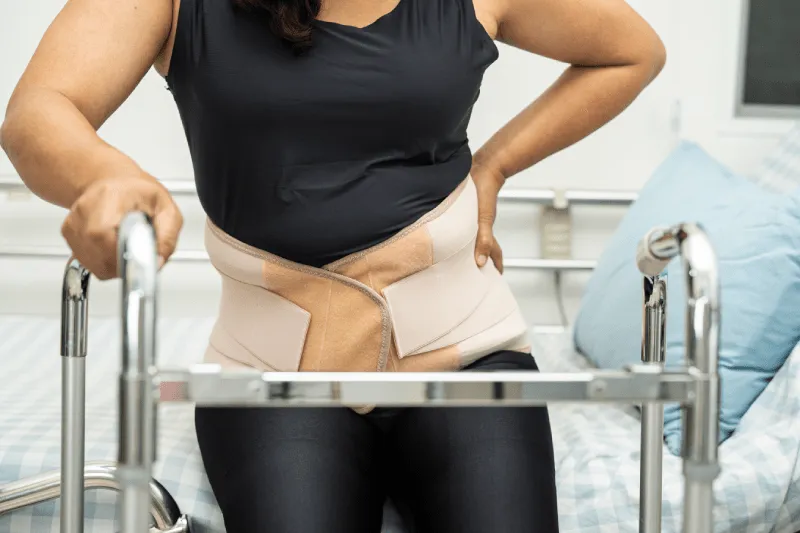
- Compression Garments: These are essential for minimizing swelling, supporting the tissues, and shaping the abdomen.
- Wound Care: Detailed instructions are provided on how to care for the incisions and monitor for signs of infection.
- Lymphatic Drainage Massage: This technique helps to reduce swelling and improve skin elasticity.
- Pain Management: Pain medication is prescribed to manage postoperative discomfort.
The availability of experienced recovery hubs in locations like Istanbul (city/boutique), Antalya (resort/beach), and Izmir (Aegean/thermal) offers patients a comfortable and supportive environment during their recovery. The medical infrastructure in Turkey adheres to international standards, with many facilities accredited by the Joint Commission International (JCI) and regulated by the Ministry of Health. Payments are easily facilitated in USD, EUR, and GBP.
The recommendation from Turkish surgeons to combine a tummy tuck with liposuction isn’t a blanket prescription. Instead, it’s a testament to their commitment to a holistic and patient-centered approach to body contouring, leveraging advanced techniques and a deep understanding of anatomical principles to achieve consistently exceptional results.
The Synergistic Approach: Tummy Tuck & Liposuction in Turkey
At CureHoliday.com, we consistently observe a strong recommendation from leading Turkish surgeons for combining abdominoplasty (tummy tuck) with liposuction. This isn’t merely a trend; it’s a strategically sound approach rooted in anatomical realities and optimized surgical outcomes. While a tummy tuck addresses skin excess and weakened abdominal muscles, liposuction refines the contours, removing stubborn fat deposits that a tummy tuck alone cannot effectively target. This pillar delves into the technical specifics of this combined procedure, a detailed case study, and critical risk mitigation strategies.
Technical Aspects of Combined Abdominoplasty & Liposuction
The fundamental principle lies in achieving a comprehensive reshaping of the midsection. A standard tummy tuck – technically a abdominoplasty – involves an incision typically spanning from hip to hip, allowing the surgeon to excise redundant skin and tighten the rectus abdominis muscles (the ‘six-pack’ muscles) using sutures (a plasty). However, localized fat deposits, particularly in the flanks (love handles) or upper abdomen, often remain post-tummy tuck. This is where liposuction, specifically Vaser Hi-Def liposuction, plays a crucial role.
Vaser Hi-Def Liposuction employs ultrasound energy to selectively break down fat cells while sparing surrounding tissues – nerves, blood vessels, and connective tissue. This precision is vital in the context of abdominoplasty, minimizing trauma and preserving skin viability. The technique allows the surgeon to sculpt the underlying musculature, enhancing the aesthetic definition. We see a significant number of patients opting for this technology, with costs ranging from 2,500 – 4,000 USD.
Surgical Steps: A Combined Procedure Outline
- Anesthesia & Marking: The patient is placed under general anesthesia. Precise markings are made on the abdomen, delineating the areas for liposuction and the extent of skin excision for the tummy tuck.
- Liposuction Phase: Tumescent fluid (a saline solution with local anesthetic and epinephrine) is infiltrated into the targeted fat deposits. This minimizes bleeding and facilitates fat removal. The Vaser probe is then carefully maneuvered to emulsify the fat, which is subsequently aspirated using a cannula.
- Abdominoplasty Procedure: The abdominal incision is made, the skin flap is elevated, and the rectus abdominis muscles are tightened and re-approximated with sutures. The umbilicus (belly button) is repositioned.
- Skin Redraping & Closure: The skin flap is redraped over the abdominal wall, ensuring a smooth contour. Excess skin is excised, and the incision is closed with layered sutures. Drainage tubes are typically placed to remove serous fluid.
- Compression Garment Application: A firm compression garment is applied immediately post-surgery to minimize swelling and aid in skin retraction.
The sequence of procedures – liposuction before or during the abdominoplasty – varies based on individual patient anatomy and the surgeon’s preference. Some surgeons prefer pre-fat removal to facilitate muscle plication, while others integrate liposuction during the flap elevation phase, allowing for simultaneous contouring.
Persona Case Study: Sarah, 45, from the UK
Sarah, a 45-year-old mother of two from the UK, presented with significant abdominal skin laxity and localized fat deposits following two pregnancies. She had maintained a healthy lifestyle but struggled to eliminate persistent fullness in her lower abdomen and flanks. She also expressed concern about diastasis recti (separation of the abdominal muscles).
Pre-Operative Assessment: Sarah’s Body Mass Index (BMI) was 28, qualifying her as a suitable candidate for combined abdominoplasty and liposuction. Thorough blood tests and a physical examination were conducted to assess her overall health. 3D imaging was used to simulate potential outcomes and tailor the surgical plan.
Procedure: Sarah underwent a full tummy tuck with Vaser Hi-Def liposuction targeting the flanks and upper abdomen. The rectus abdominis muscles were tightly plicated to address the diastasis recti. The procedure took approximately 4.5 hours under general anesthesia.
Post-Operative Care: Sarah stayed in a boutique recovery hub in Istanbul for 7 days. She adhered to a strict compression garment regimen and followed the surgeon’s post-operative instructions regarding wound care and activity limitations. She reported minimal discomfort, managed with prescribed pain medication.
Results: At her 3-month follow-up, Sarah expressed immense satisfaction with the results. Her abdomen was noticeably flatter, more toned, and contoured. The diastasis recti was resolved, and she experienced a significant improvement in her self-confidence. She commented on the professionalism of the surgical team and the attentive aftercare provided.
Risk Mitigation & Complication Management
While combined abdominoplasty and liposuction are generally safe procedures, potential complications must be proactively addressed. Turkish surgeons practicing under Ministry of Health regulations and holding JCI accreditation adhere to stringent safety protocols.
- Seroma Formation: The accumulation of serous fluid under the skin flap is a common post-operative complication. Drainage tubes effectively manage this, but persistent seromas may require aspiration.
- Wound Healing Issues: Smoking, diabetes, and poor nutrition can impair wound healing. Strict adherence to pre- and post-operative instructions is crucial.
- Skin Necrosis: Although rare with meticulous surgical technique and careful patient selection, skin necrosis (tissue death) can occur, especially in smokers.
- Nerve Damage: Liposuction carries a small risk of temporary or permanent nerve damage, leading to altered sensation. Vaser Hi-Def’s precise targeting minimizes this risk.
- Thromboembolic Events: Deep vein thrombosis (DVT) and pulmonary embolism are rare but serious complications. Prophylactic measures, such as compression stockings and early ambulation, are employed.
Our partner clinics prioritize detailed pre-operative patient counseling, thorough medical evaluation, and meticulous surgical technique to minimize these risks. Post-operative monitoring and prompt management of any complications are paramount. In the event of any adverse event, access to immediate medical care is guaranteed within the established network of Ministry of Health–authorised facilities. The entire package, including the surgery, hospital stay, and aftercare, typically costs between 6,000 – 10,000 USD depending on the extent of liposuction and the choice of recovery location (Istanbul, Antalya, Izmir). Recovery typically requires 7-10 days in Turkey, with final results visible after 3-6 months. We facilitate travel arrangements and accommodation, offering a seamless and comfortable experience for our clients.
Tummy Tuck and Liposuction: The Turkish Surgical Synergy – Recovery, Cost, & Verdict
For patients considering abdominoplasty (tummy tuck) coupled with liposuction, Turkey has rapidly become a leading destination. However, it’s not simply the lower price point that drives this trend. A significant number of Turkish surgeons actively *recommend* combining these procedures, and this pillar explores the medical rationale, logistical considerations for recovery – specifically in Antalya and Istanbul – a detailed cost audit against Western alternatives, and ultimately, a considered medical verdict on the efficacy and value of this approach.
The Physiological Basis for Combination Therapy
While often perceived as cosmetic, a combined tummy tuck and liposuction addresses a distinct set of physiological challenges. A tummy tuck, or abdominoplasty, primarily corrects abdominal muscle laxity – diastasis recti – and removes excess skin and fat, typically resulting from pregnancy, significant weight loss, or aging. However, it has limitations in addressing localized fat deposits that don’t respond to diet and exercise. This is where liposuction, particularly advanced techniques like Vaser Hi-Def, proves crucial.
Turkish surgeons frequently advocate for concurrent liposuction to sculpt the abdominal contours *during* the same surgical setting. The reasoning is multi-faceted. First, performing both procedures simultaneously creates a “tension-free” closure for the abdominal muscles. Liposuction pre-emptively reduces volume, allowing for a tighter, more aesthetically pleasing muscle plication (repair) during the tummy tuck. This minimizes seroma formation—the accumulation of fluid under the skin—and reduces the risk of post-operative contour irregularities. Second, a single surgery means a single recovery period. Avoiding a staged approach (tummy tuck first, then liposuction months later) reduces overall downtime and systemic stress.
Critically, the type of liposuction utilized impacts the recommendation. Vaser Hi-Def, a technique using ultrasound energy to selectively break down fat cells while preserving vascular and neural structures, is favored. This is because it offers more precise sculpting, a lower risk of skin irregularities, and reduced trauma to surrounding tissues, which is beneficial when combined with the more extensive dissection of an abdominoplasty. Traditional liposuction techniques, while cheaper, are seen as offering less predictable results and a higher potential for complications in this combined setting.
Recovery Logistics: Istanbul vs. Antalya
Post-operative recovery after combined tummy tuck and liposuction in Turkey typically lasts 7-10 days for the initial intensive phase, with final results apparent after 3-6 months. However, the *experience* of that recovery can vary dramatically depending on location.
- Istanbul (City/Boutique): Recovery in Istanbul often takes place in boutique hotels or dedicated recovery centers located closer to the surgical facilities. This offers easy access to follow-up appointments and medical care. However, Istanbul is a bustling metropolis. Patients requiring a high degree of quiet and limited mobility may find the environment less conducive to restful recovery. Compression garments are essential for 6-8 weeks post-op, and Istanbul’s public transport, while efficient, can be challenging to navigate while wearing them.
- Antalya (Resort/Beach): Antalya presents a markedly different recovery landscape. Many facilities are integrated with resort hotels, offering dedicated recovery suites with sea views and access to amenities like physiotherapy and light exercise programs. The warmer climate and access to gentle activities (short walks on the beach after medical clearance) can promote lymphatic drainage and reduce swelling. However, access to highly specialized surgeons may be limited outside of Istanbul, necessitating travel even for routine post-operative checks.
Pain management protocols are consistent across both locations, utilizing a combination of opioid and non-opioid analgesics, along with anti-inflammatory medications. Lymphatic drainage massage, initiated after suture removal (typically around day 7-10), is crucial to minimize swelling and optimize contouring. Patients should be prepared for wearing a compression garment continuously for the first two weeks, followed by daytime wear for the next 4-6 weeks.
2026 Cost Audit: Turkey vs. Western Nations
The economic incentive for seeking combined abdominoplasty and liposuction in Turkey remains substantial. A thorough cost comparison, projecting to 2026 (accounting for anticipated currency fluctuations and medical inflation), reveals the following approximate figures:
- Turkey (Combined Procedure): 6,000 – 10,000 USD (depending on surgeon experience, hospital reputation, and the extent of liposuction).
- United States (Combined Procedure): 15,000 – 25,000 USD+ (significant variation based on geographical location and surgeon).
- United Kingdom (Combined Procedure): 12,000 – 18,000 GBP (approximately 15,000 – 23,000 USD at current exchange rates).
- Germany/Switzerland (Combined Procedure): 14,000 – 22,000 EUR (approximately 15,000 – 24,000 USD).
These costs *typically* include surgeon’s fees, anesthesia, hospital stay, pre-operative consultations, and post-operative care for the initial recovery period. However, they *do not* include flights, accommodation (beyond the initial hospital stay), compression garments, or post-operative lymphatic drainage massage.
It’s crucial to factor in “hidden costs.” For example, complications requiring revision surgery, while statistically comparable to Western standards in Ministry of Health–authorised facilities, could add significant expense if addressed back home. Travel insurance specifically covering medical tourism is strongly advised.
The Final Medical Verdict
The practice of Turkish surgeons routinely recommending combined tummy tuck and liposuction is not merely a marketing tactic. The medical rationale—enhanced muscle plication, reduced seroma risk, and a streamlined recovery—is sound. Vaser Hi-Def liposuction, when utilized in conjunction with abdominoplasty, offers superior sculpting capabilities and minimizes potential complications.
The choice between recovery in Istanbul and Antalya hinges on patient preference. Istanbul prioritizes proximity to specialized care, while Antalya offers a more relaxing and potentially faster physiological recovery due to climate and access to rehabilitative activities.
From a cost perspective, Turkey remains significantly more affordable than Western alternatives, even accounting for travel and ancillary expenses. However, meticulous research is paramount. Patients must verify surgeon credentials, hospital accreditation (JCI and Ministry of Health regulations are key), and obtain comprehensive pre-operative assessments. While the price is attractive, prioritizing medical quality is non-negotiable. For the informed patient, a combined tummy tuck and liposuction in Turkey represents a compelling balance of medical expertise, cost-effectiveness, and recovery potential.
Ready to consult a specialist? Schedule a Free Consultation for Tummy Tuck and Liposuction in Turkey with cureholiday.com
Free Consultation
Fill out the form below to get your free medical travel plan and price quote.
Sources and how to verify this yourself
- Ministry of Health, Regulation on International Health Tourism and Tourist Health, Official Gazette 26 April 2025, No. 32882 — authorisation requirement for facilities and intermediaries, TÜSKA accreditation, compulsory complication insurance (deadline 31 December 2025 for insurance, 31 December 2026 for accreditation). source
- Ministry of Health, Regulation on Promotion and Information Activities in Health Services, Official Gazette 12 November 2025, No. 33075 — treatment promises and guarantees are prohibited; price and campaign announcements are permitted only within international health tourism. source