About the prices on this page. The figures below are indicative market prices and country comparisons, not a quote. Our own current, all-inclusive prices are published on our cosmetic surgery in Turkey page, and we confirm your figure in writing before you commit to anything.
Cost and planning note (2026)
The figures below are indicative market ranges for 2026, not a quote: your own price depends on the clinic, the surgeon and your clinical assessment.
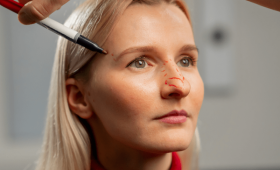
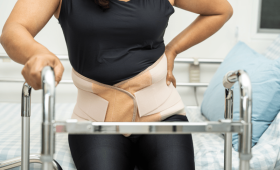
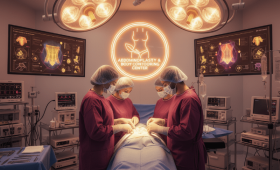
Indicative price range: Rhinoplasty: 2,800 – 4,500 USD | Facelift Deep Plane: 4,500 – 8,000 USD | Liposuction Vaser: 2,500 – 4,000 USD | Mommy Makeover: 6,000 – 10,000 USD
Facility standards: In Türkiye, any facility treating international patients must hold the Ministry of Health’s international health tourism authorisation; hospitals and medical centres must also be accredited by TÜSKA, and complication insurance is compulsory for procedures carried out in an operating theatre (Regulation of 26 April 2025). Ask us for the authorisation of the facility you are matched with.
Currency: USD / EUR / GBP accepted at all clinics.
E-Max Veneers for Translucent Aesthetics: Achieving that “Vibrant” Smile in Turkey
E-Max Veneers: A Deep Dive into Material Science, Treatment Protocol, and Global Benchmarks
The pursuit of aesthetic dentistry is increasingly focused on achieving not just whiteness, but a natural, “vibrant” translucency. E-Max veneers – lithium disilicate ceramic restorations – have emerged as a leading solution for patients seeking subtle yet transformative smile enhancements. This pillar will dissect the medical foundation, technical definitions, and global standards surrounding E-Max veneer treatment, specifically within the context of dental tourism in Turkey. We will explore the material science that underpins their aesthetic success, the detailed treatment protocol, and how Turkish clinics adhere to international quality benchmarks.
Lithium Disilicate: The Foundation of Translucency
E-Max, manufactured by Ivoclar Vivadent, isn’t simply “ceramic”; it’s a specific type of glass-ceramic boasting exceptional mechanical and optical properties. Its core is lithium disilicate (Li₂SiO₃), a material chosen for its high flexural strength (340 MPa – significantly higher than traditional porcelain) and superior aesthetic capabilities. Unlike feldspathic porcelain, which often requires opaque layering to mask underlying tooth structure, lithium disilicate allows for remarkably thin veneer preparations – often as little as 0.3mm to 0.5mm – minimizing invasive tooth reduction. This is crucial for preserving tooth vitality and long-term structural integrity.
The translucency arises from the material’s unique crystalline structure. During fabrication, lithium disilicate undergoes a controlled crystallization process. This process yields microscopic crystals embedded within a glass matrix. The size, density, and distribution of these crystals directly influence the material’s light transmission and refraction, contributing to its lifelike appearance. Different levels of translucency are achievable based on the specific E-Max formulation utilized (e.g., E-Max CAD, E-Max Press, E-Max ZirCAD Prime). Clinicians in Turkey frequently employ a combination of these formulations to achieve layered aesthetics, mimicking the natural optical properties of enamel and dentin.
Treatment Protocol: From Diagnosis to Cementation
A comprehensive E-Max veneer treatment protocol begins with a meticulous diagnostic phase. This isn’t merely assessing tooth shade; it’s a detailed analysis of the patient’s facial morphology, smile line, occlusal scheme (how teeth come together), and gingival architecture. Digital impressions, captured using intraoral scanners (such as CEREC or PlanScan), replace traditional polyvinylsiloxane impressions, improving accuracy and patient comfort. These scans are uploaded to CAD/CAM software (Computer-Aided Design/Computer-Aided Manufacturing) for virtual veneer design.
The design phase is critical. Clinicians consider several key factors: the desired level of brightness, the shape and size of the veneers, and the creation of incisal translucency – the subtle light transmission at the edge of the teeth which is vital for a natural appearance. This digital model allows for precise customization. Once approved by both the clinician and patient, the design is sent to a milling machine, where the E-Max block is precisely sculpted into the veneer’s final form. Alternatively, a master model can be created and veneers fabricated via a layering technique employing porcelain onto the E-Max substructure for enhanced characterization.
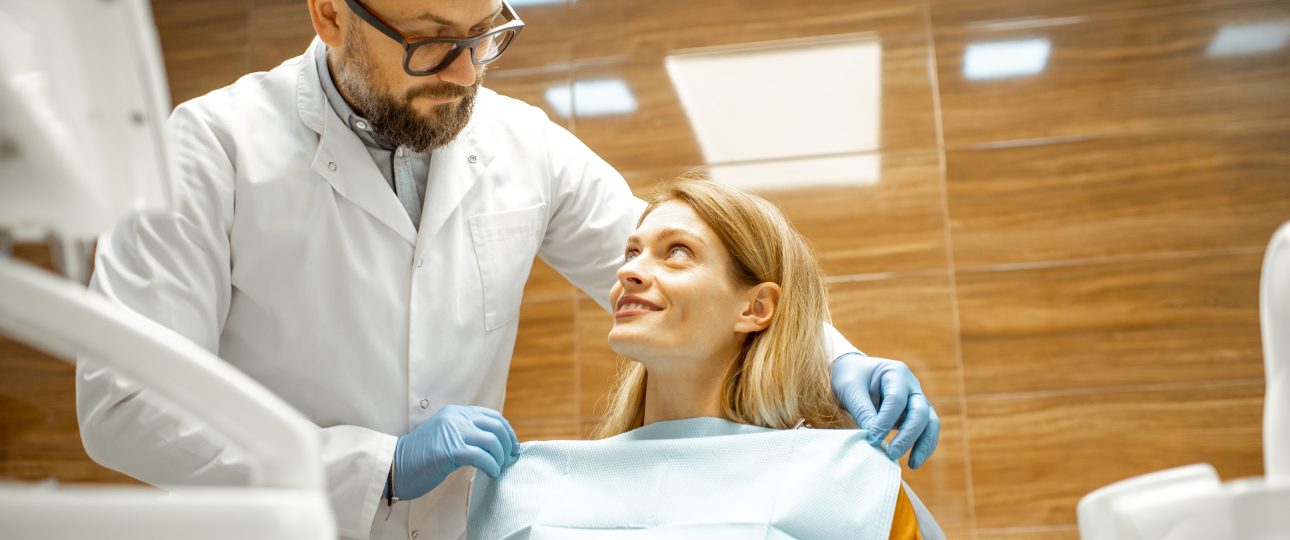
Tooth preparation, as mentioned previously, is minimal. Selective reduction of enamel is performed under local anesthesia using specialized diamond burs. The prepared teeth are then cleaned and a temporary veneer material is applied to protect the underlying dentin. Prior to definitive veneer cementation, a try-in phase is performed to verify aesthetics, occlusion, and phonetics. Any necessary adjustments are made at this stage. Definitive cementation utilizes resin cements, chosen for their bond strength, aesthetic properties, and ability to minimize microleakage. A light-curing device is then used to polymerize the cement, securing the veneers in place. Post-cementation, occlusal adjustments and polishing refine the bite and enhance the veneer’s surface texture.
Global Standards and Turkish Dental Infrastructure
The quality of E-Max veneer treatment is contingent on adherence to international standards. Clinics in Turkey actively pursue accreditation from bodies like the Joint Commission International (JCI) and operate under the rigorous regulations of the Turkish Ministry of Health. This ensures consistent quality control, infection control protocols, and qualified personnel. Furthermore, the increasing adoption of digital dentistry workflows – including intraoral scanners and CAD/CAM technology – elevates the precision and predictability of veneer fabrication.
Turkish dental laboratories play a significant role in ensuring high-quality restorations. Many facilities employ certified dental technicians specialized in ceramic veneer design and fabrication. These technicians work closely with dentists to achieve optimal aesthetic outcomes. The availability of advanced materials and equipment, coupled with competitive pricing, makes Turkey an attractive destination for dental tourism.
While patients often compare cosmetic procedures, it’s vital to understand the contextual pricing. Alongside E-Max veneers, other popular procedures demonstrate the cost-effectiveness of medical travel to Turkey. For example, rhinoplasty ranges from 2,800 – 4,500 USD, a deep plane facelift from 4,500 – 8,000 USD, Vaser liposuction from 2,500 – 4,000 USD, and a mommy makeover from 6,000 – 10,000 USD. Patients selecting E-Max veneers often combine these with other aesthetic enhancements during a single trip.
Post-Treatment Care and Long-Term Prognosis
The longevity of E-Max veneers is strongly correlated with patient compliance and regular dental maintenance. While E-Max is highly durable, it’s not impervious to damage. Patients are advised to avoid biting on hard objects, practice good oral hygiene (brushing twice daily and flossing), and attend regular check-ups and professional cleanings. The typical recovery period in Turkey is 7-10 days, allowing for initial healing and monitoring. However, final results and full adaptation typically take 3-6 months as the patient adjusts to their new smile. Patients can choose to recover in various hubs – Istanbul (City/Boutique), Antalya (Resort/Beach), or Izmir (Aegean/Thermal) – offering diverse post-operative experiences.
With proper care, E-Max veneers can maintain their aesthetic and functional integrity for 10-15 years or even longer. Regular monitoring by a dentist is crucial to identify and address any potential issues, such as veneer chipping or debonding, ensuring a lasting, vibrant smile.
E-Max Veneers: The Surgical & Clinical Journey – Achieving Translucent Aesthetics
This pillar details the precise surgical and clinical workflow involved in achieving aesthetically superior smiles using E-Max veneers in Turkish clinics. We will examine the procedure from initial consultation through post-operative care, using a detailed case study to illustrate best practices and outlining potential risk mitigation strategies. Cureholiday.com prioritizes patient safety and predictable outcomes, and this information reflects that commitment.
Pre-Operative Assessment & Digital Smile Design (DSD)
The journey begins not with instruments, but with a comprehensive evaluation. This encompasses a thorough dental history, clinical examination assessing gingival health, occlusal analysis (bite assessment), and radiographic imaging. Periapical radiographs and, increasingly, Cone-Beam Computed Tomography (CBCT) are utilized to evaluate underlying bone structure and rule out any pre-existing pathology. Crucially, a DSD protocol is implemented. This is a multi-faceted diagnostic approach utilizing high-resolution intraoral and extraoral photographs and videos, combined with specialized software. DSD allows for a fully visualized, patient-approved smile design before any tooth preparation commences. This digital preview ensures patient expectations are aligned with achievable outcomes.
The DSD process analyzes facial aesthetics, including the relationship between the lips, gingiva, and teeth, considering the ‘dynamic’ smile – how the teeth appear during animation. Key parameters assessed include: lip line (how much gum tissue is displayed), incisal edge position, tooth width/length ratio, and the creation of ‘hallmarks’ – specific aesthetic features designed to complement the patient’s unique facial characteristics. This isn’t merely about ‘whitening’ teeth; it’s a holistic approach to facial harmony.
Tooth Preparation & Impression Taking
Minimally invasive tooth preparation is paramount with E-Max. Unlike traditional porcelain veneer procedures requiring substantial reduction, E-Max allows for often 0.3-0.5mm of enamel reduction, preserving tooth vitality. Preparation is performed using diamond burs under copious irrigation to prevent thermal injury to the pulp. The burs used are carefully selected based on the desired preparation design – typically a chamfer or rounded shoulder finish line.
Accurate impression taking is critical. Clinics prioritizing E-Max veneer quality utilize digital intraoral scanners (e.g., Planmeca, CEREC) to create precise models. These digital scans eliminate the potential for distortion inherent in traditional impression materials (alginate, polyvinyl siloxane). The digital model is then sent to a specialized dental laboratory experienced in E-Max fabrication. In cases where digital scanning isn’t feasible, a two-step impression technique utilizing a high-accuracy VPS material and a rigid impression tray is employed. Bite registration using occlusal wax is also essential to accurately capture the patient’s centric occlusion and lateral excursions.
Laboratory Fabrication & Veneer Characteristics
E-Max (Lithium Disilicate) is a ceramic material known for its exceptional aesthetic qualities and flexural strength. The laboratory technician meticulously layers ceramic to mimic natural tooth translucency and opalescence. This is achieved through the skillful application of staining and glazing techniques. The key to achieving a “vibrant” smile lies in understanding the interplay of light with the ceramic material. The layering technique allows for the creation of internal characteristics (e.g., mamelons, incisal halos) that enhance the natural appearance of the veneers.
CAD/CAM (Computer-Aided Design/Computer-Aided Manufacturing) technology is then utilized to mill the veneers from a pre-sintered E-Max block. Following milling, the veneers undergo sintering – a high-temperature firing process that densifies the ceramic, increasing its strength and translucency. Final polishing and characterization complete the fabrication process.
Case Study: 45-Year-Old Female from the UK
Ms. Eleanor Davies, a 45-year-old professional from the UK, presented with generalized tooth wear and discoloration due to bruxism (teeth grinding). She desired a natural-looking smile makeover. Following a DSD assessment, a treatment plan involving 8 units of E-Max veneers was proposed. Pre-operative photographs revealed a compromised smile aesthetic and a disharmonious lip line. Tooth preparation involved minimal enamel reduction (average 0.35mm). Digital impressions were taken using a Planmeca intraoral scanner. The laboratory fabricated the veneers with careful attention to shade matching (Vita Bleach Shade Guide) and characterization. Try-in veneers were evaluated for fit, occlusion, and aesthetics. Minor adjustments were made to ensure proper emergence profiles and contact points. Following patient approval, the veneers were bonded using a resin cement (e.g., RelyX Ultimate) and a light-curing unit. Post-operative photographs demonstrate a significant improvement in smile aesthetics, with a brighter, more harmonious appearance.
Risk Mitigation & Post-Operative Care
While E-Max veneers are highly successful, potential risks exist. These include veneer chipping or fracture (especially under heavy occlusal forces), cement failure, and post-operative sensitivity. Risk mitigation strategies include:
- Occlusal Adjustment: Ensuring proper occlusal contacts and eliminating any interferences during veneer placement minimizes stress on the ceramic.
- Bonding Protocol: Strict adherence to the manufacturer’s bonding protocol (tooth isolation, surface treatment, cement application) maximizes bond strength.
- Patient Education: Educating patients about avoiding hard or sticky foods and wearing a night guard (if bruxism is present) prolongs veneer longevity.
Post-operative care involves regular dental check-ups and professional cleanings. Patients are advised to maintain excellent oral hygiene practices, including brushing twice daily with a soft-bristled toothbrush and flossing. Any signs of chipping, loosening, or sensitivity should be reported to the dentist immediately.
For patients considering this treatment within Turkey, remember that the typical stay is 7-10 days, with full results visible within 3-6 months. Costs for dental procedures remain highly competitive, and often attractive compared to Western European or North American pricing. Beyond dental work, Turkey also offers a range of related aesthetic treatments like rhinoplasty (2,800 – 4,500 USD), liposuction (2,500 – 4,000 USD) or even a more comprehensive mommy makeover (6,000 – 10,000 USD), allowing patients to combine procedures for optimal value and convenience.
Clinics within the Cureholiday.com network are stringently vetted and operate under JCI (Joint Commission International) Accreditation and regulations from the Turkish Ministry of Health, ensuring a high standard of care. Patients from the UK, US, and EU can typically utilize an E-visa for a stay of up to 90 days.
Recovery Logistics, 2026 Cost Audit & The Final Medical Verdict – E-Max Veneers in Turkey
Following the aesthetic assessment and procedural execution of E-Max veneer placement in Turkey, a comprehensive understanding of the post-operative recovery phase, anticipated costs in 2026, and a critical evaluation of medical standards is paramount for prospective patients. This pillar will detail the logistics of recovery, forecast pricing trends, and solidify Turkey’s position as a viable destination for high-quality dental aesthetics.
Post-Operative Recovery: A Phased Approach
Recovery following E-Max veneer application is typically characterized by a period of soft tissue adaptation and minor occlusal adjustments. While generally considered a minimally invasive procedure, a structured recovery protocol is vital to optimize aesthetic outcomes and minimize potential complications. Unlike more extensive reconstructive surgeries, the initial recovery period for veneers focuses on managing mild discomfort and ensuring proper integration of the restorations with the gingival tissues. Patients can generally expect a 7-10 day stay in Turkey dedicated to post-operative monitoring and initial adjustments.
- Phase 1: Immediate Post-Op (Days 1-3): This phase concentrates on managing potential sensitivity and ensuring correct occlusion. A temporary, biocompatible polishing paste is often recommended to smooth any minor ceramic irregularities and prevent initial micro-abrasion of opposing dentition. Patients are advised to adhere to a soft diet to minimize stress on the newly placed veneers. We utilize digital occlusion analysis with pressures mapping to immediately address any high spots or premature contacts.
- Phase 2: Soft Tissue Stabilization (Days 4-7): Gingival tissues undergo a period of remodeling around the veneer margins. Chlorhexidine mouthwash is typically prescribed to maintain optimal oral hygiene and mitigate the risk of post-operative inflammation. Any marginal inflammation, a common transient response, is monitored and addressed with localized applications of anti-inflammatory agents if necessary.
- Phase 3: Home Care & Long-Term Evaluation (3-6 Months): The final aesthetic assessment and minor adjustments are completed within 3-6 months. This allows for complete soft tissue maturation and allows the patient’s perception of the new smile to fully integrate. Long-term, patients are educated on meticulous oral hygiene practices, including the use of non-abrasive toothpaste and regular professional cleanings to maximize the longevity of their E-Max veneers.
It is crucial to differentiate this recovery timeline from that of more complex procedures. The following table showcases recovery benchmarks compared to other popular medical tourism interventions:
| Procedure | Turkey Recovery Time | Final Results Visible |
|---|---|---|
| E-Max Veneers | 7-10 days | 3-6 months (soft tissue maturation) |
| Rhinoplasty | 7-14 days | 6-12 months (final swelling subsidence) |
| Deep Plane Facelift | 10-14 days | 6-9 months (complete settling of tissues) |
| Vaser Liposuction | 5-7 days | 3-6 months (tissue contraction & skin tightening) |
2026 Cost Audit: Antalya vs. Istanbul – A Predictive Analysis
Maintaining cost-effectiveness is a key driver for dental tourism to Turkey. While currently offering significant savings compared to Western countries, predicting future cost structures requires careful consideration of economic factors and escalating material costs. The following represents a projected cost analysis for 2026, taking into account potential inflation and exchange rate fluctuations. It’s important to note these are estimates and subject to change.
- E-Max Veneers (per tooth): Current average 700-1,200 USD. Projected 2026: 850-1,500 USD.
- Full Mouth E-Max Veneers (10-14 teeth): Current average 7,000-16,800 USD. Projected 2026: 8,500-21,000 USD.
Geographically, costs may vary slightly between Istanbul and Antalya. Istanbul, being a major metropolitan hub, often exhibits slightly higher costs due to increased overhead. Conversely, Antalya, with its resort-focused infrastructure, may offer competitive package deals combining dental treatment with accommodation and recovery in a more relaxed environment. While the core veneer costs are comparable, ancillary services like airport transfers and bespoke recovery packages might be more competitively priced in Antalya.
Comparing these costs to Western European and North American markets reveals significant savings. For example, a full set of E-Max veneers in the UK can range from £4,000-£12,000 (approximately $5,000-$15,000 USD), while in the US, costs can exceed $20,000 USD. Turkey continues to offer a compelling value proposition, even accounting for travel and accommodation expenses.
In addition to veneers, patients often consider combining procedures for comprehensive aesthetic enhancements. Current pricing for complementary procedures (as of November 2023) includes:
- Rhinoplasty: 2,800 – 4,500 USD
- Facelift (Deep Plane): 4,500 – 8,000 USD
- Liposuction (Vaser Hi-Def): 2,500 – 4,000 USD
- Mommy Makeover: 6,000 – 10,000 USD
The Final Medical Verdict: Quality Control & Accreditation
Beyond cost, the most critical factor is maintaining consistently high medical standards. Turkey’s dental sector is subject to stringent oversight by the Ministry of Health and increasingly embraces international accreditation. A significant number of clinics, including those partnered with CureHoliday, are JCI (Joint Commission International) Accredited, demonstrating adherence to globally recognized benchmarks for patient safety and quality of care.
We employ a rigorous vetting process for all affiliated clinics, evaluating:
- Dentist Qualifications: Confirmation of specialist training and board certification in prosthodontics or cosmetic dentistry.
- Laboratory Standards: Partnering with dental laboratories equipped with advanced CAD/CAM technology and employing experienced dental technicians proficient in E-Max fabrication.
- Sterilization Protocols: Adherence to internationally recognized sterilization protocols and maintenance of a meticulously clean and hygienic clinical environment.
- Materials Sourcing: Utilization of genuine E-Max ceramic materials from reputable manufacturers (Ivoclar Vivadent). Counterfeit materials represent a significant risk, and our quality control measures ensure authenticity.
Furthermore, clinics routinely integrate cutting-edge technology such as digital smile design (DSD) and intraoral scanners for precise treatment planning and fabrication of veneers. These technologies minimize errors, enhance predictability, and contribute to superior aesthetic outcomes. The implementation of Piezo Rhinoplasty and Vaser Hi-Def for related aesthetic procedures further emphasizes the commitment to technologically advanced care within our network. The ability to seamlessly integrate these technologies represents a significant advantage for patients seeking comprehensive facial aesthetic solutions.
Ready to consult a specialist? Schedule a Free Consultation for E-Max Veneers for Translucent Aesthetics in Turkey with cureholiday.com
Free Consultation
Fill out the form below to get your free medical travel plan and price quote.
Sources and how to verify this yourself
- Howe M-S, Keys W, Richards D. Long-term (10-year) dental implant survival: a systematic review and sensitivity meta-analysis. Journal of Dentistry, 2019 — pooled 10-year implant survival 96.4% (95% CI 95.2–97.5%); conservative sensitivity estimate 93.2%. source
- Ministry of Health, Regulation on International Health Tourism and Tourist Health, Official Gazette 26 April 2025, No. 32882 — authorisation requirement for facilities and intermediaries, TÜSKA accreditation, compulsory complication insurance (deadline 31 December 2025 for insurance, 31 December 2026 for accreditation). source
- Ministry of Health, Regulation on Promotion and Information Activities in Health Services, Official Gazette 12 November 2025, No. 33075 — treatment promises and guarantees are prohibited; price and campaign announcements are permitted only within international health tourism. source