Turkish cuisine is world-renowned for its diversity, freshness, and rich flavors. However, when you are undergoing medical treatment—whether it is a dental procedure, aesthetic surgery, or a more complex medical intervention—your nutritional needs change significantly. The food you consume plays a critical role in how fast your body repairs tissues, how well your immune system fights off potential infections, and how effectively your energy levels are maintained during the healing process. In this comprehensive guide, we will explore the healing power of Turkish gastronomy and how you can navigate traditional dishes to support your recovery journey.
Why Is Nutrition Critical During The Medical Recovery Process?
Nutrition serves as the fundamental building block for cellular repair and immune function. When the body is under the stress of medical treatment or surgery, its demand for protein, vitamins, and minerals increases exponentially. Without proper fuel, the recovery period can be prolonged, and the risk of complications may rise. Turkish cuisine, with its emphasis on whole foods, legumes, and healthy fats, provides an excellent palette for patients. Understanding which nutrients are found in specific Turkish dishes allows you to make informed choices that accelerate your return to health while enjoying the local culture.
How Can Turkish Cuisine Specifically Assist In Your Healing?
Turkish cuisine is inherently “clean” compared to many Western diets, often focusing on seasonal vegetables, lean proteins, and fermented products. The Mediterranean influence on the western and southern coasts brings heart-healthy olive oils, while the Anatolian heartland offers protein-rich legumes and grains. This geographic variety means that no matter what your specific dietary restrictions are, you can find a Turkish dish that fits your needs. By choosing traditional recipes that have been passed down for generations, you are tapping into a legacy of functional food that promotes longevity and vitality.
Which Traditional Turkish Soups Boost The Immune System?
Soups, or “çorba,” are the cornerstone of the Turkish table and are often the first thing served to someone feeling unwell. Varieties like Beyran or Kelle Paça are famous for their high collagen content, which is essential for skin and tissue repair. These soups are typically slow-cooked for hours, ensuring that the nutrients are easily digestible and readily available for absorption. The addition of garlic and lemon—common accompaniments—provides an extra punch of Vitamin C and antimicrobial properties, making Turkish soups a primary defense mechanism for any patient in recovery.
Why Is Mercimek Çorbası Recommended For All Patients?
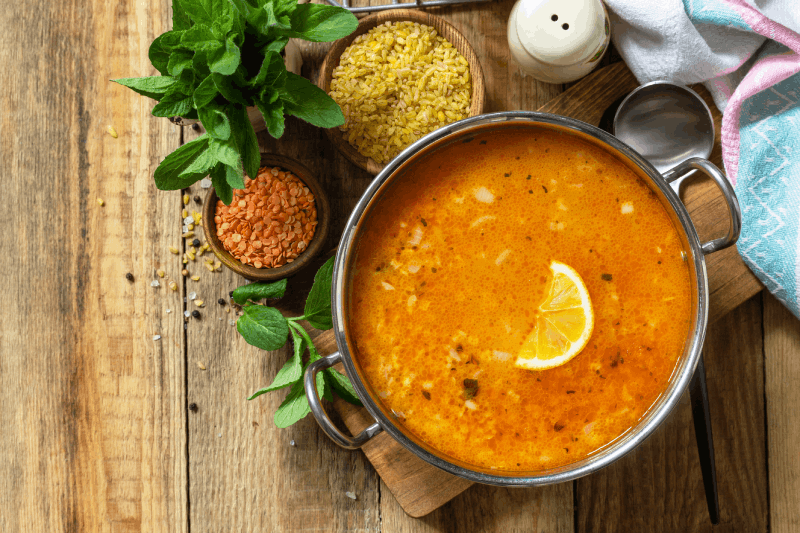
Lentil soup, or Mercimek Çorbası, is perhaps the most ubiquitous dish in Turkey, and for good reason. It is a powerhouse of plant-based protein and iron, both of which are vital for maintaining blood health and muscle integrity during treatment. Because it is blended into a smooth consistency, it is perfect for patients who may have difficulty chewing or swallowing following certain procedures. Furthermore, the high fiber content helps maintain regular digestion, which can often be disrupted by medications or anesthesia. It is a gentle, comforting, and highly nutritious staple that provides consistent energy throughout the day.
What Are The Incredible Benefits Of Bone Broth In Turkish Cooking?
Bone broth is not just a modern health trend in Turkey; it is a centuries-old tradition. Many Turkish stews and soups use a base of bone-in meat, releasing gelatin, glucosamine, and essential amino acids into the broth. These elements are the building blocks of cartilage and bone, making these dishes especially beneficial for orthopedic patients or those undergoing reconstructive surgery. The natural fats in the broth also aid in the absorption of fat-soluble vitamins, ensuring that your body gets the most out of every vegetable added to the pot.
How Do Probiotics In Turkish Yogurt Aid Your Digestion?
Turkey is the ancestral home of yogurt, and it remains a vital part of every meal. Traditional Turkish yogurt is rich in natural probiotics that are essential for maintaining a healthy gut microbiome. When taking antibiotics as part of a treatment plan, the balance of good bacteria in your stomach can be compromised. Consuming plain, high-quality Turkish yogurt helps restore this balance, preventing digestive distress and strengthening the overall immune response. It is often served as “Süzme” (strained), which is even higher in protein, making it an ideal snack for tissue synthesis.
Is Ayran The Best Choice For Rehydration During Treatment?
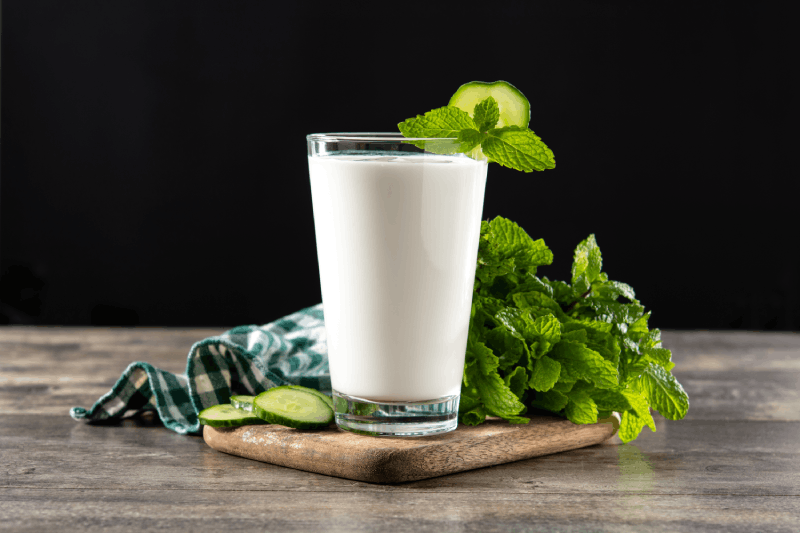
Staying hydrated is one of the most important aspects of recovery, but water alone sometimes isn’t enough to replace lost electrolytes. Ayran, a simple mixture of yogurt, water, and a pinch of salt, is Turkey’s national drink and a superior rehydration tool. The salt helps the body retain necessary fluids, while the yogurt provides calcium and protein. It is refreshing, easy on the stomach, and provides a much-needed cooling effect, which can be very soothing if you are dealing with inflammation or a slight fever post-treatment.
Which Turkish Vegetables Are Highest In Essential Antioxidants?
The Turkish bazaar is a testament to the country’s agricultural wealth. Vegetables like spinach (ispanak), eggplants (patlıcan), and red peppers (kapya biber) are staples that are loaded with antioxidants. These compounds are crucial for neutralizing free radicals produced by the body during physical stress. For instance, Turkish spinach dishes are often cooked with a small amount of rice and tomato paste, providing a balanced dose of Vitamin K, iron, and Vitamin C. These nutrients work together to ensure proper blood clotting and to protect cells from oxidative damage.
How To Safely Incorporate Olive Oil Into A Post-Op Diet?
Olive oil, particularly the “Zeytinyağlı” (cooked with olive oil) category of dishes, is the gold standard for healthy fats in Turkey. Extra virgin olive oil is rich in oleocanthal, a natural anti-inflammatory agent that works similarly to ibuprofen. Incorporating these dishes—like cold braised green beans or leeks—into your diet can help reduce post-surgical swelling and pain. Because these meals are usually served at room temperature and are light in nature, they do not tax the digestive system, allowing your body to focus its energy entirely on the healing process.
What Role Does Zeytinyağlı Food Play In Cellular Healing?
Zeytinyağlı dishes are unique because the vegetables are simmered in their own juices with a generous amount of olive oil and often a hint of lemon and sugar. This cooking method preserves the integrity of the vitamins while making the fiber soft and easy to digest. The healthy monounsaturated fats in the olive oil are essential for cell membrane health. Every new cell your body creates during recovery requires these fats to function correctly. By eating Zeytinyağlı dishes, you are providing your body with the high-quality lipids it needs to build strong, resilient new tissue.
Why Is Tarhana Soup Considered A Traditional Superfood?
Tarhana is a unique Turkish fermented grain product made from a mixture of fermented grain and yogurt, dried and crumbled. When turned into a soup, it becomes a probiotic and prebiotic powerhouse. It is rich in B vitamins, which are essential for nerve health and energy metabolism. For patients who feel fatigued or weak, Tarhana provides a complex nutritional profile that is hard to find in a single dish. It is often described as the world’s first “instant soup,” but with none of the preservatives and all of the natural healing benefits of fermentation.
How Can Grilled Fish From The Aegean Support Heart Health?
If your treatment allows for solid proteins, the Aegean coast of Turkey offers some of the best fresh fish in the world, such as sea bass (levrek) or sea bream (çipura). These white fishes are excellent sources of high-quality protein and Omega-3 fatty acids. Omega-3s are famous for their ability to reduce inflammation and support cardiovascular health, which is vital if you are recovering from surgery. Grilling the fish simply with lemon and herbs ensures that you avoid unnecessary trans fats, keeping the meal light and heart-healthy.
What Are The Best Lean Protein Options Available In Turkey?
Protein is the most important macro-nutrient for wound healing. In Turkey, you can find excellent lean protein sources beyond just fish. “Tavuk Suyu” (chicken broth) with shredded chicken pieces is a classic recovery meal. Additionally, “Köfte” (meatballs) can be prepared with lean ground beef or lamb and grilled rather than fried. Legumes like chickpeas (nohut) and beans (fasulye) also offer significant protein combined with fiber. Ensuring a steady intake of these proteins provides the amino acids necessary for collagen production and muscle maintenance during periods of reduced activity.
Can Turkish Honey And Ginger Help With Post-Treatment Inflammation?
Turkey is one of the world’s largest producers of honey, particularly pine honey from the Aegean region. Honey has natural antibacterial and anti-inflammatory properties. When mixed with fresh ginger or lemon, it becomes a powerful natural remedy for soothing sore throats (common after intubation) or reducing systemic inflammation. A spoonful of high-quality Turkish honey in the morning can provide a quick glucose boost for the brain while simultaneously coating the digestive tract with protective enzymes, making it a functional addition to a recovery breakfast.
Is Pekmez Effective For Fighting Anemia During Recovery?
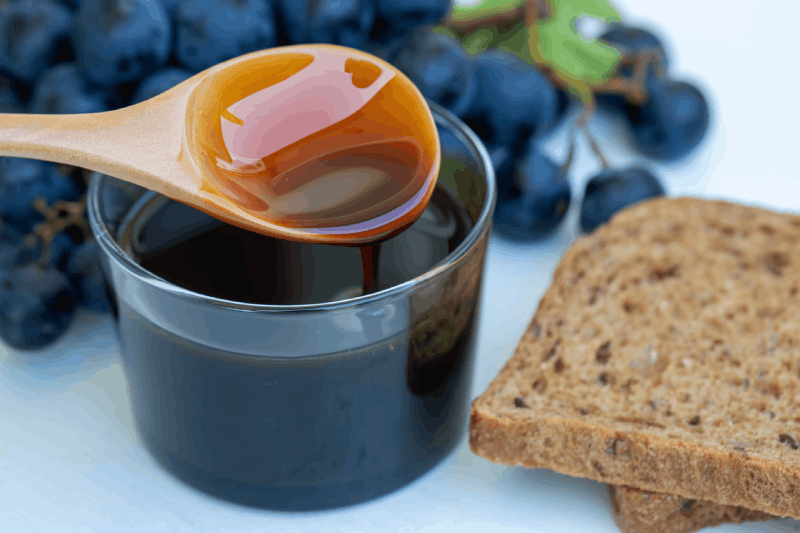
Many patients experience a drop in iron levels or red blood cell counts after surgery. “Pekmez,” a traditional Turkish fruit molasses made from grapes, carob, or mulberries, is an ancient remedy for anemia. It is incredibly concentrated in iron, calcium, and potassium. Taking a tablespoon of Pekmez daily can help boost your hemoglobin levels naturally. Unlike synthetic iron supplements, which can cause constipation, Pekmez is easily absorbed and provides a natural energy lift without any gastrointestinal side effects, making it a perfect supplement for the recuperating patient.
Which Turkish Herbal Teas Help With Stress And Sleep?
Recovery is not just physical; it is mental. The stress of being in a foreign country for treatment can be taxing. Turkey has a rich culture of herbal teas, or “Bitki Çayları.” Sage (Adaçayı) and Linden (Ihlamur) are widely consumed for their calming effects. Linden tea, in particular, is excellent for relaxing the nervous system and promoting restful sleep, which is when the body does the majority of its healing work. These teas also provide hydration and antioxidants without the jittery effects of caffeine found in traditional black tea or coffee.
How Does Rosehip Tea Strengthen The Body’s Defenses?
Rosehip tea, known as “Kuşburnu Çayı,” is one of the richest natural sources of Vitamin C—even higher than citrus fruits. Vitamin C is indispensable for the synthesis of collagen and the proper functioning of white blood cells. During treatment, your body’s Vitamin C stores can be depleted quickly. Drinking Kuşburnu tea regularly while in Turkey provides a tart, delicious way to keep your immune system vigilant. It also supports the health of your blood vessels, ensuring that nutrients can be transported efficiently to the site of your injury or surgery.
Why Should Patients Avoid Spicy Kebabs Initially?
While the Adana or Urfa kebab is a hallmark of Turkish cuisine, patients in the early stages of recovery should exercise caution. Spicy foods can irritate the digestive lining and may interfere with certain medications. Furthermore, the high fat content and heavy spices might lead to heartburn or discomfort when the body is already sensitive. It is better to opt for “Çöp Şiş” (small grilled meat cubes) which are less seasoned, or “Izgara Tavuk” (grilled chicken) until your doctor confirms that your digestive system is ready for more complex and spicy flavor profiles.
What Are Soft Turkish Foods Suitable For Dental Patients?
Dental treatments, such as implants or veneers, require a very specific “soft food” diet. Turkey is a paradise for such requirements. Beyond the aforementioned soups, you can enjoy “Hünkar Beğendi”—a creamy eggplant puree that is incredibly rich in flavor and requires no chewing. Another option is “Muhallebi,” a traditional milk pudding that is cool and soothing. Mashed potatoes, soft-cooked eggs (Menemen), and well-cooked legumes are also excellent choices that ensure you don’t compromise your dental work while still receiving ample nutrition.
How Does Menemen Provide A Perfectly Balanced Breakfast?
Breakfast is the most important meal in Turkey, and “Menemen” is its crown jewel. Made with eggs, tomatoes, green peppers, and occasionally onions and olive oil, it is a perfectly balanced meal. The eggs provide high-quality protein and choline, while the cooked tomatoes offer lycopene, a potent antioxidant. Because it is a soft, moist dish, it is easy to eat. For a patient, a breakfast of Menemen provides a slow release of energy and a variety of micronutrients that set a positive tone for the rest of the day’s healing.
Is Bulgur A Healthier Alternative To White Rice During Recovery?
While “Pirinç Pilavı” (white rice) is common, “Bulgur Pilavı” is often a better choice for those in recovery. Bulgur is a whole grain, meaning it retains its fiber, B vitamins, and minerals. It has a lower glycemic index than white rice, which helps keep blood sugar levels stable—an important factor in avoiding inflammation and maintaining consistent energy. Bulgur is also rich in magnesium, which helps with muscle relaxation and reduces cramps. It’s a hearty, satisfying side dish that supports long-term satiety and metabolic health.
Which Dried Fruits From Turkey Boost Energy Levels Safely?
Turkey is a leading exporter of dried apricots, figs, and raisins. For a patient who needs a quick but healthy energy boost, these dried fruits are ideal. Dried apricots (Gün Kurusu) are particularly high in potassium and fiber, aiding in heart health and digestion. Dried figs provide a wealth of calcium and magnesium. These snacks are far superior to processed candies because they provide fiber along with their natural sugars, preventing the “sugar crash” that can lead to fatigue. They are easy to carry and require no preparation, making them the perfect hospital-room snack.
How To Eat Sustainably And Clean While Staying In Turkey?
One of the joys of being in Turkey for treatment is the accessibility of “Esnaf Lokantası” (tradesman restaurants). These establishments serve home-cooked style meals made fresh every morning. Choosing these over fast food ensures that you are eating meals made with seasonal produce and traditional methods. Look for dishes that are steamed, boiled, or baked rather than deep-fried. By focusing on “Sulu Yemek” (dishes with juice/broth), you ensure that you are getting a meal that is hydrating, nutrient-dense, and free from the hidden sugars and trans fats found in processed foods.
Why Is Seasonal Eating Central To The Turkish Recovery Experience?
In Turkey, fruit and vegetables are rarely imported; they are eaten according to the season. This means the produce you consume is at its peak nutritional value. In the winter, you will find pomegranates (Nar) which are bursting with polyphenols that support blood flow. In the summer, watermelons (Karpuz) provide essential hydration and lycopene. Eating seasonally ensures that your body receives the specific nutrients nature provides to combat the environmental stresses of that time of year, aligning your internal recovery with the natural rhythm of the environment.
How Do Turkish Spices Like Sumac Help The Body Heal?
Spices in Turkish cuisine are used not just for flavor, but for their medicinal properties. Sumac, a tangy red powder often sprinkled on salads and meats, is one of the most powerful anti-inflammatory spices in the world. It has a very high ORAC (Oxygen Radical Absorbance Capacity) score, meaning it is incredibly effective at fighting oxidative stress. Another common spice, “Pul Biber” (Aleppo pepper), can boost metabolism and circulation in moderate amounts. Using these spices allows you to flavor your food without excessive salt, which can cause fluid retention and swelling.
What Is The Best Way To Effectively Stay Hydrated In Turkey?
Beyond water and Ayran, Turkey offers “Şerbet” (natural fruit infusions) and “Hoşaf” (dried fruit compotes). A compote made from dried plums or apricots is not only hydrating but also serves as a gentle natural laxative—something very useful if post-operative pain medication has slowed your digestion. Avoid excessive consumption of “Türk Kahvesi” (Turkish coffee) or strong black tea during the first few days of recovery, as caffeine can lead to dehydration and may interfere with your sleep patterns, which are crucial for the regeneration of tissues.
Are Traditional Turkish Desserts Allowed During Your Recovery?
While Baklava might be too heavy and sugary for someone immediately out of surgery, Turkish cuisine offers many lighter alternatives. “Sütlü Tatlılar” (milk-based desserts) like “Sütlaç” (rice pudding) or “Kazandibi” are much easier on the stomach. These desserts provide calcium and a bit of comfort without the heavy syrup of pastries. However, moderation is key. High sugar intake can increase inflammation, so it is best to view these as an occasional treat rather than a dietary staple during your intensive healing phase.
How Does Quince Dessert Benefit Your Digestive Health?
“Ayva Tatlısı” (quince dessert) is a unique Turkish delicacy where the fruit is poached until soft. Quince is very high in pectin, a type of soluble fiber that is excellent for gut health. It acts as a soothing agent for the digestive tract and can help regulate bowel movements. Because it is usually prepared with very little added sugar and served with a bit of “Kaymak” (clotted cream) for healthy fats, it is one of the most “functional” desserts you can eat in Turkey, providing both pleasure and health benefits.
What Should You Ask Your Doctor About Turkish Food?
Before diving into the local cuisine, always consult with your medical team. Ask specifically about your restrictions regarding salt, sugar, and spice levels. If you are on blood thinners, you might need to limit your intake of Vitamin K-rich greens like spinach temporarily. If you’ve had bariatric or digestive surgery, your portion sizes and the texture of the food will be strictly regulated. Your doctor can help you identify which Turkish staples—like yogurt or lentil soup—align perfectly with your clinical recovery protocol, ensuring your safety and optimal results.
How To Find The Healthiest Restaurants Near Turkish Hospitals?
Most major hospitals in Turkey are located in areas surrounded by “Esnaf Lokantası” and modern cafes. When searching for a place to eat, look for keywords like “Ev Yemekleri” (Home Cooking). These places prioritize freshness and variety. Many restaurants also offer delivery services through local apps, making it easy to get a nutritious “Mercimek Çorbası” or “Zeytinyağlı” dish delivered straight to your hotel or recovery suite. Choosing places that look busy with locals is usually a good indicator of fresh turnover and high-quality ingredients.
Why Is Detailed Meal Planning Essential For International Patients?
Being in a new country can make it tempting to try everything at once, but for a medical traveler, a plan is necessary. Map out your meals for the first week, prioritizing soft and high-protein foods. Identify where you can buy fresh yogurt, Ayran, and bottled water near your accommodation. By having a plan, you avoid the temptation of reaching for unhealthy fast food when you are tired. Proper planning ensures that your body receives a consistent stream of the nutrients it needs, reducing stress and allowing you to focus entirely on your physical improvement.
Why Should You Choose Cure Holiday For Your Medical Journey?
Choosing the right partner for your medical treatment is as important as the treatment itself. Cure Holiday stands out by offering a holistic approach that goes beyond the operating room. We understand that a successful recovery is the result of many factors, including the environment you are in and the care you receive post-procedure. By choosing Cure Holiday, you are ensuring that every detail of your journey—from the selection of world-class surgeons to your local logistics—is handled with the utmost professional care, allowing you to recover in comfort and peace.
How Does Cure Holiday Personalize Your Entire Treatment Plan?
At Cure Holiday, we believe that no İndividual is the same. Our team works closely with you to understand your specific medical needs, aesthetic goals, and even your dietary preferences. We don’t just book a surgery; we curate an experience. From the moment you contact us, we provide a personalized roadmap that includes detailed information on what to expect during your stay in Turkey. This bespoke service ensures that you feel supported, informed, and empowered throughout your entire transformation, making Cure Holiday the premier choice for international patients.
What Support Does Cure Holiday Offer Regarding Recovery Nutrition?
Nutrition is a pillar of the Cure Holiday philosophy. We recognize that international patients may feel overwhelmed by the local food options. Our coordinators are trained to provide guidance on which Turkish dishes are best suited for your specific recovery stage. Whether you need help finding the best “çorba” near your hotel or need advice on staying hydrated, Cure Holiday is there to provide the local knowledge you need. We bridge the gap between medical advice and cultural experience, ensuring your diet supports your medical outcomes perfectly.
Ready To Start Your Healing Journey With Cure Holiday?
Your health and beauty deserve the best possible care, and Turkey offers a world-class destination for both. By combining expert medical procedures with the nutritional powerhouse of Turkish cuisine, you are setting yourself up for the best possible results. Cure Holiday is ready to be your guide, your advocate, and your support system in this life-changing journey. Don’t leave your recovery to chance; choose the expertise and personalized touch that only we can provide. Contact Cure Holiday today to start planning your treatment and experience the true meaning of healing hospitality.
In conclusion, your journey to health in Turkey is an opportunity to nourish both your body and your soul. By understanding the functional benefits of Turkish dishes—from the collagen in its soups to the probiotics in its yogurt—you can turn every meal into a step toward recovery. Remember to prioritize protein, stay hydrated with Ayran, and embrace the healing power of olive oil. With the right nutritional choices and the professional support of a partner like Cure Holiday, your medical treatment in Turkey will be more than just a procedure—it will be a holistic rebirth into a healthier, more vibrant version of yourself.
Free Consultation
Fill out the form below to get your free medical travel plan and price quote.