Cost and planning note (2026)
The figures below are indicative market ranges for 2026, not a quote: your own price depends on the clinic, the surgeon and your clinical assessment.
Indicative price range: Standard Cycle: 3,000 – 5,000 USD | With Pgt: add 1,500 – 3,000 USD | Donor eggs and sperm: not permitted under Turkish law (own gametes only).
Facility standards: In Türkiye, any facility treating international patients must hold the Ministry of Health’s international health tourism authorisation; hospitals and medical centres must also be accredited by TÜSKA, and complication insurance is compulsory for procedures carried out in an operating theatre (Regulation of 26 April 2025). Ask us for the authorisation of the facility you are matched with.
Currency: USD / EUR / GBP accepted at all clinics.
Understanding the “Two-Week Wait”: Managing Mental Health during IVF in Turkey
Understanding the “Two-Week Wait” (2WW) in the Context of IVF in Turkey: A Medical & Psychological Perspective
The “Two-Week Wait” (2WW) – the period between embryo transfer and pregnancy test – is arguably the most emotionally challenging phase of in vitro fertilization (IVF). While seemingly straightforward, the 2WW is a complex interplay of hormonal fluctuations, physiological responses, and psychological anticipation. This is particularly relevant for patients undergoing IVF in Turkey, where the combination of advanced medical technology, competitive pricing, and increasingly popular medical tourism necessitates a thorough understanding of this crucial window. This section will detail the physiological and biochemical basis of the 2WW, alongside the specific aspects relevant to a Turkish IVF journey.
The Physiological Basis of the 2WW
Following embryo transfer, the uterine lining, or endometrium, enters a state of receptivity. This isn’t a passive process; it’s an active hormonal cascade driven primarily by progesterone. Progesterone, often administered via vaginal or intramuscular suppositories/injections following transfer, is critical for maintaining endometrial thickness and vascularity – essentially preparing the ‘soil’ for implantation. The endometrium undergoes what’s known as decidualization, a process where stromal cells differentiate into decidual cells, providing nourishment and immunological protection for the implanted embryo.
Crucially, the 2WW isn’t just about progesterone. Estrogen levels, while lower than in the follicular phase, continue to play a modulating role. Endometrial receptivity isn’t uniform throughout the 2WW; there’s a ‘window of implantation’ – generally considered days 6-10 post-transfer. This window is determined by the expression of specific genes, notably HOXA10, HOXA11 and integrins (like αvβ3 integrin) within the endometrial tissue. These integrins play a vital role in the initial adhesion of the blastocyst to the endometrium. Assessment of endometrial receptivity, using technologies like the Endometrial Receptivity Analysis (ERA) test, is gaining traction, especially for patients with recurrent implantation failure, and is available in leading Turkish IVF clinics.
Biochemical Markers and the Early Pregnancy Factor (EPF)
While hCG (human chorionic gonadotropin) is the hormone ultimately detected in pregnancy tests, detectable levels are typically insufficient to support implantation. Before hCG rises, a cluster of biochemical markers known collectively as the Early Pregnancy Factor (EPF) are present. These include substances like pregnancy-associated plasma protein-A (PAPP-A) and human placental lactogen (hPL). Research suggests EPF may be detectable as early as 7-8 days post-transfer, although not routinely measured clinically due to limitations in reliability and standardization.
Serial beta-hCG monitoring, though standard, is often initiated around day 12-14 post-transfer. The rate of rise in hCG is as important as the absolute value. A slow or plateauing rise may indicate an ectopic pregnancy or a non-viable pregnancy, necessitating early ultrasound evaluation. Clinics in Turkey increasingly offer both quantitative hCG testing and early transvaginal ultrasounds (around day 18-21) to assess gestational sac formation, providing a more comprehensive assessment.
The 2WW in the Turkish IVF Context: Medical Standards & Technological Advancements
Turkey has rapidly become a global hub for IVF due to its combination of relatively low costs – a standard IVF cycle ranges from 3,000 – 5,000 USD, with Preimplantation Genetic Testing (PGT) adding 1,500 – 3,000 USD – and high-quality medical care. Clinics typically adhere to JCI accreditation and are rigorously regulated by the Turkish Ministry of Health. This ensures adherence to global standards for laboratory practices, quality control, and patient safety.
Several technological advancements utilized within Turkish IVF programs specifically benefit the 2WW period and subsequent implantation rates:
- ICSI (Intracytoplasmic Sperm Injection): While standard in many IVF protocols, ICSI’s consistent use helps optimize fertilization, maximizing the number of viable embryos available for transfer.
- Micro-chip Sperm Sorting: Clinics employing this technology can select morphologically normal, highly motile sperm, potentially improving embryo quality.
- Embryoscope: This time-lapse imaging system continuously monitors embryo development *in vitro*, providing detailed information on cell division, morphology, and viability. The resulting data assists embryologists in selecting the embryos with the highest implantation potential, improving the chances of success. Critically, Embryoscope data can also identify subtle developmental abnormalities that might be missed with traditional methods.
Furthermore, blastocyst culture (culturing embryos for 5-7 days) is routinely performed in Turkish IVF clinics. This allows for better selection of viable embryos, as only those capable of reaching the blastocyst stage are transferred, increasing implantation rates.
Managing the Psychological Impact of the 2WW
The 2WW is intensely stressful. Ambiguity, hope, and fear combine to create a significant psychological burden. Patients may experience anxiety, irritability, sleep disturbances, and even symptoms of depression. It’s vital that Turkish clinics offer robust psychological support during this period. This can include:
- Dedicated Nurse Support: Providing a designated point of contact for answering questions and addressing concerns.
- Mindfulness and Relaxation Techniques: Offering access to resources like guided meditation or yoga classes, either in-person or online.
- Peer Support Groups: Facilitating connections with other patients undergoing IVF, allowing for shared experiences and emotional support.
Clinics should also emphasize realistic expectations. Success rates vary significantly based on age – Up to 60-70% for age < 35, decreasing to approximately 15-20% for age > 42 – and individual patient factors. Open and honest communication regarding these statistics is paramount.
Practical Considerations for Medical Tourism & the 2WW in Turkey
For patients traveling to Turkey for IVF, the 2WW presents unique logistical challenges. Clinics need to provide clear guidance on medication schedules, follow-up appointment arrangements, and communication protocols. The availability of support after returning home – typically coordinated via telehealth consultations – is crucial. Turkey’s visa regulations (an E-visa is available for most UK/US/EU citizens for a 90-day stay) and diverse recovery hubs – Istanbul (City/Boutique), Antalya (Resort/Beach), Izmir (Aegean/Thermal) – are advantageous for international patients.
Financial considerations are also important. Clinics accepting USD, EUR, and GBP streamline the payment process. Patients should clarify all costs upfront and understand the refund policies in case of cycle cancellation.
The Surgical/Clinical Journey: A Deep Dive into IVF in Turkey
Following ovarian stimulation and egg retrieval (addressed in this section), the subsequent “two-week wait” (2WW) is arguably the most emotionally challenging phase of in vitro fertilisation (IVF). For patients undergoing IVF in Turkey, this period is coupled with the logistical considerations of being in a foreign country, demanding a comprehensive understanding of the clinical process and available support systems. This section details the critical steps within the surgical/clinical journey, highlights a representative patient case, and outlines potential risk mitigation strategies.
Embryology and Transfer – Precision at the Core
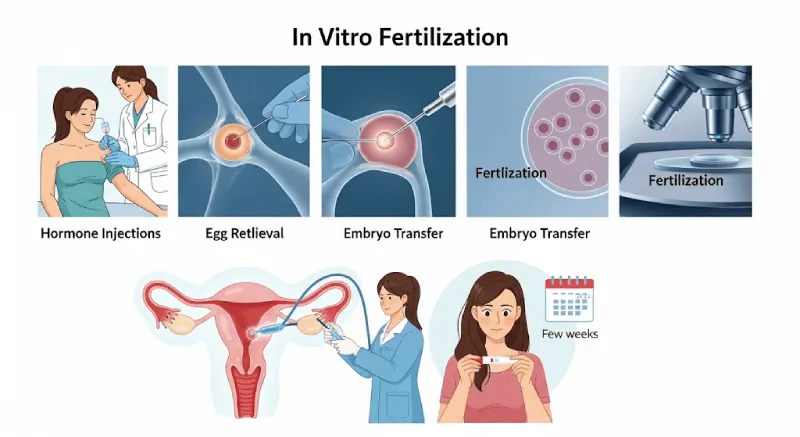
The journey doesn’t end with egg retrieval. The retrieved oocytes are meticulously assessed under a microscope, evaluating their maturity based on the presence of metaphase II chromosomes. Mature eggs are then prepared for fertilisation, most commonly utilising Intracytoplasmic Sperm Injection (ICSI) – a technique where a single sperm is directly injected into the egg’s cytoplasm. This bypasses natural barriers and is standard practice in many Turkish fertility clinics, particularly when dealing with male factor infertility. Alternative techniques, such as microfluidic sperm sorting, are also available in some facilities, allowing for selection of morphologically normal and highly motile sperm. This is particularly useful when sperm DNA fragmentation is a concern.
Following fertilisation, the resulting zygotes are cultured in a precisely controlled environment. Turkish clinics frequently employ Embryoscopes – time-lapse imaging systems which continuously monitor embryo development without disturbance. This provides invaluable data on developmental parameters like cleavage rate, blastocyst formation timing, and morphological characteristics. This detailed assessment, known as morphokinetic analysis, allows embryologists to select the most viable embryos for transfer, significantly improving implantation potential.
Embryo transfer itself is a relatively straightforward procedure. A thin, flexible catheter is guided through the cervix and into the uterus, depositing the selected embryo(s). The number of embryos transferred is carefully considered based on patient age, embryo quality, and legal guidelines. Single Embryo Transfer (SET) is increasingly promoted to minimize the risk of multiple pregnancies, although patients may opt for Double Embryo Transfer (DET) depending on individual circumstances.
Preimplantation Genetic Testing (PGT) – Enhancing Outcomes
For patients opting for PGT (formerly PGS/PGD), a small sample of cells (typically trophectoderm cells obtained from the blastocyst stage embryo – around day 5-7) is biopsied. This biopsy doesn’t harm the developing embryo but requires specialised skills and equipment. The biopsied cells are sent for genetic analysis, assessing chromosome number (PGT-A) or specific genetic mutations (PGT-M/SR). While adding 1,500 – 3,000 USD to the overall cost, PGT can dramatically improve implantation rates, reduce miscarriage risks, and eliminate the possibility of transferring embryos with severe genetic abnormalities.
Luteal Phase Support & Beta-HCG Testing
After embryo transfer, luteal phase support is crucial. This typically involves administration of progesterone (via vaginal suppository, intramuscular injection, or oral medication) to create and maintain a receptive endometrial lining. Clinics in Turkey often monitor progesterone levels throughout the 2WW to ensure adequate support. Beta-hCG testing, a blood test measuring human chorionic gonadotropin (hCG) – a hormone produced during pregnancy – is performed approximately 10-14 days after embryo transfer. A positive result indicates implantation has occurred.
Persona Case Study: A 45-Year-Old Patient from the UK
Meet Eleanor, a 45-year-old from the UK, who sought IVF treatment in Turkey due to age-related diminished ovarian reserve and the significantly higher costs of PGT in her home country. Her initial assessment revealed a low antral follicle count and elevated FSH levels. After ovarian stimulation with a modified long protocol (utilising down-regulation with GnRH agonists), she yielded 5 mature oocytes. All five were fertilised via ICSI.
Based on her age and the number of viable embryos, Eleanor opted for PGT-A. Of the five embryos biopsied, two were chromosomally normal. A single, normal embryo was transferred on day 5. During the 2WW, Eleanor utilized a dedicated patient liaison provided by the clinic, who offered emotional support and answered her questions regarding medication and potential symptoms. The clinic also provided access to online mindfulness resources. Her beta-hCG test returned positive, and subsequent ultrasound confirmed a viable intrauterine pregnancy.
Risk Mitigation & Patient Safety
While Turkish clinics generally adhere to high medical standards, meeting JCI (Joint Commission International) accreditation and operating under the Ministry of Health’s regulations, several risks require careful consideration.
- Language Barrier: Choose a clinic with English-speaking staff and readily available translation services.
- Post-Transfer Complications: Understand the clinic’s protocol for managing complications like ovarian hyperstimulation syndrome (OHSS) or ectopic pregnancy. Emergency contact information should be readily available.
- Medication Authenticity: Ensure all medications are sourced from reputable pharmaceutical companies and accompanied by appropriate documentation.
- Travel Insurance: Comprehensive travel insurance is vital, covering medical expenses, trip cancellations, and potential delays.
- Legal Considerations: Donor egg, sperm and embryo treatment is prohibited in Turkey; assisted reproduction is permitted only with the couple’s own gametes.
Clinics offering IVF in Turkey typically charge between 3,000 – 5,000 USD for a standard cycle, depending on the complexity of the case and included services. Costs are generally payable in USD, EUR, or GBP, offering flexibility for international patients. Accommodation options cater to diverse budgets, with hubs in Istanbul (City/Boutique), Antalya (Resort/Beach), and Izmir (Aegean/Thermal) providing convenient recovery environments.
Success rates are age-dependent, with rates reaching Up to 60-70% for age < 35, decreasing to approximately 15-20% for age > 42. These figures are influenced by factors such as embryo quality, endometrial receptivity, and patient overall health. Detailed data regarding clinic-specific success rates should be requested during the initial consultation.
Understanding the “Two-Week Wait”: Managing Mental Health during IVF in Turkey
The period following embryo transfer in In Vitro Fertilization (IVF), commonly known as the “two-week wait” (2WW), is arguably the most emotionally challenging phase of the treatment cycle. For patients undergoing IVF in Turkey, this is compounded by being in a foreign environment, navigating a different healthcare system, and often, a desire for a relaxing ‘recovery’ period. This pillar details how to proactively manage mental well-being during the 2WW while simultaneously outlining the logistical and financial realities of IVF in Turkey, focusing on Antalya and Istanbul, and preparing for the final medical verdict.
The Neuroendocrinology of the Two-Week Wait
The 2WW isn’t simply a waiting period; it’s a complex interplay of hormonal shifts and psychological anticipation. Following embryo transfer, progesterone supplementation (typically via vaginal or intramuscular administration) is crucial. This isn’t merely to ‘support’ the potential pregnancy, but to induce a decidualization of the endometrium – transforming the uterine lining to create a receptive environment for implantation. This decidualization process is intricately linked to neurotransmitter activity, specifically serotonin and dopamine, which directly impact mood regulation. A sudden drop in these neurotransmitters following the cessation of IVF stimulation can contribute to anxiety, mood swings, and even depressive symptoms.
Furthermore, the body’s heightened sensitivity during this period, driven by hormonal fluctuations, can amplify pre-existing anxieties or create new ones. Patients may experience somatic symptoms – physical manifestations of stress – such as headaches, fatigue, or digestive issues. Recognizing these physiological and psychological links is the first step towards effective self-management.
Antalya vs. Istanbul: Recovery Logistics & Mental Wellness
Choosing between Istanbul and Antalya as a recovery hub requires careful consideration. Istanbul offers a vibrant, cosmopolitan experience with readily available cultural attractions, potentially providing a distraction from the stress of the 2WW. However, its fast-paced nature and large population density might exacerbate anxiety for some. Antalya, in contrast, provides a more relaxed resort atmosphere, prioritizing beach access and spa treatments. This can be ideal for patients seeking tranquility and mindful relaxation. The decision should be based on individual personality and coping mechanisms.
Recovery Hub Comparison:
- Istanbul: City-based clinics, extensive shopping & dining, potential for sensory overload. Focus: Distraction & Exploration.
- Antalya: Resort-based clinics, beach access, spa treatments, quieter environment. Focus: Relaxation & Rejuvenation.
- Izmir: Emerging as a ‘thermal’ hub, offering mineral-rich springs and restorative therapies – a niche option for those seeking holistic wellness.
Regardless of location, pre-booking psychological support is strongly recommended. Many Turkish clinics partner with English-speaking therapists experienced in reproductive health. Cognitive Behavioral Therapy (CBT) and mindfulness techniques can be particularly effective in managing anxiety during the 2WW. Access to readily available telemedicine options with your home country’s mental healthcare provider can also provide valuable continuity of care.
The 2026 Cost Audit: Turkey vs. Western Countries
The financial advantages of IVF in Turkey remain significant, even accounting for travel and accommodation costs. Based on our projections for 2026, a standard IVF cycle (without Preimplantation Genetic Testing – PGT) typically ranges from 3,000 – 5,000 USD. Adding PGT increases the cost to 4,500 – 8,000 USD. This represents a substantial saving compared to the average cost of 12,000 – 20,000 USD for a comparable cycle in the US or Western Europe. However, it’s crucial to consider the total cost of the trip.
Cost Breakdown (Estimated – 2026):
- IVF Cycle (Standard): 3,000 – 5,000 USD
- IVF Cycle (with PGT): 4,500 – 8,000 USD
- Egg Donation (if applicable): Costs vary; consultation required.
- Flights (Round Trip): 800 – 1,500 USD (depending on origin)
- Accommodation (14 Nights): 700 – 2,800 USD (depending on hotel class)
- Medications: 300 – 500 USD
- Local Transportation & Meals: 500 – 1,000 USD
Currency fluctuations should also be factored into the budget. Clinics typically accept USD, EUR, and GBP, but exchange rates can impact the final cost. It’s important to clarify payment terms and potential exchange rate guarantees with the clinic prior to commencing treatment.
Advanced Technologies & Success Rates: A Realistic Perspective
Turkish IVF clinics are increasingly adopting cutting-edge technologies to improve success rates. Commonly utilized techniques include IntraCytoplasmic Sperm Injection (ICSI), Micro-chip sperm sorting (to select morphologically normal sperm for ICSI), and the Embryoscope – a time-lapse imaging system that continuously monitors embryo development. The Embryoscope allows embryologists to select the most viable embryos for transfer, potentially improving implantation rates.
However, it’s critical to have a realistic understanding of success rates. While clinics report up to 60-70% success rates for patients under 35, this figure declines significantly with age. Success rates for patients over 42 can fall to approximately 15-20%. It’s crucial to discuss individual prognosis and realistic expectations with the reproductive endocrinologist.
Preparing for the Final Medical Verdict: Proactive Communication & Emotional Support
The beta-hCG blood test, typically performed 10-14 days after embryo transfer, confirms whether implantation has occurred. Receiving either a positive or negative result can be profoundly emotional. Preparation is key.
Pre-Verdict Strategies:
- Develop a Support Network: Ensure you have trusted individuals (partner, family, friends) to lean on, regardless of the outcome.
- Prepare for Both Outcomes: Mentally rehearse how you will cope with both a positive and a negative result.
- Clarify Follow-Up Plans: Discuss with your doctor the next steps in either scenario. For a positive result, understand the timeline for early scans and antenatal care. For a negative result, explore options for a second cycle or alternative fertility treatments.
- Understand Legal & Financial Implications: If a second cycle is anticipated, clarify the clinic’s policies regarding frozen embryos and potential discounts.
The final medical verdict, while definitive, isn’t the end of the journey. It’s a pivotal moment that requires compassionate care, informed decision-making, and a continued commitment to emotional well-being. CureHoliday.com remains dedicated to providing holistic support throughout every stage of your fertility journey in Turkey.
Ready to consult a specialist? Schedule a Free Consultation for Understanding the “Two-Week Wait” in Turkey with cureholiday.com
Free Consultation
Fill out the form below to get your free medical travel plan and price quote.
Sources and how to verify this yourself
- HFEA (UK regulator), Fertility treatment 2024: trends and figures — average birth rate 30% per embryo transferred with the patient’s own eggs; 38% at ages 18–34 and 8% at 43–44. source
- Ministry of Health, Regulation on Assisted Reproductive Treatment Practices and Centres (ÜYTE), Official Gazette 30 September 2014 — treatment is limited to married couples using their own gametes; donor eggs, donor sperm, donor embryos and surrogacy are not permitted in Türkiye. source
- Ministry of Health, Regulation on International Health Tourism and Tourist Health, Official Gazette 26 April 2025, No. 32882 — authorisation requirement for facilities and intermediaries, TÜSKA accreditation, compulsory complication insurance (deadline 31 December 2025 for insurance, 31 December 2026 for accreditation). source
- Ministry of Health, Regulation on Promotion and Information Activities in Health Services, Official Gazette 12 November 2025, No. 33075 — treatment promises and guarantees are prohibited; price and campaign announcements are permitted only within international health tourism. source