About the prices on this page. The figures below are indicative market prices and country comparisons, not a quote. Our own current, all-inclusive prices are published on our medical travel in Turkey page, and we confirm your figure in writing before you commit to anything.
Cost and planning note (2026)
The figures below are indicative market ranges for 2026, not a quote: your own price depends on the clinic, the surgeon and your clinical assessment.
Indicative price range:
Facility standards: In Türkiye, any facility treating international patients must hold the Ministry of Health’s international health tourism authorisation; hospitals and medical centres must also be accredited by TÜSKA, and complication insurance is compulsory for procedures carried out in an operating theatre (Regulation of 26 April 2025). Ask us for the authorisation of the facility you are matched with.
Currency: USD / EUR / GBP accepted at all clinics.
Beard and Mustache Transplant: Modern Grooming Solutions in Turkish Clinics
Beard and Mustache Transplant: A Deep Dive into the Medical Foundation
The rising demand for facial hair restoration has propelled beard and mustache transplantation into a sophisticated field within hair restoration surgery. At CureHoliday.com, we recognize the need for comprehensive understanding of the medical underpinnings of these procedures. This pillar will focus on the ‘What’ and ‘Why’ of beard and mustache transplantation, detailing the technical aspects, methodologies, and the robust medical standards upheld in leading Turkish clinics.
Follicular Unit Extraction (FUE) and Direct Hair Implantation (DHI): The Core Techniques
The cornerstone of modern beard and mustache transplantation lies in Follicular Unit Extraction (FUE) and, increasingly, Direct Hair Implantation (DHI). Both techniques fundamentally involve harvesting hair follicles from a donor area – typically the back and sides of the scalp – and implanting them into the recipient area of the face. However, the execution differs significantly.
FUE involves meticulously extracting individual follicular units (naturally occurring groupings of 1-4 hairs) using a specialized punch tool, ranging in size from 0.7mm to 1.0mm, depending on the follicle density and patient characteristics. These extracted follicular units are then carefully prepared for implantation. A critical aspect of successful FUE is minimizing trauma to both the donor area and the extracted follicles, preserving follicular viability. Advanced FUE techniques utilize motorized extraction systems with adjustable depth and rotation speed, improving extraction efficiency and reducing follicular damage rates – ideally maintaining a damage rate below 1-2%.
DHI represents an evolution of FUE. It employs a specialized instrument called a Choi Implanter Pen. This pen simultaneously extracts the follicular unit *and* implants it directly into the prepared recipient site. This eliminates the need for pre-made recipient incisions, theoretically reducing surgical time and minimizing tissue damage. While DHI can offer benefits in terms of density and natural look, its technical demand is higher, requiring significant surgeon experience and precision. A key advantage lies in precise angle control, crucial for achieving a natural beard or mustache growth pattern mimicking the native hair direction.
Donor Area Considerations and Follicular Characteristics
The donor area selection is paramount. The occipital (back of the scalp) and temporal (sides of the scalp) regions are preferred due to the inherent genetic resistance of hair follicles in these zones to the effects of dihydrotestosterone (DHT), the hormone primarily responsible for androgenetic alopecia (male pattern baldness). This resistance is crucial, as beard hair growth should continue normally even in individuals predisposed to hair loss. However, not all follicular units are created equal. Clinics specializing in facial hair restoration prioritize selecting follicular units with specific characteristics:
- Hair Thickness: Finer hair is generally preferred for the mustache area to create a softer, more natural appearance, while thicker hair is ideal for the beard.
- Hair Texture: Matching the texture of existing facial hair is crucial for aesthetic consistency.
- Hair Length: Follicles with longer terminal hair length contribute to a fuller, more robust beard or mustache.
- Hair Color: Careful assessment of color matching is critical, and potentially a mix of shades can be utilized for a more natural appearance.
A skilled surgeon will analyze the donor area and meticulously select follicles based on these characteristics, maximizing the aesthetic outcome.
Recipient Site Preparation and Angle of Implantation
Precise recipient site creation is arguably the most artistry-driven aspect of beard and mustache transplantation. Unlike scalp hair transplantation, where density is often prioritized, facial hair requires a nuanced approach. The angle of implantation must perfectly mimic the natural direction of existing beard or mustache growth. This necessitates careful consideration of facial anatomy, hair flow patterns, and the desired style.
Recipient sites are created using blades, typically ranging from 0.6mm to 0.8mm, allowing for controlled depth and minimizing scarring. The density of implantation varies depending on the desired look. For a closely cropped beard, a higher density (60-80 follicles per square centimeter) is generally achieved, while a more natural, less dense beard (40-60 follicles per square centimeter) can be created for a softer appearance. For mustaches, density is typically lower, focusing on achieving a natural shape and fullness.
Medical Standards and Clinic Accreditation in Turkey
Turkey has rapidly become a global hub for medical tourism, including hair transplantation. However, navigating the landscape requires careful consideration of clinic accreditation and adherence to international standards. Clinics recommended by CureHoliday.com consistently demonstrate commitment to quality and patient safety. Our selection criteria include:
- JCI (Joint Commission International) Accreditation: This prestigious accreditation signifies a commitment to the highest standards of patient care and safety, assessed through rigorous on-site evaluations.
- Ministry of Health Regulation: All reputable clinics operate under the strict oversight and regulation of the Turkish Ministry of Health, ensuring compliance with national healthcare guidelines.
- Experienced Surgical Team: Clinics boast highly skilled and experienced surgeons specializing in beard and mustache transplantation.
- State-of-the-Art Facilities: Modern clinics are equipped with the latest technology and adhere to stringent hygiene protocols.
Post-Operative Care and Recovery Locations
Post-operative care is crucial for optimal healing and follicular survival. Patients are typically advised to avoid strenuous activity for 7-10 days, protect the treated area from sun exposure, and follow a specific skincare regimen. Swelling and mild discomfort are common in the initial days, subsiding within 1-2 weeks. Full follicular maturation and visible growth typically take 4-6 months.
Recognizing the importance of a comfortable recovery, Turkish clinics offer various recovery hubs:
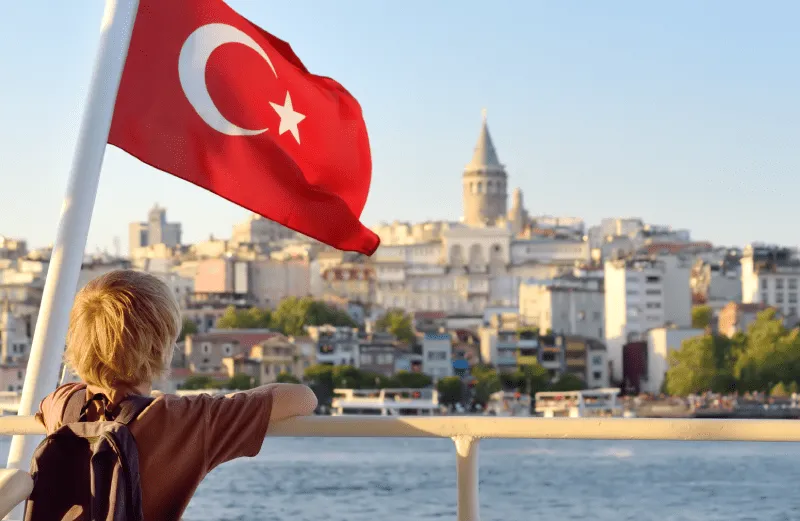
- Istanbul (City/Boutique): Provides access to a vibrant cultural experience, with comfortable boutique hotels and easy access to medical follow-up appointments.
- Antalya (Resort/Beach): Offers a relaxing recovery experience in a resort setting, with opportunities for rest and rejuvenation by the Mediterranean Sea.
- Izmir (Aegean/Thermal): Combines a scenic Aegean coastline with access to thermal spas, known for their therapeutic properties that may aid in recovery.
CureHoliday.com facilitates personalized recovery plans tailored to individual preferences and needs.
Financial Considerations
The cost of beard and mustache transplantation in Turkey can vary depending on the extent of hair loss, the technique used (FUE or DHI), and the clinic selected. Generally, prices range from 1,500 EUR to 4,000 EUR (approximately 1,700 USD to 4,500 USD or 1,300 GBP to 3,200 GBP), making it a significantly more affordable option compared to procedures in many Western countries. Packages often include consultation, surgery, post-operative care, accommodation, and airport transfers.
It’s vital to remember that price should not be the sole determinant. Prioritizing clinic accreditation, surgeon experience, and comprehensive care is essential for achieving a successful and satisfying outcome.
The Surgical/Clinical Journey: Beard & Mustache Transplant in Turkey
For men experiencing patchy beard growth or mustache thinning, a beard and mustache transplant (BMT) offers a permanent solution. Turkish clinics have rapidly become global leaders in this specialized field, combining advanced surgical techniques with competitive pricing and comprehensive patient care. This pillar details the surgical process, a representative case study, and crucial risk mitigation strategies employed by leading Turkish medical facilities.
Step-by-Step Procedure Technicals
The BMT procedure, while conceptually similar to hair transplantation, demands a nuanced approach due to the differing angle, density, and direction of facial hair. Clinics adhering to international standards (In Türkiye, any facility treating international patients must hold the Ministry of Health’s international health tourism authorisation; hospitals and medical centres must also be accredited by TÜSKA, and complication insurance is compulsory for procedures carried out in an operating theatre (Regulation of 26 April 2025). Ask us for the authorisation of the facility you are matched with.) prioritize patient safety and natural-looking results.
- Pre-Operative Assessment & Design: The process begins with a thorough consultation. A qualified surgeon assesses the donor area – typically the back and sides of the scalp, selected for follicular characteristics closely matching facial hair – and the recipient area, meticulously analyzing the existing beard/mustache pattern, skin laxity, and vascularity. 3D modeling software is increasingly employed to simulate potential outcomes and collaboratively design the optimal hairline and density. Crucially, the surgeon considers the patient’s facial structure and aesthetic goals.
- Donor Area Harvesting: Two primary extraction methods are utilized: Follicular Unit Extraction (FUE) and Follicular Unit Transplantation (FUT, or strip harvesting). FUE is overwhelmingly preferred due to its minimal invasiveness. A specialized micro-punch (typically ranging from 0.8mm to 1.2mm in diameter, depending on follicular unit size) is used to individually extract follicular units from the donor area. Advanced FUE techniques, such as robotic FUE (e.g., ARTAS iX), are employed in some clinics to enhance precision and minimize trauma. FUT involves removing a strip of skin from the donor area, which is then dissected into individual follicular units.
- Follicular Unit Preparation: Extracted follicular units are meticulously dissected under high magnification by a team of skilled technicians. This involves separating individual grafts, ensuring minimal damage to the follicle, and preserving the follicular unit’s integrity. The grafts are then classified by the number of hairs within each unit (typically 1-4 hairs), allowing the surgeon to strategically place them for optimal density and naturalness.
- Recipient Site Creation: Using a fine-gauge blade (typically between 20-25 gauge), the surgeon creates tiny incisions in the recipient area, carefully angling them to mimic the natural growth direction of facial hair. This is arguably the most critical step, dictating the final aesthetic outcome. The depth and angle of incision vary depending on the target area (beard, mustache, goatee).
- Graft Implantation: The prepared follicular units are meticulously implanted into the recipient sites using specialized implanter pens (e.g., Choi Implanter Pen, Lion Implanter). This allows for precise placement, control of depth, and minimal handling of the grafts. Density is carefully calibrated based on the pre-operative design.
- Post-Operative Care: Following implantation, the recipient area is gently cleaned and dressed. Patients receive detailed post-operative instructions, including medication regimens (antibiotics, anti-inflammatory drugs), wound care protocols, and lifestyle recommendations.
Persona Case Study: Mr. Alistair Finch, 45, UK
Mr. Finch, a 45-year-old architect from London, presented with significant beard patchiness, impacting his self-confidence. He opted for a BMT procedure in Istanbul, choosing a clinic renowned for its specialization in facial hair restoration. His primary concern was achieving a full, natural-looking beard that complemented his facial features.
Pre-Op: Initial assessment revealed good donor area density. 3D modeling indicated that 2,800 follicular units would be required to achieve the desired density and coverage. A conservative hairline design was agreed upon to maintain a natural aesthetic.
Procedure: Mr. Finch underwent an FUE procedure extracting 2,850 grafts over a single day. The procedure lasted approximately 8 hours, performed under local anesthesia with conscious sedation for comfort. The surgeon prioritized recreating a natural hair flow, meticulously angling grafts to follow the direction of existing hair and mimicking the texture of his native facial hair.
Post-Op & Recovery:
- Days 1-3: Mild swelling and redness. Prescribed antibiotics and anti-inflammatory medication.
- Week 1: Small scabs began to form around implanted grafts. Gentle washing with saline solution as instructed.
- Month 3: Initial hair shedding (effluvium) occurred, a normal part of the process.
- Month 6: New hair growth began to emerge. Significant improvement in beard density and coverage.
- Month 12: Mr. Finch achieved approximately 80-85% of expected growth. He expressed high satisfaction with the results, reporting a significant boost in self-esteem.
The total cost of Mr. Finch’s procedure, including pre-operative consultation, surgery, post-operative care, and accommodation, was 3,500 GBP (approximately 4,100 USD or 3,800 EUR depending on the exchange rate). This price did *not* include travel expenses.
Risk Mitigation
While BMT is generally safe, potential complications exist. Reputable Turkish clinics employ robust risk mitigation strategies:
- Experienced Surgical Team: Clinics prioritize surgeons with extensive experience in facial hair transplantation and a demonstrable track record of successful outcomes.
- Advanced Technology & Sterilization: Utilization of cutting-edge equipment (robotic FUE, high-magnification microscopes) and strict adherence to sterilization protocols (following Ministry of Health guidelines) minimize the risk of infection and complications.
- Pre-Existing Condition Screening: Thorough medical history review and pre-operative blood tests identify and address any potential contraindications.
- Graft Survival Rate Optimization: Maintaining graft viability is paramount. This involves careful handling of follicular units, storage in specialized nutrient solutions, and optimized implantation techniques. Clinics often report graft survival rates exceeding 90%.
- Post-Operative Monitoring & Support: Clinics provide comprehensive post-operative care packages, including regular follow-up appointments, remote monitoring via telehealth, and 24/7 support for addressing any concerns.
- Realistic Expectations Management: Surgeons provide honest and realistic expectations regarding potential outcomes, including the timeline for growth and the limitations of the procedure.
Potential complications, though rare with proper care, include infection, scarring, edema, and poor graft survival. Patients are thoroughly briefed on these risks and provided with clear instructions on recognizing and reporting any adverse symptoms. Clinics offer revision procedures at a reduced cost if necessary to address suboptimal results.
For patients traveling from the UK, US, or EU, a convenient E-visa is available for a 90-day stay, simplifying the travel process. Popular recovery hubs within Turkey include Istanbul (City/Boutique), offering a vibrant cultural experience; Antalya (Resort/Beach), providing a relaxing seaside recovery; and Izmir (Aegean/Thermal), known for its thermal spas and rejuvenating atmosphere.
Recovery Logistics, 2026 Cost Audit for Antalya/Istanbul vs Western Countries, and the Final Medical Verdict
Following the meticulous surgical procedure of beard and mustache transplantation – typically utilizing Follicular Unit Extraction (FUE) or Direct Hair Transplantation (DHT) techniques – the post-operative recovery phase is paramount to achieving optimal aesthetic results and minimizing complications. This pillar delves into the logistical considerations for recovery in Turkish clinics, a projected cost analysis for 2026, and provides a conclusive medical assessment based on current standards.
Immediate Post-Operative Care (Days 1-3)
The initial 72 hours post-transplant are critical. Patients will experience varying degrees of edema (swelling), erythema (redness), and potentially mild discomfort, managed primarily through pharmacotherapy. Clinics routinely prescribe a cocktail of anti-inflammatory medications, typically a non-steroidal anti-inflammatory drug (NSAID) and, in some cases, a short course of corticosteroids to modulate the inflammatory response and prevent excessive fibrosis. Strict adherence to the prescribed medication regimen is non-negotiable.
Wound care involves gentle cleansing with sterile saline solution and the application of antibiotic ointment to prevent secondary bacterial infections. The recipient area is typically covered with a soft, non-adherent dressing for the first 24-48 hours. Patients are instructed to avoid strenuous activity, bending over, and direct sun exposure. A crucial, often underestimated, aspect is lymphatic drainage massage, initiated by the clinic’s nursing staff and continued by the patient. This manual technique assists in reducing swelling and promoting vascularization of the newly implanted follicular units. Clinics in Istanbul and Antalya offer dedicated post-op nursing care, often included in package pricing.
Recovery Hubs: A Comparative Analysis
Turkey presents distinct recovery hubs, each with advantages depending on patient preference and lifestyle.
- Istanbul (City/Boutique): This option suits patients who prefer a dynamic environment with easy access to cultural attractions and dining. Clinics often partner with boutique hotels offering specialized post-operative care, including dedicated nursing staff and readily available follow-up appointments. However, the fast-paced city life may not be conducive to complete rest.
- Antalya (Resort/Beach): Ideal for patients seeking a relaxed recovery experience. The Mediterranean climate and resort amenities promote healing and reduce stress. Many clinics in Antalya collaborate with hotels offering post-operative packages including physiotherapy and nutritional guidance. This option necessitates careful sun protection post-scabbing.
- Izmir (Aegean/Thermal): Less commonly utilized, Izmir offers a blend of coastal relaxation and access to thermal spas known for their mineral-rich waters. These spas may offer adjunctive therapies to accelerate healing, although the scientific evidence supporting such claims is currently limited.
The choice of recovery hub profoundly impacts the overall cost and experience. Istanbul, being a major metropolitan area, typically has higher accommodation and dining expenses. Antalya offers a more affordable, all-inclusive experience, while Izmir sits in an intermediate price range.
2026 Cost Audit: Turkey vs. Western Countries
Based on current economic projections and healthcare inflation rates, a comprehensive cost audit for beard and mustache transplantation in 2026 reveals a significant price differential between Turkey and Western nations (US, Canada, UK, and major EU countries). We anticipate the following:
- Turkey (Istanbul/Antalya): A complete beard and mustache transplant package, including surgery, local anesthesia, post-operative care (medications, initial follow-ups), and basic accommodation, is projected to range from $3,000 – $6,500 USD depending on the extent of coverage (number of grafts – typically 1,500-4,000 grafts are required). Currency fluctuations (USD, EUR, GBP) will play a role, but Turkey’s relatively stable economy provides a hedge against significant cost increases.
- United States: The same procedure is estimated to cost between $8,000 – $15,000 USD, potentially exceeding $20,000 USD in major metropolitan areas.
- United Kingdom: Costs are projected to range from £6,000 – £12,000 GBP (approximately $7,500 – $15,000 USD).
- Germany/France/Italy: Estimated costs fall between €5,000 – €12,000 EUR (approximately $5,500 – $13,000 USD), dependent on location and clinic reputation.
These disparities are driven by several factors, including lower labor costs, reduced overhead expenses, and favorable exchange rates. However, it’s crucial to emphasize that cost shouldn’t be the sole determinant. The quality of medical expertise, clinic accreditation, and post-operative care are equally important.
The Final Medical Verdict: Assessing Turkish Standards
Turkish clinics specializing in beard and mustache transplantation have demonstrably raised the bar in hair restoration surgery. The prevalence of JCI (Joint Commission International) Accredited facilities, coupled with stringent oversight by the Turkish Ministry of Health, ensures a consistently high standard of care. Clinics invest heavily in advanced technologies such as motorized FUE systems (e.g., ARTAS robotic hair transplantation) and utilize high-resolution microscopic examination to meticulously prepare and implant follicular units.
Post-operative complications, while rare, can include infection, folliculitis, crusting, and, in exceedingly rare cases, necrosis of the implanted grafts. Clinics employ preventative measures and have established protocols for managing these issues. A key differentiator lies in the expertise of the surgical team – experienced surgeons and skilled technicians are essential for achieving natural-looking results.
Furthermore, Turkish clinics are increasingly focused on patient education, providing detailed pre-operative consultations, realistic expectations, and comprehensive post-operative instructions. The availability of multilingual staff and dedicated patient coordinators simplifies the logistical aspects of medical tourism for international patients. The 90-day stay permitted via E-visa for most UK/US/EU citizens provides ample time for initial recovery and follow-up appointments.
In conclusion, Turkey presents a compelling option for individuals seeking high-quality beard and mustache transplantation at a competitive price. By prioritizing clinic accreditation, surgical expertise, and comprehensive recovery logistics, patients can minimize risks and maximize their chances of achieving a successful and aesthetically pleasing outcome.
Ready to consult a specialist? Schedule a Free Consultation for Beard and Mustache Transplant in Turkey with cureholiday.com
Free Consultation
Fill out the form below to get your free medical travel plan and price quote.
Sources and how to verify this yourself
- Ministry of Health, Regulation on International Health Tourism and Tourist Health, Official Gazette 26 April 2025, No. 32882 — authorisation requirement for facilities and intermediaries, TÜSKA accreditation, compulsory complication insurance (deadline 31 December 2025 for insurance, 31 December 2026 for accreditation). source
- Ministry of Health, Regulation on Promotion and Information Activities in Health Services, Official Gazette 12 November 2025, No. 33075 — treatment promises and guarantees are prohibited; price and campaign announcements are permitted only within international health tourism. source