What Is Laser Eye Surgery?
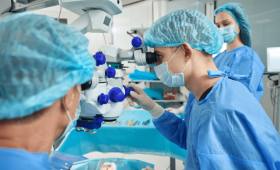
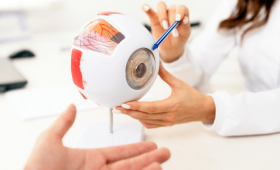
Laser eye surgery is a technological surgical intervention that aims to correct refractive errors by reshaping the cornea, the transparent layer at the very front of the eye. In this procedure, specially designed computer-controlled laser devices are generally used, and the goal is to completely eliminate or minimize the patient’s dependence on glasses or contact lenses. Today, millions of people achieve clear vision thanks to this method. As one of the most frequently performed elective surgeries in the modern medical world, laser treatments have shown incredible development over the last thirty years and have increased their reliability rate to over 99%.
Can Myopia Be Treated with Laser?
Myopia, the problem of not being able to see far clearly, is the condition most frequently and successfully treated by laser eye surgeries. In a myopic individual, the front-to-back diameter of the eye may be longer than normal, or the corneal layer may have a very steep curve. This causes light to fall in front of the retina rather than directly onto it. The laser device reshapes the corneal layer by flattening it slightly, ensuring that light focuses on the correct point. After treatment, patients generally start to see clearly in the distance the very next day. Depending on the degree of myopia, the appropriate laser method is determined and a permanent correction is aimed for.
Is Laser a Solution for Hyperopia?
Hyperopia is the opposite of myopia, a condition of not being able to see near clearly, and this problem can also be eliminated with laser surgery. In hyperopic individuals, the eyeball may be shorter than normal or the corneal layer is flatter than it should be. This causes light to focus behind the retina. During laser surgery, the central area of the cornea is steepened to increase its refractive power. In this way, rays coming from nearby objects fall directly onto the retina. Especially for hyperopic patients who have turned 18 and whose eye numbers have stabilized, laser is a revolutionary solution that increases quality of life.
How Is Astigmatism Corrected with Laser?
Astigmatism is a condition where both far and near vision are blurred due to an irregular shape of the cornea or the intraocular lens. Normally, the cornea should be round like a basketball, but in astigmatics, it is asymmetrical like an American football. Laser surgery reshapes this irregular curvature of the cornea with millimetric precision, allowing light to be collected at a single point on both axes. Most patients have a prejudice that astigmatism cannot be treated with laser; however, thanks to modern technology, even high-degree astigmatisms can be corrected with high success rates.
Is Laser Used in Presbyopia Treatment?
Presbyopia, popularly known as “age-related near vision impairment,” is a natural process that usually occurs after the age of 40-45. It occurs as a result of the natural lens inside the eye losing its elasticity. Although traditional laser methods cannot completely solve this lens-sourced problem as they focus on the cornea, special laser techniques such as “Presbyond” or “Monovision” have been developed. In these methods, one eye is set to focus on the distance, while the other non-dominant eye is set to focus on the near. Thus, the brain learns to select the clear one from both images, and the patient can perform daily activities without using reading glasses.
What Is the Role of Laser in Cataract Surgery?
A cataract is the clouding of the transparent lens inside the eye, and its treatment is actually the replacement of the lens. However, the use of “Femtosecond Laser” technology in this surgical procedure makes the process much safer. In laser cataract surgery, critical stages such as the incisions made by the surgeon by hand and the opening of the capsule are performed with zero margin of error using the laser. In addition, using laser during the fragmentation of the cataractous lens reduces the ultrasound energy given into the eye and helps protect the corneal tissue. This modern approach accelerates the healing process while increasing the perfection of post-operative visual results.
Which Lasers Are Used in Glaucoma Treatment?
Glaucoma, known as eye pressure, is an insidiously progressing disease, and laser treatments are of critical importance in this process. Especially the “Selective Laser Trabeculoplasty (SLT)” method stimulates the drainage channels inside the eye, easing the flow of fluid and lowering the intraocular pressure. This procedure takes only a few minutes, is painless, and does not require hospitalization. In addition, in the risk of narrow-angle glaucoma, “Laser Iridotomy” is applied to secure the flow path of the eye fluid. Laser treatments can reduce the use of medication in glaucoma or, in some cases, postpone the need for surgery.
Can Diabetic Retinopathy Be Stopped with Laser?
Diabetic retinopathy, which occurs as a result of diabetes damaging the capillaries at the back of the eye, is one of the biggest causes of vision loss. With the method called “Argon Laser Photocoagulation,” leaky vessels and oxygen-deprived areas in the retina are treated. The laser prevents abnormal vessel formations, reduces macular edema, and tries to stop the disease from progressing to more advanced stages. This treatment is of vital importance to protect current vision and eliminate the risk of blindness, rather than restoring vision to its former state. Regular eye examinations and timely laser intervention for diabetic patients are essential for vision health.
How Are Retinal Tears Repaired with Laser?
Retinal tears or holes can occur as a result of contractions of the gel-like vitreous inside the eye. If these tears are not treated, they can lead to a serious condition called retinal detachment, which requires emergency surgery. Laser surgery acts as a “welding machine” here. Laser shots fired around the tear create a scar tissue that allows the retinal layer to adhere firmly to the underlying tissue. Thanks to this barrier, fluid cannot leak through the tear and separate the retina. The procedure is extremely fast and, when diagnosed early, saves the patient’s vision without the need for major surgical interventions.
Can Keratoconus Patients Have Laser?
Keratoconus is a disease characterized by the cornea thinning and protruding forward. Under normal circumstances, standard laser surgeries (such as LASIK) are never performed on keratoconus patients because this weakens the cornea further. However, a special laser-assisted treatment method called “Corneal Cross-Linking (CXL)” is available. In this procedure, corneal fibers are strengthened using ultraviolet light and riboflavin (vitamin B2). The progression of the disease is stopped in this way. In some selected cases, after the progression has stopped, personalized “Topoguided” laser applications can be performed to correct the vision and increase the patient’s vision quality.
Does Dry Eye Syndrome Improve with Laser?
Dry eye syndrome is a condition that occurs when tear quality decreases or the amount of tears reduces, making daily life difficult. While traditional laser surgeries may initially increase dryness, today there are “IPL (Intense Pulsed Light)” laser treatments developed for the treatment of dry eye. This method stimulates the blocked oil glands (Meibomian glands) in the eyelids, ensuring healthy oil secretion. Thus, tears evaporate later and the eye surface stays moister. For severe dry eye patients who do not respond to medication and drop treatments, this technological approach provides permanent and effective comfort.
Can Corneal Scratches Be Treated with Laser?
Recurrent corneal erosions or superficial spots on the corneal surface can be treated with a laser method called “Phototherapeutic Keratectomy (PTK).” In corneal scratches that do not heal after trauma or infection and cause constant stinging and pain, the damaged tissue is cleaned and a smooth surface is created using a laser. This procedure allows the cornea to heal more healthily and ends the pain crises the patient constantly experiences. PTK is a safe method frequently preferred by corneal specialists as both a medical treatment and an intervention that increases vision quality.
Is Laser Mandatory for Eye Pressure?
Although laser is not always the first choice in eye pressure treatment, it may become “mandatory” in cases where medications are insufficient or the patient cannot use drops. The importance of the laser changes especially according to the type of glaucoma. For example, in narrow-angle glaucoma, performing laser iridotomy to prevent the risk of a crisis is an inevitable necessity. In open-angle glaucoma, the SLT laser offers a great alternative for active individuals who want to reduce drop dependency. Consequently, laser is one of the most powerful weapons in glaucoma management that prevents blindness and increases patient compliance; however, the necessity for each patient becomes clear after a doctor’s examination.
What Problems Does LASIK Surgery Solve?
LASIK (Laser-Assisted In Situ Keratomileusis) is the most widely used method for correcting refractive errors today. With this procedure, low, medium, and high-degree myopia, hyperopia, and astigmatism are successfully resolved. The biggest advantage of the LASIK method is that healing is very fast and pain is almost never felt, thanks to a thin flap created on the cornea. The patient can return to daily life only a few hours after the surgery. For individuals whose eye numbers are in the 18-45 age range and whose corneal structure is suitable, LASIK is the most popular solution promising a lifetime of clarity.
Who Is Suitable for the PRK Method?
PRK (Photorefractive Keratectomy) is the oldest but most reliable laser method developed for patients with thin corneas or superficial irregularities. Unlike LASIK, a flap is not created; instead, the epithelial layer at the very top of the cornea is peeled off and the laser is applied directly. Since this method preserves corneal integrity more, it is ideal for those involved in heavy sports (boxers, soldiers, etc.). The healing process is slightly slower than LASIK and there may be a stinging sensation for the first few days, but in terms of long-term results, it is a medical procedure as successful and safe as LASIK.
What Sets SMILE Laser Apart from Others?
SMILE (Small Incision Lenticule Extraction) is the latest and most closed technology in laser eye surgery. Unlike other methods, a large incision is not made on the corneal surface; only a lens-shaped piece created with a femtosecond laser is removed through a small opening of 2 millimeters. This closed surgical technique minimizes nerve damage, thus significantly reducing the risk of post-operative dry eye. It is also the method that best protects corneal biomechanics. Offering a comfortable, fast, and extremely modern recovery period for patients with high myopia and astigmatism, SMILE is considered the future of surgery.
In Which Cases Is No-Touch Laser Preferred?
No-Touch laser is a treatment method performed using only light pulses, where no surgical instrument touches the eye. It is especially preferred by patients who have a fear of eye surgery or whose corneal structure is too thin for LASIK. During the procedure, the patient only looks at a distant light and the laser corrects the refractive error in seconds. Since it is based on the principle of removing the epithelial layer completely with a laser, it is also known as “Trans-PRK.” It has taken its place in the medical literature as a safe savior method for people whose eye structure is not suitable for physical contact or who have had other eye surgeries before.
How Does Excimer Laser Technology Work?
Excimer laser is a technology known as “cold laser” that vaporizes tissues by breaking molecular bonds without burning them. Thanks to this precision, it redesigns the refractive power of the eye by reducing pieces from the corneal tissue at a micron level (one-thousandth of a millimeter). Computer-aided scanning systems create a corneal map for each patient, ensuring that the treatment is completely personalized (Wavefront). Since excimer laser technology can make corrections even thinner than a human hair, it offers a perfect optical correction opportunity that increases night vision quality and reduces light scattering.
Where Is Femtosecond Laser Used?
Femtosecond laser is a type of infrared laser that fires pulses in a time as short as one quadrillionth of a second. This technology, which revolutionized eye surgery, has completely buried blade methods in history. It is used to create corneal flaps in LASIK surgeries, fragment the lens in cataract surgery, and perform closed surgery in the SMILE method. It also ensures the flawless cutting of the cornea in corneal transplant operations, increasing compatibility and reducing the number of stitches. Thanks to this technology, surgical procedures have been moved to a dimension that is much more predictable, safe, and free from human error.
Can Intraocular Lenses Be Combined with Laser?
In some cases, the patient’s eye number may be too high to be corrected with a laser or the cornea is too thin. In such cases, laser surgery can be combined with intraocular lens (ICL or Smart Lens) application with a method called “Bioptics.” First, a permanent lens is placed inside the eye, and the remaining very small numbers are zeroed out with a laser a few months later. This hybrid approach provides the highest visual performance for the patient. Combining the power of these two technologies, especially in complex eye defects with high degrees, is the most effective modern medical strategy for the patient to transition to a completely glasses-free life.
What Is Visual Acuity After Laser?
After laser eye surgery, more than 95% of patients achieve full visual acuity (10/10) without glasses. Most patients state that they have a vision even clearer than the level they saw with glasses before the surgery. This is because the laser increases optical quality by removing microscopic irregularities in the cornea. However, expectations should be realistic; laser surgery is not a miracle, but an optical correction. The visual acuity obtained after surgery is directly related to the patient’s retinal health and the nerve capacity of the eye. Results obtained with a correctly planned surgery are usually permanent and take the quality of life to its peak.
Who Cannot Have Laser Eye Surgery?
Laser eye surgery may not be suitable for everyone, and a detailed preliminary examination is essential to determine this. People with an active eye infection, those with advanced keratoconus, those with uncontrolled diabetes, or those with rheumatic diseases are generally not suitable candidates. In addition, surgery is not recommended for individuals under the age of 18 as eye development continues. Since hormonal changes during pregnancy and breastfeeding also affect the cornea, performing laser during this process is wrong. Finally, laser can also be risky for patients whose cornea is very thin or who experience severe dry eye syndrome.
Is Corneal Thickness Important for Laser?
Corneal thickness is the most critical parameter determining whether a patient can have laser surgery. Since the laser reshapes the cornea by thinning it a bit, a sufficient amount of intact tissue must remain behind after the procedure. If the cornea is already thin from birth, the cornea may weaken and bulge forward (ectasia) after the laser. Therefore, measurements are made with a “Pachymetry” device before surgery. In patients with thin corneas, PRK or SMILE methods, which provide tissue savings, may be preferred instead of LASIK. In thin corneas outside the safety limits, the surgeon should refuse the surgery to protect the patient’s health.
Is Diabetes a Barrier to Laser?
Diabetes (sugar disease) is not an absolute barrier to laser eye surgery, but it must be evaluated very carefully. If the patient’s blood sugar is regulated and there is no damage due to diabetes at the back of the eye (retina), laser can be performed. However, in uncontrolled diabetes, wound healing may be delayed and the risk of infection may increase. In addition, since sugar fluctuations cause temporary changes in the eye number, measurements can be misleading. For this reason, sugar tracking reports of at least 3-6 months should be examined and the retina examination should be done very meticulously before the laser decision is made for diabetic patients. Health always comes before clear vision.
Is Laser Eye Surgery Performed During Pregnancy?
The pregnancy period is one of the most unsuitable times for laser eye surgery. Hormonal changes in the body can cause slight swelling and refractive changes in the corneal layer; this leads to incorrect results in the measurements made. In addition, there is a risk that antibiotic and steroid drops used after surgery may pass to the baby in the womb. Since similar risks may continue during the breastfeeding period after pregnancy, doctors generally recommend planning laser surgery 3-6 months after breastfeeding ends. Being patient is the right approach for a successful result that will last a lifetime.
Is Laser Eye Surgery Possible in Children?
As a rule, laser eye surgeries are not applied to children. The main reason for this is that children’s eye growth and therefore eye numbers are constantly changing. A laser intervention performed at an early age loses its effect with the growth of the number again in the following years. However, in very rare cases, it can be applied as a “medical necessity” in children who have a very high number difference between two eyes (anisometropia) and carry a risk of lazy eye and cannot wear glasses. Except for these exceptional situations, the ideal is to complete the age of 18 and prove that the eye number has not changed in the last year.
How Many Minutes Does Laser Surgery Take?
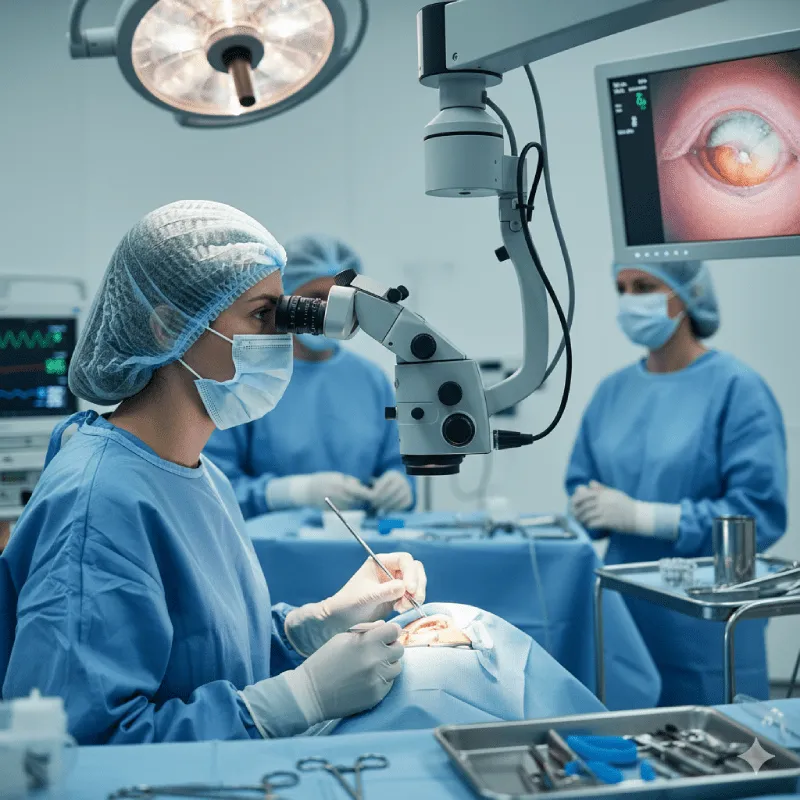
Laser eye surgeries are procedures that take quite a short time, contrary to what is thought, thanks to developing technology. Generally, the total procedure time for both eyes is completed within 10 to 15 minutes. The time that the laser itself reshapes the cornea is usually between 20 and 40 seconds for each eye. Most of the time the patient stays in the operating room is spent on preparation, sterilizing the eye, and positioning the device. Being a fast process reduces the patient’s stress while also minimizing tissue exposure. This short-term intervention opens the doors to a lifetime of vision freedom.
Is Pain Felt During Surgery?
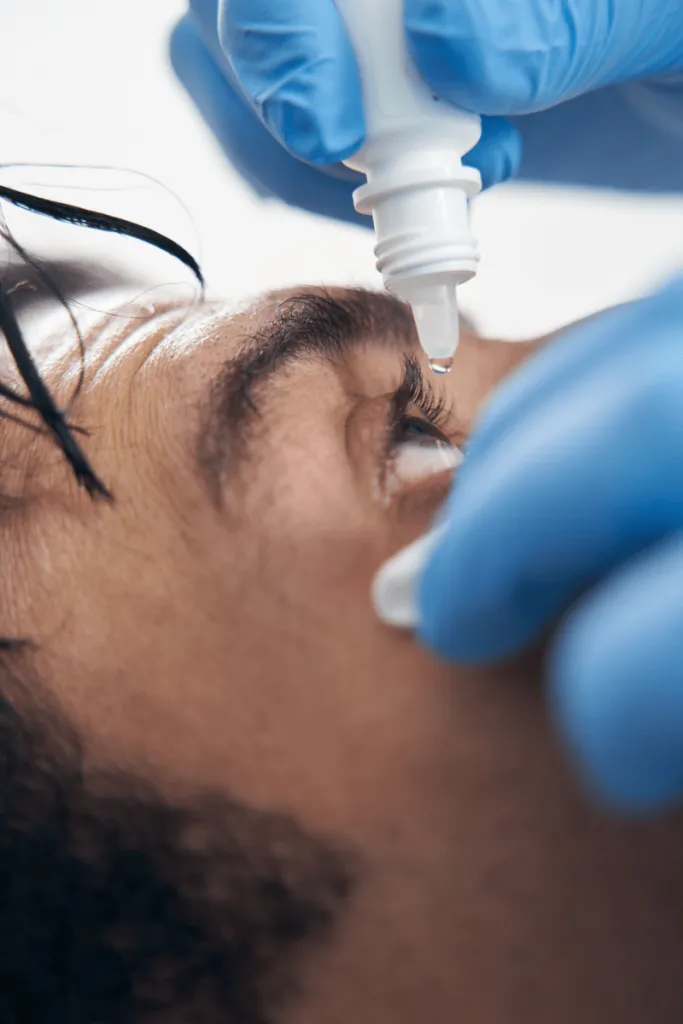
Patients definitely do not feel pain or ache during laser eye surgery. Before the procedure, “topical anesthesia” anesthetic drops are dripped into the eye. Thanks to these drops, the eye becomes completely numb. During the surgery, you may only notice a slight pressure sensation of the apparatus used to keep the eye open or the sounds made by the device. Some patients see a slight beam of light while the laser is being applied. After the procedure is over and the effect of anesthesia wears off, there may be a stinging or watering sensation for a few hours depending on the chosen method; however, this situation can be easily controlled with painkiller drops.
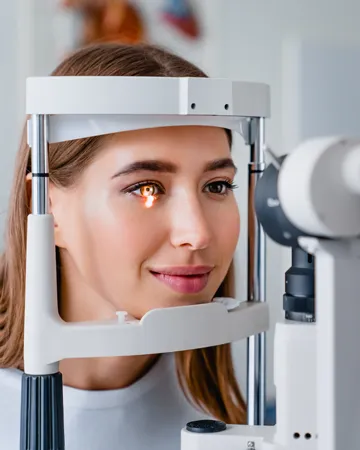
How Is the Recovery Process After Laser?
The recovery process varies according to the chosen laser method. In LASIK and SMILE methods, recovery is incredibly fast; patients can generally return to normal work life the next day and start seeing clearly. In PRK or No-Touch methods, a period of 3-4 days may be required for the corneal surface to renew itself, and a protective contact lens is worn during this process. It is very important to avoid dusty environments, not to rub the eye, and to use the prescribed drops regularly in the first week after the surgery. Generally, at the end of the first month, the eye heals completely and the patient can continue all social activities without restriction.
Does Eye Number Increase Again?
The risk of the eye number increasing again (regression) after laser surgery is quite low and is generally around 1-3%. If the surgery was performed at the right time (after the number stopped) and with the right method, the results are permanent. However, in very high-degree myopes or eye structures genetically prone to progression, a small number may come back years later. In such cases, if the corneal thickness is sufficient, the problem can be easily resolved with a second laser intervention called “retouch.” What matters is the accuracy of the tests performed before surgery and the suitability of the patient’s biological structure for the laser.
What Are the Risks and Side Effects of Laser?
As with any surgical procedure, laser eye surgery can have some risks and side effects. The most common temporary side effect is eye dryness felt especially in the first few months; this situation is managed with artificial tear drops. Some patients may experience seeing halos around lights or scattering (glare) during night driving. Serious complications (infection or flap problems) have fallen below one in a thousand thanks to modern clinics and experienced surgeons. These risks can be predicted in advance with a detailed preliminary examination and the risks are minimized by offering the safest treatment option to the patient.
How Is Night Vision Affected by Laser?
Modern laser technologies, especially personalized methods called “Wavefront,” can improve night vision quality instead of spoiling it. In old generation lasers, light scattering could occur when the pupil dilated; however, today’s “wide optical field” treatments have largely solved this problem. If the patient’s pupil dilates excessively in the dark, the surgeon measures this situation and adjusts the laser area accordingly. It is normal to have some scattering in night lights in the first weeks after surgery, and this situation improves as healing is completed. Most patients state that they feel much safer while driving at night after laser.
What Determines Laser Surgery Prices?
There are a few basic factors that determine laser eye surgery prices. The first is the technology used; for example, SMILE or Femto-LASIK methods require more costly devices and licenses than PRK. The second is the experience of the surgeon and the equipment of the clinic. The third is the scope of the surgery (is it both eyes, or is an additional treatment required?). Caution should be exercised against low-cost offers, because eye health is an irreversible process. Quality consumables, a hygienic operating room environment, and high-tech devices should be evaluated as more important criteria for a successful result than cost.
Why Is Turkey a Leader in Laser Eye Surgery?
Turkey is one of the first few countries that come to mind today when laser eye surgery is mentioned in the world. The reason for this is that the number of cases of Turkish eye doctors is very high on an annual basis and they therefore accumulate incredible experience. In addition, health institutions in Turkey use the latest laser technologies in the world (SMILE, Presbyond, Femtosecond, etc.) simultaneously. The combination of high service quality offered compared to Europe and America with affordable costs has made Turkey a center in medical tourism. Every year, tens of thousands of foreign patients visit the country for both reliable treatment and Turkey’s hospitality.
How to Plan Treatment with Cure Holiday?
If you want to get rid of your glasses and see the world clearly with your own eyes, Cure Holiday, one of Turkey’s leading health tourism organizations, offers you a flawless process. Cure Holiday brings together the most experienced eye surgeons and hospitals with the most modern technological equipment for you. It professionally plans not only your medical appointments but every detail from your accommodation to your VIP transfers. With our expert team by your side 24/7 before and after treatment, you can both regain your health and have a short rest holiday in Turkey. Take the first step for a clear future and meet the privileged world of Cure Holiday.
Free Consultation
Fill out the form below to get your free medical travel plan and price quote.
Sources and how to verify this yourself
- Ministry of Health, Regulation on International Health Tourism and Tourist Health, Official Gazette 26 April 2025, No. 32882 — authorisation requirement for facilities and intermediaries, TÜSKA accreditation, compulsory complication insurance (deadline 31 December 2025 for insurance, 31 December 2026 for accreditation). source
- Ministry of Health, Regulation on Promotion and Information Activities in Health Services, Official Gazette 12 November 2025, No. 33075 — treatment promises and guarantees are prohibited; price and campaign announcements are permitted only within international health tourism. source