Cost and planning note (Mommy Makeover 2026)
The figures below are indicative market ranges, not a quote: your own price is confirmed after a clinical assessment.
Indicative price range: Standard Package: 4,500 – 7,500 USD | Advanced Combination: 8,000 – 12,000 USD | Tummy Tuck: 3,000 – 5,000 USD | Breast Lift: 2,500 – 4,500 USD | Liposuction Per Area: 500 – 1,500 USD | Bbl Fat Transfer: 3,500 – 5,500 USD
Facility standards: In Türkiye, any facility treating international patients must hold the Ministry of Health’s international health tourism authorisation; hospitals and medical centres must also be accredited by TÜSKA, and complication insurance is compulsory for procedures carried out in an operating theatre (Regulation of 26 April 2025).
Recovery Focus: Post-pregnancy body restoration & safety first.
Currency: GBP, EUR, USD accepted.
Why many Mums use “Peppermint Tea” for Post-Op Gas Distension
The Physiological Complexity of Post-Pregnancy Abdominal Reconstruction
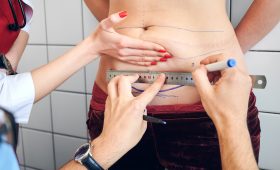
Post-pregnancy restoration is far more than a superficial aesthetic enhancement; it is a profound reconstructive process aimed at addressing the structural changes caused by gestation. The primary challenge most mothers face is the separation of the rectus abdominis muscles, a condition clinically known as Diastasis Recti (DR). When the abdominal wall loses its integrity, the structural “core” of the body is compromised, leading to a protrusion that cannot be corrected through traditional exercise alone.
Modern reconstructive techniques focus on the biological restoration of the abdominal wall. Diastasis Recti repair involves internal corset suturing of the abdominal fascia. This procedure utilizes high-tensile, absorbable or non-absorbable sutures to pull the separated muscle bellies back to the midline, effectively recreating the tension of a pre-pregnancy abdominal wall. This “internal corset” provides the necessary support to the intra-abdominal pressure, preventing the visceral protrusion common in post-partum patients.
Depending on the degree of skin laxity and muscle separation, surgeons offer various Tummy tuck options: Full, Mini, or Extended (360). A full abdominoplasty is often necessary for significant tissue redundancy, whereas the 360-degree extended approach is increasingly utilized in combination with liposuction to ensure a seamless transition from the flanks to the anterior abdominal plane. The economic accessibility of these advanced procedures in Turkey allows for highly customized surgical planning, with tummy tuck costs ranging from 3,000 USD to 5,000 USD.
Advanced Contouring and Aesthetic Precision in Mommy Makeovers
Beyond the structural repair of the fascia, the “Mommy Makeover” focuses on the redistribution of subcutaneous adipose tissue to restore the “hourglass” silhouette. To achieve this without the significant postoperative edema (swelling) associated with traditional methods, advanced technologies are now the global standard. Vaser Liposuction is used for high-definition contouring with minimal bruising. This ultrasonic technology uses low-frequency vibrations to emulsify fat cells specifically, allowing for much more precise sculpting of the flanks and iliac crest.
For patients seeking significant volume reconstruction, the integration of fat transfer is a cornerstone of the procedure. BBL (Brazilian Butt Lift) fat transfer costs between 3,500 USD and 5,500 USD, providing a natural, autologous way to enhance the gluteal region using the fat harvested during the liposuction phase of the tummy tuck.
The upper body reconstruction, specifically the breast lift (mastopexy), addresses the ptosis (sagging) caused by pregnancy and breastfeeding. The goal is to reposition the nipple-areola complex to a more youthful, anatomical height. Safety and biocompatibility are the highest priorities in this aspect of the surgery. Breast implants used include Mentor, Motiva, or Polytech (JCI approved), ensuring that the implants are highly resistant to rupture and integrate seamlessly with the surrounding mammary tissue. A breast lift typically ranges from 2,500 USD to 4,500 USD, while localized liposuction per area is priced between 500 USD and 1,500 USD.
Managing Post-Operative Distension: The Role of Peppermint Tea
A common, yet often overlooked, aspect of the recovery period is the management of gastrointestinal discomfort. Following major abdominal surgery and the administration of general anesthesia, patients frequently experience post-operative gas distension. This phenomenon, known as anesthesia-induced ileus or reduced bowel motility, occurs when the digestive tract slows down during the initial inflammatory phase of healing.
“Managing the internal physiological environment is just as critical as the surgical precision of the abdominal fascia repair. Reducing intra-abdominal pressure through gas management can significantly improve patient comfort during the early stages of recovery.”
Many mothers turning to natural adjuncts find that “Peppermint Tea” is an effective carminative agent. Peppermint contains menthol, which acts as an antispasmodic on the smooth muscles of the intestinal tract. By relaxing the muscles of the gut, it helps facilitate the passage of trapped gas, thereby reducing the painful distension that can put undue tension on the fresh abdominal sutures. This simple, non-pharmacological intervention complements the clinical recovery protocol, helping to mitigate the discomfort of post-operative bloating.
The Global Standard: Why Turkey is the Hub for Post-Pregnancy Restoration
The convergence of high-level surgical expertise, advanced medical technology, and logistical excellence has positioned Turkey as the premier global destination for Mommy Makeovers. The primary driver is the ability to access advanced combination packages, which range from 8,000 USD to 12,000 USD, offering a level of comprehensive care that is often financially unattainable in Western healthcare systems.
The logistical framework is designed to minimize patient stress and maximize the efficiency of the healing process. Patients typically arrive at major international hubs such as Istanbul (IST) or Antalya (AYT). Upon arrival, the experience is seamless, featuring VIP private transfers from the airport to the clinic.
- Accommodation: Recovery is hosted in 5-star recovery suites with companion stay included, ensuring that the patient has a sterile, luxurious, and supportive environment for the most critical days of healing.
- Pre-Operative Planning: The journey begins with free online video assessments with board-certified plastic surgeons, allowing for precise anatomical evaluation and personalized surgical blueprints before the patient even leaves home.
- The Recovery Timeline: The protocol is structured for efficiency, requiring 7-10 days in Turkey for the initial healing phase, with a structured guideline of 6 weeks for a full return to physical exercise.
By integrating the structural precision of Diastasis Recti repair with the advanced aesthetics of Vaser contouring and the logistical ease of 5-star medical tourism, Turkey provides a holistic foundation for post-pregnancy restoration. For those navigating the complexities of post-surgical recovery, the combination of world-class surgical intervention and simple, effective recovery aids like peppermint tea ensures a path toward both physical and aesthetic rejuvenation.
The Physiology of Post-Operative Distension and the Peppermint Remedy
In the immediate post-operative period, particularly following major abdominal procedures, patients often experience a phenomenon known as post-operative gas distension. This physiological state, characterized by intestinal bloating and discomfort, is a common side effect of general anesthesia and the manual manipulation of the abdominal cavity during surgery. For many patients, the sensation of trapped gas can be unsettling, leading to a search for non-pharmacological interventions to aid motility.
This is where “Peppermint Tea” becomes a staple in the post-surgical recovery toolkit. From a clinical perspective, the menthol present in peppermint acts as a natural antispasmodic. It works by relaxing the smooth muscles of the gastrointestinal tract, thereby reducing the intensity of intestinal contractions and facilitating the passage of gas through the digestive system. For mothers undergoing significant body contouring, managing this discomfort is vital to ensuring a smooth transition from the clinical setting to the recovery suite.
“The integration of holistic aftercare, such as the use of antispasmodic herbal infusions, complements the advanced surgical techniques used to achieve long-lasting aesthetic transformations.”
A Case Study in Transformation: The Journey of a Mother of Three
To understand the complexity of a modern surgical journey, one must look beyond the operating theatre and into the lived experience of the patient. Consider the case of a 34-year-old Irish mother of three, who sought a comprehensive aesthetic reconstruction to address the physical changes following multiple pregnancies. Her primary concerns were significant skin laxity (panniculus), muscle separation (diastasis recti), and a loss of hip contour.
Her journey began not in a hospital, but through a free online video assessment with board-certified plastic surgeons. This remote consultation allowed for a detailed evaluation of her subcutaneous adipose tissue distribution and skin elasticity without the need for immediate travel. Based on this clinical assessment, a highly customized “Advanced Combination” surgical plan was proposed.
The Technical Precision of Combination Surgery
The surgical transformation for a patient of this profile rarely involves a single procedure. Instead, it utilizes a synergistic approach where multiple techniques are combined to optimize the final silhouette. For our 34-year-old patient, the procedure was a sophisticated blend of abdominal reconstruction and high-definition contouring.
- Diastasis Recti Repair: To address the separation of the rectus abdominis muscles, the surgeon performed a specialized repair involving internal corset suturing of the abdominal fascia. This technique reinforces the core, effectively “cinching” the waist from the inside out and restoring the structural integrity of the abdominal wall.
- Vaser Liposuction: To refine the flanks and lower back, Vaser Liposuction was employed. Unlike traditional methods, this ultrasonic technology uses low-frequency vibrations to emulsify fat cells with extreme precision, allowing for high-definition contouring with minimal bruising and reduced trauma to surrounding tissues.
- Abdominal Wall Reconstruction: Depending on the degree of skin laxity, the patient was offered Full, Mini, or Extended (360) tummy tuck options. In this case, the Extended (360) approach was selected to ensure seamless contouring from the flanks around to the posterior abdomen.
- Aesthetic Augmentation: To complement the midsection, the plan included a BBL (Brazilian Butt Lift) fat transfer, utilizing the processed adipose tissue from the Vaser Liposuction to enhance the gluteal projection.
The complexity of such an intervention is reflected in the investment required. While a standard package typically ranges from 4,500 – 7,500 USD, an advanced combination involving reconstructive elements and fat transfer can range between 8,000 – 12,000 USD. For patients looking at individual components, the pricing structure remains transparent: a tummy tuck ranges from 3,000 – 5,000 USD, breast lifts from 2,500 – 4,500 USD, liposuction per area from 500 – 1,500 USD, and BBL fat transfer from 3,500 – 5,500 USD.
Safety Standards and Clinical Excellence
A critical component of the patient journey is the assurance of international safety protocols. For any transformative procedure, the use of medical-grade materials is non-negotiable. All implants utilized in our surgical protocols—whether for augmentation or reconstruction—are sourced from JCI-approved manufacturers, including Mentor, Motiva, or Polytech. These brands are selected for their rigorous testing, biocompatibility, and proven long-term stability within the human body.
Furthermore, the surgical facility adheres to strict JCI (Joint Commission International) standards, ensuring that everything from sterilization processes to anesthesia monitoring meets the highest global benchmarks for patient safety. This level of oversight is what distinguishes a premium surgical experience from standard medical tourism.
The Post-Operative Transition: Logistics and Recovery
The patient journey does not end when the sutures are placed. The period following surgery is a choreographed transition from clinical care to luxury recovery. For our Irish patient, the logistics were handled with seamless precision, starting with VIP private transfers from the airport (either Istanbul [IST] or Antalya [AYT]) directly to her destination.
The recovery phase is spent in 5-star recovery suites, where a companion stay is included to ensure the patient has continuous emotional and physical support. These suites are designed to facilitate the “medicalized” recovery period, providing a sterile yet comfortable environment that promotes healing and reduces the physiological stress of post-operative inflammation.
The recovery timeline is structured and predictable:
- Initial Recovery: A period of 7-10 days in Turkey is essential for the immediate post-operative monitoring, wound care, and the management of initial edema (swelling).
- Intermediate Phase: The patient returns to her home country, where the focus shifts to gradual mobilization and the management of minor symptoms, such as using peppermint tea for gas distension.
- Full Integration: A period of 6 weeks is required for a full return to exercise and strenuous physical activity, allowing the internal corset suturing and the newly transferred fat cells to stabilize within the subcutaneous layers.
By combining advanced surgical technology like Vaser Lipo and Diastasis Recti repair with a meticulously planned logistical and recovery framework, the patient journey transforms from a mere medical procedure into a comprehensive life-altering event. The goal is not simply the removal of fat or the tightening of skin, but the restoration of the patient’s physical confidence and structural anatomy.
Managing Post-Operative Distension: The Role of Carminative Agents in Abdominal Recovery
In the immediate post-operative period following major abdominal contouring, such as a tummy tuck or Diastasis Recti repair, patients frequently encounter gastrointestinal discomfort. A common physiological symptom is gas distension, often exacerbated by the lingering effects of general anesthesia and the manipulation of the intra-abdominal environment. Many mothers, navigating the complexities of post-surgical recovery, turn to peppermint tea due to its documented carminative properties.
From a clinical perspective, peppermint oil contains menthol, which acts as an antispasmodic agent on the smooth muscles of the gastrointestinal tract. This helps to relax the intestinal wall, facilitating the passage of trapped gas and reducing the sensation of bloating. For patients undergoing Diastasis Recti repair—which involves the meticulous internal corset suturing of the abdominal fascia—minimising intra-abdominal pressure is critical. Reducing gas-induced distension helps mitigate tension on the newly sutured fascia, potentially aiding the stability of the repair during the early inflammatory phase of healing.
“While peppermint tea serves as a supportive holistic measure for managing peristaltic irregularities, the primary focus of post-operative care remains the prevention of excessive intra-abdominal pressure through controlled movement and dietary management.”
The Logistics of Post-Op Villa Recovery in Turkey
The architecture of recovery in Turkey has evolved beyond simple hospital stays. For patients managing complex transformations, the logistics of aftercare are centered around “Villa Recovery.” This model is specifically designed to address the needs of patients who require a low-stress, high-comfort environment to manage the 7-10 days in Turkey required before they are medically cleared for long-haul travel.
The recovery infrastructure is built upon a foundation of premium logistics:
- Accommodation: Patients are typically hosted in 5-star recovery suites with companion stay included. These suites are designed to facilitate the transition from clinical care to convalescence, providing a sterile yet luxurious environment.
- Transportation: To minimize physical exertion and the risk of post-operative deep vein thrombosis (DVT), VIP private transfers from airport to clinic are standard. These transfers utilize Istanbul (IST) or Antalya (auy) as primary hubs, ensuring seamless transit.
- Consultation Accessibility: Before even arriving in Turkey, the logistical journey begins with free online video assessments with board-certified plastic surgeons, allowing for precise preoperative planning and anatomical evaluation.
Technical Specifications of Advanced Body Contouring
The efficacy of post-operative aftercare is directly dependent on the technical precision of the surgical intervention. The degree of post-operative distension and the intensity of the recovery protocol are dictated by the specific modalities used during the procedure.
For instance, the use of Vaser Liposuction represents a significant advancement in lymphatic preservation. Unlike traditional mechanical aspiration, Vaser technology uses ultrasonic energy to emulsify adipose tissue, which is essential for high-definition contouring with minimal bruising. This precision reduces the inflammatory response, thereby simplifying the post-operative management of edema.
Furthermore, the complexity of abdominal procedures varies significantly, impacting the recovery timeline:
- Tummy Tuck Options: Depending on the degree of skin laxity and muscular separation, surgeons may perform a Full, Mini, or Extended (360) abdominoplasty.
- Physical Limitations: Regardless of the technique, patients must adhere to a strict protocol of 6 weeks for full exercise return to prevent dehiscence or suture failure.
2026 Cost Breakdown: Turkey vs. UK/USA
One of the primary drivers for patients choosing the Turkish recovery model is the profound disparity in surgical expenditure. For 2026, the projected costs in Turkey remain significantly more competitive than the UK or USA, even when factoring in the premium 5-star recovery logistics and VIP transfers.
Below is the projected cost breakdown for common aesthetic procedures in Turkey:
- Standard Package (Comprehensive Care): 4,500 – 7,500 USD
- Advanced Combination (Multi-area sculpting): 8,000 – 12,000 USD
- Abdominoplasty (Tummy Tuck): 3,000 – 5,000 USD
- Breast Lift (Mastopexy): 2,500 – 4,500 USD
- Liposuction (Per area): 500 – 1,500 USD
- BBL (Fat Transfer): 3,500 – 5,500 USD
When compared to the UK or USA, where a single tummy tuck can often exceed 15,000 USD without including hospital fees or anesthesia, the Turkish model provides an integrated approach. This allows patients to allocate their budget toward superior recovery environments, such as the aforementioned 5-star suites, ensuring that the post-operative period is as comfortable as it is medically sound.
Navigating the Fly-Home Timeline and Childcare Logistics
For many mothers, the “Fly-Home” timeline is the most complex logistical hurdle. The clinical recommendation is to remain in Turkey for a minimum of 7-10 days. This period is crucial for monitoring the stability of the surgical site and ensuring that the patient can withstand the atmospheric pressure changes during flight without significant discomfort or risk of hematoma.
Planning for this period requires meticulous childcare logistics. Because the patient is effectively incapacitated for the first week, the “companion stay” included in many Turkish recovery packages allows a partner or caregiver to remain in the 5-star suite. This ensures that the patient is never left without assistance during the critical window when mobility is most restricted and when the management of post-operative symptoms—like the aforementioned gas distension—is most vital.
Considering a Mommy Makeover in Turkey? Get a Free Quote for your Why many Mums use “Peppermint Tea” for Post-Op Gas Distension Transformation with cureholiday.com
Free Consultation
Fill out the form below to get your free medical travel plan and price quote.
Sources and how to verify this yourself
- Ministry of Health, Regulation on International Health Tourism and Tourist Health, Official Gazette 26 April 2025, No. 32882 — authorisation requirement for facilities and intermediaries, TÜSKA accreditation, compulsory complication insurance (deadline 31 December 2025 for insurance, 31 December 2026 for accreditation). source
- Ministry of Health, Regulation on Promotion and Information Activities in Health Services, Official Gazette 12 November 2025, No. 33075 — treatment promises and guarantees are prohibited; price and campaign announcements are permitted only within international health tourism. source