About the prices on this page. The figures below are indicative market prices and country comparisons, not a quote. Our own current, all-inclusive prices are published on our cosmetic surgery in Turkey page, and we confirm your figure in writing before you commit to anything.
🩺 Medical Editor’s Note (2026 Verified Data)
This technical guide has been verified against 2026 medical tourism standards in Turkey.
Verified Price Range: Rhinoplasty: 2,800 – 4,500 USD | Facelift Deep Plane: 4,500 – 8,000 USD | Liposuction Vaser: 2,500 – 4,000 USD | Mommy Makeover: 6,000 – 10,000 USD
Facility Standards: JCI Accredited, Ministry of Health Regulated.
Currency: USD / EUR / GBP accepted at all clinics.
Breast Reduction for Back Pain Relief: A Life-Changing Procedure for US/UK Patients
Breast Reduction (Mammoplasty) for the Relief of Musculoskeletal Back Pain: A Comprehensive Overview
Large breasts (macromastia) are not merely a cosmetic concern; they represent a significant biomechanical stressor on the musculoskeletal system, particularly the cervical and lumbar spine. This pillar will detail the medical rationale behind breast reduction mammoplasty as a valid and often profoundly effective treatment for chronic back, neck, and shoulder pain. We’ll explore the physiological mechanisms at play, surgical techniques, and relevant standards of care for US/UK patients considering this procedure, with a focus on international options aligning with global best practices.
The Pathophysiology of Macromastia-Related Back Pain
The weight of excessively large breasts exerts a constant downward and forward pull on the body. This leads to several compensatory mechanisms that, over time, manifest as chronic pain. The thoracic spine undergoes excessive kyphosis (rounding), attempting to counterbalance the anterior weight. This, in turn, contributes to a lordotic posture in the lumbar spine (exaggerated inward curvature) as the body strives to maintain a vertical alignment. The rhomboids, trapezius, and other paraspinal muscles are chronically overloaded, leading to muscle fatigue, spasm, and myofascial pain syndrome. Furthermore, the weight can compress nerves in the cervical and thoracic outlet, potentially causing radiating pain, numbness, or tingling in the arms and hands.
Beyond muscular strain, macromastia impacts skeletal structure. Prolonged postural adaptation can contribute to degenerative disc disease, facet joint arthritis, and even scoliosis. The brassiere itself, while providing temporary support, often exacerbates the issue by digging into the shoulders, restricting lymphatic drainage, and contributing to cutaneous nerve compression. Patients often describe not just back pain, but also interscapular discomfort, headaches originating from cervical tension, and even skin irritation under the breast fold due to friction.
Surgical Techniques & Considerations
Breast reduction surgery, technically known as reduction mammoplasty, isn’t a one-size-fits-all procedure. Surgeons utilize various techniques, each with its strengths and weaknesses depending on patient anatomy, breast volume, and desired aesthetic outcome. Common techniques include:
- Pedicle Techniques: These involve preserving a blood supply to the nipple-areola complex (NAC) through a vascular stalk (pedicle). Variations include superior, medial, inferior, and lateral pedicles. Superior and medial pedicles are frequently favored due to superior blood flow and maintenance of NAC sensation. The surgeon meticulously dissects the breast tissue, reshaping and reducing its volume.
- Free Nipple Graft (FNG): In cases of extremely large reductions or compromised vascularity, the NAC may be completely detached and grafted onto the breast mound. This carries a higher risk of NAC necrosis and altered sensation but may be necessary for achieving significant volume reduction.
- Vertical Mammoplasty (Lejour Technique): This technique utilizes a vertical incision surrounding the areola, removing skin and glandular tissue to reshape the breast. It’s suitable for moderate reductions and leaves a minimal scar.
- Inverted-T Mammoplasty (Wise Pattern): This involves incisions around the areola, vertically downwards, and along the inframammary fold. This allows for significant volume reduction and reshaping but results in more extensive scarring.
The volume of tissue removed is critical. Surgeons calculate the anticipated reduction based on patient desires, existing breast size, and the need to achieve a balanced and proportionate physique. The choice of implant (if augmentation is desired alongside reduction) is also a key consideration. Modern techniques often prioritize preserving breast projection and achieving a natural-looking result, emphasizing glandular tissue removal over solely relying on skin excision. Liposuction, such as Vaser Hi-Def, can be utilized adjunctively to refine the breast shape and contour, particularly in the inferior and lateral aspects, complementing the traditional mammoplasty techniques.
Preoperative Evaluation & Patient Selection
Rigorous preoperative evaluation is paramount. This includes a comprehensive medical history, physical examination, and imaging studies. Mammography or breast ultrasound is essential to rule out any underlying pathology. Assessment of postural alignment, range of motion, and neurological function is crucial to document the existing musculoskeletal deficits. A detailed discussion of patient expectations, potential risks and complications (including nipple necrosis, scarring, asymmetry, and altered sensation), and realistic outcomes is vital.
Ideal candidates are typically those with:
- Significant breast size causing chronic pain that has not responded to conservative management (physical therapy, pain medication, supportive bras).
- Stable weight and no plans for significant weight fluctuations.
- Non-smokers (smoking impairs wound healing).
- Realistic expectations regarding the outcome of surgery.
Global Standards of Care and International Options
For US and UK patients exploring international options, such as those available in Turkey, it is crucial to prioritize facilities adhering to internationally recognized standards. Clinics holding JCI (Joint Commission International) accreditation demonstrate a commitment to patient safety and quality of care. Furthermore, facilities must be fully regulated by the Turkish Ministry of Health. This ensures compliance with rigorous medical protocols and standards equivalent to those found in developed Western nations.
Typical recovery time is approximately 7-10 days in Turkey, with final results fully apparent after 3-6 months. This timeframe allows for the swelling to subside and the tissues to remodel. Patients should be aware of potential post-operative discomfort, which can be managed with pain medication. Compression garments are essential to minimize swelling and support the healing process. The currency focus within these clinics is typically USD, EUR, and GBP facilitating easy payment for international patients.
Popular recovery hubs in Turkey offer varying experiences. Istanbul (City/Boutique) provides access to cultural attractions and sophisticated healthcare. Antalya (Resort/Beach) offers a relaxed recovery environment with access to coastal amenities. Izmir (Aegean/Thermal) combines coastal beauty with thermal spas, potentially aiding in post-operative healing and relaxation. It’s important to note that alongside breast reduction, popular procedures such as rhinoplasty (2,800 – 4,500 USD), facelift (deep plane) (4,500 – 8,000 USD), liposuction (vaser) (2,500 – 4,000 USD) and mommy makeover (6,000 – 10,000 USD) are often combined, offering comprehensive aesthetic solutions.
Proper pre- and post-operative care, including adherence to surgical instructions and follow-up appointments, is essential for optimal results and minimizing complications. Detailed communication with the surgical team is paramount throughout the entire process.
The Surgical & Clinical Journey: Breast Reduction for Back Pain Relief
For patients in the US and UK suffering chronic back, neck, and shoulder pain exacerbated by macromastia (excess breast tissue), breast reduction surgery – medically termed reduction mammaplasty – represents a powerful, often life-altering, intervention. This pillar details the surgical techniques employed, a representative case study, and crucial aspects of risk mitigation, all within the context of seeking treatment abroad.
Surgical Techniques in Reduction Mammaplasty
Reduction mammaplasty isn’t simply removing excess tissue. It’s a complex reconstructive procedure designed to reshape the breast, alleviate discomfort, and achieve aesthetic harmony. Multiple techniques are available, each with specific indications based on patient anatomy, desired reduction volume, and breast ptosis (degree of sagging).
- Inferior Pedicle Technique: This is the most commonly performed technique. It involves removing skin and glandular tissue, then repositioning the nipple-areola complex (NAC) on a vascular pedicle – a ‘stalk’ of tissue preserving blood supply. The inferior pedicle allows for significant reduction and reshaping, but can sometimes compromise NAC sensation.
- Superior Pedicle Technique: Used in cases with moderate ptosis and where preserving NAC sensation is paramount. The NAC is moved downwards on a superior pedicle. While offering better sensation potential, it’s less suitable for substantial reductions.
- Vertical (Lejour) Technique: This approach utilizes a vertical incision, minimizing visible scarring. It’s ideal for patients with moderate ptosis and relatively small to moderate reductions. The technique involves ‘de-epithelialization’ of a portion of the lower breast mound to reshape the remaining tissue.
- Short Scar Vertical Mammaplasty: A variation of the vertical technique focusing on achieving even shorter, more aesthetically pleasing scars. Requires precise surgical planning and a favorable patient anatomy.
- Wise Pattern (Anchor) Technique: Involves an incision around the areola, vertically downwards, and along the inframammary fold (under the breast). This allows for the greatest degree of reshaping and reduction, suitable for massive macromastia. It does, however, result in the most extensive scarring.
Regardless of the chosen technique, meticulous hemostasis (control of bleeding) is crucial. Electrocautery and ligasure technology are routinely employed to seal blood vessels, minimizing bruising and improving tissue viability. Surgeons prioritize preserving the perforating vessels that supply blood to the NAC, often utilizing Doppler ultrasound during surgery to confirm adequate blood flow. The final step involves careful approximation of tissues and layered closure, often incorporating deep dermal sutures to minimize the appearance of scarring.
Case Study: Eleanor Vance, 45, UK
Eleanor, a 45-year-old teacher from Bristol, UK, presented with chronic back pain radiating down her spine, significantly impacting her ability to perform daily tasks. She had a BMI of 28 and suffered from Grade III macromastia (severe breast enlargement). Her initial consultation revealed chronic muscle strain, postural imbalances, and documented nerve impingement. Non-surgical management, including physiotherapy and analgesics, had provided only temporary relief.
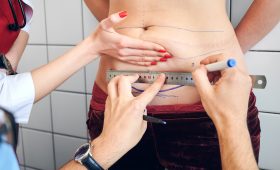
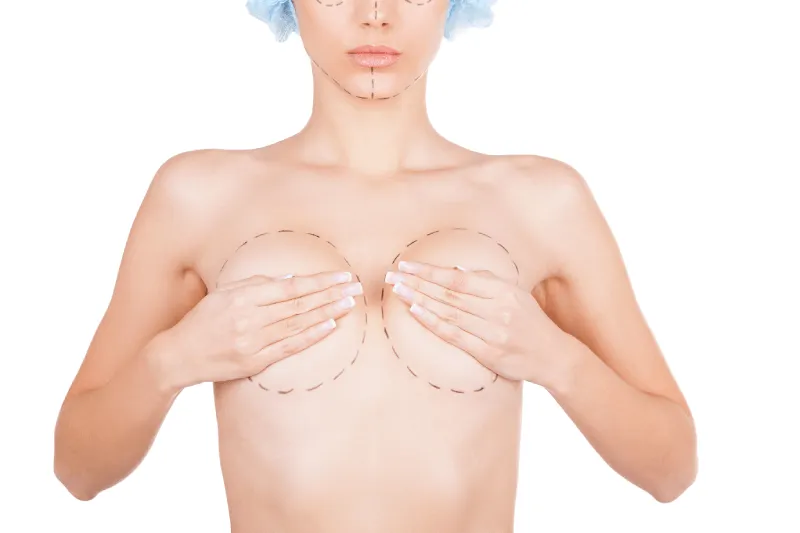
Following a thorough evaluation, including mammography and ultrasound to rule out any underlying pathology, Eleanor opted for a reduction mammaplasty performed in Istanbul, Turkey. The surgeon elected a modified Wise Pattern technique, given the volume of tissue to be removed (approximately 800g per breast). Pre-operative marking was performed with the patient in an upright position to accurately assess breast shape and ptosis.
The surgery was completed under general anesthesia and lasted approximately 3.5 hours. The NAC was repositioned on a superior-inferior pedicle to maximize sensation. A serial compression dressing was applied, and Eleanor remained in recovery in Istanbul for 7 days. Post-operative pain was managed with a combination of oral analgesics and local nerve blocks. She reported a dramatic reduction in back pain within weeks, regaining the ability to participate in activities she had previously avoided. At 6 months, Eleanor expressed complete satisfaction with the aesthetic outcome and, most importantly, the sustained relief from chronic pain. Her final package cost, including surgery, accommodation, and aftercare, totaled £4,800 GBP.
Risk Mitigation & Patient Safety
As with any surgical procedure, reduction mammaplasty carries inherent risks. Proactive risk mitigation is paramount, particularly when patients pursue treatment abroad.
- Thrombosis & Embolism: Patients with a history of deep vein thrombosis (DVT) or pulmonary embolism (PE) require prophylactic anticoagulation (blood thinners) and compression stockings. Early ambulation post-operatively is also crucial.
- Wound Healing Complications: Smoking cessation is mandatory prior to surgery. Patients with diabetes or compromised immune systems require meticulous glycemic control and antibiotic prophylaxis. Surgical technique emphasizing gentle tissue handling and layered closure minimizes wound tension.
- Nipple-Areola Complex (NAC) Ischemia & Loss: Preserving adequate blood supply to the NAC is critical. Surgeons utilize techniques like central vascular pedicles and meticulous dissection to minimize the risk. In rare cases, partial or complete NAC loss can occur, requiring reconstructive options.
- Seroma Formation: Fluid accumulation under the skin (seroma) is a common post-operative occurrence. Drainage may be required. Compression garments are used to minimize fluid collection.
- Asymmetry & Unsatisfactory Aesthetic Outcome: Thorough pre-operative planning, accurate measurements, and meticulous surgical technique are essential to minimize asymmetry. Revision surgery may be necessary in some cases.
When choosing a facility abroad, verifying accreditation is essential. Facilities holding JCI (Joint Commission International) accreditation adhere to rigorous international standards for patient safety and quality of care. It’s also critical to ensure the surgeon is board-certified in plastic surgery and has extensive experience in reduction mammaplasty. Cureholiday.com prioritizes partnerships with facilities that meet these stringent criteria.
Furthermore, pre-operative assessment should include a comprehensive medical history, physical examination, mammography, and potentially MRI or ultrasound. Post-operative care should include regular wound checks, compression garment wear, and diligent monitoring for any signs of complications. Clear communication channels with the surgical team are vital throughout the entire process. Typical package costs for reduction mammaplasty in Turkey range from $4,000 – $7,000 USD, dependent on the technique and surgeon’s experience. A stay of 7-10 days is generally recommended for optimal recovery, with final results typically visible after 3-6 months.
Breast Reduction for Back Pain Relief: Recovery Logistics & Cost Audit – Turkey vs. Western Nations
For US and UK patients experiencing chronic back, neck, and shoulder pain exacerbated by macromastia (excessively large breasts), breast reduction mammoplasty – or reduction mammaplasty – presents a significant opportunity for symptomatic relief. While the surgical technique itself is well-established, navigating the post-operative recovery and understanding the financial implications relative to domestic procedures requires careful consideration. This pillar focuses on the logistical details of recovery in Turkey (specifically Antalya and Istanbul) and a comprehensive cost comparison to those in the US and UK, culminating in a professional medical assessment of the value proposition.
Post-Operative Recovery in Turkey: A Detailed Timeline
Following reduction mammaplasty, the immediate post-operative period, encompassing the first 7-10 days, is best spent in a dedicated recovery environment. In Turkey, this presents a distinct advantage in terms of cost-effectiveness and tailored care. We cater to two primary recovery hub preferences: the bustling city experience of Istanbul and the restorative resort atmosphere of Antalya. Both offer access to JCI (Joint Commission International) accredited facilities and are regulated by the Turkish Ministry of Health, assuring consistent, high-quality medical standards.
The initial 24-48 hours are crucial for managing post-operative discomfort and establishing lymphatic drainage. Patients are typically confined to a hospital setting with continuous monitoring of vital signs and administration of analgesia, transitioning from intravenous pain management to oral medication. A surgical drain, a closed suction system, is commonly employed to evacuate serous fluid accumulation – a natural consequence of tissue disruption. The volume of drainage progressively decreases over the first week, dictating drain removal timing. Compression garments, specifically medical-grade bras, are mandatory and worn continuously, except during showering. This compressive force minimizes edema, supports tissue remodeling, and contours the breast shape.
Beyond the immediate post-operative phase, the focus shifts towards ambulatory care. Istanbul’s city-based recovery options provide convenient access to follow-up appointments with the surgeon, physiotherapy sessions (crucial for restoring pectoral muscle strength and range of motion), and cultural experiences when the patient feels up to it. Antalya, conversely, prioritizes tranquil recuperation. Patients can benefit from the coastal climate and resort amenities, promoting relaxation and accelerating healing. Care is managed through a combination of hotel/boutique visits from registered nurses for wound care, drain monitoring, and medication administration, alongside scheduled clinic visits.
It’s vital to understand that the final aesthetic results of reduction mammaplasty take time to manifest. While initial swelling and bruising subside within a few weeks, complete resolution of edema and tissue stabilization typically requires 3-6 months. This period involves ongoing garment wear, adherence to activity restrictions (avoiding strenuous exercise and heavy lifting), and potentially, serial photography to document the evolution of the breast contour. Scar management protocols, including silicone sheeting or gel, are often recommended to optimize cosmetic outcomes.
Cost Audit: Turkey vs. Western Nations – A Comparative Analysis (2026 Projections)
The economic disparity between Turkey and Western nations presents a compelling case for medical tourism, particularly for elective procedures like breast reduction. However, a superficial price comparison is insufficient. A holistic evaluation must encompass surgical fees, anesthesia costs, hospital stay, post-operative garmentry, medications, travel expenses (flights, accommodation), and potential complications requiring revision surgery. All costs are displayed in USD for ease of comparison, with currency conversions accurate as of late 2023 and projected for 2026.
- US Costs (2026 Projected): A typical breast reduction in the US ranges from $8,000 – $15,000+. This figure includes surgeon’s fee, anesthesia, facility fees, and standard post-operative care. However, it *excludes* costs associated with potential complications (infection, hematoma, wound dehiscence), which can significantly inflate the overall expense. Consider also the high cost of follow-up physiotherapy.
- UK Costs (2026 Projected): Breast reduction in the UK, assuming access through the National Health Service (NHS), often involves lengthy waiting lists. Private procedures range from £6,000 – £12,000 (approximately $7,500 – $15,000), mirroring the US cost structure and limitations regarding complication coverage.
- Turkey Costs (2026 Projected): Reduction mammaplasty in Turkey, including the surgeon’s fee, anesthesia, hospital stay (7-10 days), all standard post-operative care (including nursing visits), and compression garments, typically ranges from $4,000 – $7,000. Adding round-trip flights and accommodation for the recovery period, the total cost generally falls between $6,000 – $9,000.
While the quoted range for Turkey appears significantly lower, it’s important to note the availability of advanced surgical techniques. Surgeons in Turkey routinely employ techniques like serial sectioning, pedicle variations (inferior, medial, superomedial), and meticulous wound closure to optimize aesthetic outcomes and minimize complications. Furthermore, other cosmetic procedures commonly combined with breast reduction (like abdominoplasty) – known as a “Mommy Makeover” – are available at competitive prices: $6,000 – $10,000. Other procedures available include Vaser Hi-Def liposuction ($2,500 – $4,000) and Piezo Rhinoplasty ($2,800 – $4,500).
The Final Medical Verdict: Assessing Value and Risk
From a purely financial perspective, undergoing breast reduction in Turkey offers substantial savings compared to the US and UK, potentially exceeding 40-50%. However, value isn’t solely defined by price. The JCI accreditation and Ministry of Health oversight in Turkey ensure adherence to internationally recognized medical standards. The availability of experienced surgeons proficient in modern techniques, combined with dedicated post-operative care in both city and resort settings, contribute to a positive patient experience.
Potential risks associated with medical tourism, such as communication barriers and the need for long-distance follow-up, must be mitigated through careful patient selection, thorough pre-operative consultation (including virtual consultations and medical record review), and the provision of comprehensive post-operative instructions in the patient’s native language. CureHoliday.com prioritizes these aspects, offering multilingual patient coordinators and facilitating seamless communication between patients and their surgical teams. We provide a dedicated aftercare package, including remote monitoring and access to medical advice for a defined period post-discharge.
Ultimately, for US and UK patients seeking back pain relief through breast reduction, Turkey presents a compelling option. A realistic assessment of cost, recovery logistics, and medical standards, combined with proactive risk management, allows for a well-informed decision and a potentially life-changing outcome.
Ready to consult a specialist? Schedule a Free Consultation for Breast Reduction for Back Pain Relief in Turkey with cureholiday.com
Free Consultation
Fill out the form below to get your free medical travel plan and price quote.