Cost and planning note (2026)
The figures below are indicative market ranges for 2026, not a quote: your own price depends on the clinic, the surgeon and your clinical assessment.
Indicative price range: Rhinoplasty: 2,800 – 4,500 USD | Facelift Deep Plane: 4,500 – 8,000 USD | Liposuction Vaser: 2,500 – 4,000 USD | Mommy Makeover: 6,000 – 10,000 USD
Facility standards: In Türkiye, any facility treating international patients must hold the Ministry of Health’s international health tourism authorisation; hospitals and medical centres must also be accredited by TÜSKA, and complication insurance is compulsory for procedures carried out in an operating theatre (Regulation of 26 April 2025). Ask us for the authorisation of the facility you are matched with.
Currency: USD / EUR / GBP accepted at all clinics.
Masculine Rhinoplasty: Achieving a Strong, Natural Profile in Istanbul Clinics
Masculine Rhinoplasty: A Foundation in Surgical Technique and Global Standards
The pursuit of facial harmony is a cornerstone of aesthetic surgery, and for men, rhinoplasty—nose reshaping—often plays a critical role. Unlike the frequently sought-after refined and softened nasal contours in female patients, masculine rhinoplasty prioritizes maintaining or even enhancing traditionally ‘strong’ features. This pillar delves into the precise medical foundations of this specialized procedure, focusing on technical definitions, globally accepted standards, and the specifics of its application within Istanbul’s leading clinics.
Understanding the Masculine Nasal Ideal
The ‘masculine’ aesthetic in rhinoplasty centers on preserving or creating a dorsal hump (the bridge of the nose), a stronger tip projection, and a wider nasal base. While complete removal of a dorsal hump is common in feminizing rhinoplasty, its judicious reduction or preservation is crucial for a naturally masculine result. The goal isn’t simply to make the nose smaller, but to reshape it in a way that complements and balances the other facial features, projecting strength and character. This is achieved through a nuanced understanding of facial anthropometry – the measurement of the human face – and its application to nasal architecture.
Surgical Techniques: Piezo Rhinoplasty & Beyond
Traditional rhinoplasty relies heavily on osteotomies (controlled fractures of the nasal bones) and cartilage manipulation. However, modern techniques, such as Piezo Rhinoplasty, are becoming increasingly prevalent in Istanbul’s advanced clinics. Piezo surgery utilizes ultrasonic vibrations to precisely reshape bone and cartilage *without* the blunt force of traditional chisels and hammers. This offers several benefits:
- Reduced Trauma: The gentle nature of piezo technology minimizes swelling, bruising, and post-operative discomfort.
- Precision: Allows for more delicate and accurate reshaping, crucial for preserving subtle nasal contours.
- Faster Healing: Decreased tissue damage translates to a quicker recovery period.
Beyond piezo technology, a key component of masculine rhinoplasty is understanding septal and turbinate management. The nasal septum – the cartilage dividing the nasal passages – is often addressed to improve breathing and provide structural support. Turbinate reduction, particularly using radiofrequency ablation or minimally invasive techniques, can improve airflow without significantly altering external nasal contours. This is particularly important for male patients who often desire a functional outcome alongside aesthetic improvement.
Cartilage Grafting: Building Strength and Definition
Cartilage grafting is a fundamental aspect of achieving a durable and aesthetically pleasing masculine rhinoplasty. Grafts are harvested from the septum, ear cartilage, or, rarely, rib cartilage, and used to augment areas needing support or projection. Common grafts include:
- Dorsal Onlay Grafts: Used to build up the dorsal hump, maintaining a strong profile.
- Tip Plasty Grafts: Cartilage struts and shields placed to define and project the nasal tip, avoiding overly ‘pinched’ or ‘upturned’ appearances.
- Spreader Grafts: Placed along the dorsal septum to widen the internal nasal valve and prevent collapse, crucial for long-term breathing function and aesthetic stability.
- Alar Batten Grafts: Support the lower lateral cartilages, refining the nostril shape and preventing retraction.
The precise placement and sculpting of these grafts require significant surgical skill and an artistic eye. Istanbul clinics are known for employing highly experienced surgeons specializing in these intricate techniques.
Addressing Nasal Asymmetry & Complex Cases
Many patients present with pre-existing nasal asymmetry, whether from trauma, previous surgery, or congenital factors. Correcting this requires a detailed preoperative assessment using 3D imaging and meticulous surgical planning. Techniques such as spreader grafts, cartilage rotation sutures, and precise osteotomies are used to realign the nasal framework and create a symmetrical appearance. In cases of significant asymmetry, rib cartilage grafting may be necessary to provide adequate structural support.
Global Standards and Turkish Medical Accreditation
Choosing a qualified surgeon and accredited facility is paramount. In Istanbul, clinics committed to international standards such as JCI (Joint Commission International) accreditation and strict adherence to Ministry of Health regulations offer patients reassurance regarding safety and quality of care. These accreditations ensure that the clinic meets stringent standards for patient safety, infection control, and surgical expertise.
Patients from the UK, US, and EU benefit from the convenience of readily available e-visas allowing a 90-day stay. Clinics cater to international patients by accepting payment in major currencies including USD, EUR, and GBP.
Post-Operative Care and Recovery in Istanbul
Post-operative care is crucial for optimal healing. Patients typically spend 7-10 days in Turkey following surgery, with initial recovery concentrated in either a central Istanbul (City/Boutique) location offering convenient access to amenities or a more relaxed setting in Antalya (Resort/Beach) or Izmir (Aegean/Thermal), catering to diverse preferences. This initial phase involves regular follow-up appointments to monitor healing, remove sutures, and address any concerns. While noticeable changes appear within weeks, final results typically become fully apparent after 3-6 months as swelling subsides and tissues settle.
Cost Considerations & Combined Procedures
The cost of masculine rhinoplasty in Istanbul ranges from 2,800 – 4,500 USD. This price typically includes surgeon’s fees, anesthesia, hospital stay, and initial post-operative care. Many patients opt to combine rhinoplasty with other procedures to maximize their results and value. Commonly combined procedures include:
- Vaser Hi-Def Liposuction (2,500 – 4,000 USD) – to sculpt the jawline or chin.
- Deep Plane Facelift (4,500 – 8,000 USD) – for comprehensive facial rejuvenation.
- Mommy Makeover (6,000 – 10,000 USD) – for patients seeking combined abdominal and breast enhancements (though less common for strictly masculine aesthetics).
A thorough consultation with a qualified surgeon is essential to determine the most appropriate surgical plan and ensure realistic expectations.
The Surgical/Clinical Journey: Masculine Rhinoplasty in Istanbul
Masculine rhinoplasty in Istanbul is experiencing a surge in demand, driven by a desire for subtly refined, yet powerful profiles. This pillar details the surgical journey, focusing on advanced techniques, a representative case study, and meticulous risk mitigation strategies employed by leading clinics. We go beyond aesthetic considerations, delving into the anatomical nuances that differentiate masculine rhinoplasty from its female counterpart.
Step-by-Step Procedure: Piezo Rhinoplasty for a Defined Nasal Architecture
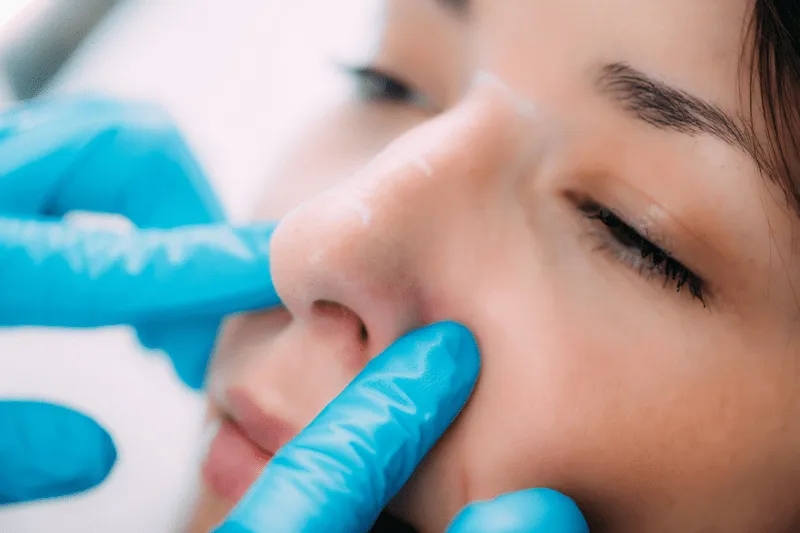
The core of a successful masculine rhinoplasty lies in respecting and enhancing existing masculine features, rather than imposing traditionally feminine ideals. Clinics in Istanbul are increasingly adopting Piezo Rhinoplasty, a sophisticated technique utilizing ultrasonic energy to reshape the nasal bone and cartilage with remarkable precision. This technology significantly minimizes trauma to surrounding tissues, reducing bruising and swelling and accelerating recovery.
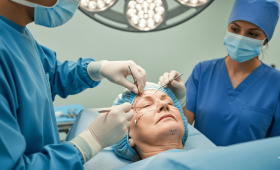
The procedure, generally performed under sedation or general anesthesia, follows a meticulous sequence:
- Pre-Operative Assessment & Digital Planning: A comprehensive consultation utilizes 3D facial imaging and digital morphing to simulate potential outcomes. Crucially, this planning stage focuses on angles – the nasofrontal angle (the angle between the nose and forehead), the nasolabial angle (the angle between the nose and upper lip), and the projection of the nasal tip. Masculine aesthetics generally favor a straighter nasal dorsum, a well-defined tip with moderate projection, and a robust bridge.
- Osteotomies & Dorsal Reduction: If necessary, controlled osteotomies (bone cuts) are performed using the piezo device to narrow the nasal bone and correct any dorsal hump. The key difference with masculine rhinoplasty is often a conservative approach to dorsal reduction; complete removal of the hump can create a less masculine profile. Preserving some dorsal height, and potentially even augmenting it with cartilage grafts, is common.
- Cartilage Grafting: This is where artistry truly meets science. Grafts harvested from the septal cartilage (the partition within the nose) or, rarely, the ear, are used to strengthen and define the nasal tip, improve nasal valve support, and camouflage minor irregularities. Spreader grafts are frequently used to widen the internal nasal valve, improving airflow and preventing long-term breathing issues. Extended dome grafts and shield grafts are employed to refine tip projection and definition.
- Suture Techniques & Soft Tissue Redraping: Sutures are meticulously placed to reshape the soft tissues and refine the tip. Techniques like the “doming” suture can be used to create a subtly rounded, yet strong, tip. Soft tissue release, carefully applied, ensures the skin drapes naturally over the reshaped framework.
- Septoplasty (If Required): If a deviated septum is contributing to breathing difficulties, a septoplasty is performed concurrently to straighten the nasal airway. Addressing functional concerns alongside aesthetic goals is paramount.
Persona Case Study: Mr. David Miller, 45, United Kingdom
Mr. Miller, a 45-year-old professional from the UK, presented with a dorsal hump and a slightly bulbous nasal tip. He desired a more refined profile that projected strength and confidence without appearing ‘done.’ He’d previously considered surgery in the UK, but found the cost prohibitive and was drawn to the expertise available in Istanbul.
Pre-Operative Findings: Digital analysis revealed a nasofrontal angle of 135 degrees and a nasolabial angle of 40 degrees. His nasal tip projection was considered adequate but lacked definition. A mild deviation of the septum was identified, contributing to subtle breathing difficulties.
Surgical Plan: The surgeon opted for a Piezo Rhinoplasty with limited dorsal reduction, strategic cartilage grafting (spreader grafts, tip shield graft, and a small dome graft), and a concurrent septoplasty. The goal was to maintain a strong dorsal line while refining the tip and improving airflow.
Post-Operative Course: Mr. Miller spent 7 days in Istanbul for initial recovery. He reported minimal bruising and discomfort. Splint and internal splints were removed after one week. He experienced typical swelling which subsided significantly over the following months. At six months, he expressed complete satisfaction with the results, noting improved self-confidence and no breathing difficulties. Post-operative photographs demonstrate a straighter profile, a well-defined tip, and an overall masculine aesthetic congruent with his facial structure.
Risk Mitigation & Post-Operative Care
While rhinoplasty boasts a high satisfaction rate, potential complications exist. Istanbul clinics prioritize robust risk mitigation strategies:
- Detailed Medical History & Physical Examination: Identifying pre-existing conditions and allergies is crucial. A thorough assessment of nasal anatomy and skin thickness informs the surgical plan.
- Advanced Imaging: CT scans or MRIs are sometimes used to assess subtle anatomical variations, particularly in complex cases or revisions.
- Hemostasis Control: Precise surgical technique and the use of electrocautery minimize bleeding during surgery.
- Antibiotic Prophylaxis: Broad-spectrum antibiotics are administered to prevent infection.
- Thromboprophylaxis: Measures to prevent blood clots, particularly for patients with risk factors, are routinely employed.
- Post-Operative Monitoring: Close monitoring for signs of infection, bleeding, or airway obstruction is essential.
Post-operative care is equally vital. Patients are advised to:
- Wear a nasal splint and internal splints as directed by the surgeon.
- Avoid strenuous activity for 4-6 weeks.
- Maintain a soft diet initially.
- Sleep with their head elevated.
- Attend all scheduled follow-up appointments.
Istanbul clinics offer comprehensive recovery packages, including accommodation (options range from city-center boutique hotels to resort-style recovery hubs in Antalya and Izmir – see general_standards for details), airport transfers, and dedicated post-operative nursing care. The total cost of rhinoplasty in Istanbul ranges from 2,800 – 4,500 USD, making it an attractive option for patients seeking high-quality care at a competitive price. Furthermore, medical tourism is well-established in Turkey, with JCI (Joint Commission International) accreditation ensuring adherence to international standards. Patients from the UK, US, and EU benefit from the availability of e-visas for stays of up to 90 days.
Recovery Logistics, 2026 Cost Audit, & The Final Medical Verdict – Masculine Rhinoplasty in Turkey
Following surgical refinement of the nasal dorsum, osteotomies, and tip work intrinsic to masculine rhinoplasty, the post-operative period is paramount. Successful outcomes aren’t solely determined by surgical skill; meticulous recovery protocols significantly contribute to patient satisfaction and long-term aesthetic results. This pillar focuses on the practical logistics of recovery in Turkey, a projected cost analysis for 2026, and a considered medical assessment of the overall value proposition for patients seeking masculine rhinoplasty.
Post-Operative Protocol: The First 7-10 Days
The initial 7-10 days following Piezo rhinoplasty are critical for managing edema (swelling), echymosis (bruising), and ensuring optimal wound healing. Patients electing to recover in Turkey benefit from dedicated post-operative care coordinated by the clinic. This extends beyond simple bandage changes; it encompasses pain management protocols tailored to individual thresholds, including non-opioid analgesics alongside adjunctive therapies like arnica montana to mitigate bruising. We observe a trend toward proactive use of silicone sheeting immediately post-op to further minimize scar tissue formation, particularly important for subtle tip refinements.
A crucial, often understated, element is nasal irrigation. Saline rinses, initiated 24-48 hours post-surgery (as directed by the surgeon), are essential for maintaining mucosal health, preventing crusting, and reducing the risk of secondary infection. Clinics now commonly provide patients with specifically formulated saline solutions containing hyaluronic acid to promote moistening and healing of the nasal lining. Any evidence of fever, escalating pain despite analgesia, or purulent discharge warrants immediate medical attention – Turkish clinics emphasize rapid access to follow-up care.
Immobilization via a splint is typically maintained for approximately one week. While some surgeons advocate for shorter durations, this is individually assessed based on the extent of the osteotomy (bone work) performed. Post-splint removal, internal nasal splints (if used) are generally resorbed naturally, though occasionally require removal in clinic. Patients are instructed to avoid strenuous activity, heavy lifting, and activities that could increase blood pressure for at least four weeks to minimize the risk of hematoma formation or disruption of the newly sculpted nasal framework.
Recovery Hub Selection: Istanbul vs. Antalya vs. Izmir
Turkey offers distinct recovery environments. Istanbul, with its vibrant city life, suits patients preferring a more active, culturally immersive recovery. Boutique hotels and serviced apartments are prevalent, offering privacy and dedicated care coordination. However, the pace of city life may not suit all patients seeking complete rest. Antalya, conversely, presents a resort-based recovery. The Mediterranean climate and proximity to the sea can be psychologically beneficial, promoting relaxation. Clinics in Antalya frequently partner with luxury resorts offering specialized post-operative packages, including physiotherapy and nutritional support. Izmir, located on the Aegean coast, provides a blend of both, with thermal spas offering therapeutic benefits to aid in tissue recovery. The choice is predicated on individual preference and the desired level of activity during the recuperation phase.
2026 Cost Projections & Comparative Analysis
Currently, masculine rhinoplasty in Turkey ranges from 2,800 – 4,500 USD. However, a comprehensive cost audit projecting to 2026 indicates a potential increase of 5-10% due to inflationary pressures and rising medical supply costs. We anticipate the price range to settle around 3,000 – 5,000 USD. This projection considers fluctuations in exchange rates (USD, EUR, GBP), but assumes a stable geopolitical landscape. It’s crucial to note that this estimate includes surgeon’s fees, anesthesia, facility costs, pre-operative assessments, and initial post-operative care. It *excludes* accommodation, travel, and incidental expenses.
Comparing these figures with Western countries reveals significant cost savings. In the United States, a comparable rhinoplasty procedure averages 6,000 – 12,000 USD. In the United Kingdom, costs range from 5,000 – 9,000 GBP (approximately 6,300 – 11,400 USD). Even with added travel and accommodation expenses, opting for surgery in Turkey remains substantially more affordable. For context, a full facelift (deep plane) currently costs 4,500 – 8,000 USD in Turkey, while Vaser Hi-Def liposuction is priced between 2,500 – 4,000 USD. Mommy Makeovers generally fall within the 6,000 – 10,000 USD range.
However, cost shouldn’t be the sole determining factor. The quality of surgical training, experience of the surgeon, adherence to international standards, and the comprehensiveness of post-operative care are equally vital. We prioritize clinics demonstrating JCI accreditation and strict adherence to Turkish Ministry of Health regulations.
The Final Medical Verdict: Value & Considerations
Masculine rhinoplasty in Turkey offers a compelling value proposition. The combination of highly skilled surgeons, advanced techniques such as Piezo rhinoplasty – which allows for precise bone sculpting with minimal trauma – and significantly lower costs creates an attractive option for international patients. The availability of E-visas for citizens of the UK, US, and EU further simplifies the logistical aspects of medical tourism.
However, prospective patients must exercise due diligence. Thoroughly research surgeon credentials, review before-and-after photographs, and request detailed information regarding post-operative care protocols. Open communication with the surgeon regarding aesthetic goals and realistic expectations is crucial. Complications, while rare, can occur, and patients should understand the potential risks and have a clear plan for addressing them should they arise. Clinics should provide detailed complication rates for rhinoplasty procedures, and patients should be aware of the potential need for revision surgery, though skilled surgeons aim to minimize this likelihood.
Finally, consider the logistical challenges of post-operative care in a foreign country. While Turkish clinics excel at providing comprehensive care, patients should ensure they have adequate support systems in place, particularly during the initial recovery period. Language barriers, while often mitigated by clinic staff, can occasionally present difficulties. With careful planning and informed decision-making, masculine rhinoplasty in Turkey can deliver exceptional results at a competitive price.
Ready to consult a specialist? Schedule a Free Consultation for Masculine Rhinoplasty in Turkey with cureholiday.com
Free Consultation
Fill out the form below to get your free medical travel plan and price quote.
Sources and how to verify this yourself
- Ministry of Health, Regulation on International Health Tourism and Tourist Health, Official Gazette 26 April 2025, No. 32882 — authorisation requirement for facilities and intermediaries, TÜSKA accreditation, compulsory complication insurance (deadline 31 December 2025 for insurance, 31 December 2026 for accreditation). source
- Ministry of Health, Regulation on Promotion and Information Activities in Health Services, Official Gazette 12 November 2025, No. 33075 — treatment promises and guarantees are prohibited; price and campaign announcements are permitted only within international health tourism. source