What Is Lymphatic Drainage Massage?
Lymphatic drainage massage is a type of very light and rhythmic manual technique applied to stimulate the body’s natural lymphatic system and accelerate the circulation of lymph fluid. Unlike classic massages, it does not apply pressure to the muscles; instead, it targets the lymphatic vessels on the skin surface. It ensures that waste, toxins, and excess fluid accumulated in the tissues after surgery are directed to the lymph nodes and removed from the body. This method is considered the gold standard in the medical world for the rapid recovery of traumatized tissues.
Why Does Post-Operative Edema Occur?
During a surgical intervention, tissues are cut, vessels are damaged, and the body perceives this situation as an “attack.” As a defense mechanism, an intense flow of fluid and white blood cells begins to the area; we call this inflammation. When this accumulated fluid exceeds the capacity of the lymphatic system, swelling, namely edema, occurs in the area. Edema is not just a visual problem; it also causes pain by putting pressure on the tissues and slows down healing by preventing fresh oxygen from reaching the area.
How Does Our Lymphatic System Work?
The lymphatic system is like the body’s cleaning crew; it works as part of the circulatory system but does not have a pump (like the heart). The movement of the fluid depends entirely on muscle movements and respiration. Since the patient usually remains immobile after surgery, this fluid flow comes to a standstill. Lymph nodes act as filters, sorting out bacteria and cell debris. The efficient operation of the system is vital for keeping the immunity strong and purifying the body from toxins.
How Does Surgical Intervention Affect the Lymph System?
Especially in large-scale operations such as liposuction, tummy tuck, or breast aesthetics, lymph channels may be temporarily damaged or cut. This situation causes the lymph fluid to lose its route and become trapped in tissue gaps. The body struggles to evacuate the fluid until the damaged channels are repaired. Lymphatic drainage massage comes into play at this exact point, helping the fluid find alternative routes and opening existing blockages, thereby easing the system’s burden.
What Is the Primary Goal of Lymphatic Drainage Massage?
The primary goal of this massage is to encourage the removal of interstitial fluid accumulated around the surgical area by pushing it towards the lymph nodes. However, the aim is not just fluid evacuation; it is also to prevent tissue hardening, ensure the rapid disappearance of bruises, and shorten the recovery time. It increases the patient’s comfort by reducing the feeling of tension that may occur after surgery and lays the groundwork for the new contours shaped by the surgeon to emerge more clearly.
How Does Massage Speed Up the Recovery Process?
The rate of recovery is directly related to how much clean blood goes to the area and how quickly waste is removed. Lymphatic drainage opens the “traffic jam” in the area. When the swelling goes down, blood circulation eases, which means more nutrients and oxygen are transported to the tissues. Cell regeneration accelerates, the inflammation period is shortened, and the body spends its energy on tissue repair instead of fighting swelling. This synergy can reduce recovery that would normally take weeks to days.
What Is the Role of Massage in Pain Control?
A large part of post-operative pain stems from the pressure that edema puts on nerve endings. Fluid accumulation stretches the tissues and increases sensitivity. When fluid pressure is reduced thanks to lymphatic drainage massage, the pressure on the nerves also eases. Additionally, the soft touches of the massage trigger the body’s natural “gate control theory,” preventing pain signals from reaching the brain and ensuring the release of relaxing hormones. This helps the patient use fewer painkillers.
Why Should Massage Be Done After Liposuction?
Liposuction leaves tunnels and gaps under the tissue while vacuuming out fat cells. These gaps tend to fill quickly with fluid. If this fluid is not evacuated, it can harden over time and turn into unwanted lumps we call fibrosis. Massage prevents these fluids from accumulating, ensuring that the skin adheres smoothly to the underlying tissue. The final aesthetic result of the operation being smooth, without ripples, and symmetrical depends largely on the quality and frequency of this massage.
What Are the Benefits After Tummy Tuck Surgery?
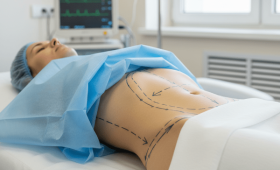
In tummy tuck (Abdominoplasty) surgery, the skin is lifted from a large area, and most of the lymph vessels are cut. This causes a serious fluid accumulation in the middle part of the body. Massage directs the swelling in this area to the sides and to the intact lymph channels above. It helps the patient to stand more upright and breathe more comfortably by reducing the tension in the abdominal area. It also supports the thinner and healthier healing of the scar by reducing the pressure on the suture line.
How Does It Reduce Swelling After Rhinoplasty?
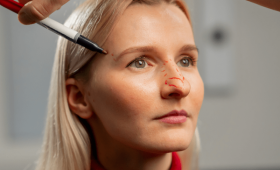
After nose surgeries, intense edema occurs around the eyes and in the middle part of the face. The face area is very rich in lymph vessels, but this flow is interrupted after surgery. Gentle lymphatic movements allow the swelling on the face to flow into the lymph nodes in the neck area. In this way, the “black eye” appearance passes faster, and that stubborn swelling at the tip of the nose goes down more quickly. It is an application that dramatically shortens the time it takes for the patient to return to social life.
Is Massage Necessary After Breast Aesthetics?
Whether it is enlargement, reduction, or lifting, breast surgeries can affect the armpit lymph nodes. Especially in cases where a prosthesis is placed, the body tends to create a capsule surrounding the foreign body. Lymphatic drainage reduces stiffness in the breast tissue, helps the prosthesis settle, and relieves tension in the armpit area. Massage performed with the right technique ensures that the breasts gain a more natural softness and minimizes post-operative sensitivity.
Why Is Lymphatic Drainage Important After BBL?
Brazilian Butt Lift (BBL) involves taking fat from one part of the body and transferring it to another. This creates trauma in both the donor area and the buttock area. While massage is vital for reducing liposuction effects in donor areas (usually abdomen and waist), healthy circulation in the area is necessary for the transferred fats to survive. Massage prevents irregularities in the donor site and stabilizes recovery by reducing the overall metabolic load of the body.
Does Massage Help with Skin Tightening?
The saggy appearance of the skin after surgery is sometimes not just due to excess skin, but due to chronic edema underneath. Lymphatic drainage massage indirectly supports collagen production by revitalizing the metabolism of the tissues. As the swelling decreases, the skin sits better on the underlying muscle and fascia layer. Skin tone improves, and it gains a brighter, tighter appearance. Constant evacuation of edema helps the skin remain more resistant to gravity and increases the permanence of the operation.
How Does It Facilitate the Healing of Bruises?
Bruises are breakdown products of blood that has leaked under the skin. The body uses the lymphatic system and macrophages to clean up these “scraps.” Drainage massage speeds up the breakdown of these blood cells and their removal through lymph paths by mechanically stimulating the circulation in the area. Deep bruises that would normally pass in 2-3 weeks can turn yellow and disappear within 1 week with regular massage. This is a great aesthetic and psychological advantage, especially for patients undergoing facial operations.
Is It Effective in Reducing Infection Risk?
Stagnant lymph fluid can create a suitable environment for bacteria to multiply. Stagnant fluid (stasis) is a factor that increases the risk of infection. Keeping the flow constant and vibrant ensures that immune system cells reach the surgical area more easily. Since the body can quickly filter out waste and potential pathogens, the possibility of infection decreases. Lymphatic drainage massage creates a natural shield against post-operative complications by keeping the body’s defense mechanism dynamic.
What Is Post-Operative Fibrosis and How to Prevent It?
Fibrosis is hard, adherent, and sometimes painful tissue bands formed by the body producing more collagen than necessary during the recovery process. It usually starts after procedures like liposuction when the fluid between the tissues reaches a “jelly” consistency and hardens. If not intervened at this stage, these hard spots can become permanent. Lymphatic drainage massage prevents the formation of fibrosis from the very beginning by allowing the fluid to be evacuated before it hardens. It also helps in softening existing hardness.
When Should Lymphatic Drainage Massage Begin?
While the answer to this question varies depending on the operation performed and the surgeon’s preference, it is generally recommended to start within the first 24 to 48 hours after surgery. Massages performed in the early period are much lighter and the aim is just to move the fluid. Applications made in the first weeks prevent edema from causing permanent damage. However, every patient is special; therefore, the approval of the surgeon who performed the operation must be obtained before starting the massage, and the patient’s general condition must be evaluated.
How Many Sessions of Massage Should Be Applied?
The number of sessions varies according to the size of the operation and the body’s response. It is generally recommended to have 3-4 sessions per week for the first two weeks, and then to reduce the frequency in the following weeks. A cure of 10-15 sessions in total gives ideal results for most patients. However, this number may increase in procedures that create intense edema, such as liposuction. The important thing is to continue the process until the swelling in the body has completely subsided and tissue softness has returned to normal. Patience is the most important part of this treatment.
What Is the Difference Between Professional and Classical Massage?
This is one of the most confused points. Classic massage (Swedish massage, etc.) uses deep pressure and kneading techniques to relax the muscles; this can increase tissue damage and edema when performed on a post-operative area. Lymphatic drainage massage, on the other hand, is as light as a feather; it feels as if the skin is being slightly stretched. Its target is not the muscles, but the lymph paths just under the skin. Since the wrong technique can damage recovery, it must be performed by experts trained in this field.
What Should Be Considered During Massage?
Patient comfort is the first priority during the massage. Excessive pressure should never be applied to the area, and the patient should not feel pain. The temperature of the environment where the application is made should be appropriate, because cold causes lymph vessels to constrict. The massage direction should always be towards the heart and the nearest active lymph nodes. In addition, maximum attention should be paid to hygiene rules, suture sites should be protected, and special lubricants or powders that will not cause skin irritation should be used. The expert must observe the patient’s pulse and general condition.
Who Should Not Have Lymphatic Drainage Massage?
Although it is a safe method, it is inconvenient in some cases. This massage can be risky for those with active infections, heart failure, kidney problems, and those at risk of blood clotting (deep vein thrombosis). This is because the rapid joining of lymph fluid into the circulation can put an extra load on the heart and kidneys. In addition, in those with a history of cancer, stimulation of the lymph system should not be done without consulting a doctor. Therefore, a comprehensive health history query is a must before the application.
Can You Perform Self-Massage at Home?
Some basic movements can be taught to the patient by an expert, but since the post-surgical process is sensitive, it is recommended that the full session be performed by professionals. Movements performed in the wrong direction or with the wrong pressure at home can cause fluid to accumulate in the wrong areas. However, in the later stages of recovery, light “pumping” movements learned under expert supervision can be given as homework to support healing. No home application can fully replace professional care.
What Is the Contribution of Massage to the Immune System?
The lymphatic system is the center of the immune system. Acceleration of lymph flow through massage ensures that lymphocytes (white blood cells) circulate more effectively in the body. This helps the body to recognize and destroy cellular waste and potential germs that appear after surgical trauma more quickly. A strong lymph flow increases general body resistance, reduces fatigue, and contributes to the patient feeling energetic. The stronger the immunity, the more trouble-free the recovery will be.
How Does Nutrition Support Massage During Recovery?
Nutrition is very critical to maximize the effect of massage. Especially protein intake is a must for tissue repair. However, the most important point is to restrict salt consumption; salt holds water in the body and brings back the edema that is trying to be removed by massage. Fruits and vegetables rich in antioxidants (such as blueberries, spinach) reduce inflammation. Eating healthy before and after massage sessions is a factor that directly affects the body’s ability to get rid of edema.
Why Is Water Consumption Important After Massage?
After lymphatic drainage massage, toxins dissolved from the tissues and excess fluid mix into the blood. This waste must be filtered by the kidneys and excreted in the urine. If enough water is not drunk, these wastes continue to circulate in the body and can cause symptoms such as headache and fatigue. Drinking at least 2-3 liters of water a day completes the cleaning process started by the massage. Water also increases the fluidity of the lymph fluid, allowing the system to work more easily.
How Does Lymph Fluid Circulation Change Aesthetic Results?
The success of an aesthetic surgery is measured by how well the skin adapts to its new form as much as the skill of the surgeon. A tissue with poor circulation, edema, and a coarse appearance hides the beautiful work beneath it. Thanks to regular lymph drainage, edema subsides quickly and tissues become thinner. This ensures that body contours (for example, abdominal muscle lines or the bridge of the nose) look much sharper and more prominent. When the recovery process is optimized, it becomes possible to reach the “finished” look in weeks instead of months.
What Is the Effect of Massage on Psychological Relaxation?
The post-operative period can be emotionally as well as physically challenging. Swelling, bruising, and restricted movement can create anxiety and impatience in the patient. Lymphatic drainage massage provides deep relaxation by activating the parasympathetic nervous system. This compassionate care offered by expert hands helps the patient to make peace with their body again and increases their confidence in the recovery process. The reduction of stress hormones (cortisol) is an element that also positively affects the general quality of healing.
Manual Lymph Drainage or Device-Assisted Massage?
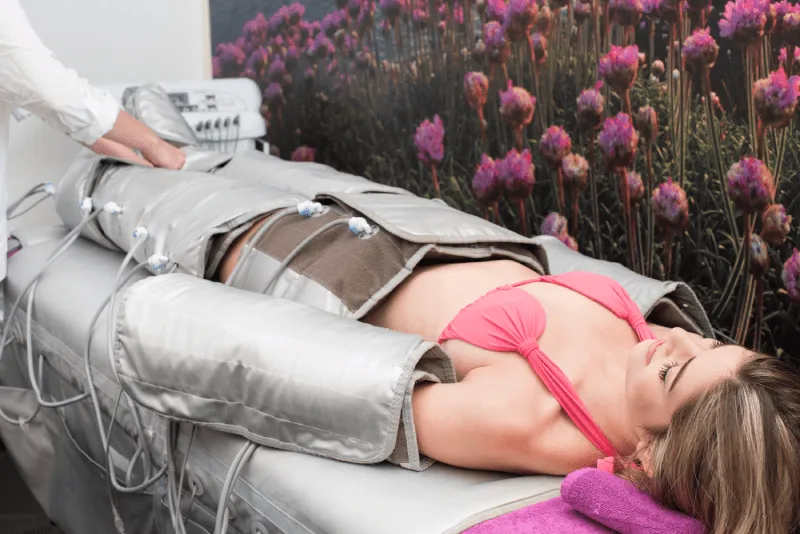
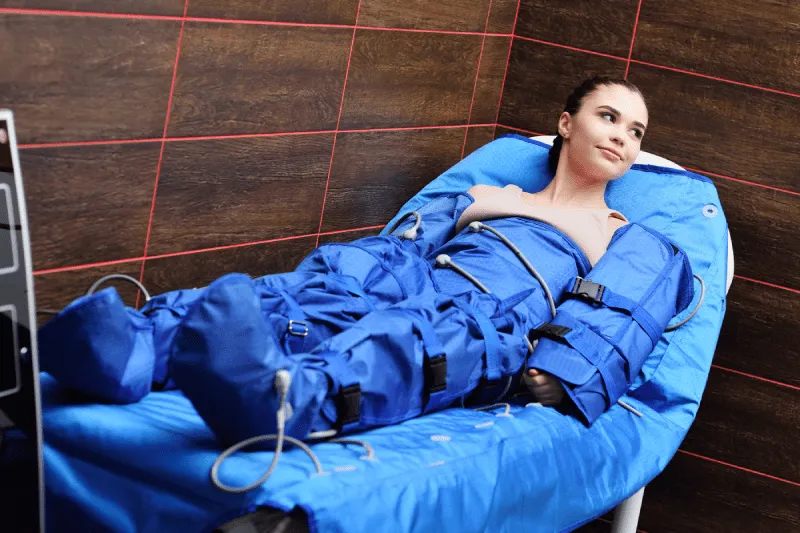
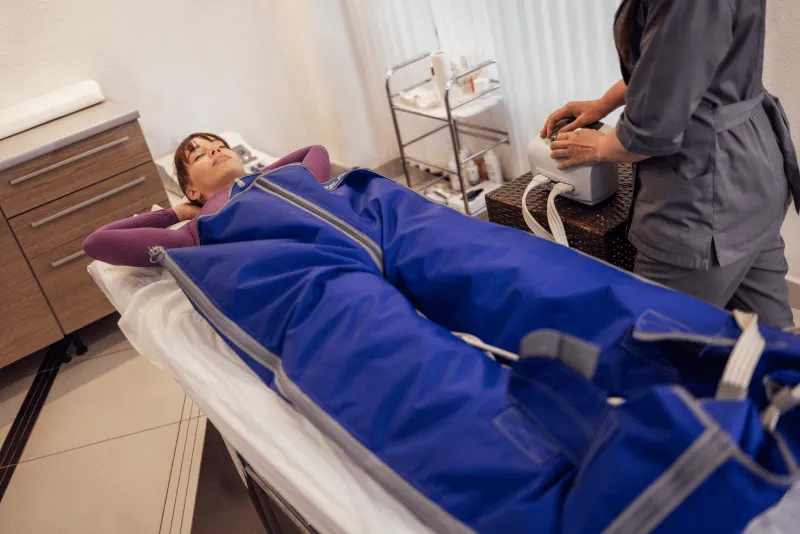
Although there are various devices (pressotherapy, etc.) on the market that perform lymph drainage, “Manual Lymph Drainage” (MLD) is always the priority in the post-operative period. The human hand can feel the slightest hardness, temperature change, or sensitivity in the tissue and can instantly update the technique accordingly. Devices usually apply a standard pressure and cannot distinguish special needs in operated areas. The touch of an expert therapist offers much safer and more effective results in a delicate process such as post-surgical recovery.
Does Moving During the Recovery Process Support Massage?
Definitely yes. Light walks are a natural pump for the lymphatic system. Every time the muscles contract, they squeeze the lymph vessels next to them and push the fluid up. Short and non-tiring walks between massage sessions maintain the effect of the massage. However, heavy sports should be avoided, because this can trigger edema by greatly increasing the pulse rate. Staying active to the extent permitted by your doctor makes the edema removal success achieved with massage permanent and also minimizes the risk of blood clotting.
How Does It Improve the Appearance of Surgical Scars?
The quality of the scar depends on the circulation of the surrounding tissue. If there is intense edema around the suture line, the wound edges are stretched, and this causes the scars to widen or become more prominent. Lymphatic drainage allows the skin to join more peacefully by reducing the pressure in the suture area. In addition, the fresh blood carried to the area with the effect of massage delivers tissue repair cells to the wound. As a result, the scars of patients receiving regular massage generally show a tendency to heal thinner, paler, and smoother.
Are There Any Side Effects of the Massage?
When applied correctly, lymphatic drainage massage has almost no side effects. However, due to the body’s cleaning process after massage, some patients may temporarily experience fatigue, slight nausea, or an increased desire to urinate. These situations are actually indicators that the massage is working and the body is expelling waste. Rarely, there may be temporary redness on very sensitive skins. If severe pain or fever occurs after massage, this may be a sign of a complication and a doctor should be consulted immediately.
Why Do Surgeons Recommend This Massage?
Modern surgeons know that 50% of surgical success depends on the operation and 50% on the subsequent care. Lymphatic drainage massage is a tool that protects and highlights the work done by the surgeon. It has been clinically observed that the risk of the patient experiencing complications decreases, results are seen earlier, and patient satisfaction increases. Surgeons have made this massage an integral part of their recovery protocols because they want their patients to suffer less pain and reach their dream appearance in the safest way possible.
Does Lymphatic Drainage Massage Make You Lose Weight?
This is a common misconception; lymphatic drainage massage does not directly burn fat or cause weight loss. However, since it expels excess edema and toxic fluid in the body, it allows the patient to appear lighter on the scale and to thin out regionally. Since it eliminates the feeling of “bloating” after surgery, body contours become more prominent and the person feels thinner. Actually, this is not weight loss, but the process of the body returning to a healthy volume. Nevertheless, looking thinner and more shaped is great for patients’ motivation.
Why Is the Expertise of the Practitioner Important?
The lymph system is a complex and sensitive network. The person performing the massage must know the map of the lymph paths, the node points, and the anatomical changes created by the surgery. A movement made in the wrong direction can cause the fluid to be trapped in deeper tissues instead of being expelled. A certified lymph drainage expert adjusts the pressure by feeling the resistance of the tissue. When your health and aesthetic investment are at stake, you should entrust this job only to physiotherapists or expert estheticians who have received special training in this subject.
What Else Can Be Done to Shorten the Recovery Process?
Lymphatic drainage massage is a tremendous supporter, but it is part of a holistic care. Regularly using the compression garments (corset, etc.) recommended by your doctor is a must to maintain the effect of the massage. Quitting smoking is vital for vascular health. Adequate sleep is the time when the body performs the most repair. In addition, avoiding alcohol consumption also prevents the formation of edema. When all these factors are combined with massage, the recovery process ceases to be a difficulty and turns into a pleasant journey of transformation.
Free Consultation
Fill out the form below to get your free medical travel plan and price quote.
Sources and how to verify this yourself
- Ministry of Health, Regulation on International Health Tourism and Tourist Health, Official Gazette 26 April 2025, No. 32882 — authorisation requirement for facilities and intermediaries, TÜSKA accreditation, compulsory complication insurance (deadline 31 December 2025 for insurance, 31 December 2026 for accreditation). source
- Ministry of Health, Regulation on Promotion and Information Activities in Health Services, Official Gazette 12 November 2025, No. 33075 — treatment promises and guarantees are prohibited; price and campaign announcements are permitted only within international health tourism. source