When do liposuction results become visible?
After undergoing a liposuction procedure, the most common question patients ask is when they will finally see their new body contours. Since liposuction is a surgical intervention, it is perfectly natural for the body to experience significant edema and swelling immediately afterward. Therefore, expecting to see the final result the moment you get off the operating table is not a realistic approach. As a general rule, the first signs of liposuction results begin to be noticed from the fourth week onwards, as the edema starts to subside. However, for the body’s tissues to fully heal and for the skin to adapt to its new form, a period of six months to a year is usually required. Being patient during this process, following the surgeon’s advice, and giving the body the time it needs to recover is the healthiest approach.
What should be expected in the first days after surgery?
The first few days immediately following liposuction surgery is the period when the body reacts most intensely to the trauma. At this stage, it is expected to feel swelling, bruising, sensitivity, and mild pain in the areas where the operation was performed. The body directs an intense flow of fluid to the area to repair the fluid loss and tissue damage during the procedure, which leads to the formation of edema that can be perceived as temporary weight gain. Patients usually feel heavy and bloated during this period. However, these symptoms begin to fade quickly with a proper care and rest process. Fluid leakage may occur in the first 48 hours, and the dressings provided by your surgeon will help keep these leaks under control.
When do edema and swelling subside?
The majority of the edema formed after the operation begins to decrease gradually within the first month following the surgery. The first two weeks are the period when the edema is at its highest level; after this period, the body begins to expel the excess fluid. By the end of the first month, it is observed that approximately 70-80% of the swelling in the body has subsided. The remaining 20% is more stubborn and can take three to six months to disappear completely. The rate at which edema is removed depends directly on the person’s metabolism, the liposuction technique applied, and the diet program followed after the surgery. Drinking plenty of water, restricting salt, and taking light walks can shorten the edema process by making the lymphatic system work faster.
Does the recovery process vary from person to person?
Yes, the speed of recovery after liposuction and the time it takes for the results to settle are unique for each individual. Genetic factors, age, general health status, the strength of the immune system, and lifestyle are factors that directly affect this process. For example, in individuals with a young and elastic skin structure, the adaptation of the skin to new body contours occurs much faster and more smoothly than in elderly individuals or those experiencing loss of elasticity. In addition, the tissue healing of non-smokers and those who eat regularly takes less time, while the recovery process may be prolonged in individuals with chronic diseases or those who smoke. The technique used by the surgeon during the operation and the amount of fat removed are other important factors that personalize the recovery schedule.
When do body contours start to become clear?
The clarification of the body’s new silhouette generally gains momentum in the sixth week after the operation. By this time, thanks to the regular use of compression garments, the tissues settle into place and the spaces under the skin close. By the end of the second month, when the patient looks in the mirror, they begin to see a much more distinct and shaped line compared to before the surgery. However, for even the smallest details and fine retouches to become visible, the inflammation under the tissue must end completely. The clearest state of muscle structure and body curves generally emerges from the third month. Light exercises performed at this stage contribute to a much more aesthetic and athletic appearance of body lines, supporting the results.
How does wearing a compression garment affect results?
The use of a compression garment after liposuction is one of the most critical factors directly affecting the success of the operation. The medical compression garments worn for the period recommended by the surgeon (usually 4-6 weeks) close the gap between the skin and muscle tissue, ensuring that the skin adheres smoothly. In addition, the garment minimizes edema formation and regulates blood circulation thanks to the pressure it applies to the surgery area, helping bruises heal faster. If a garment is not used, ripples, sagging, or long-term fluid accumulations (seroma) may occur on the skin. For this reason, it is vital to remember that the garment is not just a support, but the non-surgical second stage of the surgery, and to wear it in a disciplined manner for the final aesthetic appearance.
How long should you wait for final results?
Patience is the most important part of the process to see the “final” and fully settled result of liposuction. Most aesthetic surgeons emphasize that a full year must pass for complete recovery and tissue maturation. Although 90% of the results have appeared around the sixth month, it can take 12 months for the nerve endings under the skin to heal, the lymph channels to start working at full capacity, and the skin tightening process to be completed. At the end of one year, the tissue softness in the treated areas returns to normal, the surgical scars become almost invisible, and the body completely adopts its new form. This long waiting period stems from the rate of biological remodeling of the tissues, and the permanence of the results obtained depends on the correct management of this period.
When do bruises disappear completely?
Bruises formed as a result of blood vessels being affected during surgery are quite prominent in the first two weeks of the healing process. These spots, which look dark purple or reddish in the first days, turn green and then yellow over time and are absorbed by the body. Generally, it is seen that the majority of the bruises pass between the 10th and 14th days after the operation. In individuals with a sensitive skin structure, this period can extend up to three weeks. To speed up the healing of bruises, creams containing vitamin K can be used under doctor’s control or natural supports such as arnica can be used. What is important is to protect the relevant area from sunlight until the bruises are completely gone; because the sun can cause permanent pigmentation (spotting) where the bruises are.
When do incision scars fade?
Since liposuction is generally performed through millimetric incisions, the surgical scars are quite small. For the first few months, these points may have a pinker or reddish appearance and a slight hardness may be felt when touched. However, as time passes, especially from the sixth month onwards, the color of these scars begins to approach the skin color and softens. At the end of one year, these small entry points become so indistinct that they cannot be noticed in most patients. To heal the scars faster, it may be beneficial to use silicone-containing scar creams and apply the massage techniques recommended by the surgeon. The most important factor that increases the quality of the scars is the genetic predisposition, as well as keeping the area moist and not irritated during the healing period.
When can you start exercising?
The return to physical activity after liposuction should be gradual. Short and slow walks in the house just one day after the surgery are strongly recommended to prevent the risk of blood clotting and reduce edema. However, it is usually necessary to wait for 4 to 6 weeks to start heavy sports, lifting weights, or high-tempo cardio workouts. Heavy exercises performed in the early period can increase blood pressure, causing the edema to rise again or the stitches to be strained. After the fourth week, you can increase the light-tempo walks by listening to your body’s signals, and from the sixth week, you can return to your full-capacity exercise routine with your surgeon’s approval. Exercising ensures that the new form obtained with liposuction is supported by muscles and looks more aesthetic.
Does diet affect the speed of recovery?
Nutrition is the most important fuel in the body’s self-repair process. A protein-rich diet after liposuction helps tissues heal faster and more robustly. Fresh vegetables and fruits containing antioxidants reduce inflammation in the body and support the faster removal of edema. In particular, it is of vital importance to minimize salt consumption; because salt causes water retention in the body, prolonging the edema process. It is necessary to stay away from processed foods, excessively sugary drinks, and alcohol throughout the recovery process. A healthy nutrition plan not only speeds up recovery but also helps maintain the results by preventing new fats from being added to the place of the fats removed with liposuction.
Is lymphatic drainage massage necessary?
Lymphatic drainage massage is an optional but very effective support method in the liposuction recovery process. This special massage technique ensures that the lymph fluid accumulating under the skin is regained into the circulatory system, thus helping the edema to resolve much faster. These sessions, which are generally started 2-3 weeks after the operation with the surgeon’s approval, also prevent tissue hardening (fibrosis) and ensure that the skin heals smoother. Many experts recommend professional lymph massage once or twice a week, especially after large-area liposuction procedures, to increase healing comfort and ensure that results are seen earlier. In addition to speeding up the recovery process, this massage also contributes to the patient’s general feeling of relaxation.
Is skin elasticity effective on the results?
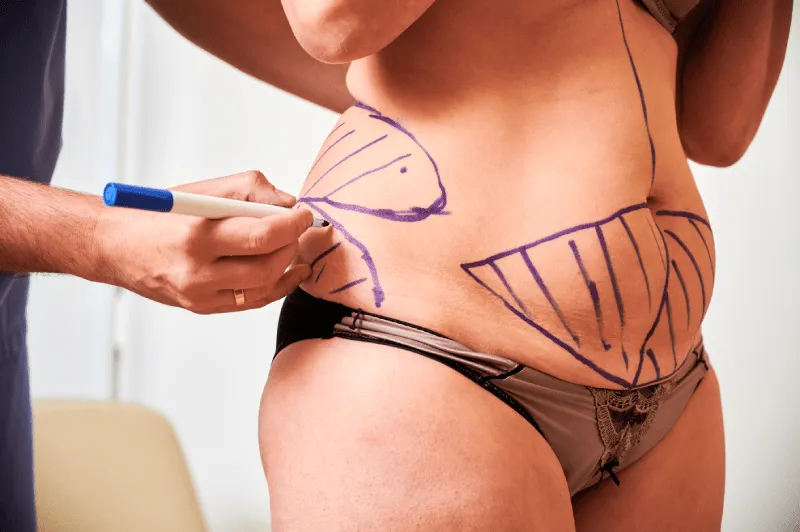
Skin elasticity is the secret hero that determines the aesthetic success of the liposuction operation. After the fats are removed by vacuum, the skin layer on top of it must adapt to the new volume and sit on the underlying muscle tissue by tightening. If your skin is young and its collagen structure is strong, the skin recovers quickly and a smooth appearance is formed. However, if the skin has lost its elasticity due to excessive weight gain and loss, aging, or genetic reasons, there is a risk of sagging or ripples after fat removal. In such cases, surgeons generally try to optimize the result by combining the liposuction procedure with skin tightening technologies such as J-Plasma, Vaser, or Laser. Accurate analysis of pre-operative skin quality is critical in terms of managing expectations.
Does weight gain after liposuction ruin results?
Liposuction is not a weight loss method, but a body shaping operation. During the operation, fat cells in a specific area are permanently removed, which significantly reduces the re-fatting capacity of that area. However, the remaining fat cells still have the potential to expand in case of excessive calorie intake. If the patient gains weight uncontrollably after the surgery, the body can distribute the fatness to other areas (for example, areas where no procedure was performed, such as the arms or back) or a disproportionate thickening can be seen in the treated area. For the results to be permanent for a lifetime, a balanced diet and an active lifestyle should be adopted. Liposuction offers you a new beginning, but maintaining this result depends entirely on your discipline.
When does the surgical area heal completely?
The complete normalization of the tissues in the surgical area biologically, that is, the return of all layers under the skin to their old flexibility and softness, usually takes 6 to 9 months. Tissue hardness, numbness, or a slight “pulling” feeling felt in the first months are part of the internal healing process. The body fills the channels through which the cannulas pass with collagen, and this tissue softens over time and becomes a natural part of the body. At the end of about a year, no abnormality is felt when the area is touched and the sensory nerves fully gain their function. During this period, it is necessary not to neglect regular checks so that possible recovery problems can be noticed and intervened early.
Which areas heal faster?
Different areas of the body heal at different times depending on the blood circulation speed and tissue structure. For example, gowl and face area liposuction procedures, where blood circulation is very intense, generally heal much faster than the rest of the body and results become apparent within a few weeks. Since the abdomen and back areas are wide areas, it may take longer for the edema to dissipate. The leg and ankle area, on the other hand, are the places most prone to fluid accumulation due to gravity; for this reason, the recovery process and removal of edema in lower extremity liposuctions is a period that requires more patience. Knowing that each area has its own recovery speed, the personal care plan should be customized accordingly.
Is the time to see results different for men and women?
Although general recovery principles are similar for both genders, differences in tissue structure can affect the visibility of results. The skin structure of men is generally thicker and more fibrotic (hard-textured), which can sometimes cause the edema to be a bit more stubborn, but skin tightening is usually stronger. In women, the fat tissue is softer and hormonal cycles (such as the menstrual period) can cause water retention in the body, fluctuating the amount of edema during the recovery process. While the abdomen and waist area (love handles) are usually targeted in men, the hips, inner legs, and abdomen are at the forefront in women. In both cases, the final state of the results requires a patience process extending up to a year and lifestyle is the main factor determining the results independently of gender.
How does smoking delay recovery?
Smoking is one of the biggest enemies of the recovery process after liposuction surgery. Nicotine restricts the amount of oxygen and nutrients going to the tissues by narrowing the blood vessels, which seriously slows down the repair of surgical wounds and damaged areas under the skin. Infection risk increases in tissues left without oxygen, surgical scars remain more prominent, and unwanted color changes or tissue deaths (necrosis) can occur in the skin. Experts require smoking to be stopped at least 2 weeks before the operation and not to be smoked until the recovery is complete (if possible, completely). Quitting smoking not only speeds up recovery but also increases the skin’s collagen production, making the operation result smoother and tighter.
How does water consumption speed up the edema removal process?
A point where many patients are mistaken is the thought that it is necessary to drink less water when there is edema in the body. However, the situation is quite the opposite; when the body is dehydrated, it begins to keep (stock) the existing fluid in the cells, and this leads to an increase in edema. Drinking at least 2.5-3 liters of water a day ensures that the kidneys work more actively, helping the anesthesia drugs to be removed from the body and the lymphatic system to be cleaned. Water consumption supports the repair process in the surgery area by increasing the fluidity of the blood. In addition, water contributes to the skin layer being tighter and more flexible after liposuction by providing internal moisture. In short, drinking plenty of water is the simplest and most effective method that brings the recovery calendar forward.
What should be considered in the first month after surgery?
The first month is the critical “shaping” phase of liposuction. During this period, it is necessary to strictly follow the instructions given by the surgeon. During the first month, heavy physical activities, intense sun exposure, and excessively hot environments such as Turkish baths and saunas must be avoided; because heat can trigger edema by dilating blood vessels. It is of vital importance to wear the compression garment day and night without interruption so that the body can maintain its new shape. In addition, paying attention to sleep patterns and resting the body speeds up tissue repair. At the end of the first month, the stitches have usually been removed (or dissolved) and the patient begins to feel much more energetic, but since this does not mean that the recovery is over, one should continue to move in a controlled manner.
What changes are observed in the body during the second month?
Entering the second month, the “recovery fatigue” in most patients is replaced by excitement. Since most of the swelling in the body has subsided during this period, it is noticed that clothes are more comfortable and body curves are becoming more distinct. Numbness on the skin surface gradually gives way to tingling, which is a sign that the nerve endings are reviving. The second month is usually the time when patients start light exercises and completely return to their normal social lives. However, small hardnesses can still be felt under the skin during this period. These hardnesses are healing tissue and will soften over time. The “before-after” photos taken at the end of the second month clearly reveal how great a distance has been covered.
Do results settle completely in the sixth month?
The sixth month is a very important turning point in the liposuction journey. Most patients see that the results are 90-95% complete at this stage. Almost all of the edema is gone, body lines are sharpened, and the skin has tightened significantly. If liposuction was performed on the abdominal area, muscle shadows can now be clearly seen. The sixth month is also a good time to test the permanence of the result; if the patient is paying attention to their nutrition, they will see that they maintain their body form. However, it should not be forgotten that very small edema deposits or the tissue maturation process may still be continuing. For a result that is “completed” in the full sense, a period of a few more months is still needed.
Is liposuction a permanent solution?
The results of liposuction are technically permanent, because new fat cells are not produced in an adult human body; existing cells grow or shrink. When 70-80% of the fat cells in an area are permanently removed by operation, it is biologically difficult for that area to return to its old state. However, this does not mean that the patient will not gain weight again. The remaining fat cells can swell in case of excessive nutrition and disrupt the body shape. Liposuction permanently improves your body proportions; that is, even if you gain weight, you usually gain weight in a new and more balanced form. Maintaining this permanence for a lifetime is directly related to making healthy eating and regular exercise habits a way of life.
When are results seen in the abdominal area?
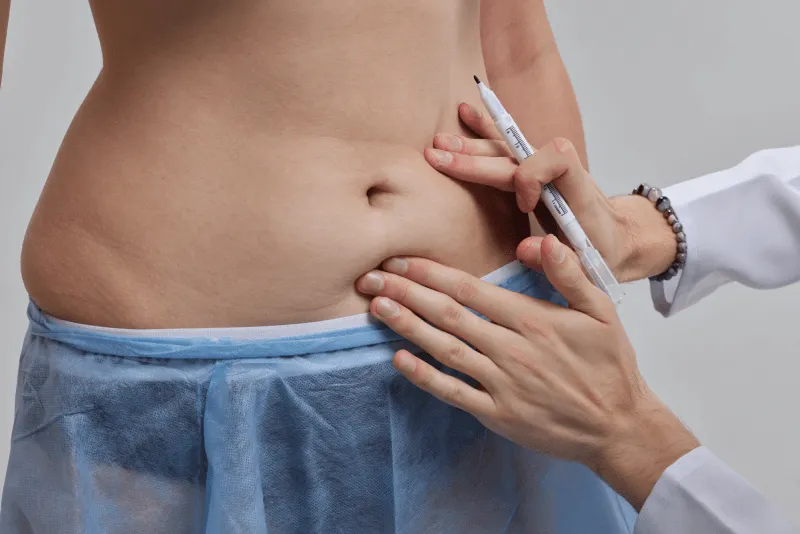
The abdominal area is the area where liposuction is most frequently applied and where patients expect the most dramatic changes. It usually takes 6-8 weeks for results to become apparent in this area, because the abdominal area is an area affected by gravity and has a wide skin surface. It is normal to feel intense hardness in the abdominal area in the first month. From the third month onwards, the lines of the abdominal muscles begin to appear and the waist area, called the “love handles,” thins out. It can sometimes take up to 12 months for the skin in the abdominal area to fully recover and for the sagging (if any) to recover. It is important for patients who have had abdominal liposuction to be patient until they see the results and to avoid movements that will increase intra-abdominal pressure in the early period.
How long does recovery take in the leg area?
Leg liposuction, especially when performed in the inner thigh and hip area, may require a slightly longer recovery period compared to other parts of the body. The main reason for this is that the legs stand down all day and the fluid tends to accumulate in this area with the effect of gravity. It usually takes 3 to 4 months for the edema to completely subside and a smooth silhouette to form in the legs. Resting by keeping the legs high in the post-operative period and using compression stockings/garments without neglecting speeds up this process. Around the sixth month, the contour of the legs becomes completely clear and the tightening process in areas with a risk of skin sagging is completed. Walking after leg liposuction positively affects recovery by increasing blood circulation.
When are jowl liposuction results noticed?
Jowl and jawline liposuction is one of the procedures where results are seen the fastest. Since the face area is very well supplied with blood, the recovery speed is high. Although the clarification in the jawline can be noticed immediately after the surgery, it is normal to have swelling and bruising in the neck area for the first two weeks. Usually, at the end of the 1-month period, the sharp jawline formed by the removal of excess fat in the jowl area clearly emerges. Regular use of the neck garment (bandage) during the first week is very important for the skin to heal without sagging. At the end of the third month, the jowl area is completely healed and the patient regains a much younger, more energetic face profile.
Does sagging occur in the arm area?
The biggest concern after arm liposuction is whether the skin will sag after the fats are removed. This situation depends entirely on the patient’s skin quality and the amount of fat removed. If the skin’s elasticity is good, the skin recovers quickly and the arms gain a thinner, tighter appearance. In patients with weak skin elasticity, surgeons usually trigger collagen production and help the skin tighten by using heat-based technologies such as Vaser or Laser liposuction. Results after arm liposuction usually become clear from the 2nd month onwards. It can take 6 months for the arms to fully heal and smooth out. Instead of doing arm exercises in the early period, the use of garments and massages recommended by the surgeon should be prioritized.
What is the difference between Vaser liposuction and the traditional method?
Vaser liposuction is a more modern technology that uses ultrasonic sound waves to break down fat cells. While fats are pulled with a mechanical movement in traditional liposuction, in the Vaser method, fats are first liquefied and then gently vacuumed. This difference directly affects the recovery process and the timing of seeing results. Since Vaser liposuction does less damage to surrounding vessels, nerves, and connective tissues, post-operative bruising and pain are generally less. This allows patients to return to social life earlier and the edemas to resolve a little faster. In addition, the skin-tightening effect of Vaser allows the results to look smoother and more aesthetic compared to the traditional method.
Does laser liposuction shorten recovery time?
Laser liposuction (Laser Lipolysis) is a method that melts fat cells using laser energy and at the same time triggers tightening by heating the collagen tissue under the skin. This method increases the recovery quality, especially in areas with skin laxity. Thanks to the feature of laser energy to seal vessels (coagulation), the risk of post-operative bleeding and bruising is lower compared to traditional methods. This makes the first stage of the recovery process more comfortable. However, the removal of edema formed due to the reaction of the tissues to heat can still take several months. Laser liposuction supports the process by ensuring that the results are more “taut” and aesthetic, especially in small areas and areas where skin tightening is required.
When does numbness after surgery pass?
It is extremely common and normal to experience temporary loss of sensation or numbness in the area where liposuction is applied. This is because the thin sensory nerve endings under the skin are temporarily affected during the procedure. This feeling of numbness usually starts immediately after the operation and is most intense in the first few weeks. As the healing progresses, the numbness gives way to tingling, a slight stinging sensation, or sensitivity. It usually takes between 3 to 6 months for the sensory sensation to return to normal completely. In some cases, it can take up to a year for the nerves to completely repair themselves. One should be patient in this process; numbness is not permanent nerve damage, but a natural side effect of tissue repair.
Does sun exposure negatively affect recovery?
Protecting yourself from the sun during the healing process is much more important for the quality of aesthetic results than you think. Surgical scars in the operation areas and bruises, if any, can permanently darken (hyperpigmentation) when exposed to the sun’s UV rays. This can cause the scars to remain more prominent for a lifetime. In addition, heat triggers edema, causing swelling to increase. It is recommended not to expose the treated areas directly to sunlight for the first 3-6 months after the operation. If you need to go out in the sun, you should use high-factor sunscreens and cover the area with clothes. For swimming in the sea or pool, one should wait for the stitches to close completely and for your surgeon to give approval (usually 4-6 weeks).
How long should you wait to travel?
When planning a trip after liposuction, the scope of the surgery and the method of travel should be taken into account. For short-distance land travels, it may usually be enough to wait a few days, but care should be taken for long-term flights. Long-term inactivity can increase the risk of blood clotting (embolism) during flight. Usually, surgeons recommend waiting at least 7 to 10 days for plane travel after large-scale liposuction procedures. Moving frequently during the journey, using compression stockings, and drinking plenty of water minimize the risk of clots. If you are having surgery abroad, you should definitely evaluate your return date by considering your healing speed and check-up appointments with your surgeon.
When can you return to social life?
The return to social life and light work pace depends on the size of the liposuction procedure and the person’s pain threshold. if you are working at a desk job and the procedure was performed on a limited area, you can usually return to your work within 3 to 5 days. In more comprehensive procedures, this period can be 7-10 days. When you enter social environments, it is not an obstacle for your garment to stay under your clothes. As long as you don’t feel tired, there is no harm in going out, going to dinner, or taking short walks. However, since alcohol consumption can increase edema, staying away from alcohol for the first few weeks in social events will be beneficial in terms of not interrupting your recovery process.
When do aches and pains completely end?
Pain after liposuction is often compared to the feeling of “muscle pain after a vigorous workout.” The first 48-72 hours following surgery is the time when the pain is most felt, and this is easily controlled with the painkillers prescribed by your surgeon. After the first week, sharp pains end and give way to mild aches or sensitivity felt when moving. At the end of the second week, most patients do not need to use painkillers. The state of feeling completely “painless” and comfortable in all kinds of physical activities usually occurs at the end of the first month. If you notice an unexpectedly increasing pain, fever, or redness, this may be a sign of infection and you should consult your doctor immediately.
Why should you get liposuction in Turkey with Cure Holiday?
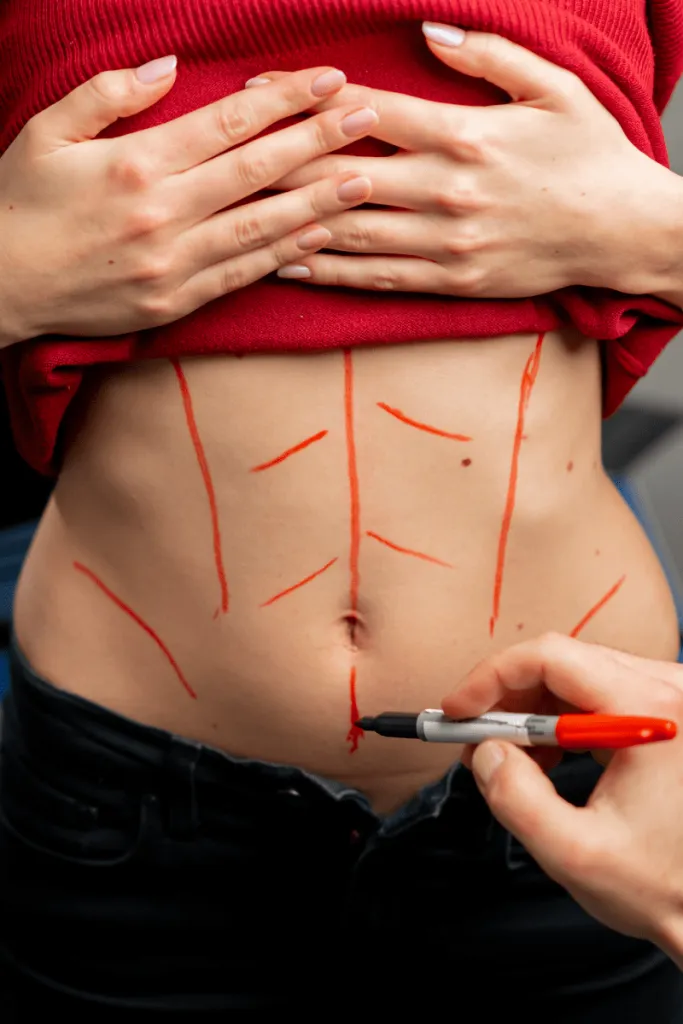
The success of a liposuction operation depends not only on the dexterity of the surgeon but also on pre-operative planning and the quality of care provided after the operation. Turkey is one of the world’s leading destinations in the field of aesthetic surgery, and behind this success lies a high technological infrastructure and experienced experts. Cure Holiday collaborates with Turkey’s most distinguished hospitals and expert surgeons to offer you not just a surgery, but a holistic “recovery holiday.”
The advantages of getting liposuction in Turkey through Cure Holiday are:
- Expert Staff: Award-winning surgeons specialized in the newest technologies such as Vaser, Laser, and J-Plasma.
- All-Inclusive Packages: VIP transfers, luxury accommodation options, and perfect coordination of hospital processes.
- Cost Advantage: High-standard health service at much more accessible prices compared to Europe and America.
- Personalized Attention: A 24/7 support team that is by your side at every step of your recovery process.
If you also want to reach the look you dream of for your body lines and spend your recovery process comfortably accompanied by the beauties of Turkey, you can contact Cure Holiday. Working with a professional guide on the road to the change of your dreams will guarantee the quality of your results and your safety. Take the first step for a new you today with Cure Holiday!
Free Consultation
Fill out the form below to get your free medical travel plan and price quote.