Cataract is known as one of the most common causes of vision loss worldwide. However, modern medicine, especially with smart lens (trifocal lens) technologies, has turned this problem from a mere obstacle into an opportunity to offer patients a lifetime of glasses-free vision. Turkey has become a center of attraction for international patients with its expert surgeons and advanced technological infrastructure in this field.
What Is Cataract and What Are Its Symptoms?
Cataract is a condition where the natural lens of the eye loses its transparency and becomes cloudy. While this condition usually occurs due to aging, it can also develop due to genetic factors, trauma, or certain systemic diseases. Symptoms include blurred vision, fading of colors, difficulty with night vision, and sensitivity to light. Patients often state that they feel as if they are watching the world from behind a dirty glass. These symptoms can seriously reduce the quality of daily life, and if left untreated, vision loss can progress. This process can be successfully managed with early diagnosis and correct surgical intervention.
For Whom Is Smart Lens Treatment Suitable?
Smart lenses, namely trifocal lenses, are technological products placed inside the eye during cataract surgery that provide clear vision at near, intermediate, and far distances. This treatment is ideal especially for patients over the age of 40 who experience cataract problems or who want to get rid of glasses completely due to high refractive errors. The patient’s eye structure, corneal layer, and retinal health must be suitable for this procedure. After a detailed eye examination, the physician evaluates the patient’s lifestyle and expectations and decides on the most suitable lens type. These lenses provide great comfort for people who lead an active life.
Why Has Turkey Become a Center for Eye Surgery?
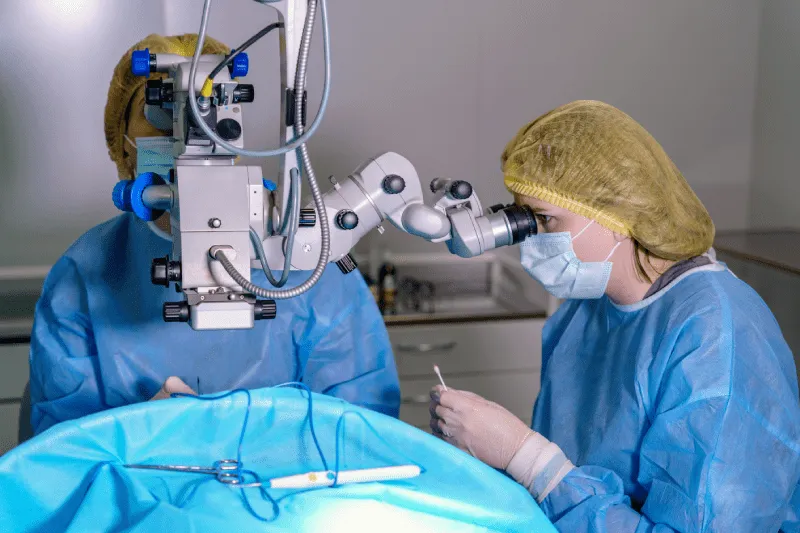
Turkey has risen to a position that sets world standards with its investments in health tourism over the last twenty years. Especially in eye surgery, it hosts many hospitals with JCI (Joint Commission International) accreditation. Turkish eye doctors are among the most experienced specialists in terms of case volume worldwide. In addition, the technological equipment in Turkey is at a level to compete with the best clinics in Europe and America. Combining its geographical location and high service quality with affordable costs makes Turkey the first choice for tens of thousands of foreign patients every year.
Is Pain Felt During Cataract Surgery?
Modern cataract surgery is designed to keep the patient’s comfort at the highest level. Before the operation, the eye is completely numbed with special anesthetic drops. In this way, the patient does not feel any incision or pain during the procedure. In very rare cases, if the patient is extremely excited, slight sedation support can also be given. The procedure is usually completed in a short time, such as 10 to 15 minutes. During the surgery, only a slight touch or the coolness of the liquids used can be felt. Thanks to this feature, cataract surgery is considered one of the surgical procedures with the highest patient comfort.
What Is the Difference Between Smart Lenses and Monofocal Lenses?
In traditional cataract surgeries, “monofocal” or single-focus lenses have been used for many years. These lenses provide the patient with clear vision only at a distance, but patients continue to need reading glasses when reading or using a computer. Smart lenses, on the other hand, distribute light to different focal points thanks to their multi-focal structures. In this way, patients do not need any glasses while reading the newspaper, watching television, or driving. While monofocal lenses offer a more cost-oriented solution, smart lenses stand out as a premium option that offers lifelong visual freedom.
How Do Trifocal Lenses Correct Near and Distance Vision?
The working principle of trifocal lenses is based on refractive rings placed on the lens with a special technology. These rings manage the light entering the eye to focus at different distances. All transitions, including what we call intermediate distance, such as computer use or the kitchen counter distance, are provided seamlessly. The brain adapts to this new visual order within a short time and perceives the image at that point clearly, whichever distance is being looked at. This technology is an optical engineering marvel that allows modern people to perform all the digital and physical activities they need without glasses.
What Are the Main Factors Affecting Cataract Surgery Prices?
The most decisive factor in the pricing process is the brand and quality of the lens to be placed in the eye. World-renowned American or German-origin lenses are more costly than standard lenses. In addition, the equipment of the hospital where the surgery will be performed, the experience of the surgeon, and the technology used (for example, laser-assisted cataract surgery – FLACS) directly affect the price. Also, whether the patient has additional defects such as astigmatism in the eye and the selection of appropriate toric (astigmatism-correcting) lenses can increase the cost. However, from a general perspective, the packages offered in Turkey offer all these advanced features comprehensively.
What Are the Economic Advantages of Having Surgery in Turkey?
The biggest advantage of having cataract surgery in Turkey is that it is met with prices approximately 60-70% more affordable compared to Europe and America. This situation is not due to low service quality, but because operational costs, labor expenses, and the foreign exchange rate in Turkey are in favor of foreign patients. The price of cataract surgery in Turkey is at a very competitive level, such as 1700€ for 2 eyes. This price usually includes the examination, high-quality smart lenses, and the surgical procedure. For patients abroad, this figure is even lower than the cost of surgery for just a single eye in their own country.
What Should Be Considered When Choosing an Intraocular Lens?
Lens selection is the most critical stage that determines the success of the surgery and the lifelong satisfaction of the patient. Every patient’s eye structure and visual needs are different. For example, the expectations of a driver who drives at night and a retiree who reads books all day long may be different. The selected lens must be FDA (American Food and Drug Administration) approved and its long-term results must be scientifically proven. Your physician will recommend the most suitable brand and model according to the results of corneal topography and fundus examination. It should not be forgotten that low-quality lenses may impair vision quality in the future, and no compromises should be made in this regard.
What Does the Preoperative Eye Examination Include?
The examination process before cataract surgery is quite detailed and can take about 1-2 hours. First, the patient’s visual acuity is measured and the degree of cataract is determined. Then, the number of the lens to be placed in the eye is calculated by measuring the length of the eye and the corneal curves with a process called “biometry”. The health of the retinal layer is examined with OCT (Optical Coherence Tomography); because if there is a hidden yellow spot disease or damage due to diabetes behind the cataract, the expected efficiency from the smart lens may not be obtained. In addition, eye pressure measurement and corneal thickness analysis are also part of the standard protocol. These data allow the surgeon to make the most accurate planning.
How Long Does the Cataract Surgery Procedure Take?
Today, cataract surgery is performed very quickly and effectively thanks to the phacoemulsification (PHAKO) technique. In the hands of an experienced surgeon, the procedure usually takes between 10 and 15 minutes per eye. It is possible for the patient to be discharged within a total of 2-3 hours, including the hospital entrance, preparation phase, surgery, and a short rest period. This is a process called “outpatient surgery” and does not require hospitalization. The brevity of the procedure reduces the risk of complications while ensuring that the patient is psychologically more comfortable. Thanks to fast intervention, tissue damage is kept to a minimum and healing is accelerated.
When Is the Postoperative Recovery Process Completed?
Although the patient starts to see immediately after the surgery, it may take between a few days and a few weeks for the image to become completely clear and for the eye to get used to the new lens. A slight stinging or watering sensation is normal within the first 24 hours. Most patients can return to their daily work (provided they do not bend over and do not lift heavy weights) the day after the surgery. Full recovery and stabilization of the eye structure usually occur at the end of one month. During this period, it is of critical importance to regularly use the antibiotic and edema-relieving drops prescribed by the doctor. The brain adaptation process of patients with smart lenses usually reaches a perfect level within 2-3 months.
Can Smart Lenses Correct Astigmatism Problems?
Yes, today, thanks to “Toric” featured smart lenses, astigmatism problems can also be completely corrected during cataract surgery. In the past, patients who had cataract surgery had to continue using glasses because their astigmatism remained, even if they saw clearly at a distance. However, trifocal toric lenses eliminate both the cataract and compensate for the curvature defect (astigmatism) in the cornea. In this way, the patient can achieve a clear and sharp image like never before in their life. If the patient has astigmatism, it is a basic requirement for the success of the operation that this condition is precisely determined in preoperative measurements and the lens is placed in the eye with the exactly correct axis.
How Are the International Standards of Hospitals in Turkey Determined?
Private hospitals in Turkey are subject to strict inspections by the Ministry of Health, and are also regularly inspected by international accreditation organizations. Certificates such as JCI (Joint Commission International) and ISO prove that every stage from hospital hygiene standards to patient safety, from the technology used to personnel training, is at world standards. Turkey is one of the countries with the most JCI-certified health institutions in the world. The devices used in eye clinics are the latest model systems produced by world-famous technology giants (such as Zeiss, Alcon, Bausch + Lomb). This situation is one of the most important guarantees that allow patients to be treated safely.
What Are the Laser Technologies Used in Cataract Surgery?
While incisions are made manually by the surgeon in classical cataract surgery, these incisions are performed with micron-level precision using computer-controlled laser systems with “Femtosecond Laser” technology. Laser-assisted cataract surgery (FLACS) makes the fragmentation of the lens and the opening of the capsule safer and more standardized. This technology allows the lens to be placed in the eye with perfect centering, especially in patients where smart lenses will be placed. The use of laser facilitates the surgeon’s work while further shortening the patient’s recovery process and minimizing the risk of complications. Many centers in Turkey offer this advanced technology as a standard option to their patients.
Is It Possible to Operate on Both Eyes on the Same Day?
In the traditional approach, it is preferred to leave a few days or a week between the two eyes in order to minimize the risk of infection. However, thanks to the excellence of today’s sterilization conditions and the advancement of surgical techniques, both eyes can be operated on the same day, especially to save time for patients coming from abroad. Having both eyes done on the same day allows visual balance (binocular vision) to be established faster and the patient to complete the adaptation process at once. Your physician will make this decision with you by evaluating the condition of your eyes and taking the necessary safety precautions.
When Does Vision Quality Become Clear After Surgery?
The vast majority of patients notice a significant improvement in their vision a few hours after getting up from the operating table. However, due to the protective gels and light flares used during the surgery, the image may be slightly smoky on the first day. At the check-up the next morning, patients usually achieve a vision clear enough to state that “the colors of the world have returned.” Full stabilization of vision and clarity of color contrast occur within the first week. In patients with smart lenses, the complete smoothing of focus transitions between near and far requires a neural adaptation process of several weeks. In this process, it is sufficient to be patient and follow the doctor’s instructions.
Does Light Flaring Occur with Smart Lens Use?
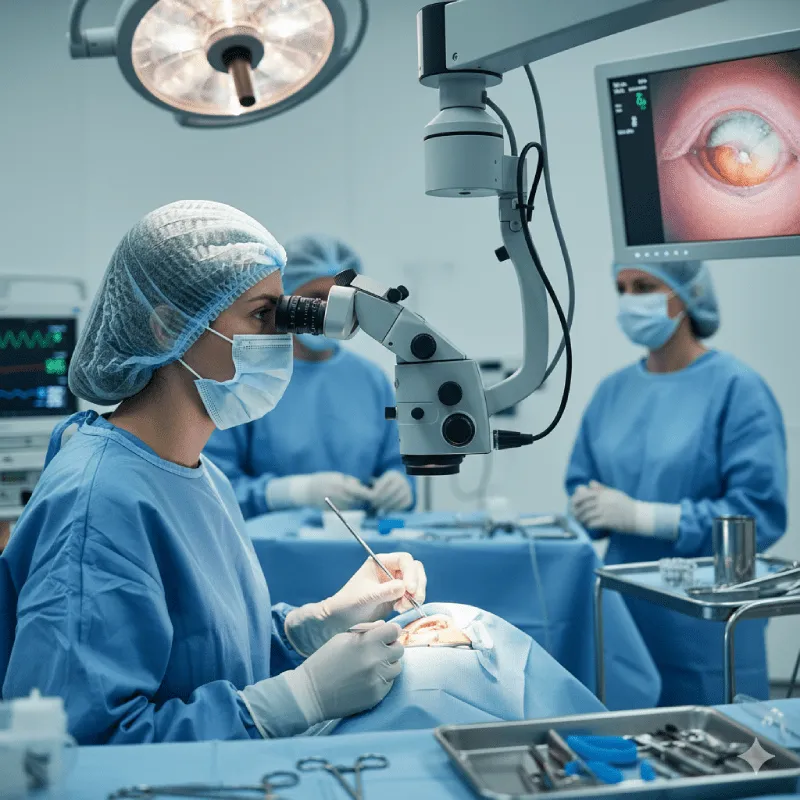
Due to the optical structure of smart lenses (trifocal), it is an expected situation to see rings or flares (halo/glare) around lights at night in the first weeks after surgery. This is a natural result of the light-splitting feature of the lens. However, modern lens designs have minimized this effect. Over time, the brain learns to filter these light reflections (neuroadaptation) and this situation ceases to be disturbing for the patient. Most patients state that the glasses-free living comfort they have gained is much more valuable than these small reflections. If the patient’s night driving expectation is very high, the physician can also recommend different types of lenses called “EDOF” by evaluating this situation.
How Does the Eye Doctor’s Experience Affect the Success Rate?
Although cataract surgery seems technology-oriented, it is an “art of the hand.” The surgeon’s maneuverability, the decisions they will make in an unexpected situation, and the precision they show when placing the lens ensure that the success is 100%. Surgeons in Turkey have gained enormous experience by performing thousands of cases a year thanks to the dense patient population. An experienced surgeon shortens the operation time and ensures that less energy is given to the eye tissues, which helps the cornea remain more transparent. It is important to examine the CV of the surgeon to whom you will entrust your eye health, the number of surgeries they have performed before, and patient comments for the process to be peaceful.
What Is the Price Difference in Turkey Compared to European Countries?
The cost of having cataract surgery with a smart lens in European countries (such as England, Germany, the Netherlands) can vary between 3000€ and 5000€ per eye. For two eyes, this figure can go up to 10,000€ levels. In Turkey, this procedure is offered with a cost of 1700€ for two eyes with the same quality (sometimes even a higher model) lenses and the same technological possibilities. This huge price difference stems from Turkey’s health tourism policies and low operational cost advantage. In this way, patients get the opportunity to be operated on by a world-famous surgeon and also find the chance to have a comfortable holiday in Turkey with the difference.
Does the Use of Glasses End Completely After Surgery?
More than 90% of patients who have smart lens (trifocal) surgery do not need glasses at any stage of their daily lives (far, intermediate, or near). In extreme cases, such as reading very small print in very dim light, a simple support may rarely be needed, but in general living standards, glasses completely leave your life. Patients who have traditional monofocal lenses fitted do not use glasses for distance, but they definitely need reading glasses for near. Therefore, if your main goal is to get rid of glasses completely, smart lenses are the right and only solution for you. This result obtained after surgery is usually permanent for life.
Which Lens Brands Should Be Preferred in Cataract Treatment?
There are several global giants whose reliability has been proven in the world of intraocular lenses. Brands such as Alcon (PanOptix), Zeiss (AT LISA), Johnson & Johnson (Tecnis), and PhysIOL (FineVision) are the most preferred ones worldwide and have the lowest complication rates. The lenses of these brands are produced from high biocompatibility materials and do not cause calcification or clouding in the eye. Quality clinics in Turkey and professional organizations like Cure Holiday do not offer their patients a product outside of these brands. Questioning the lens brand and requesting its box or certificate is a patient’s right and an indicator of quality service.
What Are the Hygiene Rules to Be Considered After Surgery?
The eye is more sensitive to infections in the first few days after surgery. For this reason, water should definitely not touch the eye and the eyes should not be rubbed. It is recommended to wear sunglasses to protect from wind and dust when going out. Keeping hands clean and washing hands before dripping drops is a critical rule. In addition, heavy exercises, pools, or the sea should be avoided for the first week. Protective covers given by the doctor can be used to avoid putting pressure on the eye while sleeping at night. These simple hygiene rules will eliminate the risk of infection that could overshadow the success of the surgery. Hygiene is as important a factor as surgical success.
What Is the Lifespan of Smart Lenses and Do They Need to Be Replaced?
Smart lenses placed inside the eye are produced from special acrylic materials compatible with body tissue and are designed to stay inside the eye for a lifetime. These lenses do not have any “expiration date”; they do not deteriorate, do not rust, and do not lose their properties. Therefore, once they are fitted, they stay in your eye until the end of your life and do not need to be replaced again. Cataract surgery is also a procedure performed once in a lifetime; because it is not possible for a cataract to form again on the artificial lens that replaces the natural lens that has been removed. This is a permanent investment that is made once and provides lifelong comfort.
Can People with Diabetes Have Cataract Surgery?
In diabetic patients, cataract formation occurs at earlier ages and faster compared to the normal population. Diabetes patients can have cataract surgery, but the point to be considered here is the damage caused by diabetes in the retina (fundus). If there is a severe macular edema or bleeding due to diabetes, the use of smart lenses may not be recommended; because no matter how good the lens is, if the nerve layer that perceives the image is damaged, clarity cannot be achieved. However, if sugar is under control and there is no serious damage to the retina, diabetes patients can also benefit from the comfort of smart lenses. It is essential for these patients to undergo a very meticulous retinal examination before surgery.
Should Preoperative Medications Be Discontinued?
Since cataract surgery is a minimally invasive procedure, it is usually not necessary to discontinue systemic medications. Blood pressure, diabetes, or heart medications can be taken with very little water on the morning of the surgery. However, patients using blood thinners (aspirin, etc.) need to inform their surgeons of this situation. Since the risk of bleeding in most modern techniques is almost non-existent, it may not be necessary to discontinue these drugs. Some medications, such as prostate drugs (alpha-blockers), may affect the growth of the pupil (“floppy iris” syndrome), so it is important for the surgeon to know this information beforehand for technical preparation. In any case, you should share the list of all medications you use with your physician.
Does Cataract Form Again After Cataract Surgery?
It is medically impossible for a cataract to form again in the same eye after cataract surgery, because the natural lens where the cataract formed has been completely cleaned by the surgery. However, a condition known among the public as “secondary cataract” can occur. This is the loss of transparency of the posterior capsule in which the artificial lens is placed over time. This condition is not a disease, but a natural reaction of the body. Its solution is quite simple; it does not require surgery. With a procedure called “YAG Laser” that takes only a few minutes under outpatient conditions, this clouding membrane is cleaned and the patient regains their old clear vision in seconds. This procedure is usually done once and is permanent.
Which Services Are Offered Within the Scope of Health Tourism in Turkey?
Patients coming to Turkey for treatment receive not only a medical procedure but also a comprehensive logistical service. These services usually include; meeting at the airport with a VIP vehicle, accommodation in luxury hotels close to the hospital, a translator who speaks your mother tongue accompanying you in all processes within the hospital, and all transfers. Health tourism agencies plan every detail from the moment the patient leaves home until the moment they return healed. These “all-inclusive” packages make the patient feel safe and comfortable in a foreign country. Turkey’s hospitality culture combines with these professional health services to offer an unforgettable experience.
What Is the Best Season for Cataract Surgery?
Cataract surgery does not have a seasonal restriction and can be performed safely 12 months of the year. However, since it is important to be protected from harmful rays of the sun during the recovery period, it is recommended that those who have surgery in the summer months pay more attention to the use of sunglasses. In winter months, necessary precautions should be taken so that the eye does not dry out in cold and windy weather. Turkey has suitable climatic conditions for this surgery throughout all four seasons. Patients usually choose the time that best suits their own schedule. For those who want to combine holiday and treatment, the spring months are the most ideal time period to discover the natural beauties of Turkey.
When Should Sports and Physical Activity Start After Surgery?
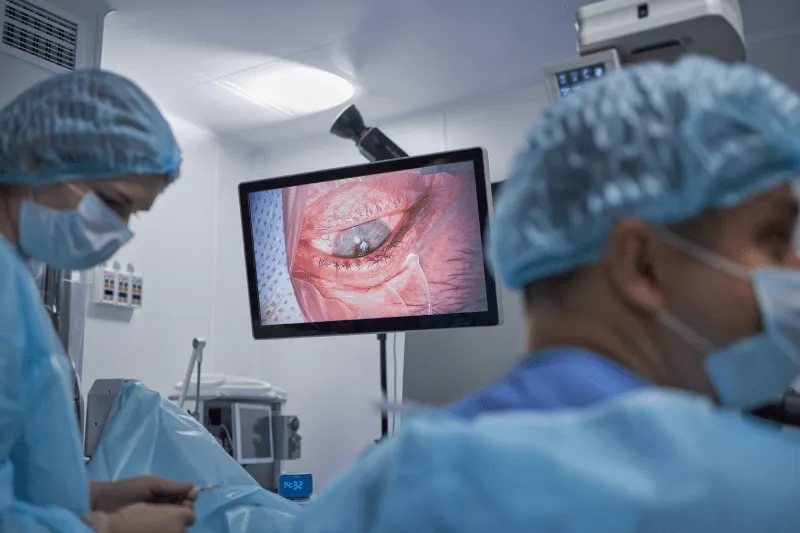
It is recommended to only take light walks for the first few days after surgery. Heavy lifting, heavy fitness training, or intense bending movements that can increase intraocular pressure should be avoided for the first week. Activities such as swimming, sauna, and steam room should be postponed for at least 2-3 weeks in order to prevent the risk of infection. At the end of the first month, the patient can usually return to all sports branches (including contact sports) with doctor’s approval. For patients with smart lenses, doing sports becomes much more enjoyable with the freedom of being without glasses. For those with an active lifestyle, this treatment is a real revolution.
Why Should You Receive Treatment with Cure Holiday in Turkey?
Trust, experience, and organization quality are paramount when receiving health services. As one of Turkey’s leading health tourism organizations, Cure Holiday offers a world-class service in cataract and smart lens treatment. Working with the best surgeons specialized in their field, Cure Holiday promises not just a surgery, but a perfect process covering all the needs of the patient. Modern clinics, the highest quality FDA-approved lens brands, and personalized attention are the core elements that set Cure Holiday apart. Instead of leaving your health to chance, it will be the right decision to set out with a professional institution that has the reference of thousands of happy patients.
How Is the Treatment Process Organized with Cure Holiday?
From the moment you contact Cure Holiday, a dedicated health consultant is assigned to you. This consultant starts the preliminary evaluation process by forwarding your medical reports and eye measurements to our surgeons. After the most suitable treatment plan and date for you are determined, everything from your flight information to your accommodation details is organized by the Cure Holiday team. When you land in Turkey, your VIP transfer vehicle meets you and all your appointments are ensured to take place on time. The presence of a team that is with you at every step before, during, and after the surgery guarantees that the process progresses far from stress and completely solution-oriented.
What Are the Accommodation and Transfer Services Offered by Cure Holiday?
Cure Holiday collaborates with the most distinguished hotels in Turkey so that its patients can spend the recovery process in the most comfortable way. The hotels selected for your rest after the surgery are located in locations close to the hospitals and offer the peaceful environment you need. You don’t have to have any worries about transportation; all your airport-hotel-hospital transfers are carried out with special luxury vehicles and punctually. Every kind of comfort has been thought of for your companion accompanying you as well. Thanks to this service approach, you will not feel like a “patient”, but like a “guest” experiencing the hospitality of Turkey. Quality accommodation is the most important supporter of fast recovery.
How Do You Make an Appointment with Cure Holiday for Your Treatment in Turkey?
Making an appointment with Cure Holiday is an extremely easy and fast process. You can get the free initial consultancy service by filling out the contact form on our website or by reaching us via our WhatsApp line. Our health consultants will immediately provide you with all detailed information about our net price package, which is 1700€ for 2 eyes, and about the functioning of the process. When you determine the appointment date, all your organization is started with your passport information. We are just a message away for you to receive service from world-class surgeons with a transparent price policy and without a language barrier. Achieving a clear vision with Cure Holiday is as close as filling out a form.
How Long Is the Return to Work Period After Surgery?
Although the period of return to work varies depending on the nature of the work done, it is usually very short. Patients working in an office environment or carrying out work at a computer can return to their jobs 2-3 days after the surgery. For those working in environments that require physical strength or are very dusty, it is recommended to rest for at least a week and protect their eyes. Patients with smart lenses immediately start to feel the comfort of intermediate distance clarity while working at a computer. Your healing speed and visual adaptation will be evaluated by your doctor at the check-ups, and the most suitable return to work date for you will be told. In general, cataract surgery is a practical procedure that does not cause you to be away from social and business life for a long time.
Free Consultation
Fill out the form below to get your free medical travel plan and price quote.