What is a facelift surgery?
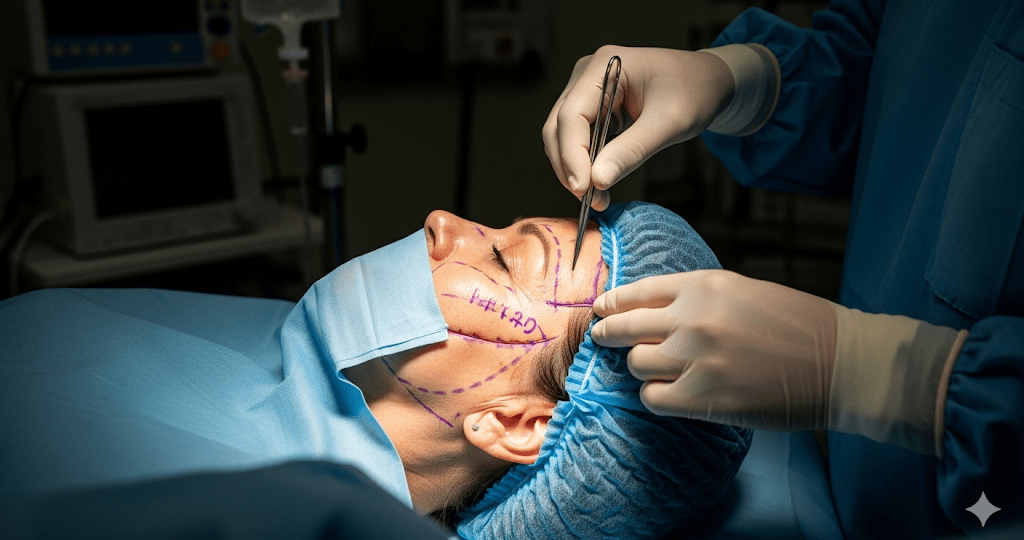
A facelift, medically known as rhytidectomy, is a comprehensive surgical procedure designed to eliminate visible signs of aging by tightening the tissues of the face and neck, removing sagging skin, and strengthening the underlying muscle structures. This operation is most commonly preferred by individuals aged fifty and older, yet it can be performed at earlier ages due to genetic factors or significant, rapid weight loss. The primary objective is to grant the patient a more youthful, vigorous, and refreshed appearance while meticulously preserving the natural expression of the face. Thanks to modern surgical techniques, the previously feared “overly stretched” look has been replaced by remarkably natural and subtle results that restore the facial contours.
Why are facelift prices so variable across the industry?
There are numerous reasons why facelift prices exhibit such significant differences globally and even between clinics within the same city. First and foremost, every patient’s facial anatomy, the degree of sagging, and the specific intervention techniques required are entirely unique. While some patients may only need a subtle lifting of the mid-face, others may require comprehensive procedures including neck lifting and brow lifting to achieve a balanced result. Furthermore, the geographical location of the clinic, the technological infrastructure utilized, and the overall quality of service provided are factors that broaden the price spectrum. Consequently, rather than expecting a standardized fee, it is most appropriate to undergo a personalized evaluation and planning session.
What are the primary factors affecting the cost of surgery?
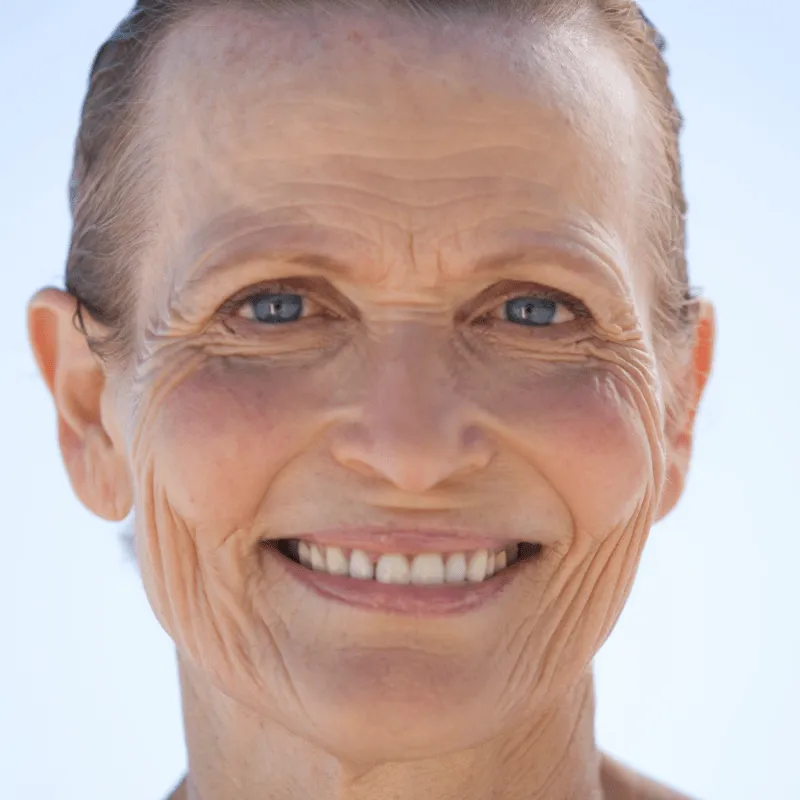
The cost of a facelift operation is composed of several key financial components: the surgeon’s professional fee, hospital or surgical facility usage fees, the anesthesiologist’s fee, and the cost of medical supplies used during the procedure. In addition to these, any extra medical tests required due to the patient’s general health status and the compression garments to be used after the operation must be included in the total budget. The chosen surgical technique—whether it be a full facelift, a mini facelift, or a deep plane facelift—determines the duration and complexity of the operation, thus serving as the most significant and direct primary factor influencing the overall cost.
How does the surgeon’s experience influence the price?
In aesthetic surgery, experience represents far more than just the number of operations performed; it signifies the ability to manage potential complications and a refined artistic vision for facial harmony. A surgeon who has established a reputation in the field, possesses profound mastery of facial anatomy, and has performed thousands of successful cases will naturally command a higher fee than a practitioner who is early in their career. However, this higher fee should be viewed as a guarantee of both safety and satisfaction. Minimizing the margin of error in a region as sensitive as the face helps you avoid the costs of revision surgeries in the long run, actually assisting in long-term savings.
Does the choice of hospital and clinic reflect on the total cost?
The equipment of the hospital where the operation is performed and the comfort levels it offers constitute a substantial portion of the total cost. Fully equipped hospitals with international accreditation maintain much higher standards regarding emergency management, hygiene protocols, and patient care, which is reflected in their pricing structures. While boutique clinics or small medical centers might offer more affordable rates, safety must always remain the priority in any surgical procedure. Factors such as the necessity of an overnight stay in the hospital or the presence of an intensive care unit are critical for patient safety while simultaneously impacting the final invoice.
Are anesthesia fees typically included in the price?
Generally, aesthetic surgery packages specify an anesthesia fee; however, in certain situations, this item may appear as a separate charge. Because a facelift is typically performed under general anesthesia, a specialist anesthesiologist must be present throughout the entire operation to monitor the patient’s vitals. The anesthesiologist’s experience and the quality of medications used during the surgery are vital for a comfortable awakening and the reduction of post-operative side effects like nausea. The cost of this specialized service can vary depending on the total duration of the operation and should definitely be confirmed by the patient during the initial consultation.
What is the price difference between a mini facelift and a full facelift?
A mini facelift is usually preferred for younger patients or those with mild sagging localized only in the cheek area; it is a shorter procedure requiring smaller incisions. In contrast, a full facelift is a more extensive intervention that begins at the temples and extends behind the ears, covering the neck, jawline, and mid-face. As the scope of the surgery expands, the time spent in the operating room increases, the amount of material used grows, and the labor required from the surgeon intensifies. Therefore, full facelift operations are more expensive than mini facelifts, in direct proportion to the dramatic and comprehensive change they provide to the patient’s appearance.
Should you budget extra for pre-operative medical tests?
As with any major surgical procedure, a series of tests are conducted before a facelift to ensure the patient’s general health is suitable for the operation. Along with standard procedures like blood tests, chest X-rays, and ECGs, additional specialist opinions from cardiology or pulmonology may be required depending on the patient’s age and medical history. These tests are generally outside the core surgery price, and patients must account for these small but significant items when planning their budget. Not skipping these expenses is vital for ensuring a safe surgery and preventing unforeseen complications during or after the anesthesia.
How much do post-operative care products usually cost?
Once the operation is complete, you will need to use specific specialized products to accelerate the healing process and minimize scarring. These include custom facial compression garments, antibiotic creams, anti-edema gels, and silicone-based scar removers to be used once initial healing is complete. While the total cost of these products is not extremely high, choosing high-quality brands directly influences the quality and speed of recovery. Furthermore, you will need to invest in high-protection factor sunscreens to shield the healing tissues from the sun’s harmful effects. These expenditures are small investments made to ensure the longevity and quality of the final result.
Is taking a break from work considered an indirect cost?
The cost of a facelift operation is not just the money paid to the clinic; it also includes the cost of the time you are unable to work during the recovery phase. The healing process generally takes 2 to 3 weeks, and during this period, you must take a break from both your social and professional life. If you are a freelancer or have limited paid leave, it is essential to plan for this period financially. This time window, necessary for bruising and swelling to subside, is mandatory for the success of the operation, but from an economic perspective, this “opportunity cost” should be viewed as part of the total investment.
Is a facelift really a long-term investment?
While most people view a facelift solely as an expense, it is actually a significant investment in self-care and personal branding. A well-executed facelift dramatically boosts an individual’s self-confidence, and this increase in self-esteem manifests positively in both social relationships and professional environments. Feeling happy when looking in the mirror can reduce the risk of depression and allow one to look at life from a more positive perspective. The long-term psychological benefits provided by the procedure often create a value that far exceeds the financial cost of the surgery itself, enhancing overall life satisfaction.
Is a facelift profitable from a ten-year perspective?
When an economic analysis is performed, it is observed that a facelift has a lasting effect of approximately 10 to 15 years. If you were to choose not to have this surgery and instead underwent regular annual procedures such as Botox, fillers, lasers, and radiofrequency treatments, the total amount spent at the end of ten years would likely exceed the cost of a single surgery. While temporary solutions require constant repetition, a surgical procedure is a one-time major investment that maintains its effects for many years. Viewed from this angle, a facelift can be considered the most “cost-effective” aesthetic intervention in the long run.
Is a facelift more economical compared to fillers and botox?
Procedures like Botox and fillers offer immediate but short-term solutions; Botox lasts about 4 to 6 months, while fillers last 12 to 18 months. When significant sagging begins in the face, these procedures are no longer sufficient, and larger quantities of filler material are required, which both increases the cost and can lead to a “puffy” or artificial facial appearance. A facelift, however, moves the sagging tissue back to where it belongs rather than just filling it, resulting in a much more natural outcome. The cost of dozens of filler sessions over a ten-year period can easily surpass the cost of a single, successful facelift operation.
Should you choose a liquid facelift or surgery?
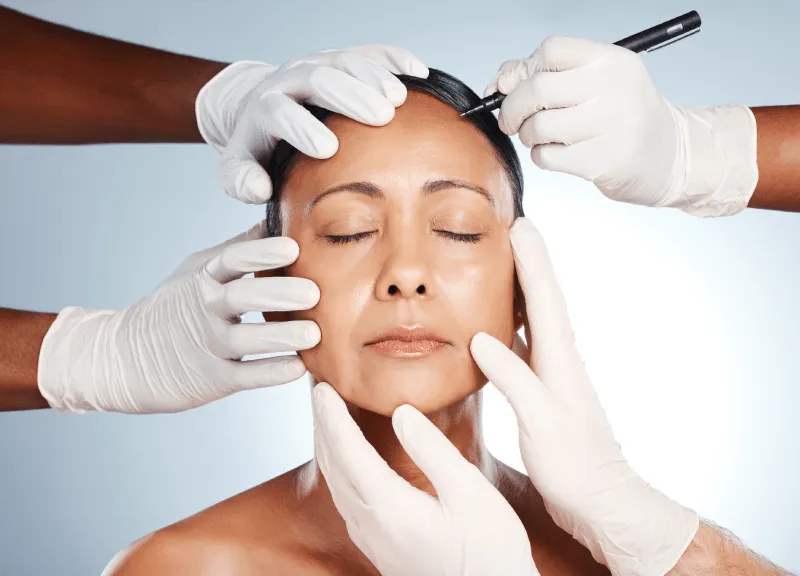
A “liquid facelift” is a non-surgical method performed through intensive filler applications. While it may appear attractive and cheaper at first glance for those who fear surgery, its results cannot even come close to those of surgical intervention. Surgery reshapes the underlying muscle layer called the SMAS, whereas liquid procedures only mask the loss of volume. If you have significant sagging, trying to correct it with fillers might widen your face unnecessarily. Economically speaking, instead of constantly pouring money into a temporary procedure that loses its effect within a few years, opting for a permanent surgical solution is a much more logical financial strategy.
How long do facelift results typically last?
No aesthetic intervention can completely stop the aging process; however, a facelift effectively turns back the clock by 10 to 15 years. You will continue to age after the operation, but you will always look 10 to 15 years younger than your peers. The longevity of this period depends on your genetics, skin quality, lifestyle (tobacco use, sun protection, nutrition), and the surgeon’s specific technique. A rejuvenation effect lasting more than a decade means that when you divide the cost of the procedure by the number of years, the daily rate becomes quite reasonable, making the investment highly sensible for many individuals seeking long-term value.
Is it possible to stop the aging process?
Scientifically, it is not yet possible to stop aging, but managing and slowing down its visible signs is within our control. A facelift operation physically corrects the structural deteriorations caused by gravity and time. After the surgery, you can support this process by taking good care of your skin, eating healthily, and ensuring regular sleep. The “new beginning” provided by the surgery makes the aging process much more graceful and aesthetic for you. This is an investment made not only in your external appearance but also in your mood and your overall resilience against the passage of time.
What is the economic value of psychological self-confidence?
Self-confidence is a force in the modern world that is difficult to measure but has a massive impact. Being satisfied with one’s physical appearance allows an individual to speak more comfortably in public, engage more in social environments, and establish stronger eye contact with others. Much research indicates that individuals who are at peace with their appearance are more proactive and successful in their professional lives. This success can indirectly lead to income increases or new career opportunities. Therefore, a facelift operation can provide economic gains by changing not just your reflection but your entire posture toward life.
What are the effects of a facelift on social life?
Aging can sometimes cause individuals to withdraw from social life; behaviors such as avoiding being in photographs, not looking in mirrors, or declining social invitations can be observed. Once these barriers are removed following a facelift, individuals often become more active in their social circles. Looking younger and more energetic can also positively influence how people approach you, even if they are not consciously aware of it. This social capital—the network of relationships—is one of the most important factors increasing a person’s quality of life. This improvement turns the money spent on surgery from an expense into a “quality of life enhancement.”
Are there advantages to looking young in professional life?
Unfortunately, “ageism” is a real phenomenon in the modern business world. Especially in dynamic sectors like technology, media, and sales, looking young, dynamic, and energetic can be perceived as an advantage. A facelift allows you to maintain your experience while getting rid of a tired and exhausted facial expression. Presenting a more dynamic image in job interviews or presentations can break the perception of being “outdated” or having “low energy.” This can be considered a strategic business investment that helps you remain active and maintain your competitive advantage even in the later stages of your career.
What is the risk and cost of revision surgery?
Another topic that should not be overlooked when planning a facelift is the possibility of a revision. If the initial surgery does not yield the desired result or if a complication develops, a second corrective surgery may be required. Revision surgeries are generally more complex than the first because the existing tissue structure has changed and scar tissue is present. The best way to avoid this risk is to start with an experienced surgeon rather than choosing the cheapest option at the beginning. A slightly higher fee paid initially protects you from the much higher costs and psychological exhaustion of a potential revision.
How do complications affect the surgical budget?
In every surgical operation, risks of complications such as infection, bleeding (hematoma), or nerve damage exist. The treatment of these situations may require additional medication costs, longer hospital stays, or further interventions. A high-quality surgeon and hospital take every possible precaution to minimize these risks. However, who will bear the financial burden if a complication develops (some clinics include this in the package, while others charge extra) should be discussed beforehand. Investing in safety is essentially an insurance policy against these types of unexpected and high-cost risks that could otherwise derail your financial planning.
Is geographic location a deciding factor in facelift prices?
Where you choose to have your surgery is one of the largest external factors determining the cost. For example, the price differences between Istanbul, London, or New York can be vast. This is not just due to rent or taxes, but also the density of surgical expertise and the cost of living in that region. Istanbul has become a global hub because it hosts some of the highest-quality aesthetic surgeons in the world while offering competitive prices. However, when conducting price research, one should focus on the standards provided by the physician and the region’s healthcare infrastructure rather than just the raw numbers.
Is it more affordable to have surgery abroad?
Many patients turn to health tourism due to high prices in their home countries. For patients in Europe and America, countries like Turkey are very attractive both in terms of surgical quality and cost. Even when airfare and accommodation are included, the total cost can be lower than just the surgeon’s fee in their own country. However, when choosing to have surgery abroad, you must plan well how you will manage the post-operative follow-up process. A good health tourism package should cover not only the surgery but all support services during the recovery period to ensure a safe transition.
Are health tourism and package prices reliable?
Health tourism packages generally include surgery, accommodation, transfers, and sometimes city tours. The reliability of these packages depends on the reputation of the agency and hospital you choose. One should approach places offering only the lowest price with skepticism, as every item cut from the cost in surgical operations is a potential safety risk. Institutional, transparent centers where you can access reviews from patients who have previously had surgery and where your doctor communicates with you directly should be preferred. A good package should provide you with peace of mind and security, not just focus on savings.
Are there payment options and installment plans available?
Aesthetic surgeries are generally not covered by health insurance, so they require payment by cash or credit card. However, today, many clinics offer various financial solutions to make it easier for patients to make this investment. Thanks to agreements made with certain banks, “health loans” with favorable interest rates or installment options on credit cards can be provided. Asking about these payment conveniences when planning your budget can allow you to spread the high cost over time rather than paying it all at once, making your facelift dream much more accessible and manageable within your personal financial framework.
Does health insurance cover facelift surgery costs?
As a general rule, health insurance only covers operations that present a “medical necessity.” Since a facelift is a cosmetic and elective procedure, it falls outside the scope of standard insurance policies. However, if facial sagging has occurred after an accident or if it is required for the rehabilitation of a medical condition like nerve paralysis, partial payment may be obtained in some exceptional cases. Nevertheless, when making your plan, it would be the most realistic approach to not expect any payment from insurance and to create a budget as if you will cover the entire expense yourself.
Does the price always reflect the quality of the procedure?
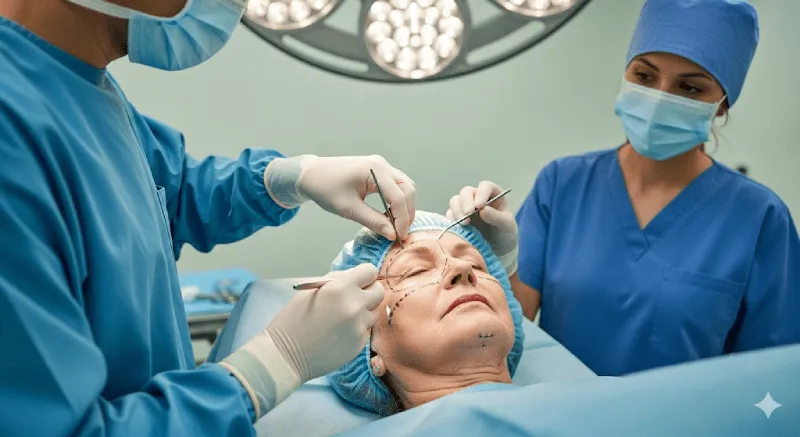
The rule “the most expensive is the best” may not always apply in aesthetic surgery, but the rule “the very cheap is risky” almost always does. A place offering very low prices is definitely sacrificing something; this might be the absence of an anesthesiologist, the use of low-quality materials, or a surgeon who lacks sufficient experience. On the other hand, there may be inflated prices solely due to advertising and luxury offices. The most accurate approach is to place the surgeon’s past work (before-after photos), the hospital’s equipment, and the bond of trust you establish with your doctor ahead of the price tag.
Why is choosing the cheapest option considered risky?
Looking for “cheapness” in a surgical procedure means risking the face you will carry for the rest of your life. An incorrectly performed facelift can lead to the hairline receding too far, the earlobe shape being distorted, facial asymmetry, or worse, permanent nerve damage. Correcting these mistakes with revision surgeries will cost many times the original “cheap” price and will never look as natural as a face that has not had its tissue integrity compromised. Therefore, if your budget is insufficient, postponing the surgery and saving more money is a much safer path than turning to a low-quality service.
What expenses arise during the recovery process?
You may have additional expenses during the first few weeks after the surgery is completed. These include prescription painkillers and antibiotics, dressing materials, and products that will increase your comfort at home, such as pillow supports. Furthermore, because you will not be able to go out, you might have indirect costs like ordering food to your home or getting help from someone for housework. Setting aside a small “emergency fund” or “recovery budget” to handle this process comfortably and without stress ensures you are prepared for unexpected expenses and significantly raises the overall quality of your recovery experience.
How do other procedures performed with a facelift increase the cost?
Often, when a facelift is performed, other procedures such as eyelid surgery (blepharoplasty), brow lifting, or neck lifting are included in the plan to ensure holistic rejuvenation. These additional procedures can be added to the main surgery at a more affordable extra cost than if they were performed alone, as anesthesia and operating room usage are shared. However, the total invoice will increase because the total duration is extended. A holistic approach always yields better results than a piecemeal one; if only your face is tightened and your eyelids remain sagging, the result may create an unfinished feeling.
Are neck lift and eyelid surgery necessary for a good result?
Many surgeons recommend that a facelift be performed alongside a neck lift to fully demonstrate its effect, as the jawline is a whole with the neck. The eyelids, on the other hand, are the places where aging is most apparent. If your budget is limited, you can create a priority list with your surgeon. However, from a long-term investment analysis perspective, having these procedures in the same session both reduces the total recovery time to a single period and brings the total cost much lower than if the procedures were done separately. Combined surgeries are the most logical choices in terms of “price-performance” value.
How does fat injection change the cost of a facelift?
Aging involves not just sagging but also a loss of volume in the face. Simply tightening the face can sometimes lead to a “skeletal” appearance. For this reason, in modern facelift operations, fat grafting—injecting fat taken from the patient’s own body (from the abdomen or hips) into specific points on the face—is frequently applied. Because the harvesting, processing, and injection of the fat require separate expertise and time, it increases the cost to some extent. However, the result obtained is so much more “plump,” “vibrant,” and “youthful” that this extra expense is truly worth every penny for a superior outcome.
How do skincare routines change in the long term?
It is a major mistake to think “I’ve rejuvenated anyway” and stop skincare after having surgery. On the contrary, professional skin treatments, medical creams, and sun protection become even more important to increase the longevity of the result obtained through surgery. However, you no longer need very expensive laser sessions or monthly filler appointments for deep wrinkles. Your care routine becomes more focused on maintaining the skin’s radiance and tissue quality, which makes your aesthetic budget more manageable and economical in the long run. The surgery provides the structure, but skincare maintains the surface.
When is the most appropriate time for surgery?
One answer to the question “is it expensive?” lies in “when you have it done.” Surgeries performed in the late 40s or early 50s, before the skin completely loses its elasticity, generally yield better results and recovery is faster. At very advanced ages, the tissue’s healing capacity decreases, which can make the process more difficult. Economically, you should choose a period when you feel most financially secure and can set aside the required time (2-3 weeks) for recovery. Early intervention can prevent larger structural deteriorations, potentially reducing the need for more heavy and expensive surgeries later in life.
What questions should be asked to the surgeon before deciding?
To understand whether the surgery is “expensive,” you need to clarify what is included in the offered price. Be sure to ask your surgeon these questions: “Are anesthesia, hospital, and all follow-up checks included in the price?”, “Are the compression garments used after surgery outside the package?”, “How are extra costs managed in the event of a potential complication?”, “Can I see the results of similar cases you have performed?”. The answers to these questions will provide you with a clear picture not just of a financial price, but also the scope and safety of the service you will receive, placing your investment decision on a solid foundation.
Free Consultation
Fill out the form below to get your free medical travel plan and price quote.