What Is Dental Fear Or Dental Phobia?
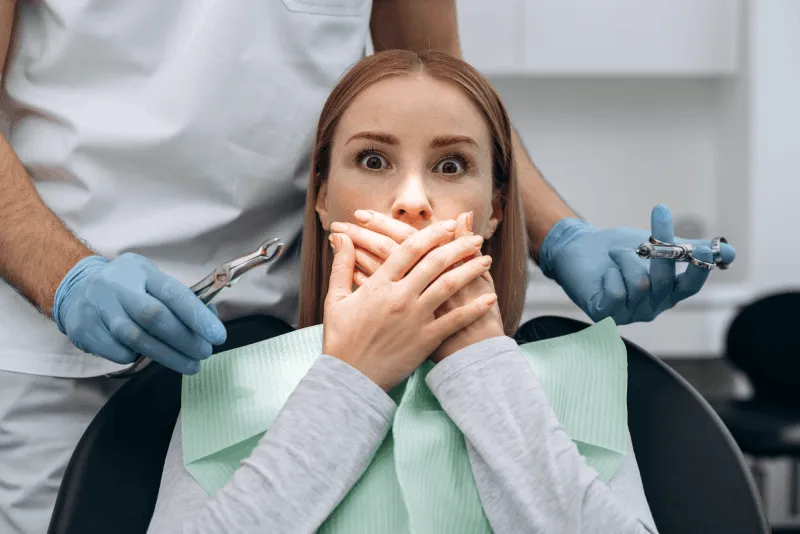
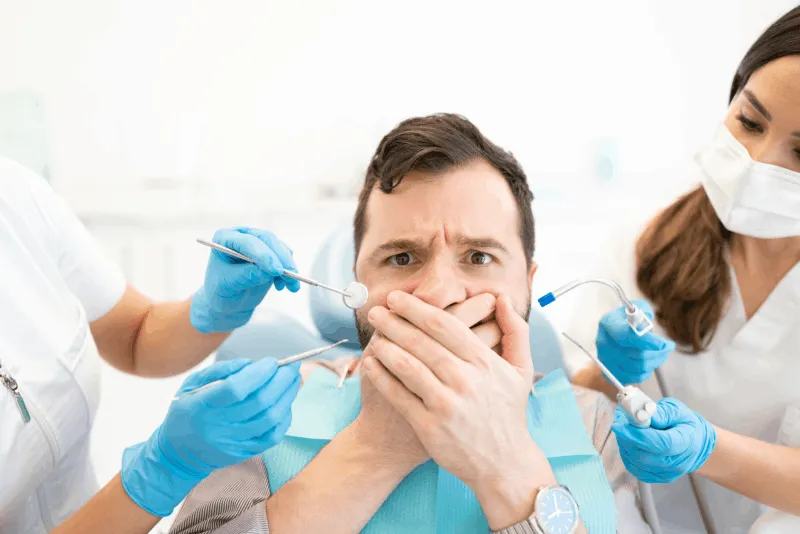
Dental fear, or medically known as dental phobia, is a condition where an individual experiences extreme anxiety, stress, and sometimes panic attacks even at the mere thought of visiting a dentist. This condition is not just a simple hesitation; it is a deep psychological barrier that causes the person to seriously neglect their oral health. People with dental phobia avoid sitting in the chair even if they are suffering from severe toothaches. This leads to simple problems that could be solved with a minor filling turning into tooth loss or serious infections over time. The root of this fear usually lies in past traumatic experiences, a feeling of loss of control, or common triggers like needle phobia.
Why Are People Afraid Of Dental Treatments?
There can be many different and valid reasons why people are afraid of dental treatments. One of the most common causes is a traumatic dental appointment experienced during childhood. Painful procedures from times when technology was less advanced can remain vivid in memories. Additionally, since the mouth is one of the most private and sensitive areas of the body, having a stranger intervene in this space creates a sense of vulnerability in the individual. The high-pitched sounds of the tools used in dentistry, the smell of the clinic, and the thought of being given an injection are among the primary factors that trigger anxiety. This chain of fear leads the patient to postpone treatment and causes the problem to grow.
What Exactly Is Dental Treatment With Sedation?
Sedation is the process of bringing the patient into a controlled state of sleep with the help of various medications during dental treatment. This method ensures that the patient is completely relaxed both physically and mentally. Unlike general anesthesia, the patient under sedation can usually breathe on their own and respond to simple commands from the physician, such as “open your mouth” or “turn your head.” However, when the procedure is finished, the patient does not remember the interventions, the sounds heard, or the pressure felt. Sedation is one of the safest and most effective methods used in modern dentistry to maximize comfort and break down the wall of fear.
Who Can Undergo Sedation In Dentistry?
Sedation application is primarily a lifesaver for individuals with extreme dental fear and phobia. Besides this, it is also ideal for patients who have a very strong gag reflex and therefore cannot tolerate tools entering their mouth. It is preferred to ensure patient comfort in long surgical operations, such as multiple implant placement or impacted tooth operations. It also provides a safe treatment environment for individuals with mental disabilities or hyperactive children who find it difficult to stay still in the chair. Patients who have blood pressure or heart conditions and want to minimize the risks that stress might trigger can also benefit from this method with doctor approval.
What Are The Main Advantages Of Sedation?
The biggest advantage of sedation is that it reduces the patient’s stress and anxiety levels to zero. From the moment the patient sits in the chair, they enter a peaceful sleep state, and because the perception of time changes, procedures that take hours feel like they lasted only a few minutes. From the dentist’s perspective, the patient being completely immobile and harmonious allows the procedure to be completed much more precisely and quickly. Keeping blood pressure and heart rate balanced reduces the risks of operation, especially in individuals with systemic diseases. Furthermore, the fact that the patient does not accumulate a traumatic memory after the procedure ensures they look more positively at their future appointments.
How Safe Is Sedation Application?
Today, sedation is a very safe procedure as long as it is performed under the supervision of a specialist anesthesiologist or a dentist trained in this field. Throughout the application, the patient’s pulse, blood oxygen level, and blood pressure are monitored second by second via digital monitors. The medications used are modern pharmaceutical products that can be rapidly eliminated from the body and have minimal side effects. Necessary emergency intervention equipment is always kept ready in clinics against any risk of complications. Since the patient’s general health history is examined in detail beforehand, risks are minimized by adjusting the dose specifically for the individual.
What Are The Features Of Conscious Sedation?
Conscious sedation refers to a level where the patient’s consciousness is not completely closed but they are in a state of deep relaxation. It is usually administered intravenously or through the respiratory tract (nitrous oxide/laughing gas). At this level, the patient may be aware of what is happening around them but feels no anxiety towards it. They can understand and fulfill verbal commands, and their protective reflexes (swallowing, coughing) are fully active. There may be a slight feeling of grogginess after the procedure, but the recovery process is quite fast. This is the most preferred method for patients with mild to moderate fear and for short-term procedures.
What Are The Differences From Deep Sedation?
Deep sedation is a level where the patient’s response to the outside world is much more reduced compared to conscious sedation. In this state, the patient does not easily respond to verbal commands but may respond to a painful stimulus. The sleep state is much deeper and is usually achieved with medications administered intravenously (IV). While a patient in conscious sedation might vaguely remember the process, in deep sedation, the process of the procedure is completely erased from memory. Deep sedation is generally a step preferred for more complex surgical procedures or for patients with advanced dental phobia who cannot stay in the chair under any circumstances.
Is Pain Felt During Sedation?
No, it is out of the question for a patient to feel pain during a dental treatment performed under sedation. Even if sedation alone is not a painkiller (analgesic), it is usually combined with local anesthesia. While the patient is in a state of sleep due to the effect of sedation, the dentist numbs the area where the procedure will be performed. When the deep relaxation created by sedation and the numbness provided by local anesthesia are combined, the patient feels no pain or ache. In fact, many patients do not even notice the injection made for local anesthesia. This method turns the treatment process into a completely painless experience for individuals with a very low pain threshold.
Is There Any Recall After Sedation?
One of the most remarkable features of sedation is the effect of “anterograde amnesia,” which is temporary memory loss created by the medications. From the moment the medication begins to be administered, the brain’s memory recording function slows down. Thanks to this, the patient does not remember the sounds of the dentist’s tools, the injection, or the pressure inside the mouth after the procedure is finished. They remember the beginning and the end of the appointment, but they perceive the process in between as if it never happened. This situation provides a great psychological advantage, especially for patients who have traumatic memories and do not want to add new ones to them.
How Is Sedation Used For Children?
Sedation in children is frequently applied for little ones who cannot adapt to dental treatment, are extremely afraid, or cannot stay still in the chair because they are too young. Usually, fruit-flavored syrups or gases inhaled with the help of a mask (laughing gas) are preferred. It is critical for children’s first experiences with the dentist not to be traumatic so that they value oral care throughout their lives. Thanks to sedation, the child completes their treatment without pain and fear. Since no bad memory remains after the procedure, they come much more comfortably to the next check-up. For parents, this process is a great comfort as it means their children are treated without screaming.
How Does The Preparation Process Work Before Sedation?
Before the sedation appointment, the patient’s medical history, medications used, and allergies are questioned in detail. On the day of the procedure, the patient is usually asked not to eat or drink anything for 6-8 hours before the operation (coming on an empty stomach); this is vital for the stomach to be empty and to prevent potential nausea. It is recommended to wear comfortable and loose clothing. If the patient has medications they use regularly (blood pressure, diabetes, etc.), the instructions of the physician regarding at what time these should be taken must be strictly followed. Additionally, it is mandatory for the patient to come to the clinic with a companion who will accompany them and take them home.
How Long Does The Sedation Process Take?
The duration of sedation depends entirely on the scope of the dental treatment to be performed. If only a single filling is to be made, the sedation period may be limited to 20-30 minutes. However, if procedures such as full-mouth implant placement, sinus lifting, or multiple tooth extractions are to be performed, the process can extend up to 2-3 hours. The anesthesiologist adjusts the drug dose according to the patient’s condition throughout the operation and keeps the patient at the desired depth. After the procedure is finished, the drug is discontinued and it takes about 15-20 minutes for the patient to come to. For them to fully awaken in the clinic environment, an observation period of 1 hour is usually sufficient.

Should Sedation Be Preferred For Tooth Extraction?
Sedation is an excellent choice, especially in challenging surgical extractions such as wisdom teeth or when multiple teeth need to be extracted in the same session. The cracking sounds and the feeling of pressure during tooth extraction are the biggest sources of fear for phobic patients. Sedation blocks these sensory inputs, preventing the patient from feeling the process. Additionally, the risk of tissue trauma and edema that may occur after extraction may decrease slightly because the patient experiences less stress during the procedure and their blood pressure remains stable. For patients who keep decayed teeth in their mouths due to fear, sedation is the most effortless way to get rid of this problem.
What Is The Role Of Sedation In Implant Treatment?
Implant treatment is generally perceived by patients as a “scary surgery.” Even the thought of intervention in the jawbone can increase anxiety. Sedation makes implant operations much more comfortable for both the patient and the surgeon. The surgical team can work much more precisely thanks to the patient’s calmness. Sedation provides great convenience, especially in stages that take a long time and require attention, such as bone graft (powder) application. When the patient sees that their implants have been placed upon waking up, the surprise and relief they experience is the greatest proof of the success of this method.
Can Fear Of Root Canal Treatment Be Overcome With Sedation?
Root canal treatment has a false reputation among the public for being “very painful.” Actually, no pain is felt with local anesthesia, but the long duration of the procedure and the mouth staying open constantly can tire the patient. Sedation makes this process much more bearable because it changes the patient’s perception of time during root canal treatment. The fact that the patient is not tense helps the dentist clean the canals better and do the filling more meticulously. Sedation guarantees patient comfort, especially in challenging root canal treatments in the back teeth or in cases such as root tip resection.
Is Sedation Necessary For Dental Scaling?
Under normal circumstances, dental scaling (detertraj) is a painless procedure and does not require sedation. However, some patients may have extremely sensitive gums or an uncontrollable gag reflex. Additionally, for individuals with advanced dental phobia, even the water and sound emitted by a simple cleaning device can be unbearable. In such special cases, a light conscious sedation or laughing gas application can be performed so that the patient’s gums regain their health and the treatment is not left half-finished. Our goal is always to ensure the patient completes their treatment with the highest level of comfort.
Does Sedation Have Side Effects?
As with any medical intervention, sedation can have some mild side effects, but these are usually temporary. Mild grogginess, instability, dizziness, or sleepiness lasting for a few hours after the procedure are the most common conditions. Some patients may feel nausea or dry mouth. In applications made intravenously, mild bruising or sensitivity may occur at the needle entry site. Serious allergic reactions or respiratory problems are extremely rare and can be controlled immediately under professional supervision. Most side effects disappear in a short time with the patient resting and consuming plenty of fluids.
Who Cannot Have Sedation?
Although sedation is generally safe, it can be risky in some health conditions. Sedation may not be suitable for those with severe respiratory failure, those with systemic diseases that cannot be controlled, or those with some rare disorders affecting the central nervous system. Additionally, in the first three months of pregnancy, sedation is not recommended as medication use is avoided unless there is an emergency. In patients with severe obesity or sleep apnea, airway control may become difficult, so extra precautions should be taken. In any case, it is a fundamental requirement for the patient to fully inform the physician of all their existing diseases and the medications they use for this decision to be made healthily.
How Is The Recovery Process After Sedation?
Recovery after sedation is actually very fast, but one must not let their guard down. The patient fully recovers within approximately 30-60 minutes after the medication is discontinued. A slight slowing in perceptions and a decrease in physical coordination are normal for the first few hours. For this reason, the patient must have a companion when leaving the clinic. When they go home, if possible, the rest of the day should be spent resting. Since the medications are eliminated from the body through the urine, drinking plenty of water speeds up the process. The next day, the vast majority of patients feel completely normal and can return to their daily routines.
Can A Vehicle Be Driven After Sedation?
This subject is very critical: A vehicle must absolutely not be driven for at least 24 hours after sedation. Even if the levels of the drugs in the blood drop, they can continue to affect reflexes, decision-making ability, and attention span for a long time. Since it creates an effect similar to having consumed alcohol, going out into traffic poses a great risk for both the patient and those around them. Likewise, heavy machinery should not be used, important decisions should not be made, or risky jobs requiring attention should not be performed. Even if patients usually think they feel fine, it is essential for a night’s sleep to pass for brain functions to return to full capacity.
What Are The Ways To Cope With Dental Phobia?
Although sedation is a great tool to overcome dental phobia, some steps can also be taken psychologically. First of all, it is important to identify the source of the fear and share it openly with the dentist. Choosing a dentist who is trusted, can empathize, and does not rush is half of the treatment. Taking appointment times during periods when the clinic is quieter, listening to music during the procedure, or determining a “stop” signal increases the sense of control. Breathing exercises and meditation techniques also help in relaxing in the chair. However, at the point where these methods are insufficient, sedation is the most professional solution that facilitates the process.
How Are Sedation Costs Determined?
The cost of dental treatment with sedation varies depending on several factors. The first factor is how long the procedure will take; as the duration increases, the amount of medication used and the time of the expert personnel increase. Secondly, the type of sedation (oral, IV, or laughing gas) affects the price. The fee of the anesthesia specialist who will perform the application is also added to the total cost. Additionally, the technological equipment of the clinic and the quality of the medications used are also factors. Usually, sedation is billed as an additional service, but considering the comfort experienced by the patient and the successful completion of the treatment, this cost should definitely be seen as an investment.
What Are The Psychological Effects Of Sedation?
Sedation not only provides physical relief but also radically changes the patient’s perception of dentistry. The years-long trauma of “dental fear” is replaced by a painless and comfortable experience. When the patient sees that the treatment can be done and that the things they were afraid of did not happen, they gain self-confidence. This situation breaks the feeling of “learned helplessness.” Many patients, after a few successful treatments performed with sedation, can begin to come to their subsequent routine check-ups without needing sedation, having overcome their fear. In other words, sedation actually functions as a kind of desensitization therapy.
Can Sedation Be Applied During Pregnancy?
Medication use during pregnancy is a very sensitive issue. As a general principle, all non-mandatory medical interventions and medication uses should be postponed in the first and last three months (trimesters) of pregnancy. Although the second trimester (months 4-6) is the safest period for dental treatments, the risk of the medications used for sedation crossing the placenta barrier is taken into consideration. Therefore, sedation in pregnant women can be applied only in very urgent and unavoidable situations, with the joint decision of both the dentist and the obstetrician. It is always the safest approach to wait until after birth for routine or aesthetic procedures.
Can Heart Patients Receive Sedation?
For heart patients, stress during dental treatment can actually be riskier than the treatment itself. Extreme fear and anxiety can cause the release of adrenaline and, accordingly, an increase in heart rate and an increase in blood pressure. This situation can trigger the risk of heart attack or rhythm disorder. Controlled sedation calms the patient, eliminating these stress factors and ensuring the heart works more stably. However, the type and dose of medications to be used in heart patients should be determined by consulting the patient’s cardiologist. Sedation performed under expert supervision can make treatment much safer for heart patients.
Is Sedation Safe For The Elderly?
In elderly patients, sedation application requires meticulousness because the metabolic rate slows down and multiple medications are usually used. However, this does not mean that the elderly cannot receive sedation. On the contrary, reducing the stress of elderly patients in the dental chair is beneficial for their general health. Dose adjustment is made much more sensitively according to age and body weight. It is essential to perform blood tests and systemic checks before the procedure. In the elderly, milder methods such as “conscious sedation” are generally preferred, and vital signs are monitored much more closely throughout the process. It is a very comfortable option for the elderly under appropriate conditions.
How Is Breathing Controlled During Sedation?
In conscious and moderate sedation, the patient’s respiratory center is not suppressed; that is, the patient continues to breathe naturally on their own. However, as a precaution, additional oxygen support is provided to the patient through the nose during the application. This both ensures better oxygenation of the patient’s tissues and serves as a precaution against any risk of narrowing. The anesthesiologist constantly monitors the patient’s chest movements and blood oxygen saturation (SpO2). Modern tracking devices provide an audible warning when there is even a slight drop in oxygen level, allowing the team to intervene immediately. Therefore, sedation is quite a safe process in terms of respiration.
Who Is A Sedation Specialist?
The person who applies sedation in dentistry is usually an “Anesthesiology and Reanimation Specialist.” These specialists are doctors who have specialized in anesthesia for years following their medical school education. Their duty is not just to give medication but to manage all vital functions of the patient (heart, lungs, brain activities) throughout the process. In some countries and situations, dentists who have received special sedation training can also apply low-level sedation (such as nitrous oxide). However, the presence of an anesthesia doctor in deep sedations performed intravenously is the highest standard in terms of patient safety.
What Should Be Considered When Choosing A Dental Clinic?
If you are considering being treated with sedation, you should question the competence of the clinic in this regard. First, make sure that the clinic has the necessary licenses and sterilization standards. Ask if the sedation procedure is performed by an anesthesia specialist. It is mandatory for the clinic’s equipment to include an emergency intervention set, a defibrillator, and advanced monitors. Additionally, examining the comments of patients who have preferred this clinic before can give you an idea. The fact that your physician gives you confidence in the preliminary interview and answers all your questions patiently should also be decisive in your choice.
Is The Risk Of Sedation Lower Than General Anesthesia?
Yes, sedation carries much less risk than general anesthesia and puts less load on the body. In general anesthesia, the patient is completely put to sleep, connected to a respirator (intubation), and the recovery process is much longer. In sedation, however, breathing is natural, medication amounts are lower, and it is possible for the patient to awaken quickly. Furthermore, side effects such as severe sore throat, nausea, and long-term fatigue seen after general anesthesia are either not seen at all or are very mild in sedation. For 95% of dental treatments, sedation is a perfect alternative that leaves no need for general anesthesia.
What Are The Harms Of Treatments Delayed Due To Phobia?
Postponing treatment due to dental fear is actually an invitation to much greater disasters. A simple cavity can lead to root canal treatment; a tooth that could be saved with root canal treatment can lead to extraction. Missing teeth lead to the melting of the jawbone and the displacement of other teeth over time. Additionally, chronic infections in the mouth do not only affect the teeth but can also threaten heart valves, joints, and kidneys by spreading through the blood. Aesthetic disorders, on the other hand, restrict the person’s social life, causing them to hide their smile and lose self-confidence. Sedation is the most powerful key offered to break all this negative chain.
When Can You Eat After Sedation?
After the procedure is finished, it should be waited for the patient to fully awaken and for the swallowing reflex to return to normal. Generally, light things can be started to be eaten 1-2 hours after sedation. However, the main point to be considered here is the surgical intervention performed by the dentist. If a tooth extraction or implant was made, hot and hard foods should be avoided until the numbness passes (to prevent cheek and lip bites). On the first day, usually warm, soft, and liquid-weighted nutrition is recommended. It will also be beneficial to stay away from very fatty or spicy foods against stomach sensitivity that may occur due to the effect of the medication.
How To Overcome Dental Chair Phobia?
The most effective way to overcome dental chair phobia is to accumulate positive experiences. Sedation provides this positive experience by “feeling nothing.” A patient who gets up from the chair in a painless and stress-free way even once has demolished that terrible scenario in their brain. Over time, the idea that the dentist is a “helper” rather than a “torturer” is reinforced. Establish a relationship of trust with your physician to feel that you are in control for your own health. Sedation provides you with the time and comfort you need to build this trust. Remember, fear grows as you flee, and disappears as you face it (especially with professional help).
What Will Dental Treatment With Sedation Look Like In The Future?
As technology develops, sedation methods are also becoming more specific and personalized. In the future, it is expected that smarter medications that have no side effects and are eliminated from the body in seconds will be used. Perhaps virtual reality (VR) applications made with digital glasses will combine with low sedation doses to make the patient feel in a completely different world. Artificial intelligence-supported monitors will be able to detect even the slightest discomfort of the patient and adjust the drug dose automatically. However, no matter how much the method develops, the fundamental goal will not change: To ensure that everyone has a healthy smile without fear.
Free Consultation
Fill out the form below to get your free medical travel plan and price quote.
Sources and how to verify this yourself
- Howe M-S, Keys W, Richards D. Long-term (10-year) dental implant survival: a systematic review and sensitivity meta-analysis. Journal of Dentistry, 2019 — pooled 10-year implant survival 96.4% (95% CI 95.2–97.5%); conservative sensitivity estimate 93.2%. source
- Ministry of Health, Regulation on International Health Tourism and Tourist Health, Official Gazette 26 April 2025, No. 32882 — authorisation requirement for facilities and intermediaries, TÜSKA accreditation, compulsory complication insurance (deadline 31 December 2025 for insurance, 31 December 2026 for accreditation). source
- Ministry of Health, Regulation on Promotion and Information Activities in Health Services, Official Gazette 12 November 2025, No. 33075 — treatment promises and guarantees are prohibited; price and campaign announcements are permitted only within international health tourism. source