What Is A Dental Implant And Why Is It Necessary?
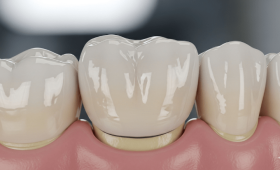
Dental implants are artificial tooth roots placed into the jawbone to restore the function and aesthetics of lost natural teeth. Missing teeth not only affect your smile but can also impair chewing function and lead to bone loss in the jaw over time. In modern dentistry, implants are the healthiest way to fill these gaps without damaging adjacent teeth. Thanks to the prostheses placed on these artificial roots, patients can eat and speak with confidence, as if they were using their own natural teeth.
Why Are Titanium Implants So Widely Used?
Titanium has been considered the gold standard in dentistry for over fifty years. The main reason for its widespread use is its exceptional biocompatibility and its capacity for osseointegration, which is the ability to fuse directly with the bone. Titanium is a lightweight yet extremely durable metal that shows excellent resistance to the high pressures generated during chewing. Furthermore, its testing across millions of cases worldwide increases dentists’ trust in this material and guarantees long-term success rates.
What Is The Difference Between Ceramic And Titanium Implants?
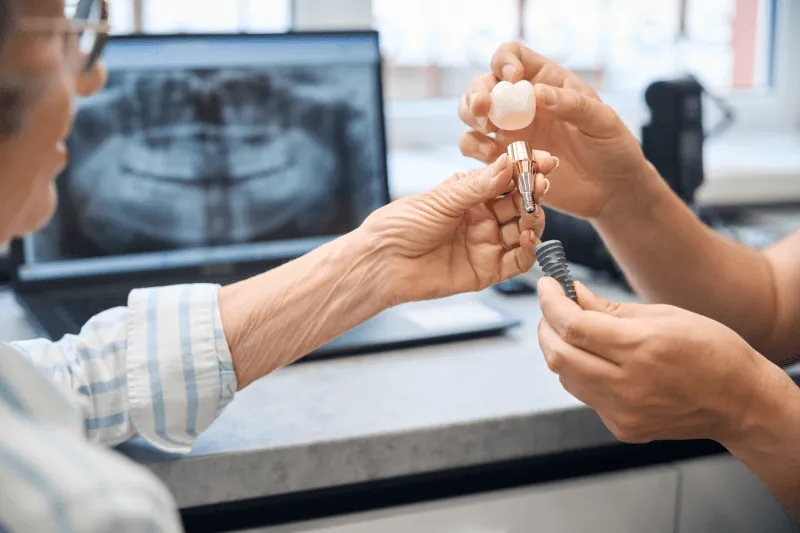
Ceramic implants are metal-free alternatives typically manufactured from zirconium dioxide material. While titanium implants have a metallic structure, ceramic implants are completely white in color and possess a non-metallic crystalline structure. This fundamental difference makes ceramic implants stand out, especially for patients with aesthetic concerns or metal sensitivities. Due to their chemical structure, ceramics are electrically neutral, which completely eliminates the risk of problems such as corrosion or a metallic taste occurring in the mouth.
Are Zirconium And Ceramic Implants The Same Thing?
The terms “zirconium implant” and “ceramic implant,” which are often used interchangeably by the public, actually refer to the same thing. Zirconium dioxide is a special compound belonging to the ceramic family and is the main material used in dental implants. This material combines the aesthetic properties of ceramic with the metal-like durability of zirconium. Therefore, when a dentist mentions a ceramic implant, they are actually referring to a structure made of zirconium with bioceramic properties. Both terms describe modern, metal-free solutions.
How High Is The Success Rate Of Titanium Implants?
Clinical studies show that the success rate of titanium implants is between 95% and 98%. This rate is one of the highest among all dental procedures. The bond titanium forms with the bone tissue is so strong that these implants can remain in the mouth for a lifetime when properly cared for. The flexibility of the material ensures that stress on the bone is distributed homogeneously, minimizing bone loss. The abundance of long-term data makes titanium the safest harbor for patients and physicians who do not want to take risks.
What Are The Aesthetic Advantages Of Ceramic Implants?
The biggest advantage of ceramic implants is their white color, which is similar to a natural tooth root. In applications performed in the front tooth area, the gray reflection of titanium can be a problem for patients with thin gum tissue. Ceramic implants, being white, never cast a dark shadow from under the gums. Even if gum recession occurs over time, aesthetic integrity is maintained because no metallic appearance will emerge. This is an invaluable feature for patients aiming for a flawless and natural smile design.
Do Titanium Implants Cause Gray Reflection Through The Gums?
Yes, in some cases, titanium implants can cause a grayish color to appear at the gum line. This is particularly noticeable in patients with thin gum biotypes or when the implant placement is not perfect. When gum recession occurs, the metal neck of the implant may be exposed, which can be aesthetically bothersome for the patient. Although this situation does not create a functional problem, in areas with high aesthetic expectations, this visual disadvantage of titanium leads to the consideration of ceramic options.
Which Implant Is Safer For Those With Metal Allergies?
For patients with metal allergies or sensitivities, ceramic implants are arguably the safest choice. Although titanium is biocompatible, it may rarely contain traces of other metals such as nickel. Some patients may show signs of “Titanium Allergy” or chronic inflammation. Ceramic (zirconium) implants, however, are completely metal-free and hypoallergenic. Since they do not create any burden on the immune system, they provide a more biologically peaceful recovery in individuals with systemic diseases or a history of allergies.
Are Ceramic Implants As Durable As Titanium?
While there were some concerns about the brittleness of ceramic implants in the past, modern manufacturing technologies have largely solved this problem. Today’s zirconium ceramics are known for their “high fracture resistance.” However, titanium’s modulus of elasticity is still closer to bone, making it slightly more tolerant of sudden impacts. Ceramic implants are quite hard. Caution should be exercised when choosing ceramic for patients with severe teeth grinding (bruxism) issues. In the right case and with the right placement, both materials have the strength to withstand chewing forces.
Why Is Biocompatibility Important In Implant Selection?
Biocompatibility means that the artificial material placed is accepted by the body tissues and does not trigger a harmful reaction. The lifespan of an implant depends on the body not seeing it as a “foreign body” and rejecting it. Both titanium and ceramic have high biocompatibility, but ceramics are chemically passive (inert), allowing them to form a more natural bond with the soft tissue. The way the gum attaches to ceramic is much closer to a natural tooth, which makes it harder for bacteria to leak in, helping the tissues around the implant stay healthier.
Is There A Corrosion Risk In Titanium Implants?
Titanium can undergo microscopic corrosion over time in the acidic environment of saliva and food in the mouth. This corrosion process can cause the release of metal ions from the implant surface into the surrounding tissues. Although this is not noticed in most people, these ions can trigger local inflammation in some individuals with biological sensitivities. Ceramic implants are completely resistant to corrosion. They do not dissolve in any way or release ions into the tissues. This situation puts ceramics one step ahead in terms of maintaining the chemical balance of the oral environment.
How Is The Healing Process For Ceramic Implants?
The healing process for ceramic implants is quite similar to that of titanium; however, thanks to its tissue-friendly nature, soft tissue healing can sometimes occur faster. The bone fusion period (osseointegration) usually takes 3 to 6 months. Ceramic surfaces are specially roughened for bone cells to attach. Some studies indicate that blood circulation around ceramic implants is better than titanium. This can mean less swelling after surgery and a faster recovery of the tissues.
Which Type Of Implant Accumulates Less Bacteria?
Research has proven that ceramic surfaces collect less bacterial plaque than titanium surfaces. The smooth and electrically neutral structure of ceramic makes it difficult for bacteria to adhere to the surface. This feature reduces the risk of “peri-implantitis,” a gum disease around the implant that is the most common cause of implant loss. For patients who struggle with hygiene or are prone to gum disease, ceramic implants offer a strategic advantage as they provide a cleaner oral environment.
What Do One-Piece Ceramic Implants Mean?
The first versions of ceramic implants were usually designed as “one-piece” (monoblock). In this design, both the root part inside the bone and the abutment on which the tooth will be attached consist of a single body. The advantage of being one piece is that there is no connection point where bacteria can leak between parts. However, this situation requires perfect angulation during the placement of the implant and provides less flexibility to the dentist during the prosthetic stage. If the implant is not placed at exactly the right angle, it can be difficult to achieve the aesthetics of the tooth to be made on it.
Are Two-Piece Ceramic Implants Available?
Yes, thanks to technological progress, two-piece ceramic implants are now widely used. This design combines the flexibility of titanium implants with the biological advantages of ceramic. After the root part of the implant is placed, healing is awaited, and then the abutment part is attached. This method is safer as it allows for a chance of healing without loading after surgery. It also allows for more aesthetic results by enabling the selection of abutments at different angles during the prosthetic stage. Today, most modern clinics prefer two-piece systems because of this flexibility.
Which Implant Looks Better In Case Of Gum Recession?
Gum recession is a natural process that occurs over time or due to aging. In this case, the neck part of the implant may be exposed. In titanium implants, this situation can lead to the appearance of gray metal during a smile, which can be an aesthetic disaster. In ceramic implants, since the entire implant is tooth-colored, the visible part looks like a natural tooth root even if the gum recedes. This “aesthetic insurance” is one of the main motivations for patients, especially those having front teeth done and with a high smile line, to choose ceramic implants.
What Are The Long-Term Effects Of Titanium Implants On The Body?
Titanium implants have been used for half a century, and their effects on overall body health are quite well known. They do not pose any problems for most patients. However, some experts who adopt a holistic medicine approach argue that the continuous presence of metals in the body can create chronic stress on the immune system. Rare cases of “titanium sensitivity” have been associated with non-specific symptoms such as fatigue, skin rashes, or joint pain. For patients who have these concerns or practice “metal detox,” ceramics are seen as a safer harbor.
Why Does Holistic Dentistry Recommend Ceramic Implants?
Holistic dentistry views oral health as a part of overall body health. Dentists in this school are generally against placing foreign metals in the mouth. Ceramic implants are bio-inert (not interacting with the body), and it is believed they do not disrupt energy flow. Furthermore, the lack of electrical conductivity in ceramics prevents galvanic currents that could create a battery effect in the mouth. For individuals who adopt a holistic lifestyle and want to choose the most natural of every material entering their body, ceramic implants are the most compatible solution philosophically and medically.
Is The Risk Of Fracture Higher For Ceramic Implants Compared To Titanium?
In the early days of ceramic implants, fracture rates were slightly higher than titanium. However, the durability of zirconium ceramics has shown a massive increase with “Y-TZP” (Yttrium-stabilized tetragonal zirconia polycrystal) technology. Today, the risk of fracture for a high-quality ceramic implant has been reduced to almost the same level as titanium implants. Still, under very extreme forces, the flexibility of ceramic is lower. For this reason, your dentist will evaluate your jaw structure and occlusion forces to choose the most suitable one for you; however, the durability of modern ceramics is no longer a major concern.
What Are The Surgical Placement Advantages Of Titanium Implants?
Titanium implants offer surgeons great flexibility during application. A wide range of diameter and length options makes it easier to find a solution suitable for all kinds of bone volumes. Furthermore, the surface properties of titanium are very suitable for the procedure we call “immediate loading,” where the tooth is attached on the same day the implant is placed. Thanks to its two-piece structure, difficulties encountered during the surgical stage can be easily compensated for during the prosthetic stage. Since dentists are much more familiar with titanium systems during their training, the application process is generally faster and more predictable.
Why Are Ceramic Implant Prices More Expensive Than Titanium?
The cost of ceramic implants is generally 30% to 50% higher than titanium implants. There are several main reasons for this. First, processing zirconium and bringing it into an implant form requires a much more complex and costly technology than titanium. Second, the number of companies producing ceramic implants is lower, which keeps competition low. Furthermore, since the surgery and prosthetic stages of these implants require more delicate craftsmanship, laboratory and clinical costs also increase. However, the aesthetic and biological advantages make this extra cost affordable for many patients.
Which Implant Has A Lower Risk Of Galvanic Current In The Mouth?
When different types of metals (amalgam filling, gold crown, titanium implant) are present in the mouth, saliva can act as a conductor between these metals, creating a small electric current (galvanism). This situation can cause a metallic taste in the mouth, a burning sensation, or unexplained pains. Ceramic implants are completely insulating and do not conduct electricity. Therefore, the probability of galvanic current formation in the mouth is zero with ceramic implants. If you have many different metal restorations in your mouth, choosing a ceramic implant might be a more sensible choice to maintain electromagnetic balance.
Which Implant Is More Suitable For Smokers?
Smoking slows down blood circulation in the mouth, negatively affecting the success of any type of implant. However, titanium implants may have slightly higher success rates in smokers compared to ceramics. This is because the bond titanium forms with the bone is a bit more resistant to the toxic environment created by smoking. The healing process of ceramic implants may be more sensitive to tissue oxygenation. Of course, the best approach is to quit smoking before implant treatment. Your dentist will determine which material is less risky for you based on the level of your smoking habit.
Titanium Or Ceramic For Those With Low Bone Quality?
Titanium implants are usually the first choice in cases where bone quality or volume is insufficient. The “aggressive” thread designs of titanium provide better primary stability (initial attachment) in soft or weak bone. Furthermore, we have much more clinical data regarding the combination of titanium implants with bone grafting (bone powder) applications. Ceramic implants generally give more successful results in cases with healthier and sufficient bone volume. If you have serious bone loss, your surgeon is more likely to recommend titanium to support success.
How Does The Surface Structure Of Ceramic Implants Integrate With Bone?
The surfaces of ceramic implants are roughened by laser or sandblasting methods so that bone cells (osteoblasts) can easily attach to the surface. Zirconium is a material very friendly to bone tissue, and the osseointegration process occurs at a quality similar to titanium. Studies show that the rate of bone formation on ceramic surfaces is quite satisfactory. Ceramic forms direct contact with the bone without allowing a fibrous tissue to form in between. This tight bond is the fundamental mechanism that ensures the implant stays stable against chewing forces and remains long-lasting.
What Other Metals Are Found In Titanium Alloys?
Pure titanium (Grade 4) is used in dentistry, but sometimes titanium alloys (Grade 5) are preferred to increase durability. These alloys typically contain 6% aluminum and 4% vanadium. Although these metals are stabilized within the alloy, their presence might create a question mark for very sensitive constitutions. Ceramic implants are completely away from such mixtures; they consist of 99.9% pure zirconium dioxide crystals. Patients who are concerned about metal purity or do not want any vanadium or aluminum to enter their bodies in any way are turning to ceramics.
Do Ceramic Implants Change Color Over Time?
No, ceramic (zirconium) implants and the porcelain teeth placed on them do not change color over time. The structure of ceramic is non-porous, which prevents coloring substances like coffee, tea, cigarettes, or wine from penetrating the material. Titanium implants themselves do not change color either, but the bruising or grayish color of the surrounding gum is often misinterpreted as the implant changing color. Since both the implant and the prosthesis maintain their color in ceramic systems, they preserve their bright and white appearance even after many years.
Are Cleaning And Maintenance Processes Different After An Implant?
The basic maintenance principles are the same for both types of implants: regular brushing and flossing. However, since ceramic implants are more resistant to plaque accumulation, keeping them clean might be slightly easier. In the cleaning of titanium implants, it may be recommended to use special plastic-tipped cleaning tools to avoid scratching the metal surface. With ceramic implants, the risk of surface scratching is lower. In both cases, professional dental cleaning check-ups should not be neglected to protect the health of the gums around the implant. Remember, implants do not decay, but the gums around them can get diseased.
How Many Years Have Ceramic Implants Been Used Clinically?
The history of ceramic implants is not as old as titanium, but they have been in clinical applications for over 20 years. The technical problems experienced in the first generations have been completely overcome with the new generation zirconium materials developed in the last 10 years. This has broken the perception that ceramic is a “new and untested” technology. In Europe, especially in Germany and Switzerland, the use of ceramic implants is much more common, and the long-term success data from these regions is very encouraging. In modern dentistry, ceramics have now matured and proven their worth as a reliable treatment option.
Which Type Of Implant Gives A More Natural Feel?
Actually, since both types of implants fuse completely with the bone, they cannot exactly replicate the “natural tooth” sensation during chewing (because the periodontal ligament fibers found in natural teeth are absent in implants). However, the thermal conductivity of ceramic implants is lower than titanium. This means that the implant does not conduct heat to the surrounding tissues when consuming hot or cold foods, which can provide a more “natural” intraoral comfort. Furthermore, the tongue not feeling a metallic coldness when touching the implant area helps the patient embrace the implant more easily psychologically.
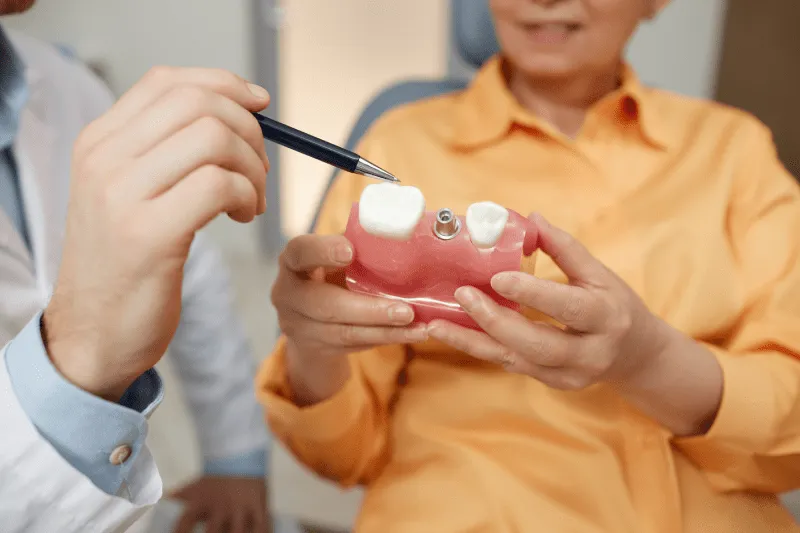
What Technologies Are Used In The Production Of Ceramic Implants?
Ceramic implants are manufactured using CAD/CAM (Computer-Aided Design and Manufacturing) technologies. Zirconium blocks are carved in computerized milling machines with a precision of one thousandth of a millimeter. Then, they go through high-temperature firing processes called “sintering” to harden the material. Surface properties are shaped with advanced techniques such as acid etching or laser modification to improve the implant’s grip on the bone. This high-tech production process is the most important factor determining the quality and durability of the implant. Titanium production is based more on casting and turning.
Why Do Dentists Usually Prefer Titanium?
There are several practical reasons why dentists more frequently prefer titanium. First, the ease of application and variety of parts in titanium systems make the surgical process more predictable. Second, since the price of titanium implants is more affordable, they appeal to a wider range of patients. Third, training in dental schools is predominantly given through titanium. However, increasing patient demands and the importance of aesthetic results in recent years have led many dentists to specialize in ceramic implant systems and offer this option to their patients more frequently.
How Is The Soft Tissue Compatibility Of Ceramic Implants?
The soft tissue (gum) compatibility of ceramic implants is generally superior to titanium. Gum cells (fibroblasts) tend to attach to the zirconium surface much more tightly and healthily. This situation forms a natural “gum seal” at the neck of the implant. This seal acts as a biological barrier that prevents food residues and bacteria from leaking into the bone. As a result, the gums of patients using ceramic implants remain pinker, healthier, and far from inflammation. For those who value gum health, this biological compatibility is the biggest advantage.
Do Titanium Implants Cause Problems In MRI Scans?
Titanium implants are “paramagnetic” materials, meaning they are not captured by strong magnetic attraction in magnetic resonance imaging (MRI) devices. Therefore, they are safe and do not move out of place in cases where an MRI is required. However, because they are metal, they can cause “artifacts,” which are glares or distortions on the image. This situation can reduce the clarity of images, especially in the face and brain regions. Ceramic implants, being metal-free, do not cause any distortion in MRI images. This provides comfort for patients who frequently need to have medical imaging.
Where Will Dental Implant Technology Evolve In The Future?
In the future, dental implant technology is expected to concentrate more on “smart surfaces” and “bioactive materials.” The surfaces of both titanium and ceramic implants could be coated with proteins or antibacterial agents that accelerate bone growth. Furthermore, thanks to 3D printer technology, the production of personalized ceramic implants that are fully compatible with the patient’s own bone structure will become even more widespread. The tendency to move away from metal altogether is accelerating R&D studies on ceramic implants and bringing the physical properties of these materials even closer to natural teeth. Dentistry is progressing towards a faster and more biological process with digitalization.
Which Is The Right Implant For You?
The choice of the most correct implant depends on your overall health status, budget, aesthetic expectations, and bone structure. If you want a high aesthetic result in the front tooth area or if you have a metal allergy, a ceramic implant is ideal for you. However, if your bone quantity is limited or if you are looking for a more economical and long-term proven solution, titanium is still the strongest candidate. The best decision will be made after a detailed examination with a dentist experienced in both materials. Your dentist will choose the one most suitable for your biological structure, ensuring you achieve a healthy smile.
Free Consultation
Fill out the form below to get your free medical travel plan and price quote.
Sources and how to verify this yourself
- Howe M-S, Keys W, Richards D. Long-term (10-year) dental implant survival: a systematic review and sensitivity meta-analysis. Journal of Dentistry, 2019 — pooled 10-year implant survival 96.4% (95% CI 95.2–97.5%); conservative sensitivity estimate 93.2%. source
- Ministry of Health, Regulation on International Health Tourism and Tourist Health, Official Gazette 26 April 2025, No. 32882 — authorisation requirement for facilities and intermediaries, TÜSKA accreditation, compulsory complication insurance (deadline 31 December 2025 for insurance, 31 December 2026 for accreditation). source
- Ministry of Health, Regulation on Promotion and Information Activities in Health Services, Official Gazette 12 November 2025, No. 33075 — treatment promises and guarantees are prohibited; price and campaign announcements are permitted only within international health tourism. source